In anticipation of my retirement after 45-years of teaching I traveled to Aurora, Colombia to participate in a week-long retreat organized by Peruvian shaman and psychologist, Pío Vucetich. I was attracted by what I had heard that Pío and Aurora had to offer: conversations and ceremonies designed to help people connect with their inner energies and thereby unlock their potential for fulfillment. The Quechua term kawsay pura dominated my conversations with Pío and became the expression of my own personal quest. As Pío explained it, kawsay is just that: life understood in the broadest sense as a path, a journey, a becoming. Kawsay pura suggests the enlightenment that we pursue along a path unfolding in harmony with the universe. It is a quest inspired by the virtue of compassion: for nature and humanity.
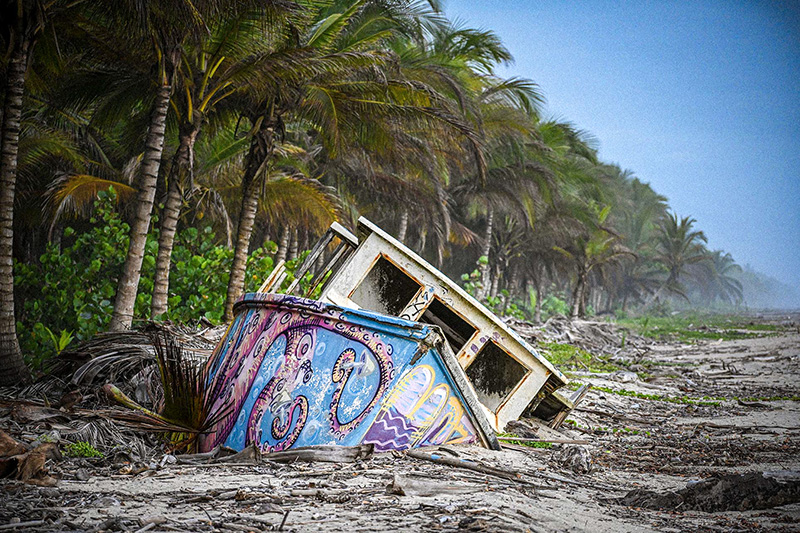
The lessons derived from Aurora are rooted in traditional wisdoms and practices that are woefully scarce in contemporary society. The voices of poets with whom I have communed over the decades –my gurus as a teacher and scholar of Spanish literature– resonated for me under a star-studded sky and against the sound of the waves beating rhythmically on the nearby sandy shore. These voices melded harmoniously with Pío’s. Never have I identified so deeply with the caminante who, in Antonio Machado’s canciones, charts his path –his kawsay— across the seas of our time, being and becoming:
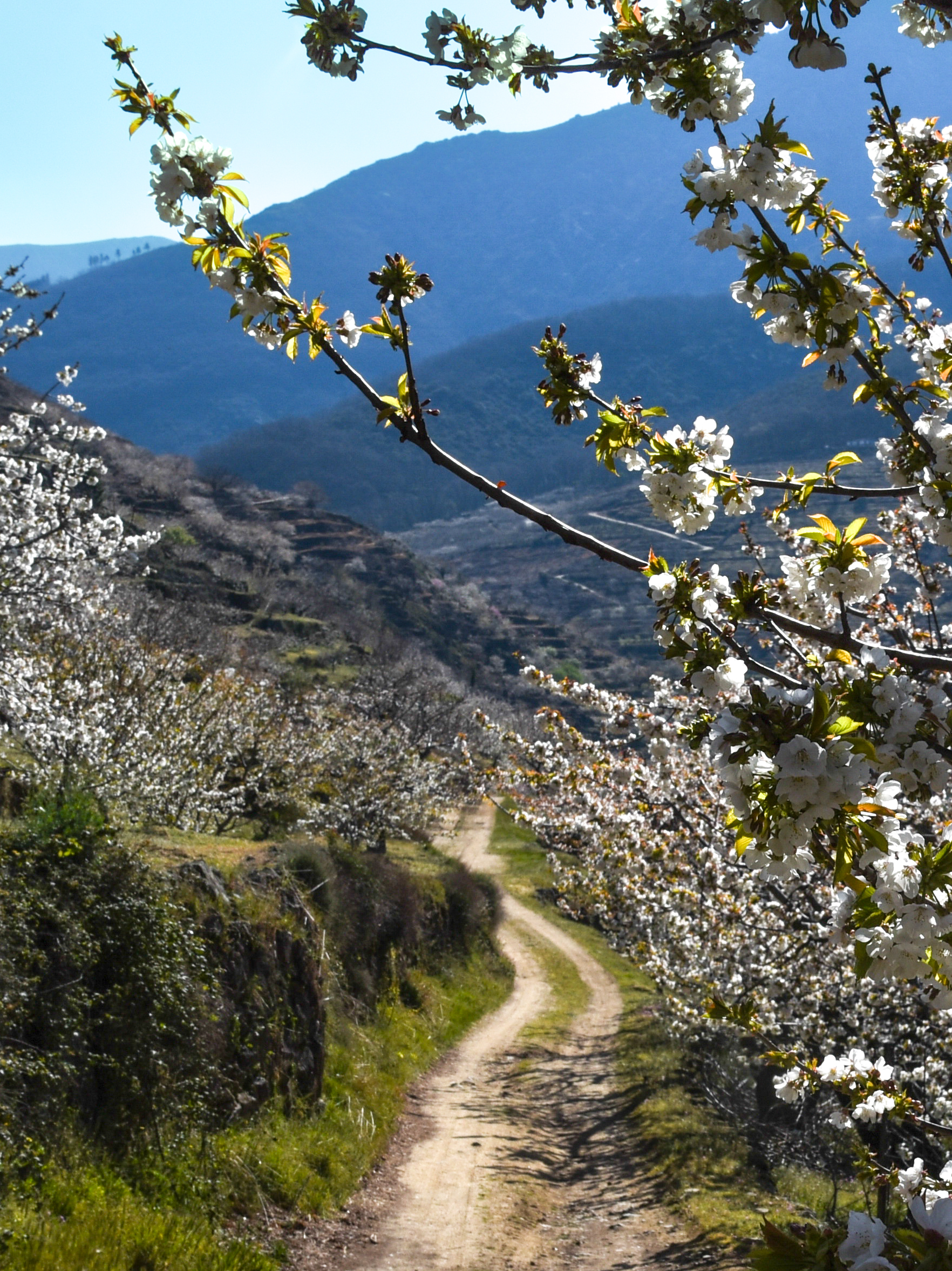
Caminante, son tus huellas
el camino, y nada más;
caminante, no hay camino,
se hace camino al andar.
Al andar se hace camino,
y al volver la vista atrás
se ve la senda que nunca
se ha de volver a pisar.
Caminante, no hay camino,
sino estelas en la mar.
The ancient and modern, Europe and America, Christian and Incan, religion and science, self and community intersected throughout the week in ways that made me ponder Federico García Lorca’s abiding faith in the sacralidad de la vida orgánica (the sacred essence of all nature), a credo that transcends the boundaries of religious dogma. The mystical rendering of epiphany in San Juan de la Cruz’s “Noche oscura,” a poem that is as ecumenical as it is catholic, flooded my soul with unremitting force during my own revelatory visions:

cesó todo, y dejéme,
dejando mi cuidado
entre las azucenas olvidado.
In retrospect I have come to understand how different strands of my experience and being converged in Aurora in June of 2023. Most importantly, I saw with unprecedented clarity the essential interconnectedness of my personal and professional endeavors. The freedom that this experience provided from the tyranny of the telephone –no electricity and no Internet in Aurora– in a luxuriant setting allowed for the recalibration of self and nature that I was seeking. For the first time in years, I resumed the practice of a diary, and I did so with a passion. A panacea that helped me conceptualize the motivating principles behind this blog, as summarized on the home page.
The pursuit of fulfillment in harmony with our universe is a quest, a process not a product. As human beings we inherit the moral imperative to define this quest actively –to “pasar haciendo caminos”— as we proactively imagine this harmony, as we capture and project it in perceptions that are both literary and visual. To imagine, in short, is intentional, a transitive mental and creative action that has real implications.
There is a biography behind all this whose puzzle pieces include a childhood that unfolded in the cultural margins of mainstream society, life changing discoveries rooted in border crossings of various dimensions, a career as a teacher scholar motivated by my own life experiences and dedicated to helping young adults identify their own borders and using language to negotiate, and an enduring passion for writing and photography. The nature and meaning of those puzzle pieces should become apparent in the contributions I make to this pilgrimage in progress.
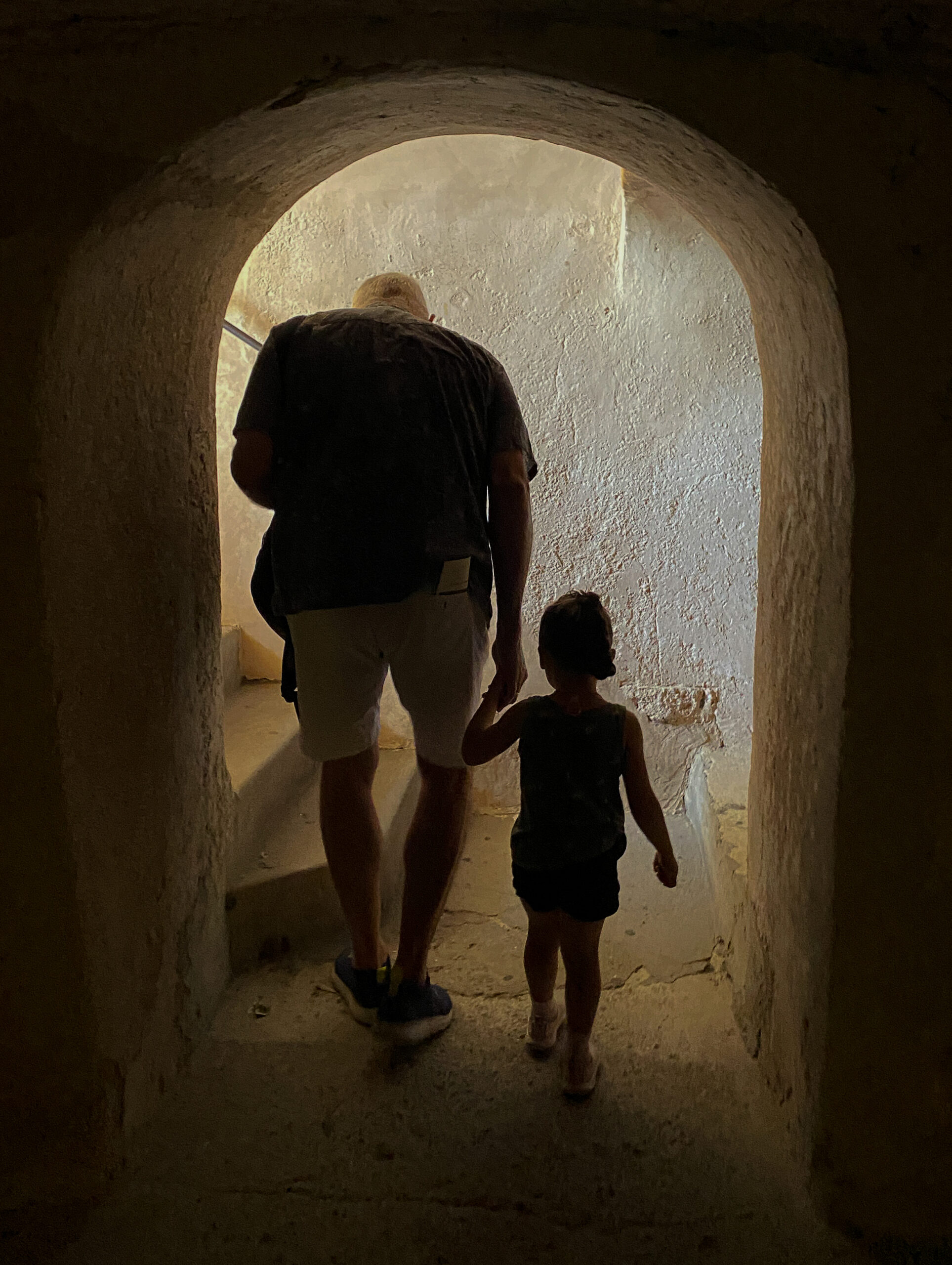
For now, suffice it to say that I inherited from my parents a respect for nature, culture and the teachings of the past inherited that has helped me influence the hopes and aspirations of family and students for their road forward. I strongly believe in our need, as individuals and societies, to sharpen our awareness of the crossroads between past and future that we inhabit.

Adela – Madre, ¿por qué cuando se corre una estrella o luce un relámpago se dice:
Santa Bárbara bendita,
que en el cielo estás escrita
con papel y agua bendita?
Bernarda – Los antiguos sabían muchas cosas que hemos olvidado.
Federico Garcia Lorca, La casa de Bernarda Alba
