Bologna, Naples: A tale of two Italian cities
Recent back-to-back visits to Bologna and Naples afforded us a fresh window onto the cultural diversity that has played a key—and often fraught—role in the formation of an Italian national identity. Moving in a short timespan from north to south brought sharply to mind the challenges summarized in a statement famously attributed to the nineteenth-century Italian statesman, Massimo d’Azeglio: “We have made Italy; now we must make Italians.” Having facilitated the political unification of a collection of independent states, D’Azeglio and his liberal contemporaries understood that the linguistic consolidation of a culturally fragmented populace would be crucial for the success of their nation-building project. Time has shown, however, that standardizing the prestigious language of Dante was rather like pouring ragù over pasta from north to south: pappardelle and penne are not to be confused.
The belvedere
It is noteworthy that English speakers should use an Italian term to describe a vantage-point for appreciating fine views. Perhaps that borrowing tells us something about the value placed on such sites—and on the act of viewing—in the word’s country of origen, famed for its singularly rich artistic patrimony. Personally, I am as fascinated by the beauty of belvederes as I am by our impulse to seek them out. I wonder whether some shadowy desire draws us to where we can take it all in with one commanding glance. And I wonder whether the experience deludes us into believing that, once exposed to such towering vistas, we have seen it all.
Nonetheless, there we were in June, climbing first to Bologna’s Santuario della Madonna di San Luca and a week later to the Certosa di San Martino on the Vomero in Naples to discover what insights these vistas had to offer. That these summits should acquire sacred meaning locally matters in any cultural reading of these cities’ urban topography. They are key examples of a recurring association between elevation and sacred presence across cultures worldwide. My interest here, however, lies not in their possible significance as axis mundi—a bridge between the earthly and the divine—but in their more mundane value as lookout points that shape our sense of a city.
Fields versus fish


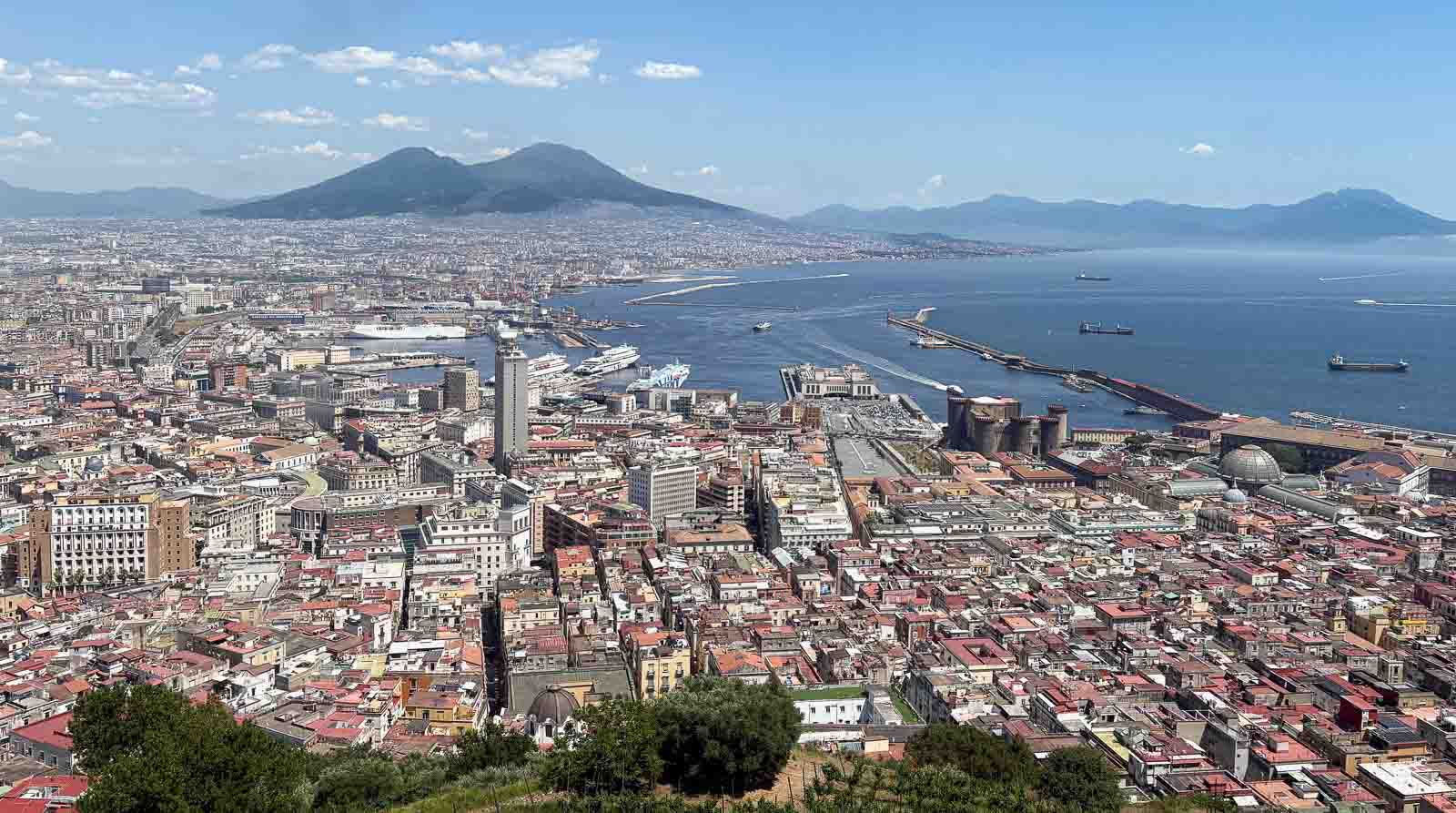
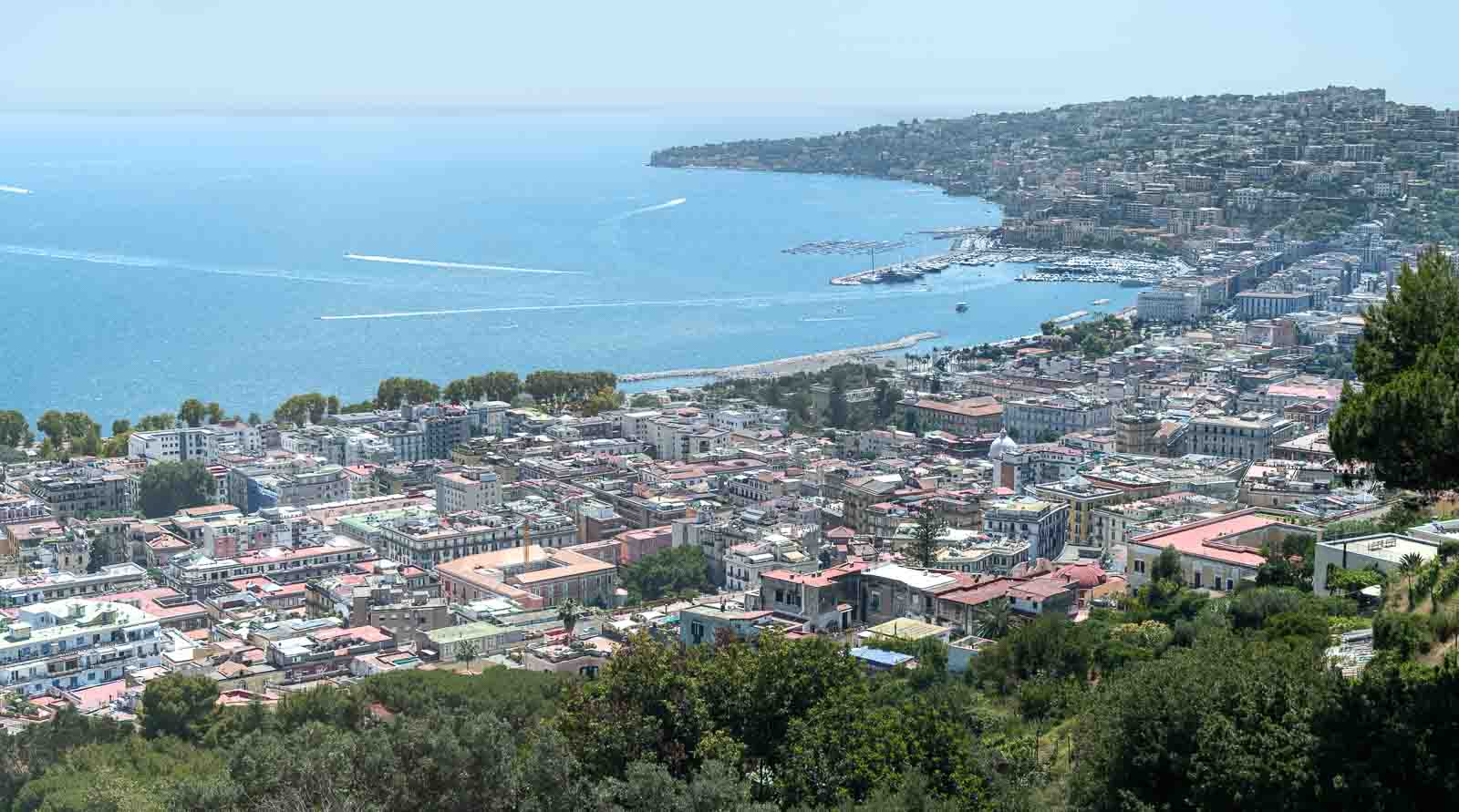
Photographs are, for me, like memories etched on paper. Panoramic vistas of Naples revive in me the sensation of strolling through the streets of a city whose relationship with the sea permeates every aspect of urban life. The smells and sights of the Mediterranean draw my imagination outward beyond the harbor and across shimmering water toward small fishing boats or large ships bound for distant lands. Arrival and departure, distant horizons and the sound of waves lapping against the wharves. Bologna on the other hand beckons me inward, from the gentle rolling hills toward the warmth of secluded taverns stocked with rich red wine and fragrant cheeses. In so many ways, Bologna seems compact, it appears to gaze toward its interior. Naples seems to sprawl, reaching out. Seen from above, sea and hinterland suggest these and other ways of understanding the cities below. But how much can such a view truly reveal?
Descent into the city
“The city is the realization of that ancient dream of humanity, the labyrinth.” — Walter Benjamin, The Arcades Project, translated by Howard Eiland and Kevin McLaughlin (Harvard University Press, 1999), p. 429, in the section “The Flâneur.”
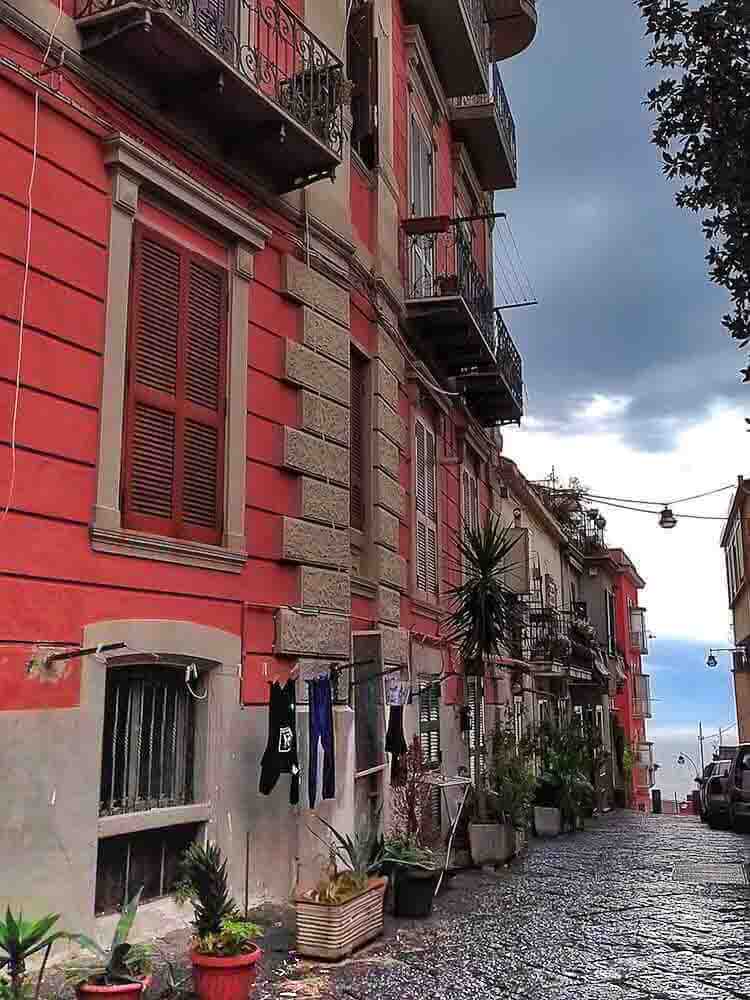
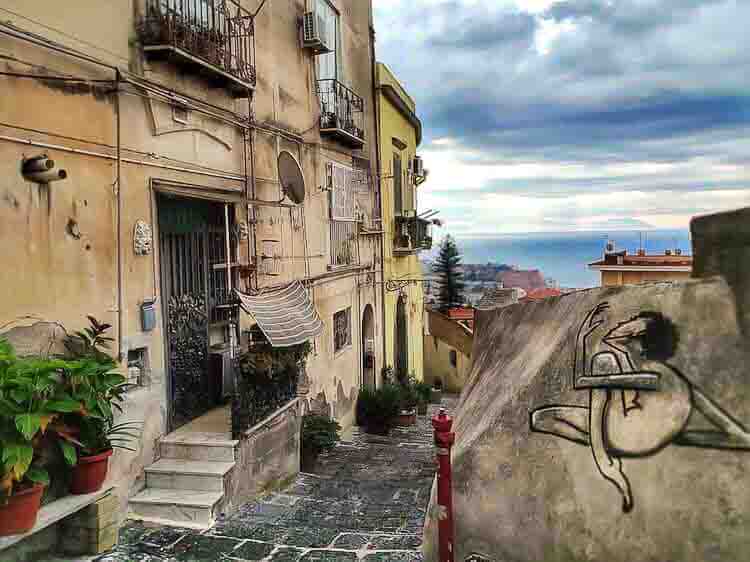
From the Vomero one descends into Napoli città either by funicular, taxi or, time permitting, on foot. For the pedestrian, the descent follows an iconic network of stairs and ramps that offer, by twists and turns, competing, often interrupted impressions of the city. By taxi, the trip can seem vertiginous as one speeds through the maze of streets past elegantly landscaped villas. Whatever the choice, one never looses sight of humanity while traversing densely populated neighborhoods teeming with signs of life: laundry flapping in the wind, smells wafting from nearby kitchens or cafés, luxuriant vegetation spilling over balconies. Like so much else in Naples, the descent from the Vomero to the city center is energizing. It seems infused with the lively rhythms and tones of a popular Neapolitan song.

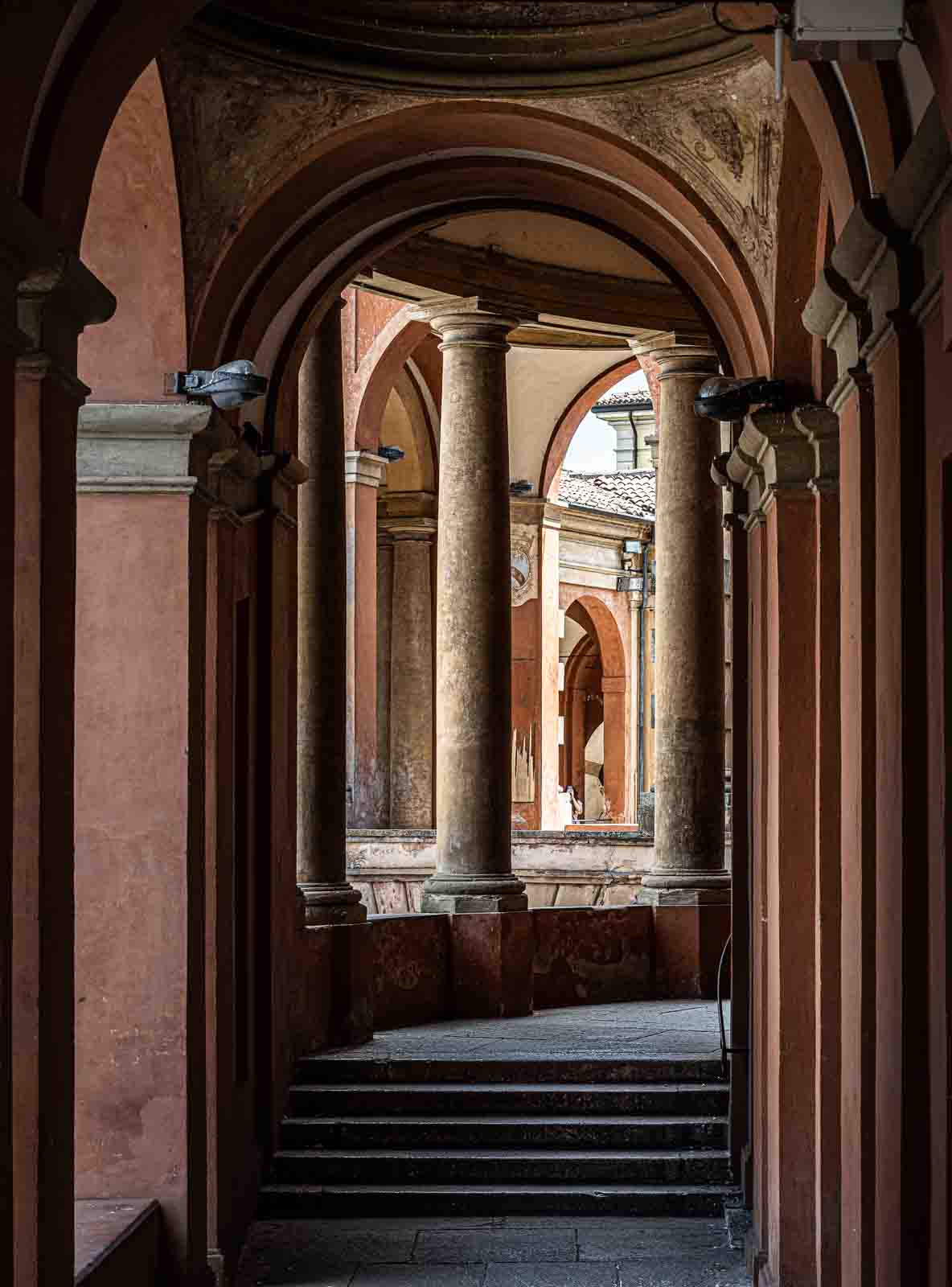
Bologna’s counterpart, by contrast, offers a contemplative interlude somewhat removed from the bustle and din of urban life. The route follows a four-kilometer porticoed walkway leading from San Luca down to the city, one that was begun in the 17th century to shelter the annual religious procession marking the Feast of the Ascension. The slow rhythms and recurring tones of polyphonic chant seem instilled in the very architecture of this pilgrimage route. It is lined with columns and arches that frame the surrounding countryside in a succession of subtly different views, like a movie unfolding in slow motion.
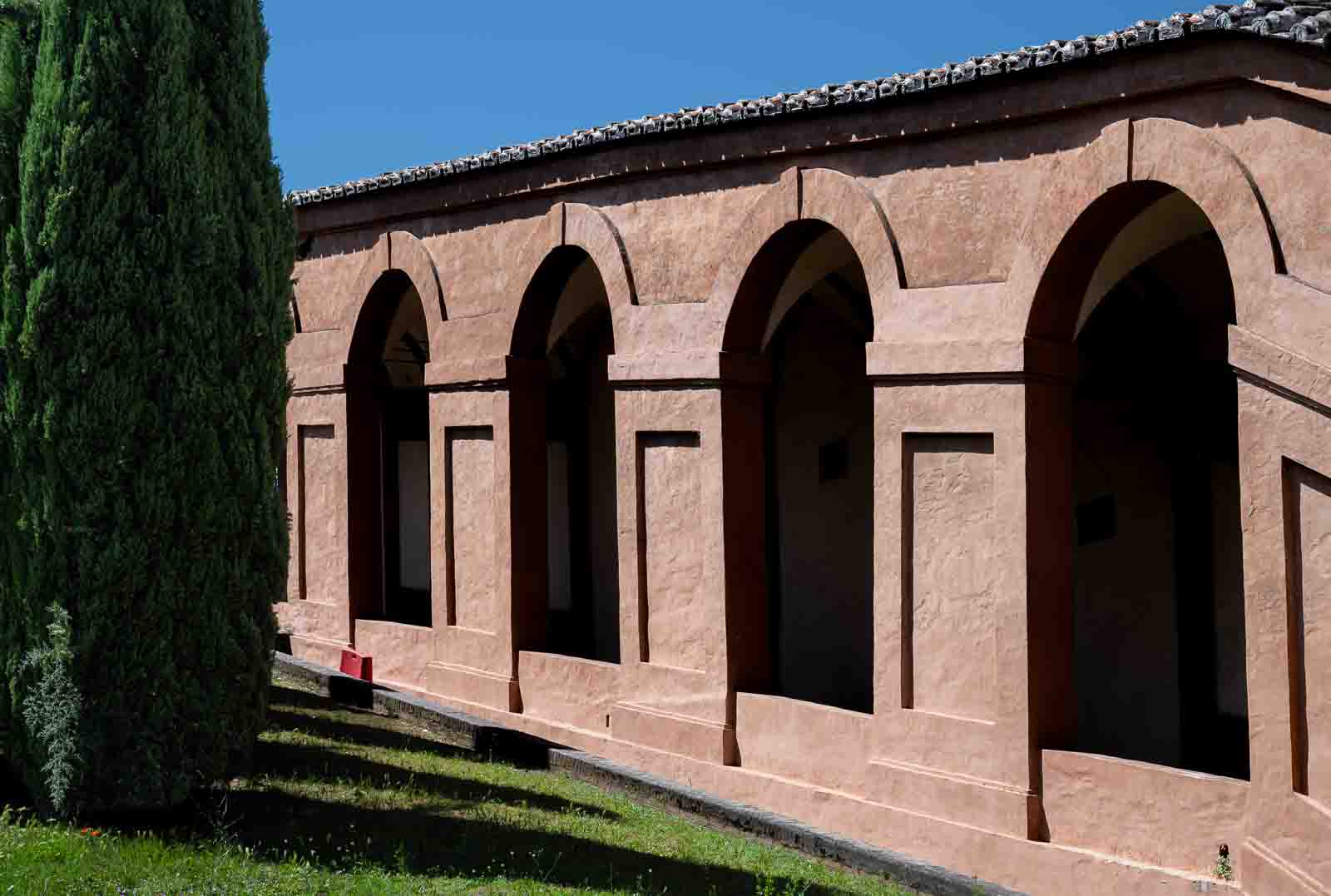

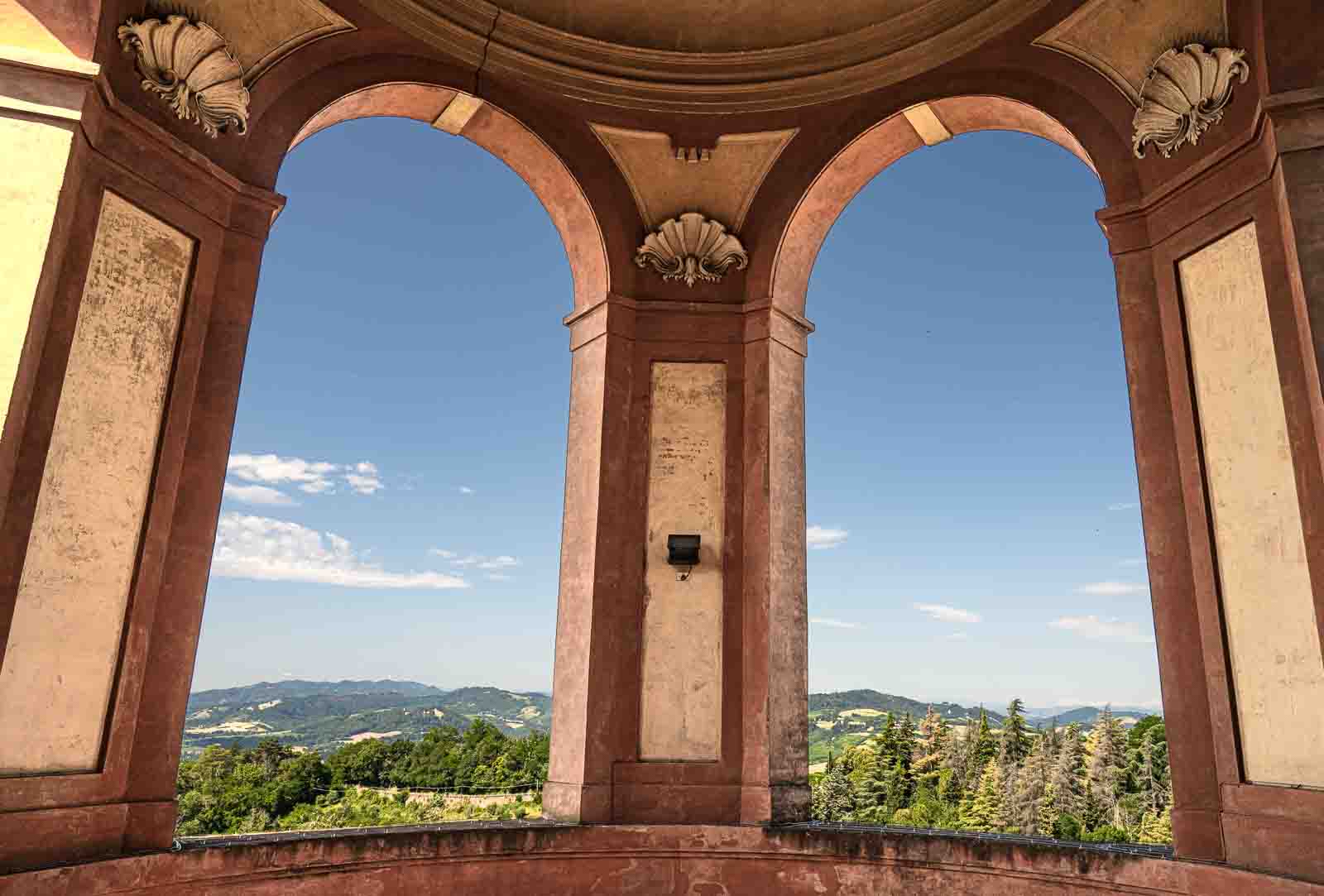
While offering strikingly distinct approaches, each descent anticipates something that seems to characterize its city. The San Luca pathway feels like an extension of the porticoes of Bologna’s urban core despite the fact that, according to John Berger, within the city those porticoes play a different role:
“The arcades are a kind of personal agenda, made of stone, brick, and cobbles. You can visit your creditors, your secret love, your sworn enemy, your favorite coffee shop, your mother, your dentist, your local office of unemployment, your oldest friend, or a bench where you regularly sit down utterly alone, adjusting the elastoplast you’ve put over a sore wart on your index finger—you can keep all these rendezvous without ever being exposed to the sky. And what difference does this make to the facts of your life? None. Yet under the arcades, the echoes of those facts sound different. And in the evening, Pleasure and Desolation take their evening stroll along the arcades and walk hand in hand.” — The Red Tenda of Bologna (Penguin, 2018), p. 21.
Porticoes in Naples are much more limited in scope, offering comparatively little shelter from the generally sunny skies. Where they do exist, their hues and tones, too, are strikingly different from those of Bologna. They seem far removed, moreover, from the domains this city may offer for Pleasure and Desolation.
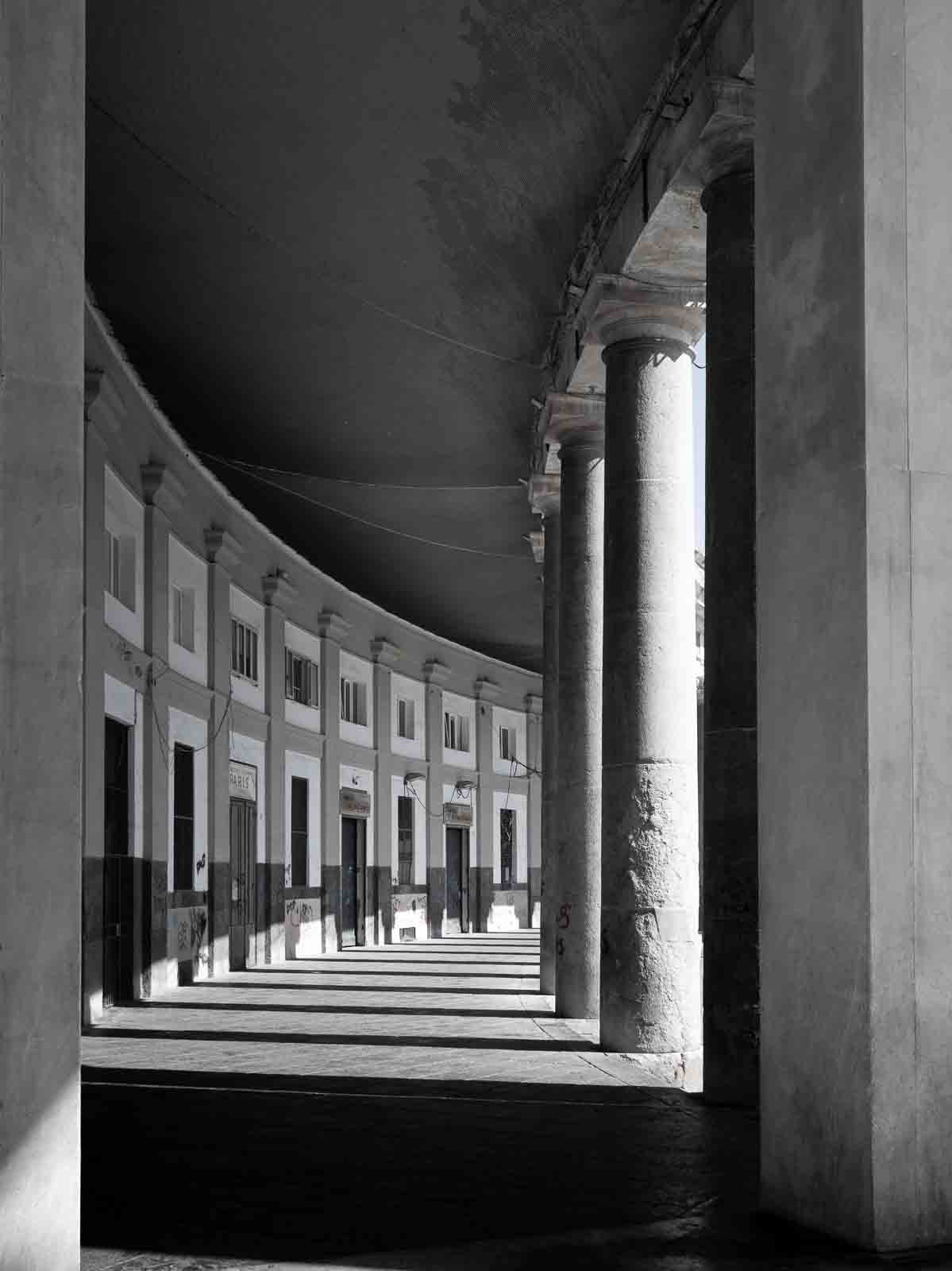
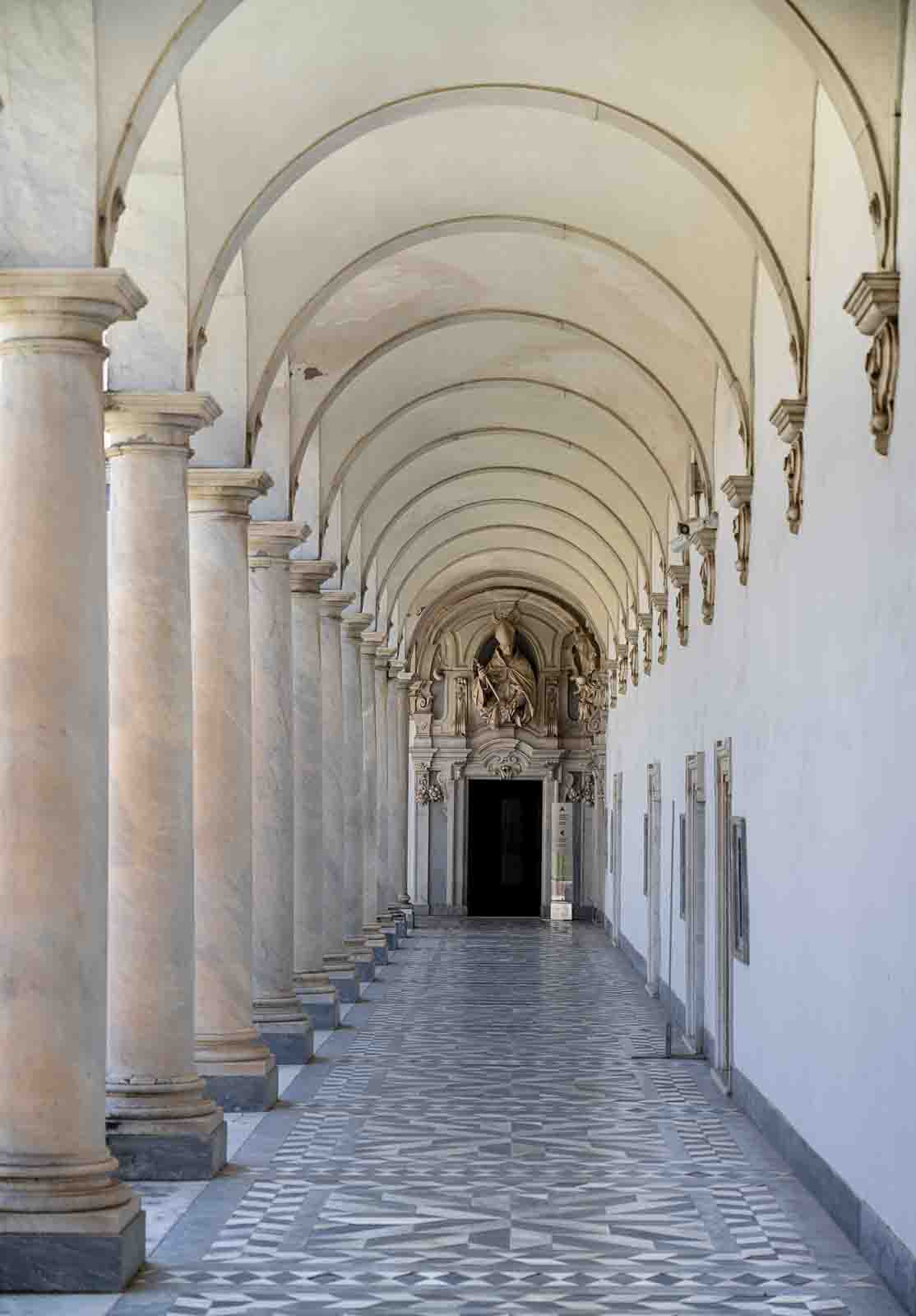
Colonnades on the largely ceremonial Piazza del Plebiscito (left) and in the Vomero’s Certosa di San Martino (right)
Color
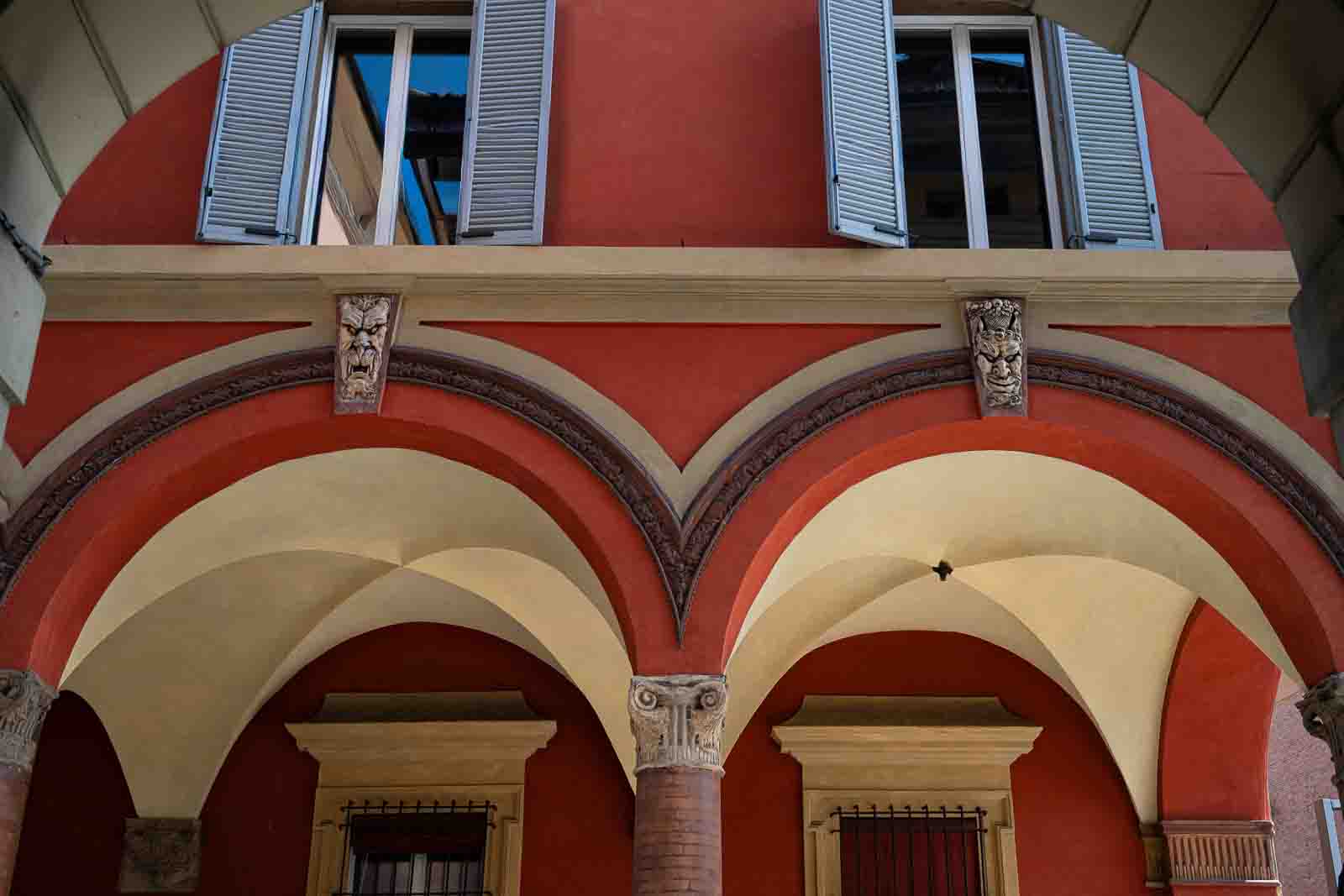
I know of few cities in which a color shapes so singularly the experience of place as red does in central Bologna. Wandering the streets of the centro storico, one feels immersed in a palette of reds that is as varied as it is vast. The façades of palaces and monuments lining the narrow cobblestone streets shift almost imperceptibly through burnished, sometimes weathered shades of terracotta, rust, brick, or ochre.


The porticoed pedestrian walkways that line the streets channel the modern-day flâneur through what might feel like an underwater forest of coral. As Berger suggests, hidden from the watchful skies, “Pleasure and Desolation” seem to stroll there “hand in hand.”
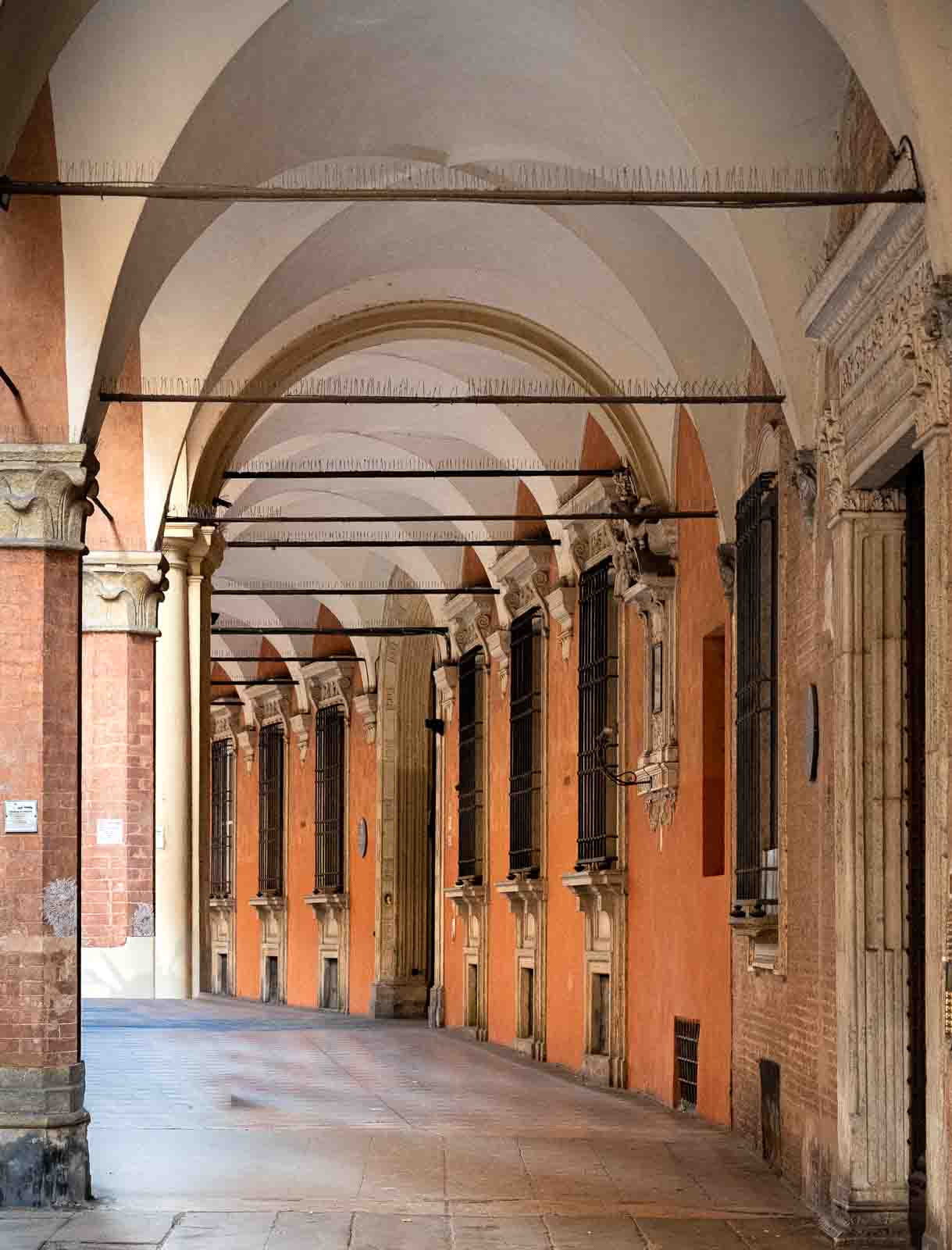
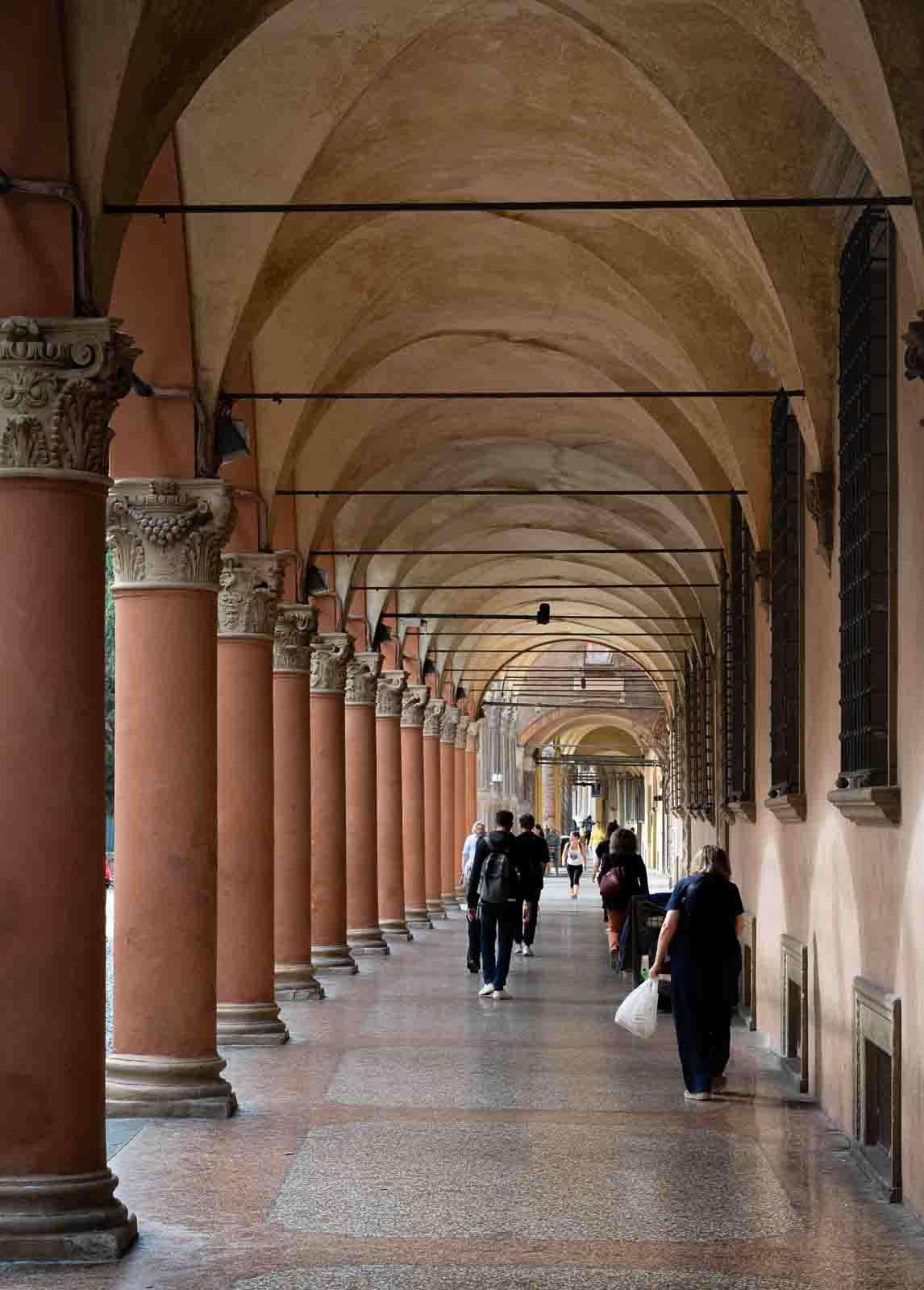
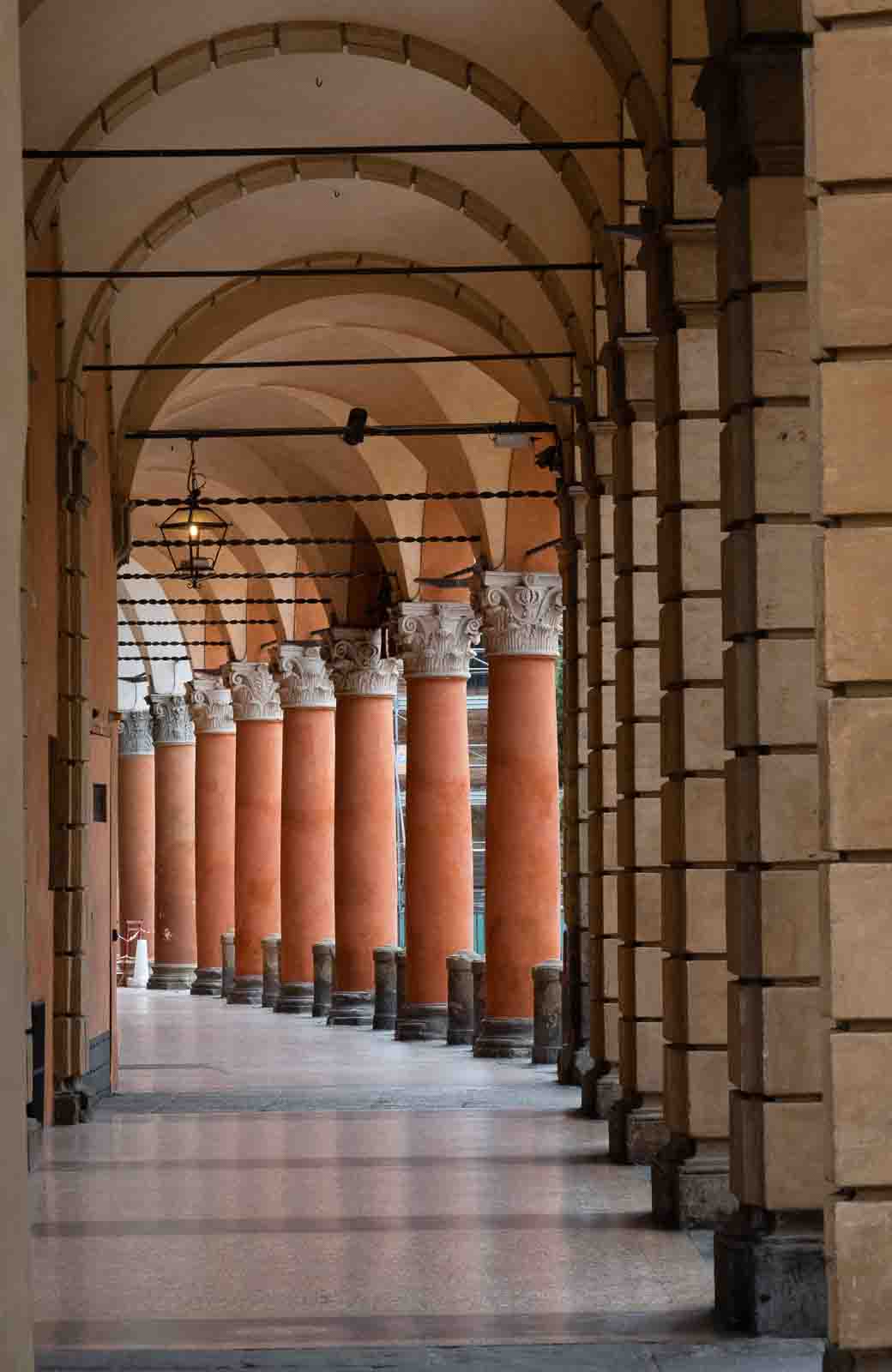
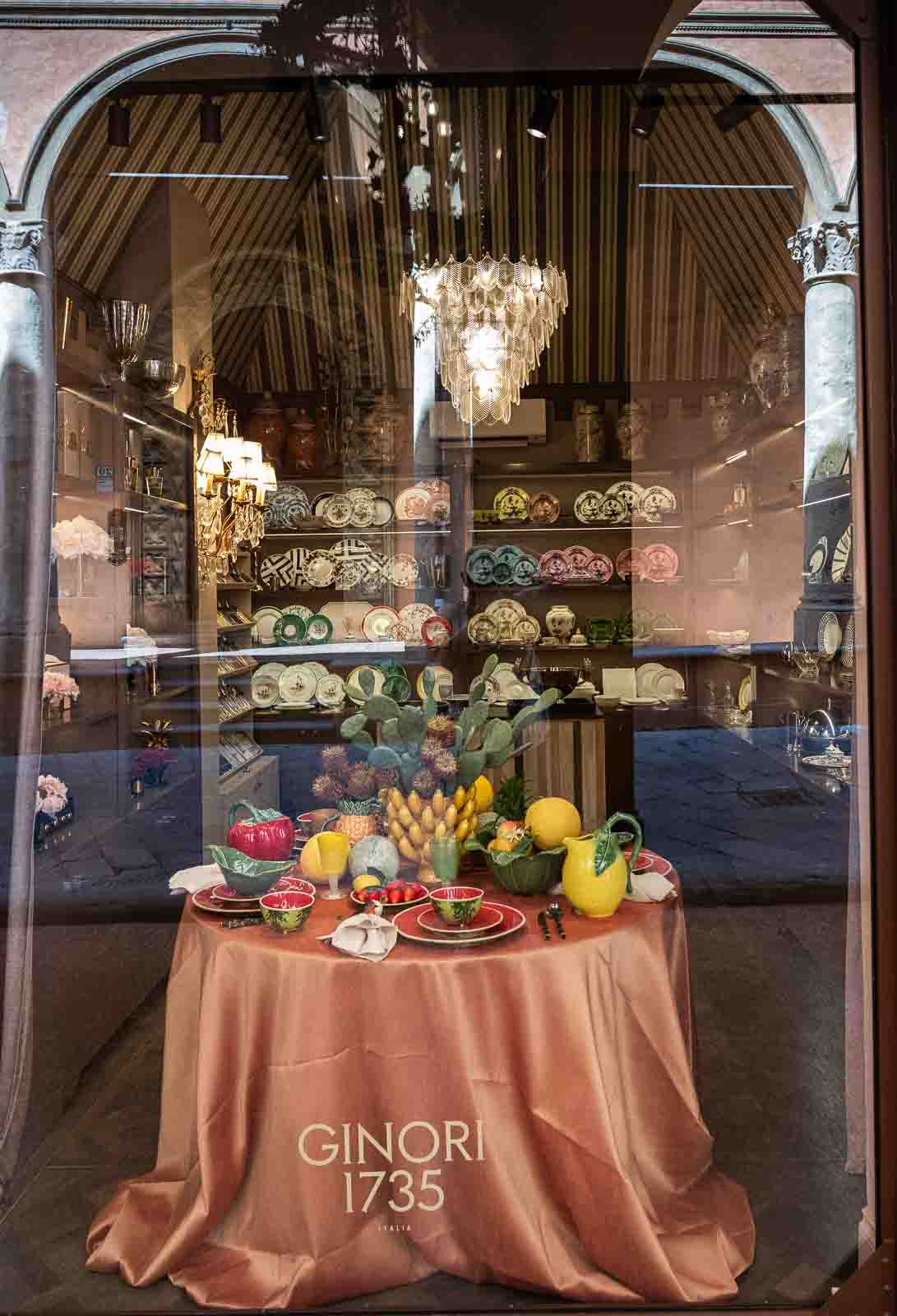
We flow along these arteries following columns and arches that, like those that line the San Luca pilgrimage route, invite us to pause and contemplate, in this case things less spiritual: decorative window displays bedecked proudly in their own shade of red…
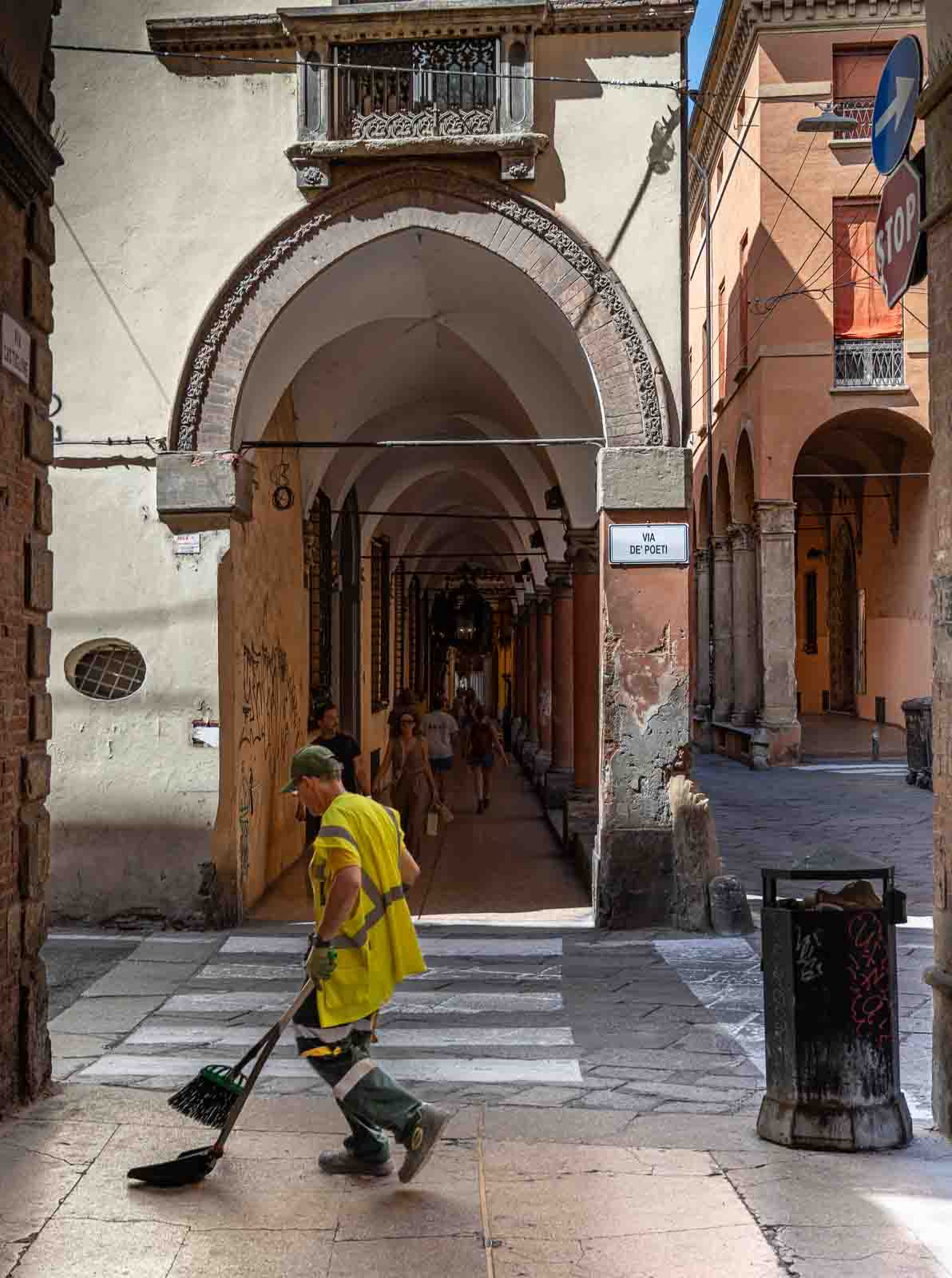
…or internal thoughts that transport us into some distant domain, far afield from the monotony of our daily routine.
Reds of various shades form the backdrop to some of Bologna’s most famous monuments…
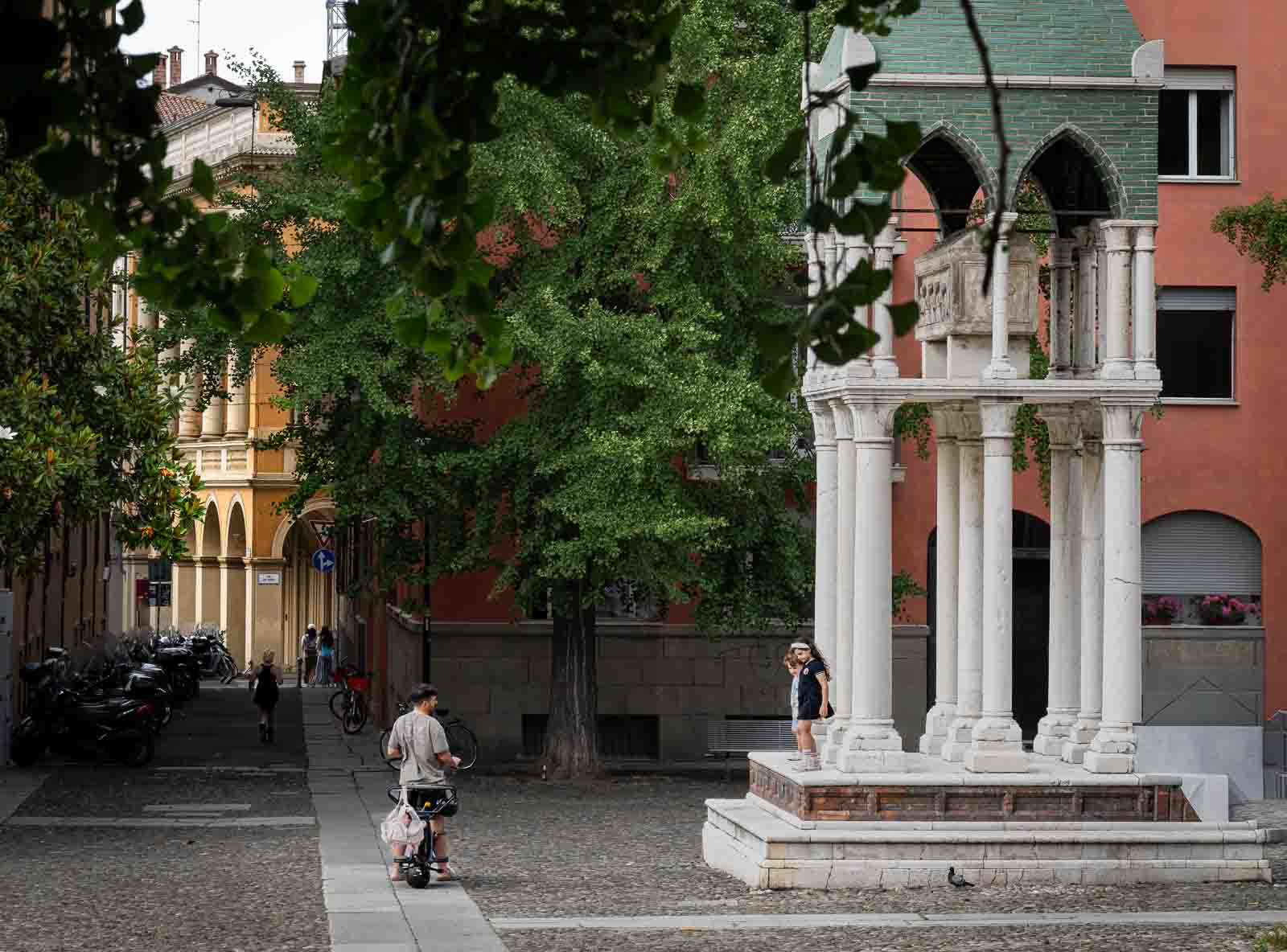

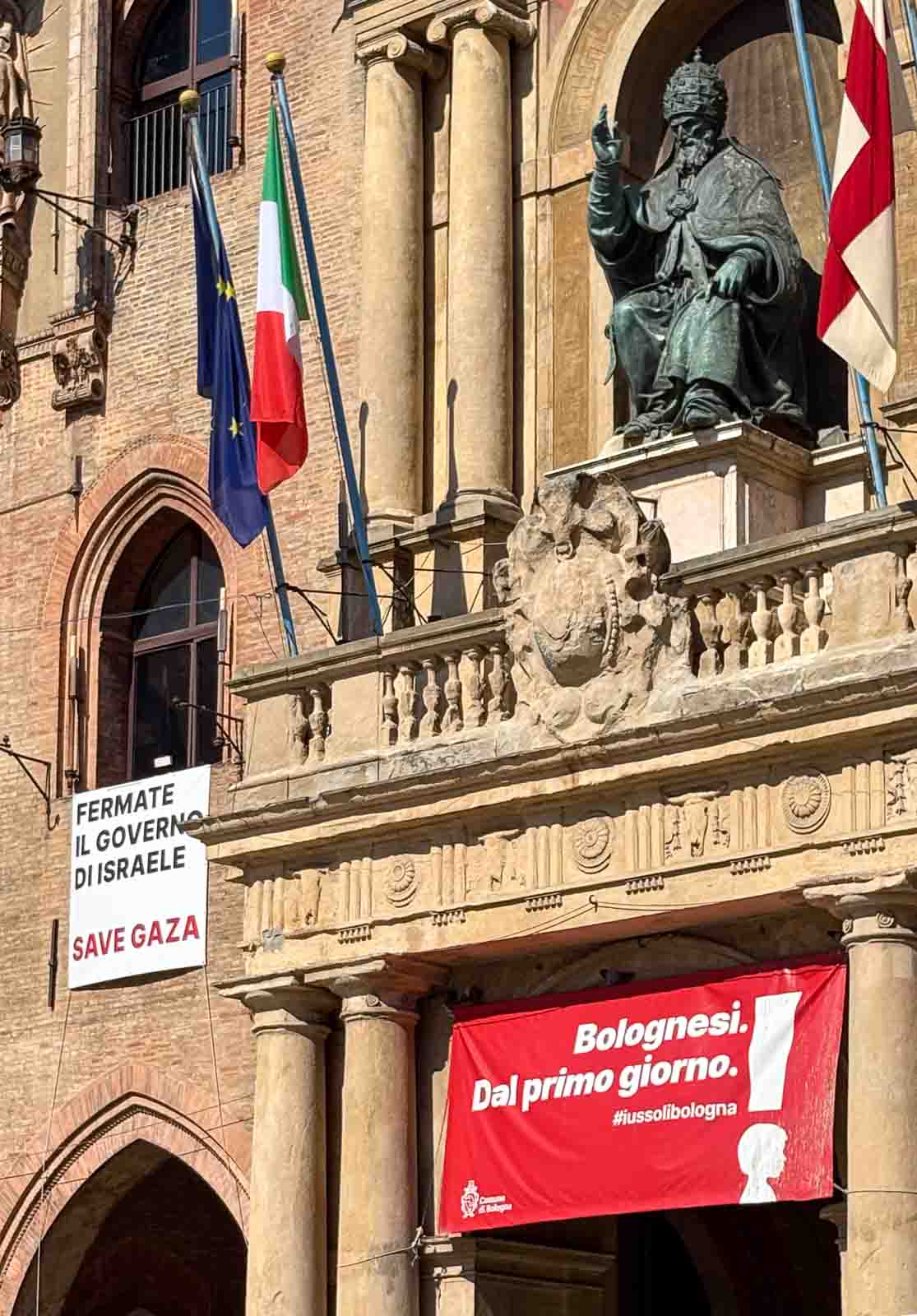
just as they adorn ephemeral signs of contemporary life: things that disappear almost as quickly as they emerge while projecting something quintessentially Bolognese.
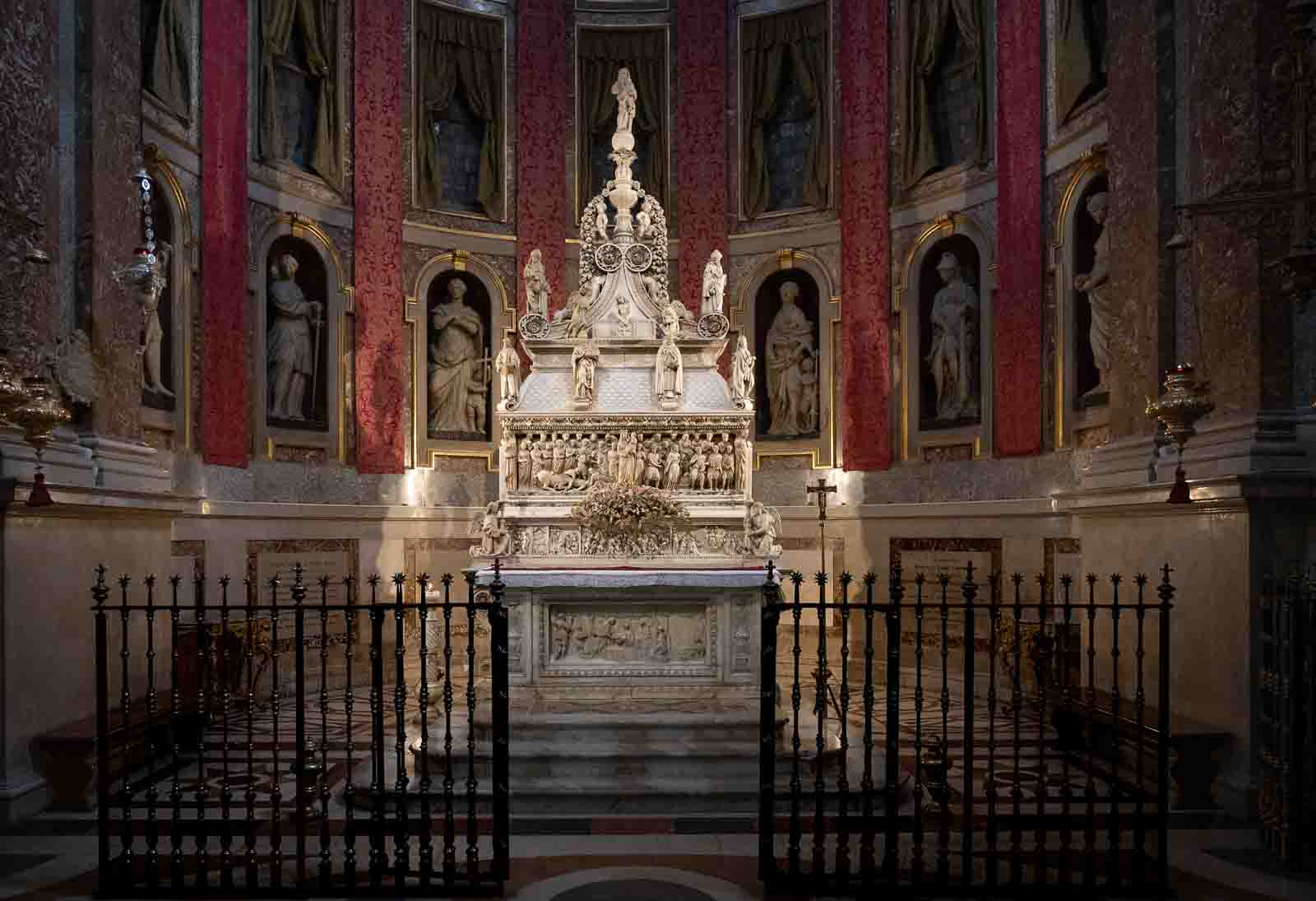
Shades of red abound in open spaces, as indicated, and also in interiors. In its terracotta variant, red features as both star and co-star inside the Basilica di San Petronio: prominent on the clustered piers, secondary along the ribs outlining the vaulted ivory-colored ceilings. The ivory tones of Saint Dominic’s sarcophagus emerge similarly in contrast to the red backdrop in the Basilica dedicated to the Spanish saint.

So red, in short, tints our experience of Bologna inside and out. Remarkably, it serves as well to mediate the passage between the two, that is, between the private and public spheres of Bolognese life.
“All the windows I pass have awnings and all of them are of the same color. Red. Many are faded, a few are new, but they are old and young versions of the same color. Each fits its window exactly on the inside, and its angle is adjustable according to the amount of light desired indoors. They are called tende. The red is not clay red, it’s not terracotta, it’s a dye red. On the other side of it are bodies and their secrets, which on the other side are not secrets.”— The Red Tenda of Bologna (Penguin, 2018), p. 22.

The city as artifact: Bologna and the Renaissance
Bolognese reds project a degree of chromatic harmony that I imagine, in the abstract, as resulting from the efforts of generations of artists and artisans laboring in concert over time to craft the city as we know it today. I imagine these individuals, anonymous for the most part, as forming a school, the Bolognese school of urbanism, where they realize collectively the particular “dream of humanity” (Walter Benjamin) envisioned by their elders in the mists of some uncertain past. Yes, in its remarkable chromatic harmony and in other attributes—texture, proportion, rhythm, composition—the crafted city that is Bologna seems like a well-wrought urn, to borrow Cleanth Brooks’s title, that has been moulded over time by influences and resources that are distinctly local.
The striking similarity between various corners of Bologna’s urban landscape and paintings from the central Italian Renaissance reinforces these impressions. Bologna’s columns and arches recall how Fra Angelico and Piero della Francesca use architecture in their paintings as a means of framing perspective. Urbanism and painting seem almost analogous in Bologna, with both rooted in a shared sense of color, stillness, composition, and, above all, perspective. Bologna, in short, rises like a quintessential central Italian work of art.
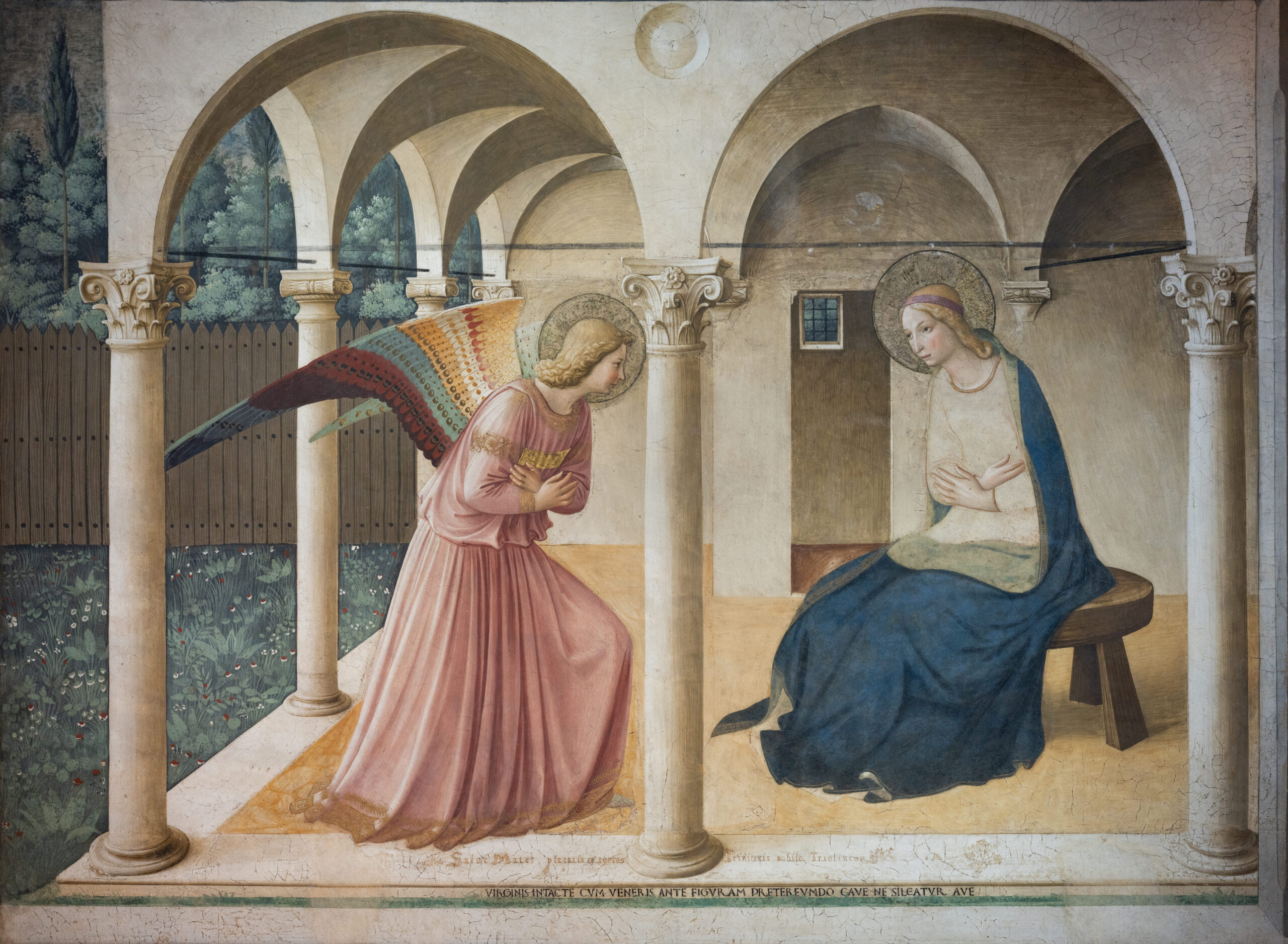
San Marco convent, Florence
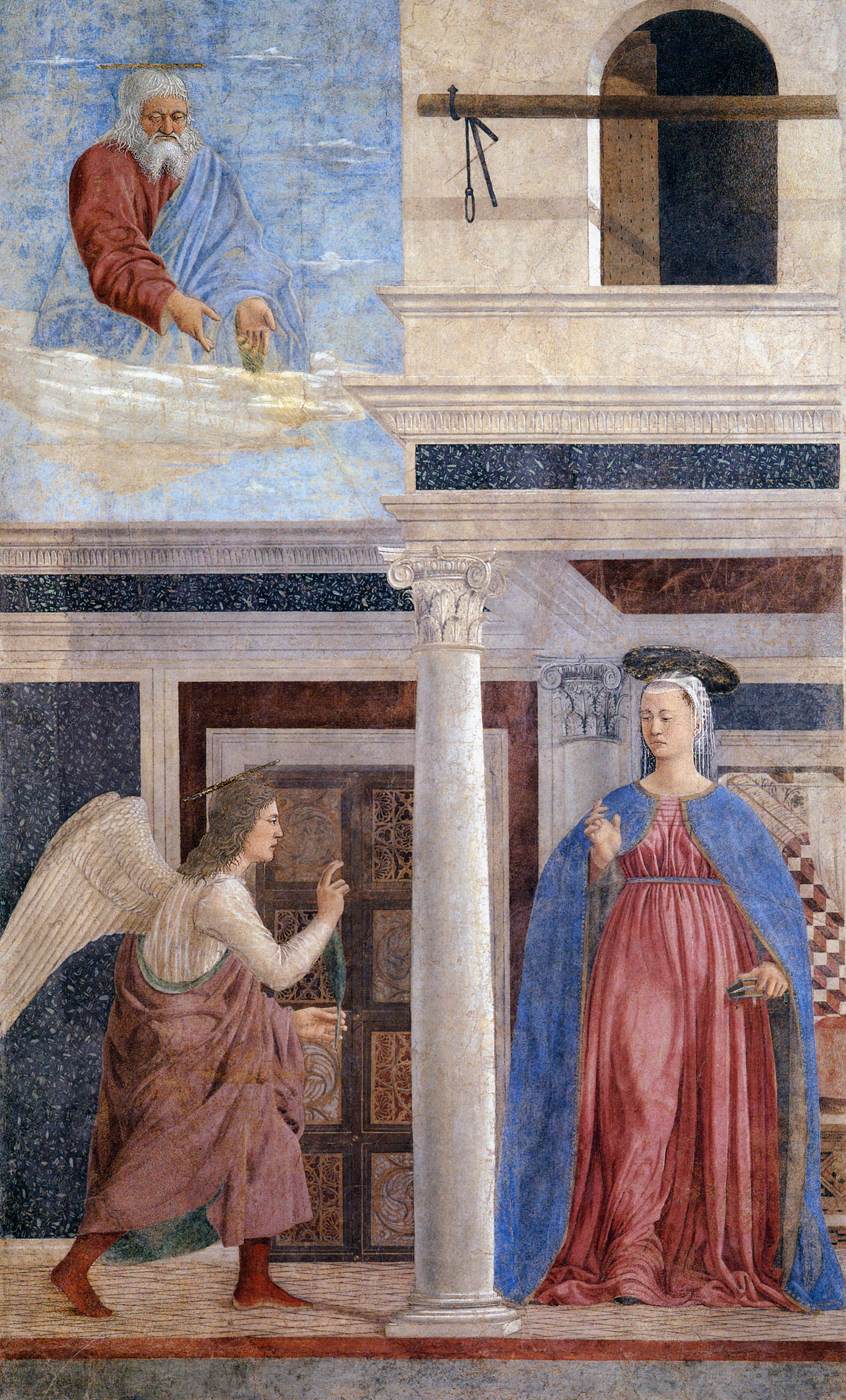
San Francesco, Arezzo
Gazing up at the dome inside Naples’ San Francesco di Paola produced an impression curiously similar to what I experienced passing through the Arco del Meloncello along Bologna’s San Luca walkway: a painterly architectural interlude that struck me, in this case, as distinctly Neapolitan, distinctly southern.
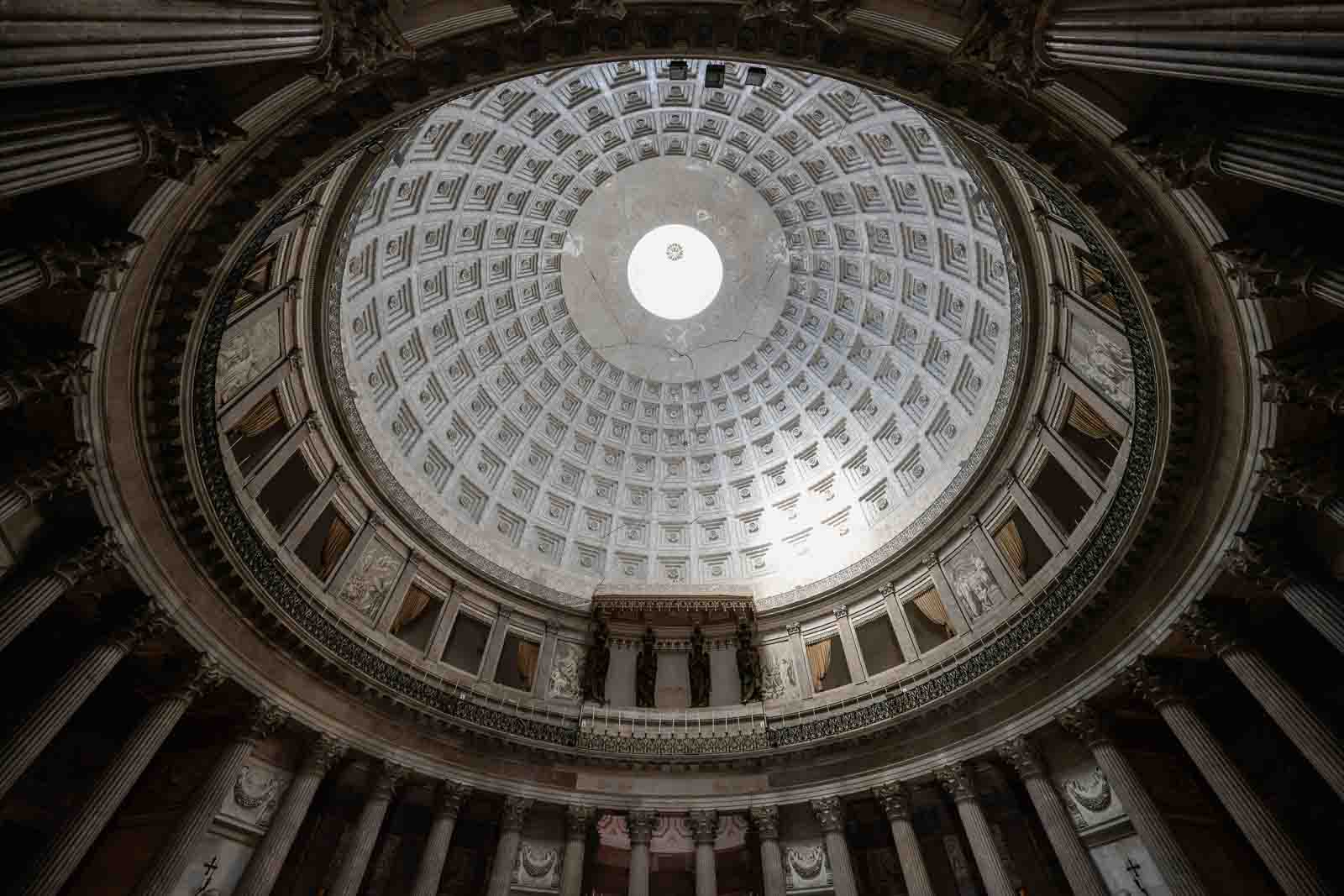
Such moments cause me to think beyond the examples of Bologna and Naples, to consider how any city, even when its visual coherence is less perceptible, establishes its own criteria for being understood as a distinct work of art.
Neapolitan scavi
Robert Macfarlane’s Underland has suggested to me the possibility of visualizing Naples in relation to its famous scavi (archeological sites). In his book, Macfarlane focuses on subterranean networks spread around the globe that play an integral role in human and natural history: fungal threads by which trees in a forest nourish one another; forgotten waterways and abandoned tunnels that rival above-ground avenues of communication and exchange; sinkholes that persist as sites of remembrance for the victims of political violence whose remains they contain. As this author affirms, how these “sunken networks” shape the “surface world” is something that we commonly fail to understand (Robert Macfarlane, Underland: A Deep Time Journey, Kindle Edition, p. 12). He explores numerous places and histories to make his point, treating the intertwining of above and below as having both a literal and figurative dimension. The present is entangled with the past, the tangible with the invisible, the rational with the imaginary, connections that become especially clear when Macfarlane turns to Italo Calvino’s Invisible Cities:
Yes, each city has its invisible city, as Italo Calvino suggests in his great story of that name. Calvino’s story is itself cleverly nested within tellings of tellings, stories of stories, so that the text possesses multiple versions of itself. In what is to me the most memorable section, the narrator describes the impossible city of Eusapia, in which inhabitants of the living city are accompanied by ‘an identical copy of their city, underground’, a ‘Eusapia of the dead’ which can be accessed only by a confraternity of hooded brothers – though over time the symmetry between upper and lower cities becomes so acute that ‘in the twin cities there is no longer any way of knowing who is alive and who is dead.’ Robert Macfarlane, Underland: A Deep Time Journey, Kindle Edition. p. 146.
Reading Underland in the wake of our trip to Italy has made me rethink the impressions I formed of Bologna and Naples this past June. Although I gave it little thought then, I now understand that Bologna, like any other city, must contain beneath its streets—or perhaps within its fabric—an invisible complex of arteries that shape the visible city in important ways.
The relevance of Macfarlane’s ideas to Naples, on the other hand, seems straightforward, given the prevalent role that imaginary realms play in Neapolitan culture. Eduardo De Filippo demonstrates this famously in Neapolitan Ghosts (Questi fantasmi!), a dramatization of the napoletanità that the playwright is noted for. Through a series of comic misunderstandings, the impoverished and cuckolded protagonist, Pasquale, comes to view his wife’s lover as one of the benevolent ghosts reputed to inhabit his home—or perhaps Pasquale simply finds himself compelled to feign this belief to preserve his dignity. De Filippo shows how reputation functions in a city where the apparently supernatural world becomes inseparable from the living city’s desires, poverty, and domestic secrets. With characteristic compassion, De Filippo invites his fellow citizens to laugh at themselves as he dramatizes their enduring fascination with all things hidden—a fascination that recalls the intermingling of the living and the dead in Calvino’s Eusapia and that widespread publicity for Napoli Sotterranea seems to flaunt.
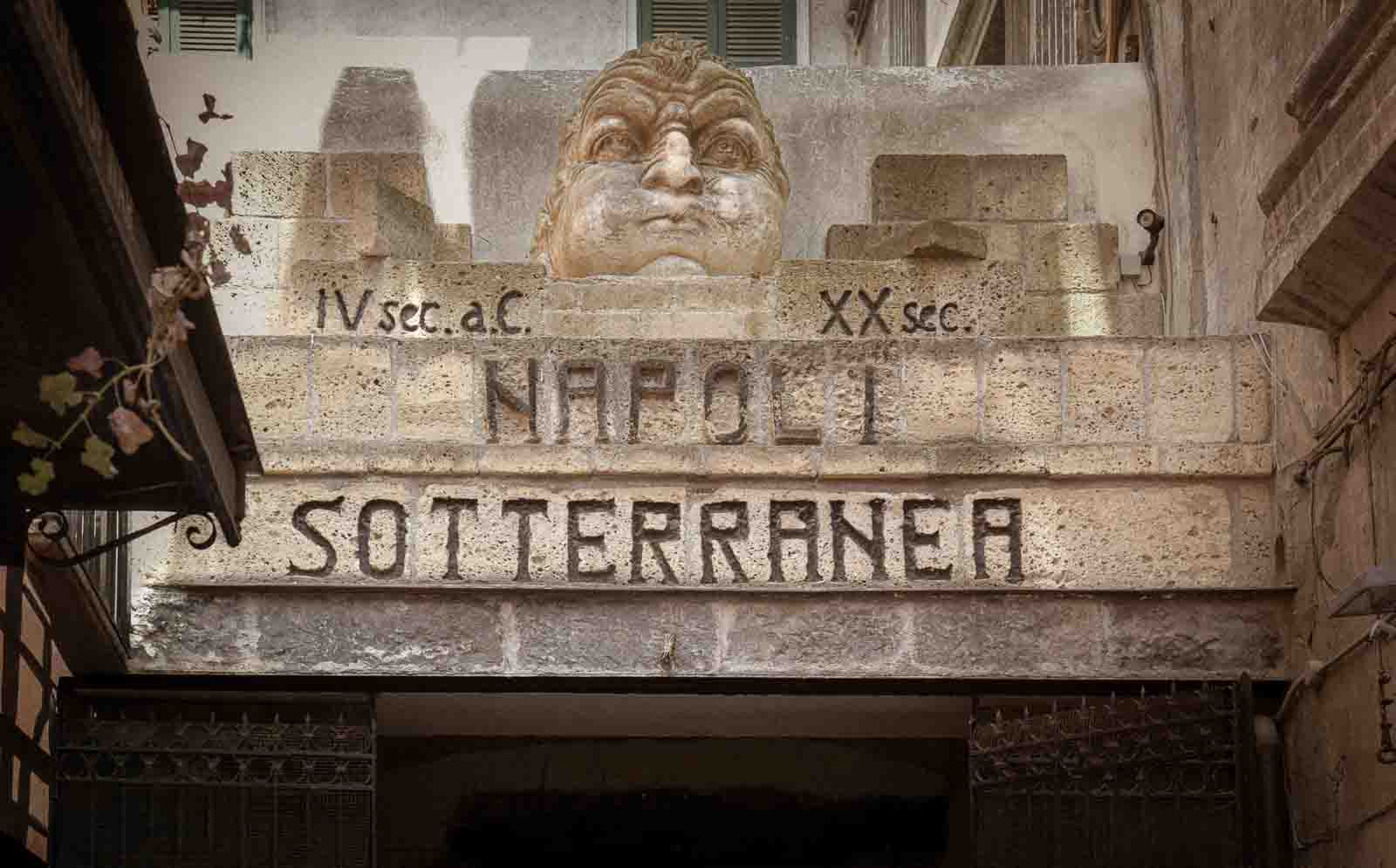
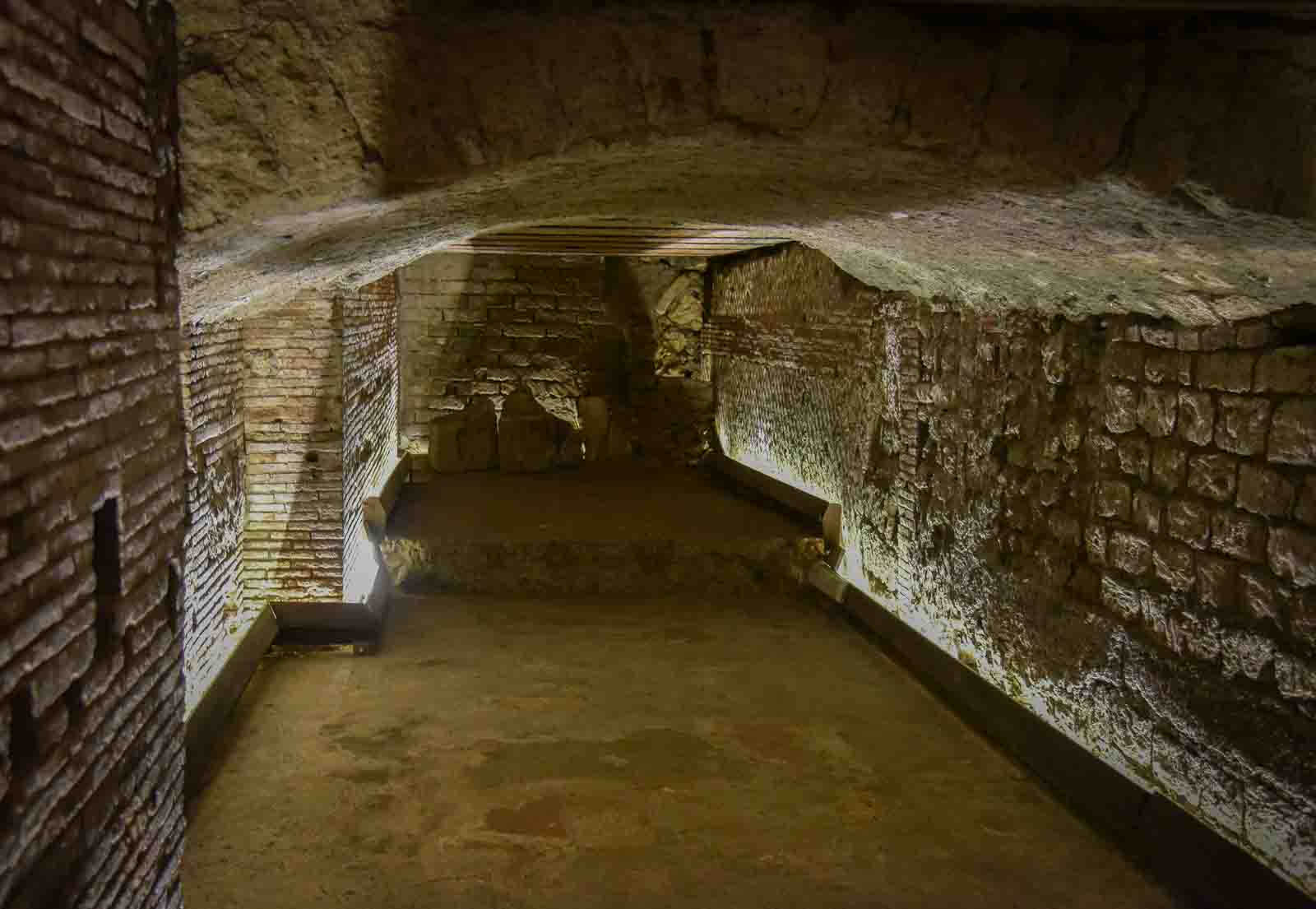
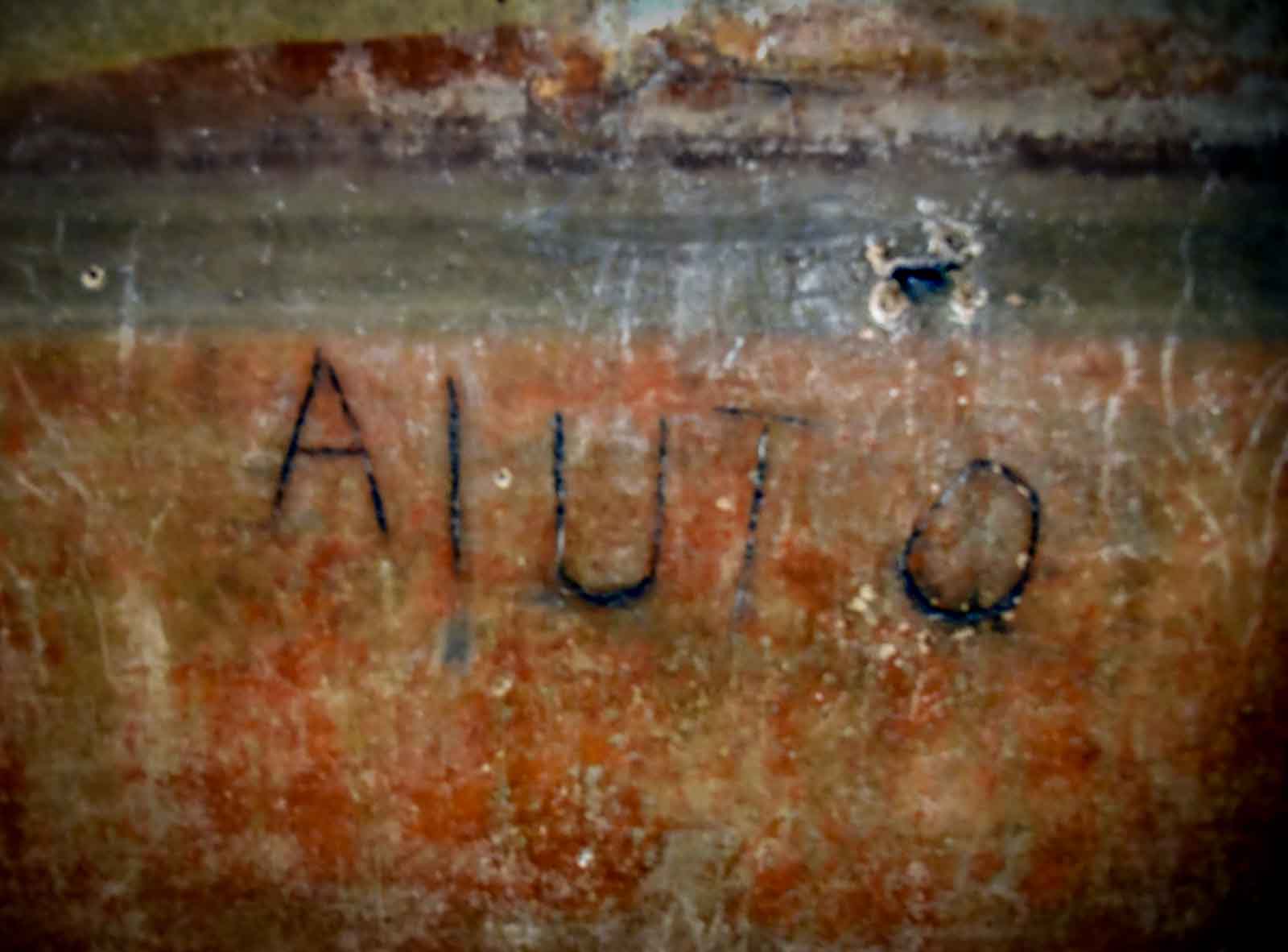
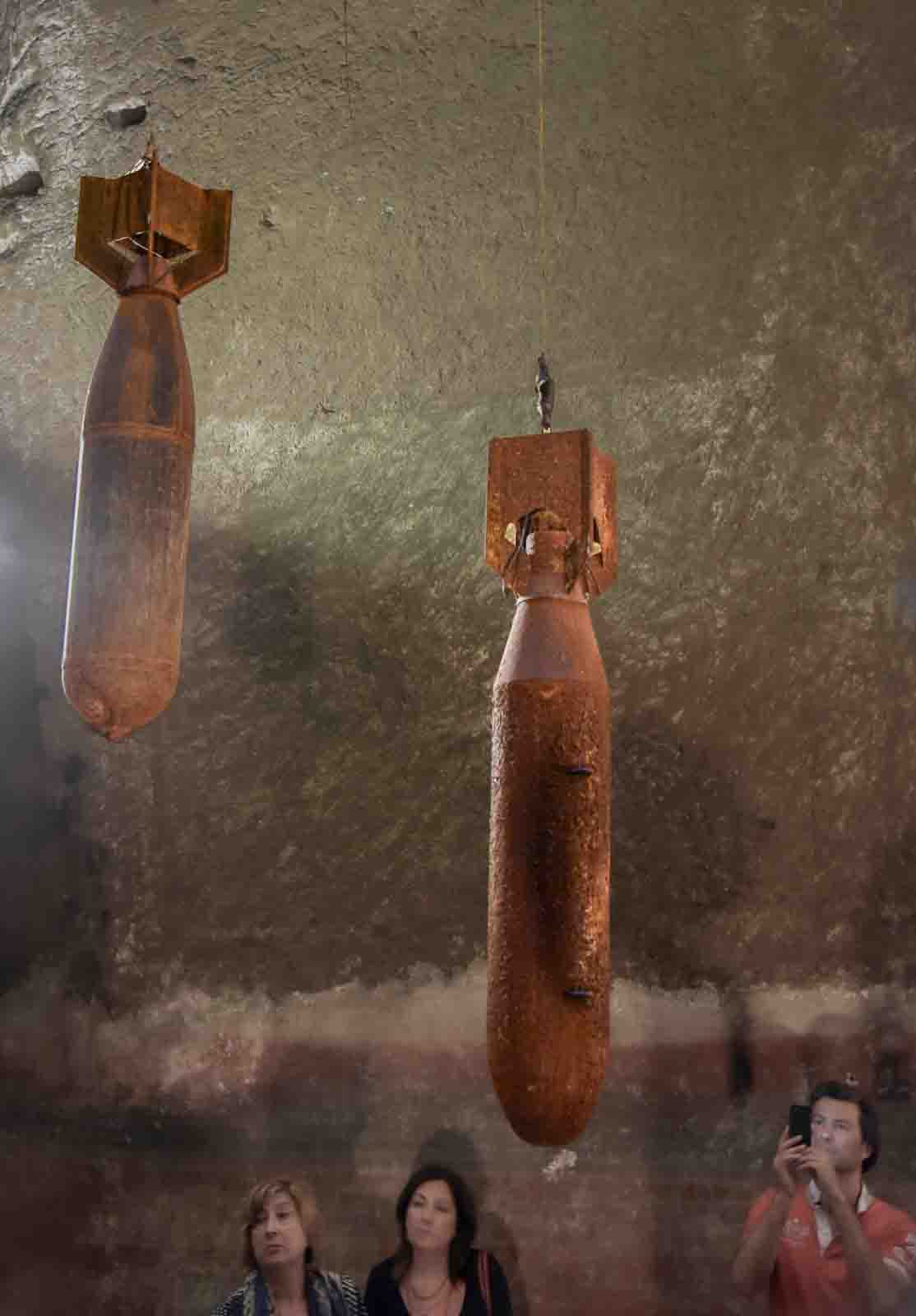
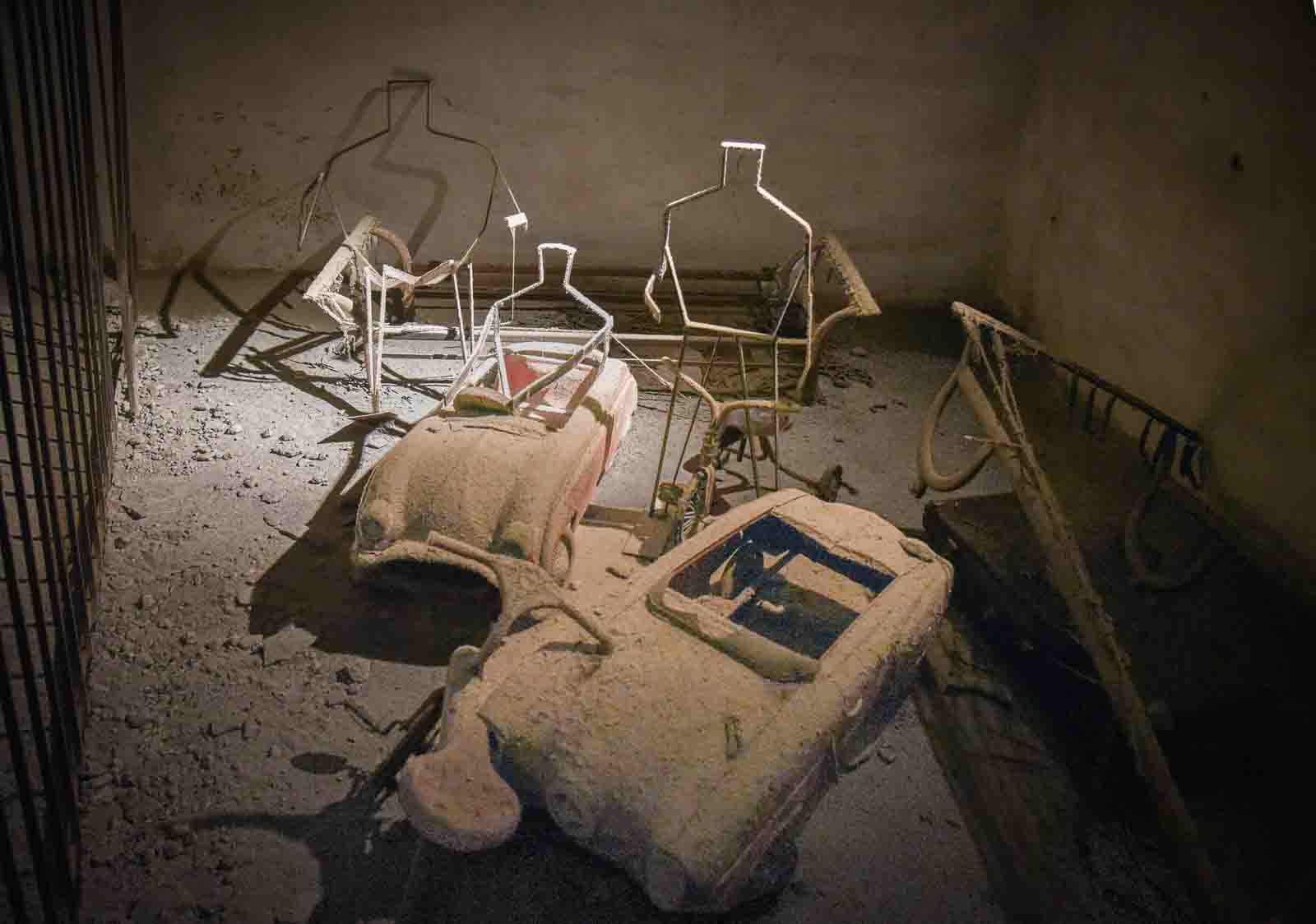
On the whole, Napoli Sotterranea exhibits a uniquely Neapolitan mélange of things ancient and modern, excavated and submerged. Passing the remains of Greco-Roman cisterns, aqueducts, and quarries—whose tuff supplied building material for the city above—one encounters remnants and reminders of when thousands of Neapolitans took shelter here from the horrific air-raids that ravaged the city during World War II: children’s toys and tricycles, bed frames and personal grooming items, gas masks, communication equipment, and even the aerial-bomb casings (as seen above) from unexploded ordnance. Sunt lacrimae rerum: objects scattered along our path, rusted and dust-covered, marking our journey through time. The plea for help—”Aiuto”—scribbled on the wall is chilling.
Living in the shadows of an eruption
If Bologna seems crafted in the style of a central Italian Renaissance painting, Naples’ underbelly suggests a city that, like its scavi, is composed of accumulated objects and unexpected juxtapositions, seemingly frozen by some past tragic event.
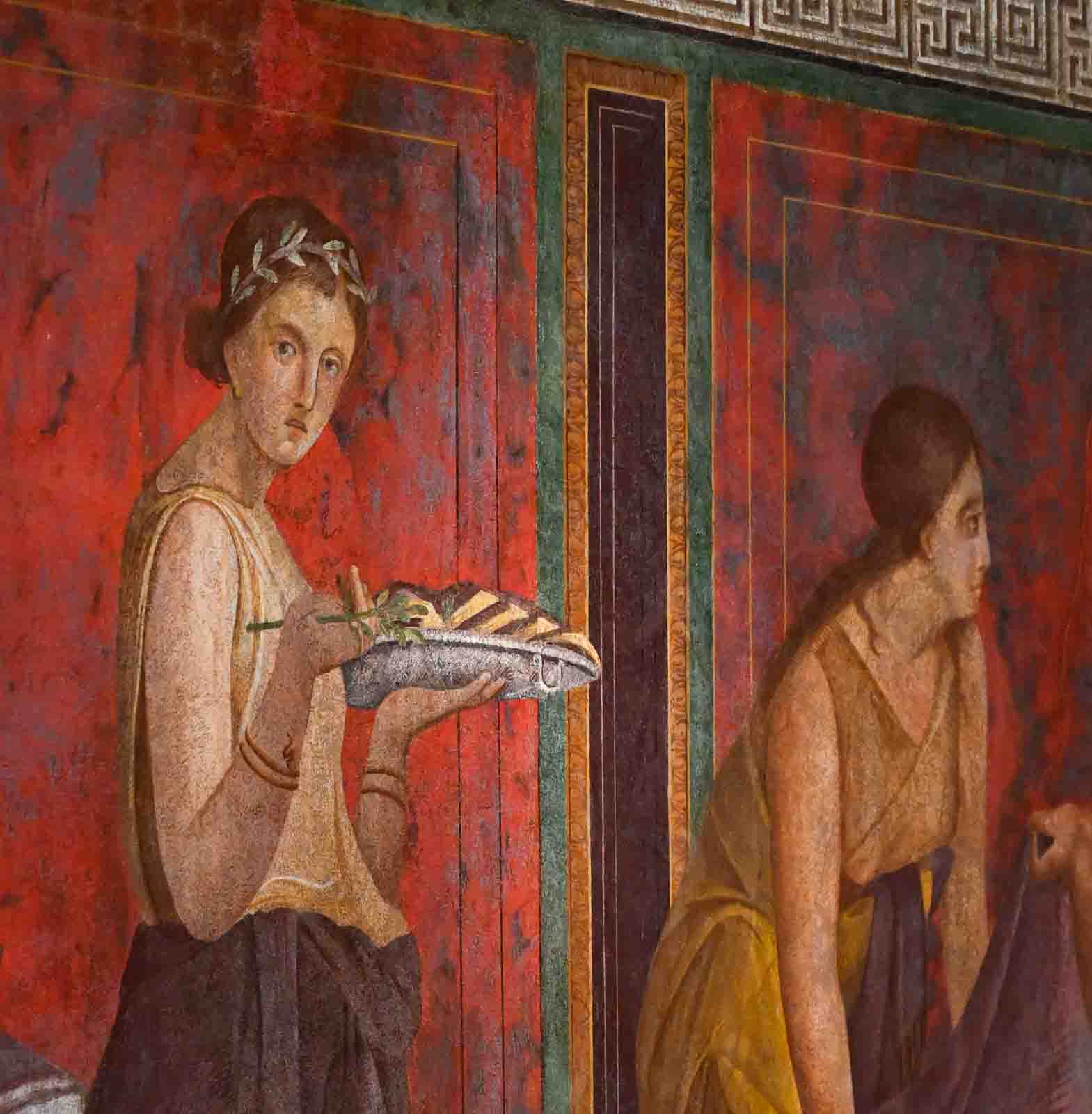
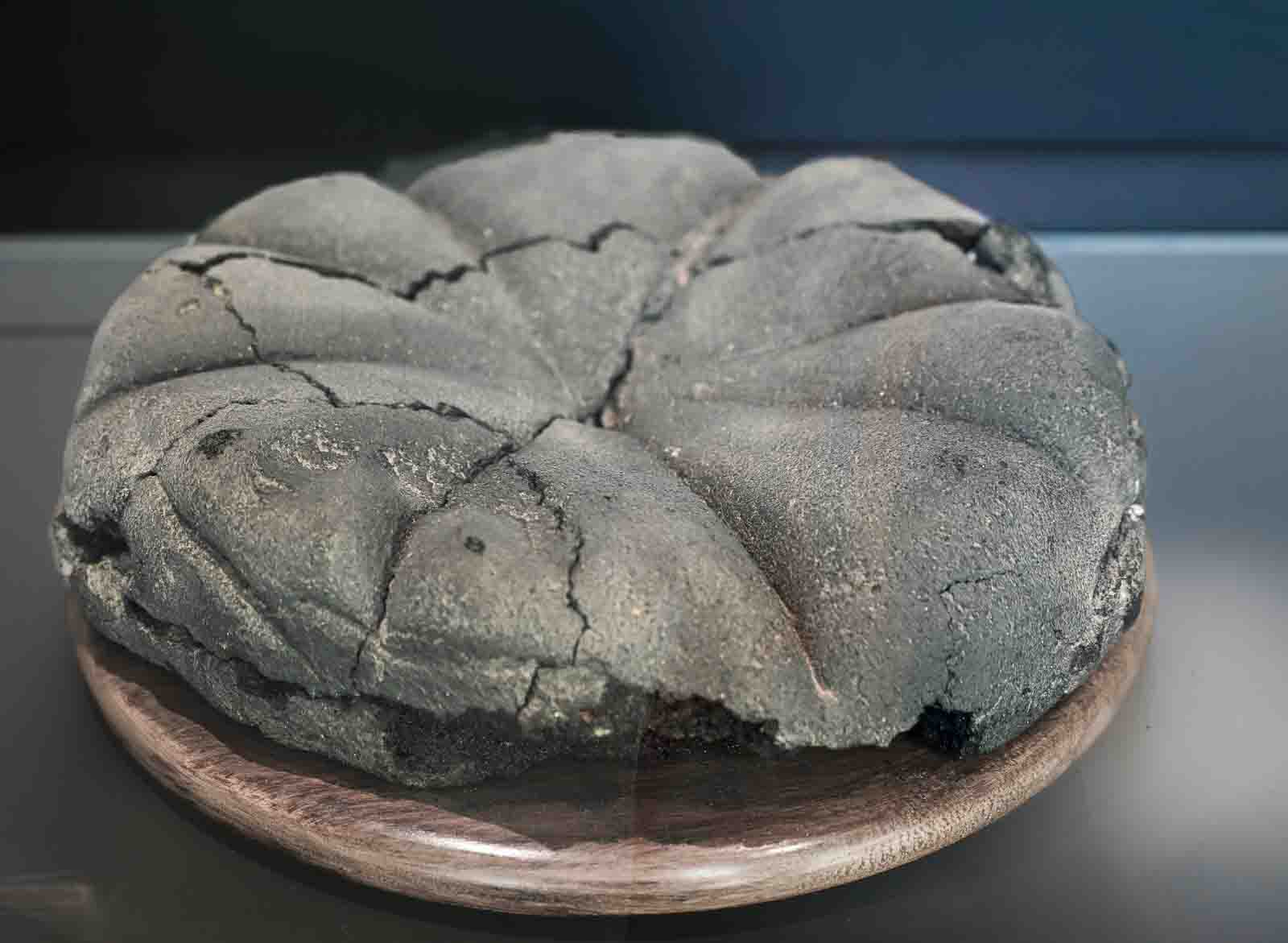
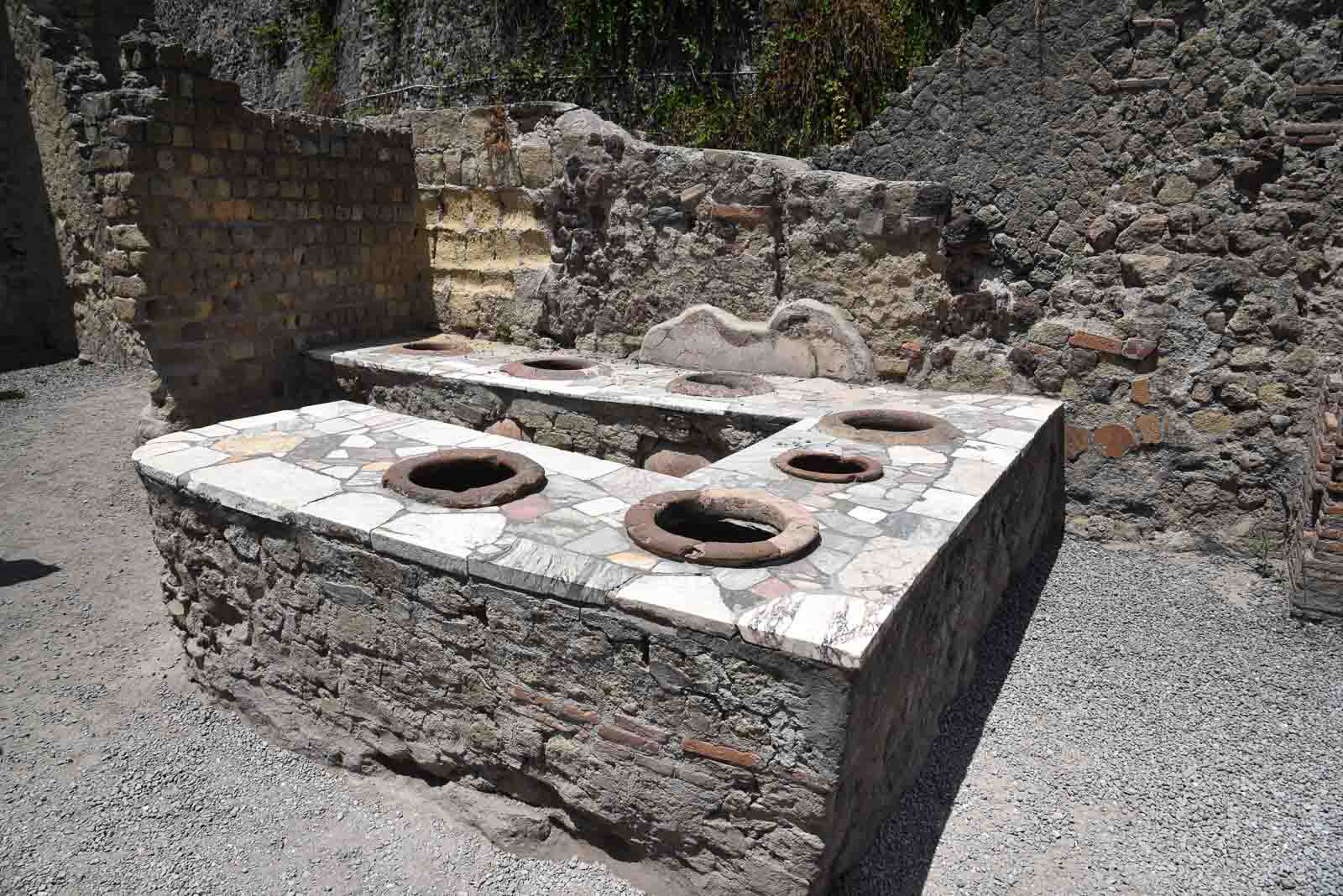
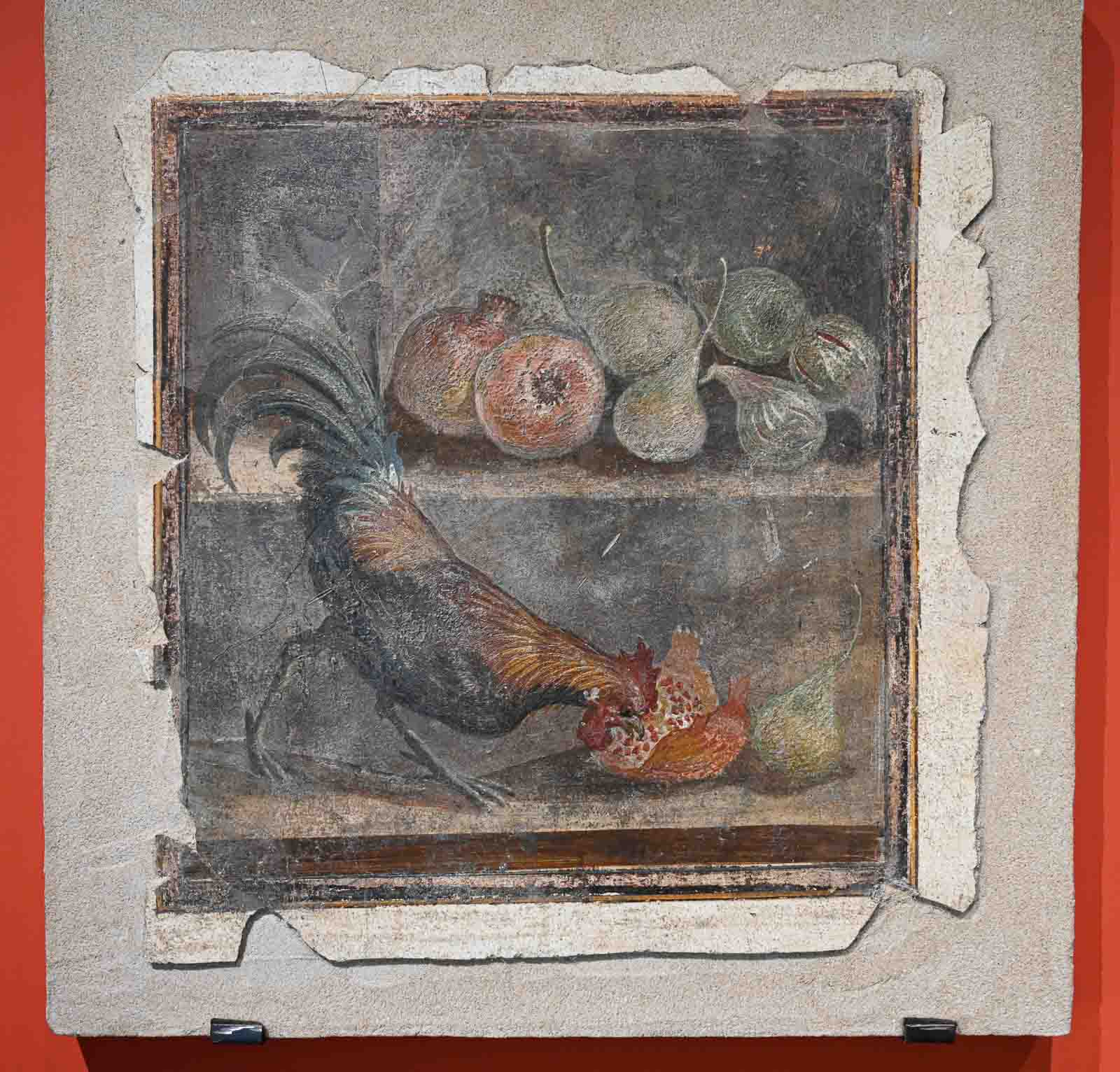
Images of Pompeian life buried for centuries beneath the ash and debris of Vesuvius’s eruption
Fresco depictions of food, a carbonized loaf of bread, a refreshment stand on the city’s main street, and casts of people—silent counterparts to the wartime plea, “Aiuto”
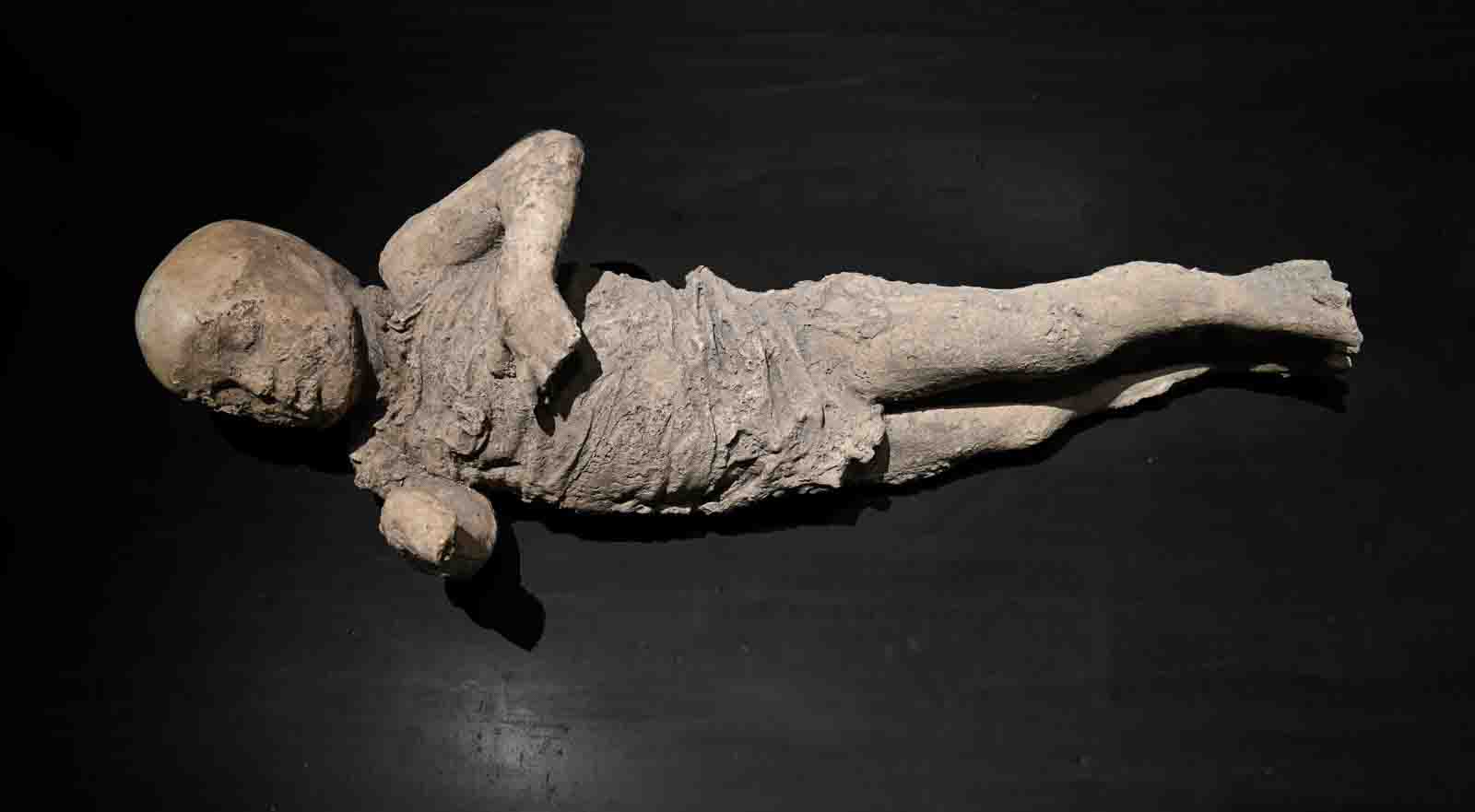
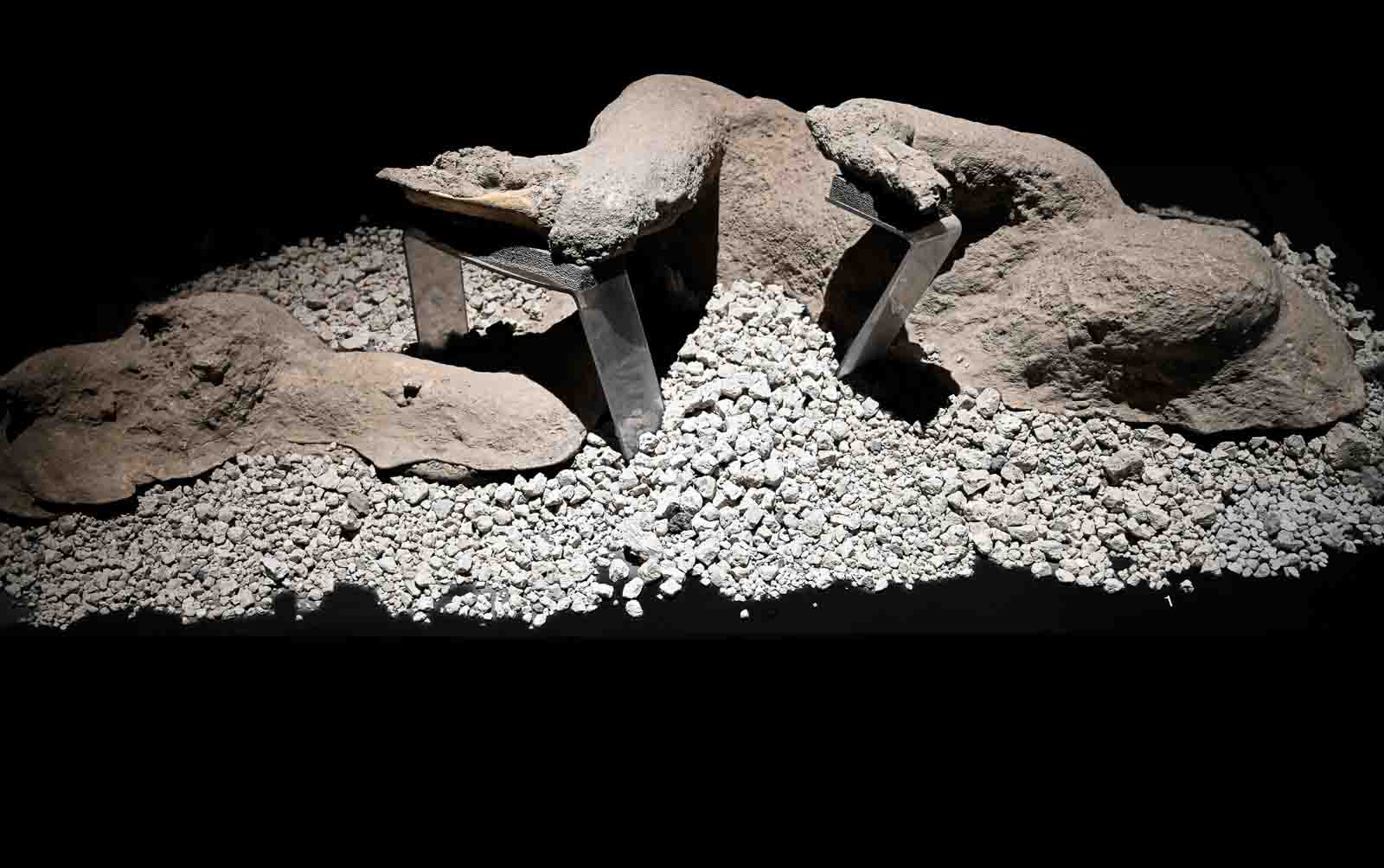
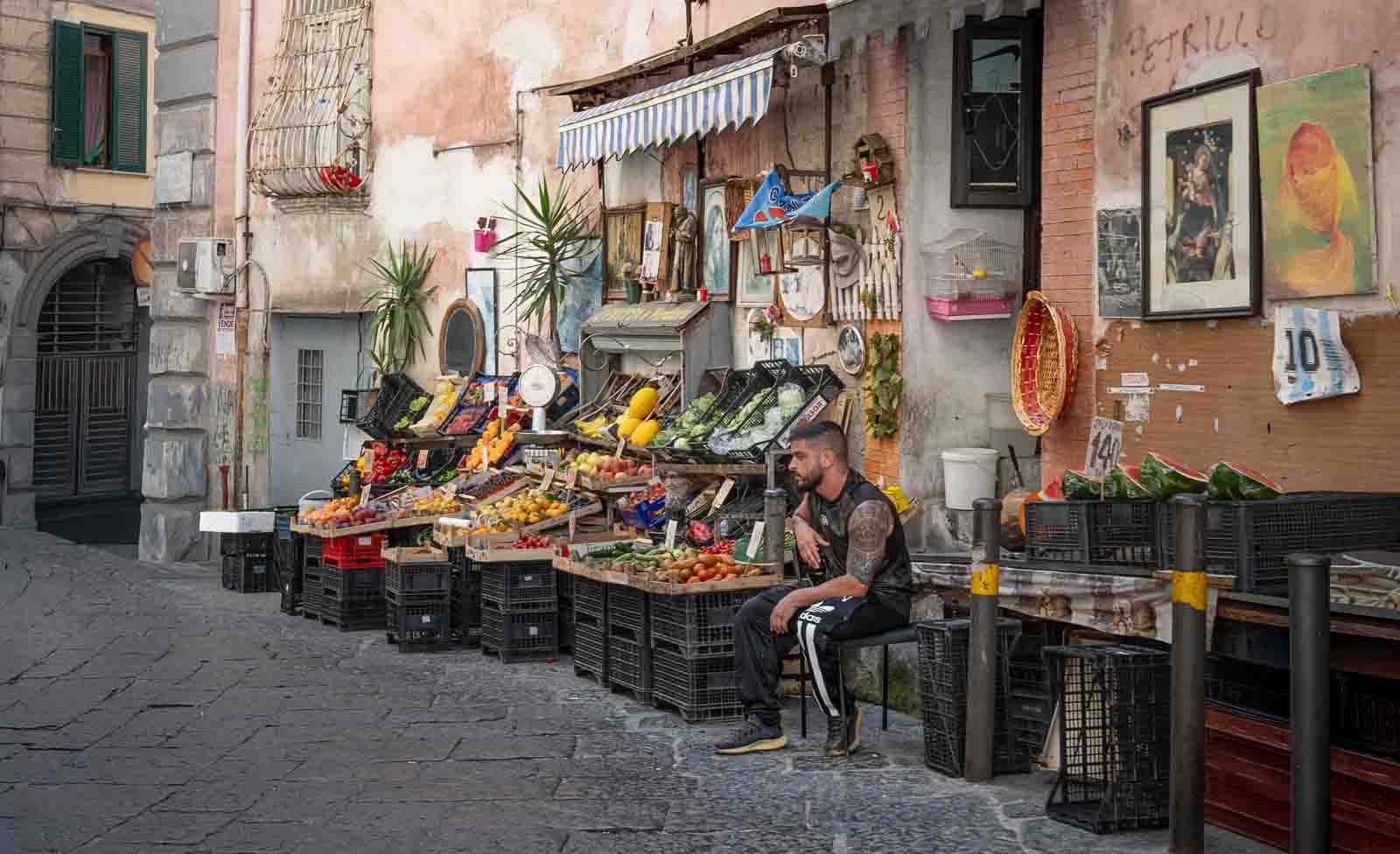
A sense of spontaneity, improvisation and uncertainty seems to underpin the aesthetic of a city forever conscious of the subterranean forces that lie dormant in the nearby volcano. Street life in the urban core gives ample evidence of these tendencies.
Commerce can spring up when or where it is least expected.
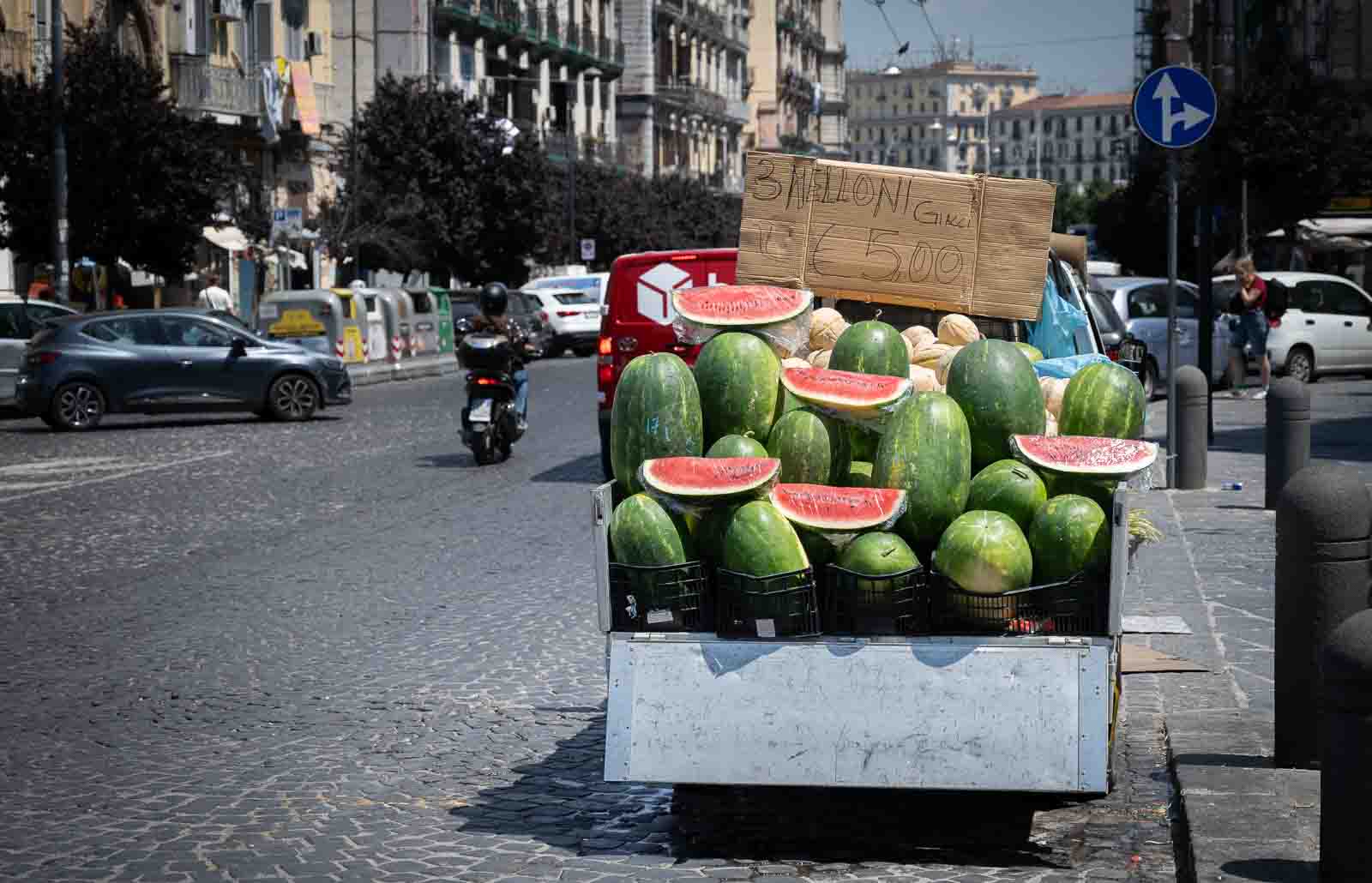
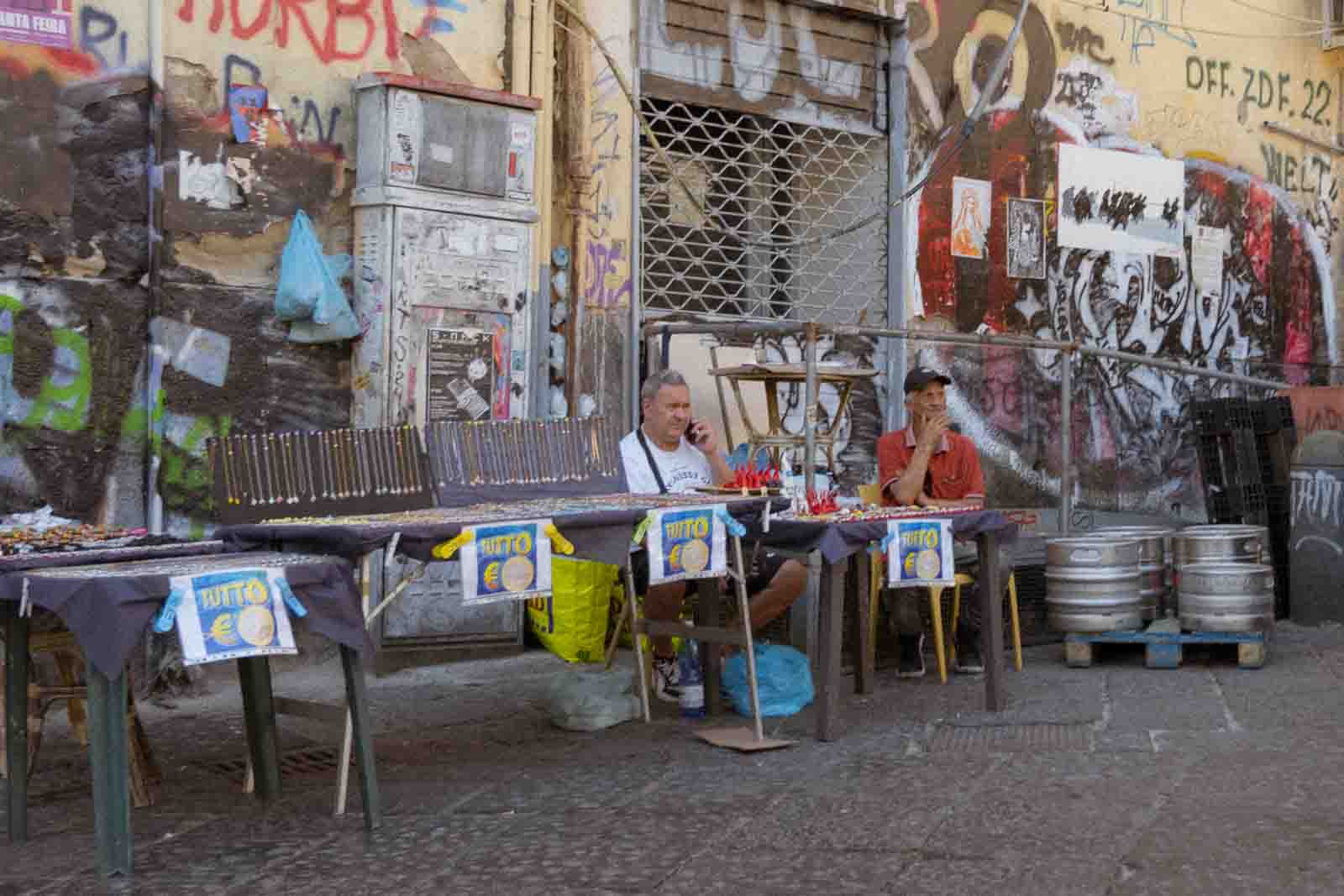
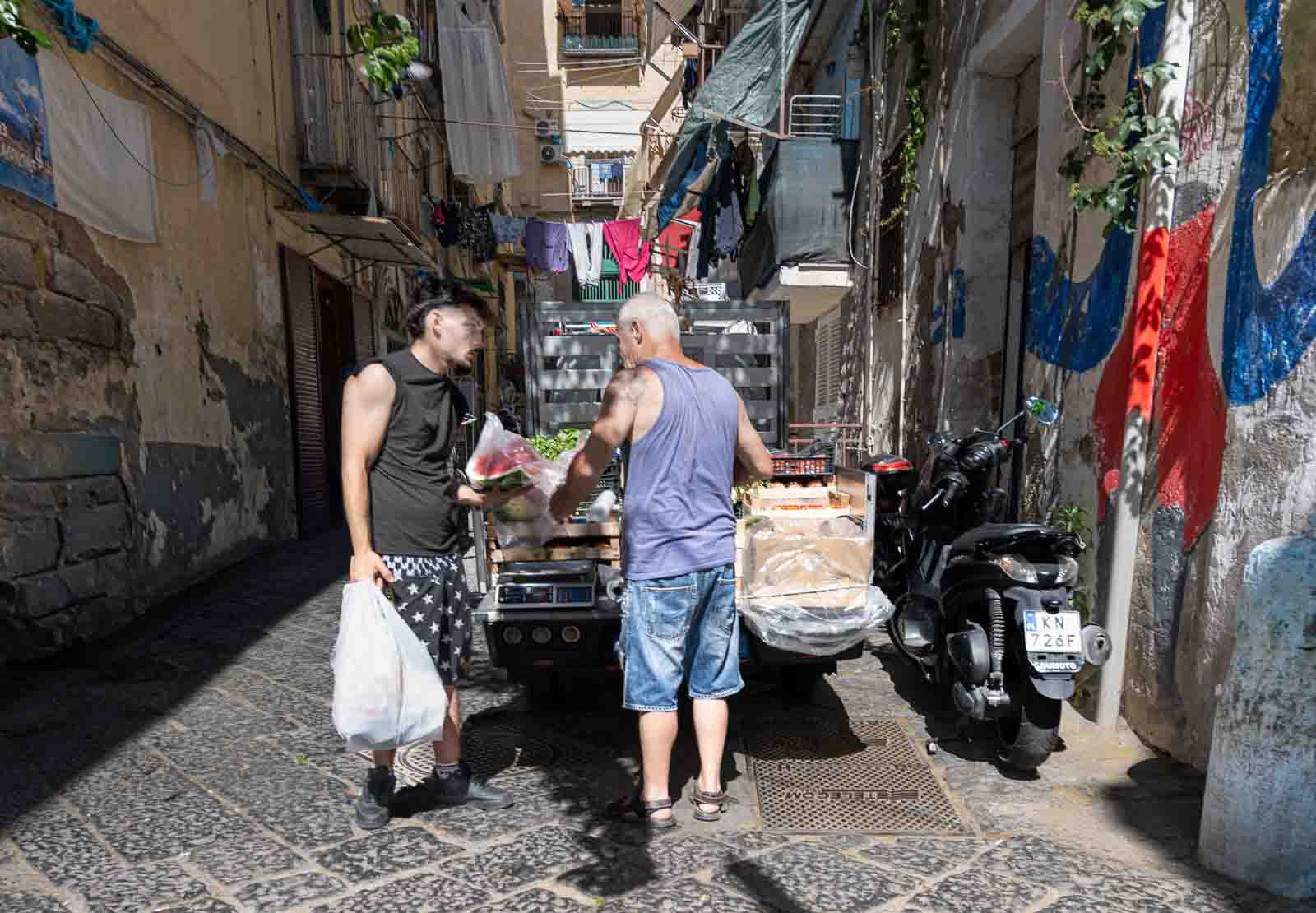
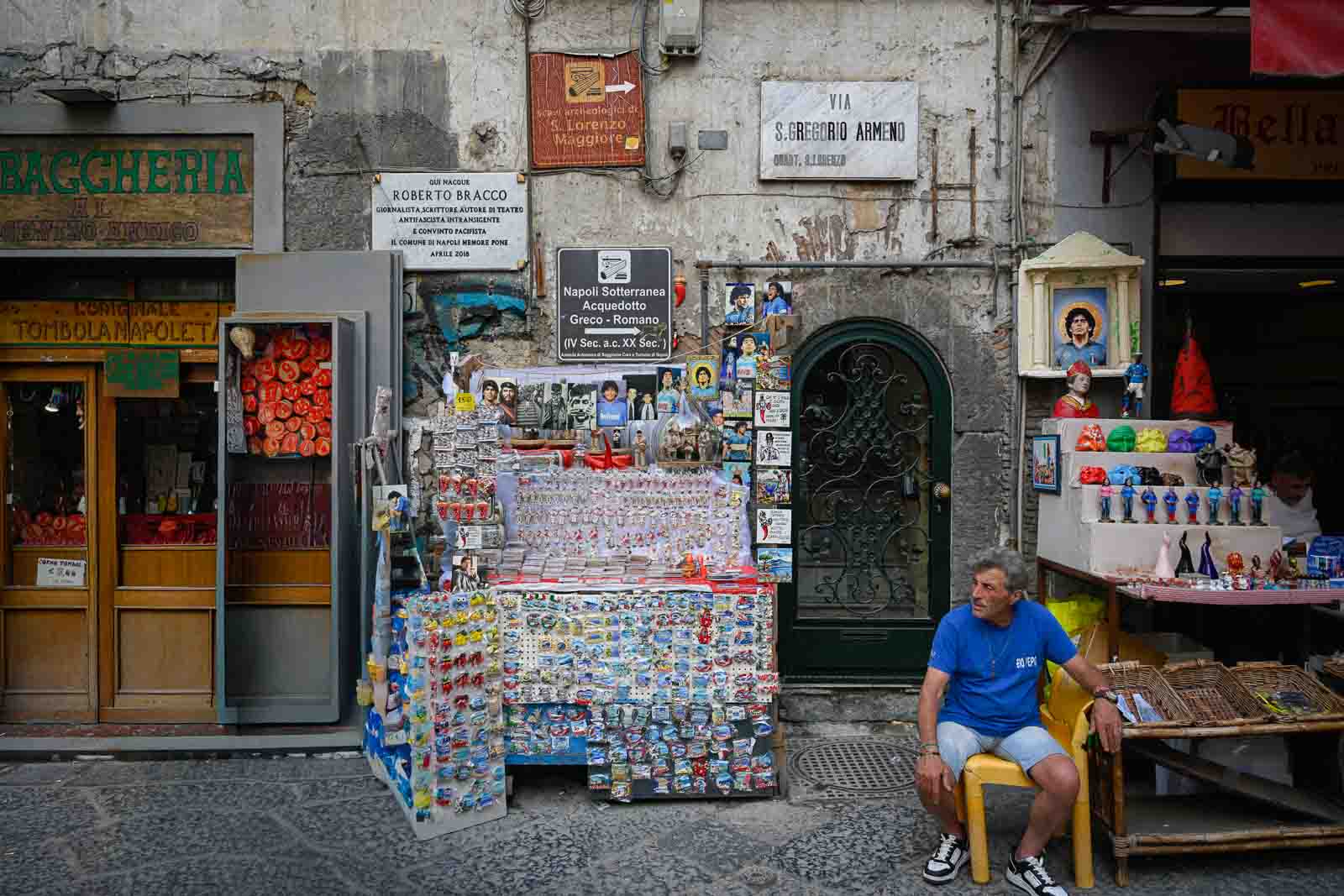
At other times, a street address suggests the mere pretense of constraint, as business flows freely, with apparent disregard for convention, into the public domain.
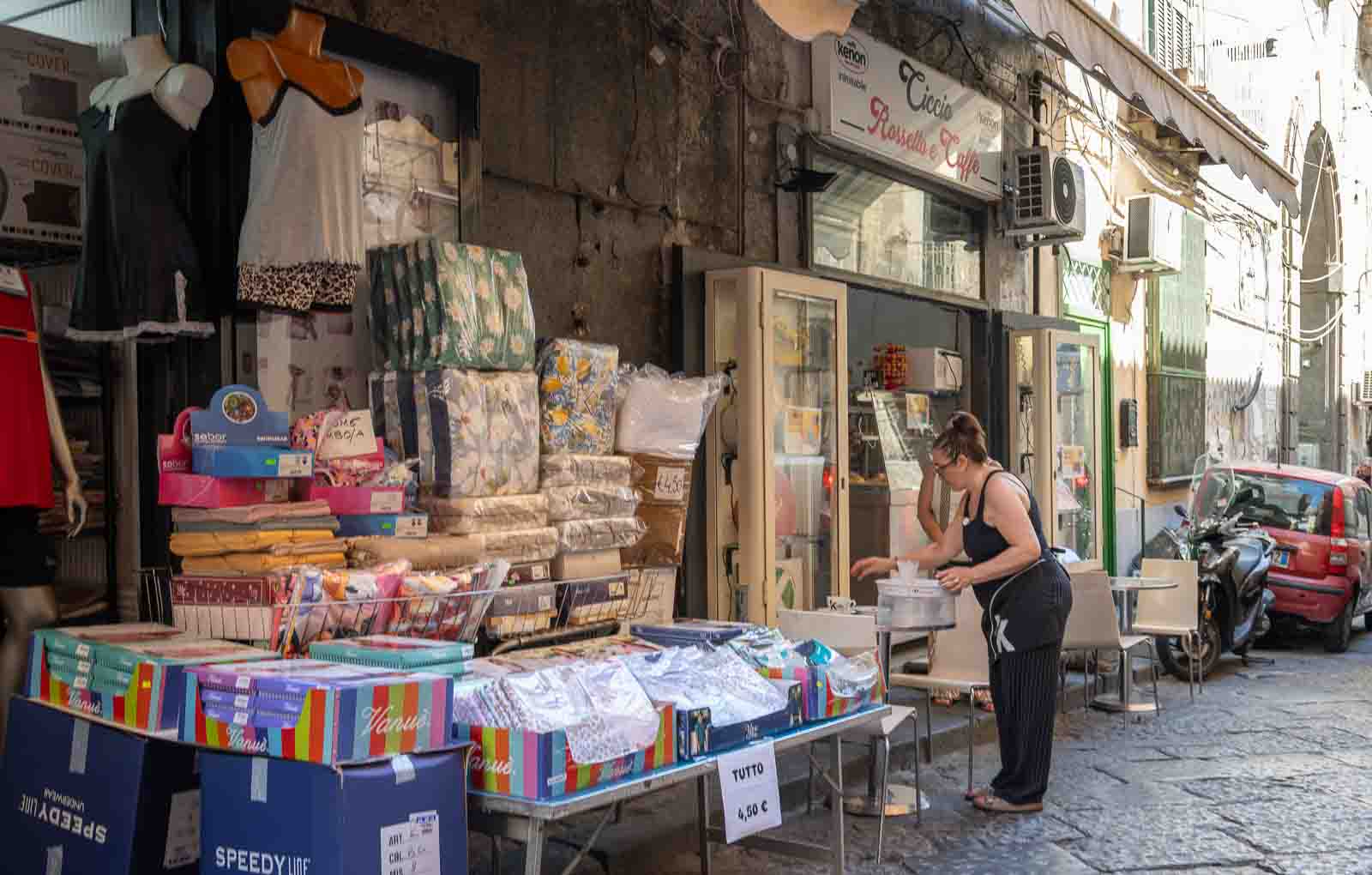
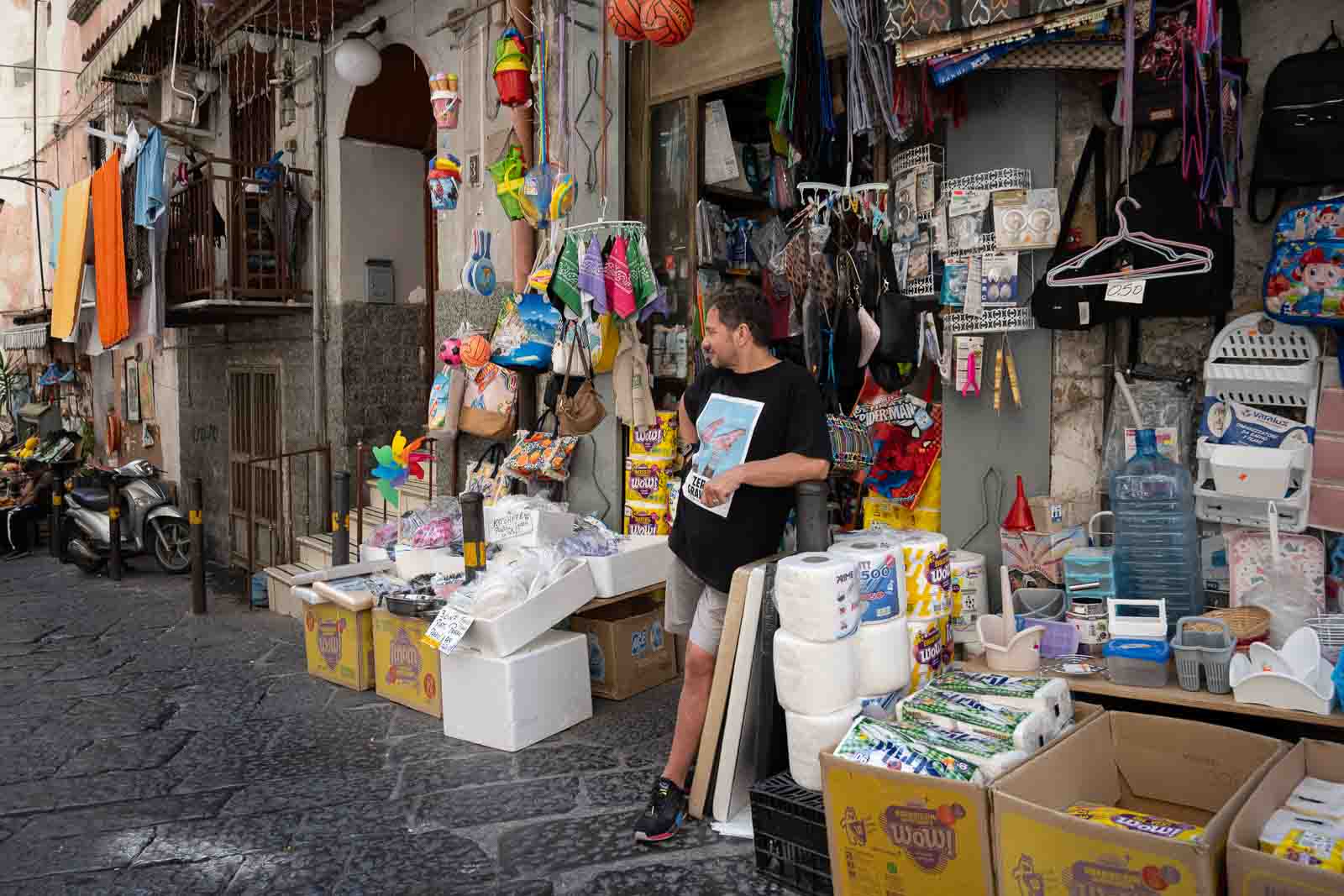
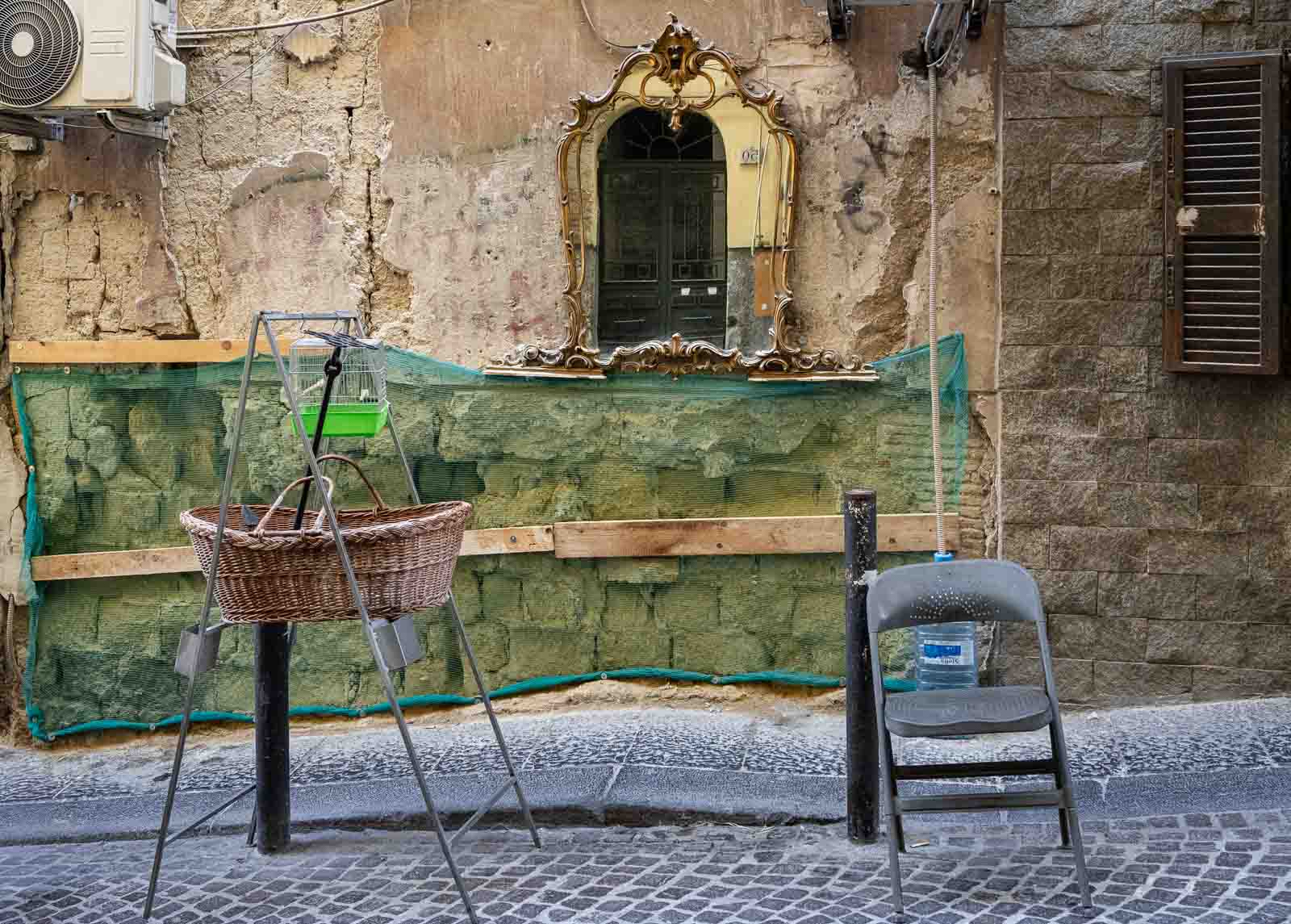
The notion of found art popularized by early 20th century avant-garde artists seems particularly applicable where a birdcage and a wicker basket, an ornate mirror and a folding chair share a public space, as if by design…
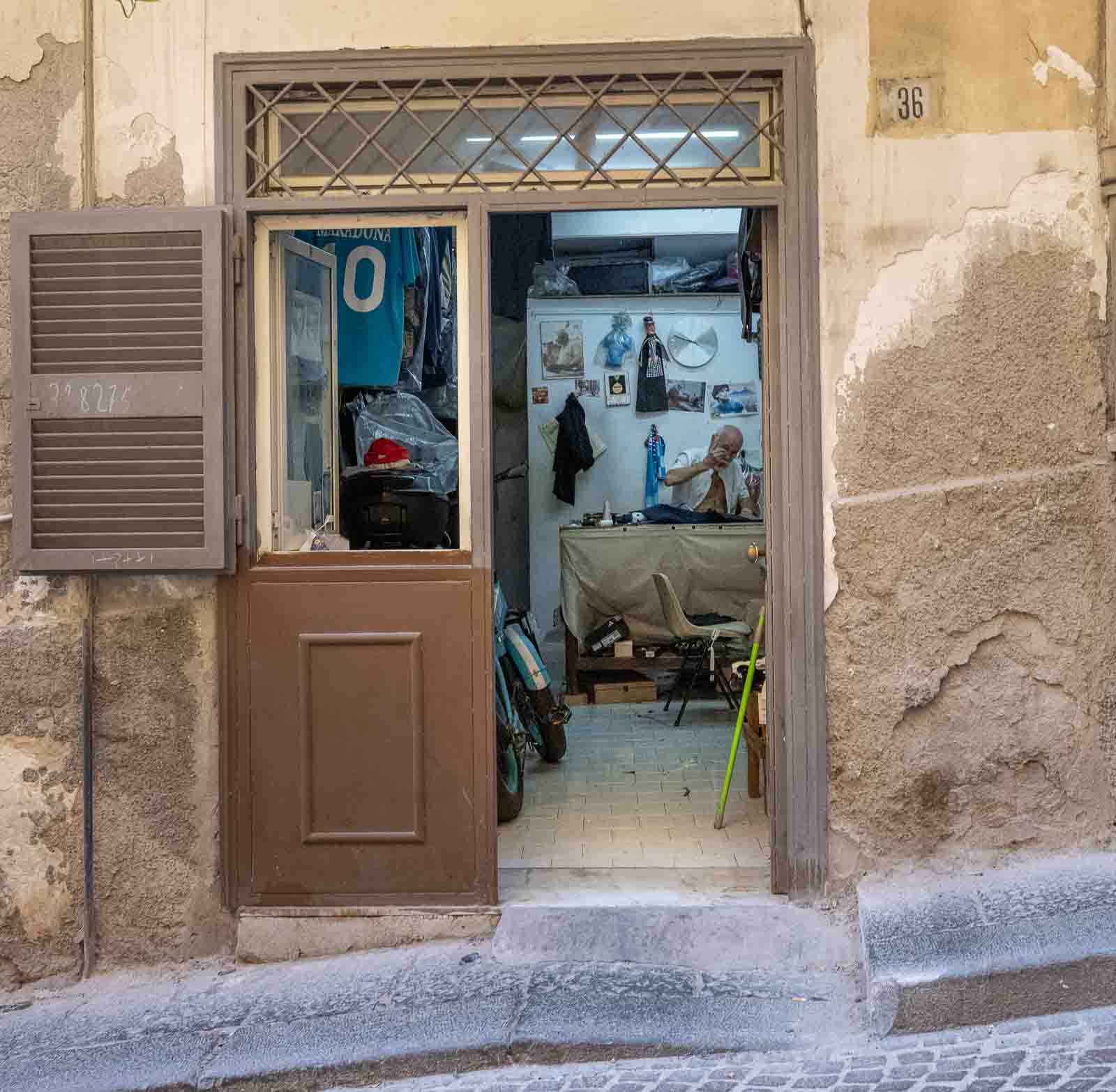
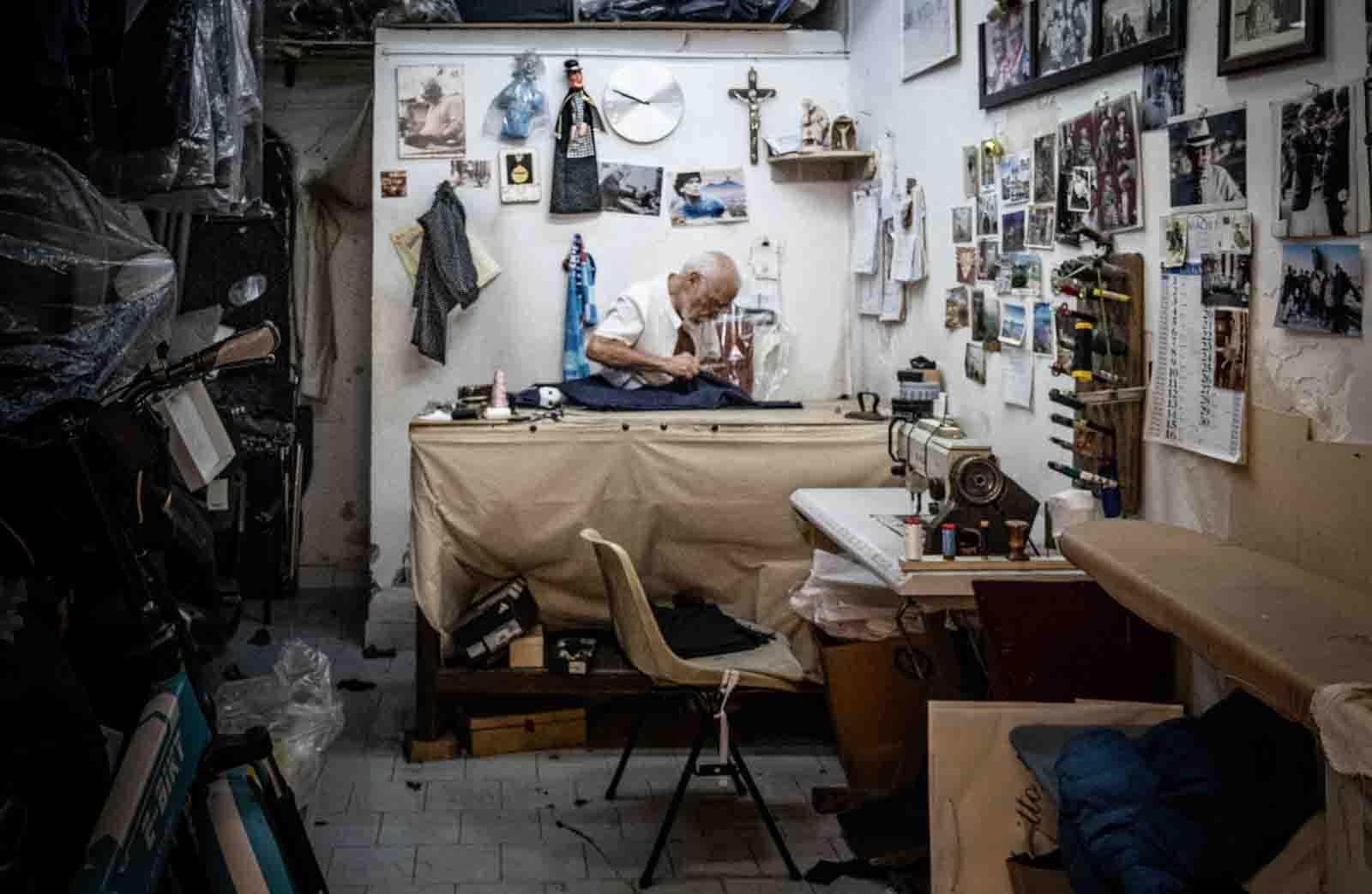
…or where an open door allows the tailor to invite the occasional photographer in to capture the unusual array of objects on display in his shop: a crucifix, a statue of Padre Pio, a photo of Diego Maradona, a marionette depicting the Neapolitan prince of laughter, Antonio de Curtis, known as Totò. They are items that, taken together, embody a uniquely Neapolitan blend of devotions.
Devotions, in fact, tend to be displayed publicly throughout the urban core in evocative ways…
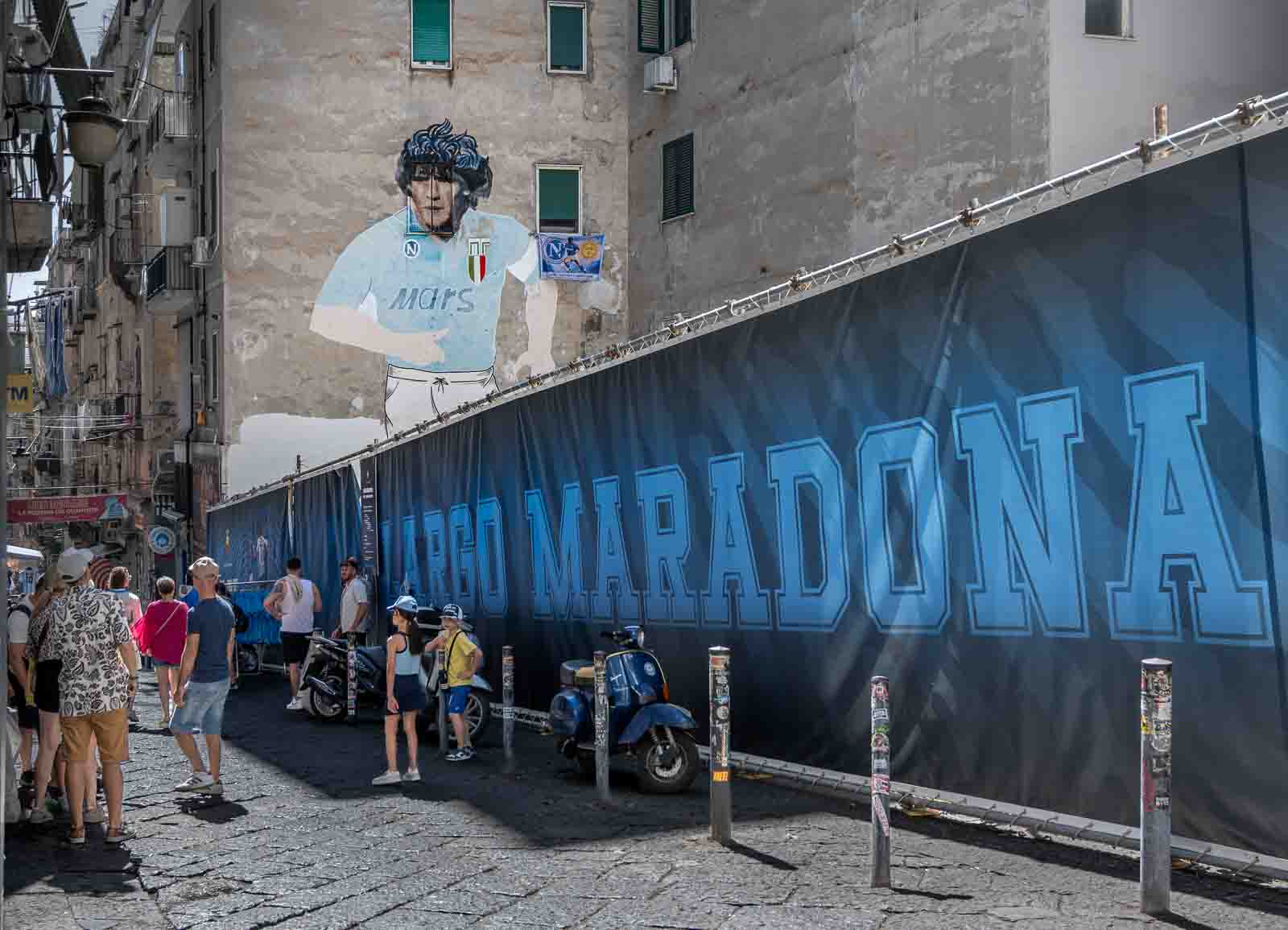
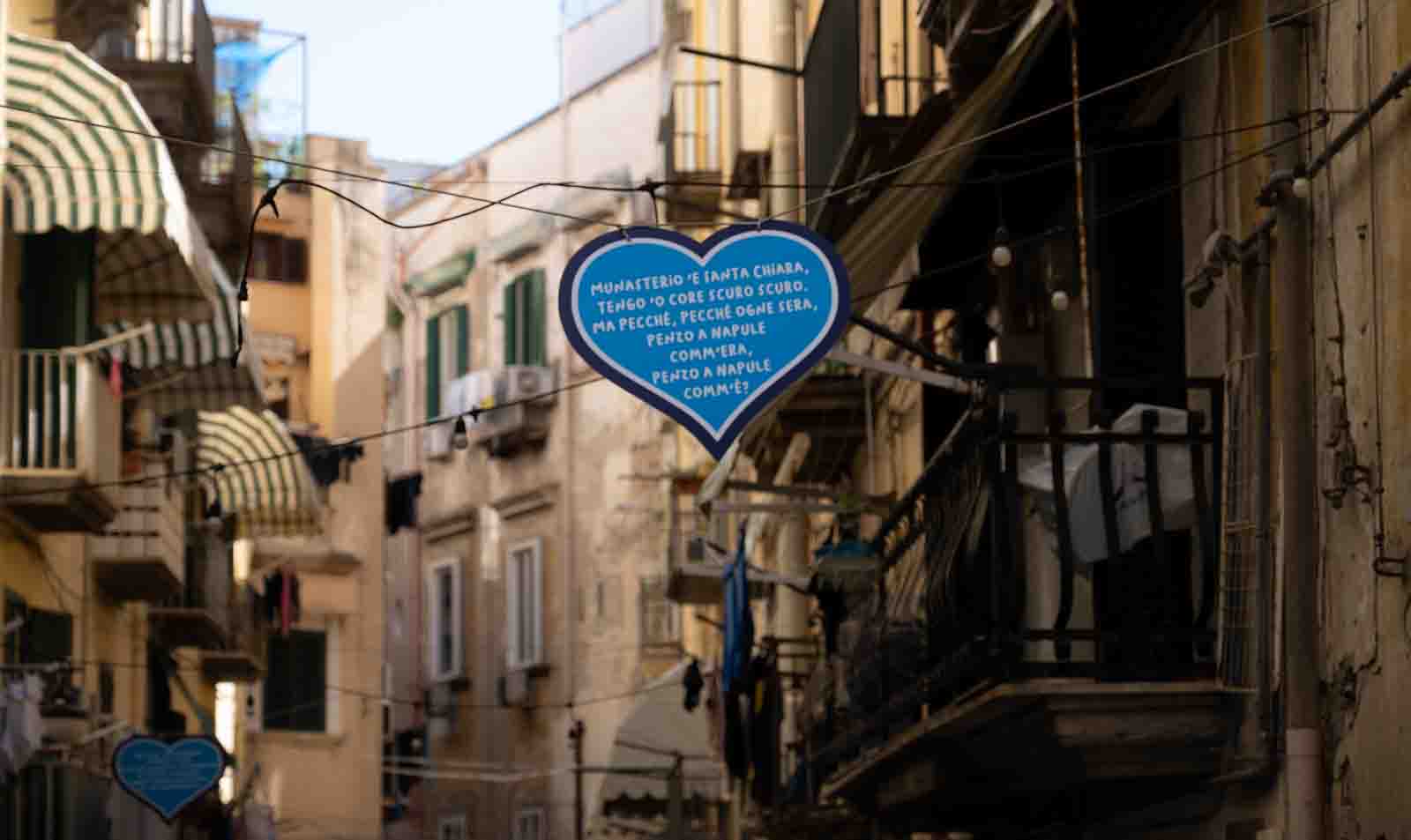
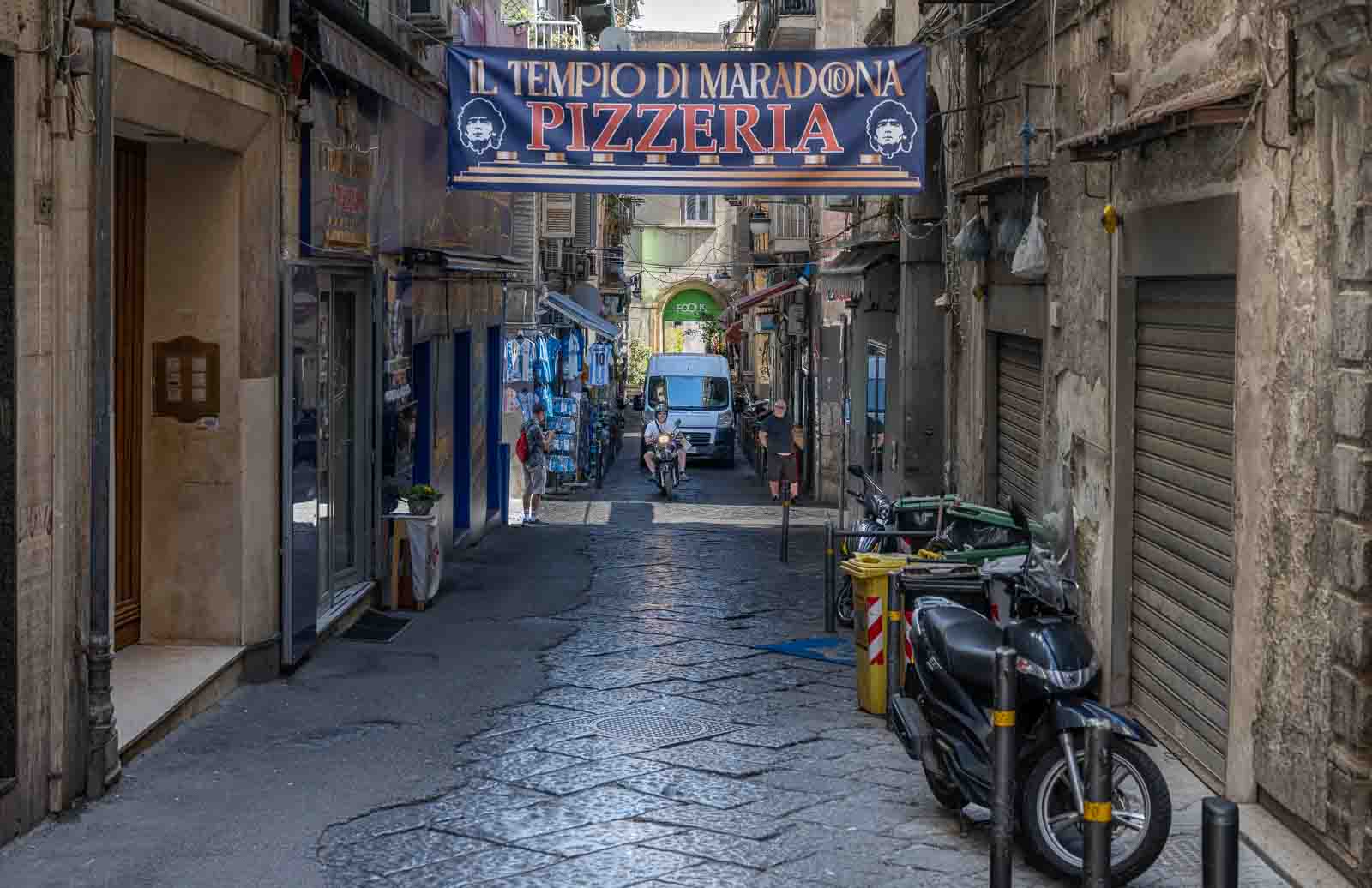
…and with a passion and drama that recall the chiaroscuro of Caravaggio more readily than the quiet stillness of a central Italian archway. The passion and drama of street life in Naples are intensified by the texture of an urban core that at times seems to disintegrate, like an ancient ruin, before our very eyes.
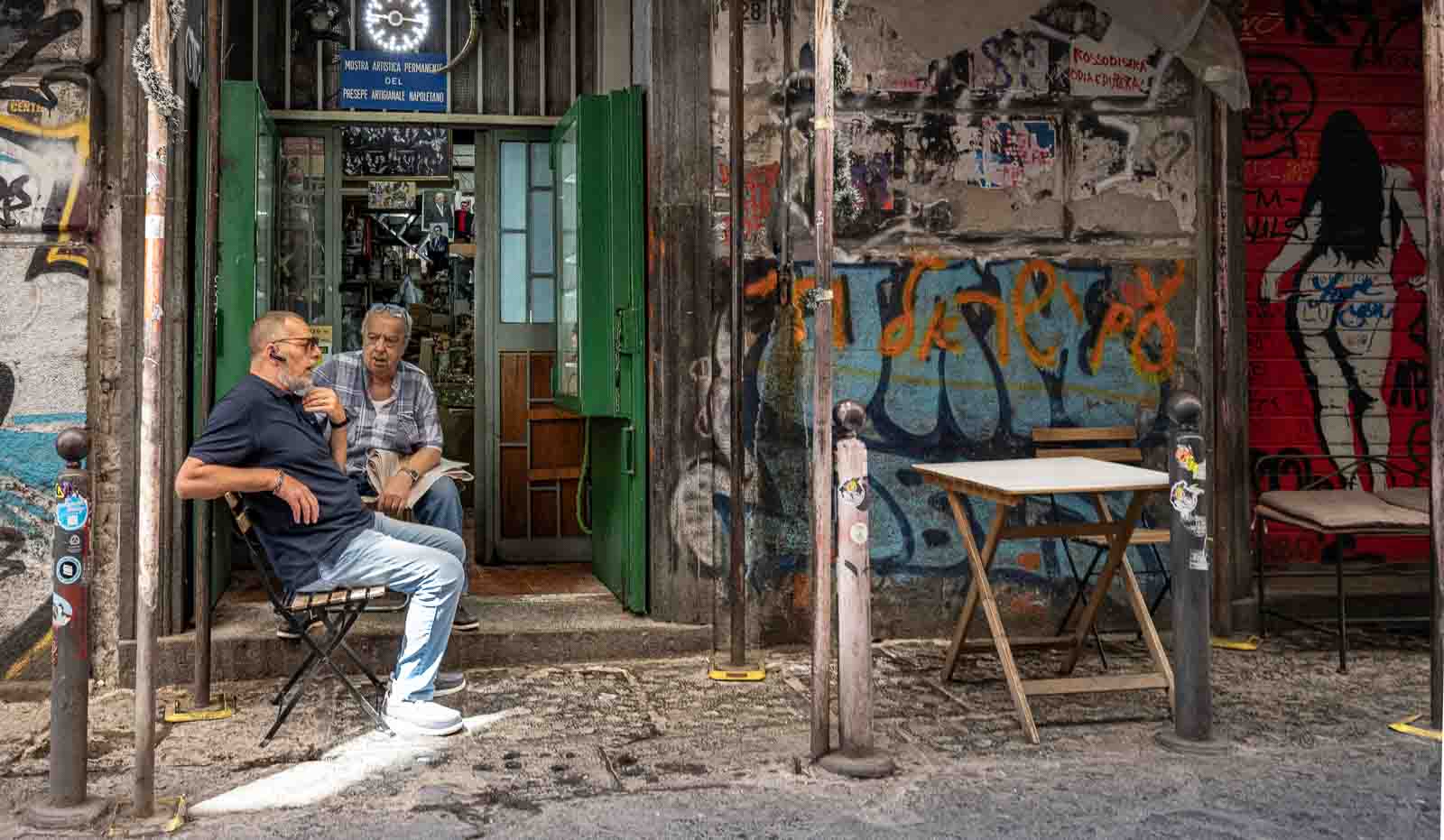
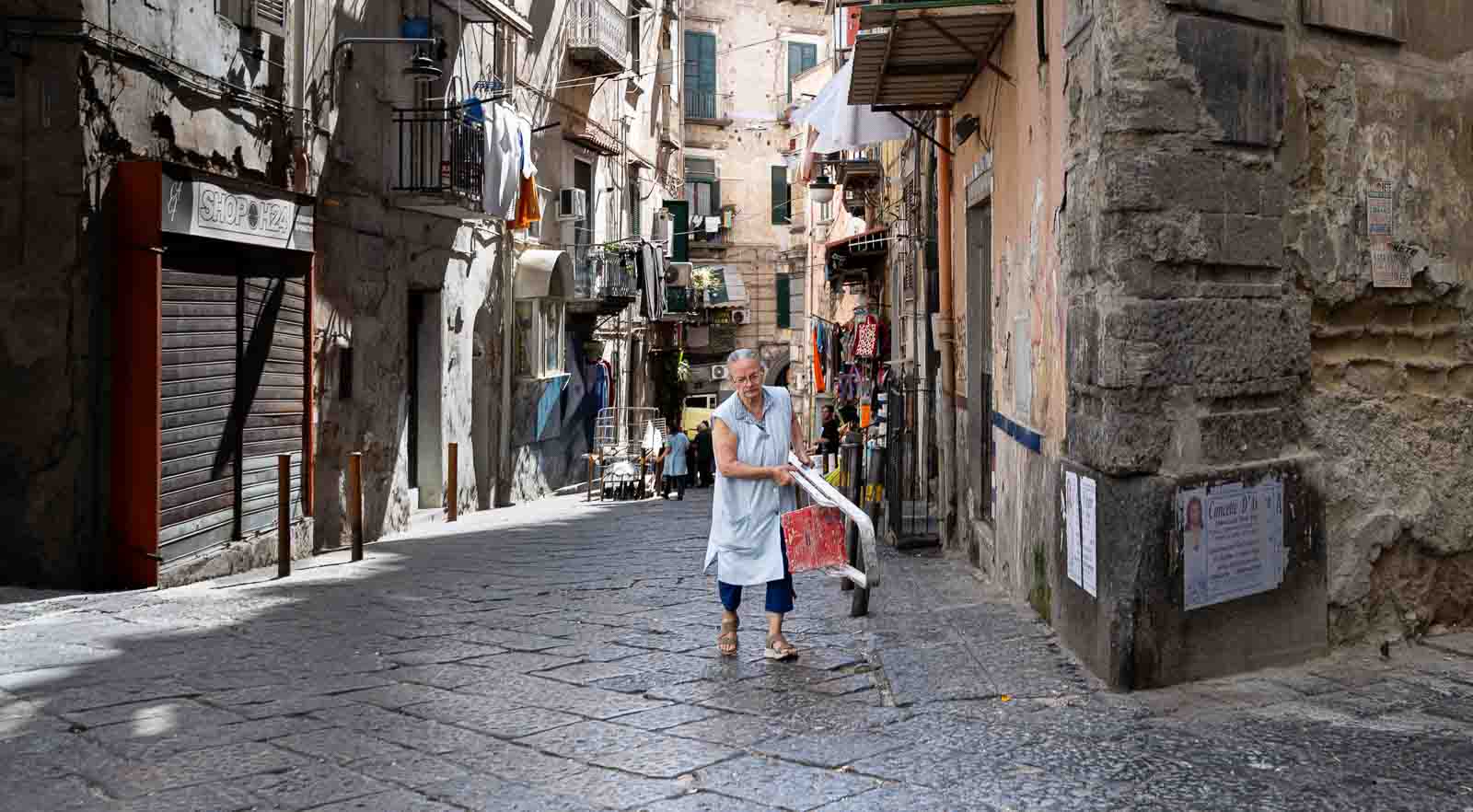
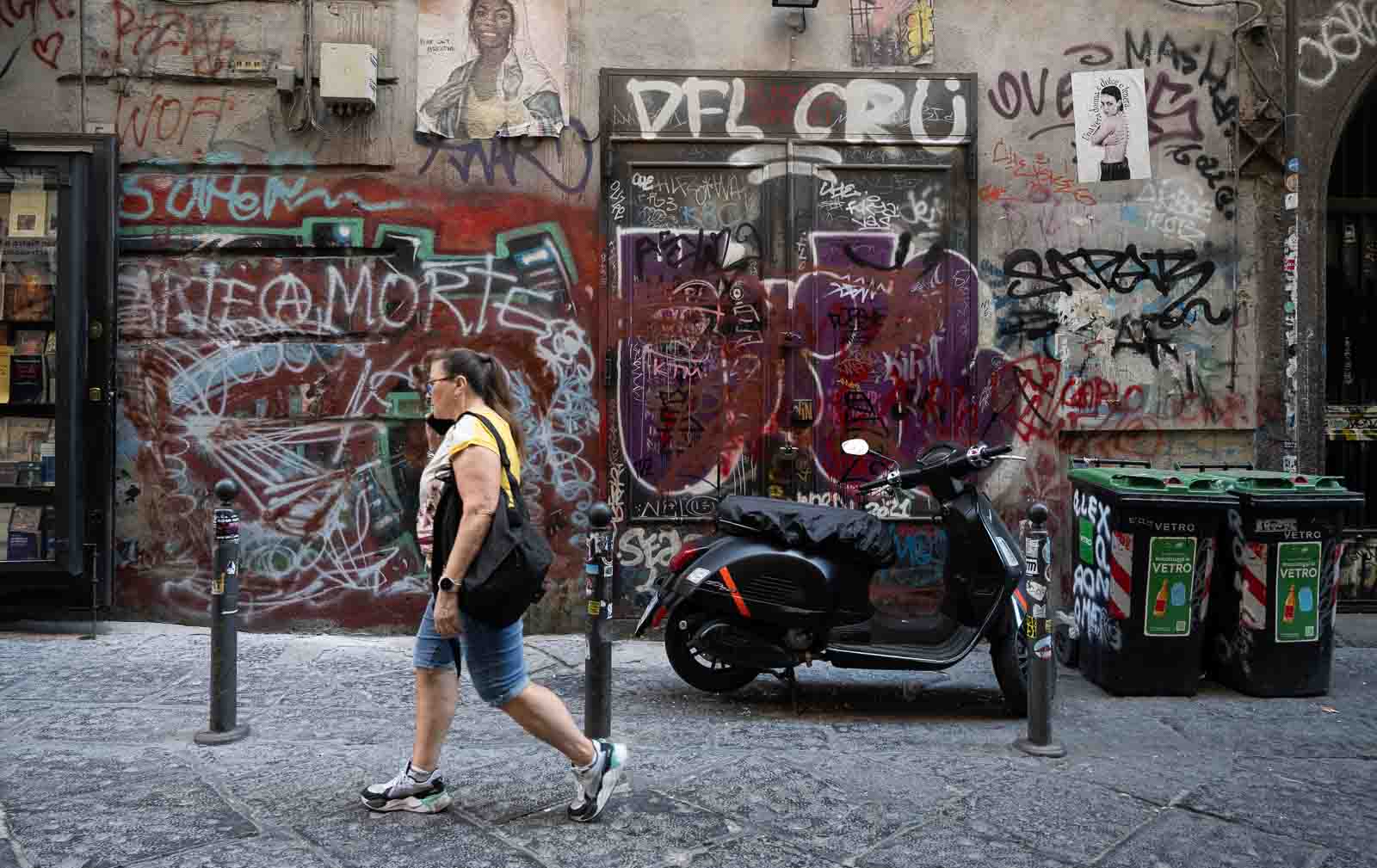
Neighborhoods cohere around an aesthetic reminiscent of Herculaneum and Pompeii: streets paved with glistening volcanic basoli (paving stones); colorful paint—not a fresco, however—applied in an attempt to mask the crumbling walls; disrepair and decay, and inhabitants who animate these streets, going about their daily affairs amid it all.
In the end, how Neapolitans and the Bolognesi inhabit their streets strikes me as the most dissonant chord—and, perhaps, the most significant one—in any reflection on these cities.
Realizing ancient dreams of humanity
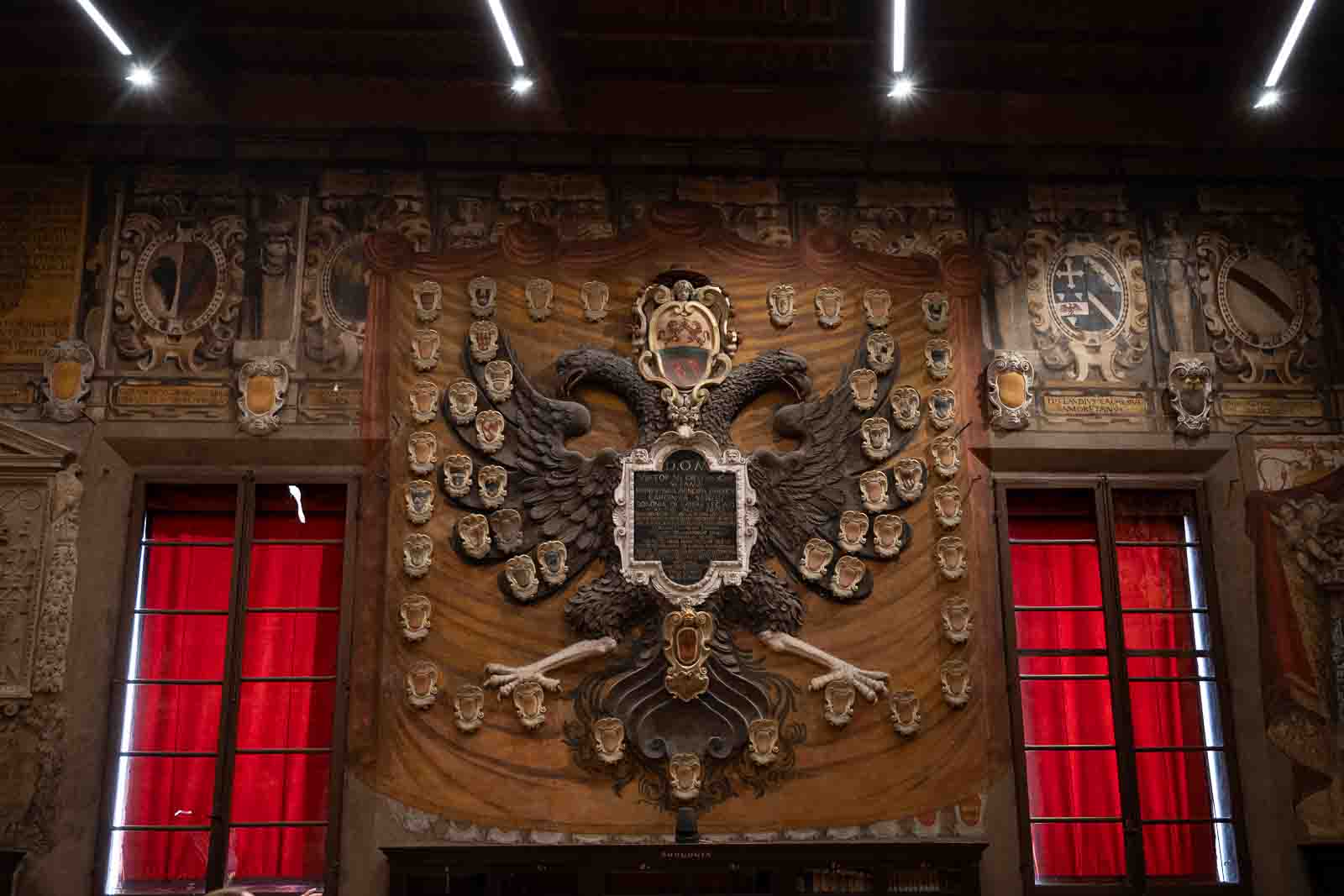
People congregate in Bologna’s central squares just as they have for centuries. On any given day, locals and tourists mingle in the contiguous piazze—Maggiore and Nettuno—under the commanding gaze of Giambologna’s god of the seas (1563-1566) and surrounded by medieval and Renaissance palaces remniscent of a civic and institutional heritage extending back to the Middle Ages. Social life overflows into the surrounding streets filled with bookstores, cafés, restaurants, and markets. The nearby Archiginnasio, which housed the University of Bologna from 1563 to 1803, is now a major library. It is next to the Basilica dedicated to the city’s patron saint, San Petronio. In its urban design, Bologna’s central core conveys a palpable civic pride.
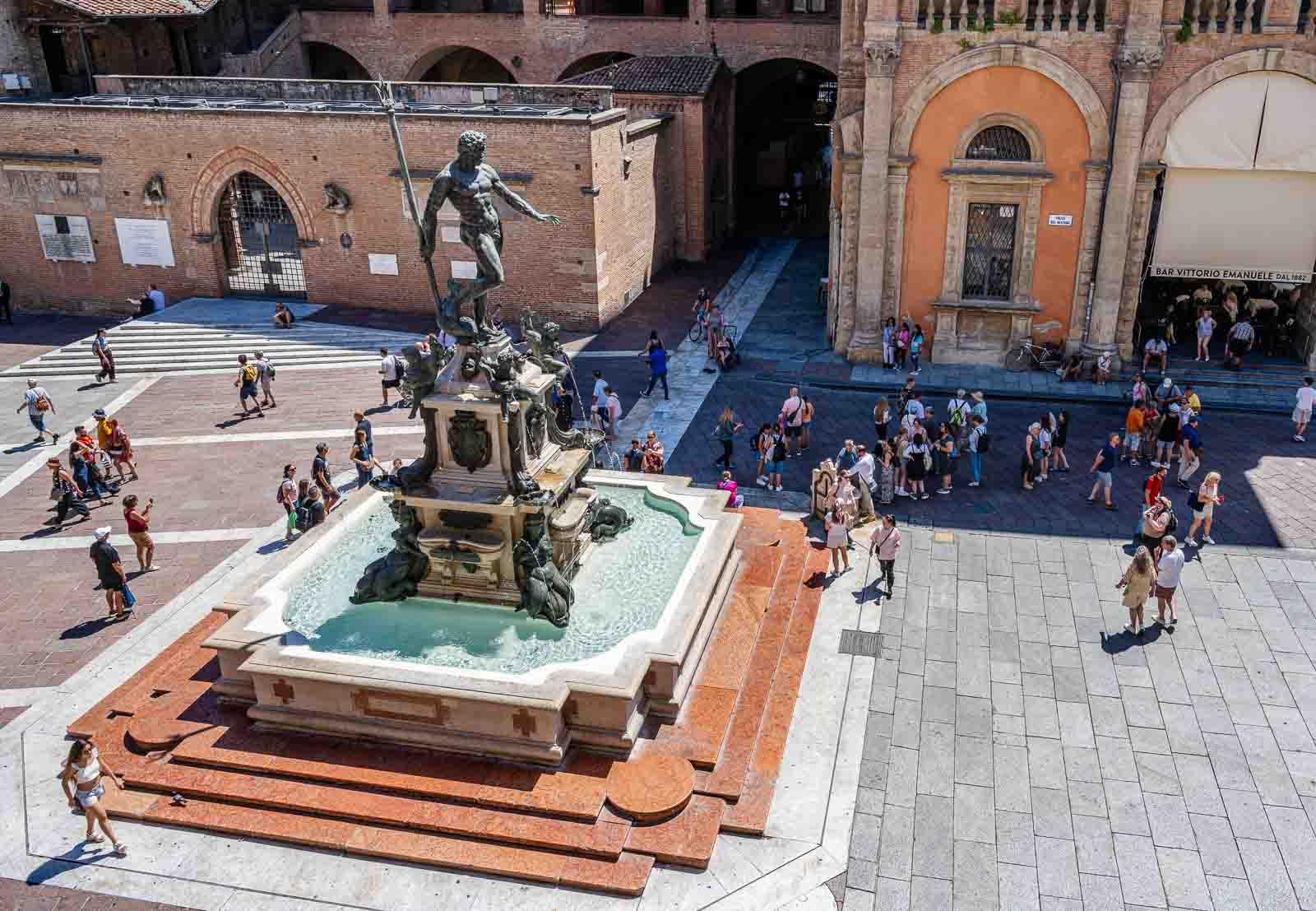


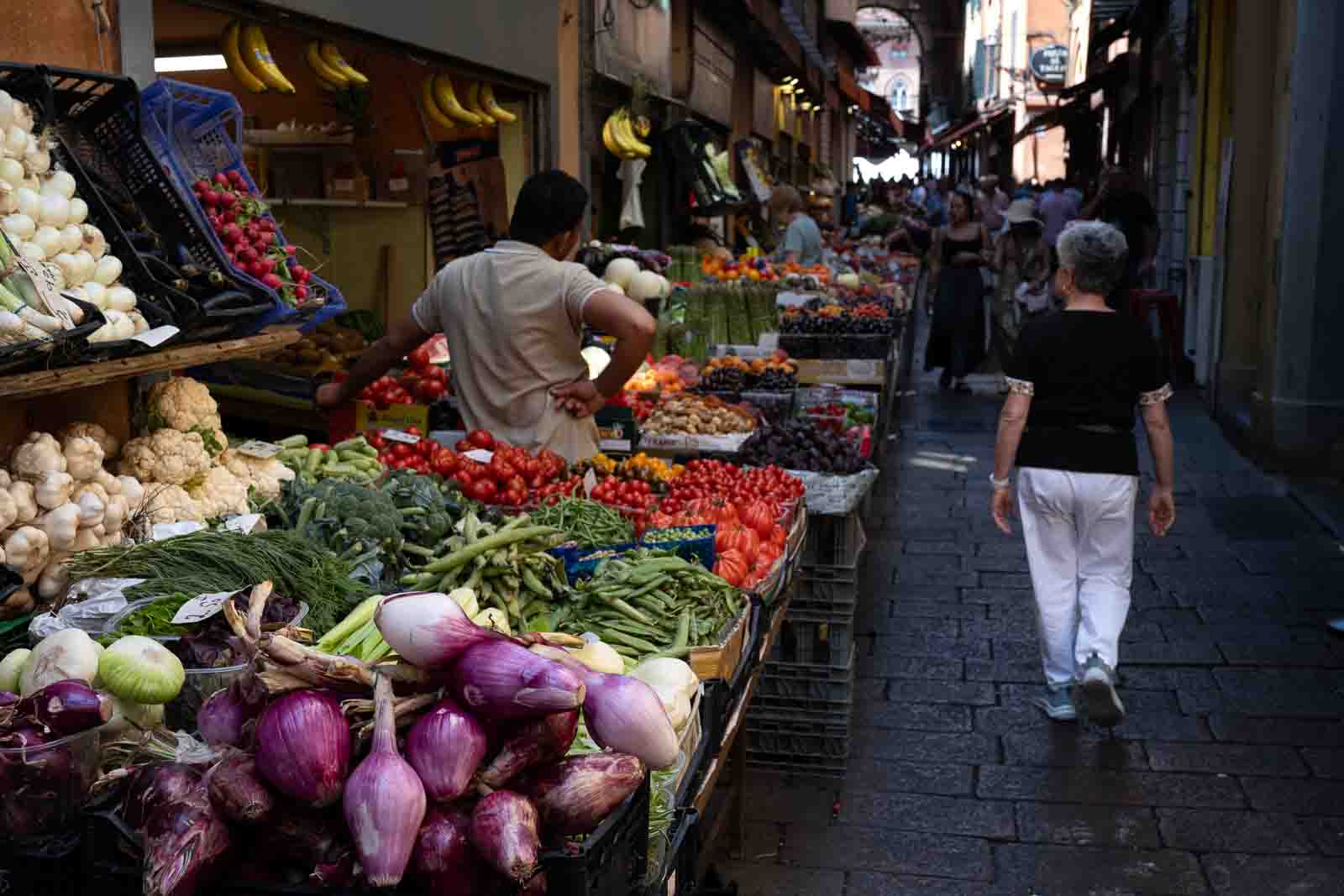
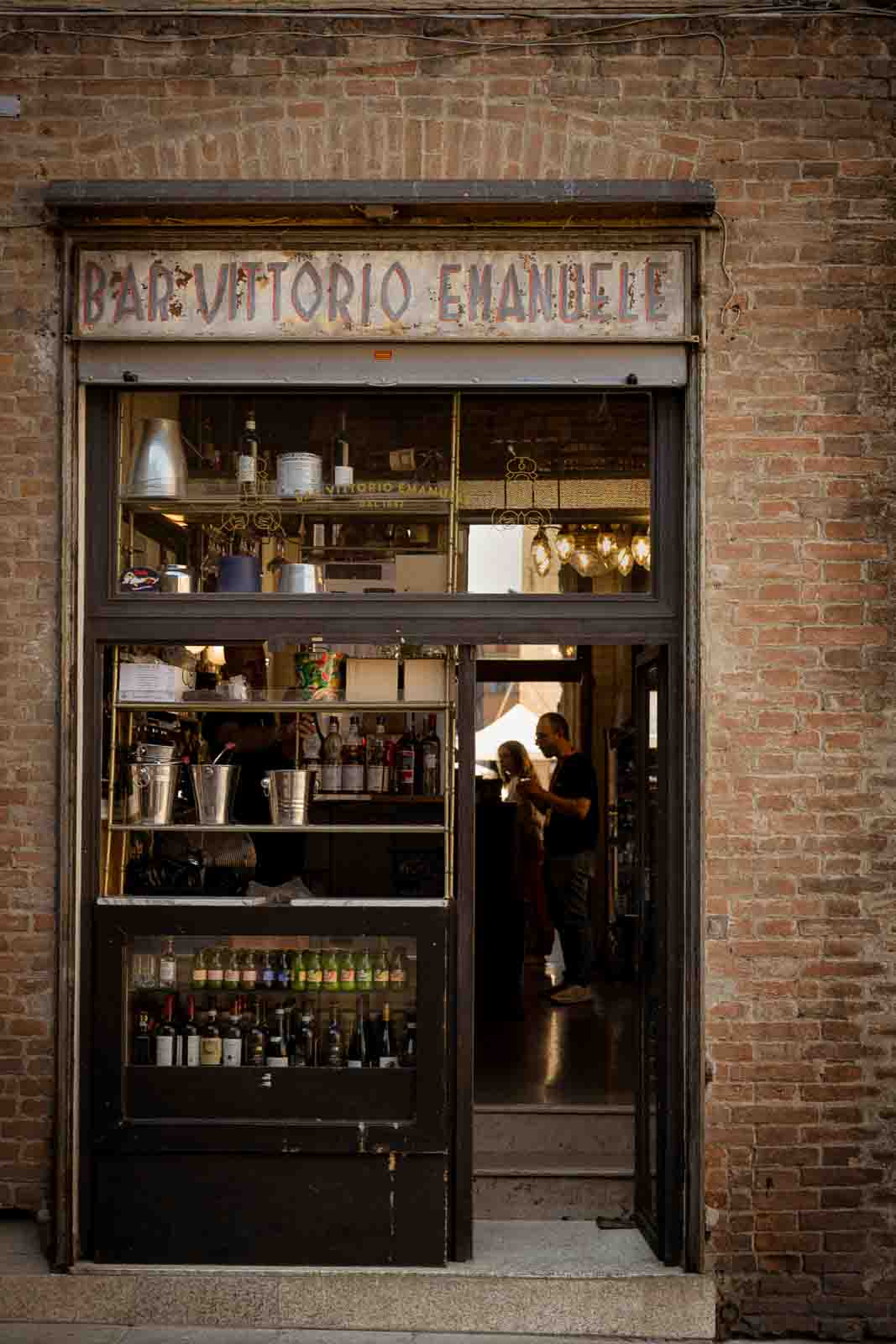
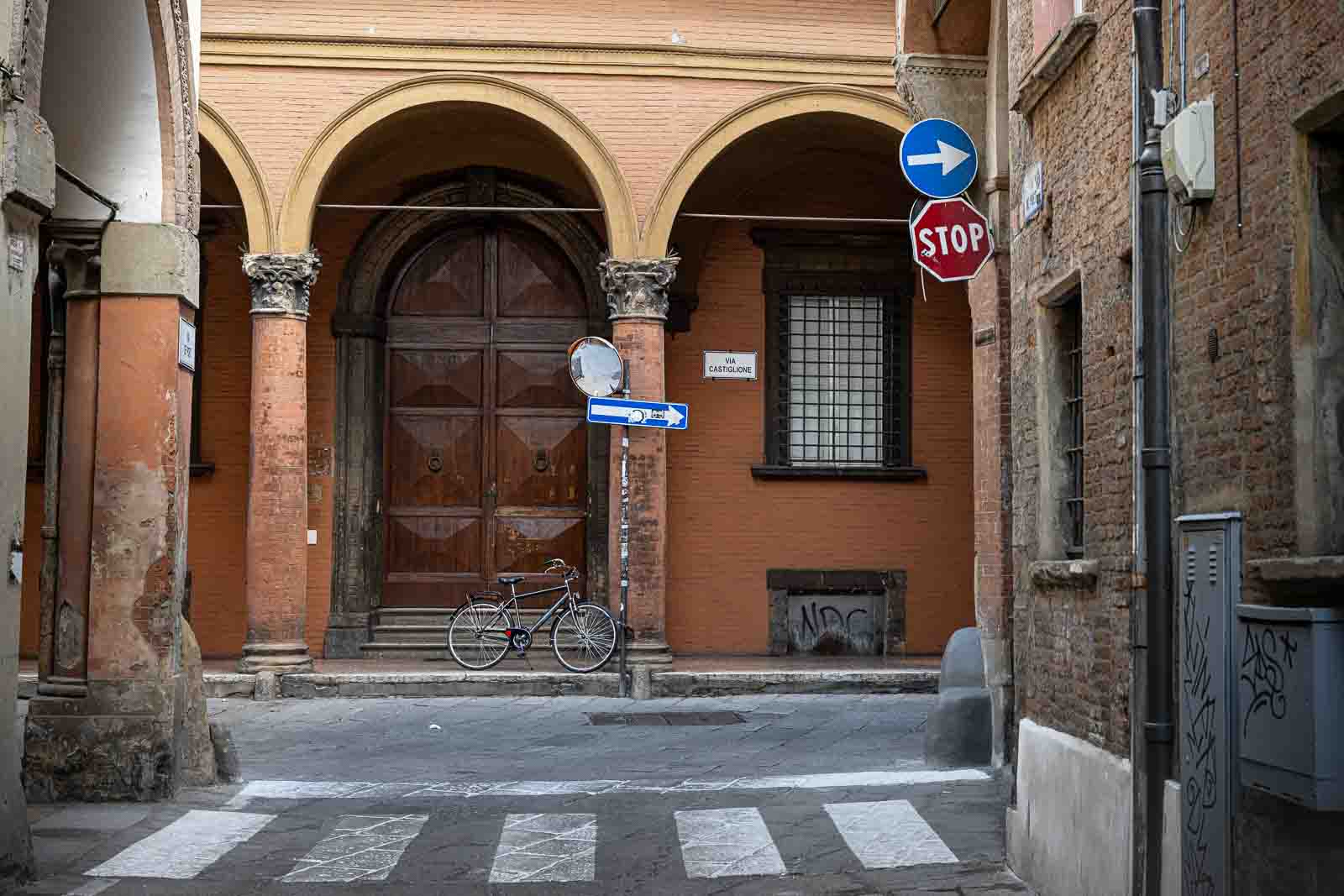
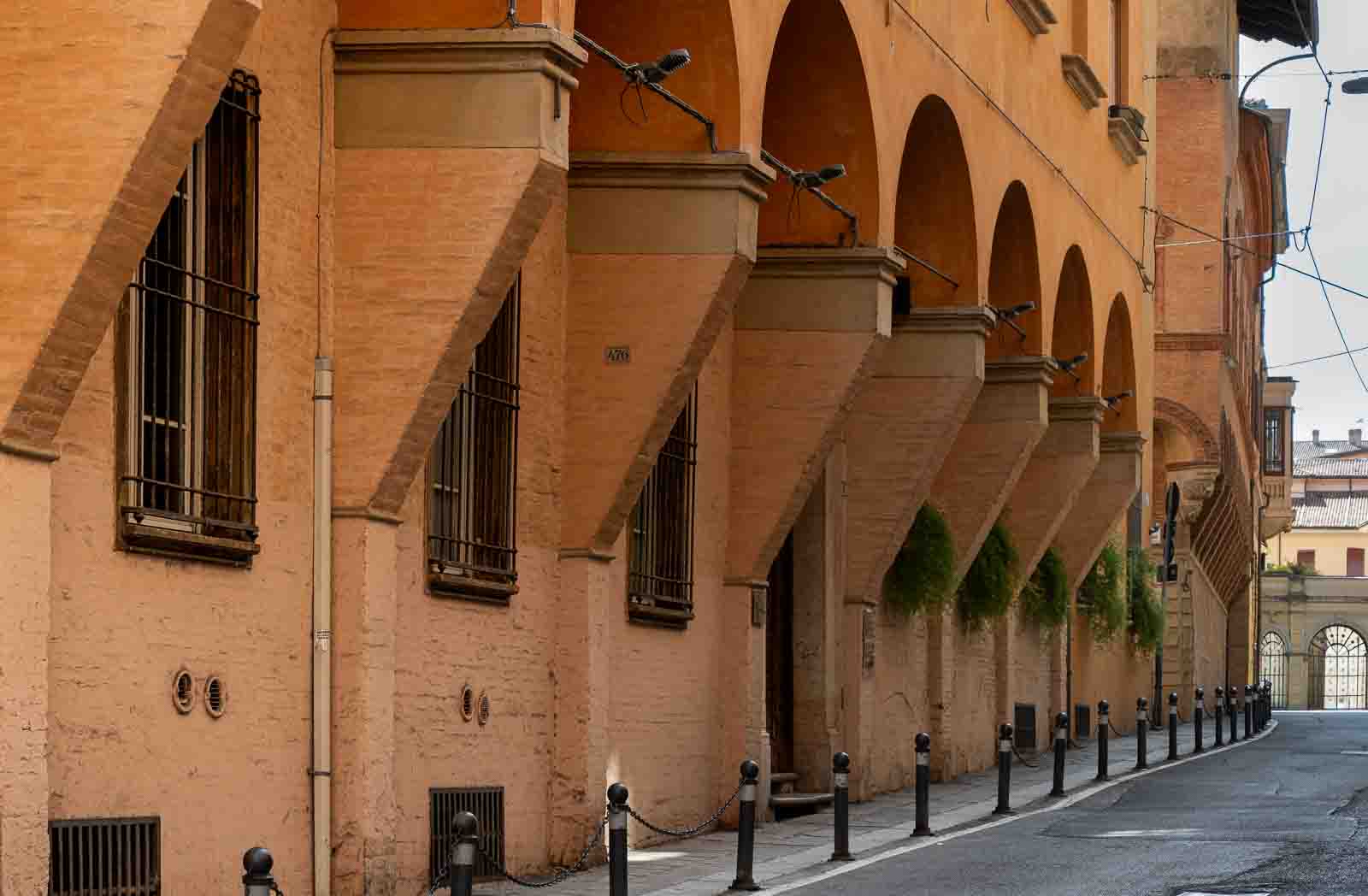
Farther afield from this urban core, the streets begin to feel like remote arteries whose façades recall the tende described by John Berger: barriers that hide the “bodies and secrets” of the Bolognese. The streets, meanwhile, can feel like spaces of transit, conduits through which one passes, not places where one stays. They seem designed to feed into Bologna’s main squares, supporting their role as the city’s prime gathering place and supreme expression of its shared civic ideals.

The contrast with Naples is striking. Monumental expressions of governance in this city are concentrated around the Piazza del Plebiscito, which is flanked by the Royal Palace, and Piazza Municipio, next to the Castel Nuovo, built by the Angevins and rebuilt by the Aragonese. These piazze seem less like gathering places than sites of transit, defined as they are by the experience of arrival and departure conveyed by their proximity to the port. They form the landscape of an authority with eyes gazed out beyond the sea. They are hierarchical monuments that seem to look down from above as well, onto the lower rungs of a stratified society. If Bologna’s central ensemble evokes communal government and civic institutions, Naples’s evokes a tradition of authority that the local population has resisted so often over time.
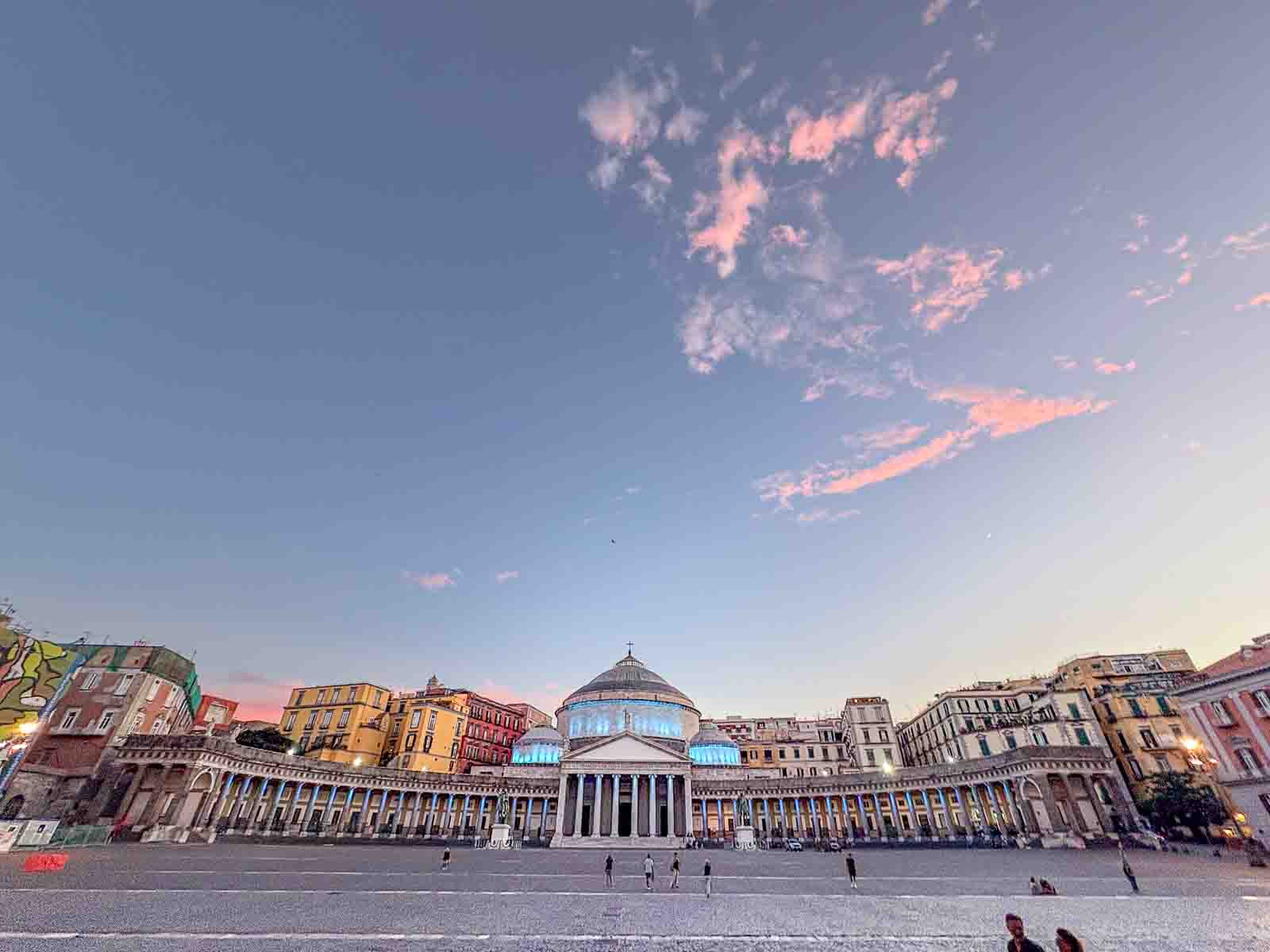
I am tempted to see these historical tensions pitting citizenry against authority reflected in the dispersal of public life throughout Naples’ urban grid. The populace seems to turn its back on its castles and palaces, taking up their residence in streets that, rather than passageways, can feel like domains in their own right, spaces to be inhabited as if by popular decree.
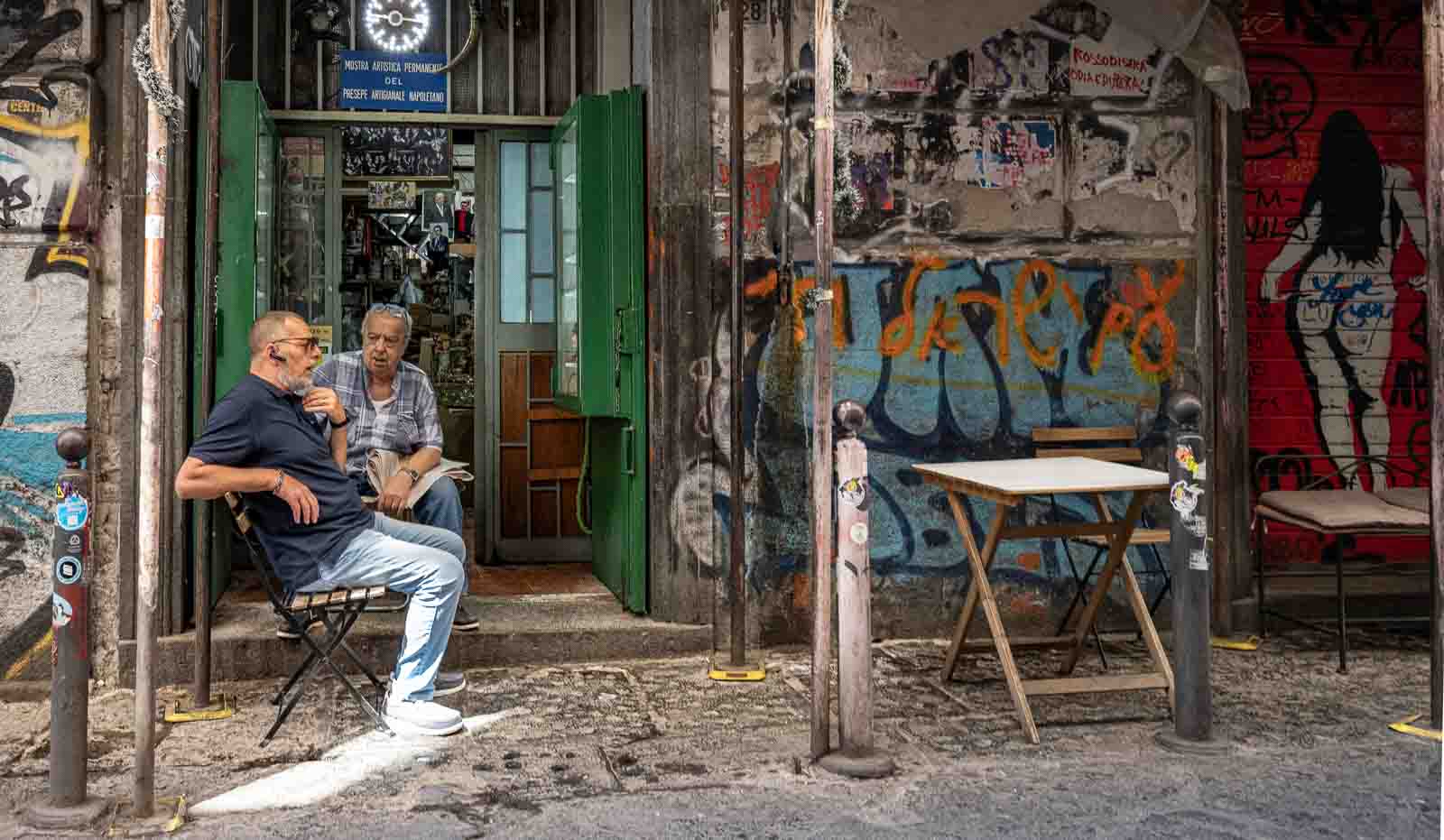
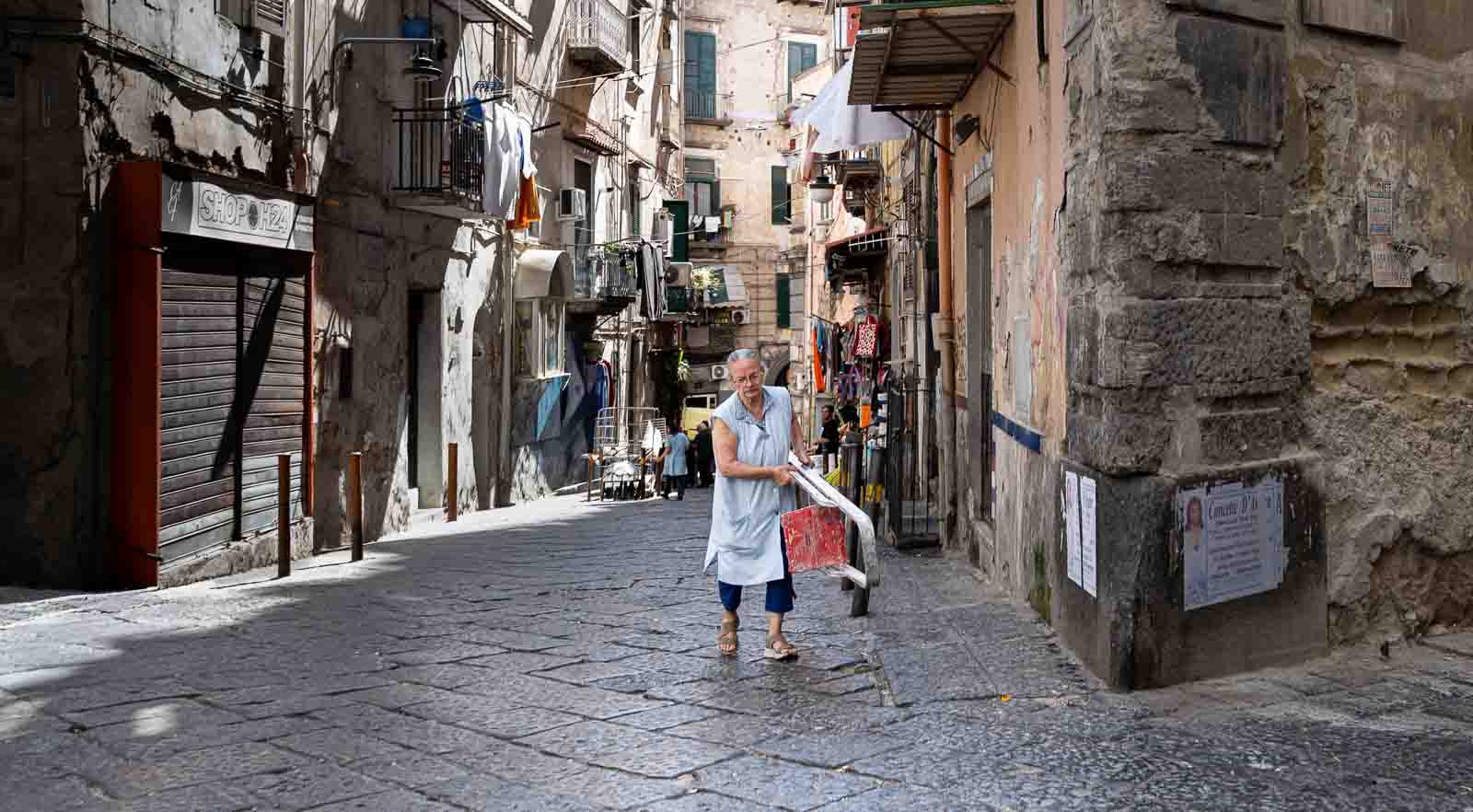
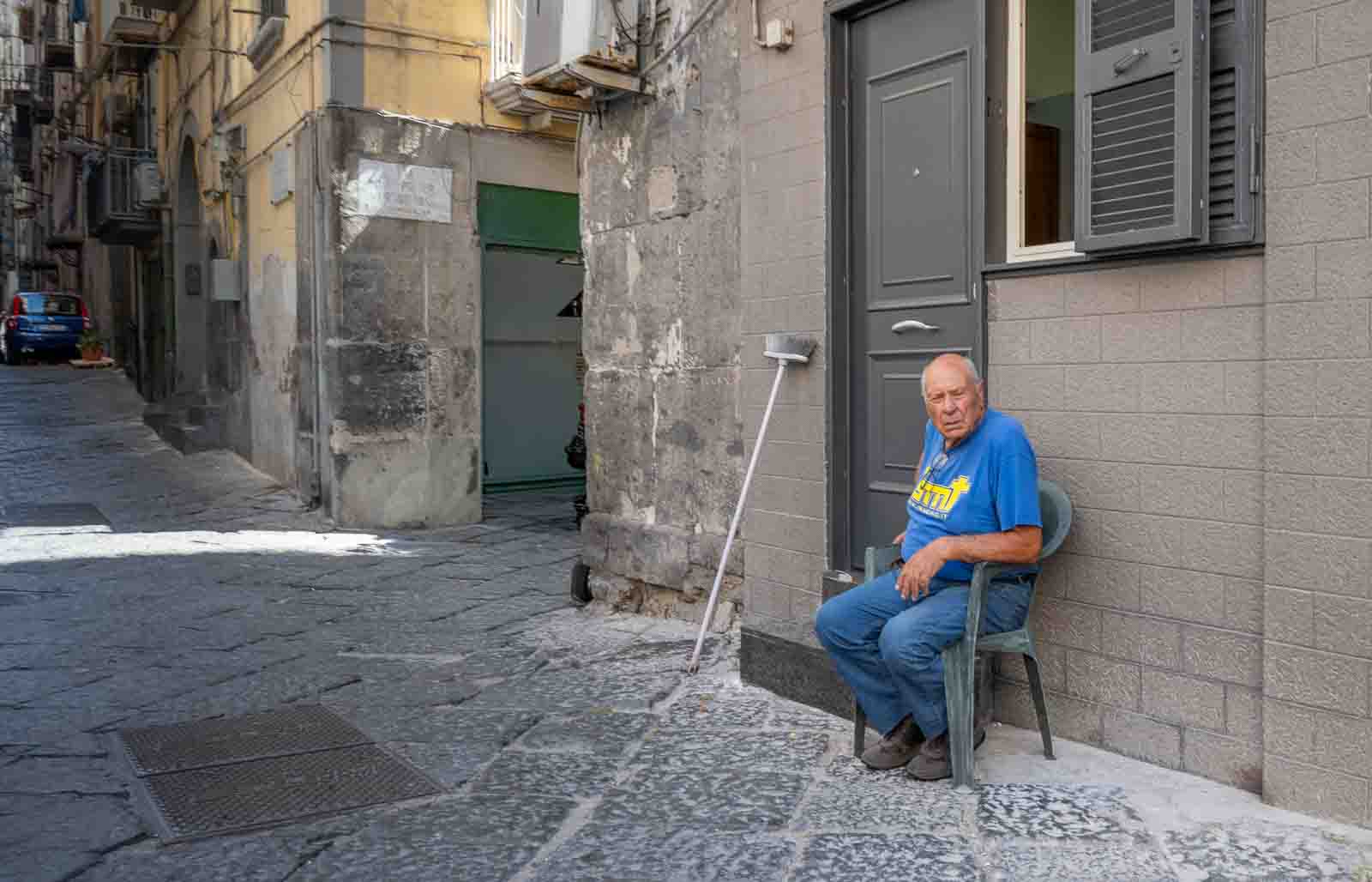
Neapolitans, who are famously gestural, perform their rituals of social life openly on their streets, in characteristically diverse ways.
They do so collectively, through improvised daily encounters…
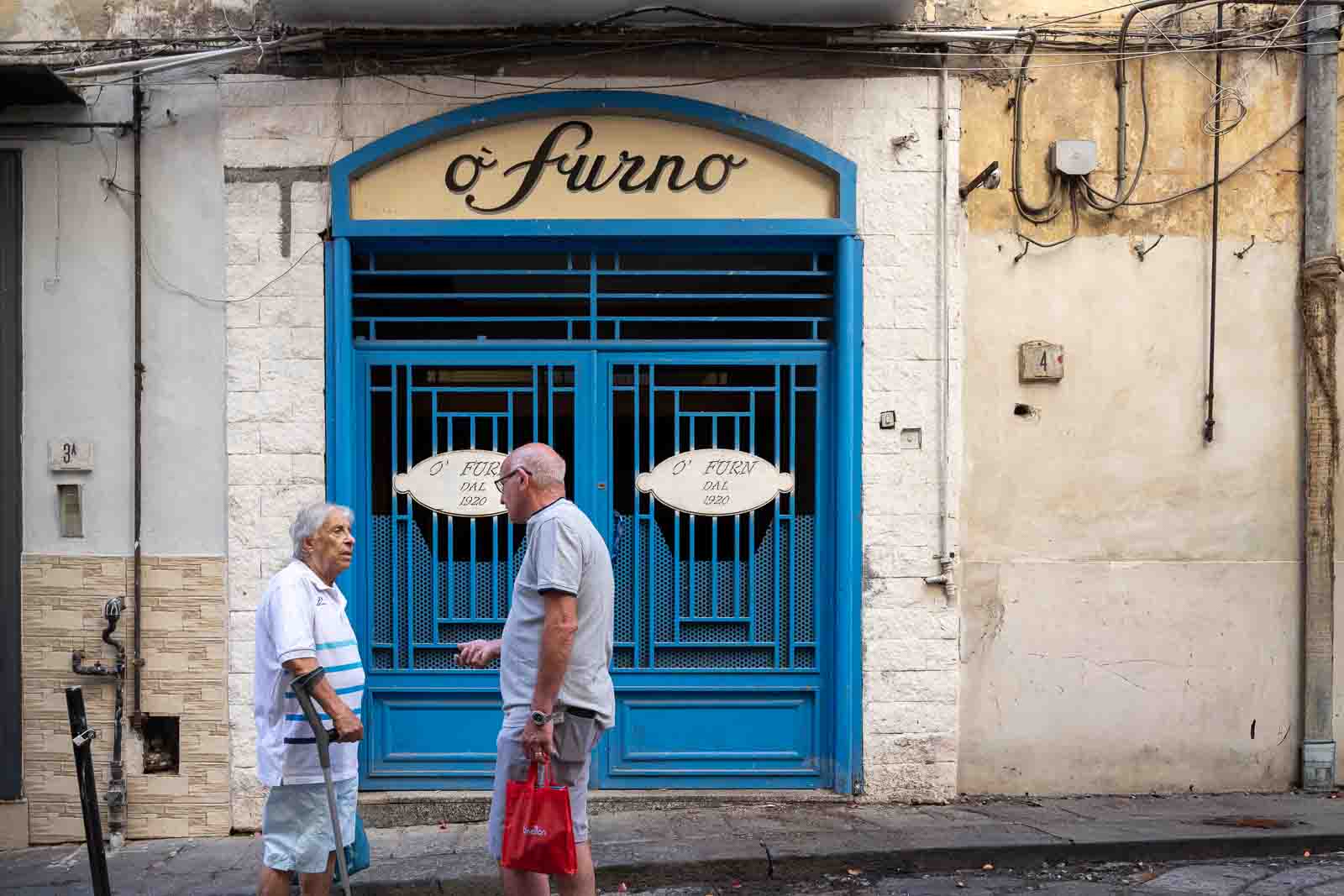
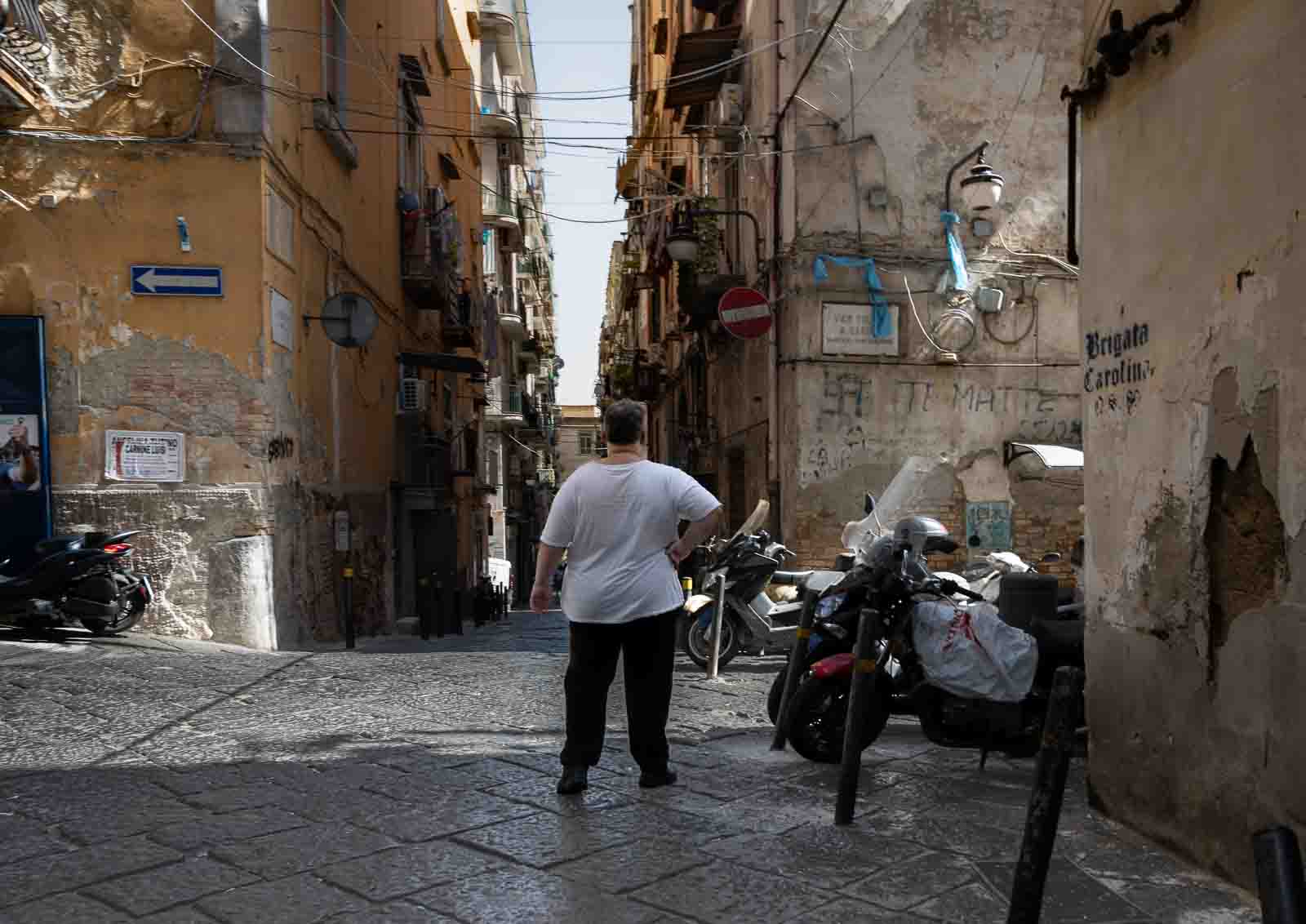
… or, individually, as they assert their authority over spaces to which they lay claim.
Contemporary artists revive along Neapolitan streets ancient forms of cultural expression for which the region is so well-known.
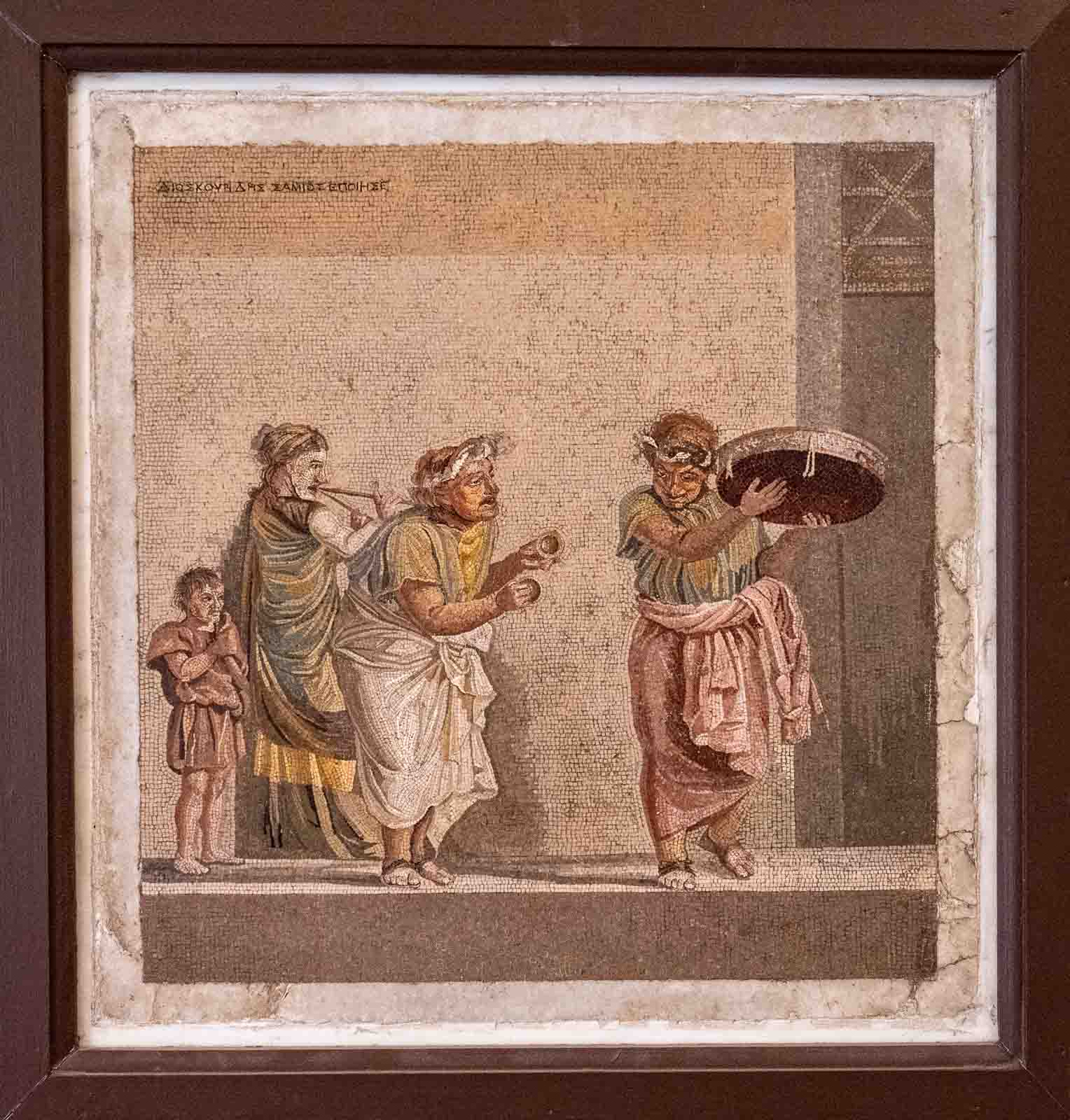
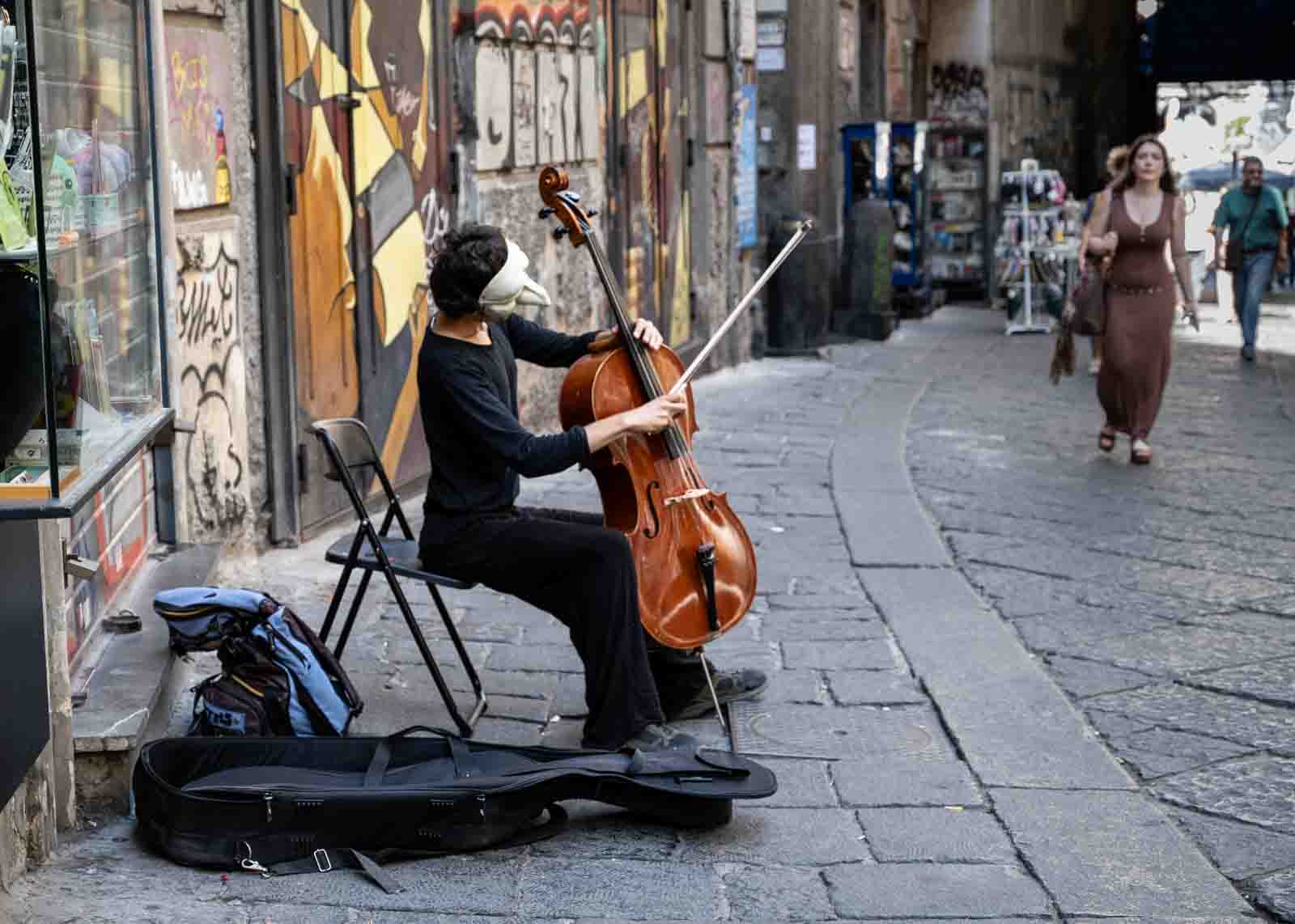
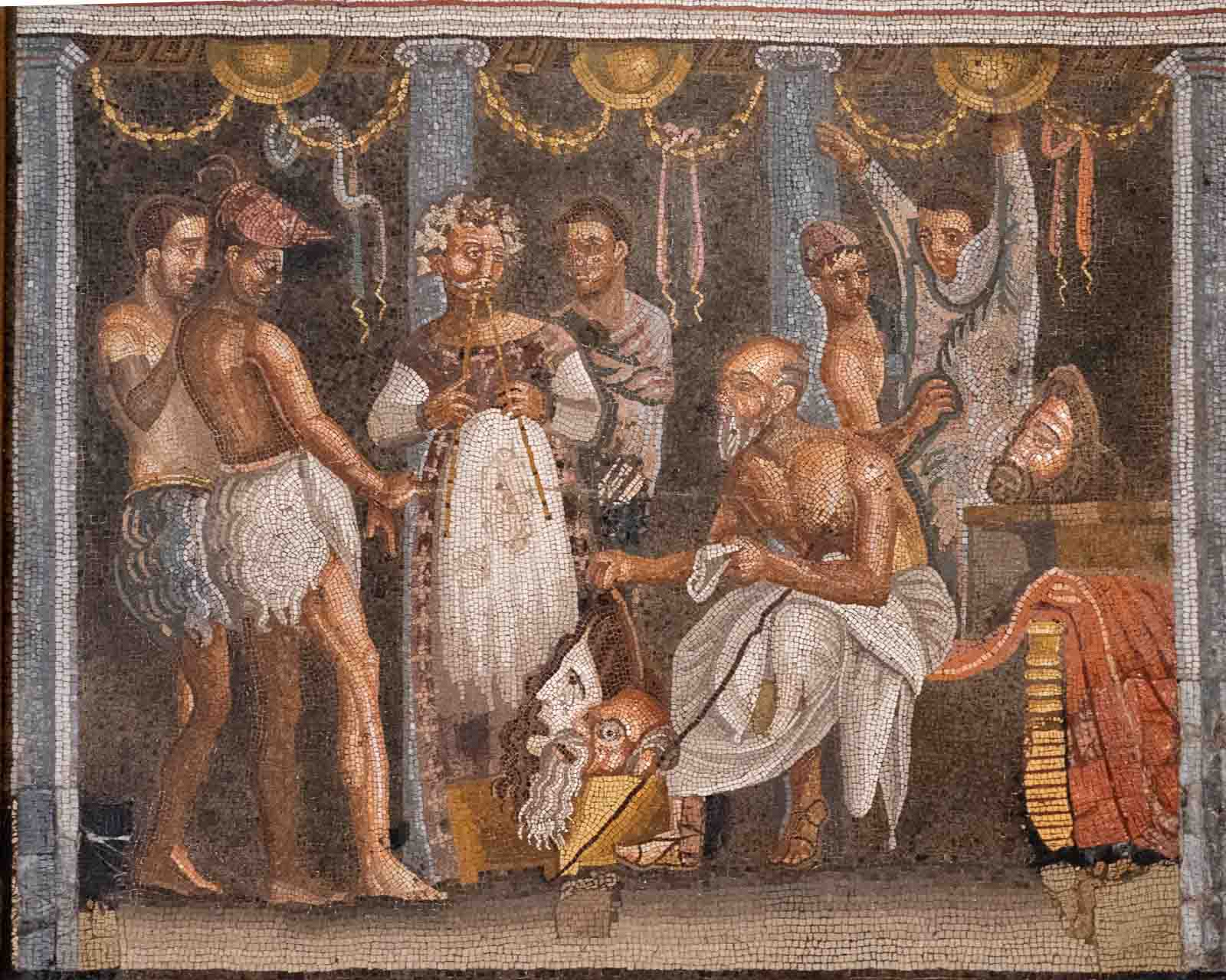
They also challenge conventional boundaries that separate the public and private, exterior and interior, as represented by Berger’s tende, by injecting life into the boundaries themselves.
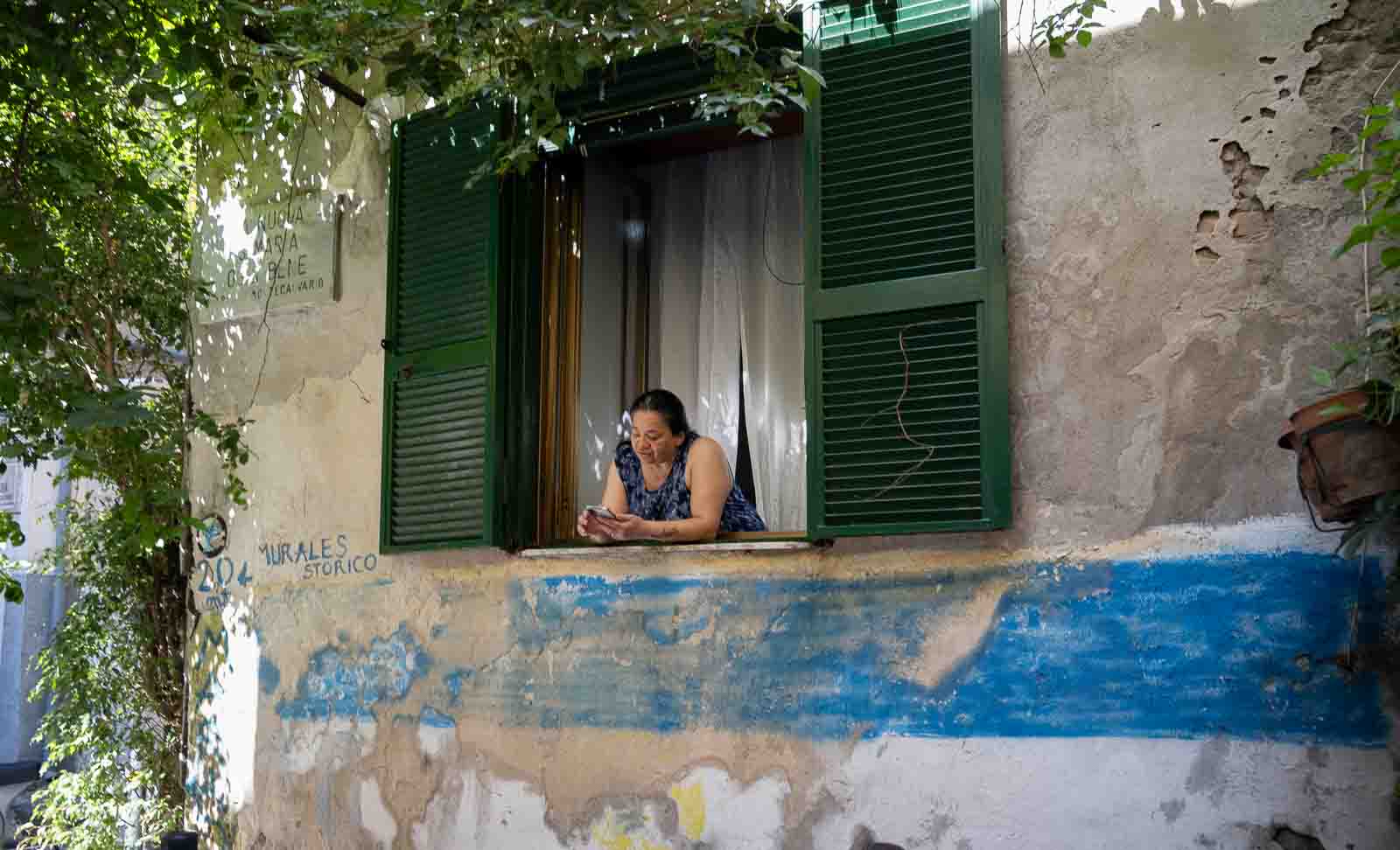
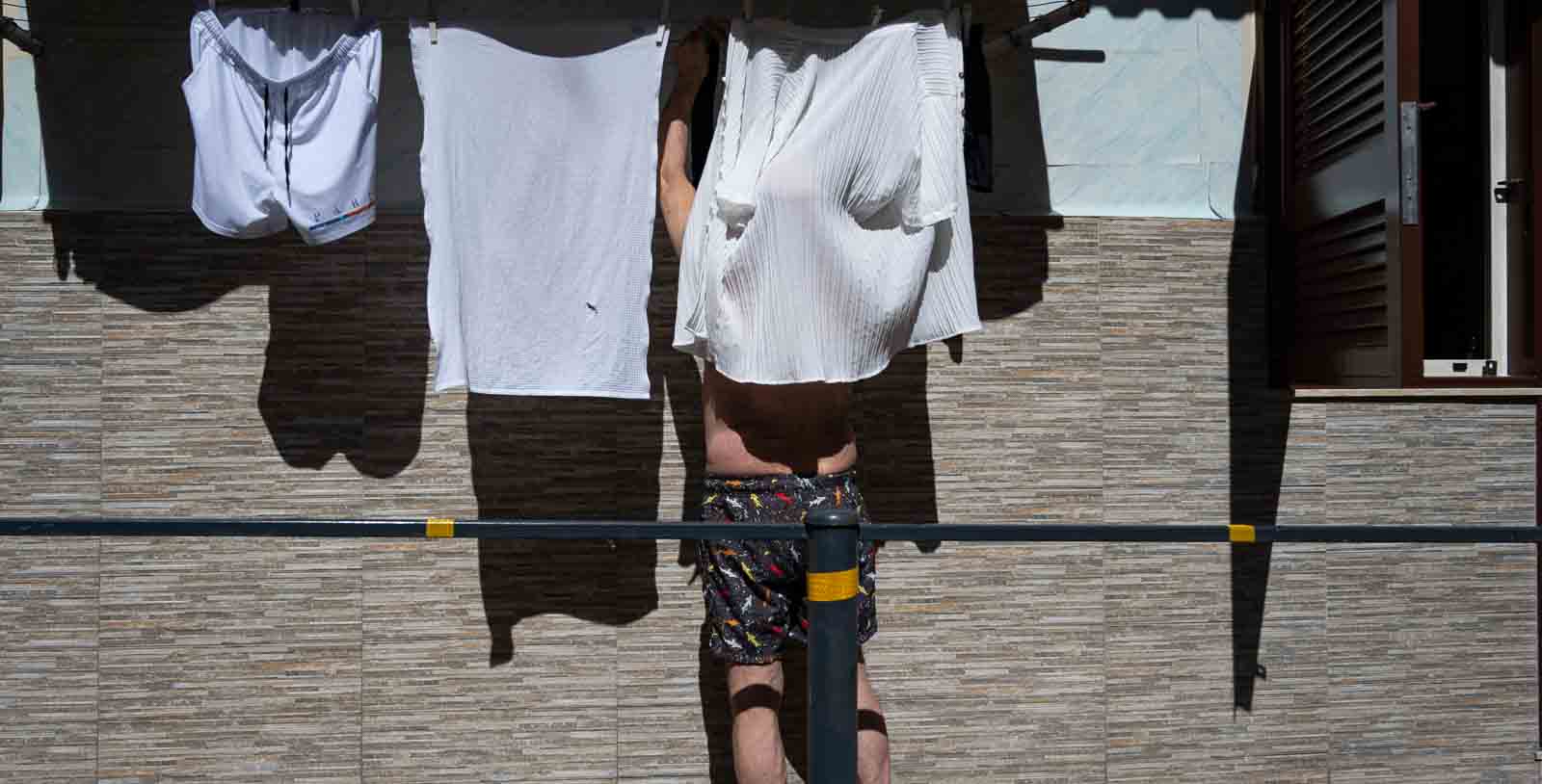
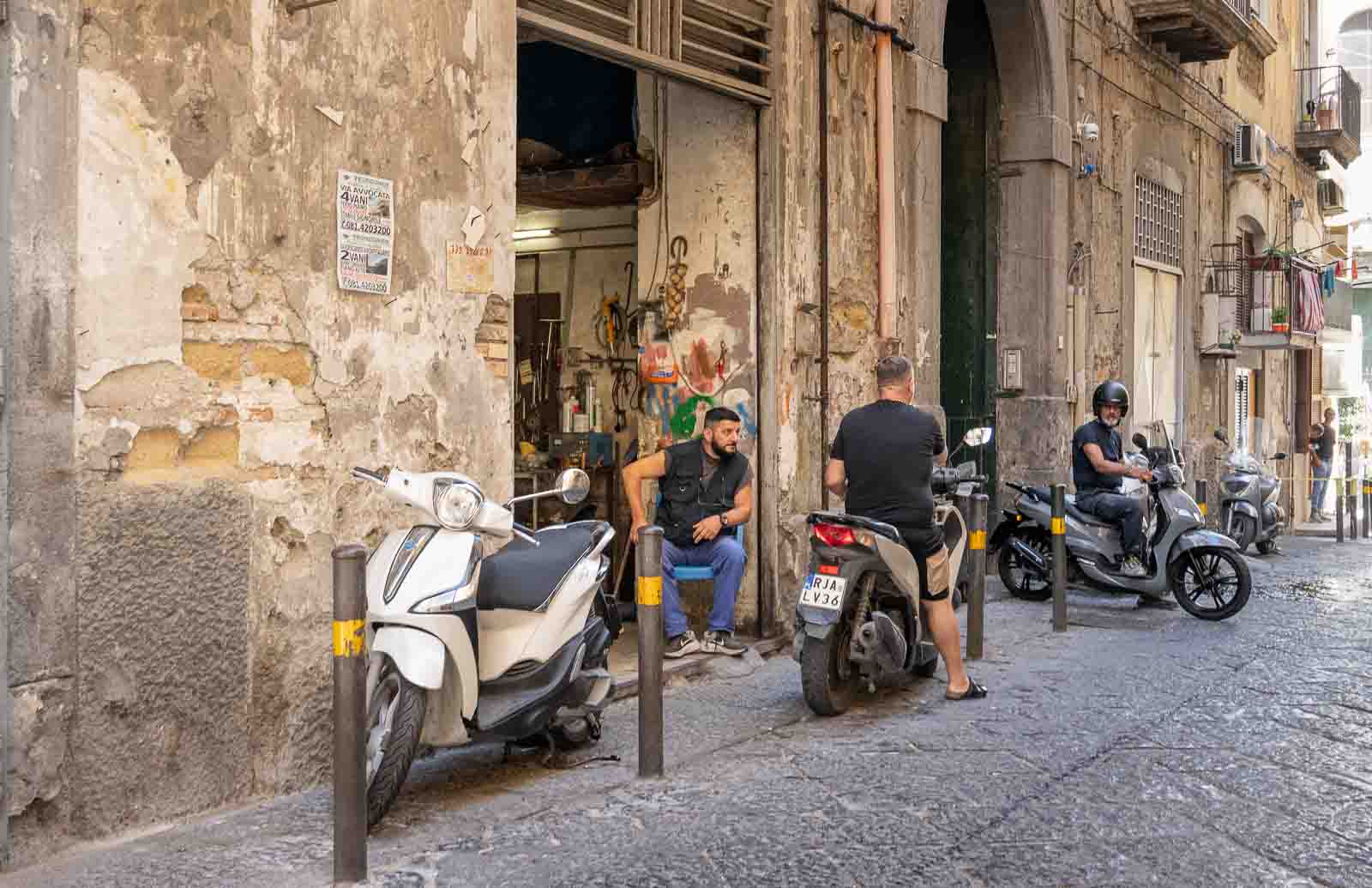
Unlike Bologna, Naples is very much an interstitial city, one that offers from its streets abundant glimpses beyond thresholds into its nooks and crannies.
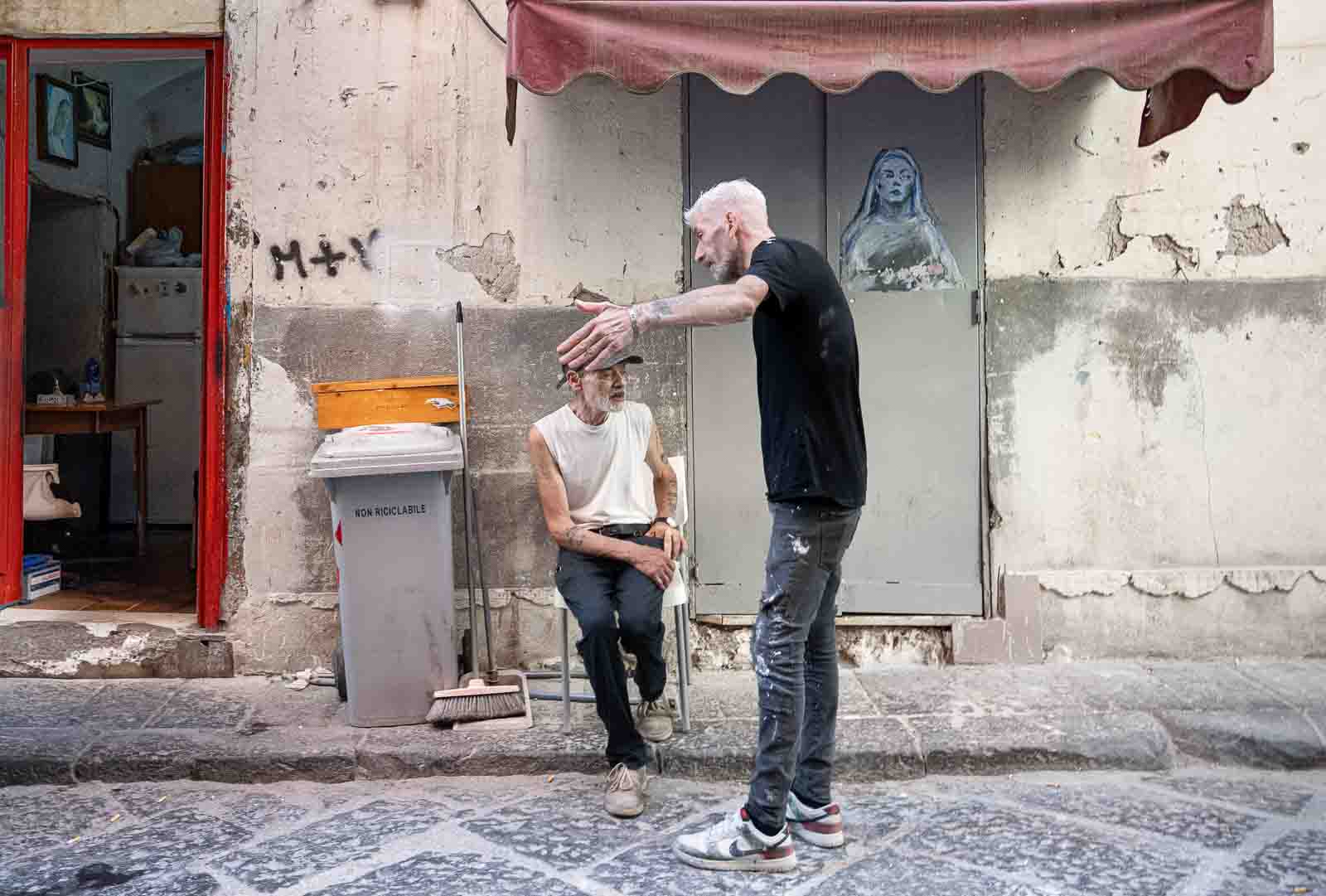
It is important to keep in mind, however, that these are merely glimpses. Open doorways are like masks, that, in truth, conceal as much as they reveal.
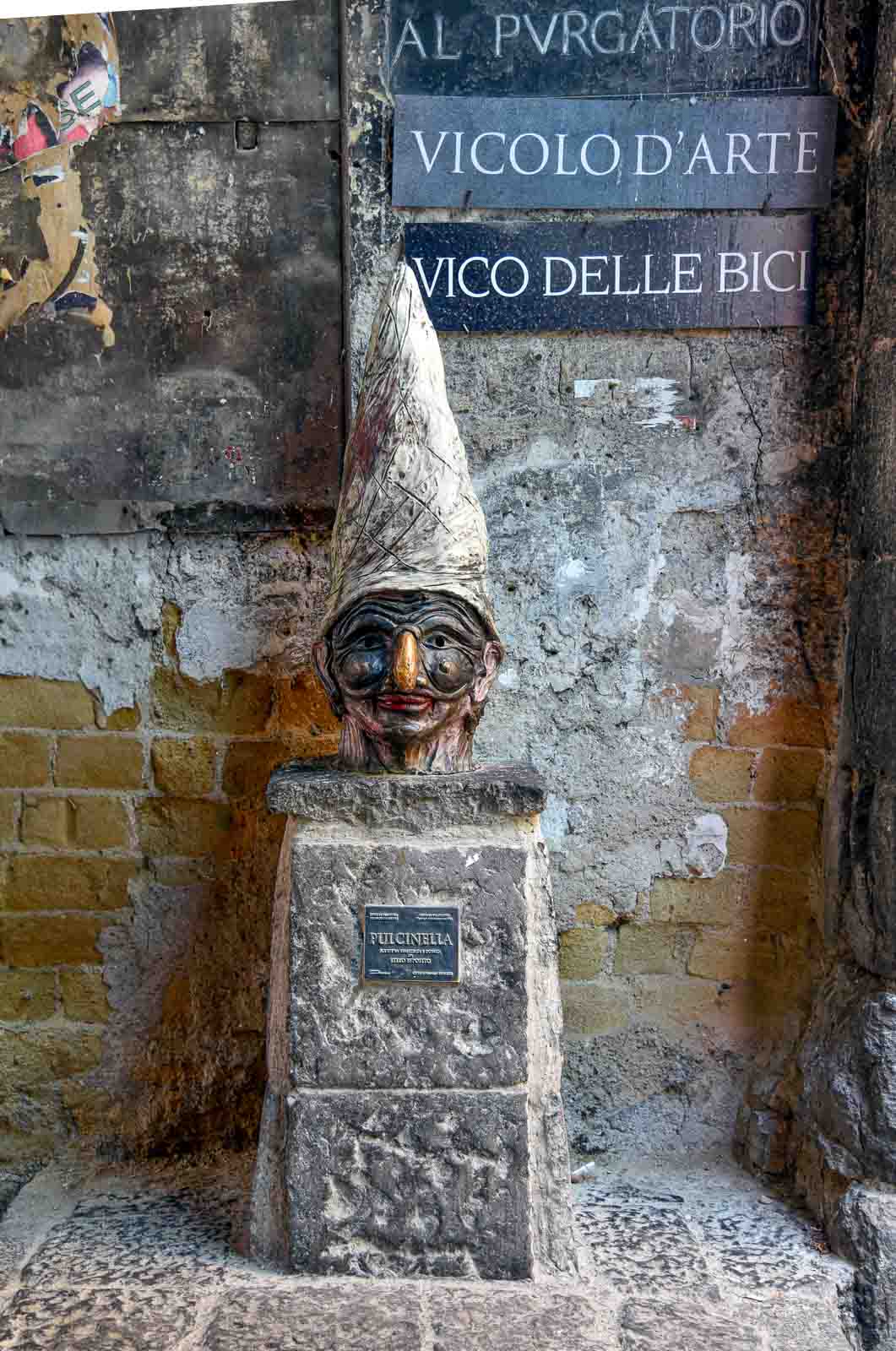
A final—and humble—observation
Their towering belvederes, along with the thresholds and tende scattered throughout Naples and Bologna, tempt us to look and imagine, to formulate a vision of what lies beyond. Yet these cities resist the simple conclusions we might draw, reminding us how elusive any generalized understanding of what it means to be Italian must remain.