Crossroads New York: Looking back, going forward
Our 13-year-old grandson recently asked if he could join us on a day trip to New York City. Understandably delighted, we immediately began to consider how we might make the trip both fun and educational. Like many grandparents, we have a vivid appreciation for the past, both personal and collective, and we are also eager to pass that appreciation along to our offspring, especially considering the amnesia and willful oblivion that afflict contemporary society.
I therefore decided to personalize the outing by organizing it around the story of our own family’s experience of immigration, hoping meanwhile to kindle our grandson’s sensitivity more broadly to the conditions immigrants face in our world today. Seeing them struggling to get ahead—something visible to anyone with a keen eye traveling around New York City—or reading about the harsh conditions they face around the world inevitably makes me think about what it must have been like for my father, who came from Spain via Mexico, or, more to the point, for my maternal grandfather, who passed through lower Manhattan as a 16-year-old in 1886, traveling alone from his small mountain village in the Italian Alps to Eureka, Nevada.
Having discovered years ago that my grandfather could not have entered through Ellis Island—the processing center there opened in 1892, 6 years after his arrival—I learned while preparing for this trip about Castle Clinton, the defensive fort built during the War of 1812 on the Battery, on the tip of Manhattan, facing out to the Atlantic. The fort was converted into an immigrant processing center in 1855 and functioned as such until 1890. This was almost certainly the door through which my grandfather entered the country, perhaps with a sense of triumph, but also penniless, frightened, and hungry. My mother would recount how, on the train west, he survived for a time on the bread that passengers left behind in the dining car. The success that both he and my father achieved in this country, building families and constructing new futures, does not negate the hostility and hardships they encountered, like so many today, upon passing through their respective doors—Castle Garden in my grandfather’s case—leading into their own promised lands.
As in other posts already published, I aim here to explore how personal and collective histories intersect and, in doing so, to encourage compassion for others. Believing that our future will be only as rich as our understanding of the past, I hope to help our grandson—and others, over time—see that our modern cities are palimpsests, with new realities being continually inscribed upon the old.
Leaving Dalò
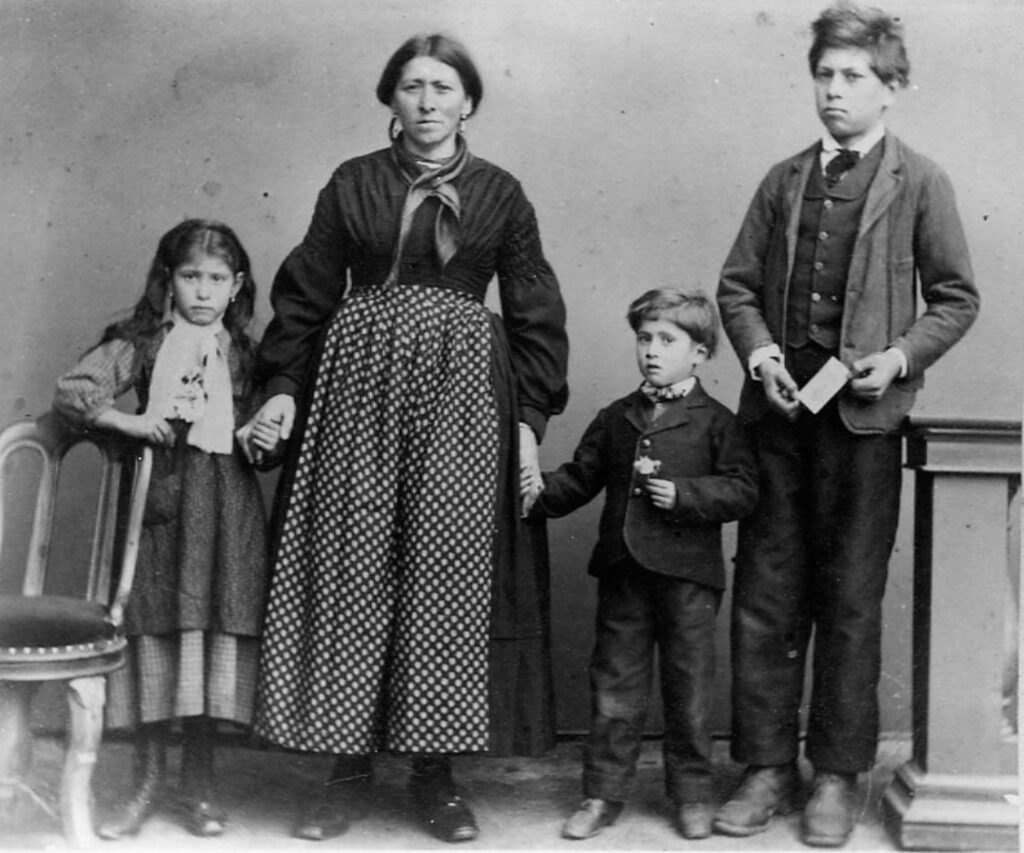
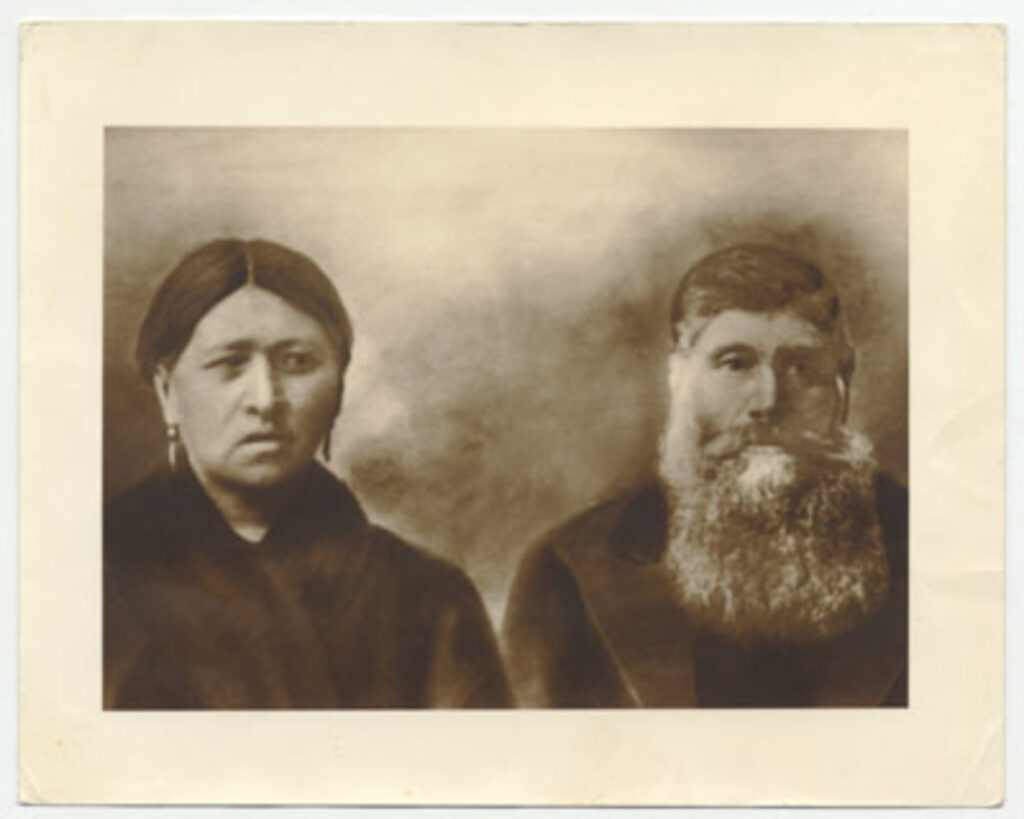
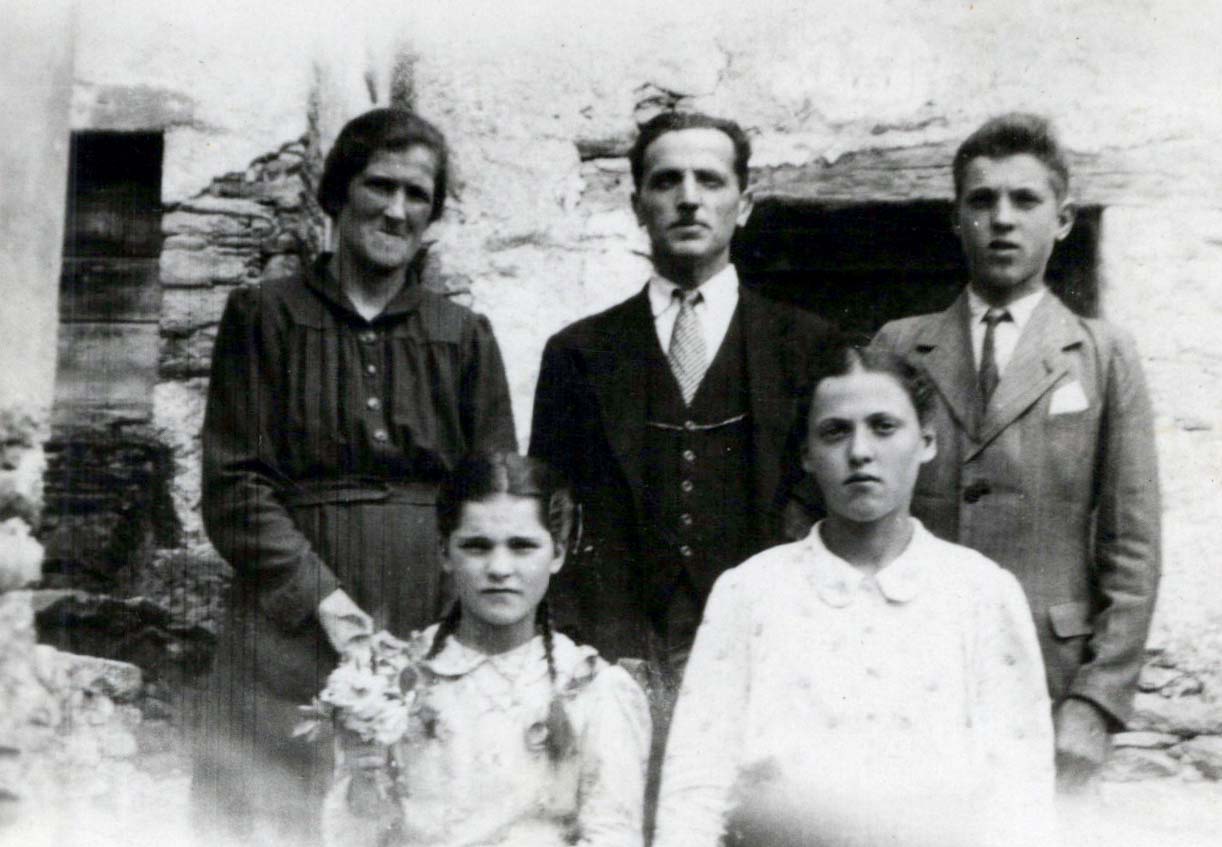
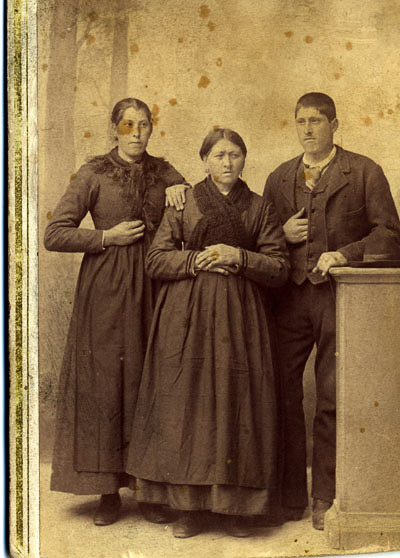
Giovanni Antonio Tognoni was born in Dalò, above Chiavenna, on May 20, 1869, the son of Giovanni Antonio Tognoni Sr. and Cecilia Tognetti. At left, Antonio (as he came to be called) is pictured as a teenager with his mother, younger brother and sister, apparently not long before leaving Italy. His father, pictured at right with Cecilia, had already traveled to Eureka, Nevada, where he worked in the charcoal industry that supplied the local mines and smelters.
His father eventually returned to Italy. Letters in our family archive indicate that my grandfather expected to eventually do the same.
He never did.
My mother always told me that her father worshiped his mother. Not so much his father. This was fairly easy for me to comprehend since I saw similar attitudes in my own father vis-à-vis his parents.
Interlude 1 / The frame: What we know, what we don’t know, how we know what we know and why we don’t know what we don’t know… and why this matters today
I should step back for a moment and clarify what is probably obvious at this point. I never knew my maternal grandfather. He died in 1937; I was born in 1950. In fact, I really didn’t know any of my grandparents. My paternal grandparents were in faraway Spain. The cost of traveling there was prohibitive. I have but a vague memory of my maternal grandmother, Lena, whom I last saw when I was two. She survives in my memory like a fade-out shot in a movie, grainy and unfocused as she recedes from the screens of my time.
What I remember most about her is the extreme close-up of her hand while she was writing a letter home to Nevada from the desk in our living room in Lomita. Her hand is heavily vignetted, so that all that stands out is the scar from when I closed her hand in the car door, along with the simple act of her writing a letter. I can still see the pen, the paper, that scar, the age marks and veins.
Subconscious desires to connect manifest themselves in the most subtle and unanticipated ways.
So, most of what I know about Giovanni Antonio Tognoni is based on the stories my mother told: not just on what I heard, but what I intuited. This knowledge is shaped completely by the vagaries of oral transmission. Some things get lost, some things passed on, some things are amplified or shuffled, some are left untold or conveyed only through allusion. Our allusions, which are sometimes merely gestural, often speak louder than our words.
The World Giovanni Antonio Tognoni Left Behind
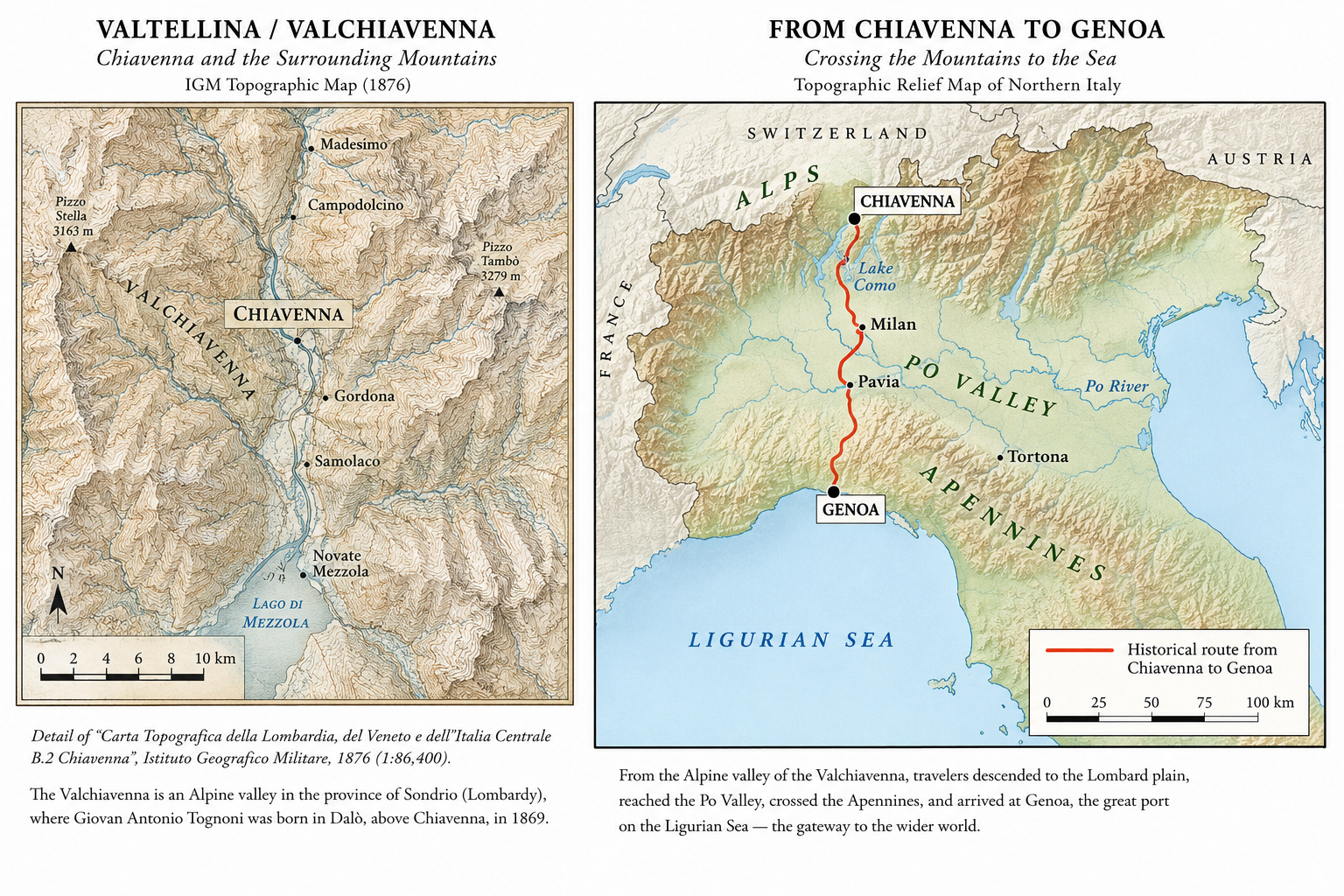
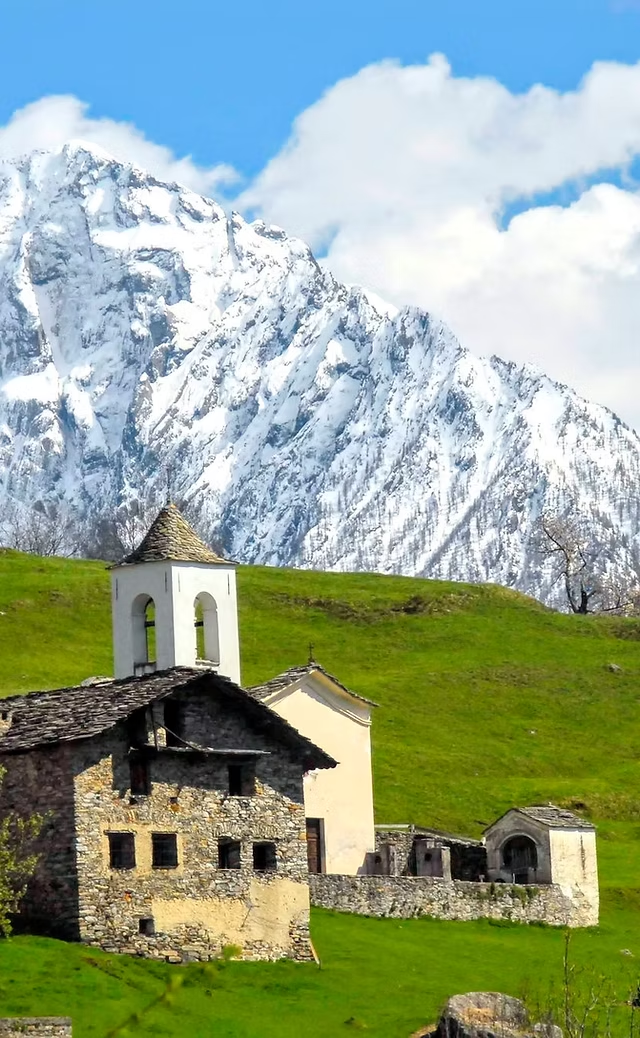
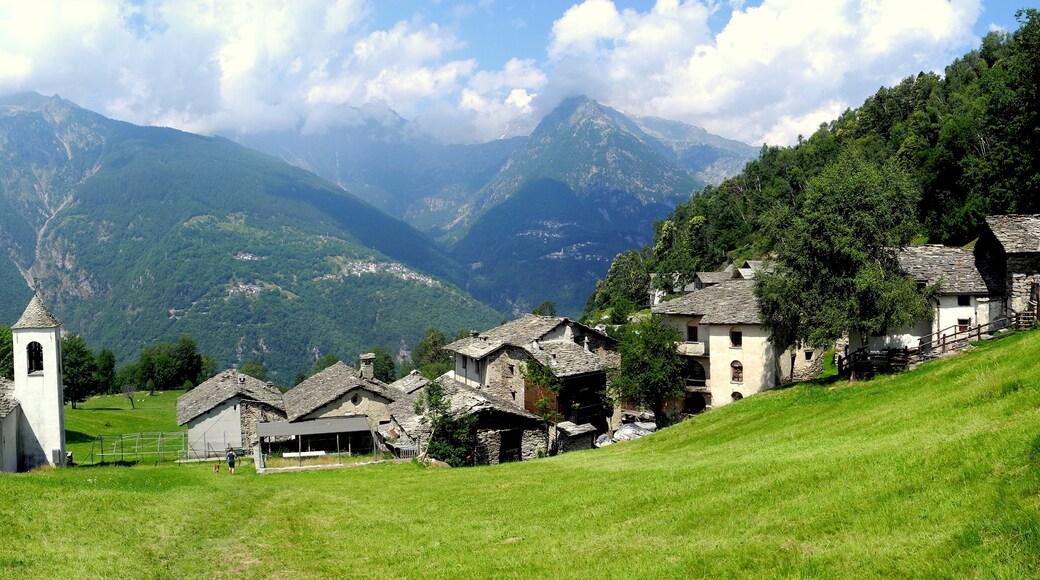
Dalò is a small mountain settlement high above Chiavenna, near the Swiss border. Here Giovan Antonio was born and baptized, in a landscape of steep mountains, small farms and Alpine villages.
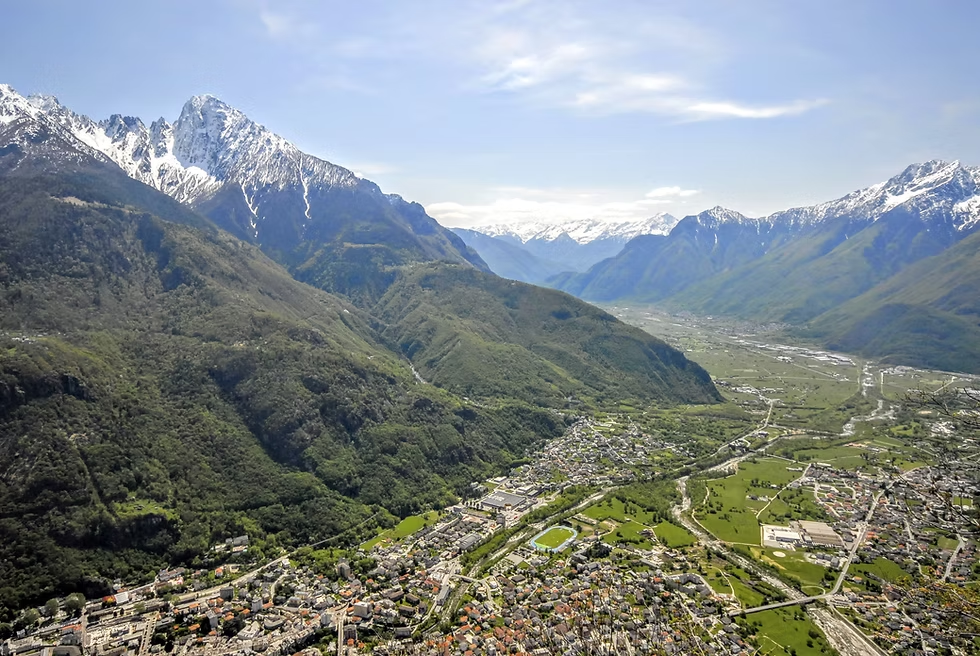
Chiavenna, in the valley below, connected this secluded world to the routes leading south beyond Lake Como toward Milan and Genoa—and eventually to America.
For Giovan Antonio, the journey to America began with a descent from these mountains and past that lake.
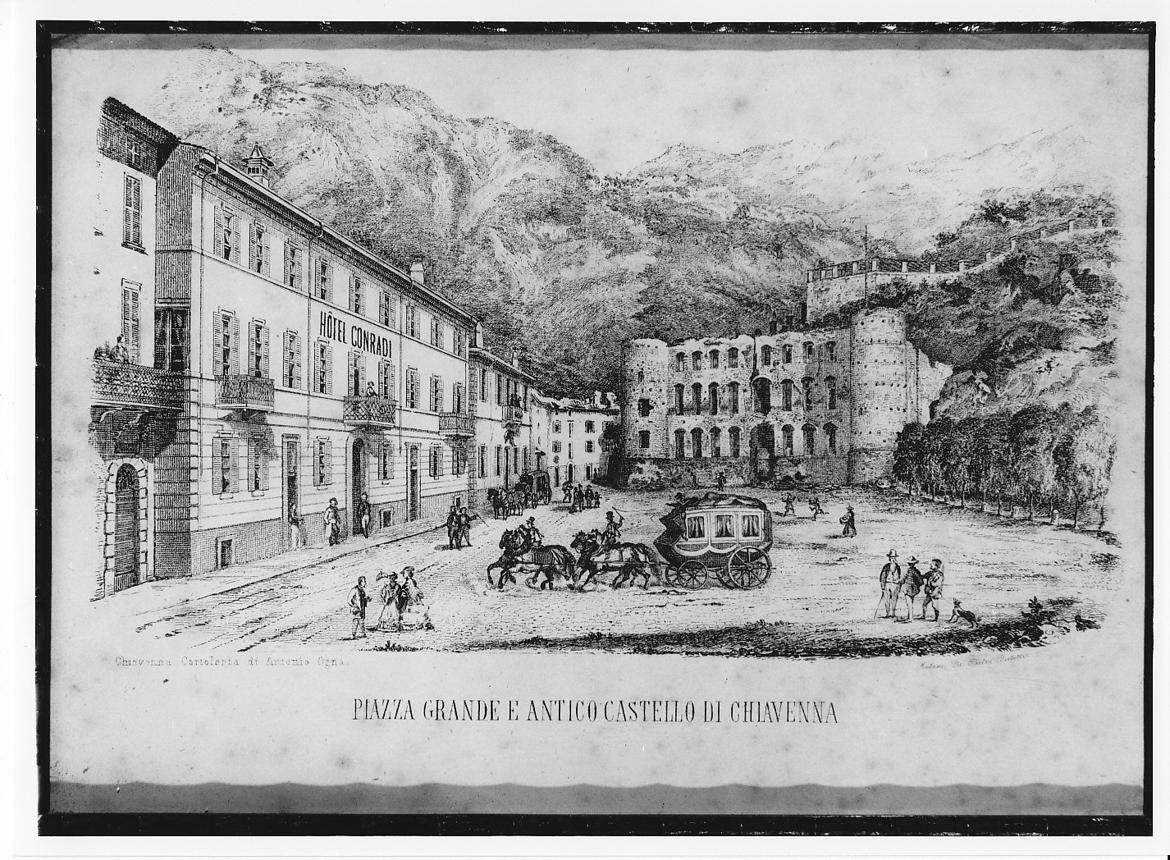
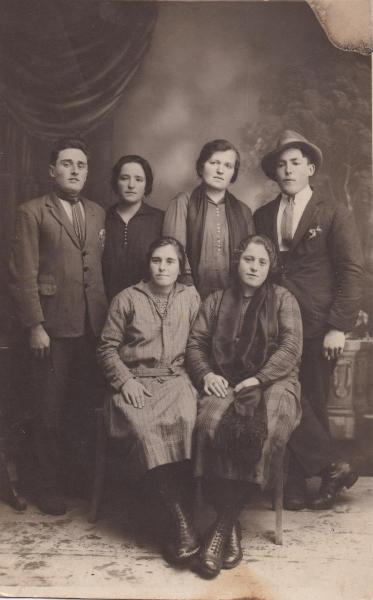
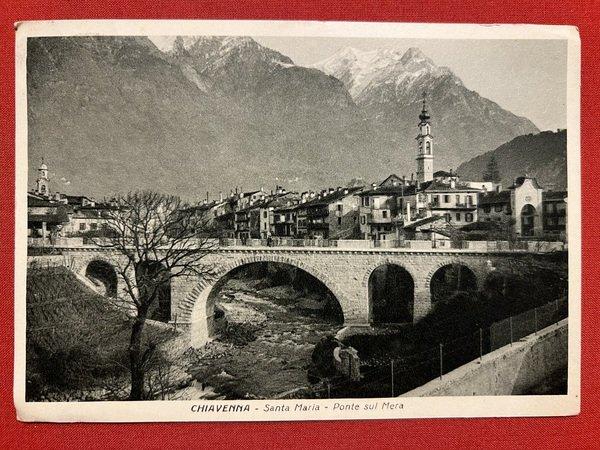
Above: Historical images of Dalò and Chiavenna. The group portrait in the center, Gioventù di Dalò (“Youth of Dalò”: see Lombardia Beni Culturali), includes three members of the Tognetti family: Battista, Marianna, and Maria. My grandfather’s mother was Cecilia Tognetti. When I first visited Chiavenna in 1969, at age nineteen, I met an elderly relative named Maria Tognetti. I no longer remember precisely how she was related to us—or whether she could have been the Maria in this photograph.
Below: Dalò today and views across the valley toward Chiavenna. My cousins took my mother and me into the small church in Dalò where my grandfather had been baptized. On one wall hung what appeared to be an eighteenth-century portrait of a certain Tognoni, apparently a priest. My cousins told me that he had left a scholarship for any descendant who might wish to return and study for the priesthood. I declined the offer.
A separate archival trace reaches still further back: records from 1656–57 identify a Giovan Antonio Tognetti as the man who ceded the meadow on which Dalò’s church of San Michele e Filippo was built.
Interlude 2 / Returning
My last name, along with my greater proximity—in generational terms—to my father’s homeland, created something of an imbalance for me growing up in Southern California in the 1950s: more in terms of how others identified me than how I thought of myself. Through her cooking, children’s rhymes, idiomatic expressions (I loved the racy ones!), and especially the family lore she passed along—unlike my father, my mother was an inveterate storyteller, endowed with a prodigious memory—I grew up with a deep love for the land and culture of my maternal ancestors and a strong interest in learning the language.
College afforded me an opportunity that I seized wholeheartedly. After completing the requisite courses in Italian as a sophomore, I set off in July 1969 to spend a year at the University of Padova under the auspices of the University of California’s study-abroad program.
Shortly after arriving in Padova, I planned my trek to my grandfather’s homeland, one for which I was ill-prepared. Earlier that same summer, I had made my first pilgrimage to Spain, where I met aunts, uncles, and cousins with whom I felt immediately and intimately connected. With my mother’s relatives, it would be different. I knew much less about them.
I arrived in Chiavenna on a Friday evening after a long and tedious journey from Padova—two trains and a bus. I that my mother had a cousin named Pierina who lived with her husband, Battista Moro, in Pianazzola, high above the city. (I have since inherited from my mother a copious collection of letters written to my grandparents dating from the 1890s to the 1950s. Many were written by Moro.) Saturday morning, I climbed through vineyards along the steep stairway carved into the mountainside to search for them. I spent the day with them, and with their daughters’ families back down in Chiavenna, returning to Padova on Sunday.
The visit was meaningful and pleasant, but most of all it made me acutely aware of the difference between being the child and the grandchild of an immigrant. It sharpened my understanding of my mother’s sense of her own identity, which I have come to see more clearly through the prism of my relationship with my own father.
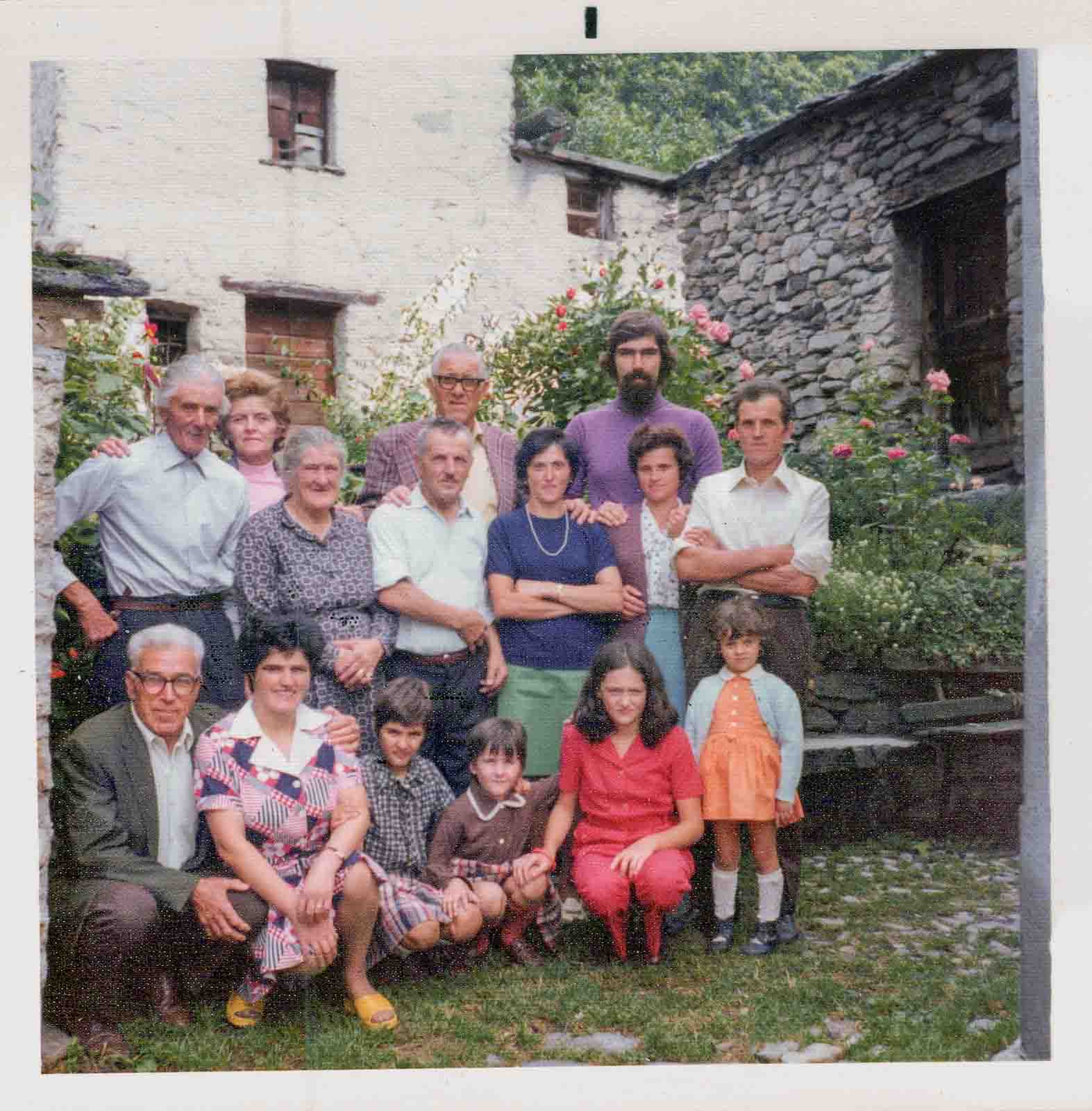
Pierina, Battista Moro with their children: above, probably in the 1950s; below with my mother, father, my uncle Elmo and me in 1974.
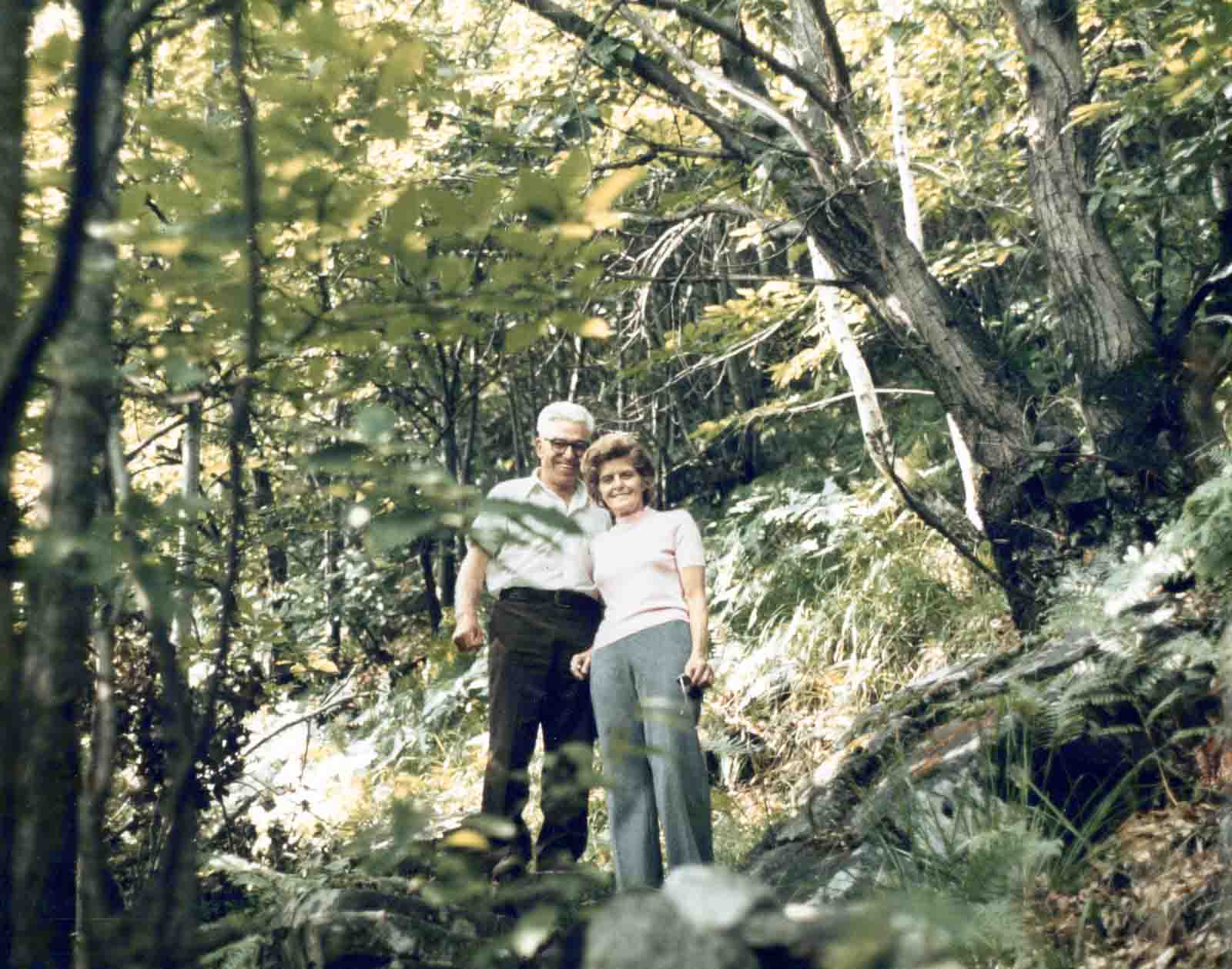
I did not return to Chiavenna that year. It wasn’t until 1974, five years later, that my father and I accompanied my mother on her quest for her Valtellina roots. I learned much on that trip, including that my grandfather was not from Chiavenna, or even Pianazzola, but from a more remote village high in the Alps about which I knew nothing. My subsequent trek up the mountain with my mother and father to the village where her father was born remains one of my most treasured memories.
Crossing the Atlantic
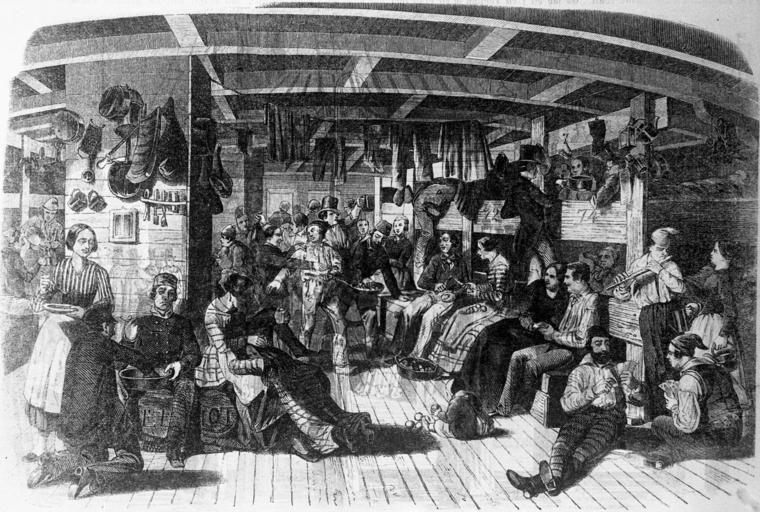
From Chiavenna, Giovanni Antonio most likely traveled south to Genoa, one of Italy’s principal ports of emigration. The Atlantic crossing in the 1880s took roughly two weeks and hardly resembled our modern conception of an ocean voyage. Immigrants like my grandfather commonly traveled in steerage, segregated from first- and second-class passengers and confined to communal quarters teeming with dozens or even hundreds of other emigrants. There they slept in bunks rather than cabins. Ventilation, sanitation and washing facilities were poor; seasickness and odors below deck made conditions miserable. Access to the open deck could be restricted, sometimes to relatively brief periods each day.
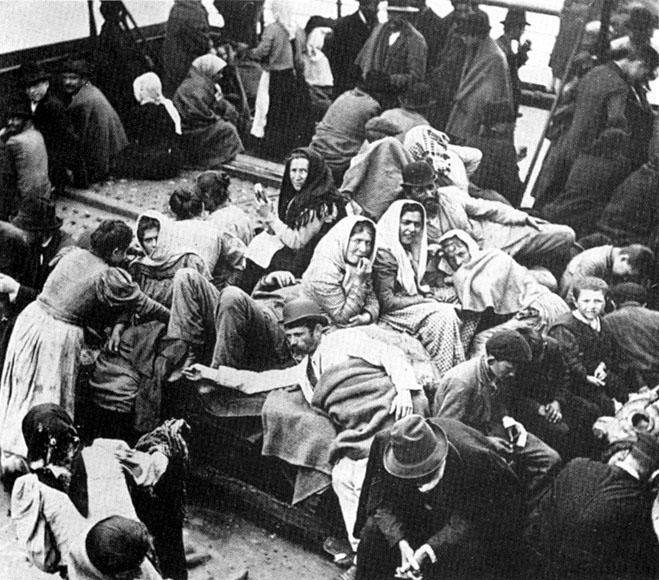
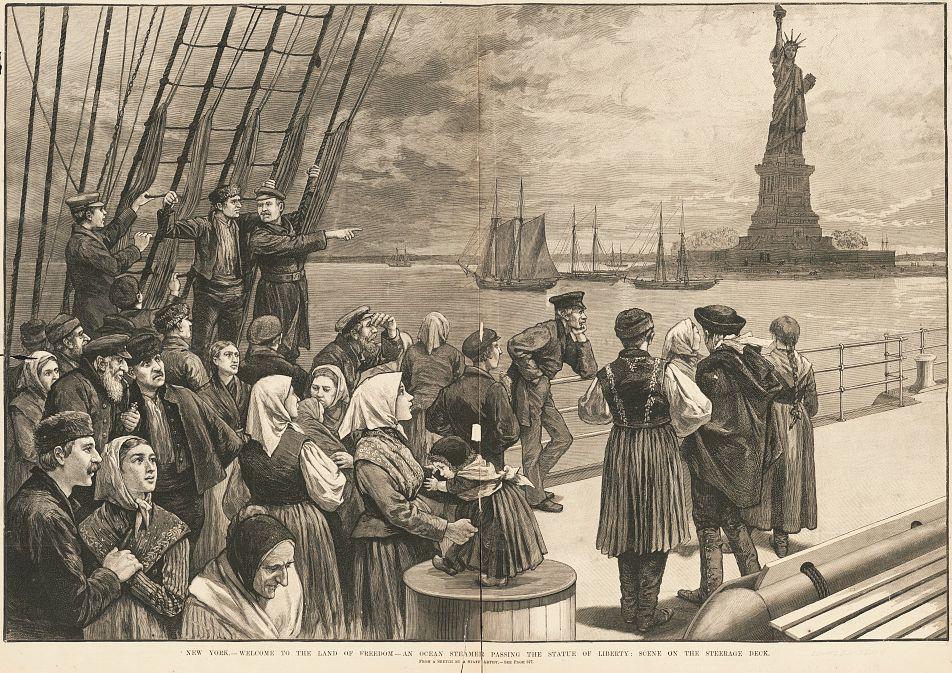
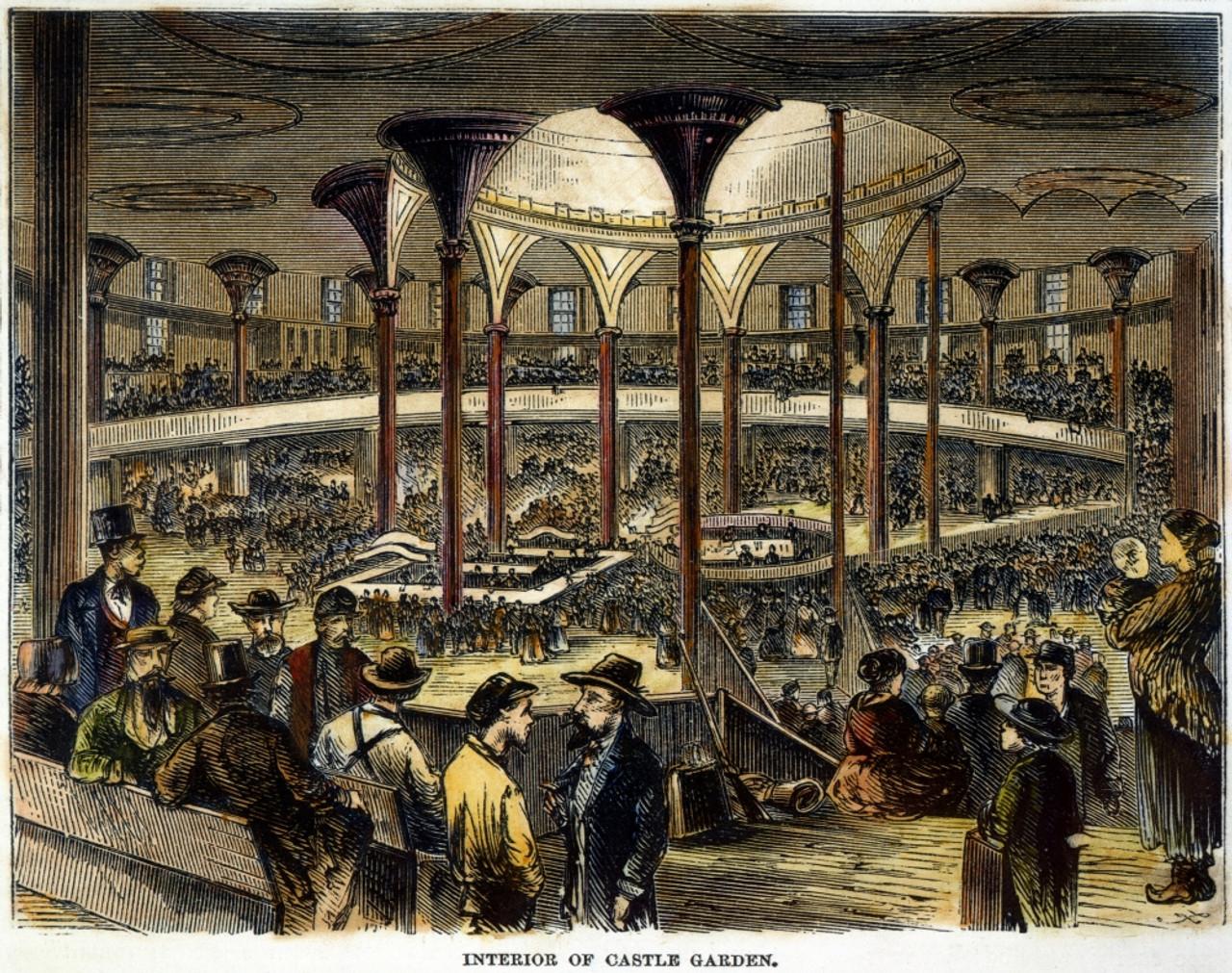
Giovan Antonio almost certainly arrived in New York through Castle Garden, America’s principal immigrant reception station before Ellis Island opened in 1892. After entering New York Harbor, immigrants traveling in steerage were taken to the great circular depot at the southern tip of Manhattan. There they registered, retrieved their belongings, could exchange money and purchase tickets for the next stage of their journeys. For a sixteen-year-old traveling alone, speaking no English, the experience must have been daunting.
Castle Garden had been established in part to protect newcomers like my grandfather from the money changers, ticket sellers, boarding-house agents, and outright swindlers who prey upon immigrants arriving in an unfamiliar country. Railroad agents maintained offices inside the immigrant depot, where newcomers could state their destinations, have routes and fares calculated, and purchase tickets west. Knowing that his final destination was Eureka, Nevada, Giovanni Antonio most likely purchased his rail passage there and set off on the next arduous stage of his journey. Having crossed the Atlantic in a steamship, he would now traverse an entire continent in a wooden passenger car pulled by a steam locomotive.
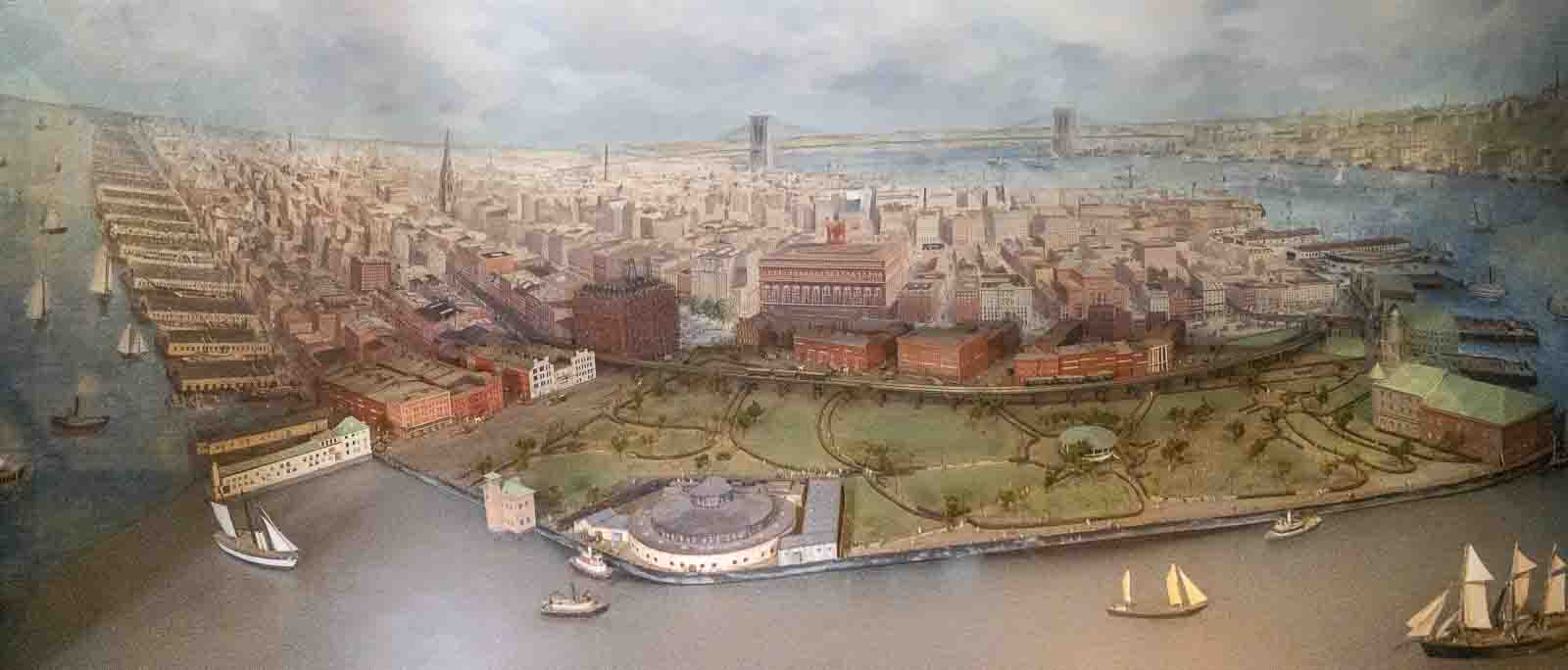
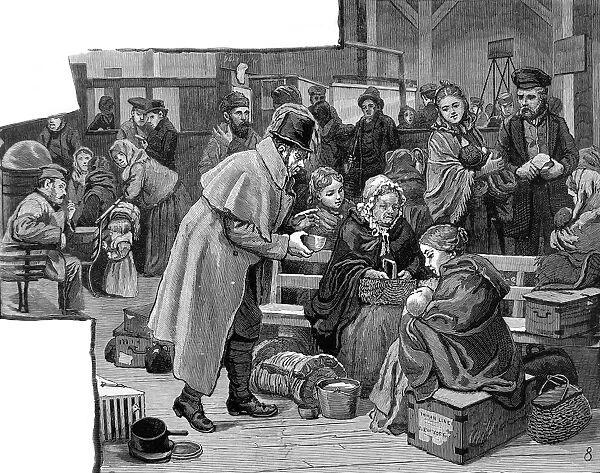
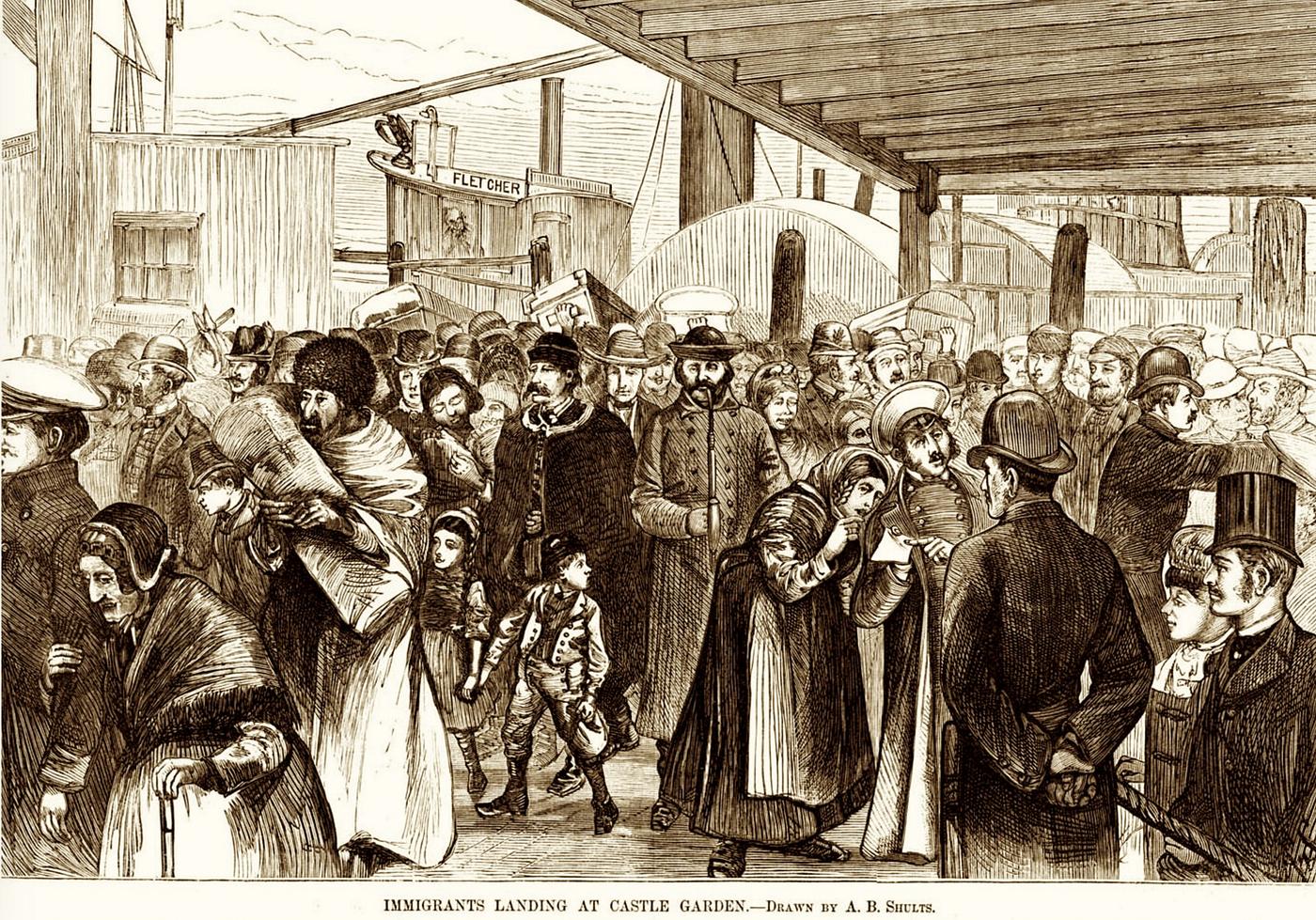
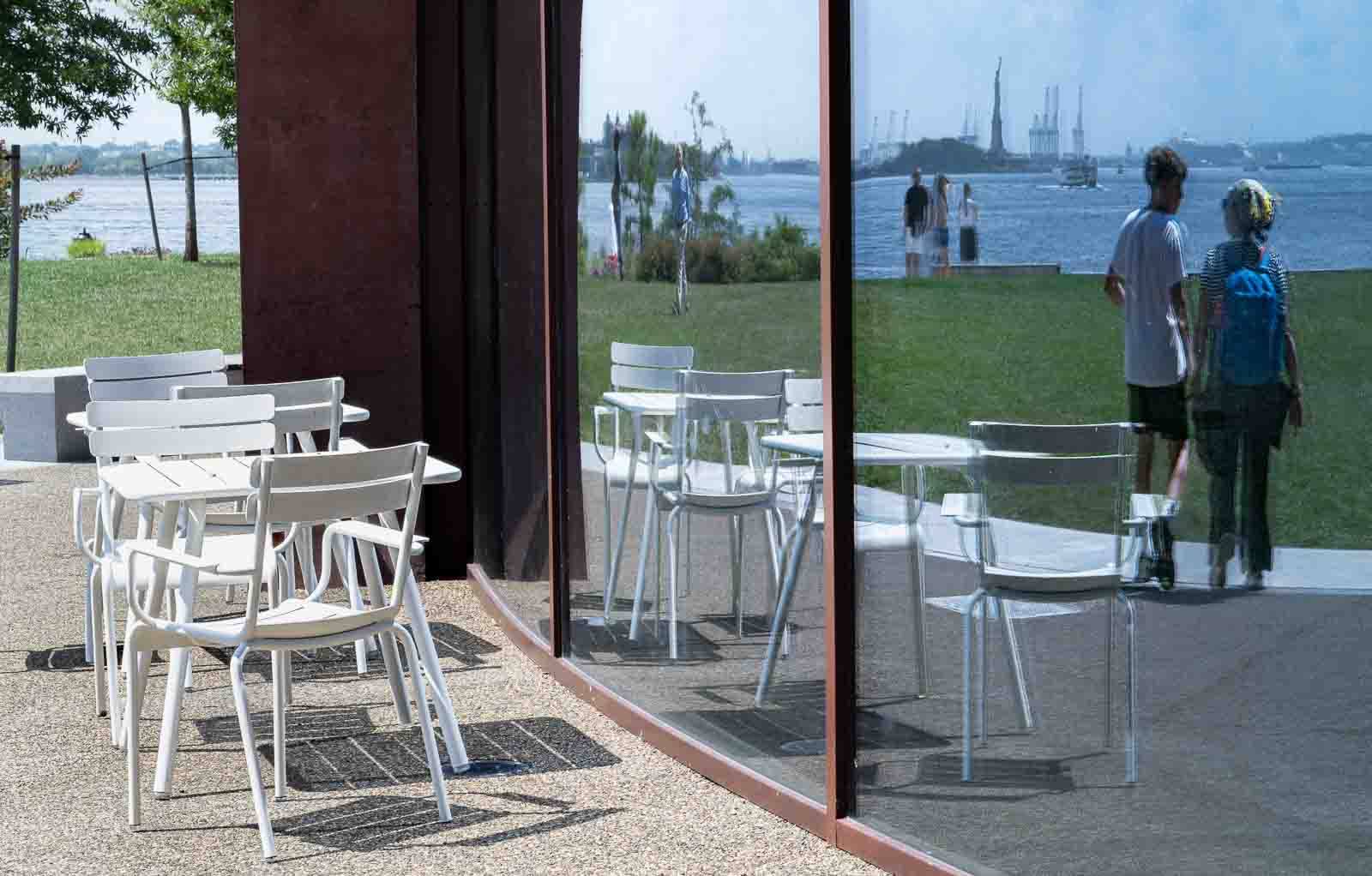
Castle Garden and the Monument to Immigrants today
As I was taking this photo, a man entered the frame pulling a cart and carrying what resembled the traditional aleluyas, story boards that itinerant story tellers would use in Spain as they entertained the public in plazas and other public spaces with rhymed folktales and songs. As the gentleman continued toward where crowds had gathered in Battery Park, I marveled at this spontaneous intertwining of past and present in such meaningful spot.

Interlude 3 / Border Crossings
We are now in Southern California, most likely Rosemead, in a small old wood-frame house in a semi-rural suburban neighborhood east of Los Angeles. The year is 1941. The season hardly matters: this is the land of eternal springtime. My sister and brother are one and three years old, respectively. It is a lazy Sunday morning, sunlight streaming through the ruffled curtains that Gladyce Tognoni has sewn to dress up their simple wood-frame rental. She and her husband, José (Joe), linger in bed, enjoying a rare moment of quiet and intimacy while the children remain asleep.
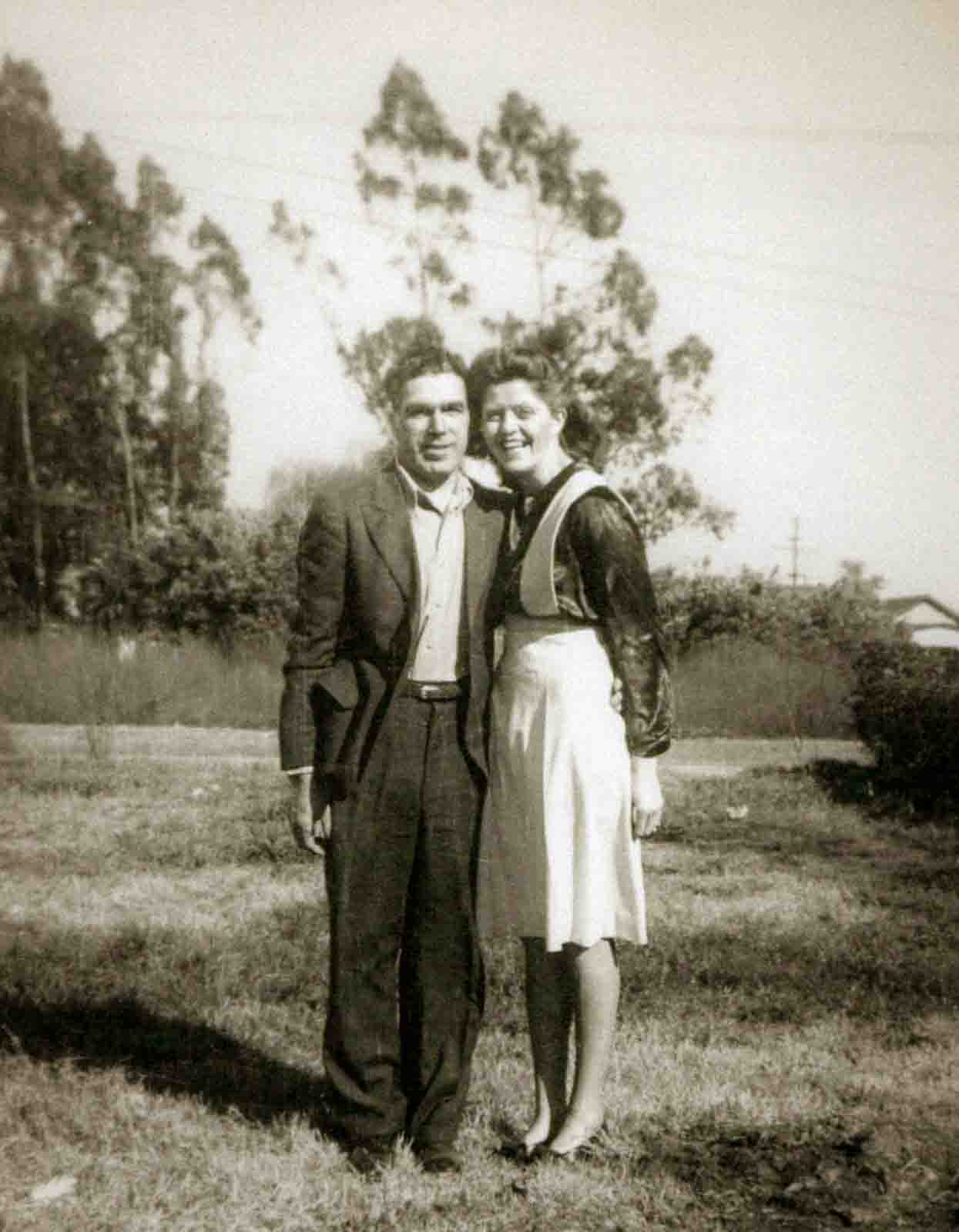
With the image of her own father’s arrival in New York in mind—the Statue of Liberty looming on the horizon—Gladyce asks Joe: “What was it like for you to see that monument?”
Joe responds: “I never saw it! I came through Tijuana.”
Gladyce just about fell out of bed, owing as much to his matter-of-fact tone as to what he had said. (My father was matter-of-fact about most things; my grandfather, as I understand it, not so much.) I suppose that’s how myths come tumbling down. They fall out of beds on quiet Sunday mornings.
My grandfather’s and my father’s passages and border crossings, antithetical in so many ways, were superimposed in my childhood imagination, colored by stridently different tones. My grandfather’s passage seemed to emerge from a textbook. His journey probably lasted a month or so, door to door, his father awaiting him at the end. His passage played out in B-flat minor, in deep, shadowy hues. My father’s, on the other hand, was an allegro non troppo in major chords, bathed, it seemed, in sunlight.
My dad left his father, mother, and siblings behind at sixteen (maybe fifteen?), roamed Mexico for some three years, footloose and fancy-free, and at one point traveled on horseback across northern Mexico from Ciudad Juárez to Guaymas. There he sold quesadillas on the beach. He worked in a silver mine in Sonora for a while (“I made good money there!”) before finally managing to enter the United States on his third try. He was undocumented. (“I hesitated and stood for a moment before the border guard, who continued to look down at his newspaper while waving me on, so I took off and never looked back!”) And some twelve years later, as he lay on that bed in Rosemead, four years into his marriage, he was still undocumented, and his sunshine was still streaming in. Needless to say, Gladyce was—oh, how shall I say?—surprised.
I have begun to address the story of my father’s passage and cultural assimilation elsewhere in this blog. The only detail that bears adding here concerns his first attempt at entering the United States illegally. This was in Ciudad Juárez. My father had somehow been given an identification card authorizing him, as a Mexican day laborer, to cross into El Paso. The card stated that he was from Tacubaya, Mexico, and that his name was Pedro Pérez.
He always claimed that his pronunciation of the final z (“th,” in Castilian Spanish) gave him away to the savvy border guard (“¡Usted no es mexicano!”). I have always wondered whether his dress, gesture, or body language, more than phonetics, might also more to do with it. My father was many things, but in no way guileful.
Years later, we named our Yorkshire Terrier Pedro Pérez.
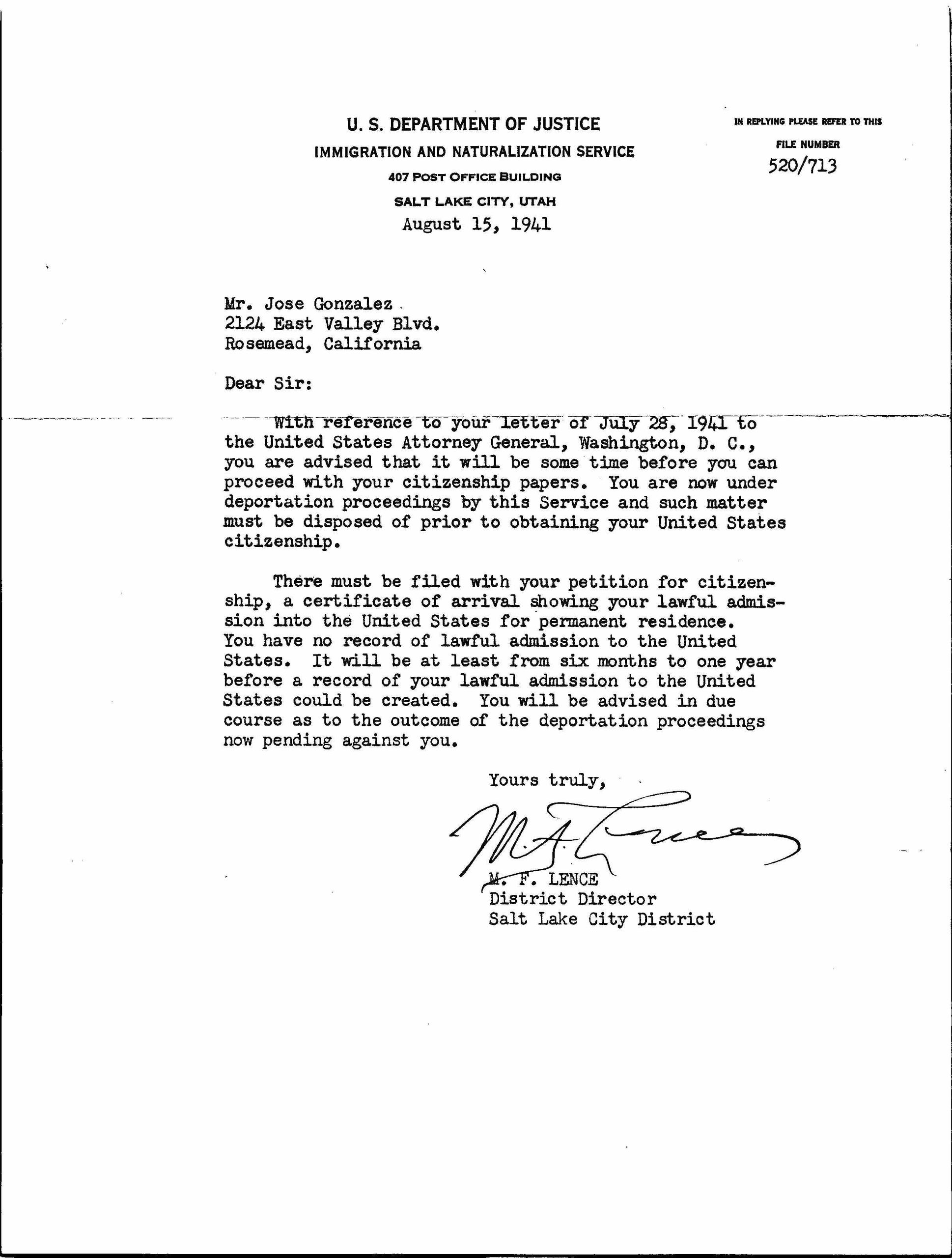
After discovering that my father was undocumented, my mother wrote to President Roosevelt to initiate proceedings to legalize his status in the United States. The first response from the Salt Lake City office of the Department of Justice must have been alarming. I understood growing up that character references, along with the wartime need for skilled laborers, helped bring about a positive resolution five years later. My grandfather, meanwhile, remained an Italian immigrant in Nevada until well into adulthood. His father returned permanently to Italy around 1906. The following year Giovan Antonio married my grandmother, Bernardina Caviglia, bought a ranch, and began a family of his own. According to my mother, it was around this time that he stopped talking about returning to the old country.
Traversing the Continent
Giovanni Antonio’s transcontinental rail journey to Nevada carried him through the industrial East, the Midwest and Great Plains, over the Rocky Mountains, and into the American West. In the tiny northern Nevada settlement of Palisade, he would have transferred to the much smaller Eureka & Palisade Railroad (E&P), a three-foot narrow-gauge line completed in 1875 to connect the mining town of Eureka with the transcontinental line. Its little wood-burning locomotives carried passengers, supplies, and charcoal ninety miles south through a stretch of Pine Valley that to him must have seemed desolate. That leg of the journey took about four hours.
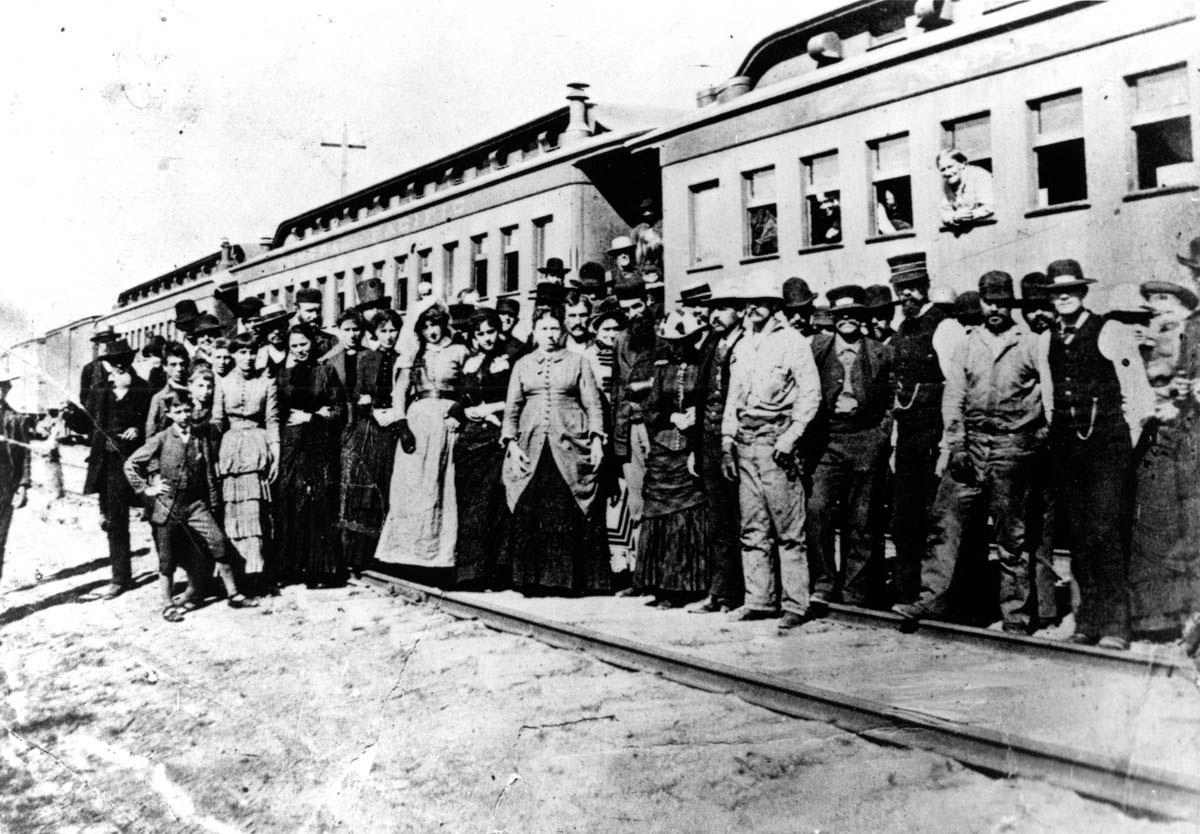
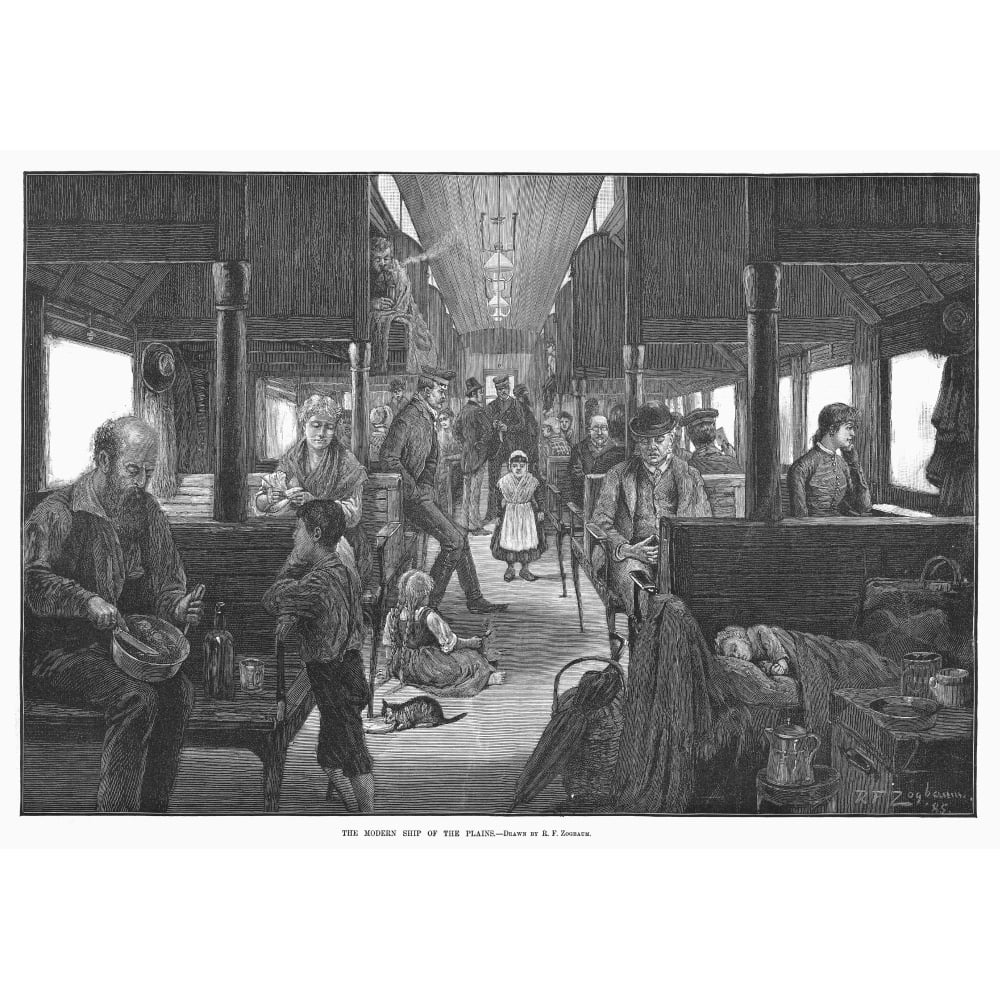
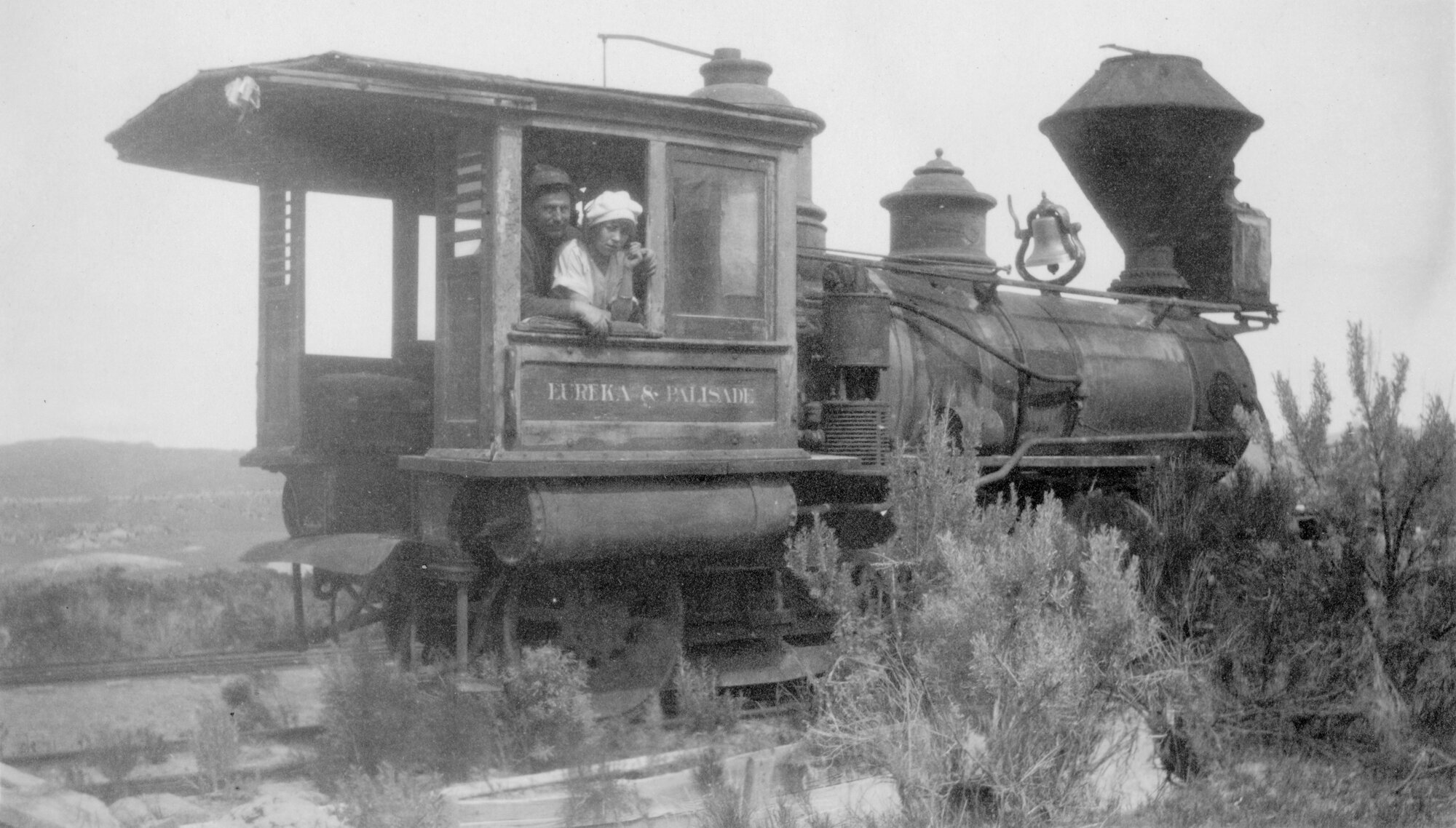
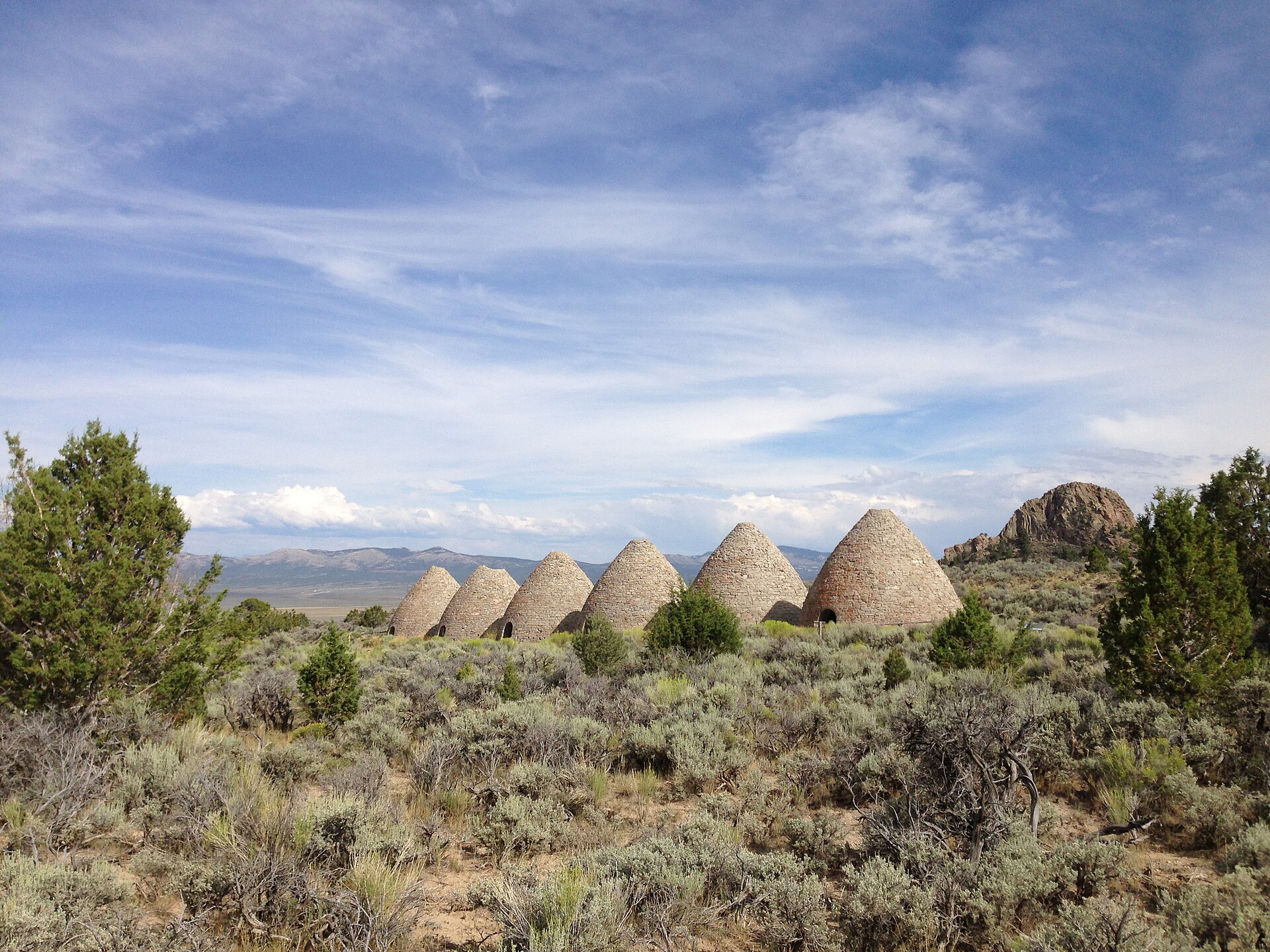
Giovanni Antonio’s quest—in search of his father and a future—led him, in short, over land and sea, from one tiny mountain village to another, both surrounded by forests, both shaped in different ways by the making of charcoal.
Getting settled in Nevada
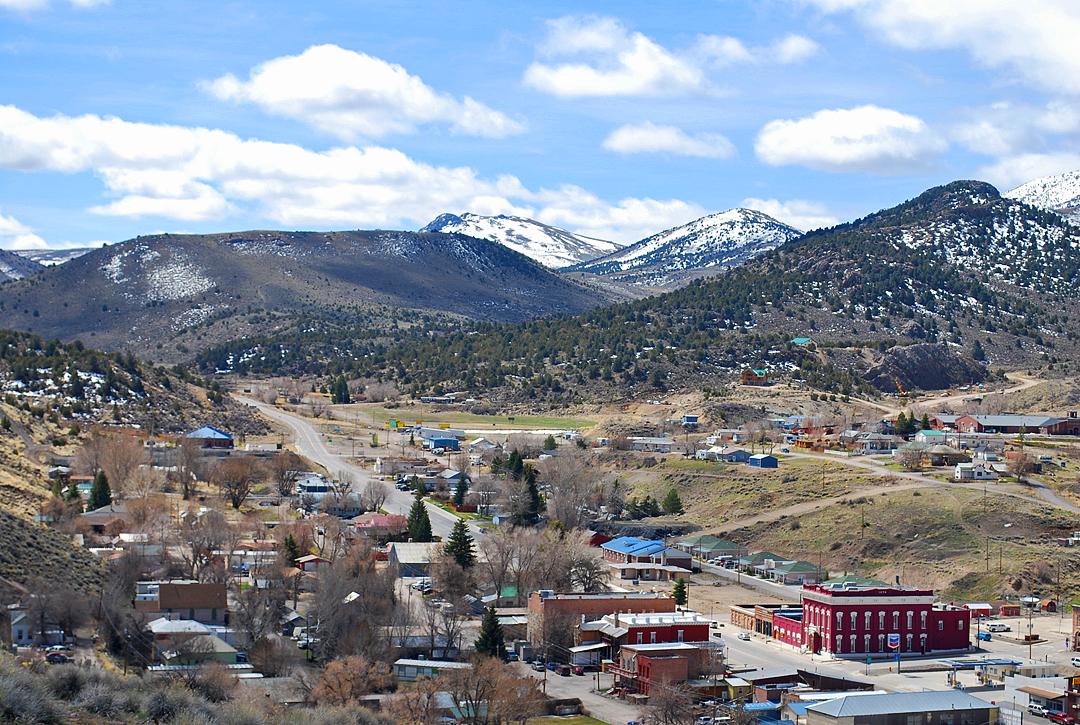
My great-grandfather probably arrived in Eureka in the 1870s, during the great mining boom. The town’s population peaked during those years at about 9,000. By the end of the 1880s, it had declined to roughly 1,000, leveling off at about 500 inhabitants throughout much of the twentieth century. This was Eureka’s population while my mother and her siblings were growing up, and it is the population of the town I came to know each summer, during the 1950s, when we would return to visit our relatives.
At some point toward the end of the 1800s, the mining bust appears to have pushed my grandfather into ranching, a trajectory that reflects the broader socioeconomic history of the area. Like much of the Far West, Eureka County is known for its extensive natural pasturage, conditions well suited to stock raising. In 1907, the year he married Bernardina Lena Caviglia, my grandfather bought the Canepa Ranch on Italian Creek (currently Simpson Creek), named for the number of Italian immigrants who were ranchers in the area. The experience he had accrued over the previous years working for others, including time he appears to have spent ranching alongside his father, must have given him the knowledge and skills needed for managing a ranch of his own.
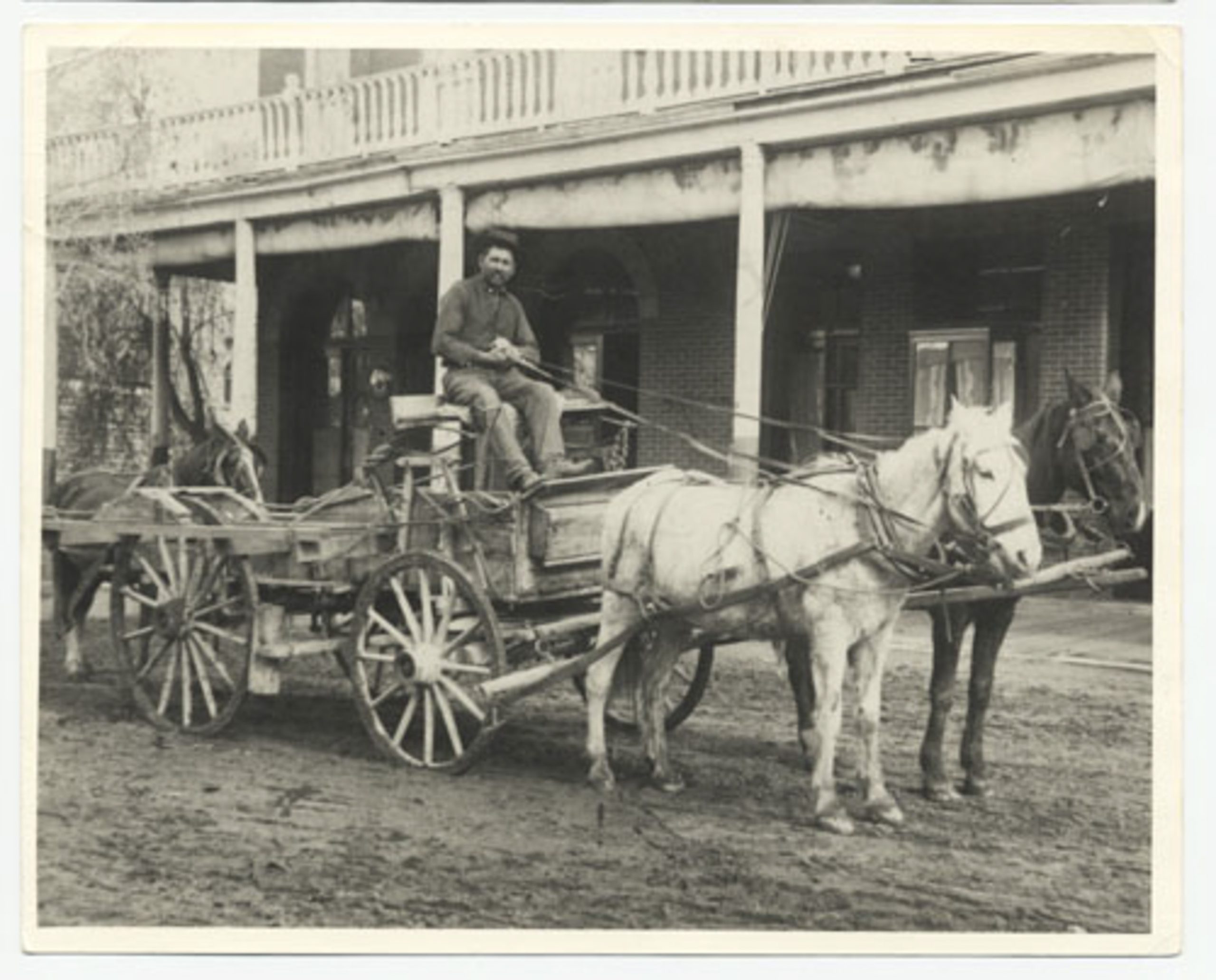
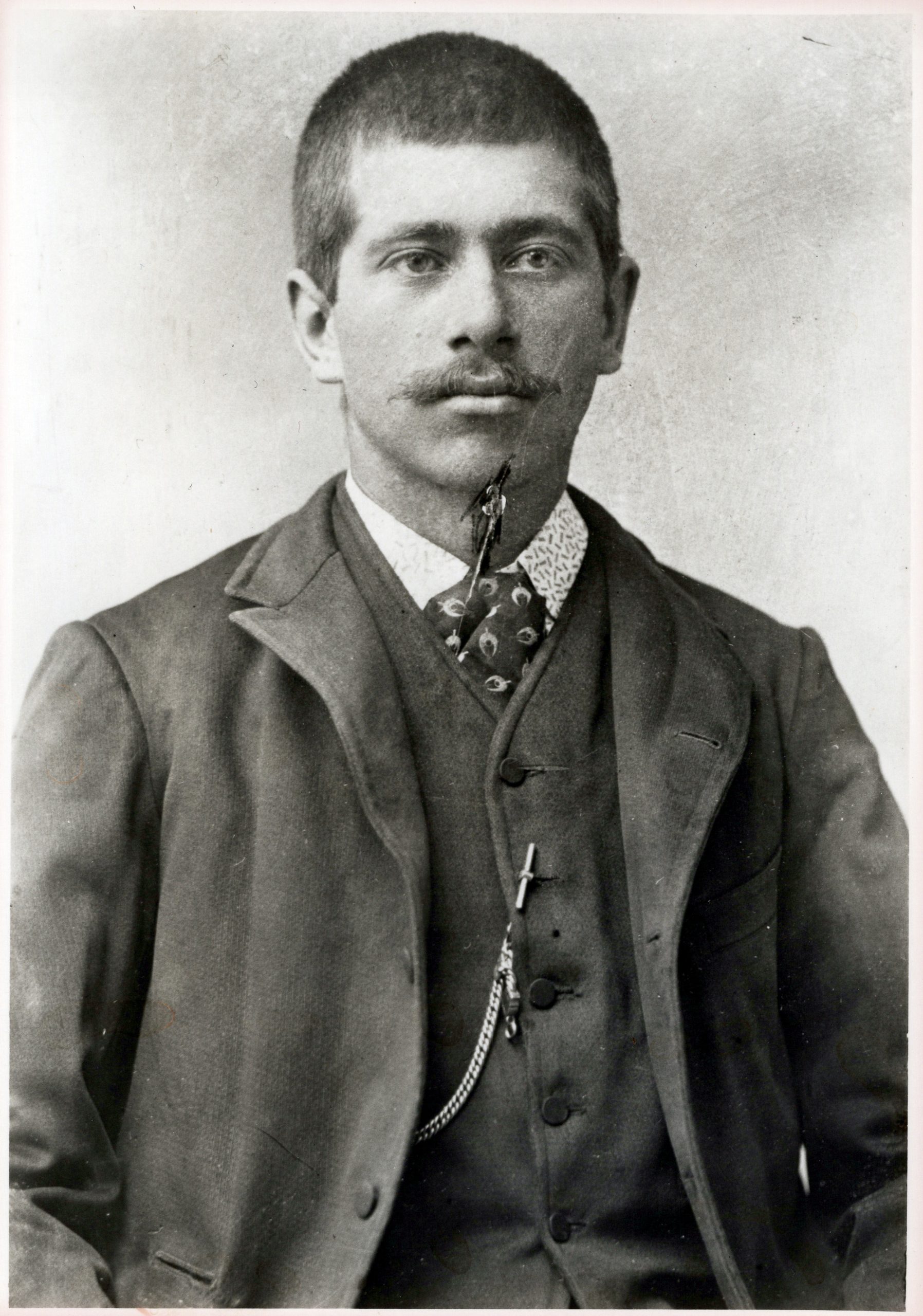
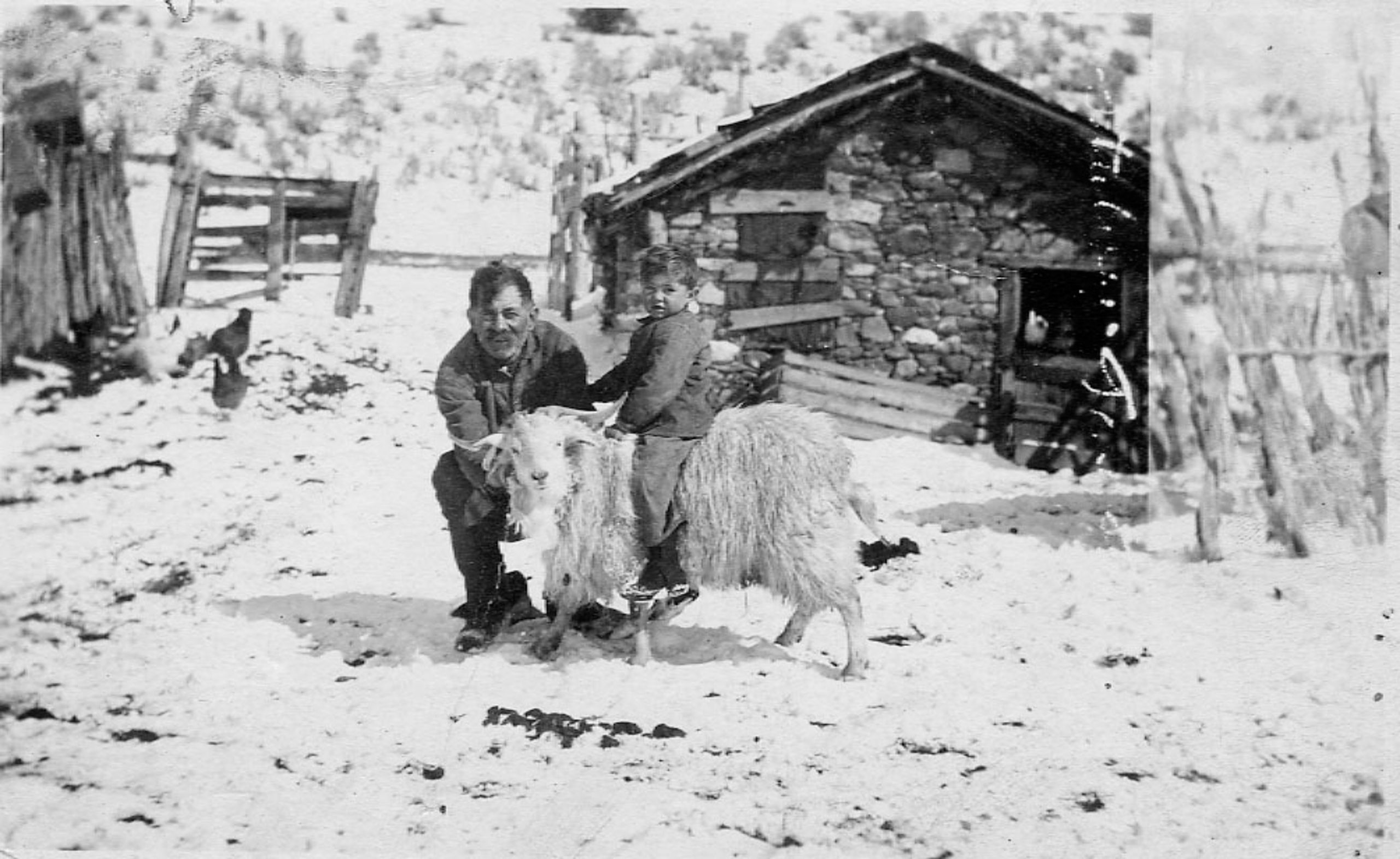
Documents I inherited from my mother seem to confirm the transition. The 1900 census for Duckwater Precinct, Eureka County, lists my grandfather as an “alien” and a “stock raiser” who had arrived in the United States in 1886. His father, then about sixty-one, appears on the same census, also as a “stock raiser.” Father and son may have been living and working together on the same ranch. The same document records my great-grandfather as having arrived in 1879, at the height of the mining boom. (This may not have been my great-grandfather’s first arrival; immigrants often made repeated round-trips.) If accurate, that would mean that he had left ten-year-old Giovanni Antonio and two younger children in Italy with their mother, Cecilia.
As indicated, my great-grandfather returned to Italy around the time that his son married and, according to family records, became a U.S. citizen. According to different reports, Giovan Antonio never spoke again of returning home. He was 37 when his father left. He had been only 16 when he last saw his mother, younger sister, and brother, approximately twenty years earlier. He would never see any of them again. It is so hard to reconstruct the emotional side of such stories.
My mother loved to tell the story of how her father, at nineteen (as featured above), encountered a certain Bernardo Caviglia, a Genoese immigrant, while strolling one day down Main Street in Eureka. My grandfather apparently knew Caviglia, who was holding his newborn daughter in his arms. The jubilant father called out to the young man: “You be a good boy, Tony, and some day I’ll give you my daughter’s hand in marriage.” Nineteen years later, in 1907, the thirty-eight-year-old Antonio married nineteen-year-old Bernardina, and the two moved out to the ranch.
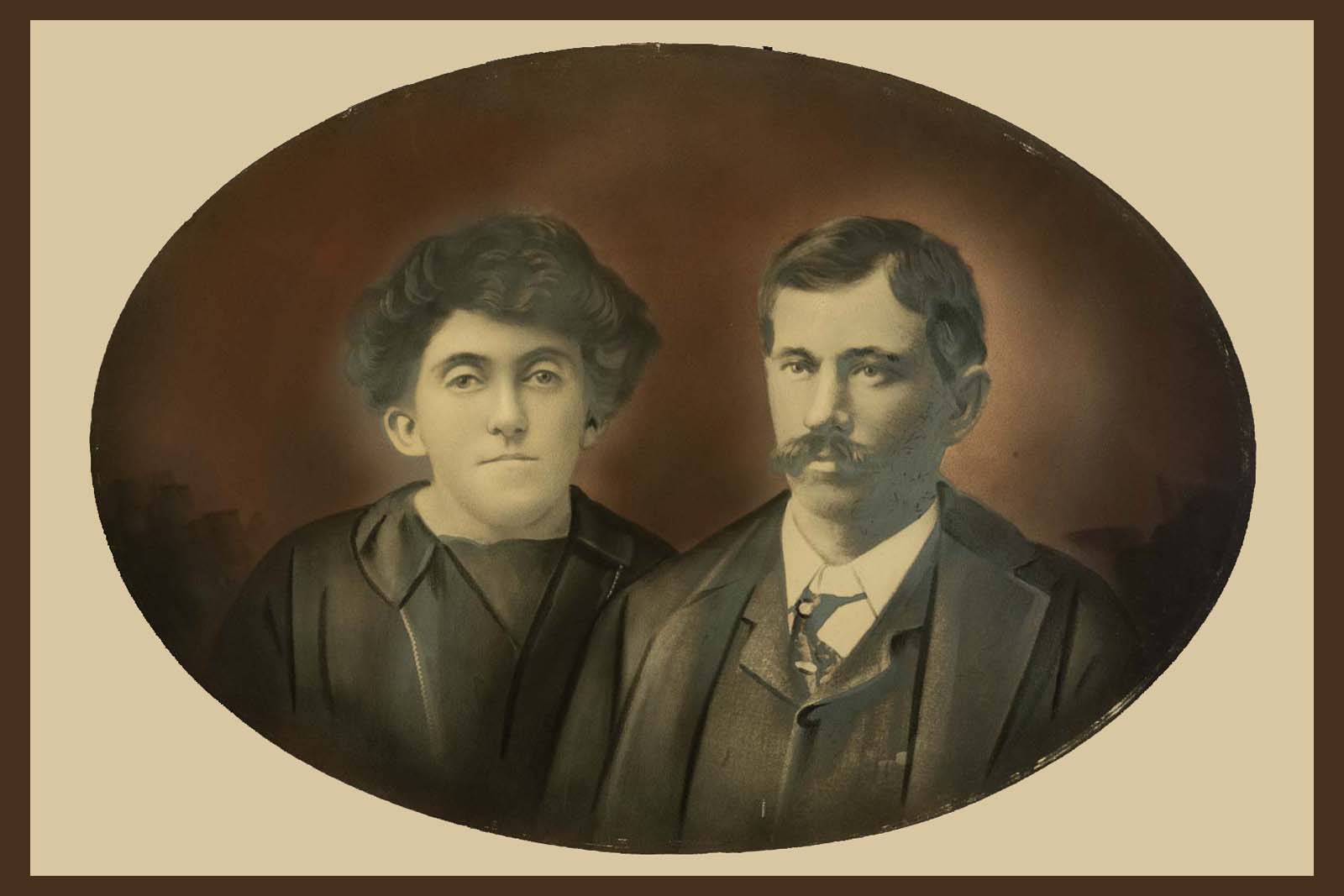
This hand-colored composite portrait was created from separate photographs and seems to present my grandparents as a couple of roughly the same age, although Giovan Antonio was nineteen years Bernardina’s senior. My mother treasured the portrait. It hung in its antique oval frame in our home throughout my childhood, near the marble-top table that had been given to her parents as a wedding gift.
Life in Eureka
As a child I knew nothing about the history of Nevada’s mines or charcoal ovens, and I certainly knew nothing about the immigration patterns connected to them. I do recall my mother rolling her eyes as she described how the locals would exclaim over and over, “that mine is going to take off again!” Hope seemed to spring eternal in Eureka. So much of the American Far West had been built on such dreams.
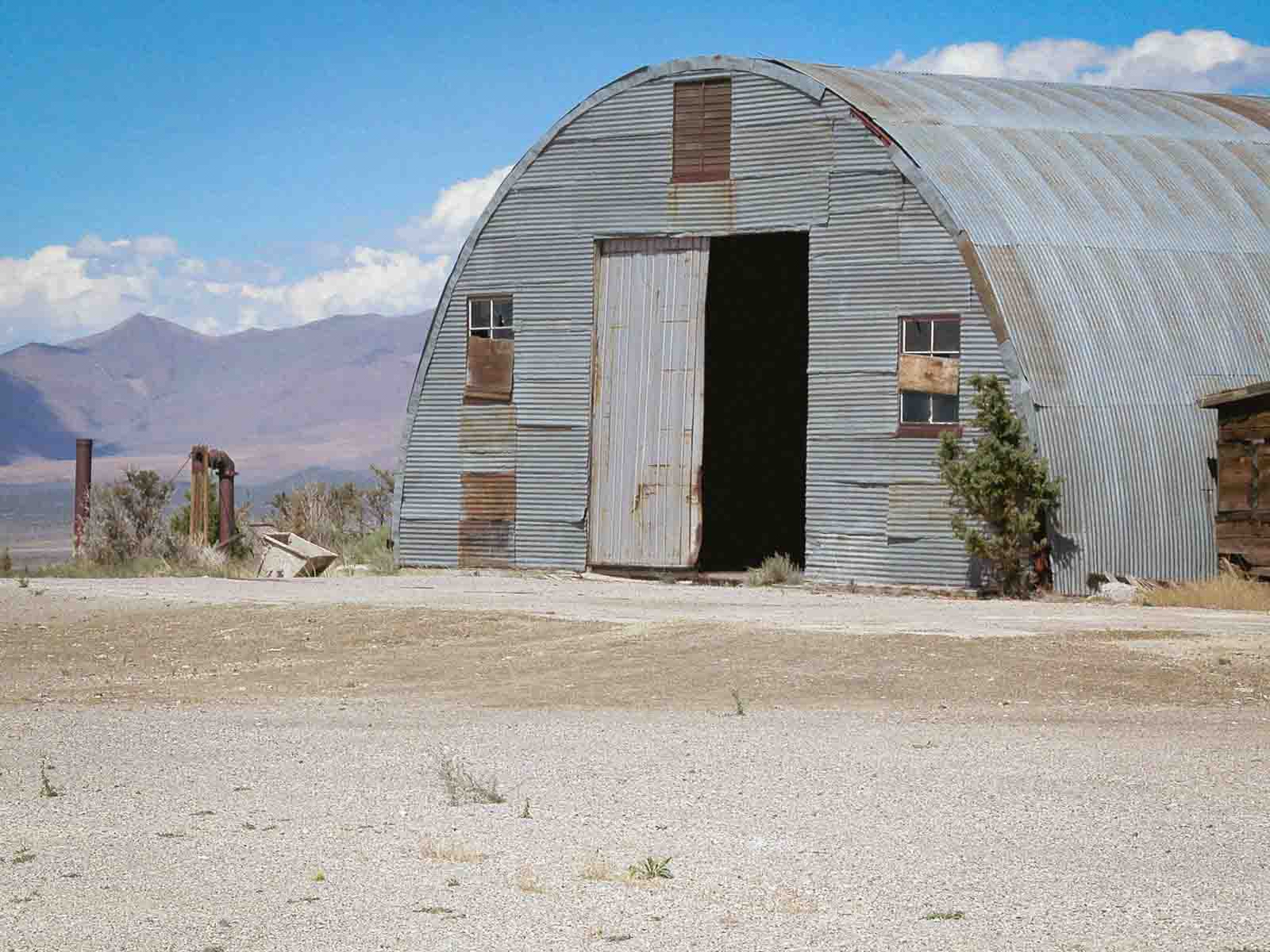
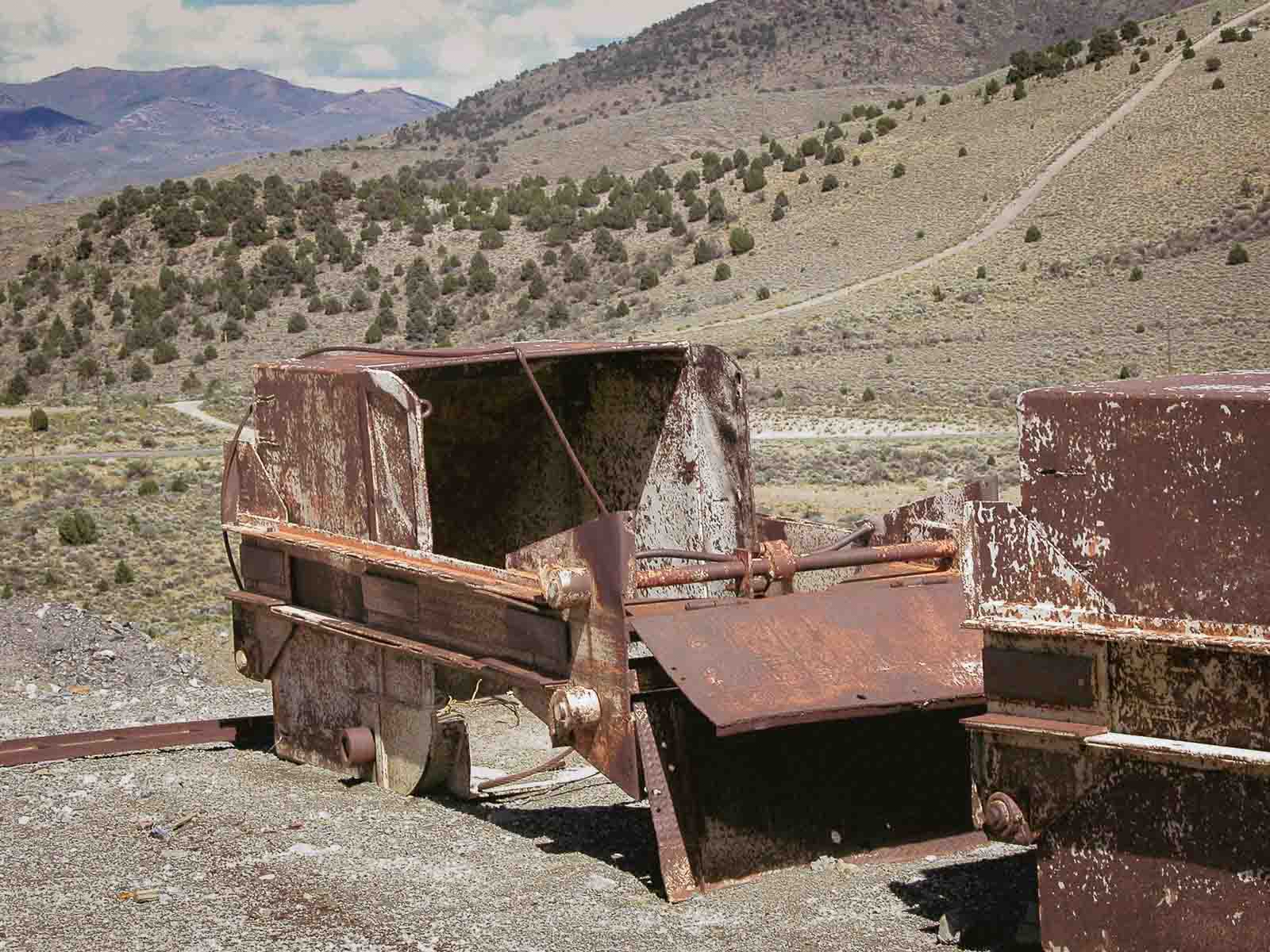
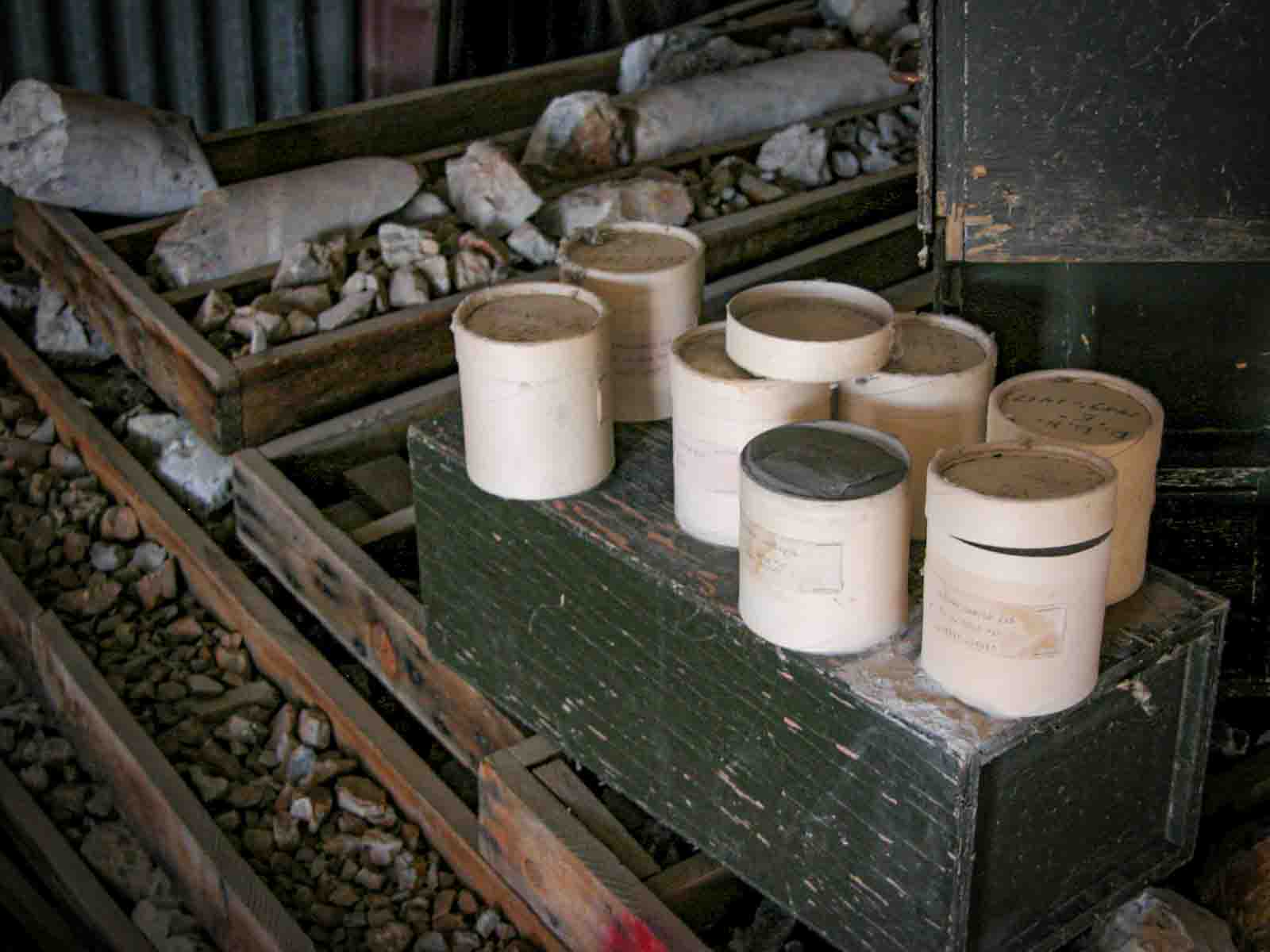
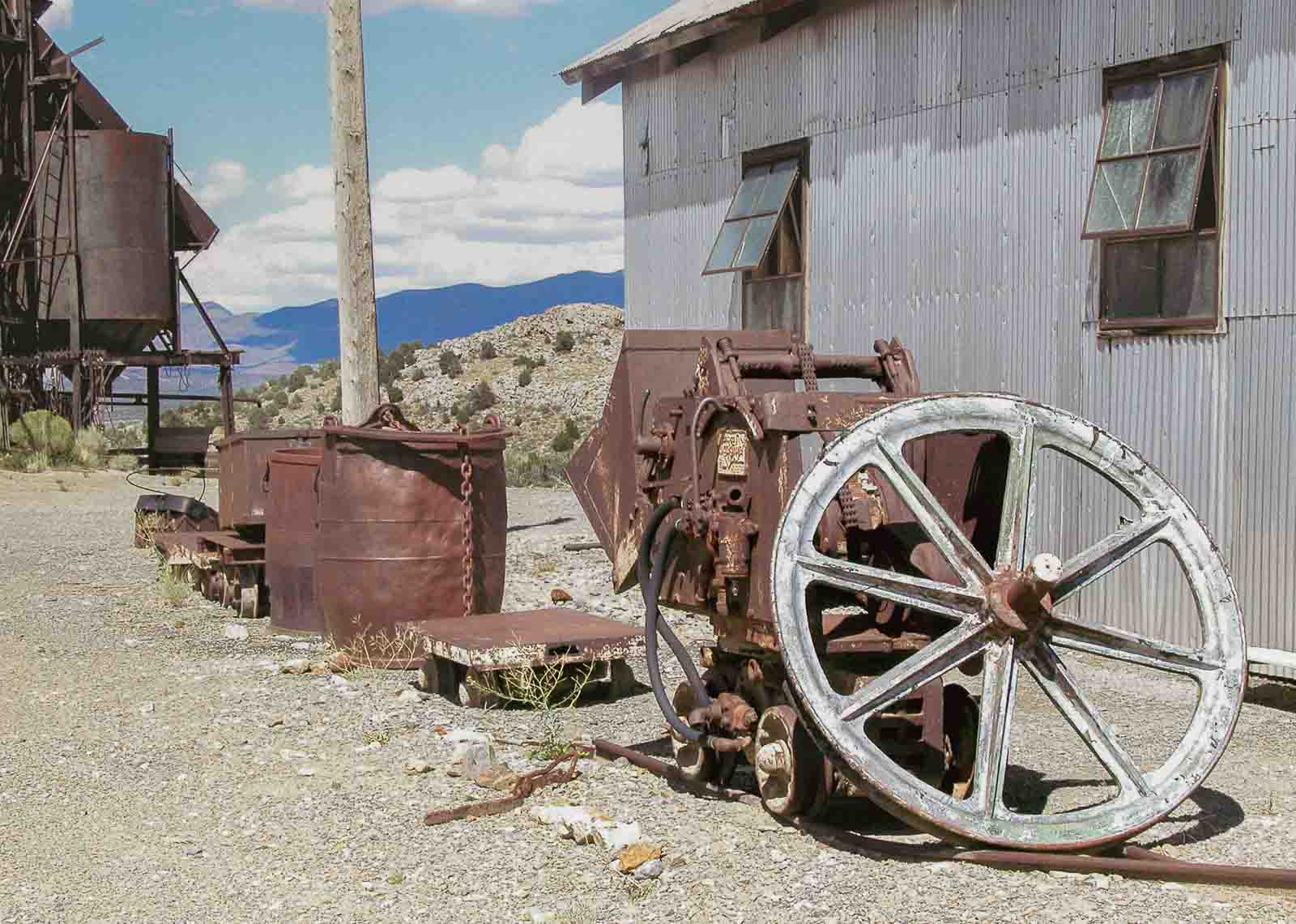
High above Eureka the dormant Ruby Hill mine, photographed in 2003, lies as if waiting to be reawakened…
While the mine lay dormant, Giovanni Antonio and his wife set about supporting their growing family with the resources they had at hand. Of the eight Tognonis who survived to adulthood (my grandmother gave birth eleven times), six were born on the ranch that my grandfather purchased in 1907. My aunt Rose (1908–1993), my mother’s oldest sibling, gives a rich account of life there as part of an oral history project published by the University of Nevada, Reno: attending school in a single K–12 classroom; riding horseback in the wilderness until late in the day; chopping wood, baling hay, herding cattle, and shearing sheep; water-rights feuds; and parties at neighboring ranches that lasted into the wee hours, with the women knitting, embroidering, and crocheting together in one corner, the men playing cards in another.
“I can remember when we had a buggy with a surrey on top; it had two seats and was pulled by two horses. The outlying ranches would have dances, and we’d fix our basket lunch and go to the dance about seven or eight miles from home. They’d dance all night, and we kids would all get in under the seat and fall asleep, and then we’d come home early in the morning.” — Rose Tognoni Herrera, oral history interview
Among my mother’s many recollections of her childhood, her father’s homemade Italian sausage and carne secca (venison jerky) hold special meaning for me. Perhaps this owes in part to the ranching and hunting that went into producing them—activities my childhood imagination struggled to conjure within the context of our suburban Southern California home. But the persistence of these memories probably owes more to their sensory dimension: their savory taste reached me thanks to my uncle Angelo, who kept my grandfather’s culinary tradition alive.
Over time, Italian sausages and carne secca became remnants of a ranch life that my mother spoke little of while I was growing up, unsurprisingly given that the family moved to town when she was four. When my sister and I accompanied her back to Italian Creek in 2003 —at 53, it was my first visit to the place— I was stunned to hear for the first time her recalling riding into town with her mother, in the buggy my aunt Rose describes above, to peddle milk, bread, and eggs. I could only wonder whether this was a recovered memory, one kindled by returning to that site.
For me, this was a prehistory to the Eureka I knew directly or through family anecdote growing up in the 1950s. It was also a powerful lesson in the abiding power of place—of smells, sounds, and sights—to stimulate the human imagination. To this day, the distinctive aroma of sagebrush wafting across the vast, sun-drenched open range remains embedded in my memory.
My mother was four when her father, paralyzed by a stroke, was forced to sell the ranch and move the family into town. He is listed on the 1920 Eureka County census as a “stock herder,” in 1930 as “unemployed.” What contributions his wife and oldest children could make after moving to town became crucial for the family’s well-being, all the more so when the crash of 1929 wiped out whatever savings he had accumulated in the local bank. Besides the milk, eggs, and bread my grandmother would sell, she and her oldest daughters took in washing and ironing and cleaned houses. My grandmother worked as a midwife as well, drawing on her considerable first-hand experience with childbirth.
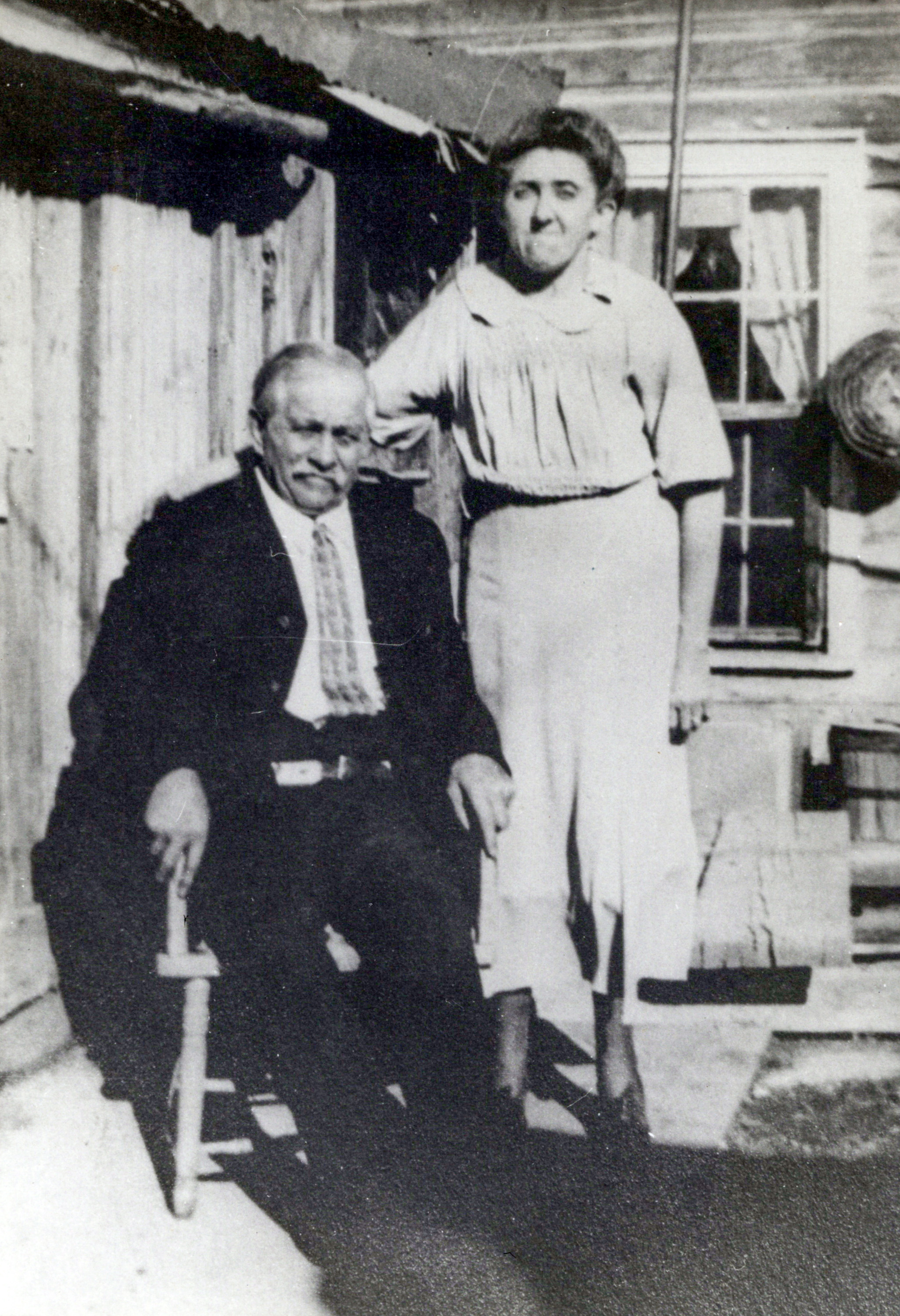
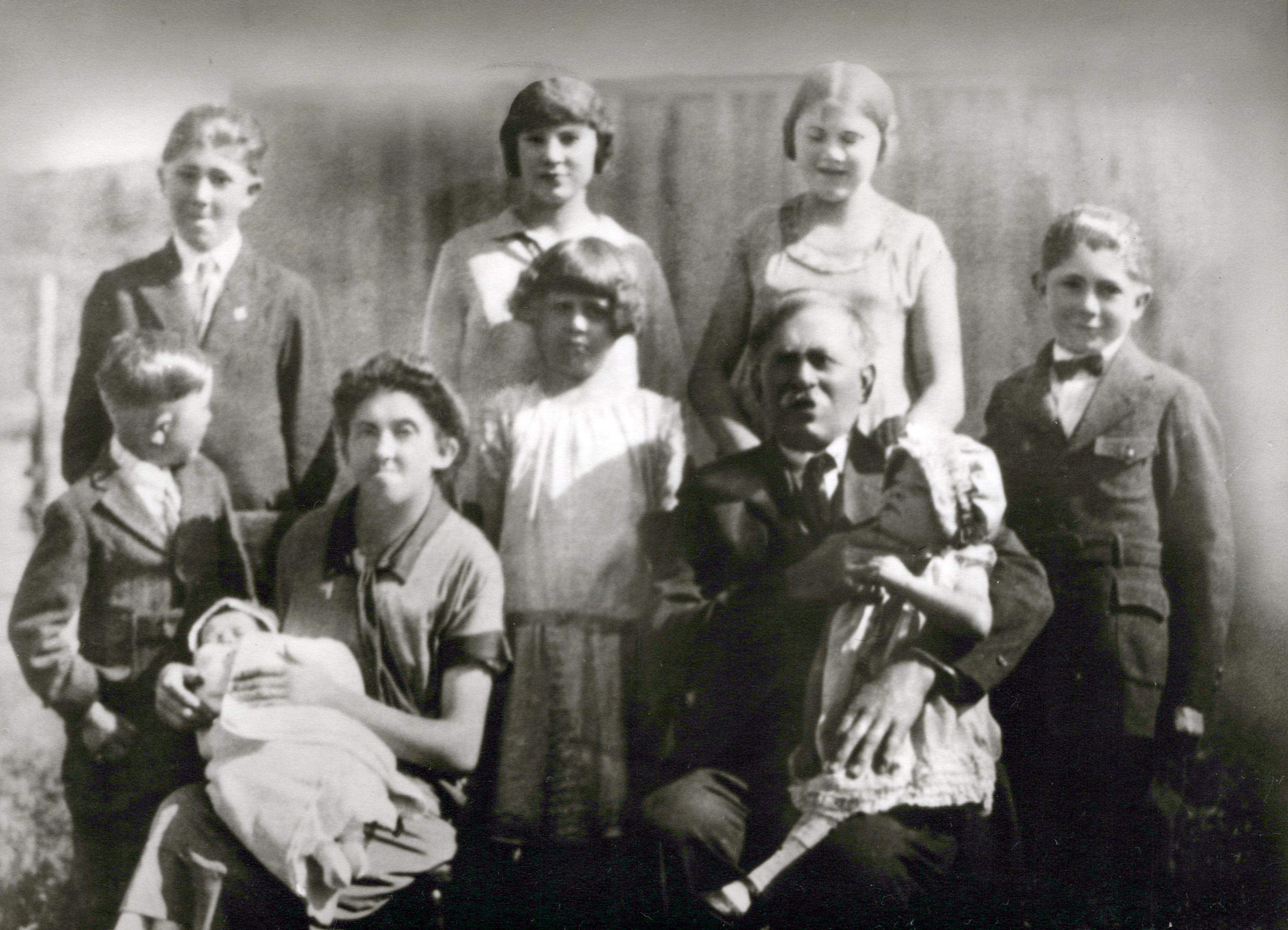
The 1920s clearly marked a brutal turn of misfortune for Giovanni Antonio, one that may well have had a significant impact on his personality. The remnants that have survived have allowed me to compose only an imperfect and, in many ways, contradictory portrait of a man who seems to have been as loving as he was stern.
As a child, somewhat in awe of the force of my own mother’s hugs and reprimands, I absorbed the spoken and unspoken tales that led me to envision a disciplinarian driven by traditional Old World anxieties concerning his daughters’ reputations—anxieties that may have been exacerbated by his misfortune. Immobilized as he was, he purportedly kept a cane by his chair that he could maneuver stealthily in the dark of the night when his children returned home too late. Among the stash of correspondence contained in a trunk I inherited from my mother there is one very long and sentimental letter of apology, written in Italian by a father to his daughter in the 1930s, not long before his death. It is addressed to Oroville, California. My mother was around twenty and had gone there for reasons I will probably never know.
Whenever my mother alluded to her father’s harsher side she did so with a restraint that mystified me. She would temper such portrayals by pivoting to tales that highlighted his frivolity and joyful spirit: children’s rhymes in Lombard dialect (“Trott’ trott’ cavalott…”), racy expressions meant to make fun of sudden flatulence (“Trumba il cul’…”). There were many such tales. In the end, the image of a man who, despite being stern, was also droll, witty, and spry became palpable to me, given how these traits seemed so visibly refracted in her.
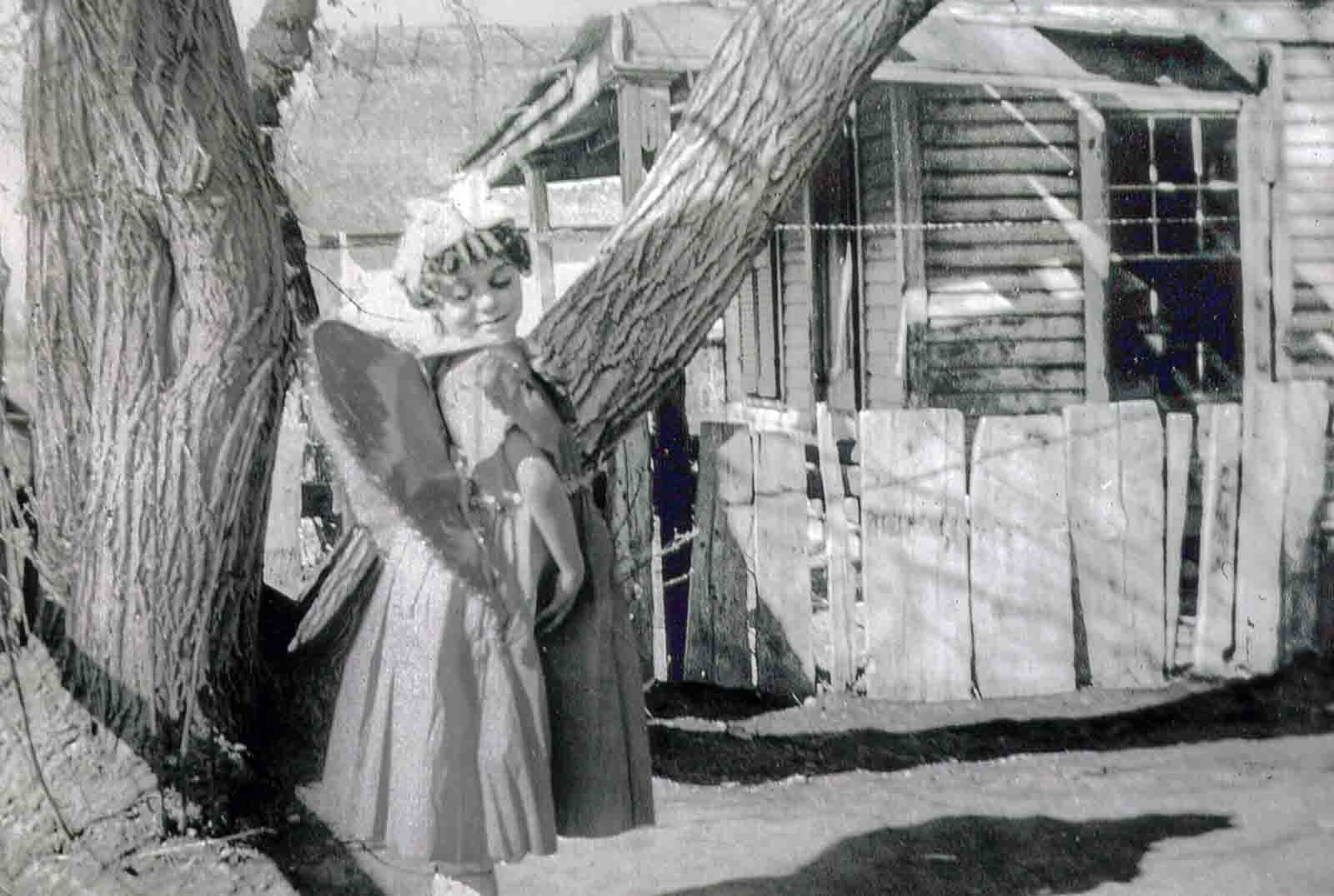
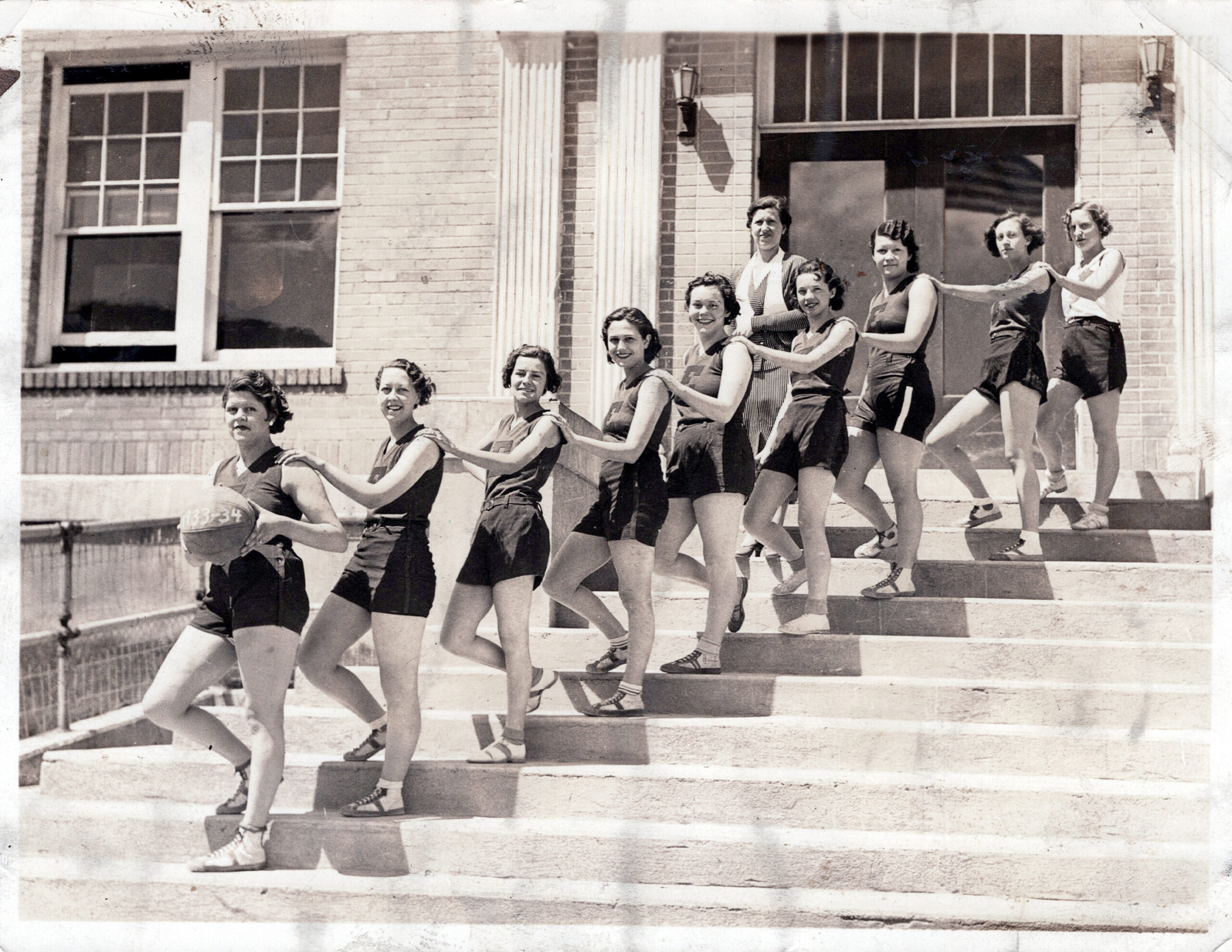
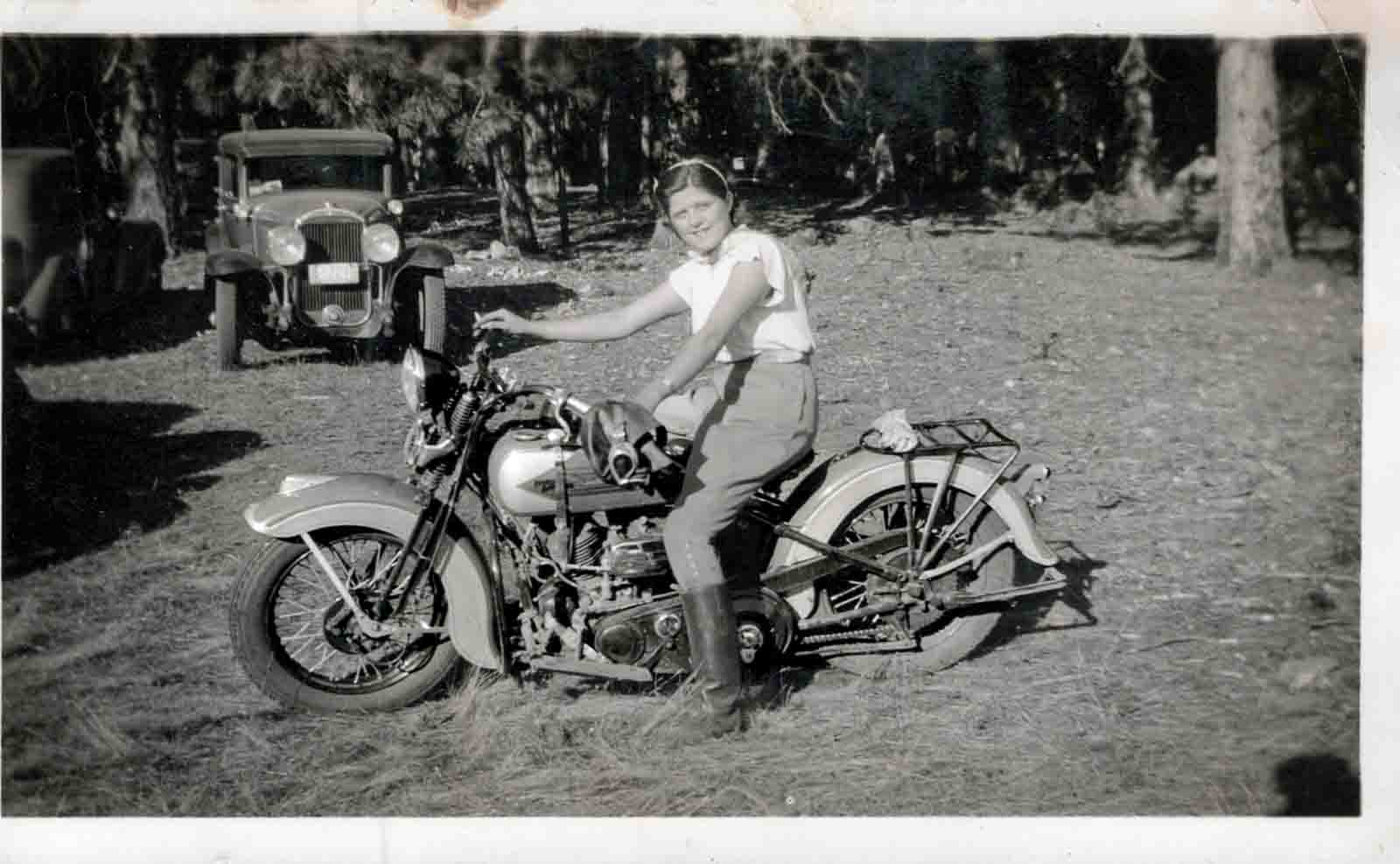
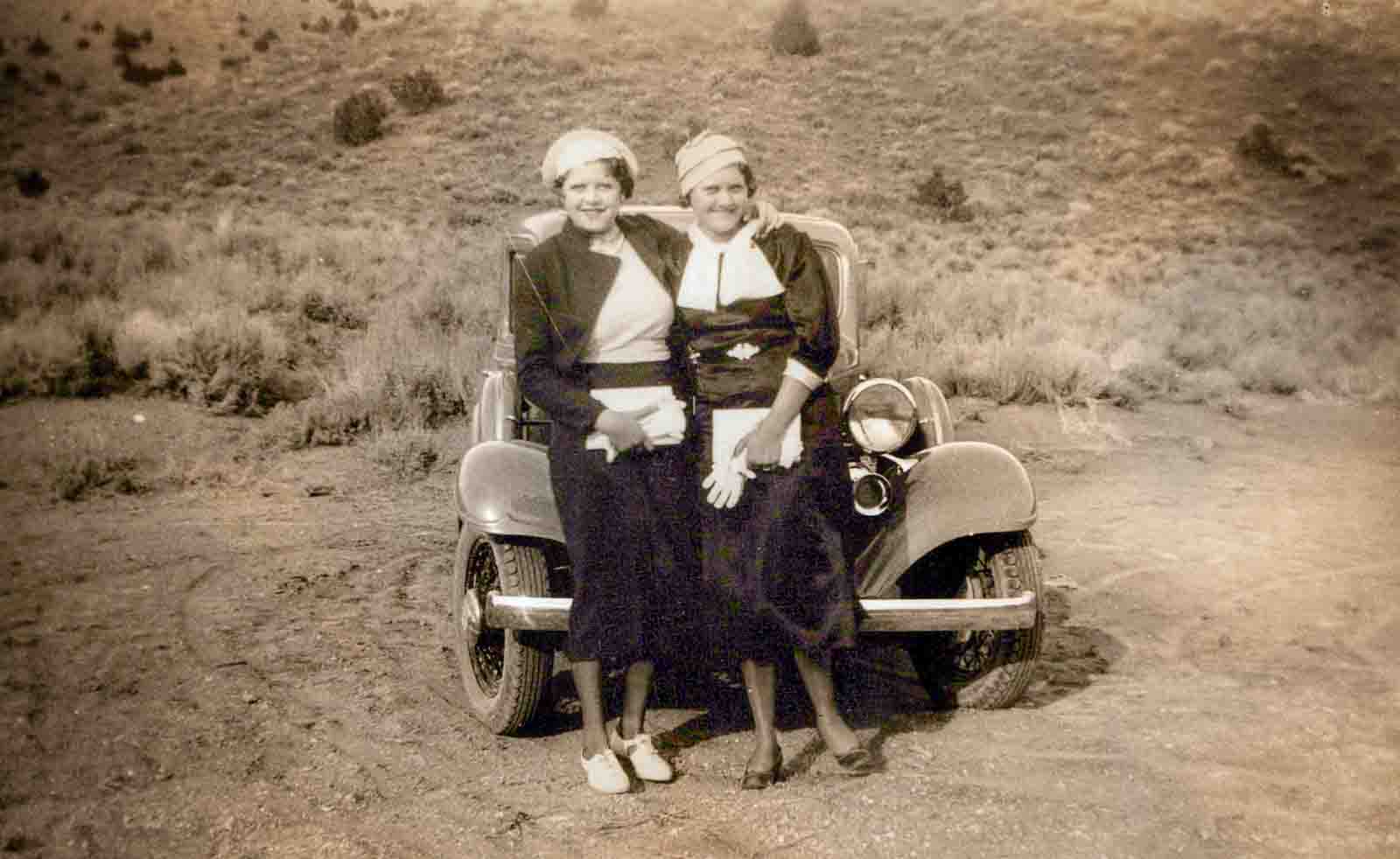
My mother at play: dressing up as a child; captaining her high school basketball team; posing on someone’s motorcycle; and clowning out in the country with her older sister, Elva.
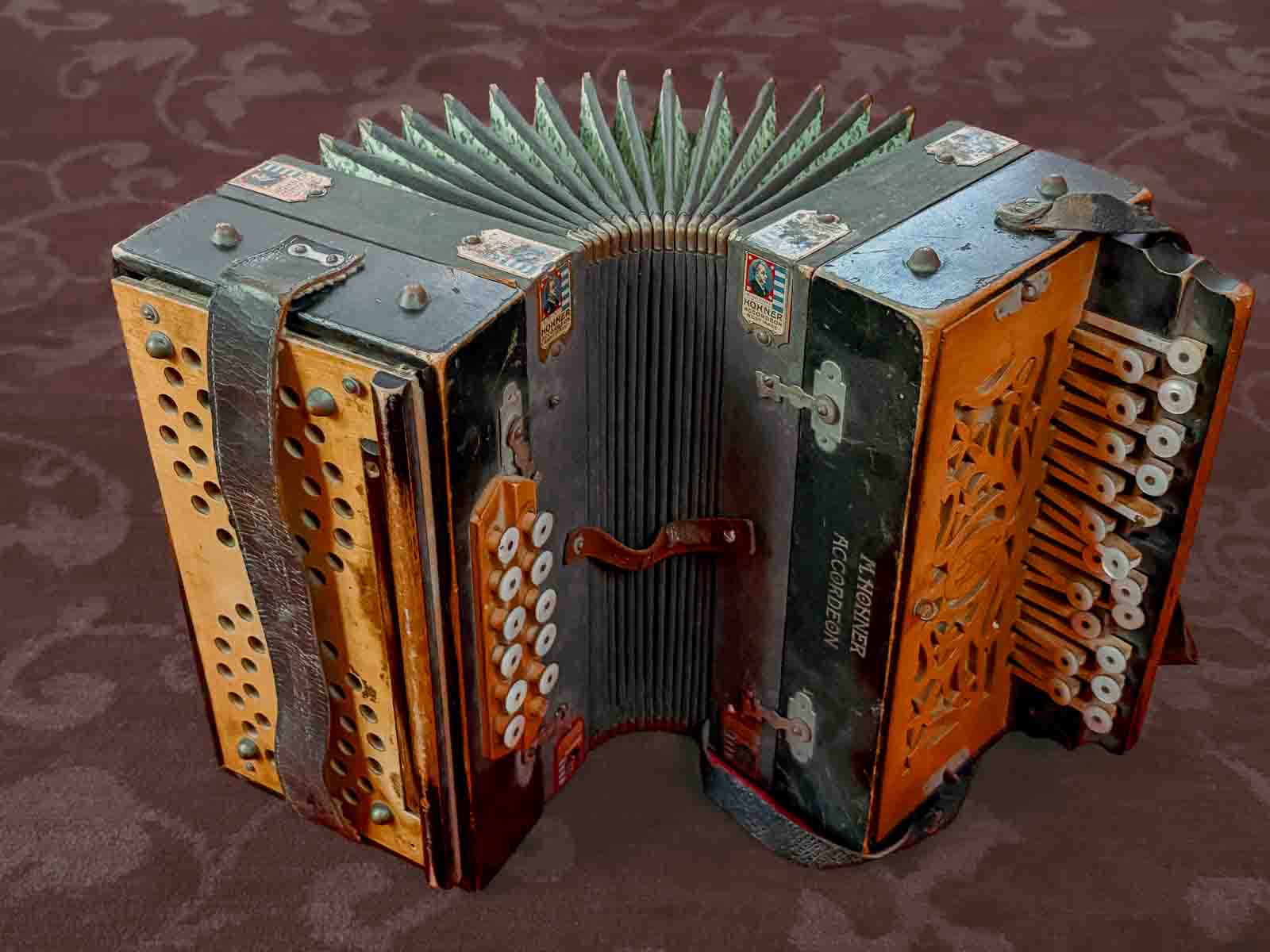
Character, in short, can contain visible traces of family history. So too the objects we inherit. Heirlooms acquire symbolism due to the material quality that they share with places: with ranches in Nevada, for instance, or forts transformed into immigrant processing centers in Battery Park, New York, and subsequently monumentalized for posterity. They have survived. They were there and bore witness. The accordion that my mother passed along to me is one such object.
Having read my aunt’s description of the all-night parties at the local ranches along Italian Creek, I wonder whether my grandfather played the accordion there for people to dance. I do know that he would pull it out after dinner and play while his children sang and danced in the tiny parlor of their humble wooden home in town. My mother recalled these moments with such joy…
In memoriam
Mindful of their advanced age (94 and 87 respectively), my sister and I decided in 2003 to accompany our parents on one last return trip to the area of Nevada where my mother had been raised and the two of them had first met. We visited mostly places that my sister and I had come to know during our own childhood.
The ranch at Italian Creek was not one of these, which is partly why our outing there had such an impact on me. The dilapidated ruins of a site that had been so meaningful to my mother and her parents—how was it that I had never seen it?—seemed to cast a stillness over an experience that was otherwise warm and sunny, even frolicking at times. It is a stillness that I have never fully comprehended.
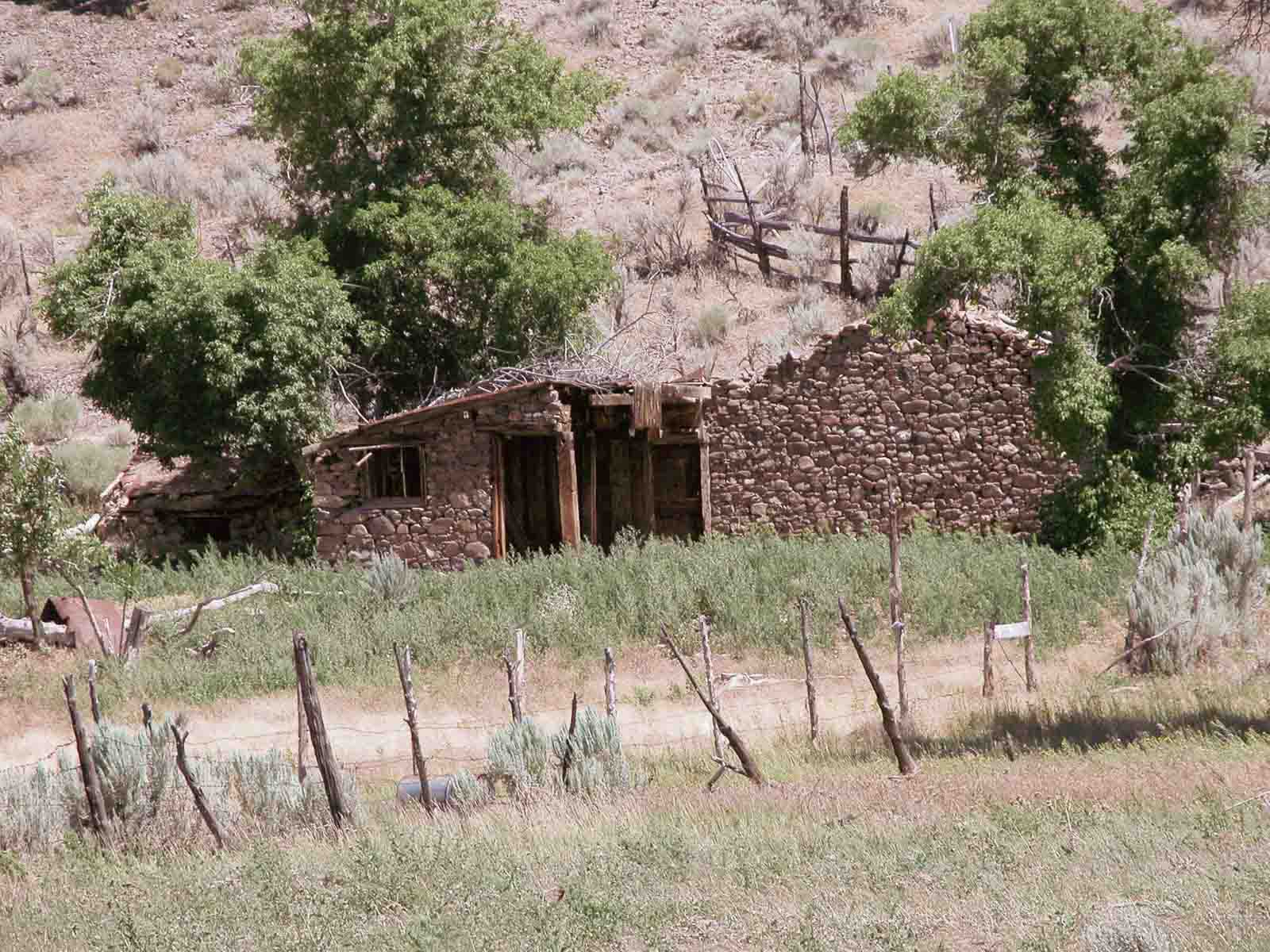
My mother walked quietly around the grounds, as if she were studying the fields, the mountains, the remains of the buildings, the smell of the sage, as if she were searching… And then suddenly there emerged, as if conjured by a magician, her story of riding into town in the carriage with her mother—she was probably three at the time—to peddle milk, eggs, and homemade bread. Where did that come from? As I followed her movements and expression I had only the vaguest sense of the cogs that were turning inside her.
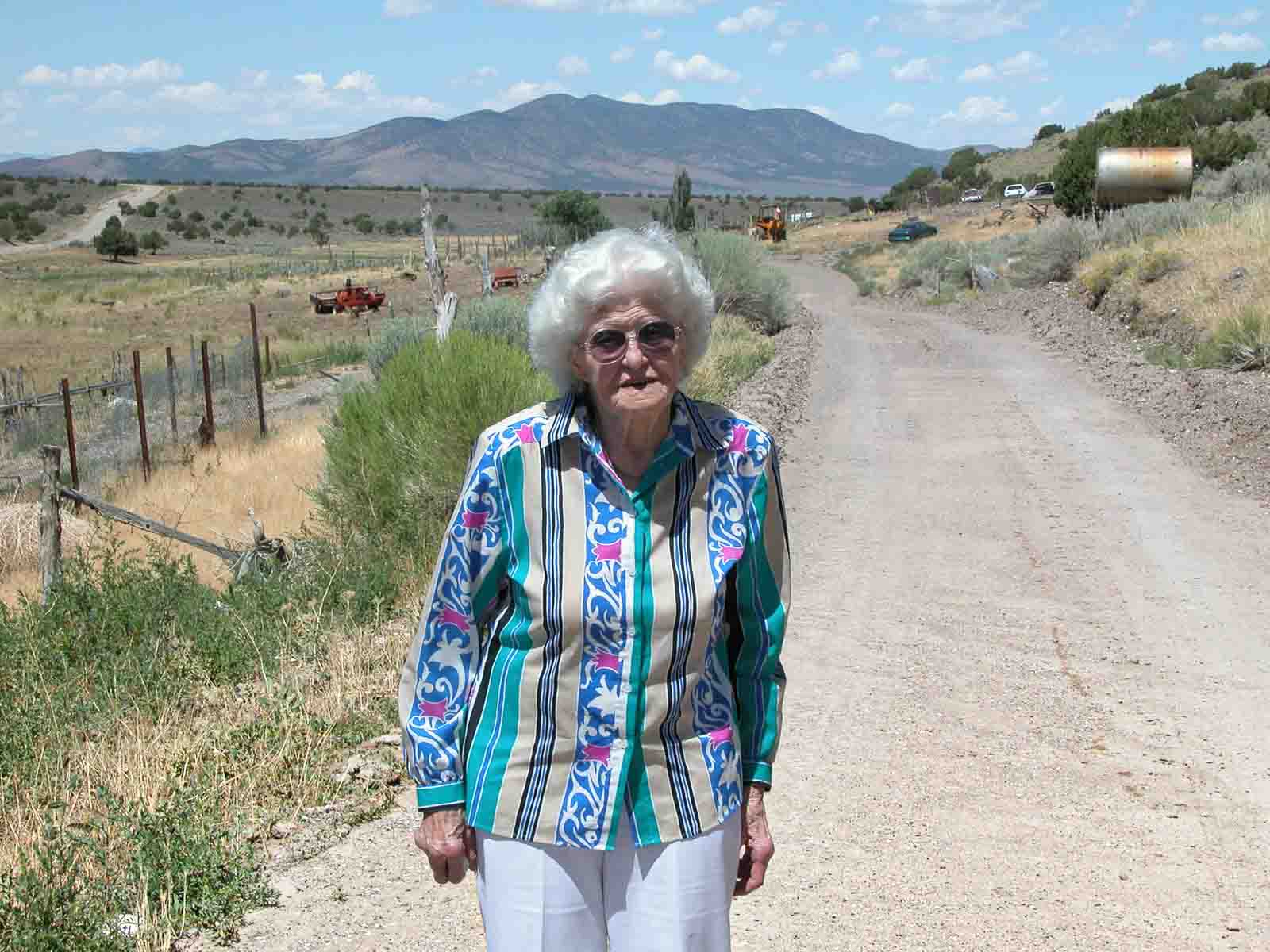
Italian Creek, near Eureka, Nevada, 2003
The whole experience seemed shrouded in mystery. My mind was suddenly flooded with timeless expressions of wisdom from the literary tradition, reflections on the passing of time, memory, and being: Ubi sunt? Sunt lacrimae rerum…
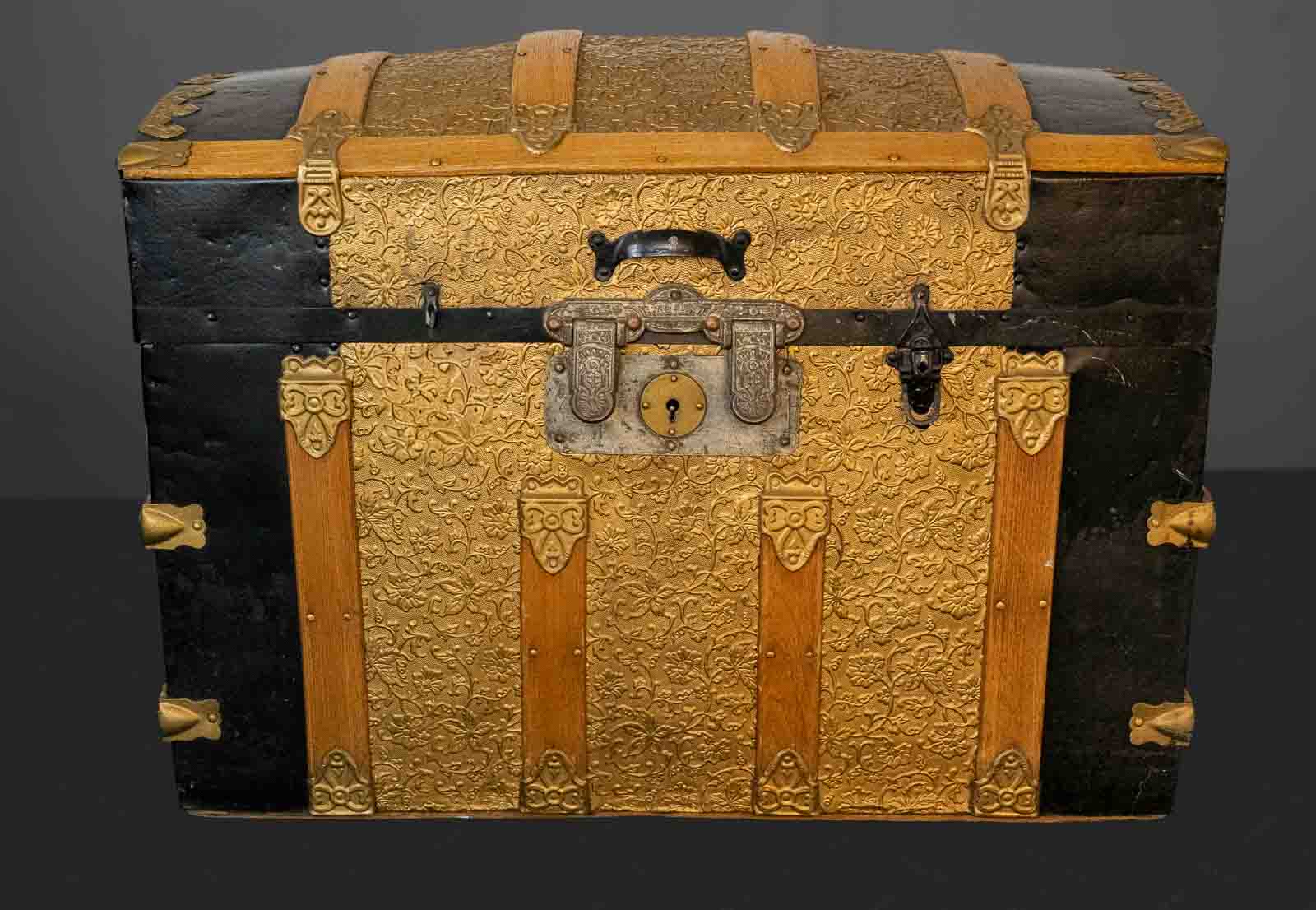
Thanks to information I have culled from different sources I know much more today about my immigrant grandfather and the family he raised in Eureka and about that ranch, but the picture is still flawed. My knowledge derives from many kinds of evidence, but also from memory: at times deliberate, at others triggered involuntarily by sights, sounds, and smells—the aroma of sagebrush that transports me suddenly to a remote valley in the Far West—or by inherited objects that become repositories of family lore. Prime among such objects for me is my grandfather’s trunk. My mother restored it—she loved working with antique furniture—and filled it with letters and photographs from her past, neatly arranged, always declaring that she “wanted me to have it.” It took me seventeen years before I was able to sift through the material contained therein, a treasure trove of information about our family’s heritage. I doubt that I will ever be able to piece together fully the puzzle—the mysteries and memories—that it contains. Most of all, I wonder so often what messages she wanted to convey. One of them was surely the importance of remembering.
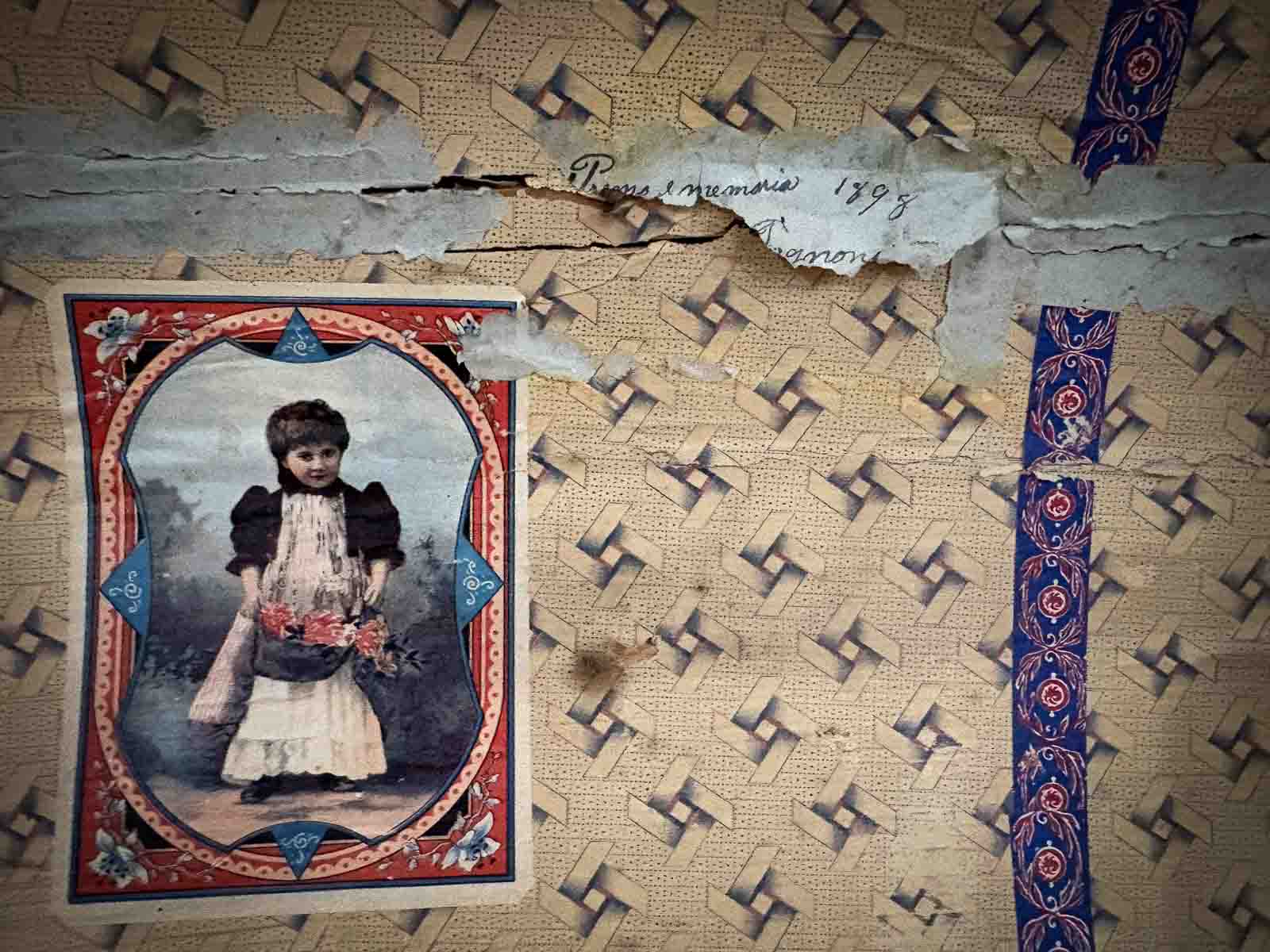
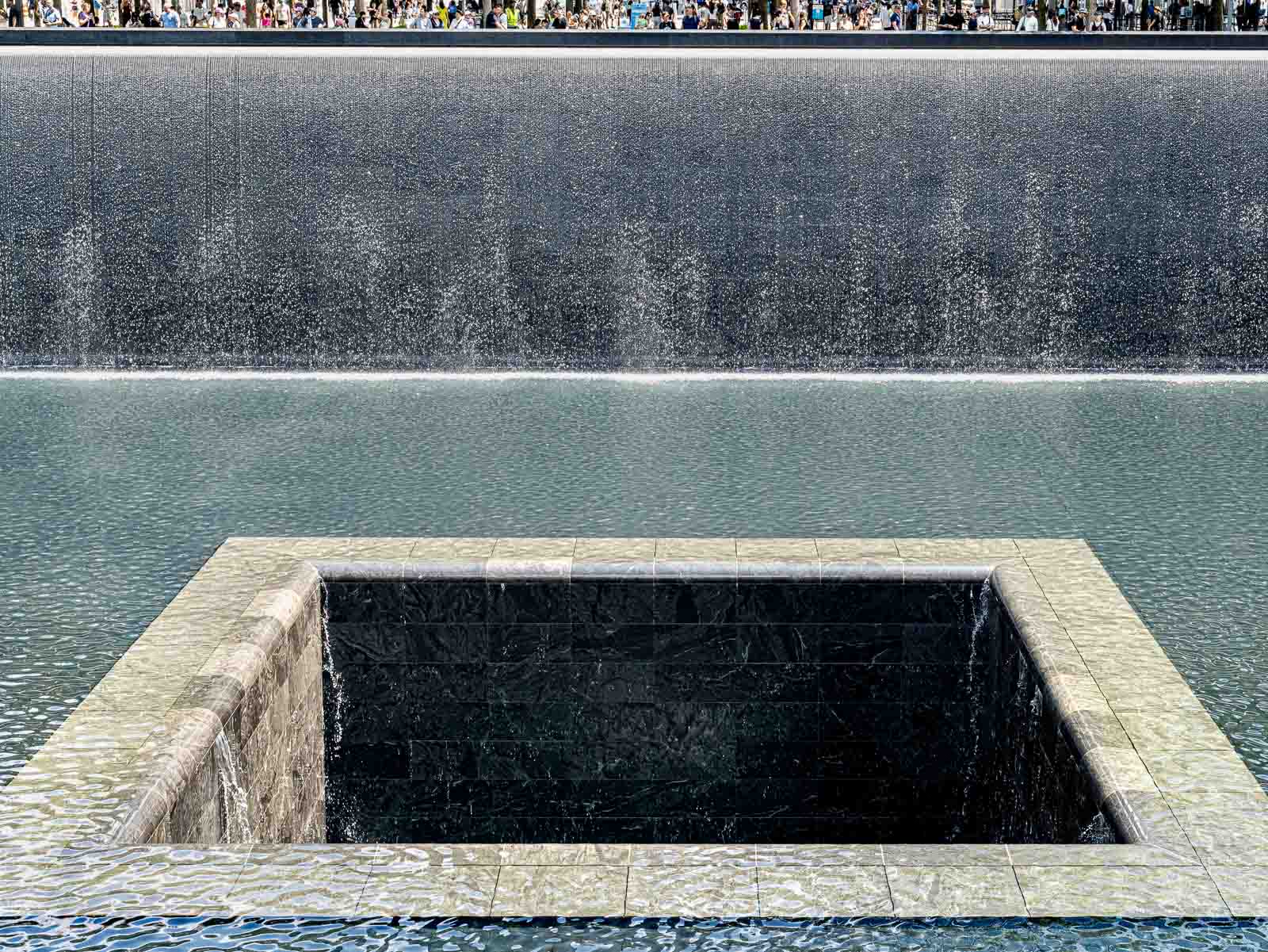
Above all, my mother taught me to appreciate as deeply human the irrepressible drive to search for truths that are inevitably elusive. I have come to understand more fully that the moments and monuments that fill our lives and public spaces represent our impulse to remember and commemorate. They have a truth of their own. Purposefully sharing such moments—a family trip back to a ranch on the open range, for instance—or creating a public monument, such as the 9/11 Memorial we visited with our grandson after Castle Garden, are deliberate acts of remembrance: sites and rites through which collective memory is concretized and codified. We organized our trip to New York City to do just that: to help him understand how we inscribe our shared histories upon our urban landscapes and in our family lore.
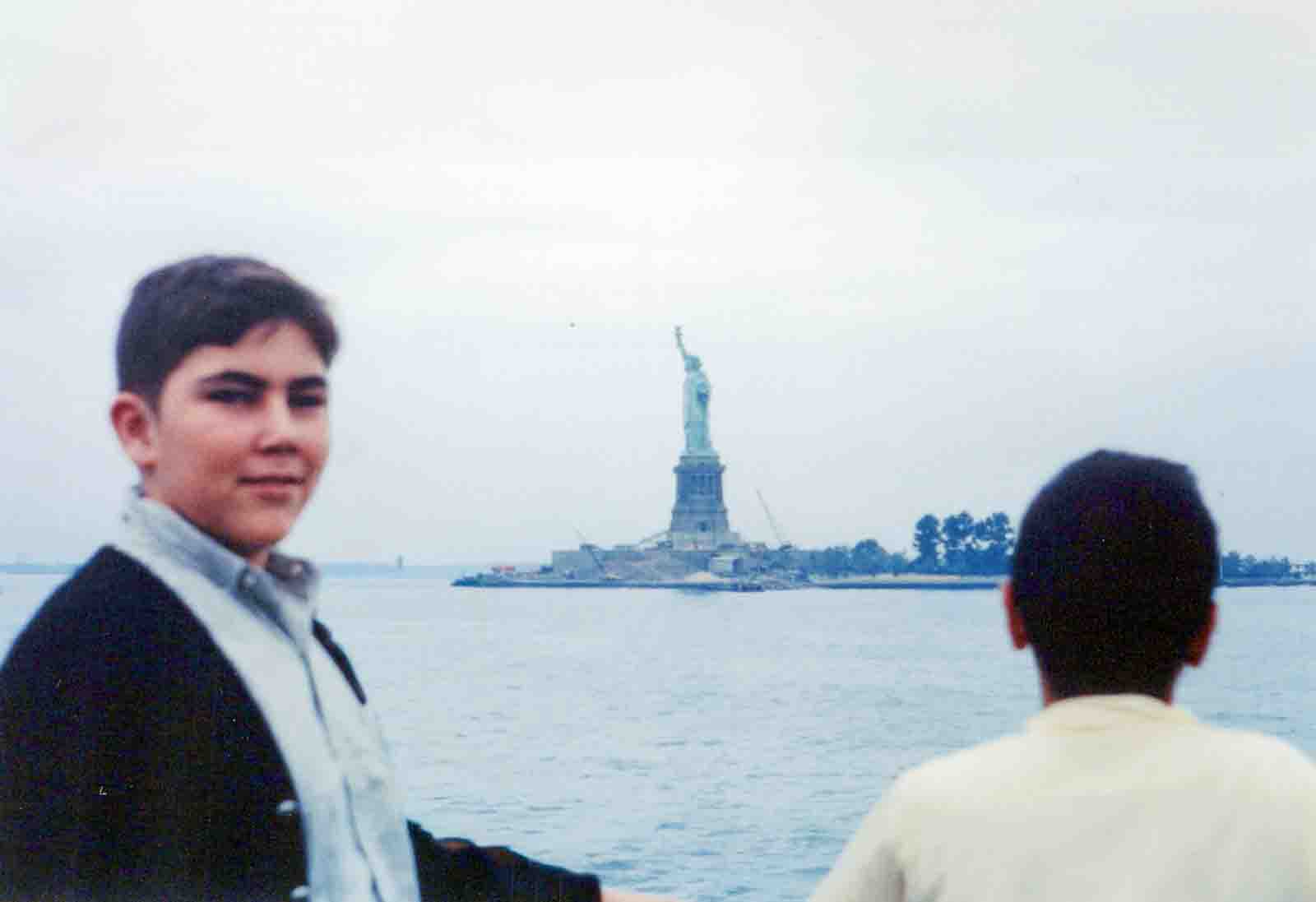
We also told our grandson, standing in Battery Park, that not only had his great-great-grandfather entered the country through Castle Garden, in what must seem to him like prehistory, but that his own grandfather had made his first trip to this city at the same age, thirteen. Another layer, perhaps, in his understanding of New York as a crossroads in our own family history.