Venice Dreams
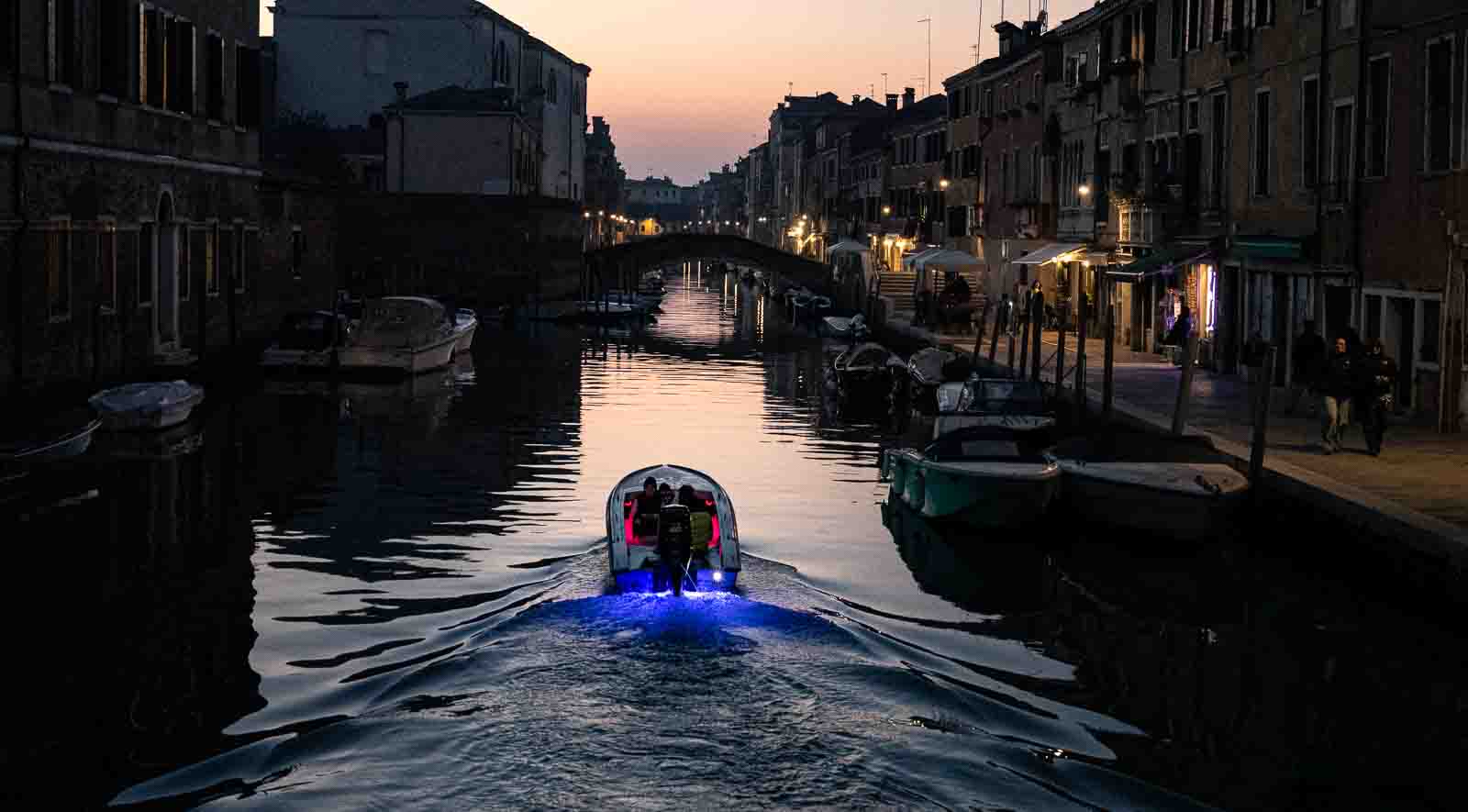
In fact, the whole city, especially at night, resembles a gigantic orchestra, with dimly lit music stands of palazzi, with a restless chorus of waves, with the falsetto of a star in the winter sky.… — Joseph Brodsky, Watermark: An Essay on Venice
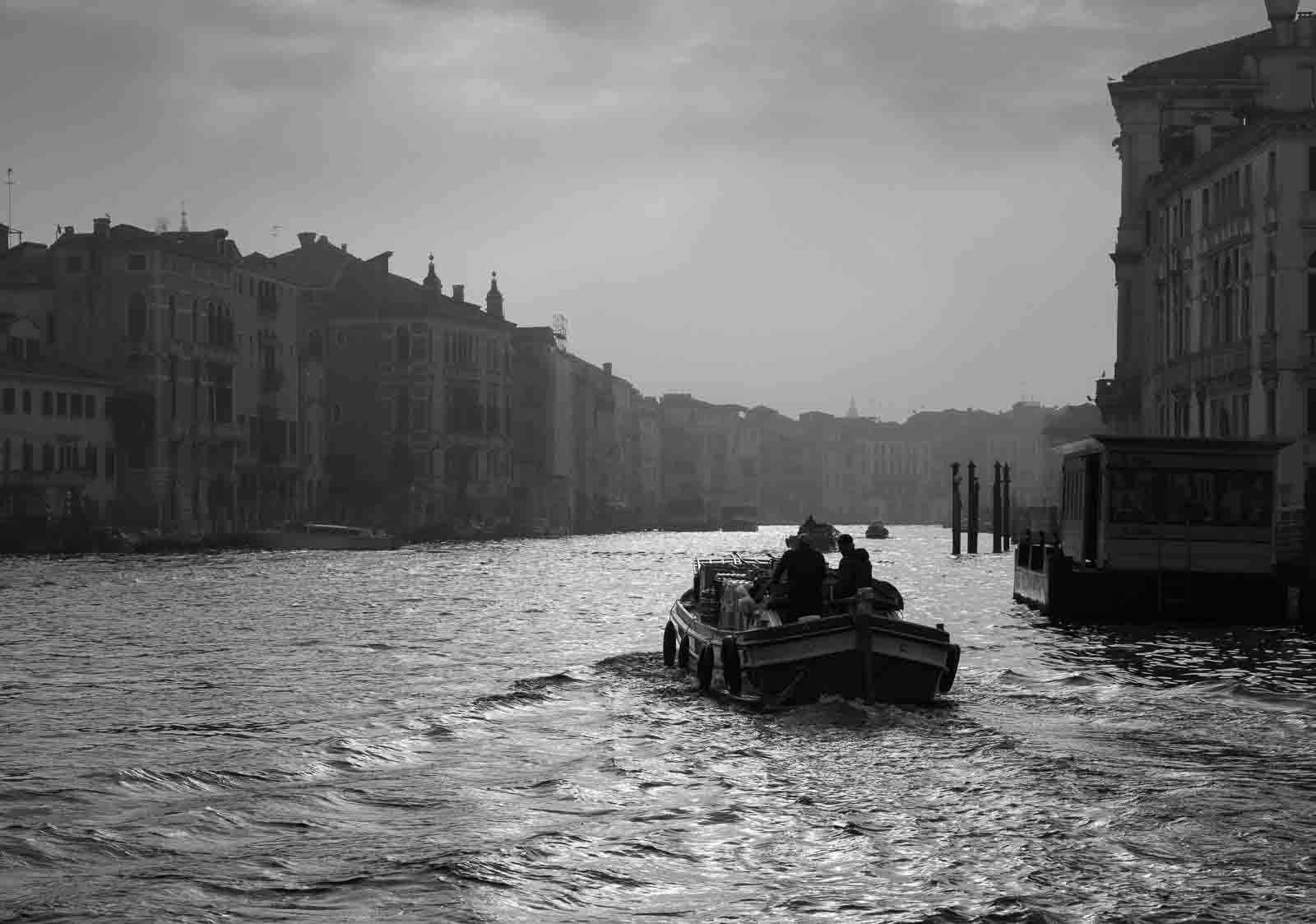
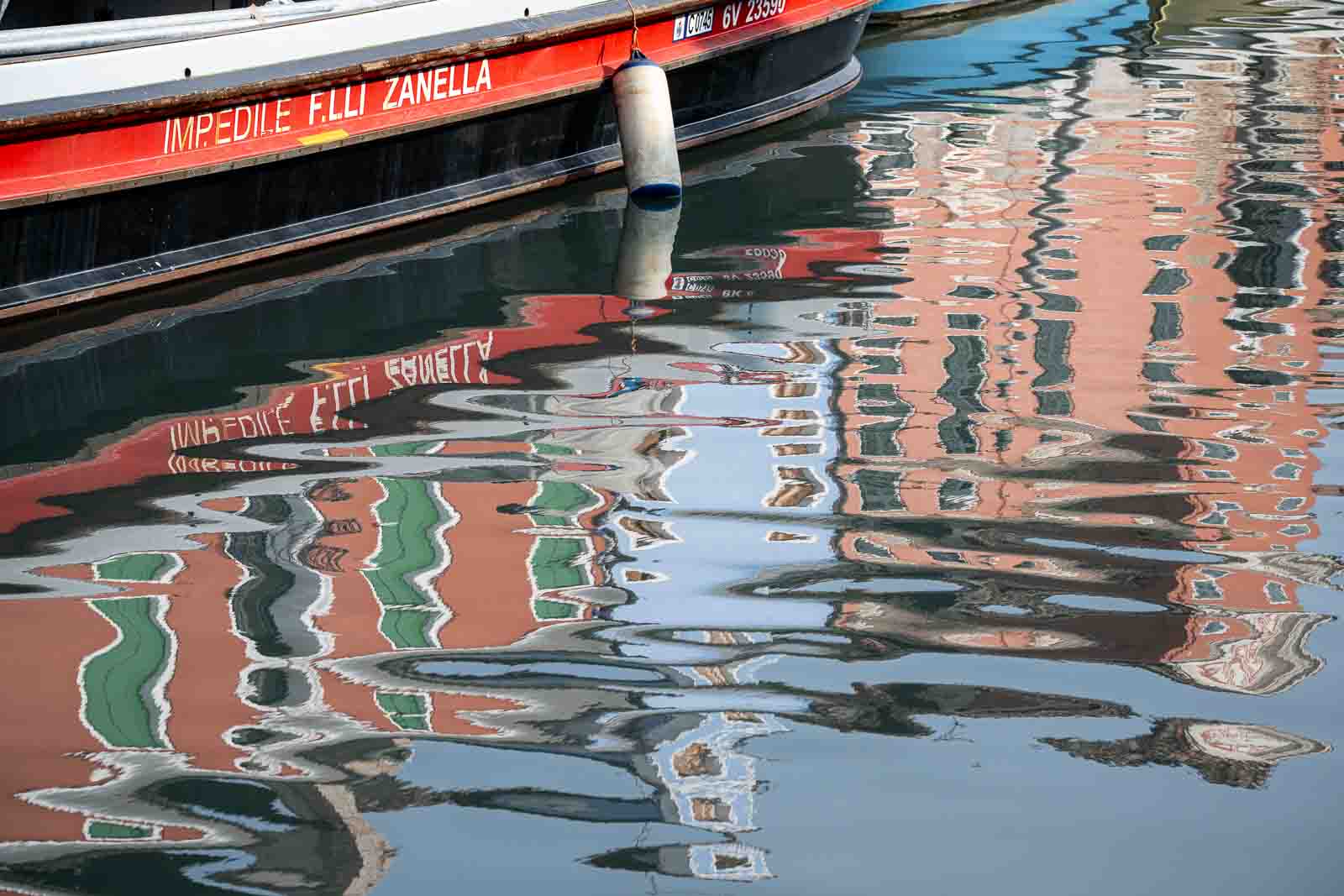
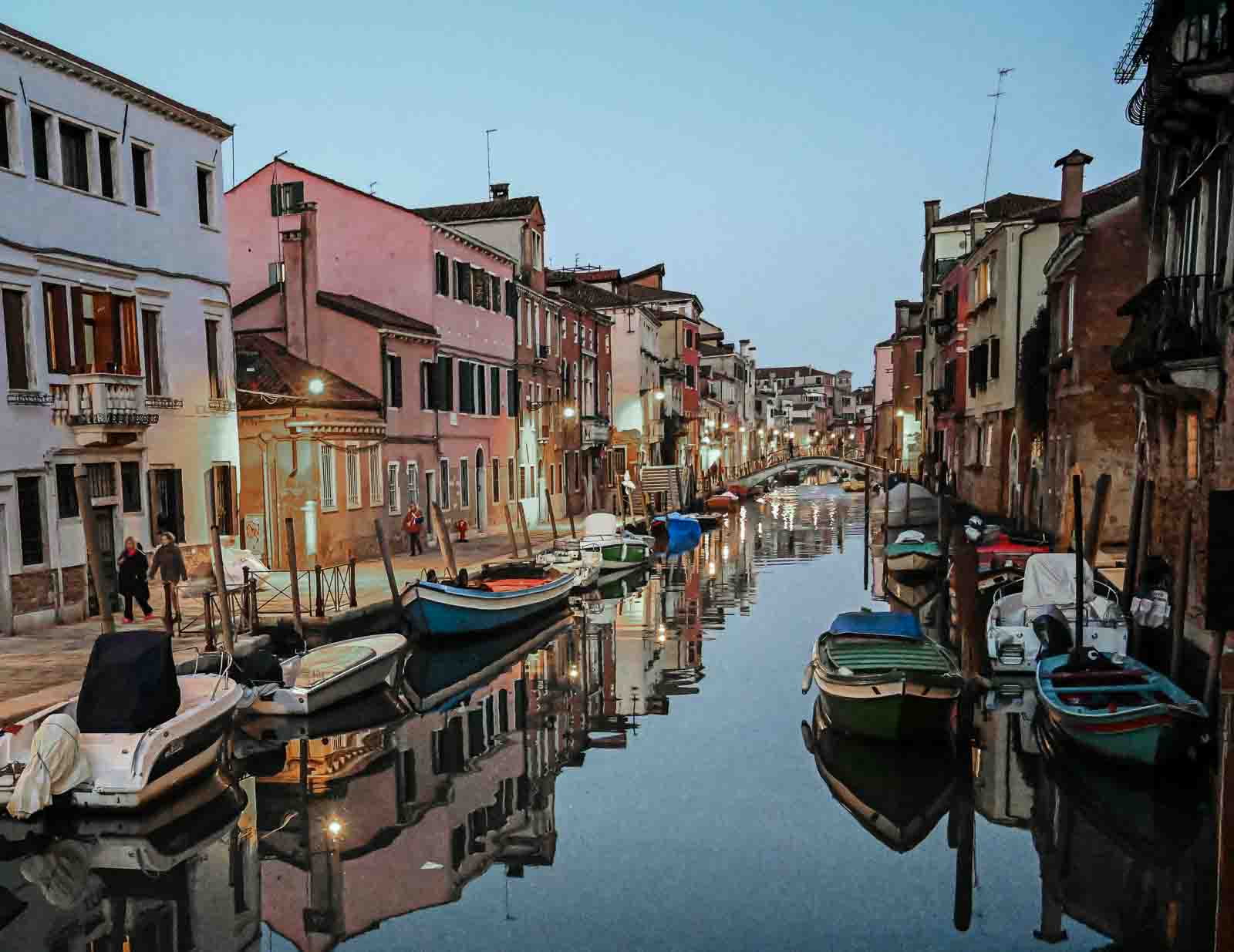
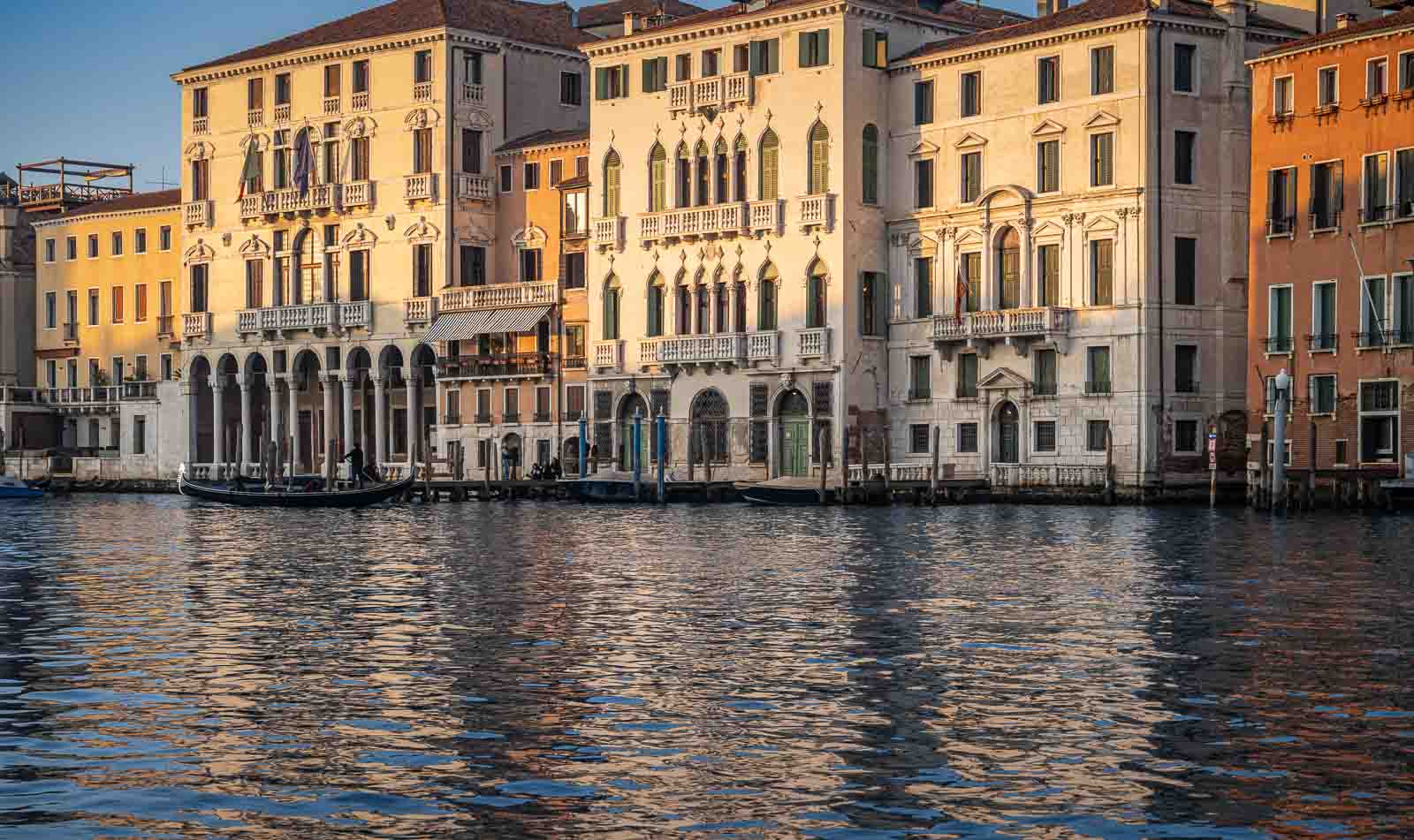
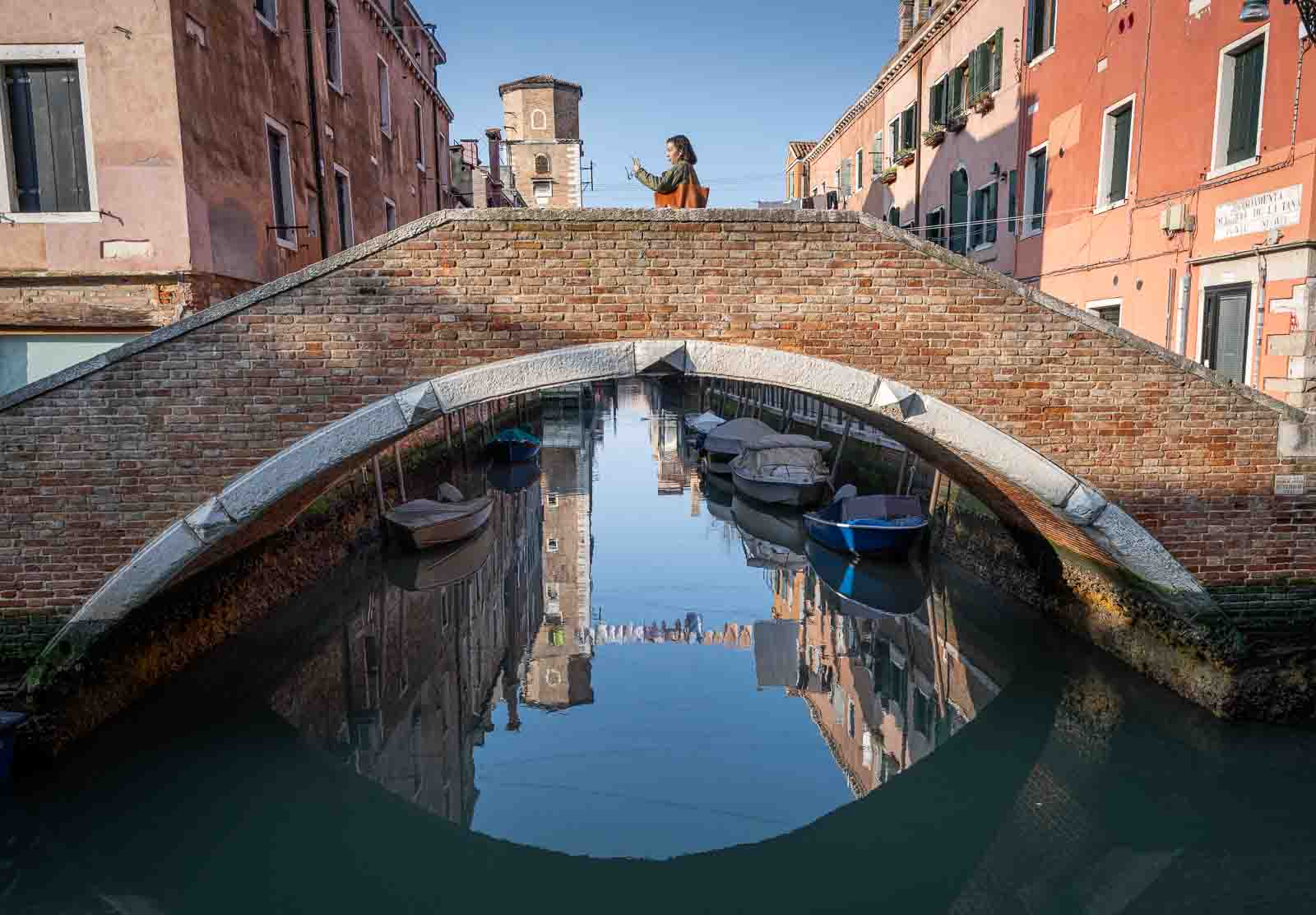
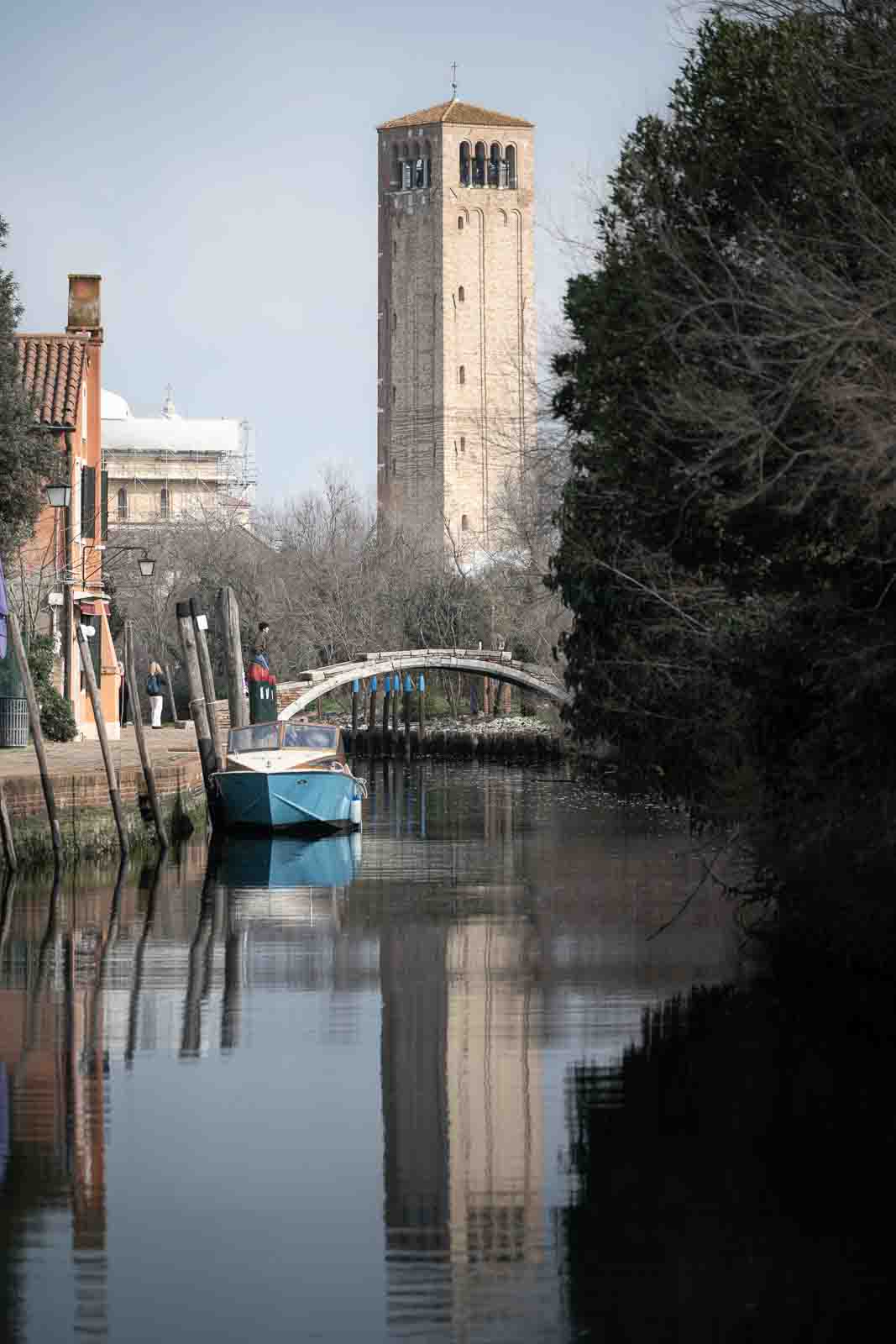
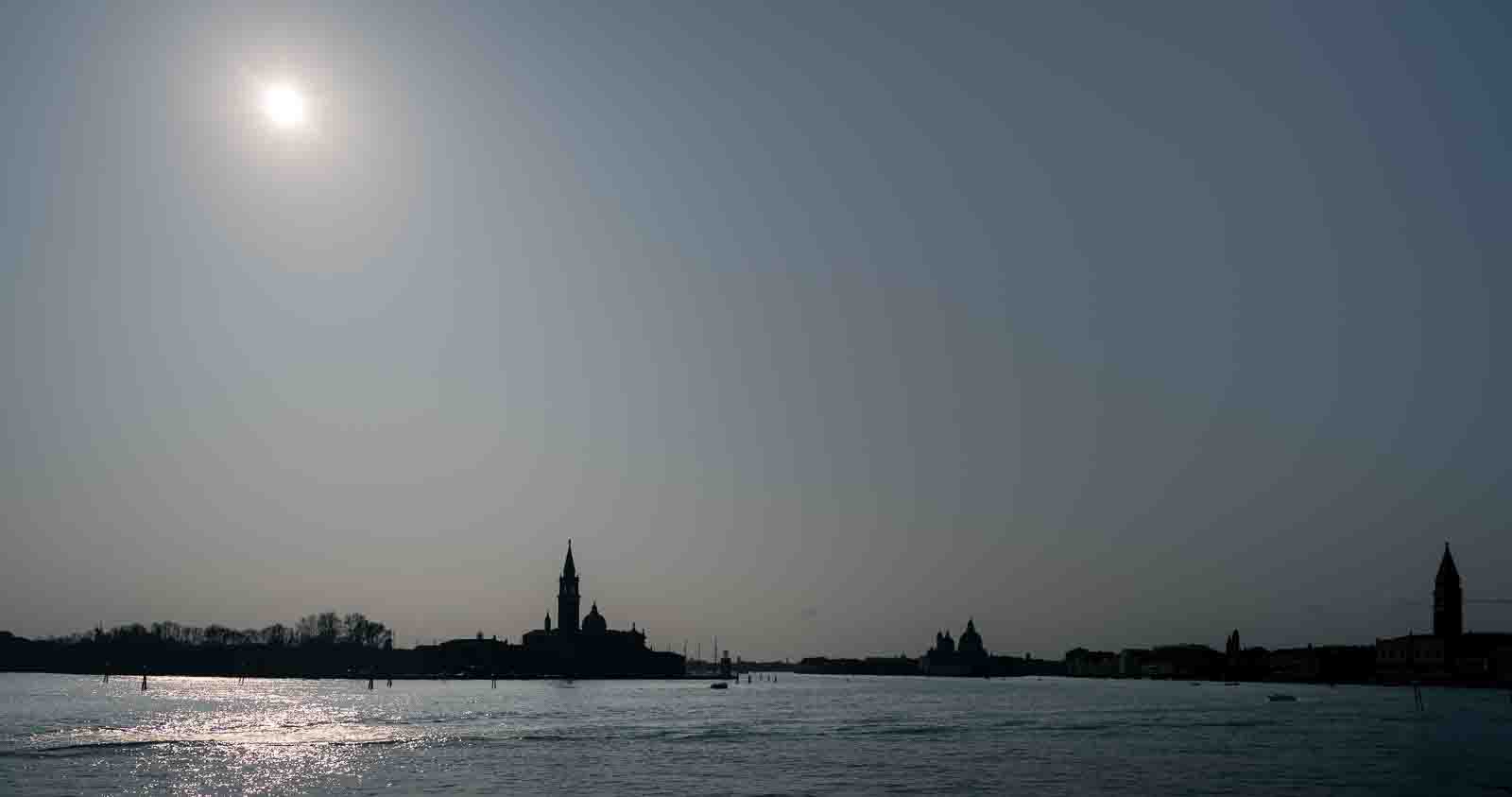
The interplay of light and water in Venice works upon the senses in seemingly unaccountable ways. Echo and reflection—sound and image—collide and dissolve into one another, until memory and matter appear no longer to be distinct. Venice is not simply seen; it is apprehended, as Joseph Brodsky suggests, through a kind of heightened, almost involuntary perception.
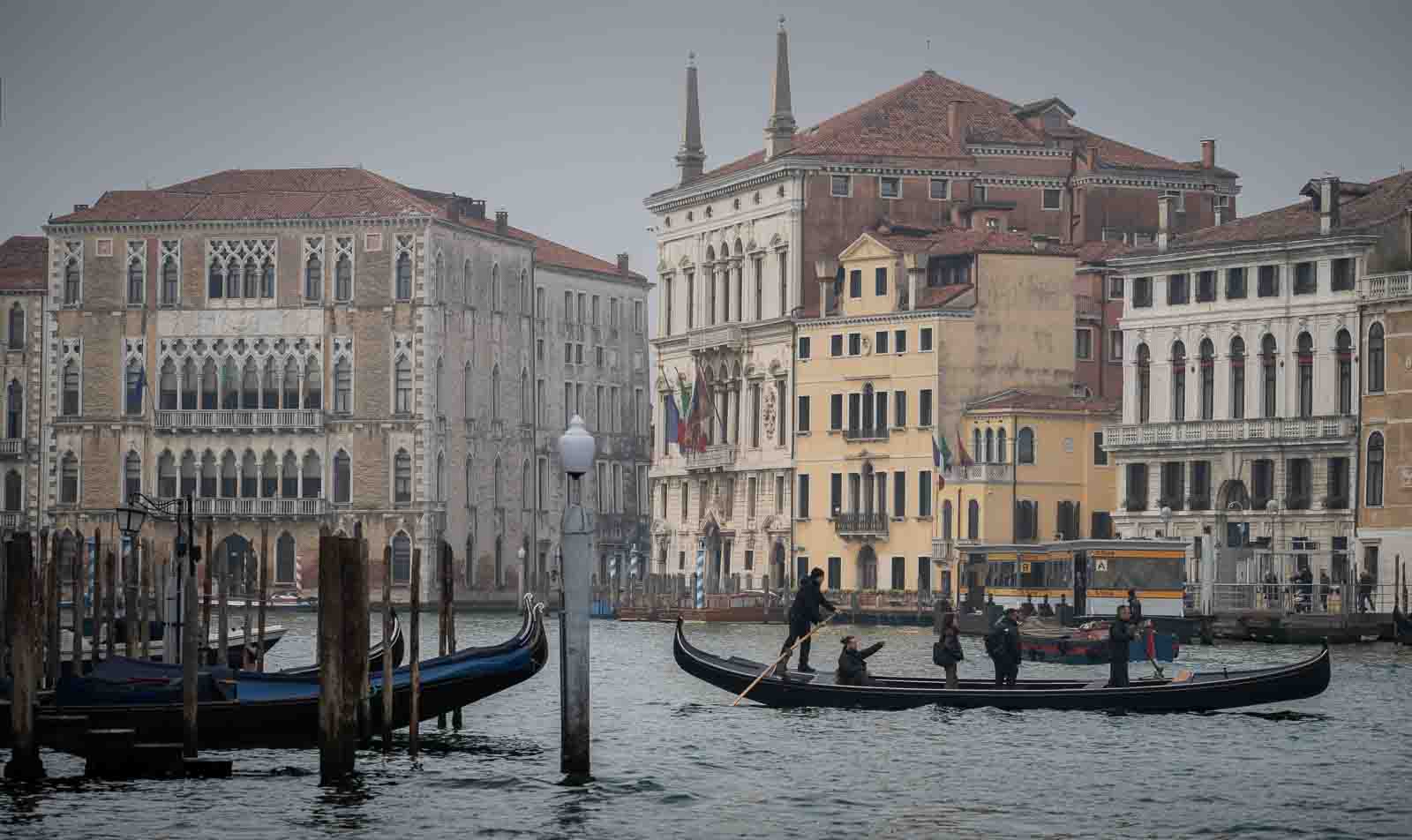
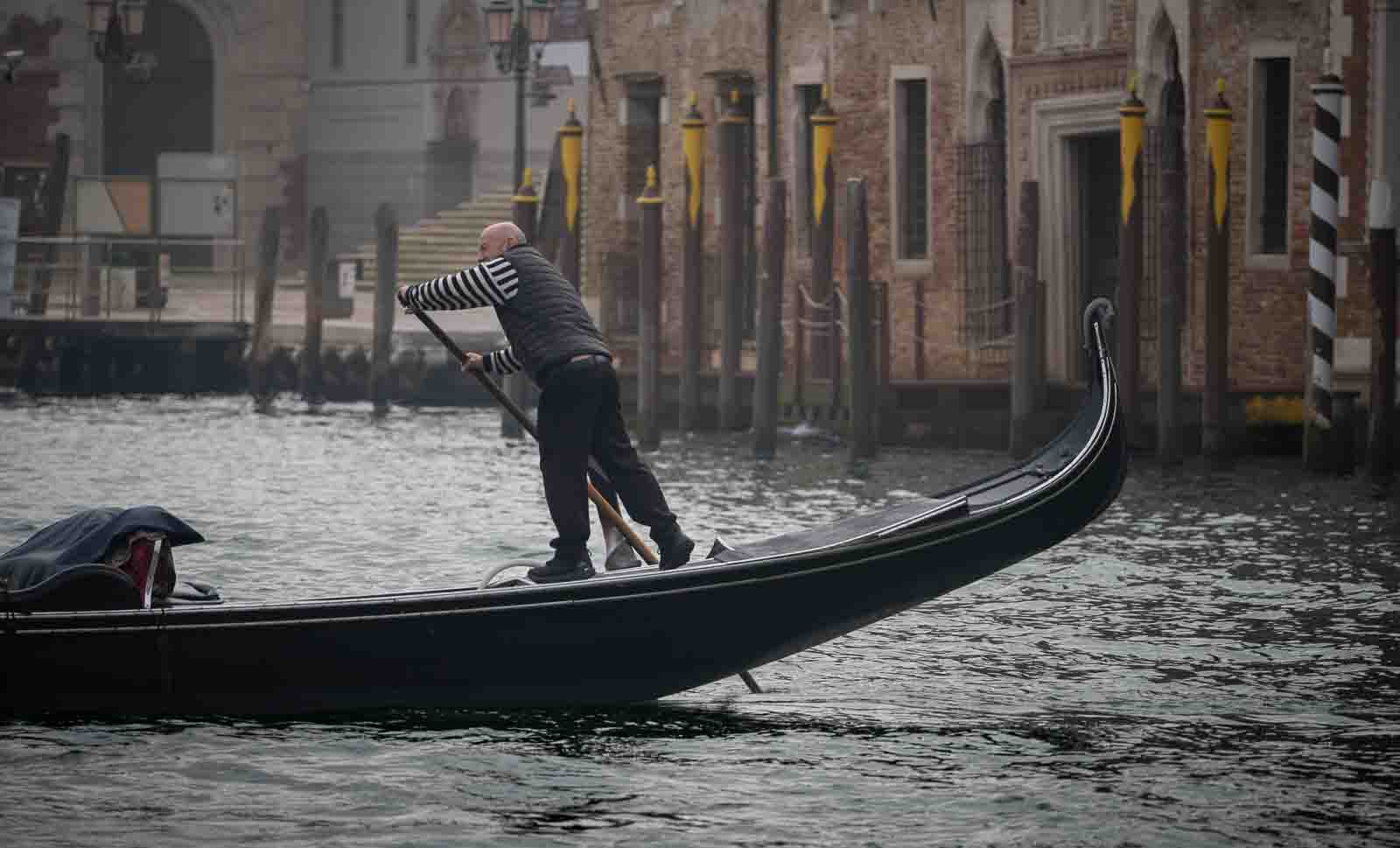
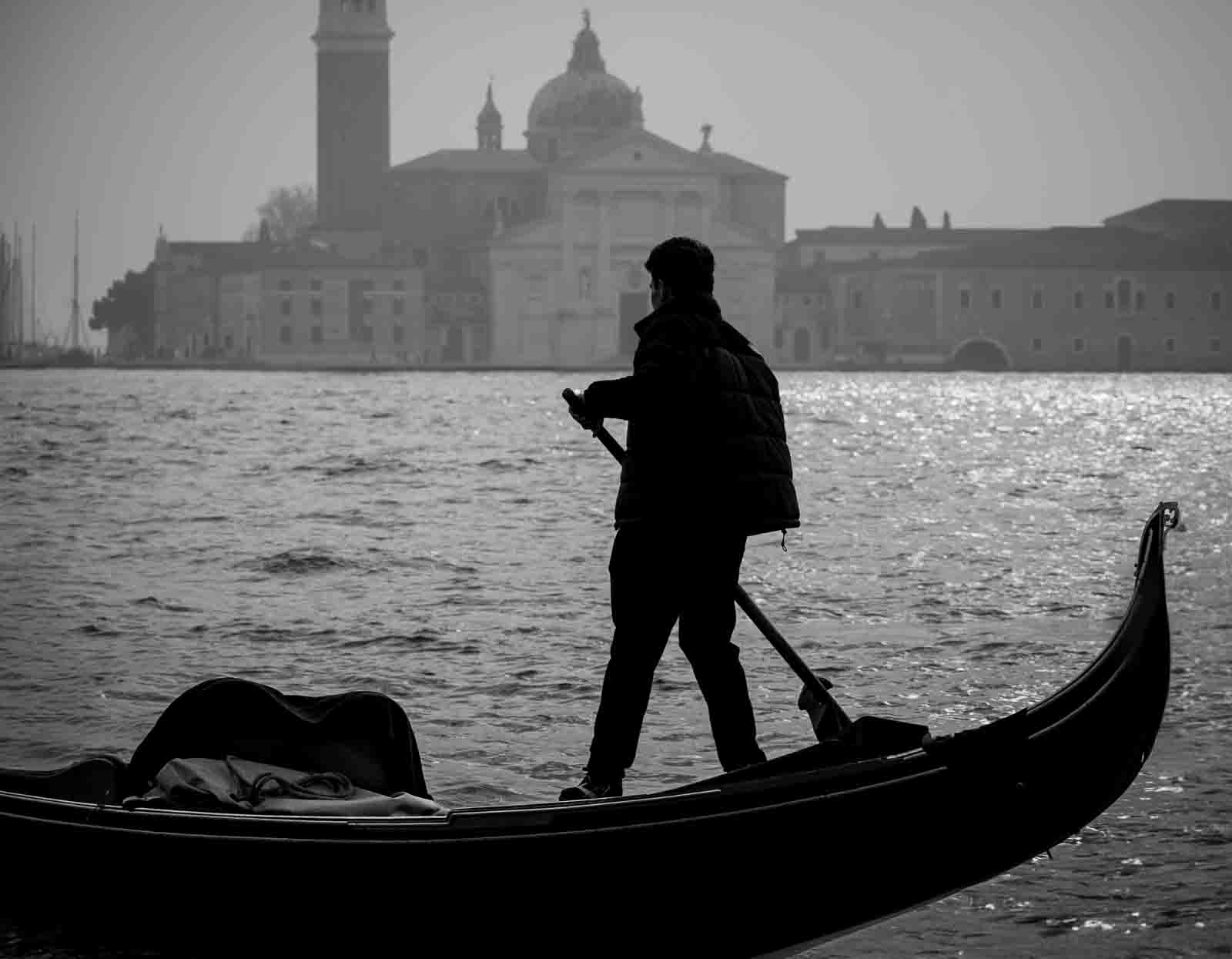
Synesthesia strikes me as uniquely relevant for thinking this city. The rose-gold rays of the setting sun seem to lament as they reverberate across the mosaics on the facade of St. Mark’s Basilica. The sea resounds in a restless chorus, rippling along the canals and brushing against the oars of passing gondolas. The winter sky joins in with the high-pitched “falsetto” of faint and distant star.
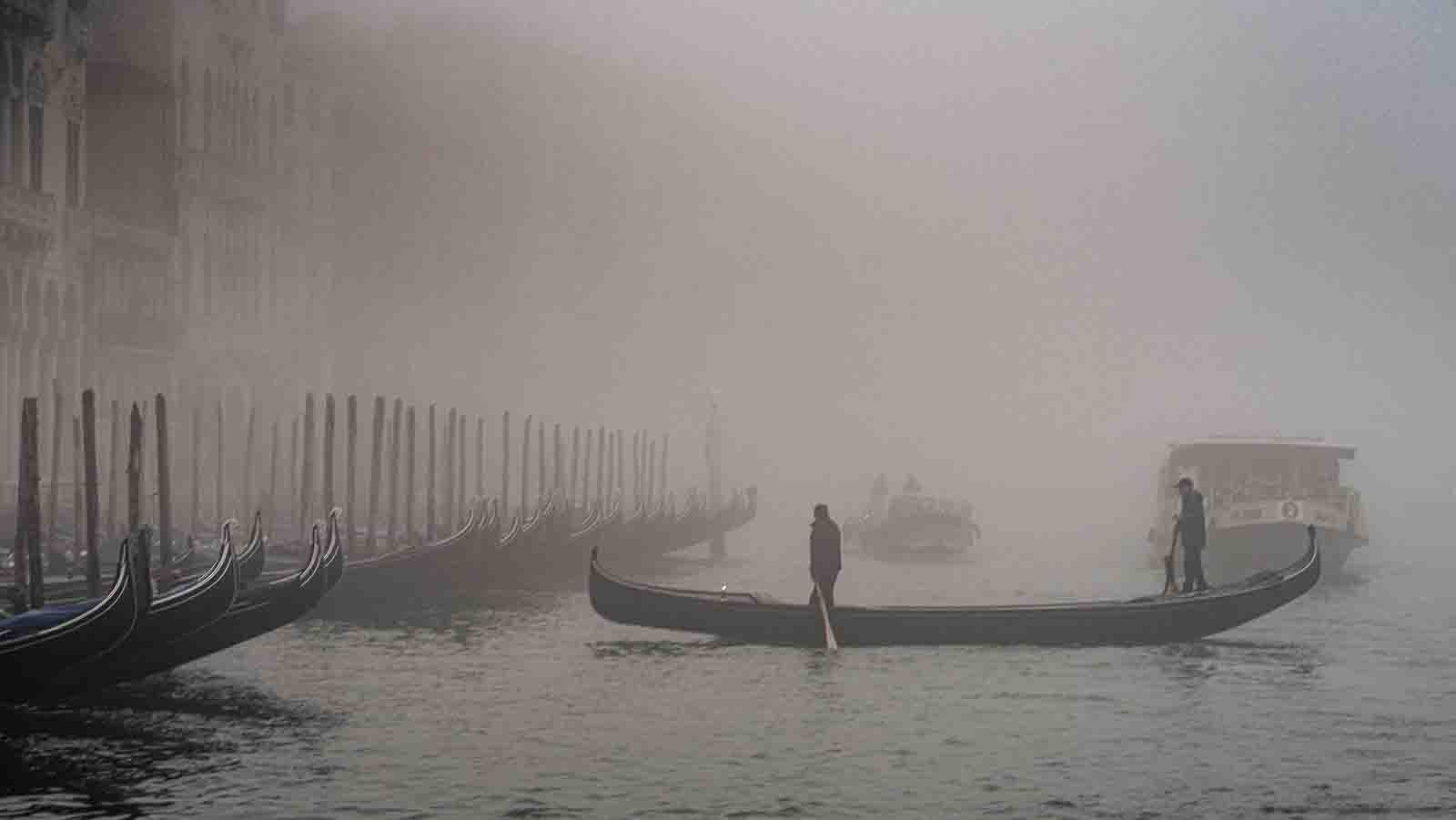
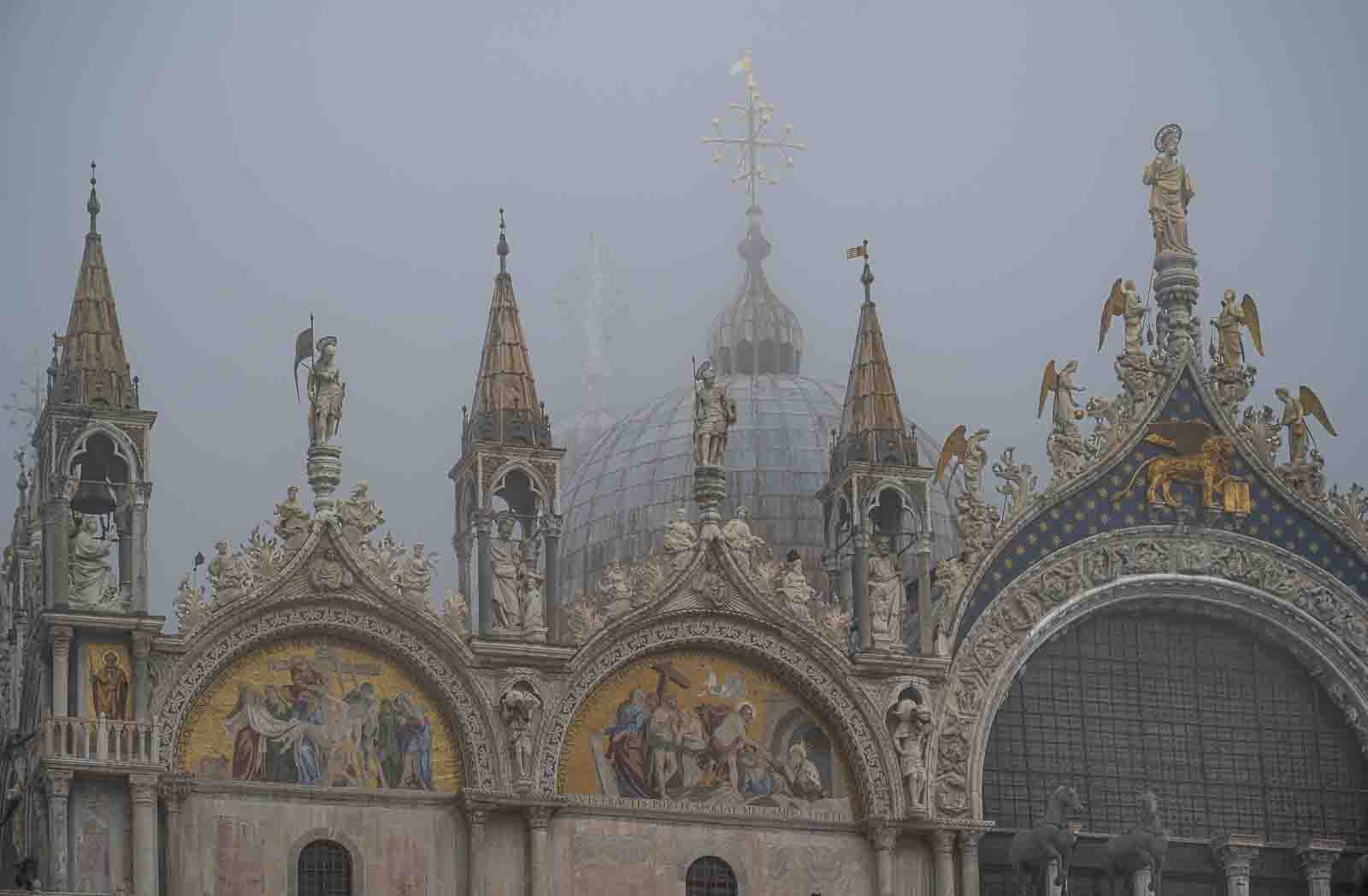
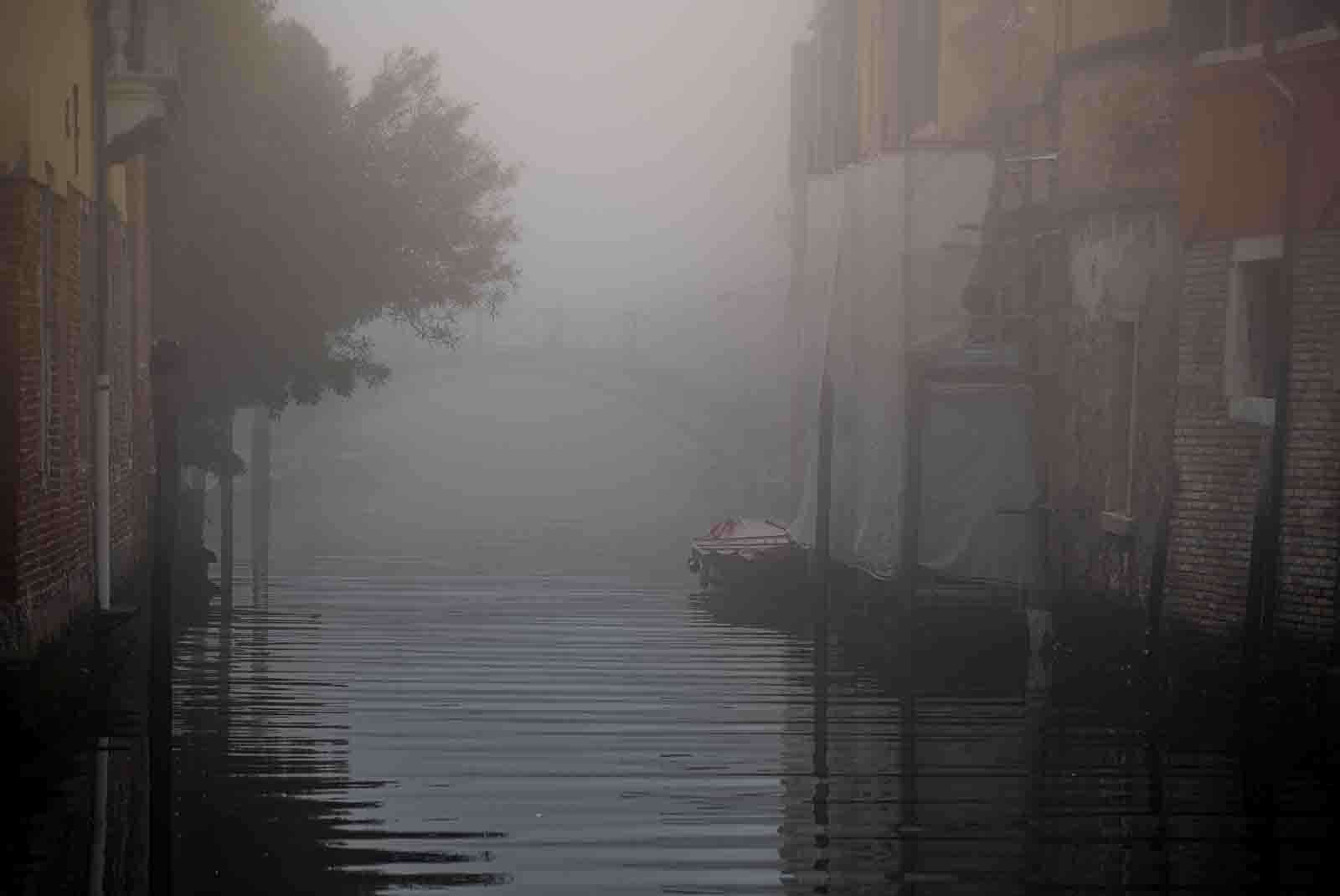
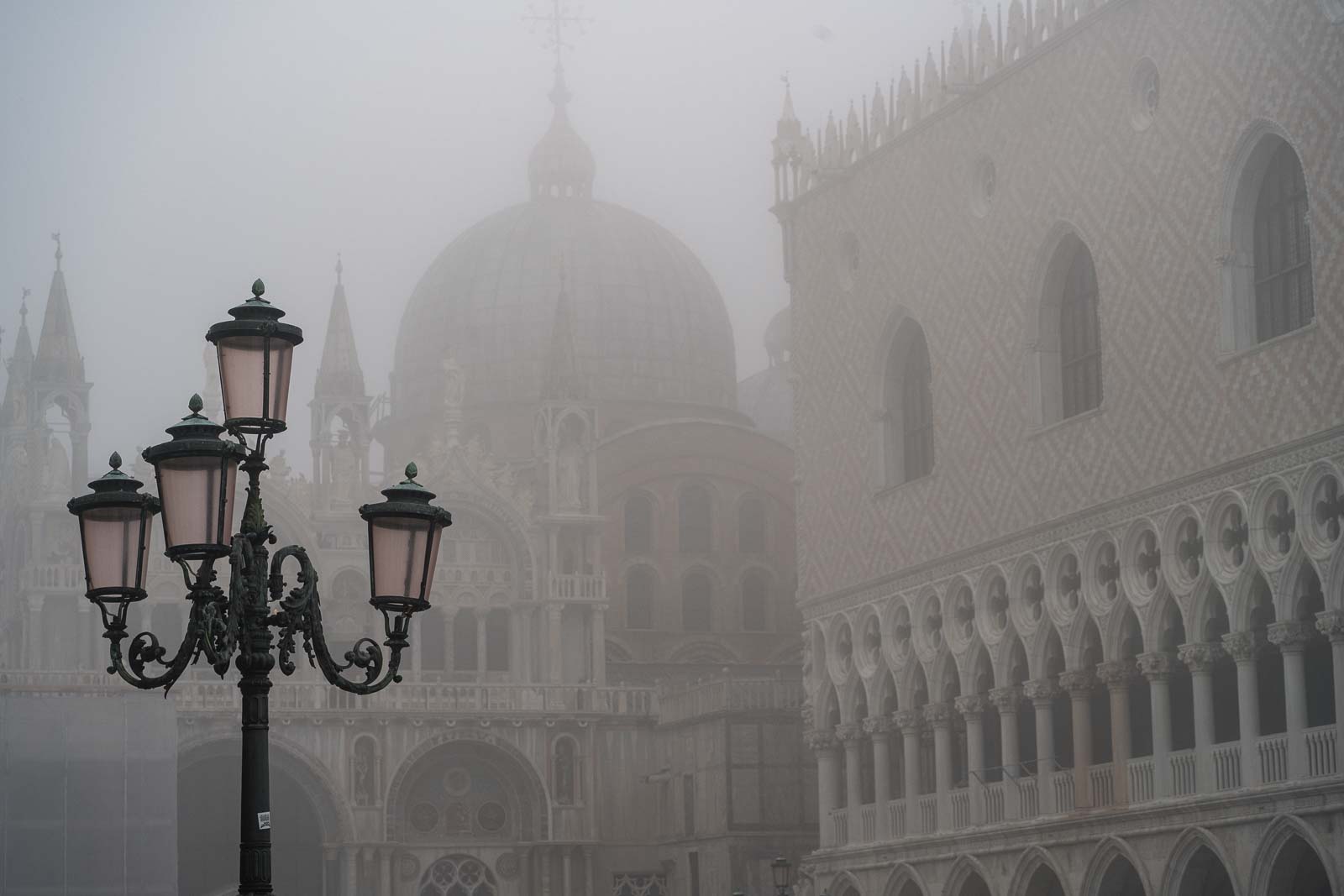
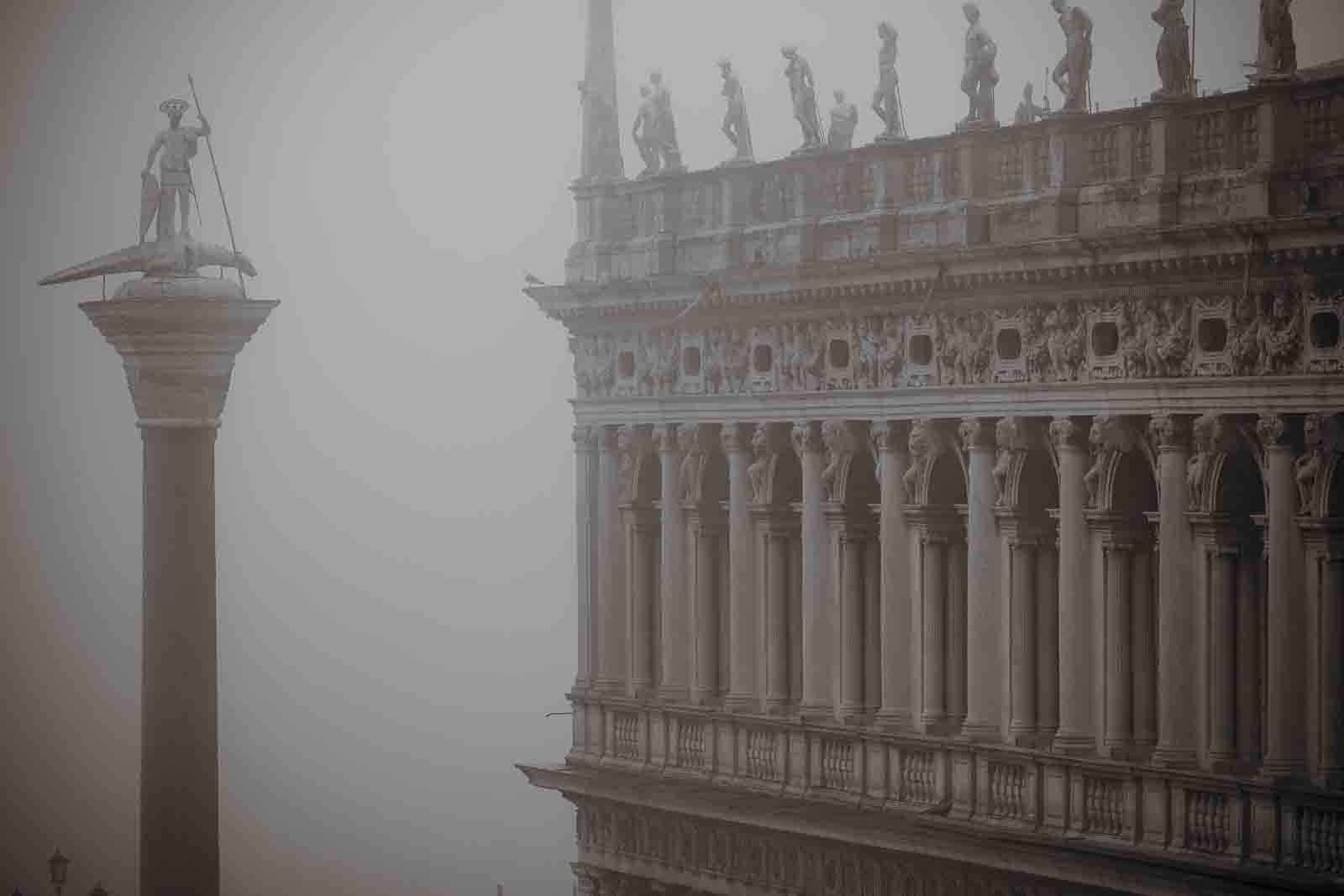
And then there is the fog.
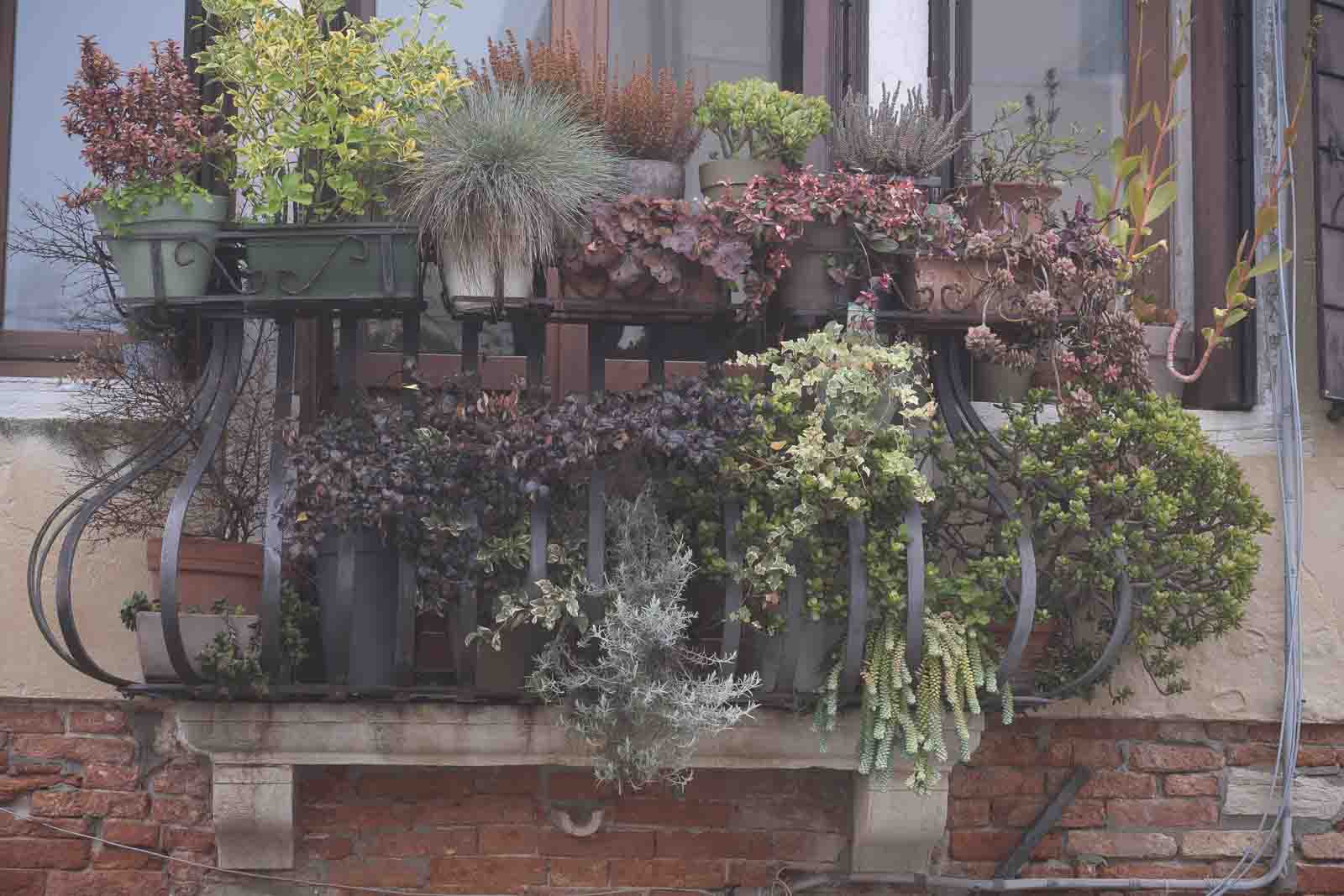
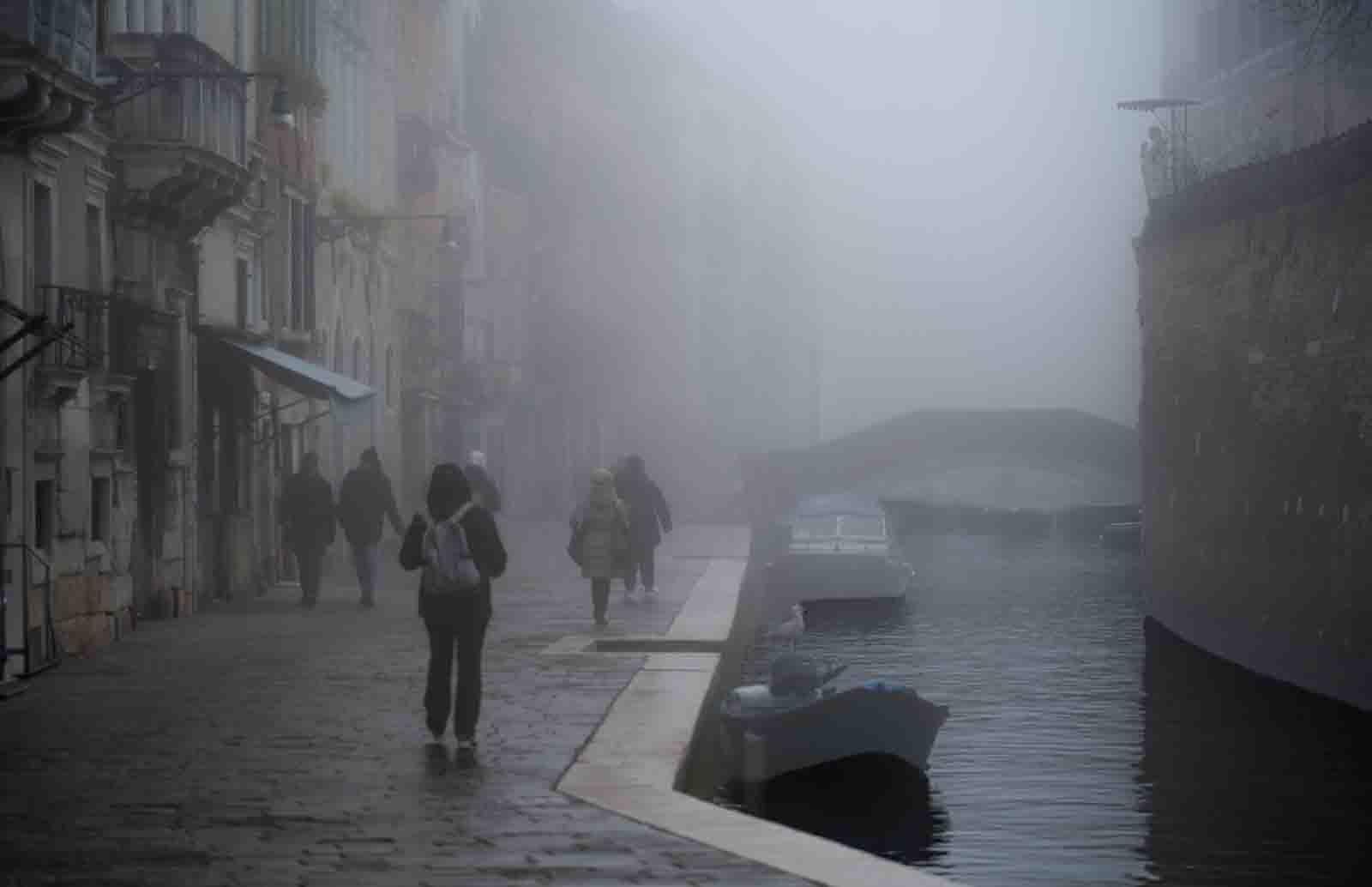
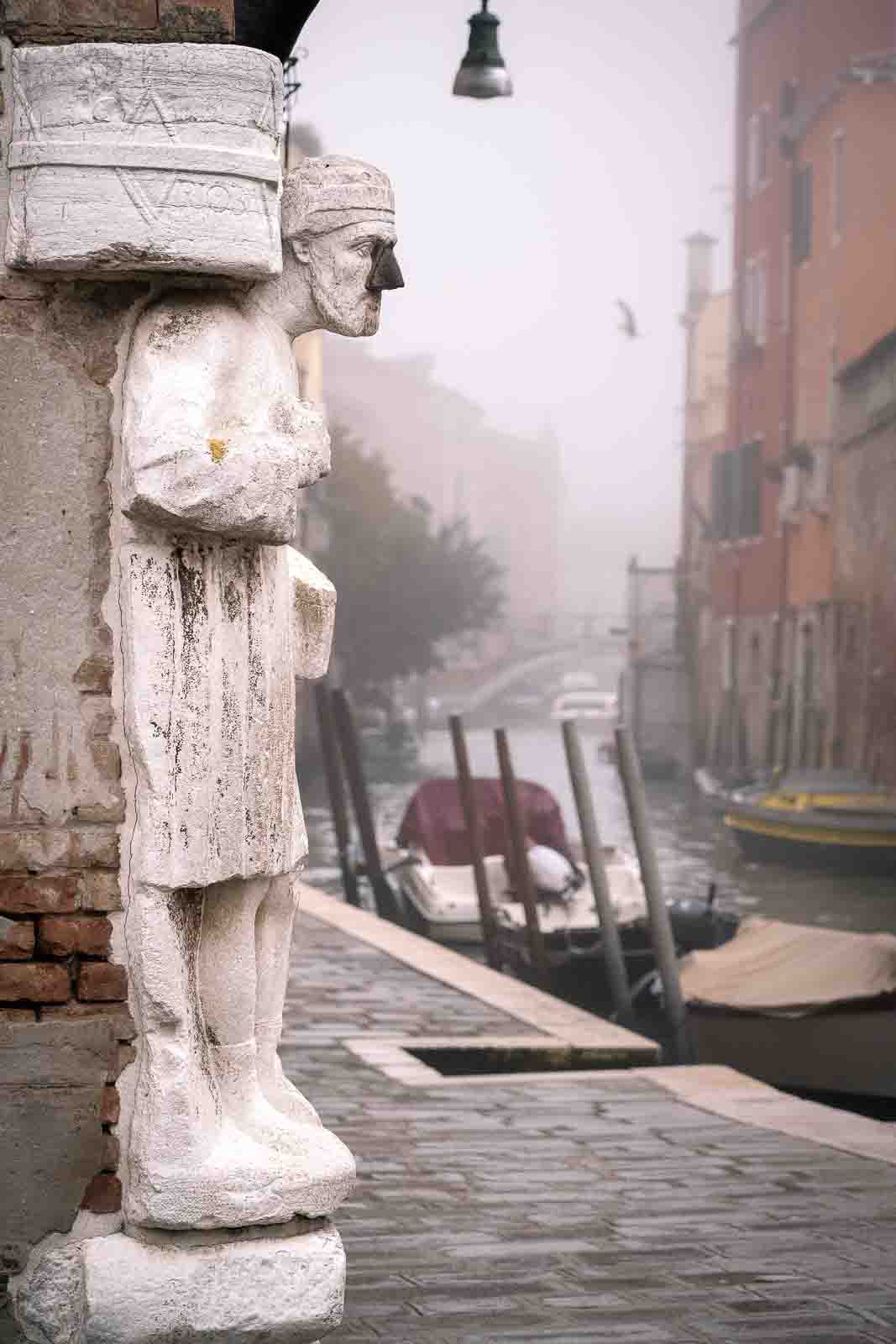
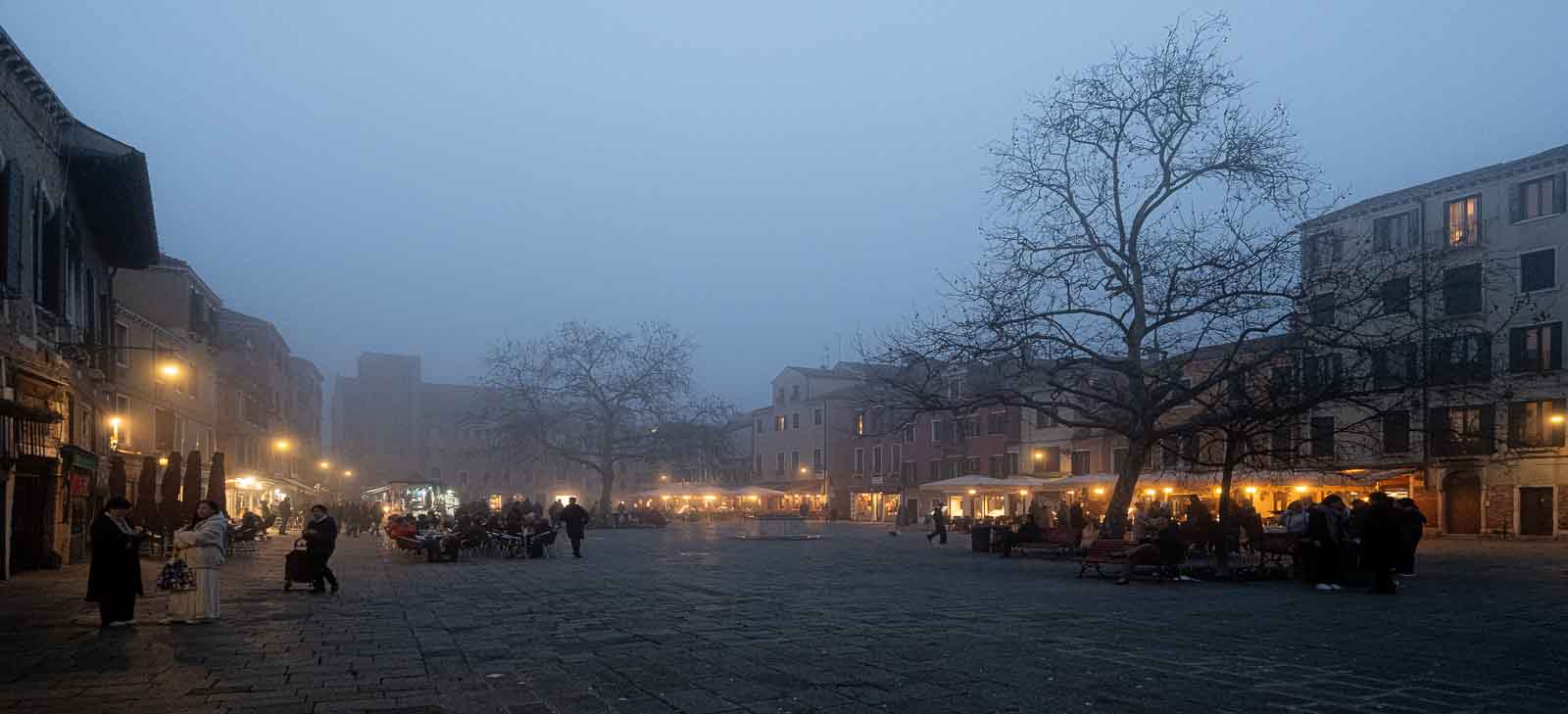
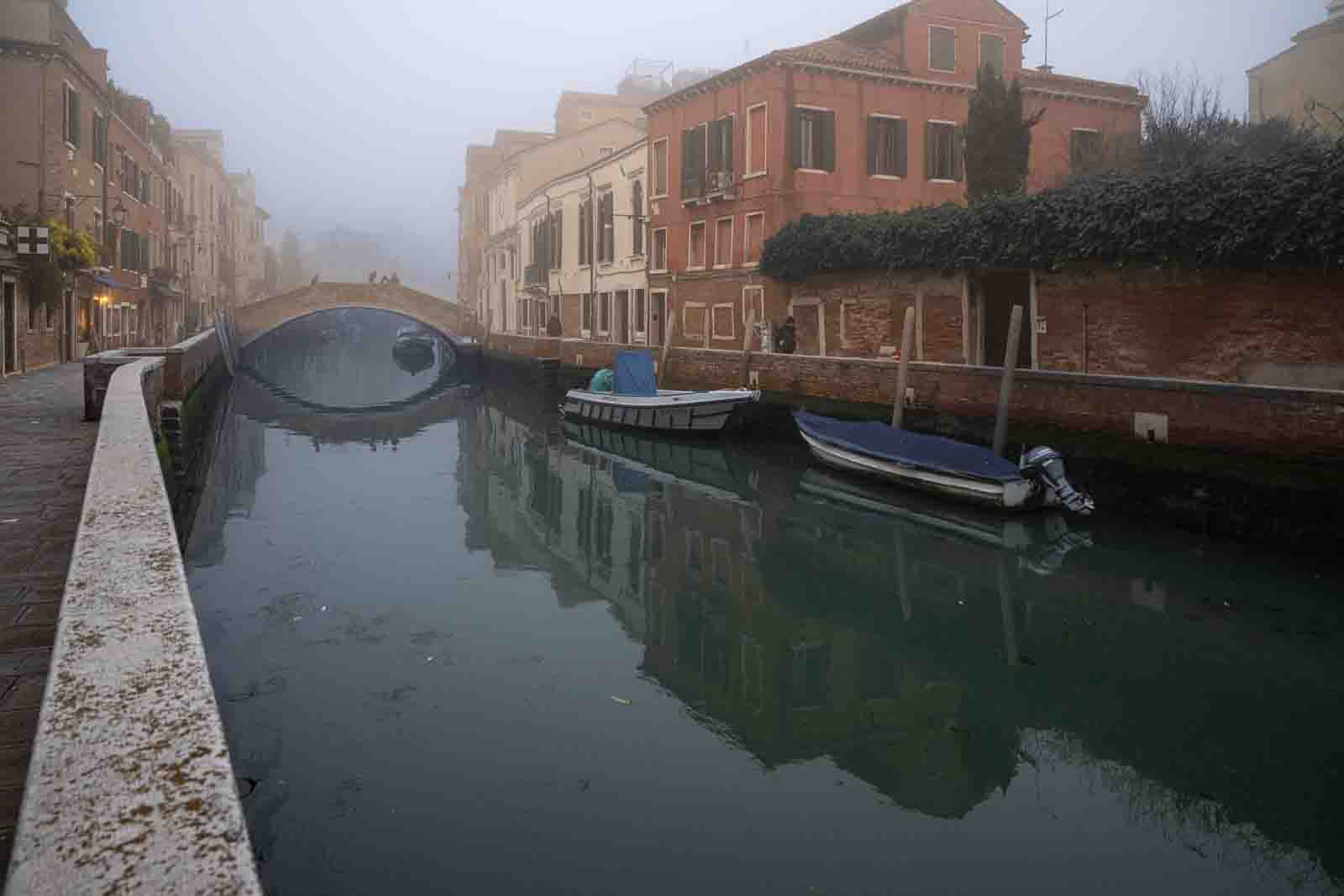
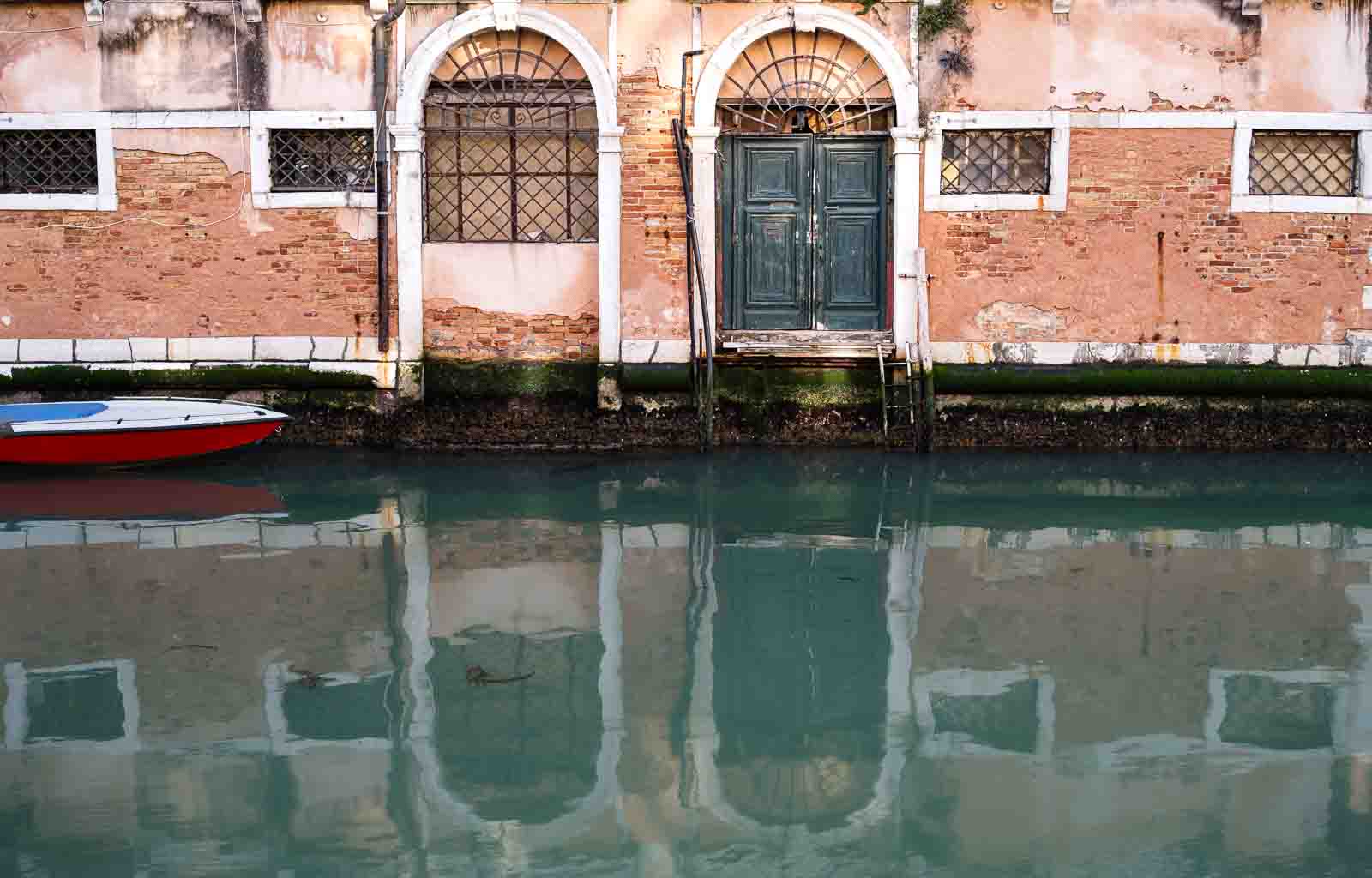
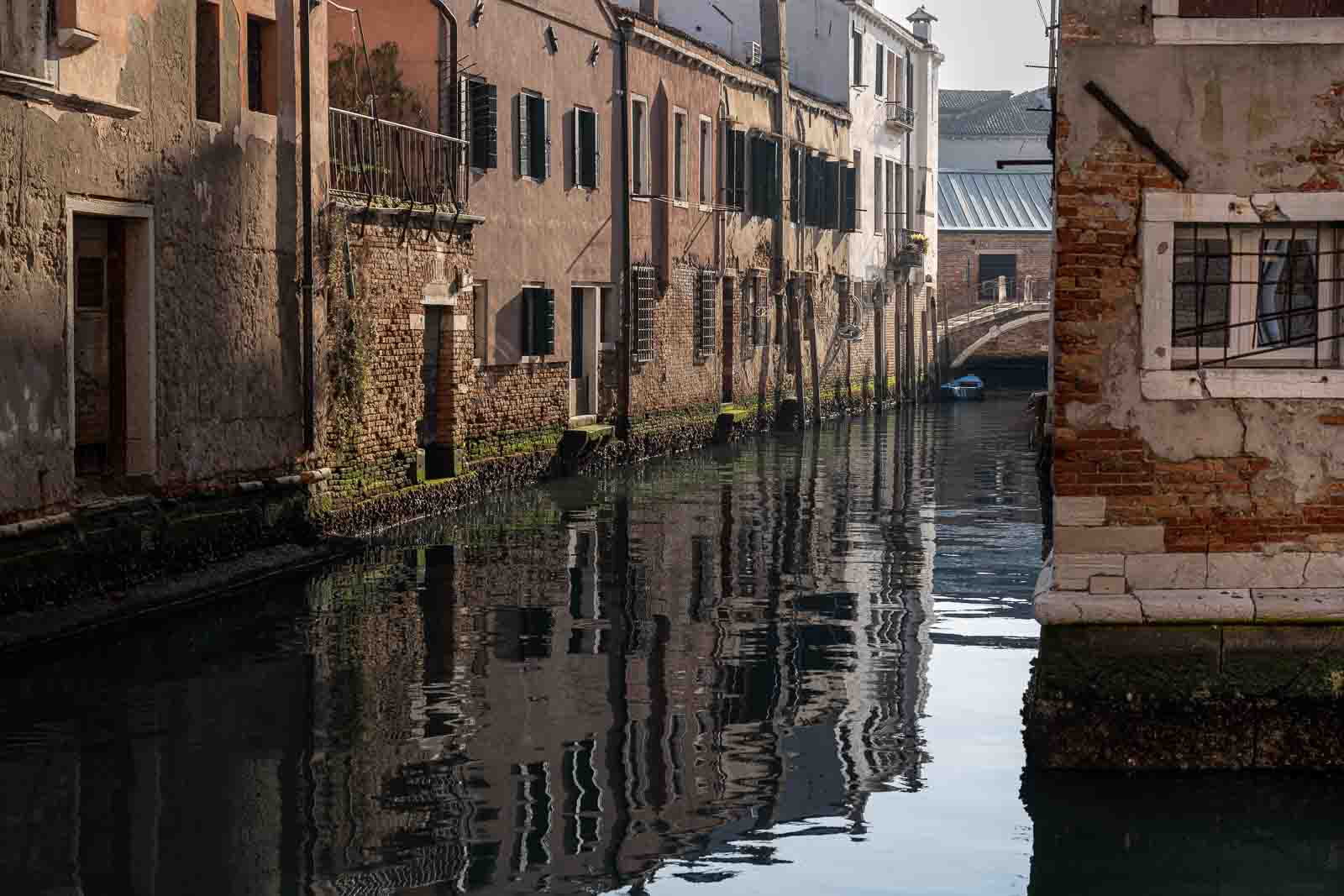
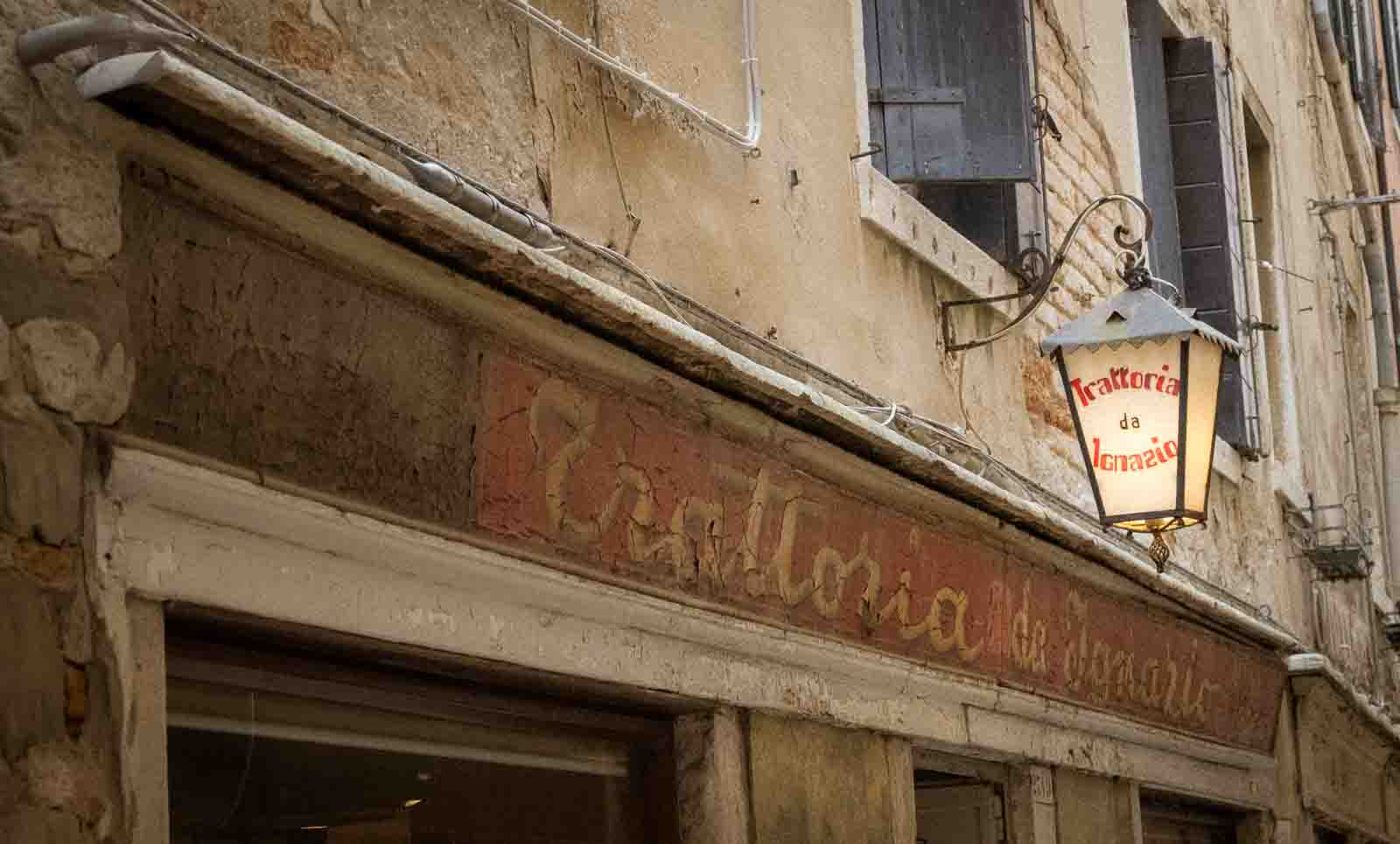
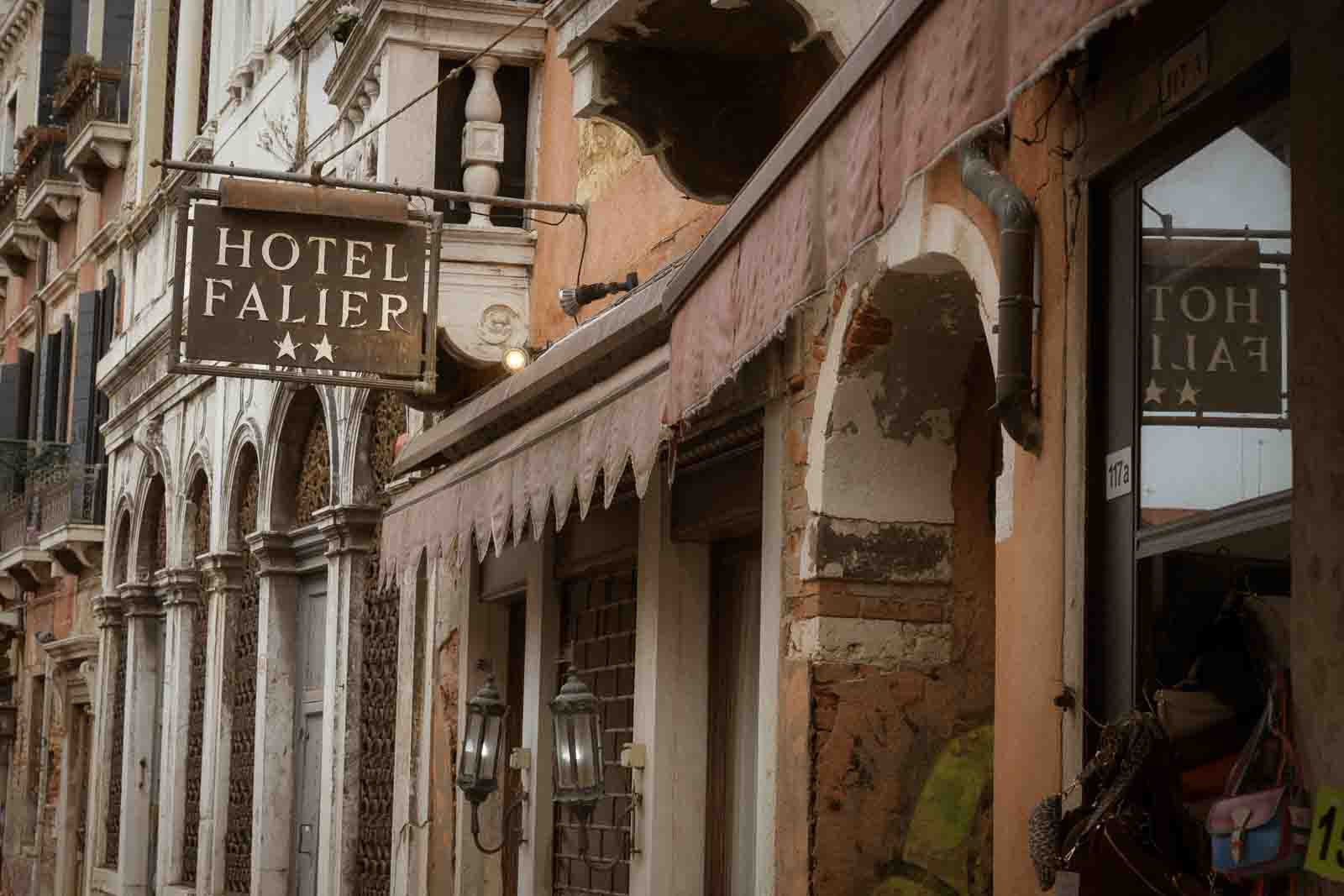
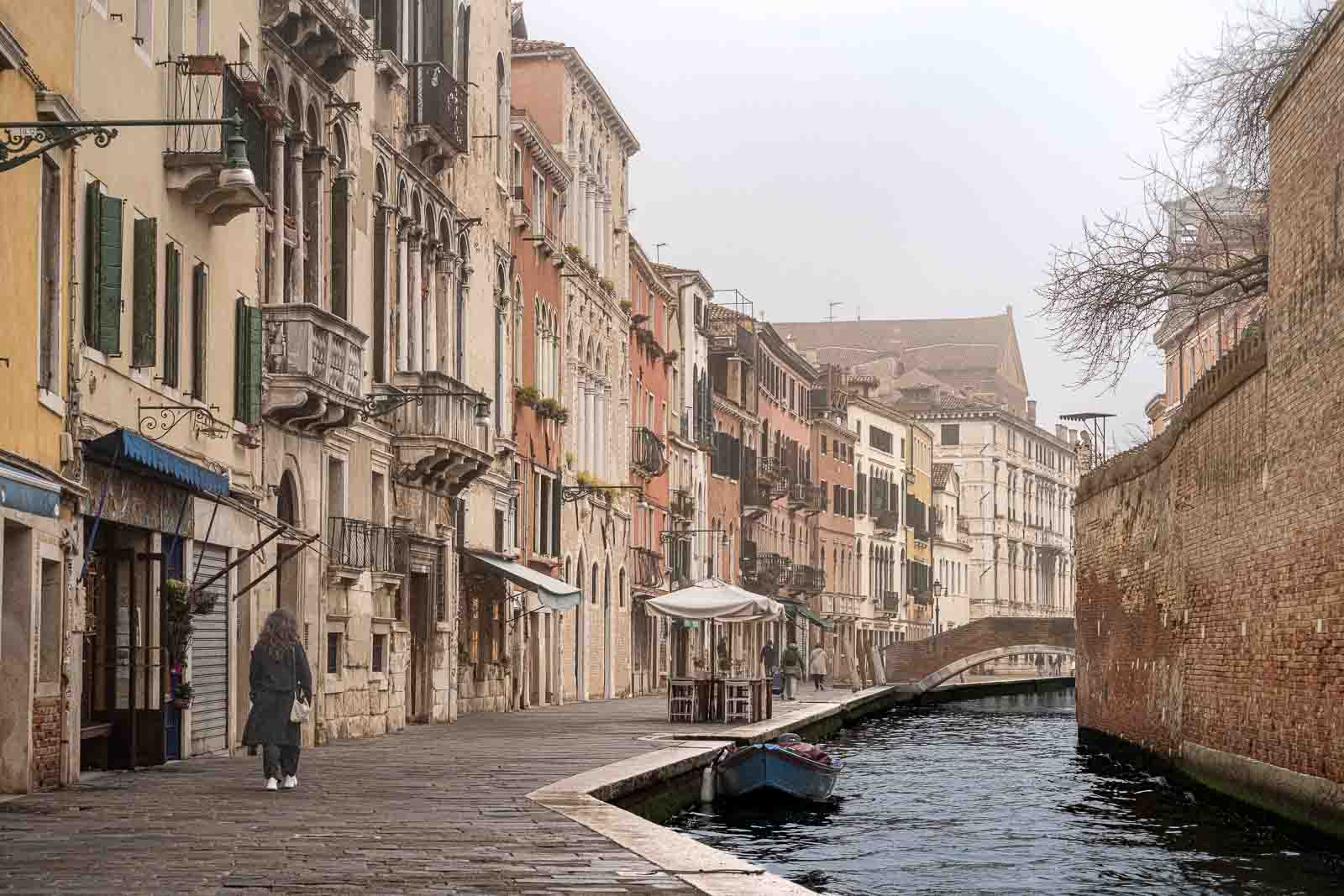
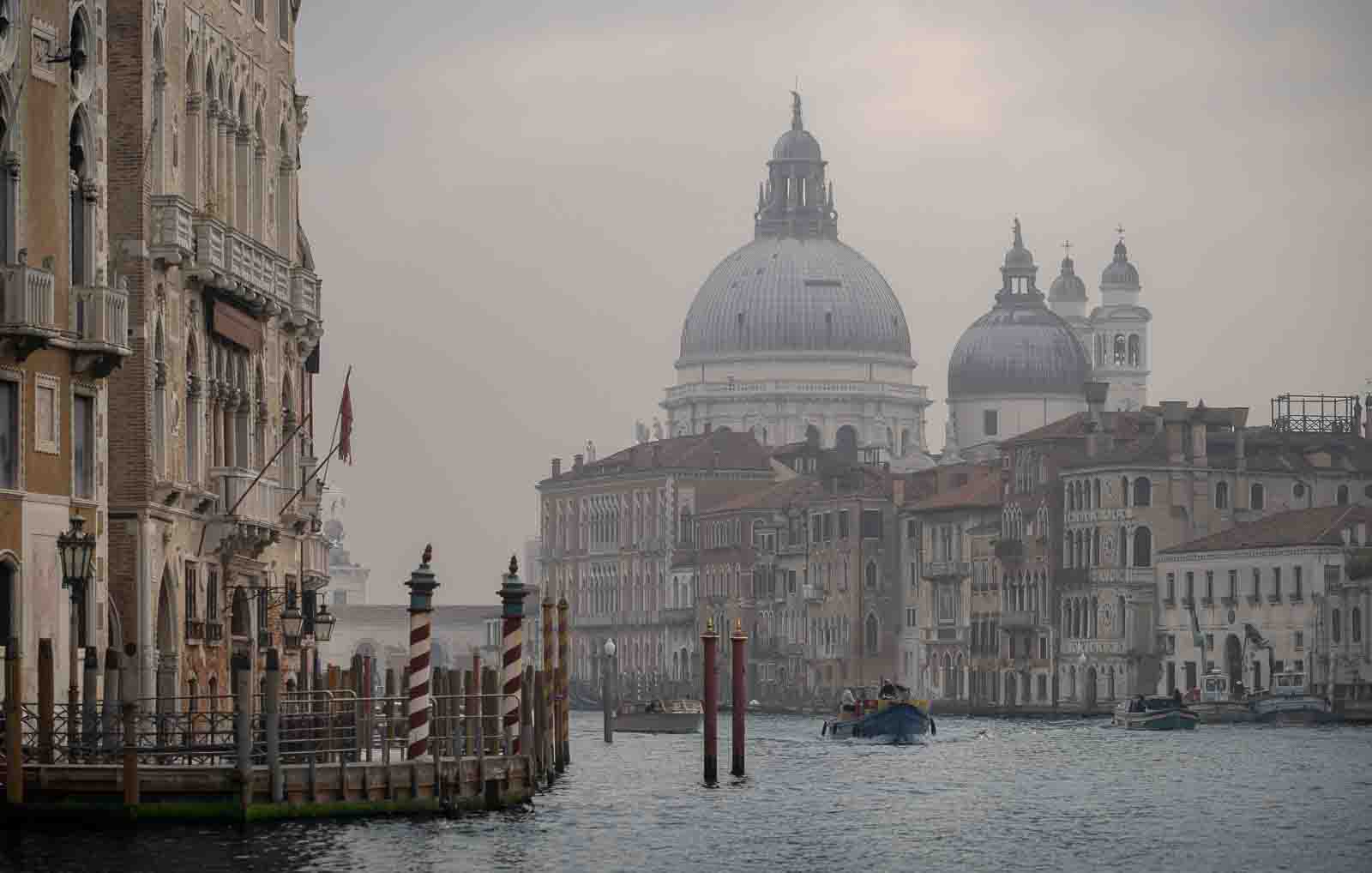
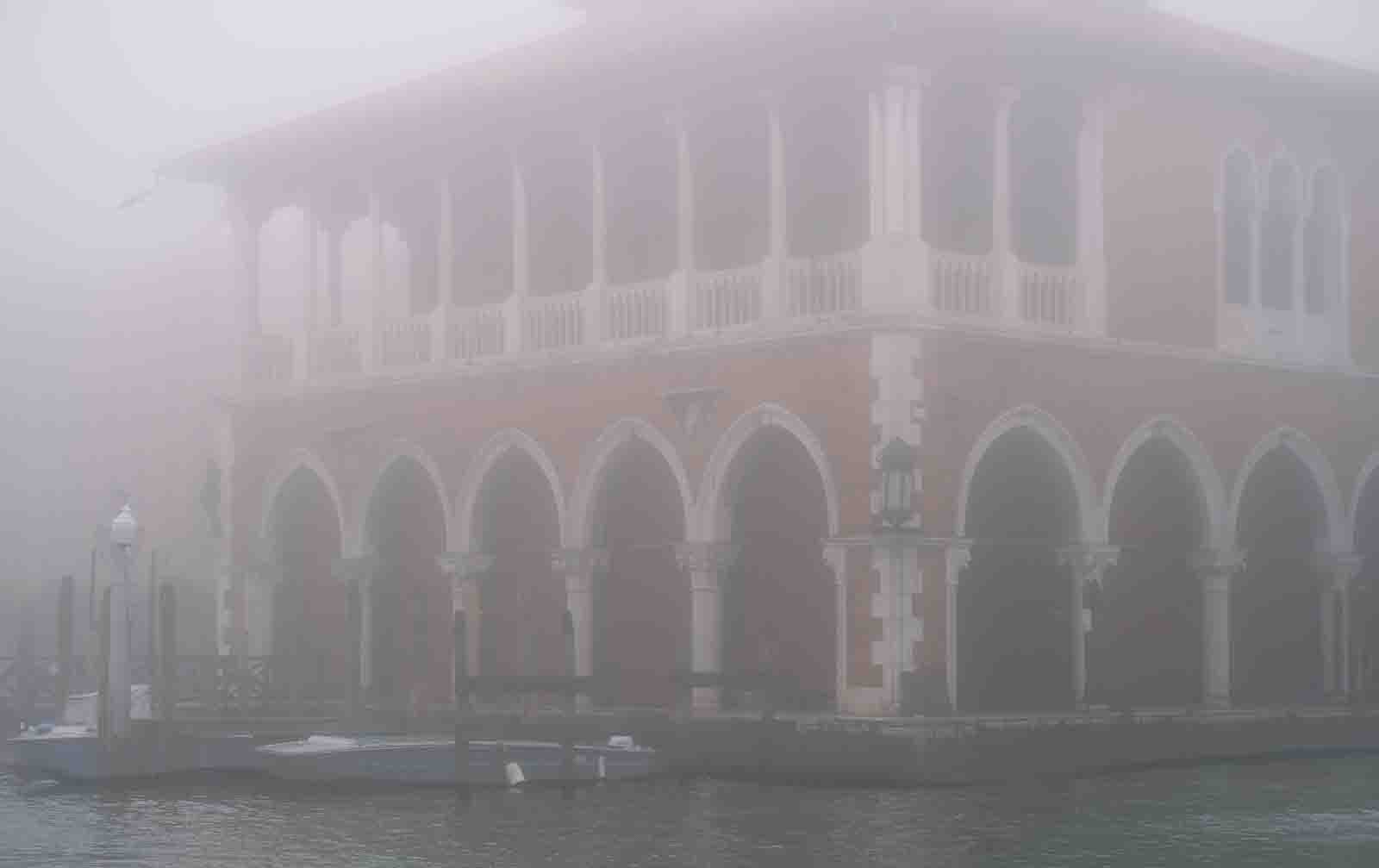
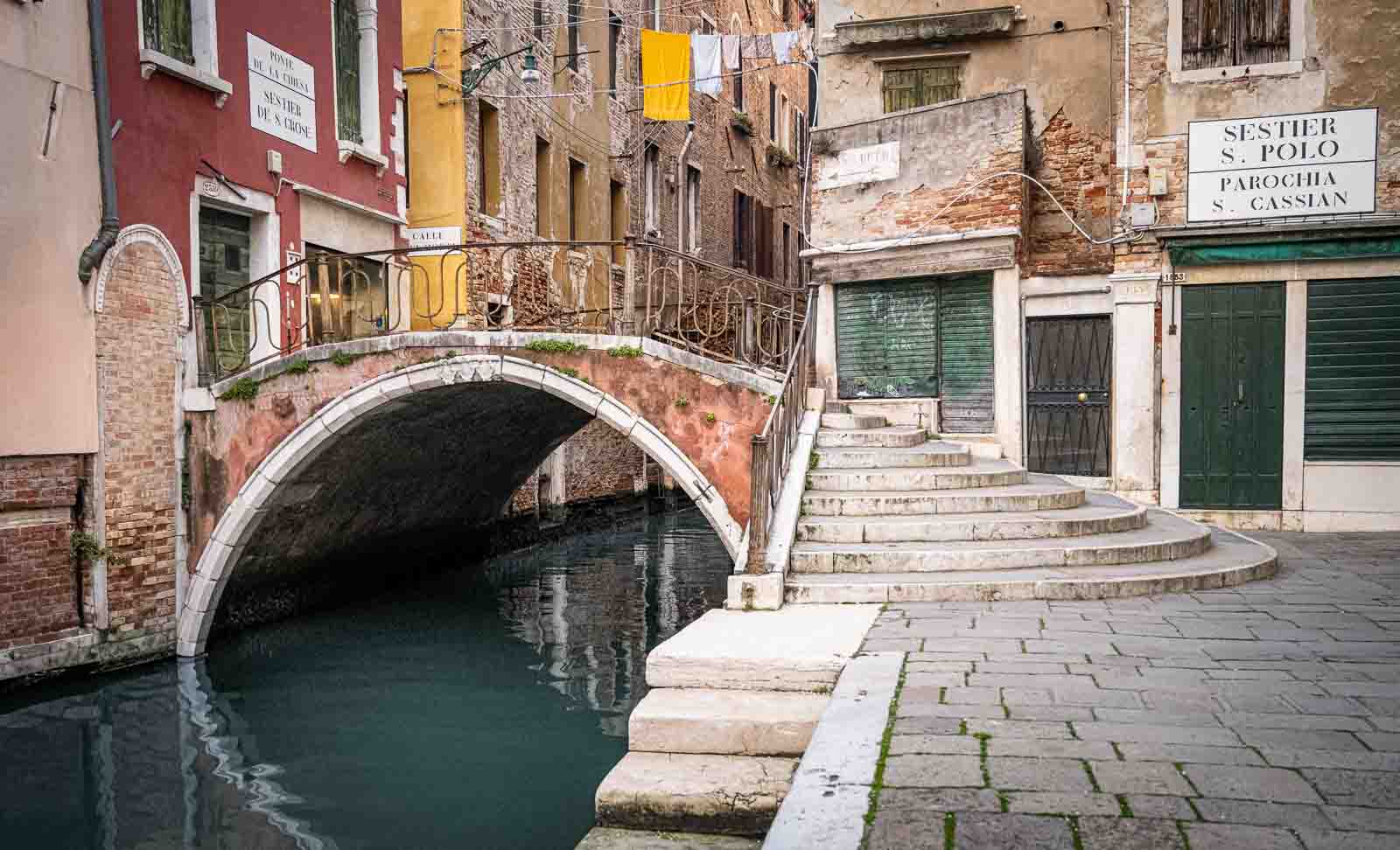
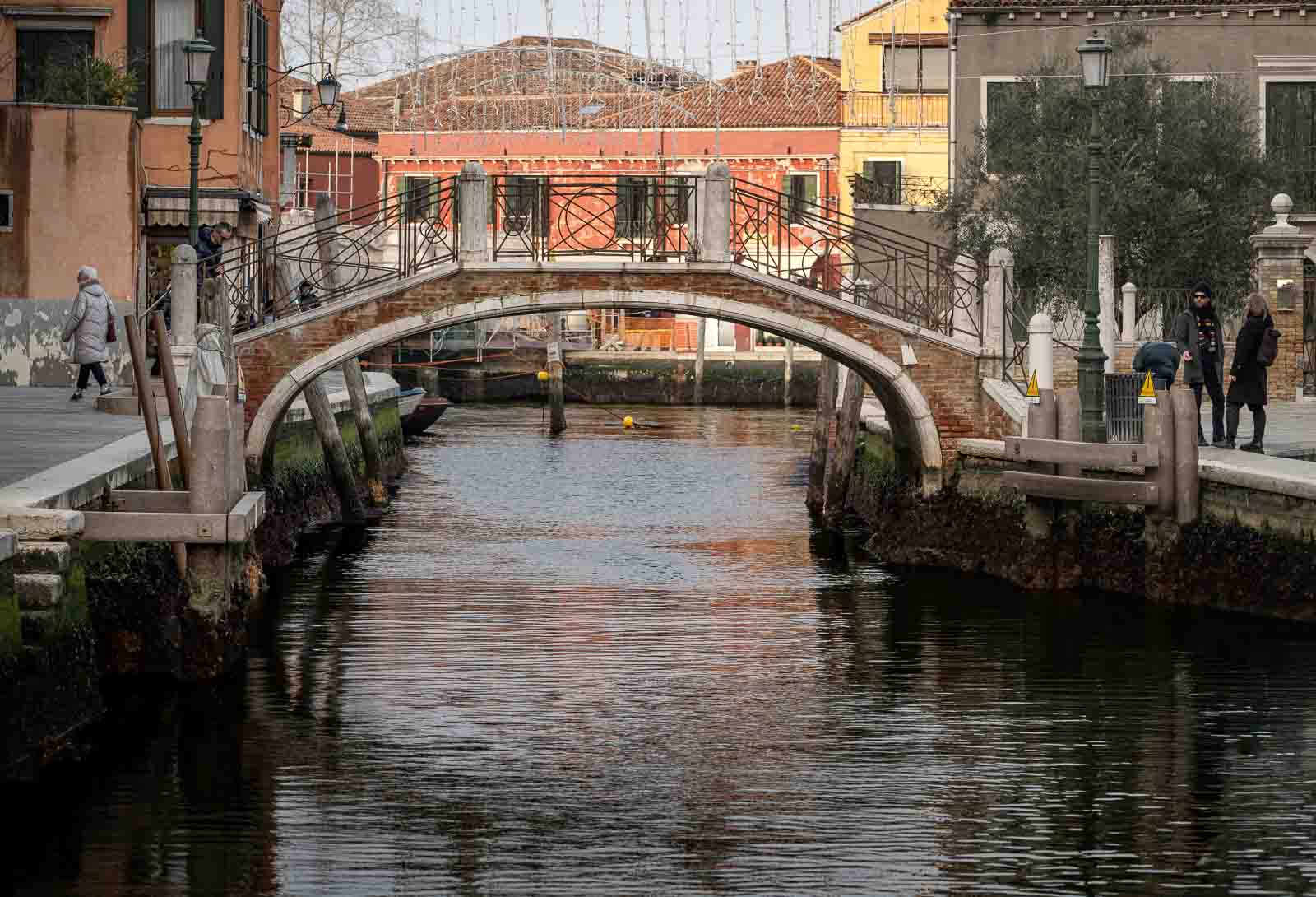
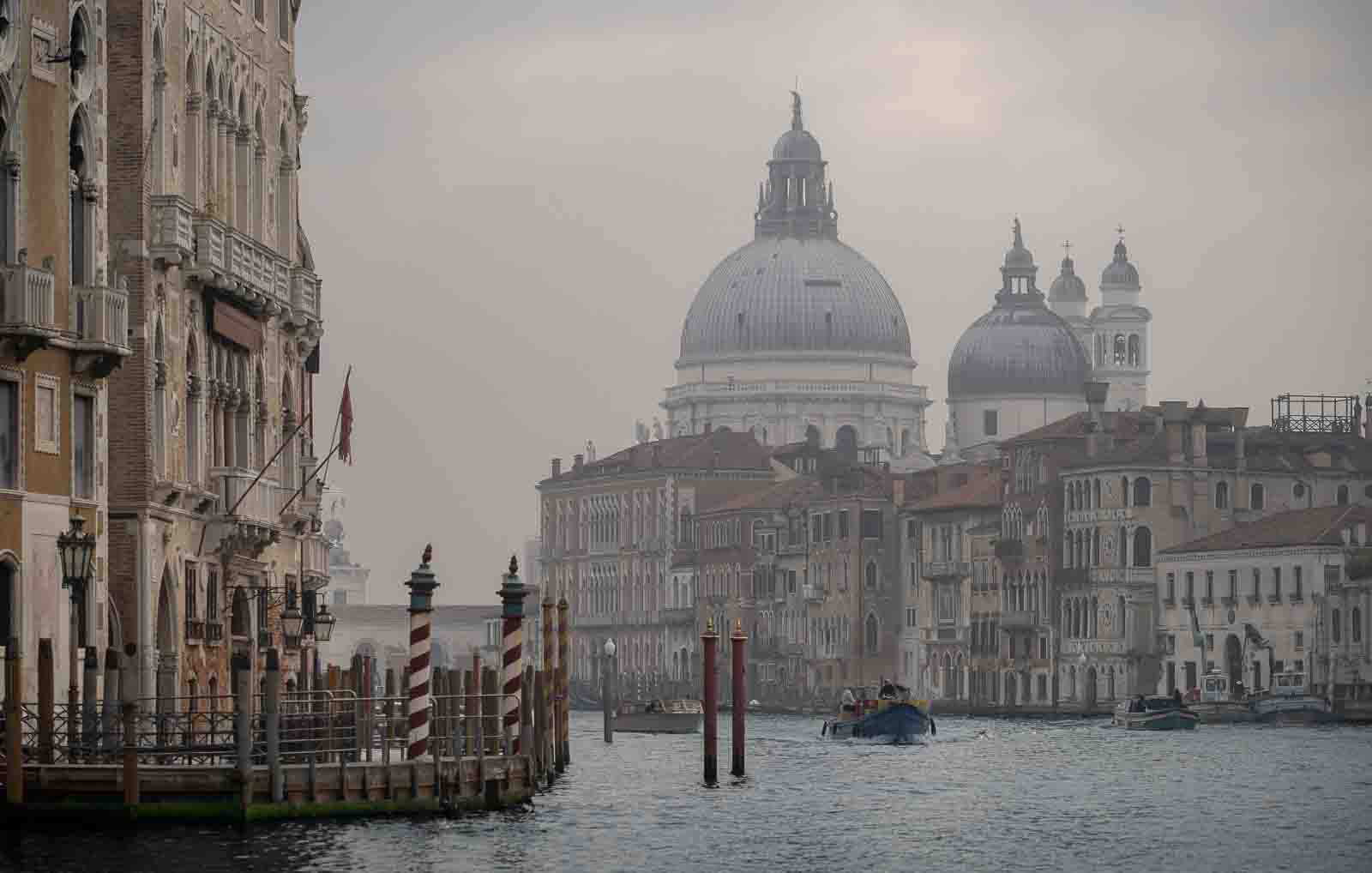
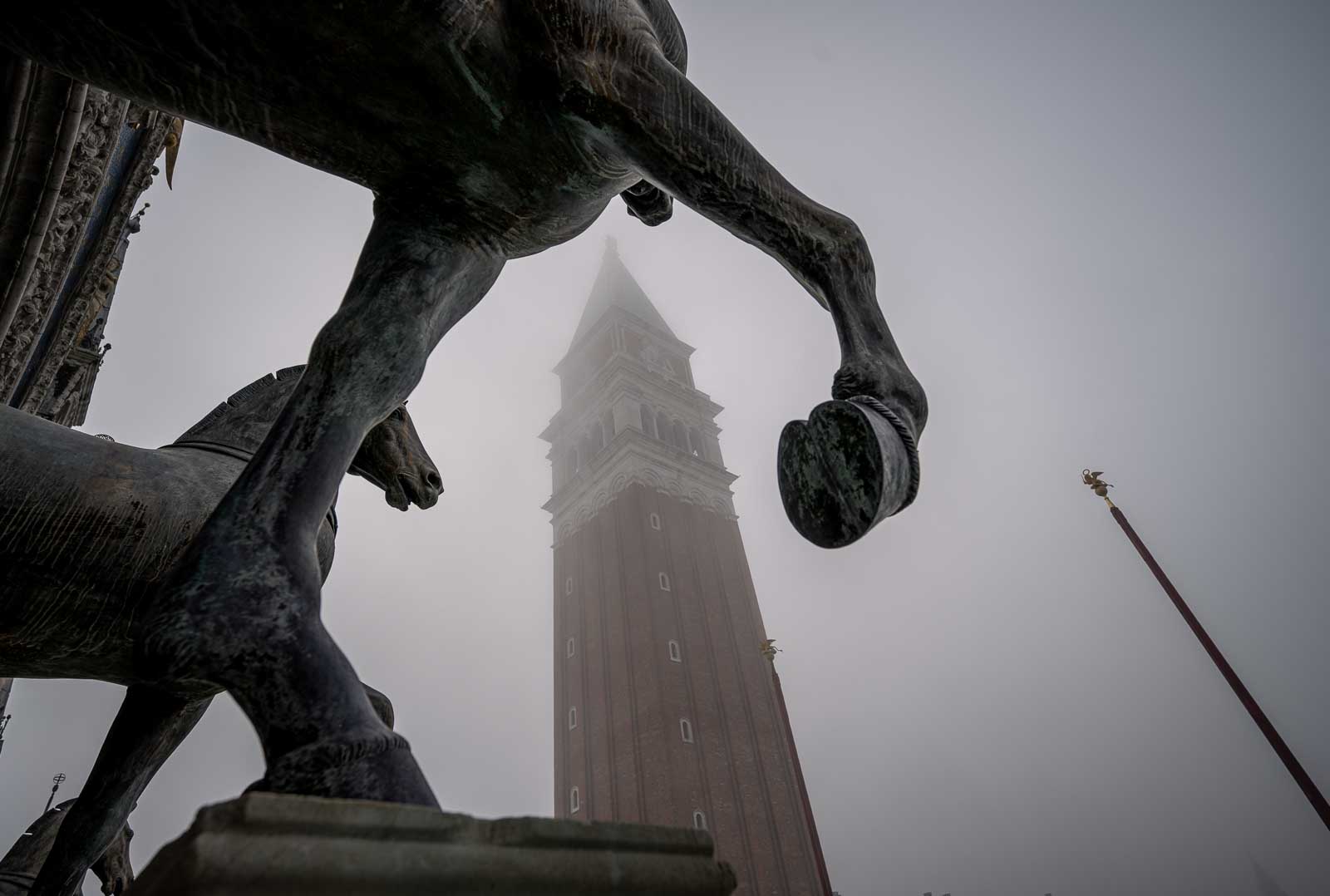
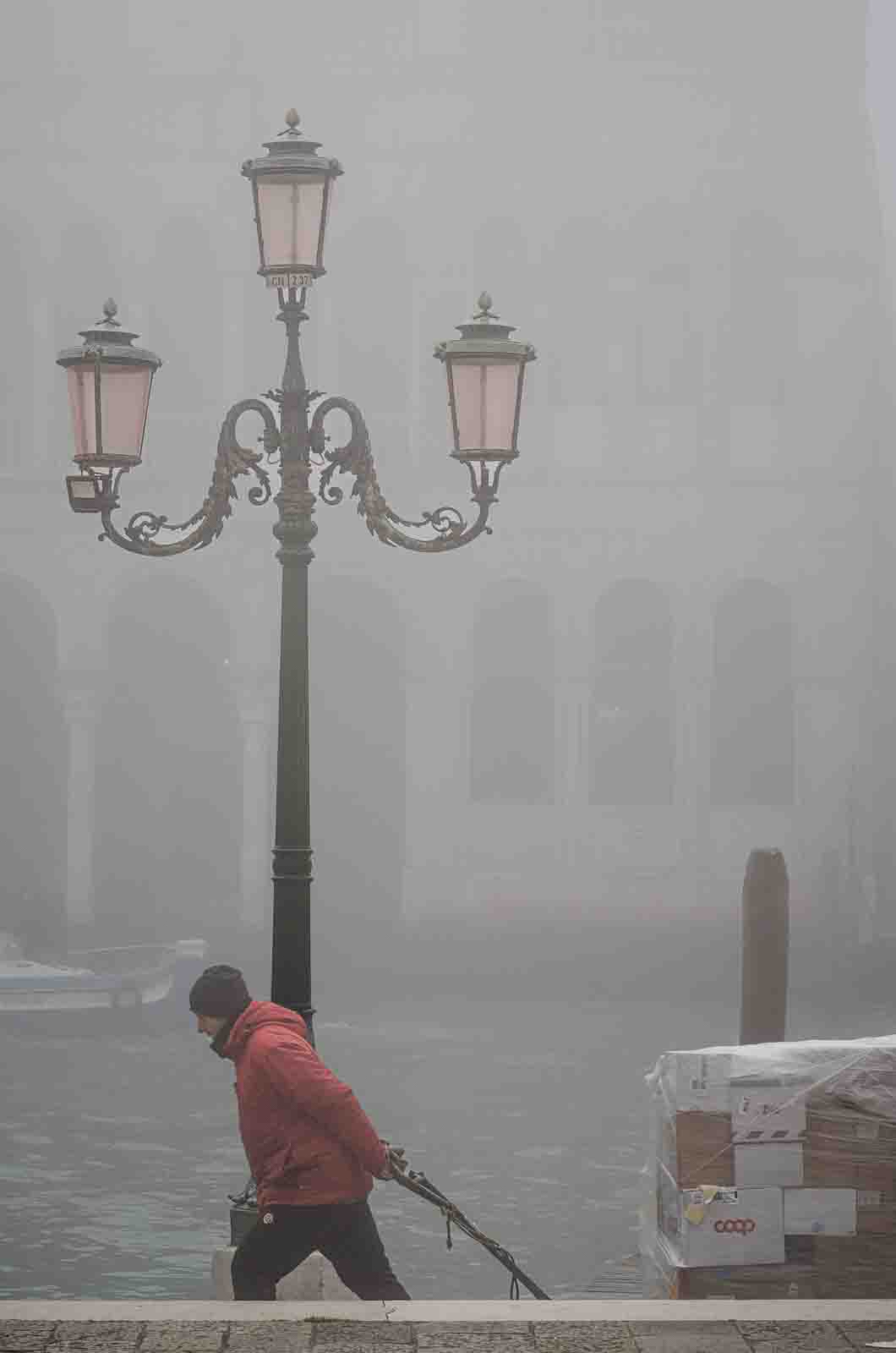
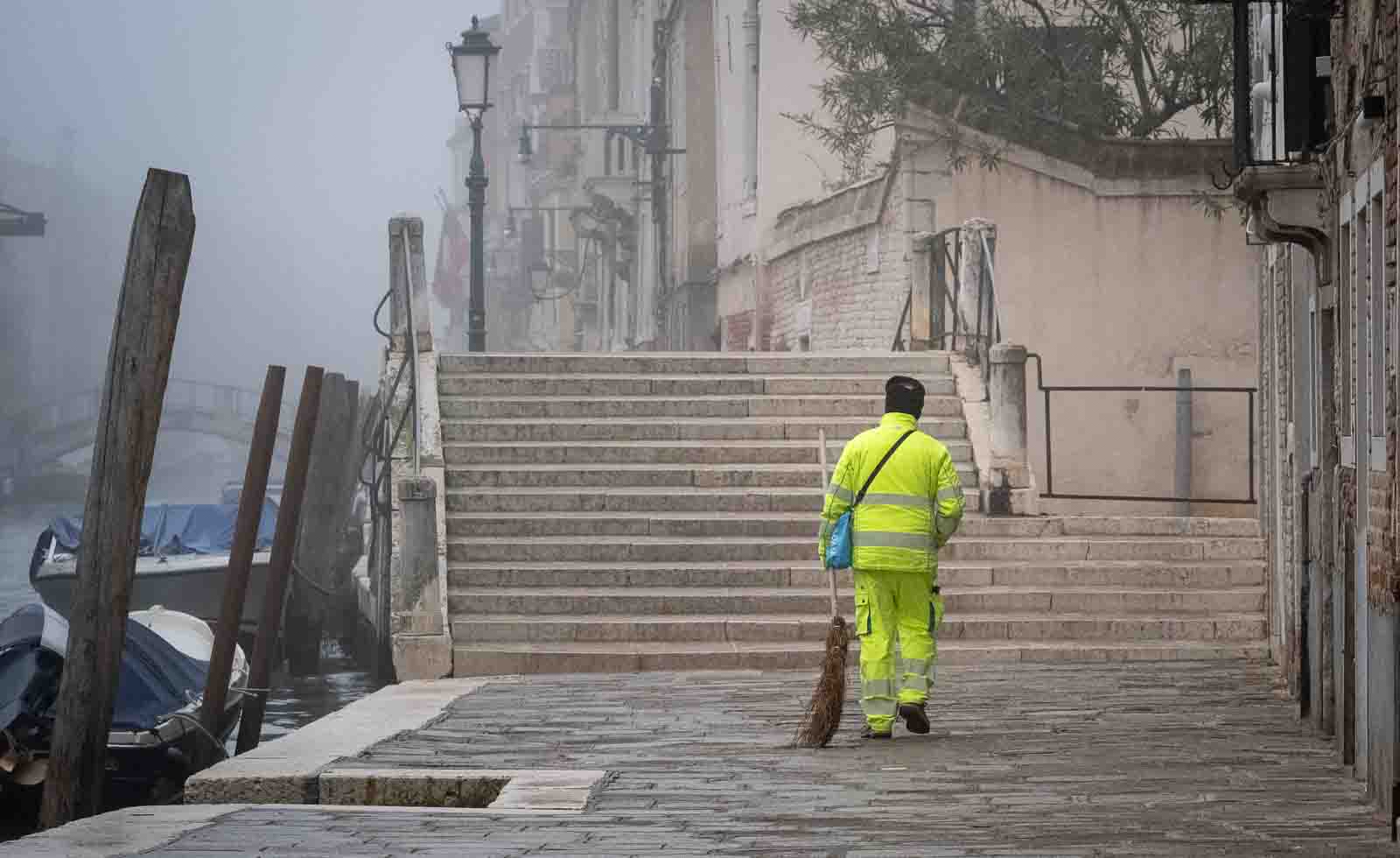
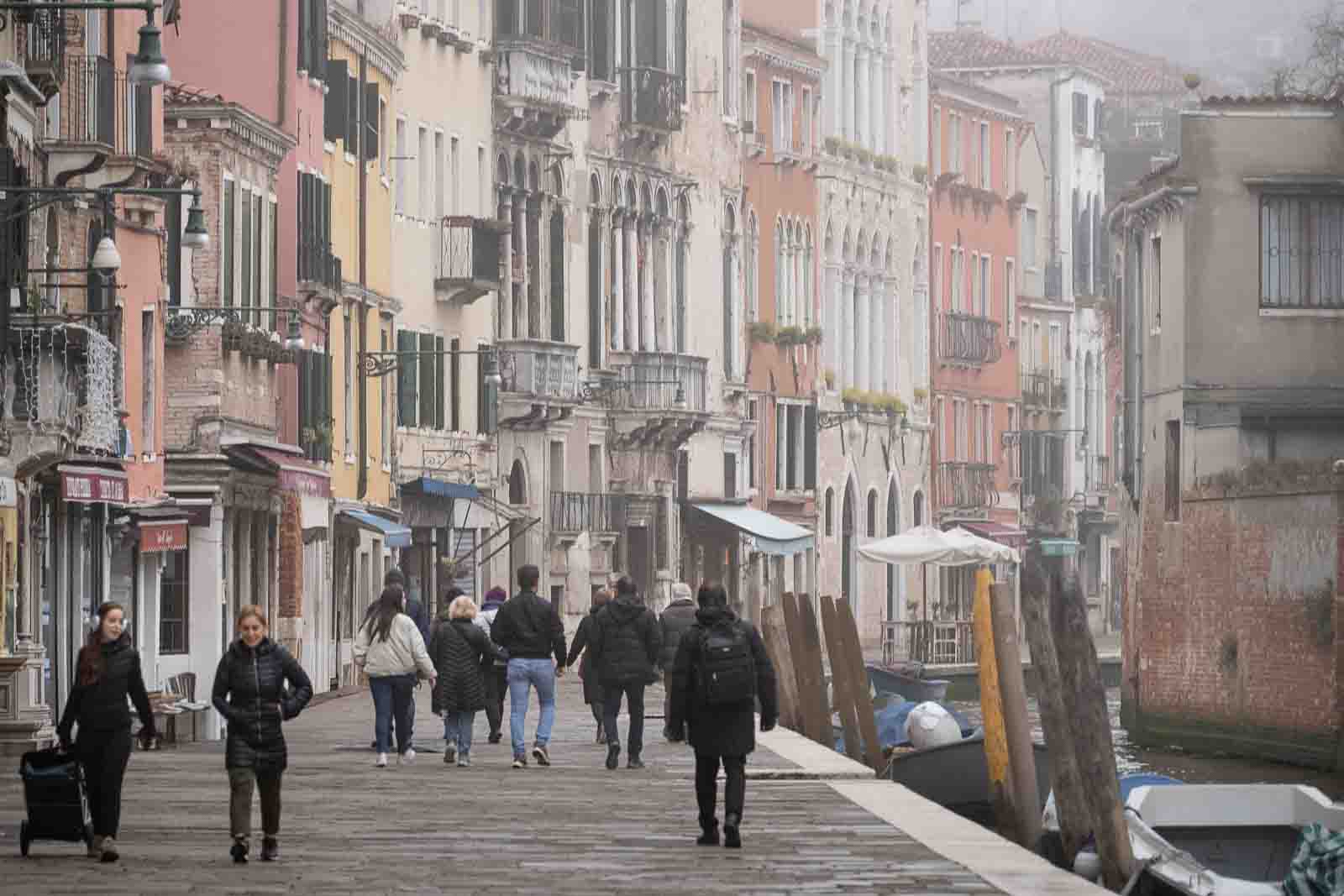
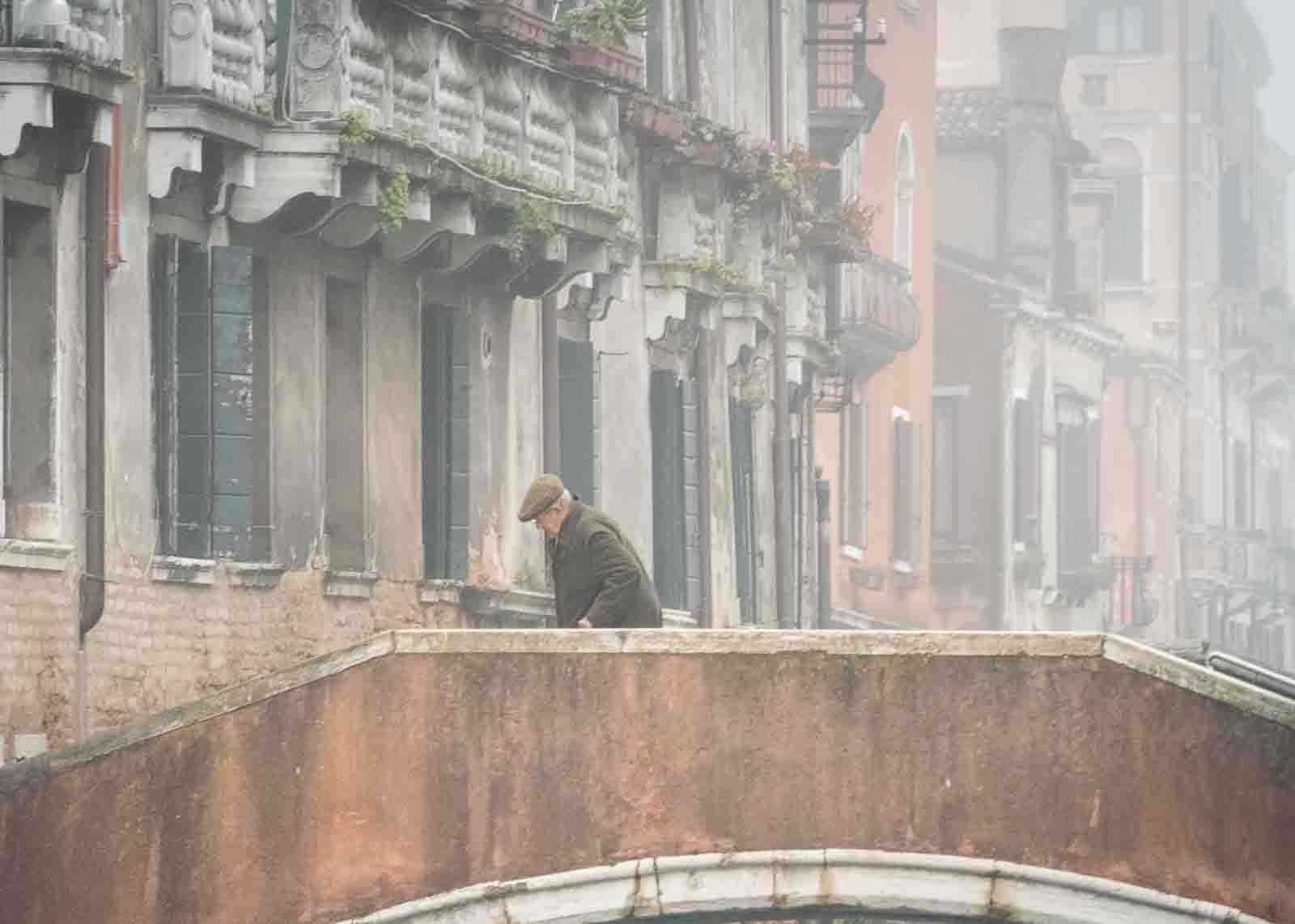
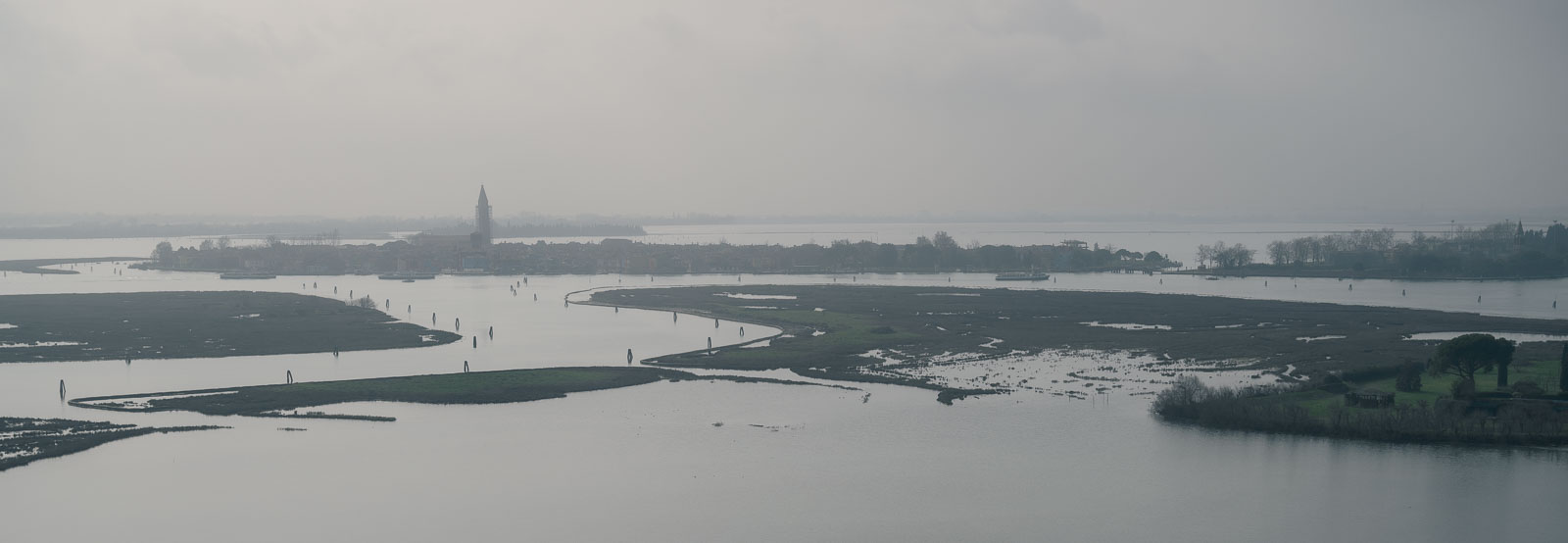
It gathers slowly, softening corners and contours, until the campanile itself seems less a structure than an apparition. In the process, time seems to lose its grip. The city drifts into an oneiric suspension in which the marks of history—rusted iron, crumbling plaster, exposed brick— seem to belong less to human time than to a kind of suspended disbelief.
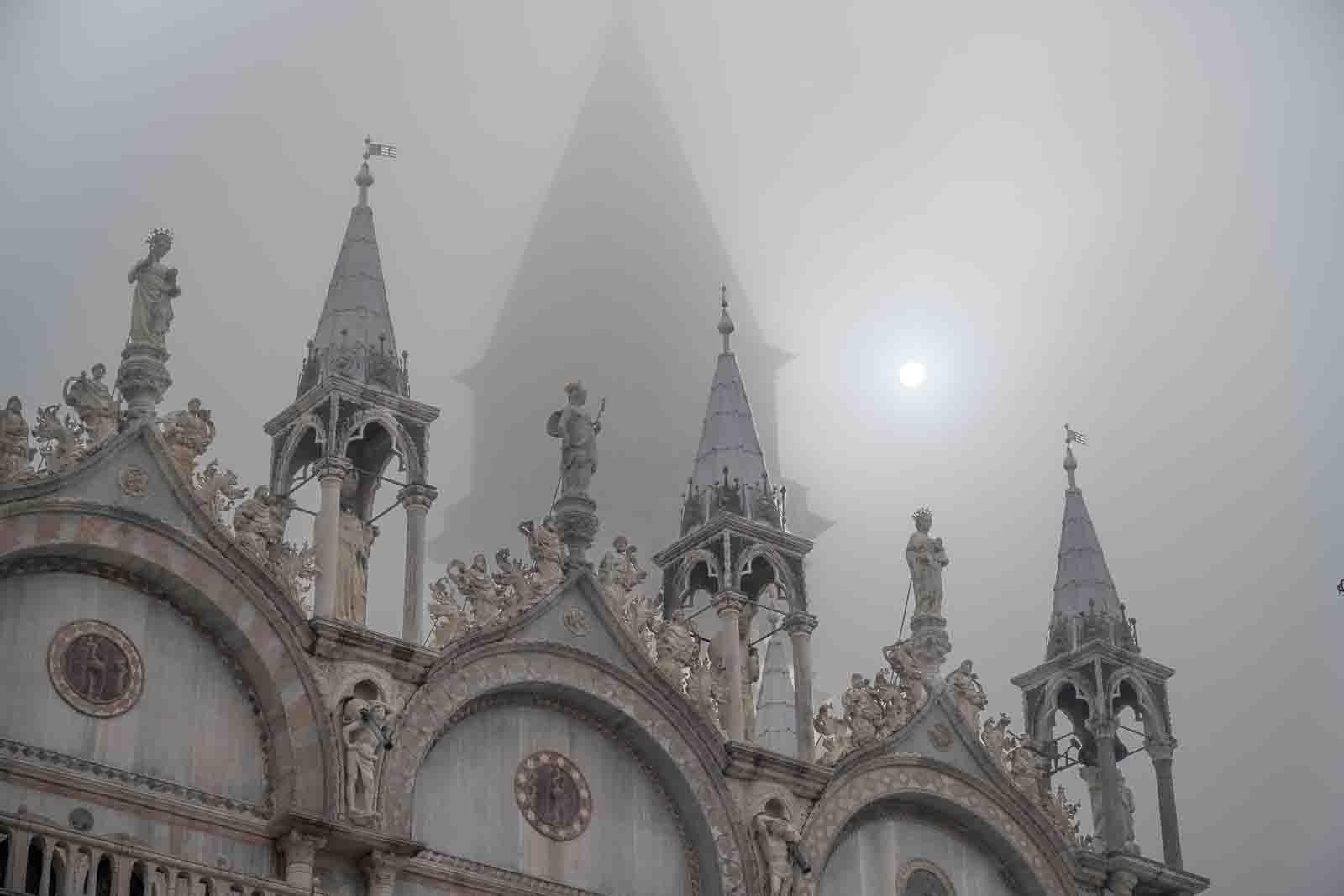
Venice becomes at once relic and dream, memory and sensation, something at once vanishing and impossibly still. Venice’s singular impact on the soul lives on in the reflections on perception and self it has inspired in writers and artists through the centuries.
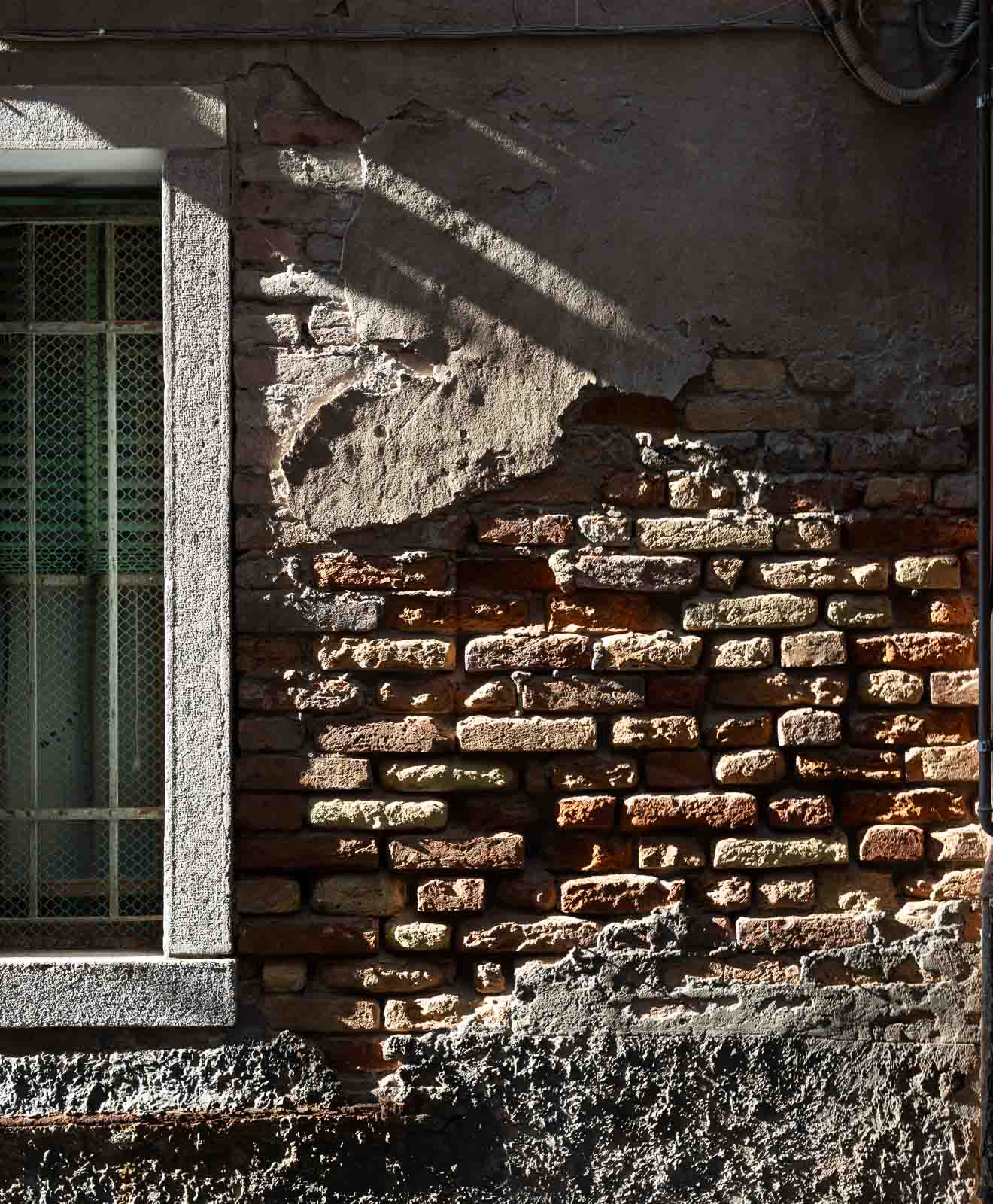
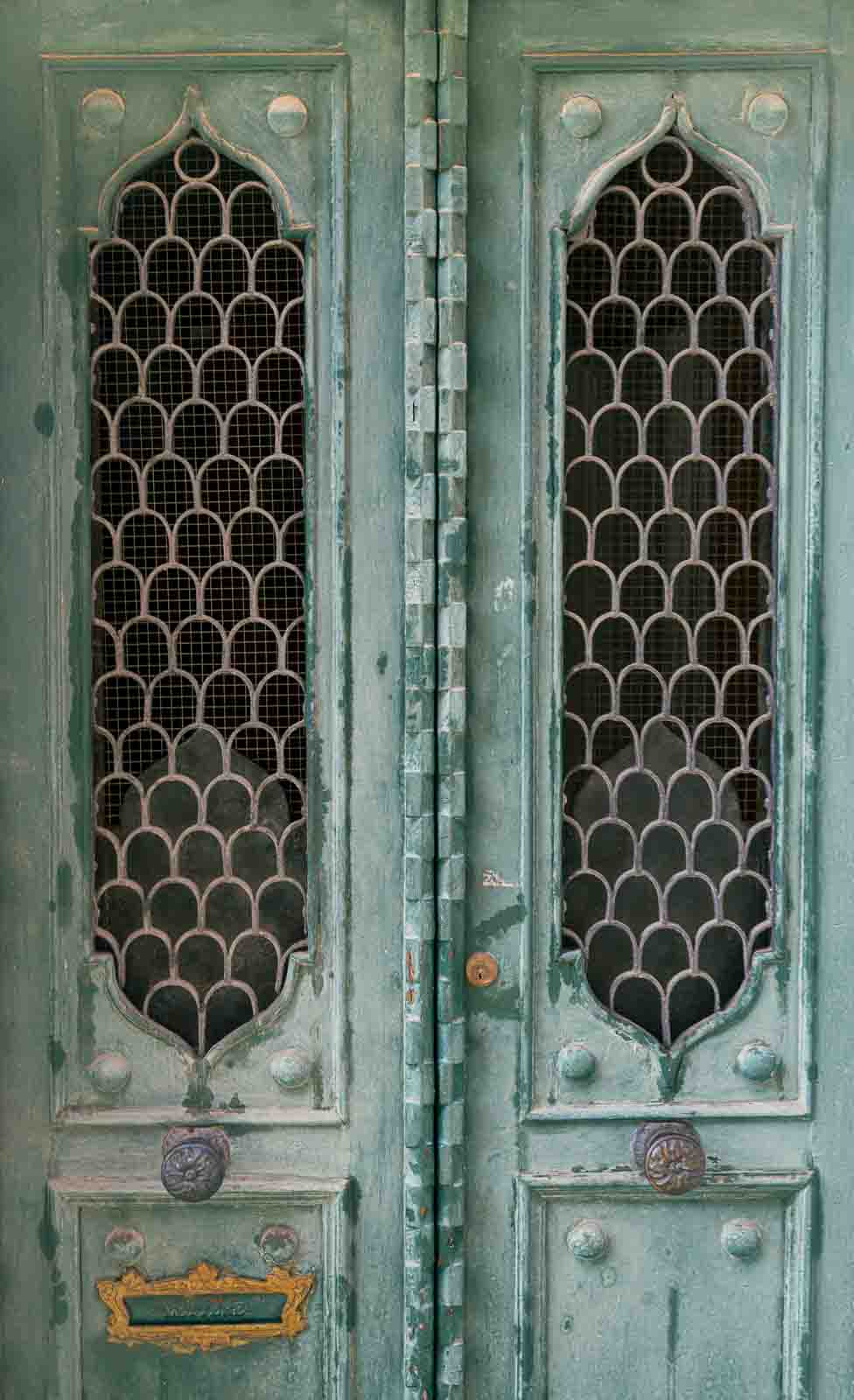
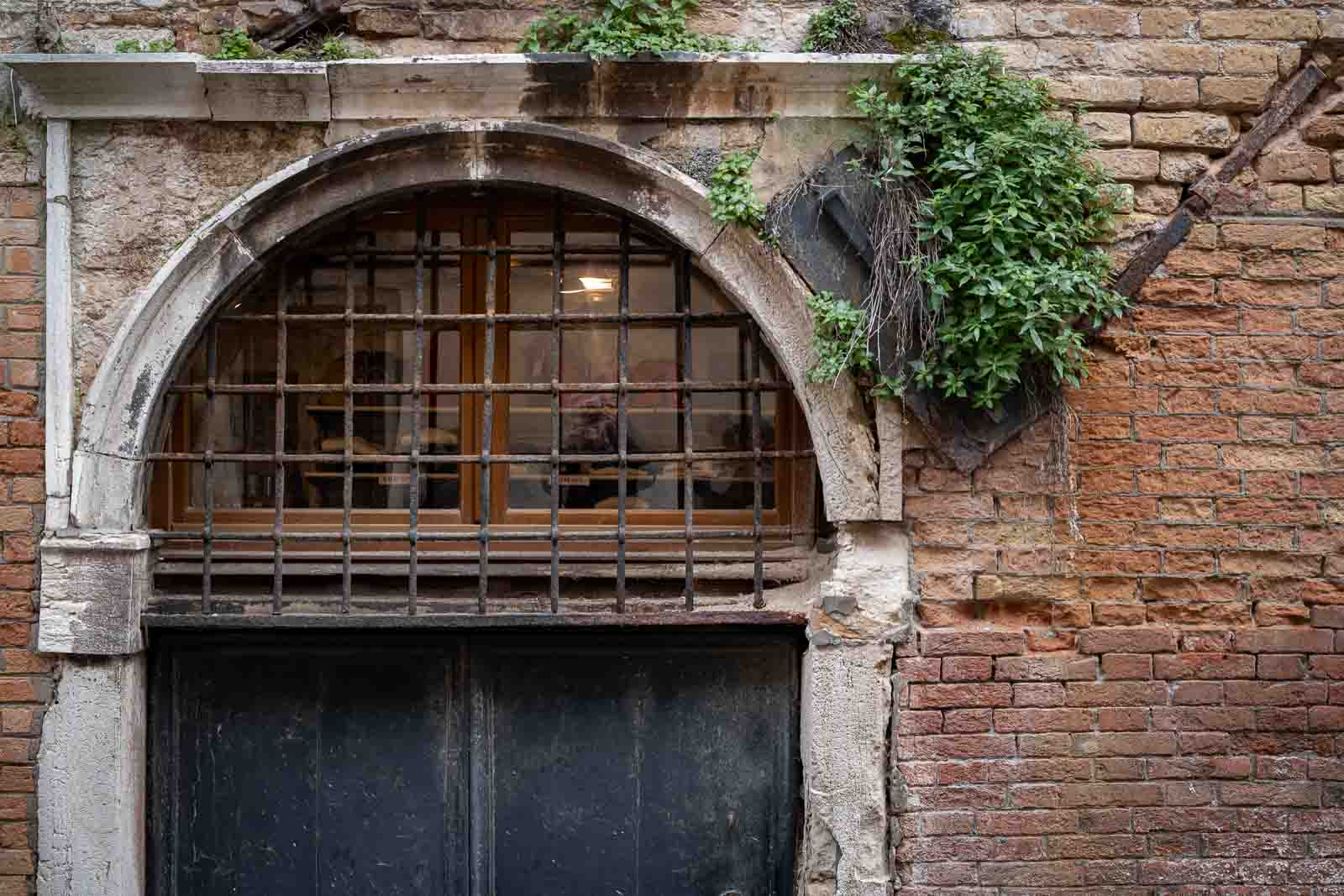
These impressions are the result of my having recently returned to the city I first encountered fifty-seven years ago. This trip has brought me to consider how ill-equipped I was at nineteen to fathom any of what I see now. That we were blessed this year with a city blanketed in its winter fog, an annoyance no doubt back then, was, this time, a boon to our senses. All this brings me to wonder how our sensitivities to a city like Venice are sharpened, over the years, by experience and by the influence of poets and photographers who, like Joseph Brodsky, pay homage to the eloquence of absence and the allure of decay.
Jaime Gil de Biedma comes to mind. In “Barcelona ja no es bona” the Catalan poet contrasts his youthful predilection for idyllic settings with his late-life attraction to the tristes edificios, estatuas manchadas, and rincones de parques pasados de moda on Barcelona’s fringes. For Gil de Biedma, the distance between those two moments and moods becomes the measure of an uncanny nostalgia. “Sad buildings, sullied statues and derelict parks” become tangible signs of kind of severance—and of the poet’s state of mind reflected in the world he currently inhabits.
Italo Calvino, similarly, treats cities as portraits of the traveler’s soul. He describes cities as sites of exchange, not simply of commodities, but of words, desires, and memories. (“Le città sono luoghi di scambio, non soltanto di merci [ma] di parole, di desideri, di ricordi”). Struggling to convey the splendor of the many “invisible” cities he has visited, Calvino’s Marco Polo summarizes for Kublai Kahn the reasons and nature of his travels: “più si perdeva in quartieri sconosciuti di città lontane, più capiva le altre città che aveva attraversato per giungere fin là” (“The more he wandered through the unfamiliar quarters of distant cities, the deeper his understanding became of the cities he had traversed to arrive there”). In different ways and degrees, Polo’s cities are, in the aggregate, imaginary and refracted projections of his native Venice. They also come to symbolize the infinite number of focal points strewn along the path of knowledge that deepens as it advances across the open terrain of life-long experience.
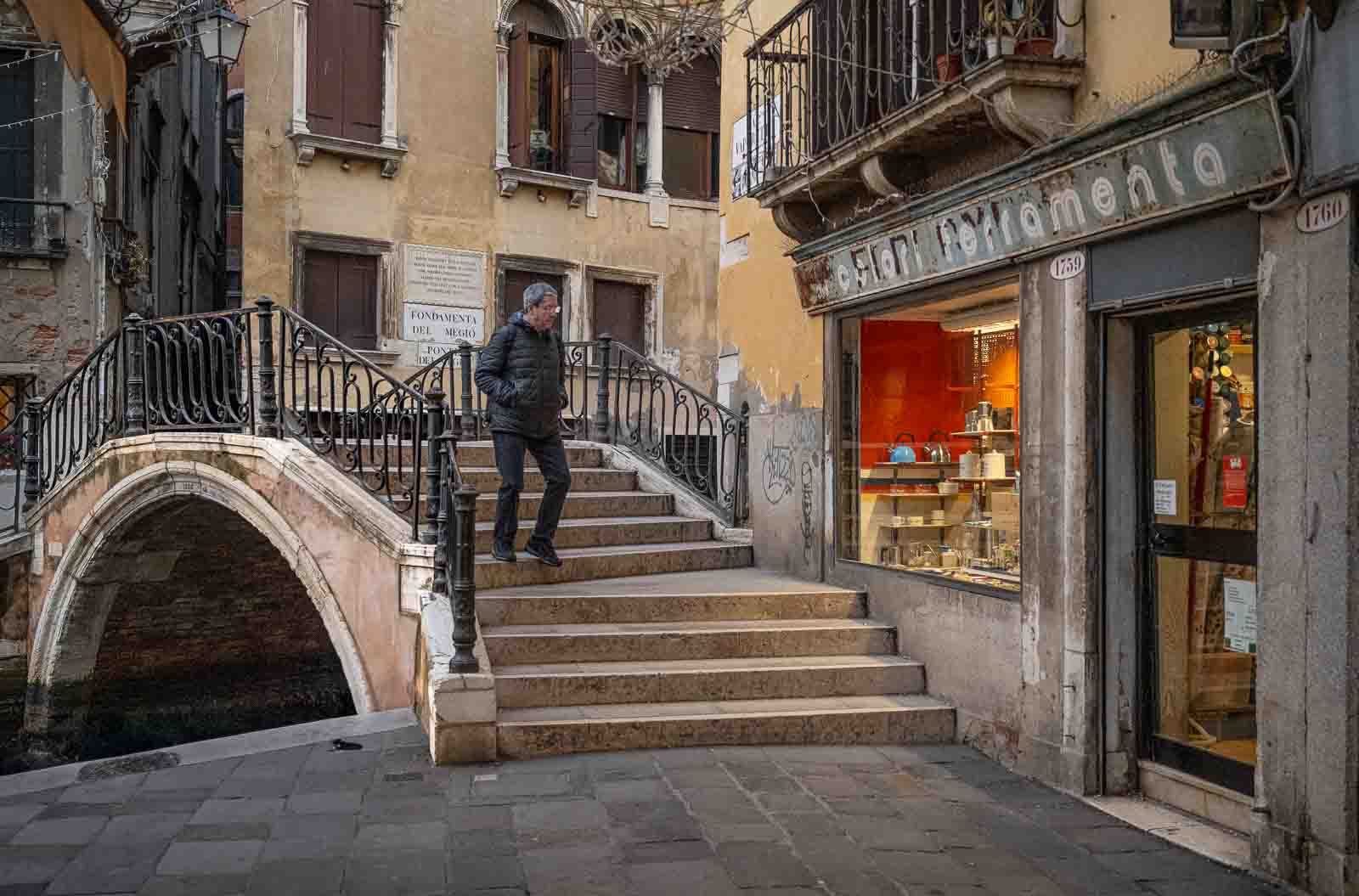
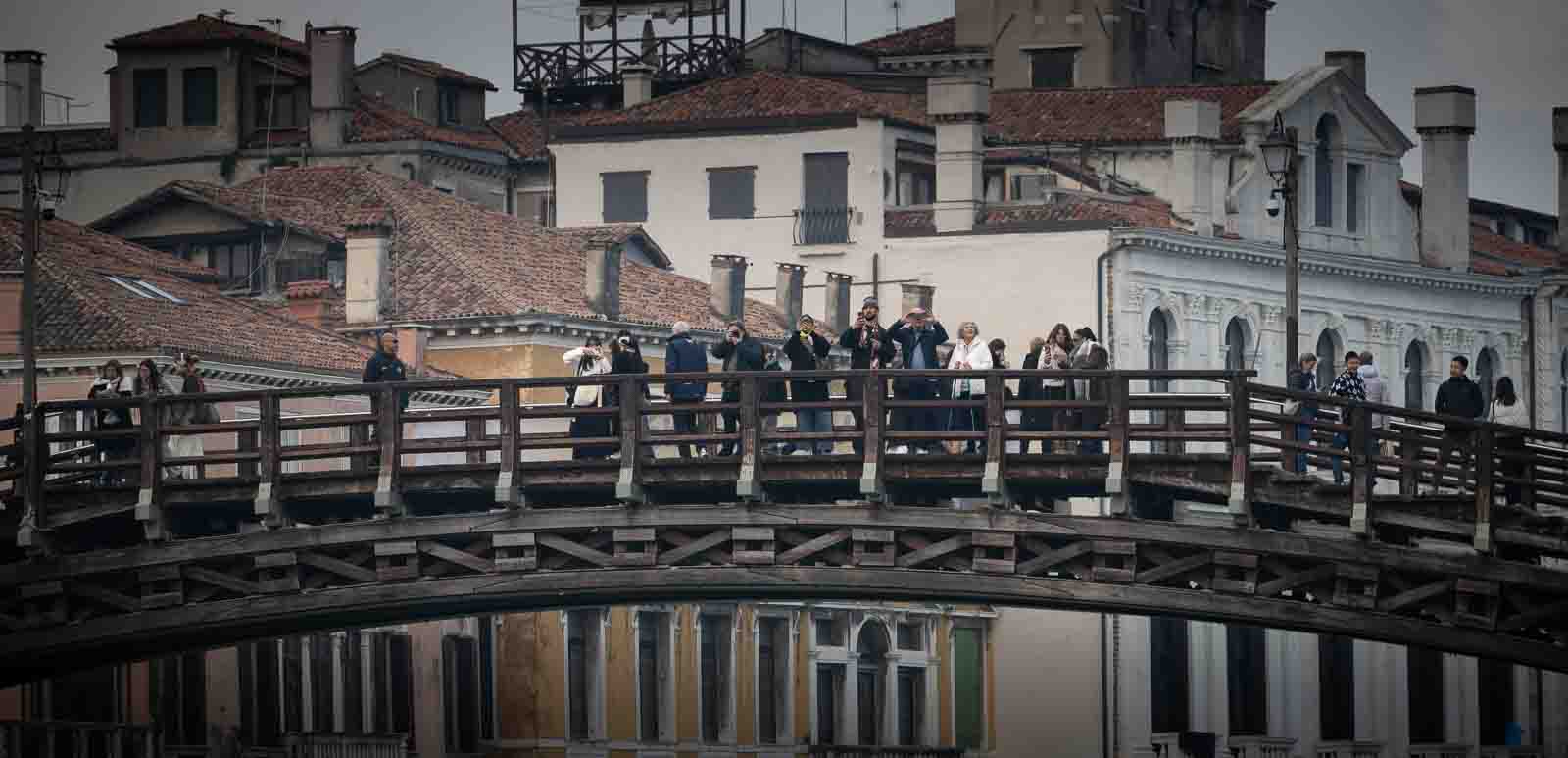
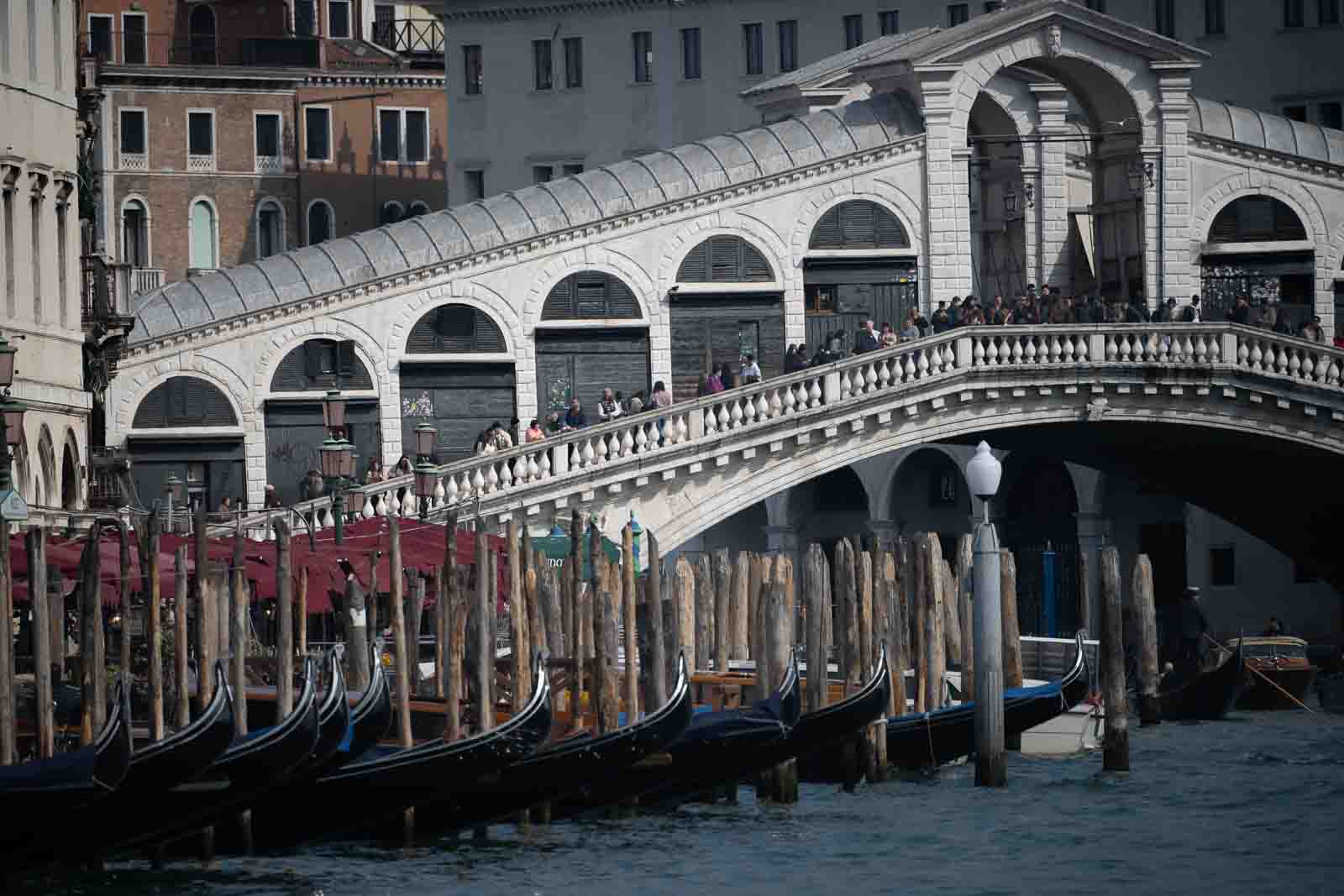
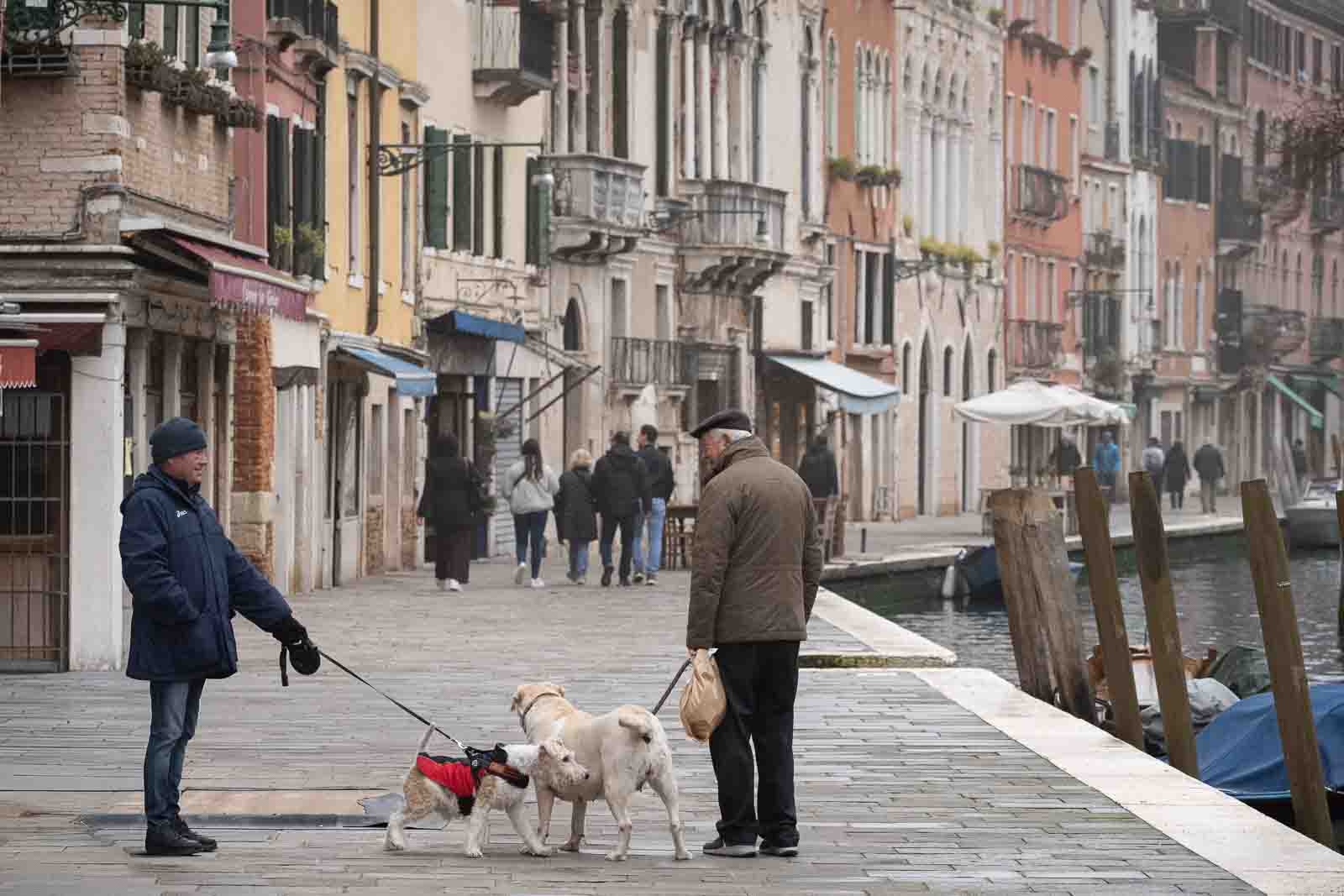
A deeper truth that emerges is that cities respond differently to our sensibilities at different stages of life. In retrospect, my nineteen-year-old reaction to Venice now seems shallow. Fragmentary recollections of Saturday morning train trips from Padova to romp through the main streets and squares and marvel at the city’s more conspicuous splendors. Glimmering palaces and basilicas, the steady current of life streaming from Piazzale Roma to Rialto and on toward Piazza San Marco. Grandeur and magnitude. The magic of Cannaregio’s stillness, Castello’s ebullient grittiness, expansive vistas of the northern lagoon punctuated by the cypress trees of San Michele: none of this inhabits my memories of being there then.
Life then was perhaps too opaque to look beyond the surface, toward the margins. The immediacy of youthful desire blinds us, no doubt, to the vast beyond. Yet rather than conceiving the symbiosis of wanderer and world as an array of static moments, Calvino emphasizes the flux inherent in that bond. Polo explains journey –life, time, self—to Kublai Kahn in these terms: “Quello che lui cercava era sempre qualcosa davanti a sé, e anche se si trattava del passato era un passato che cambiava man mano egli avanzava nel suo viaggio, perché il passato del viaggiatore cambia a seconda dell’itinerario compiuto . . . Arrivando a ogni nuova città il viaggiatore ritrova un suo passato che non sapeva più d’avere: l’estraneità di ciò che non sei più o non possiedi più t’aspetta al varco nei luoghi estranei e non posseduti.” (“What he sought always lay somewhere ahead of him, and even when it was the past he pursued, it was a past that changed as he moved forward on his journey, for the traveler’s past shifts according to the path he has taken . . . Upon arriving at each new city, the traveler rediscovers a part of his past he no longer knew he carried within him: the estrangement of what you no longer are, or no longer possess, lies in wait in places that remain foreign and unpossessed.”
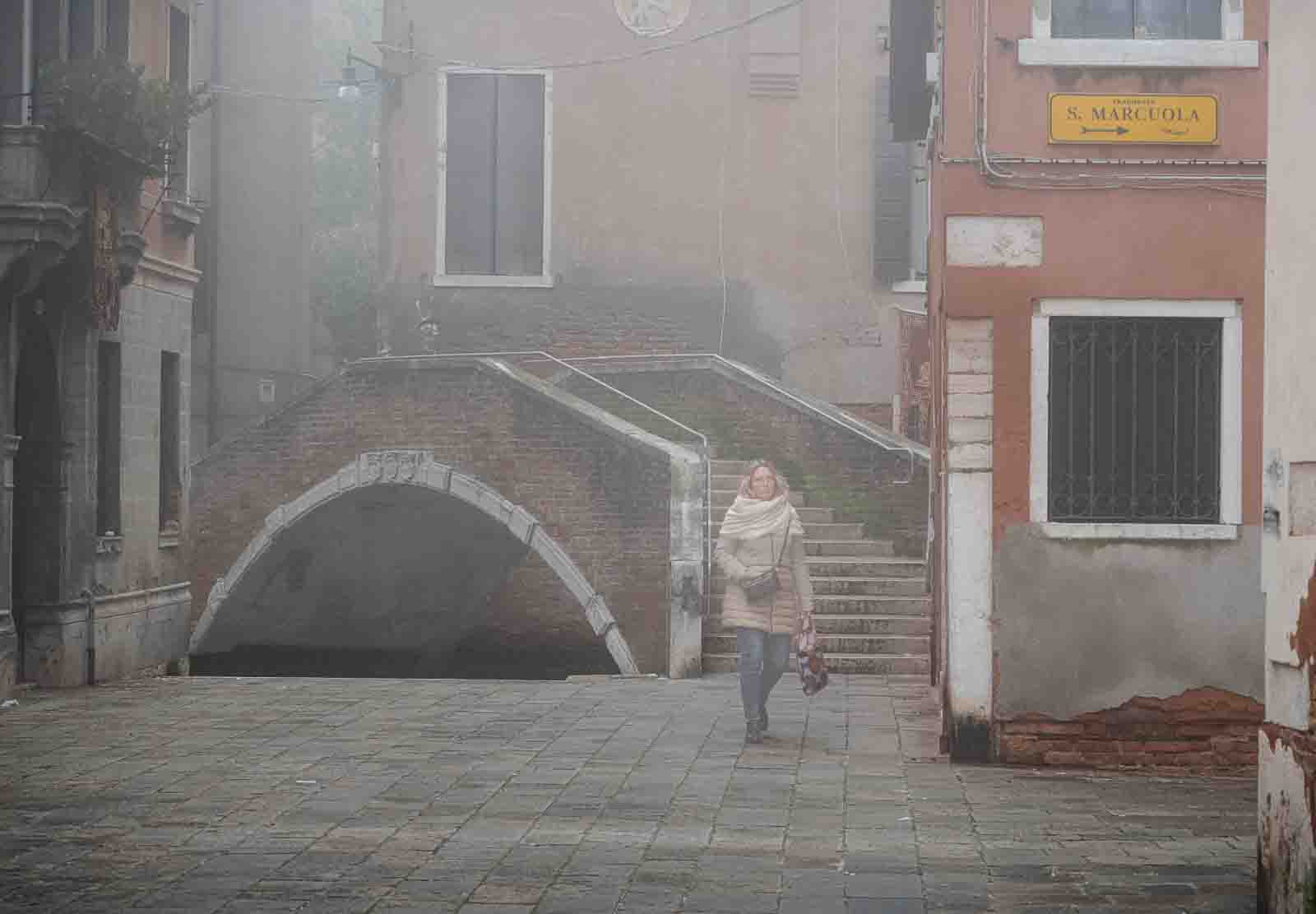
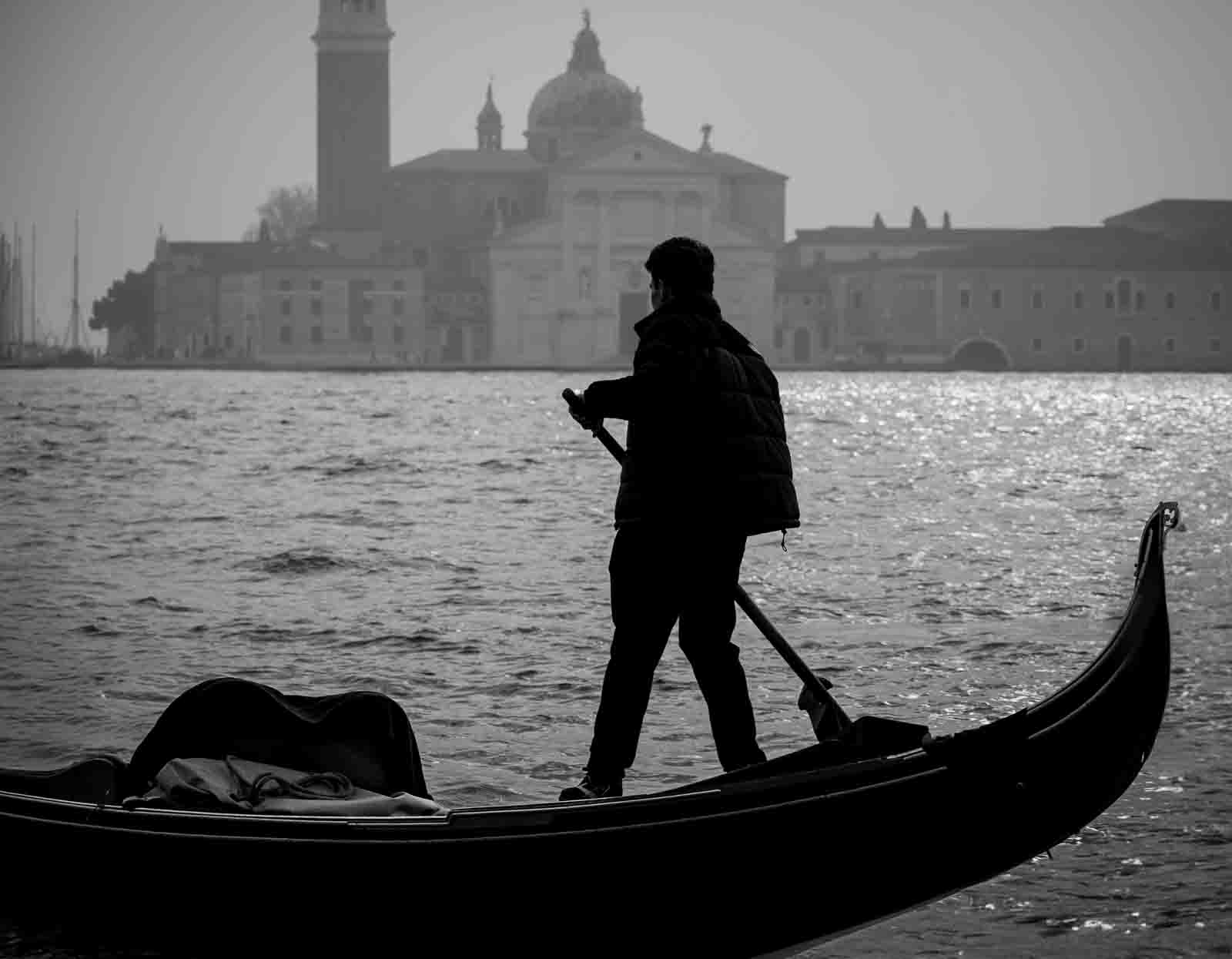
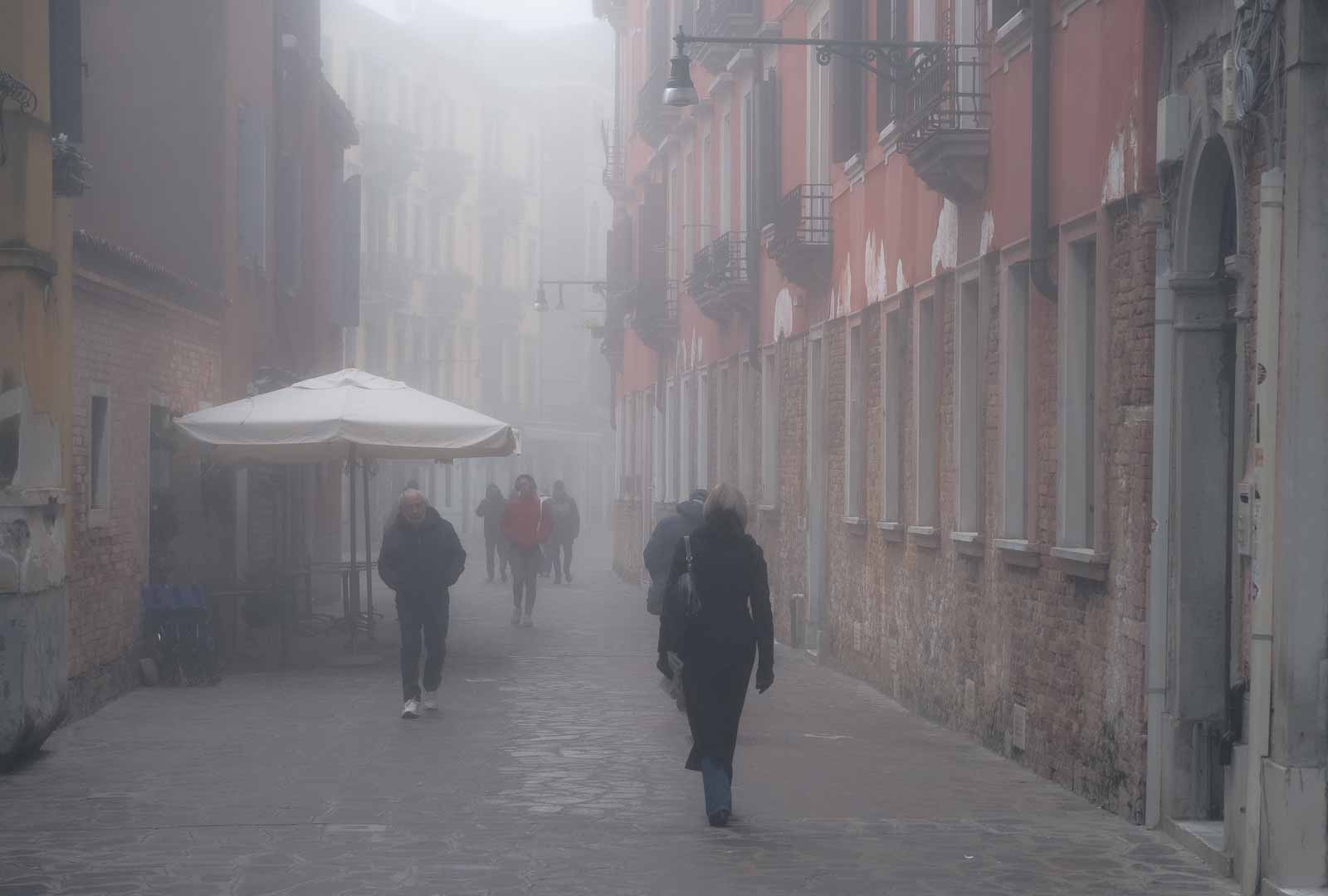
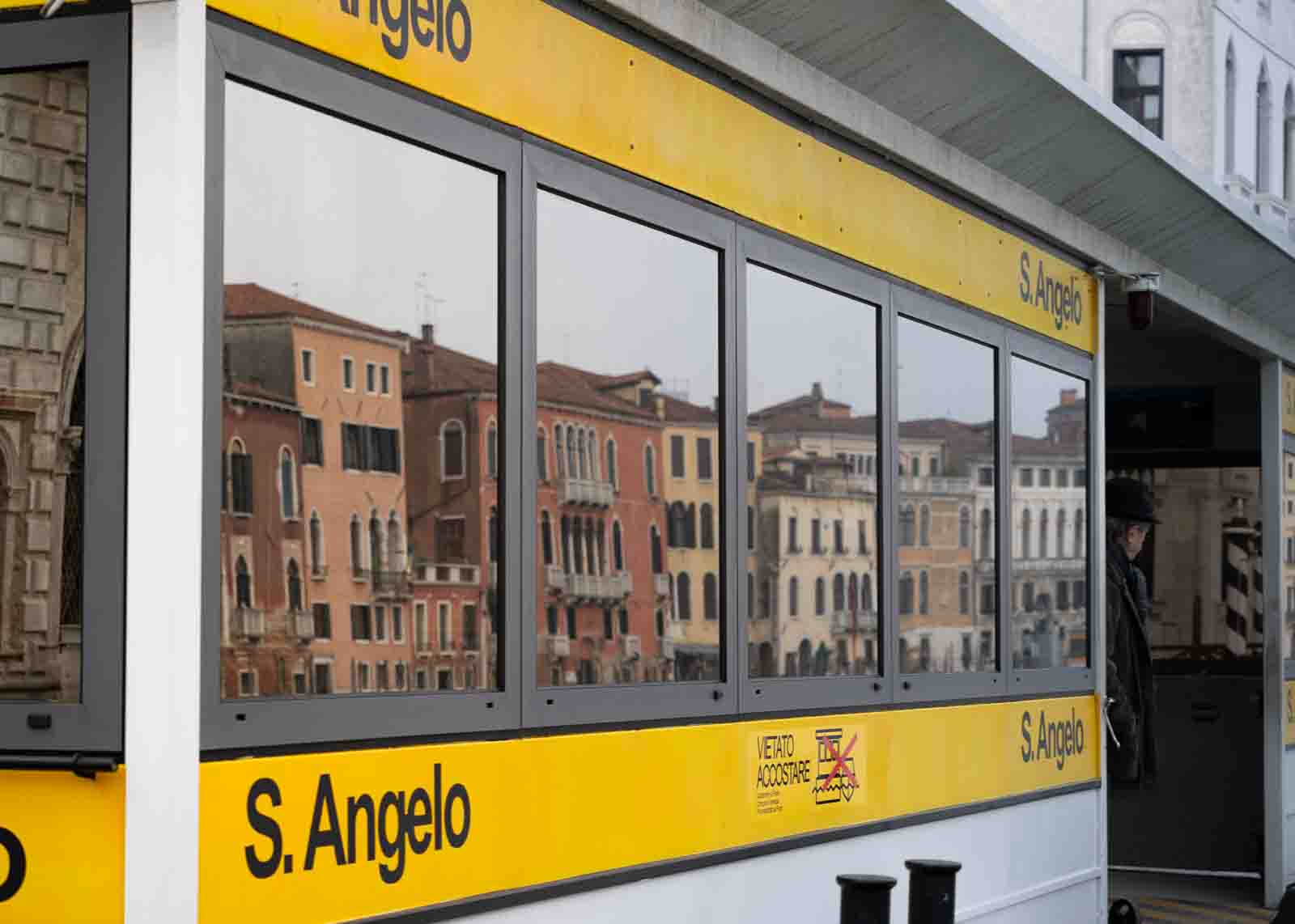
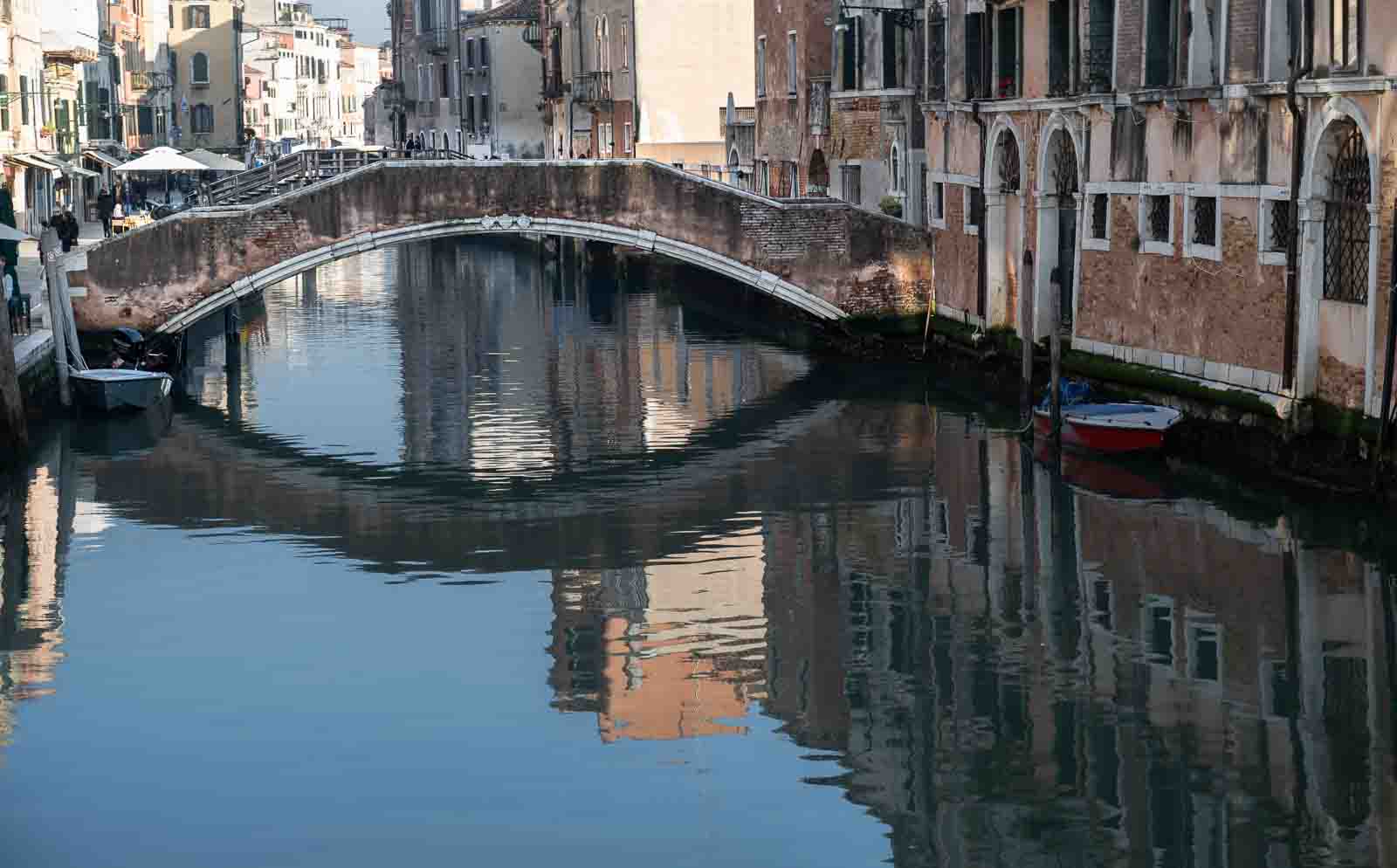
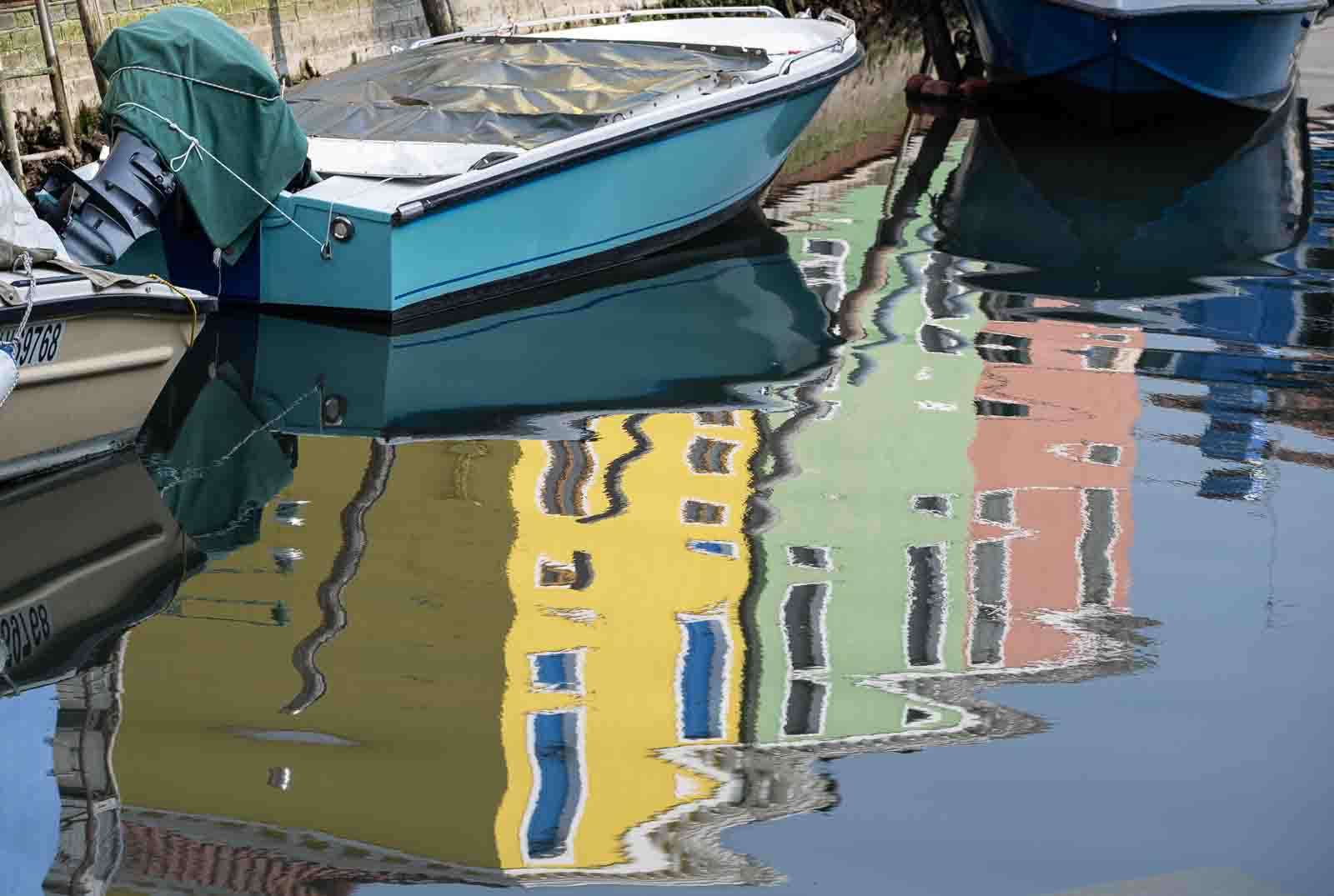
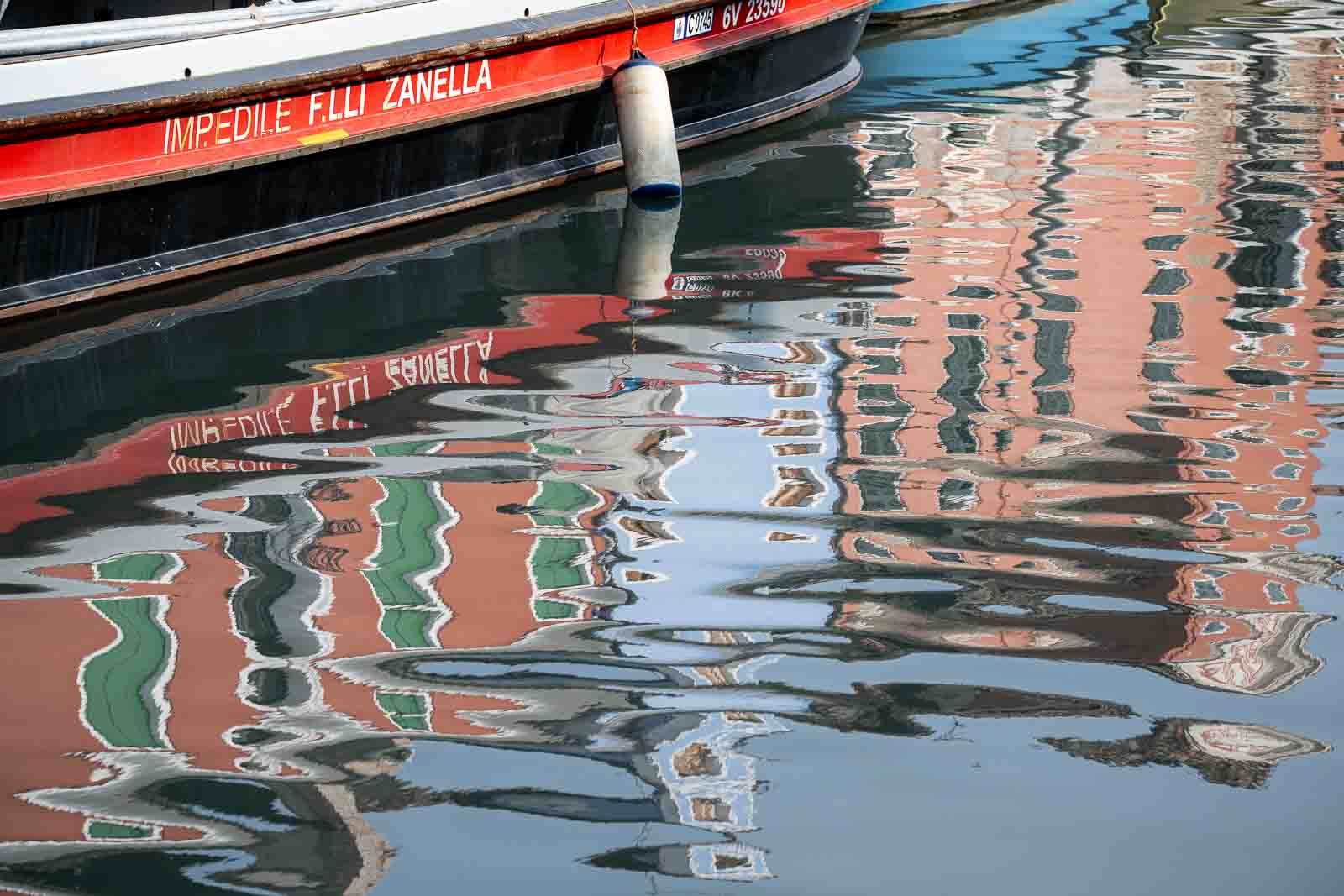
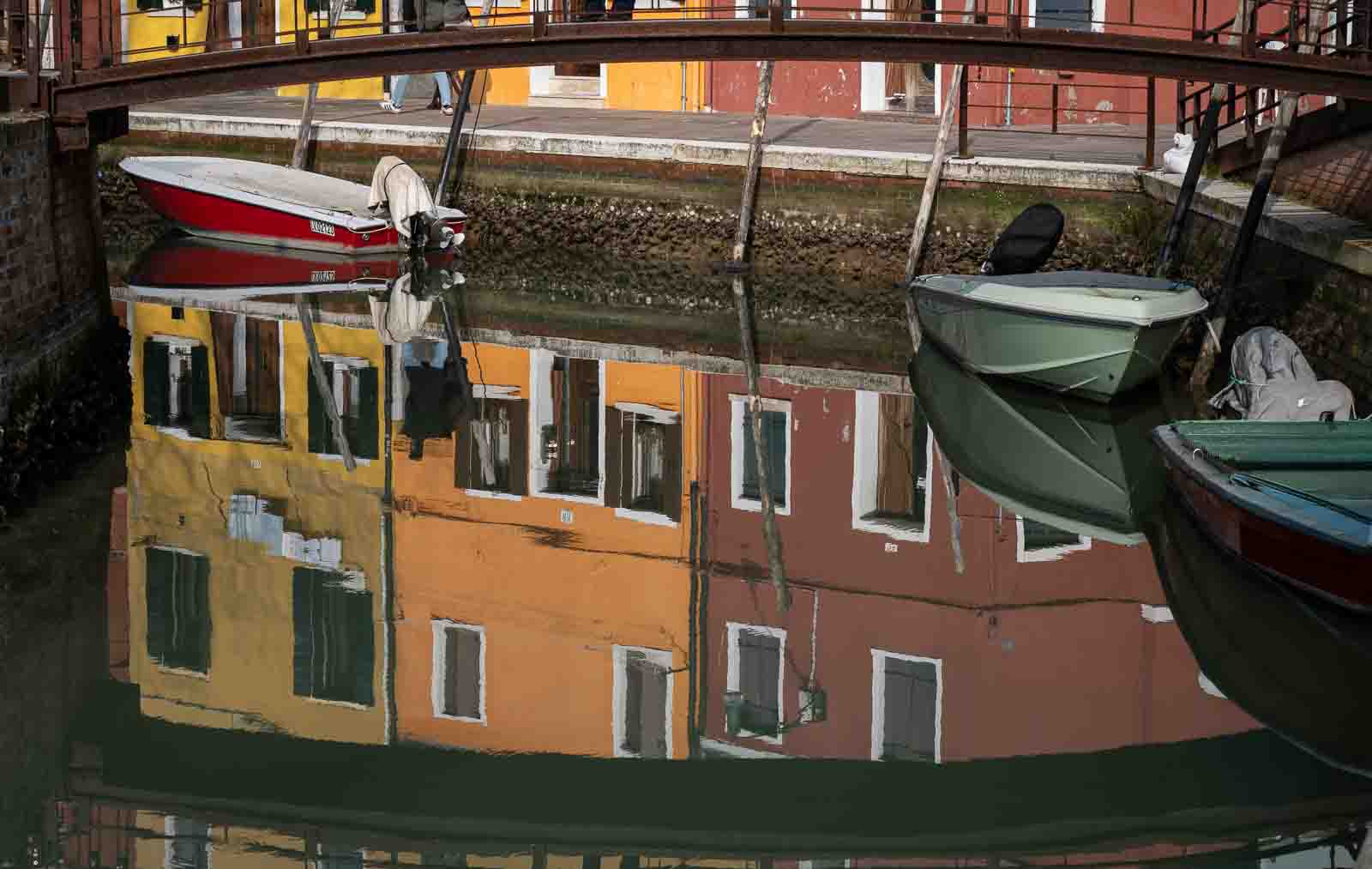
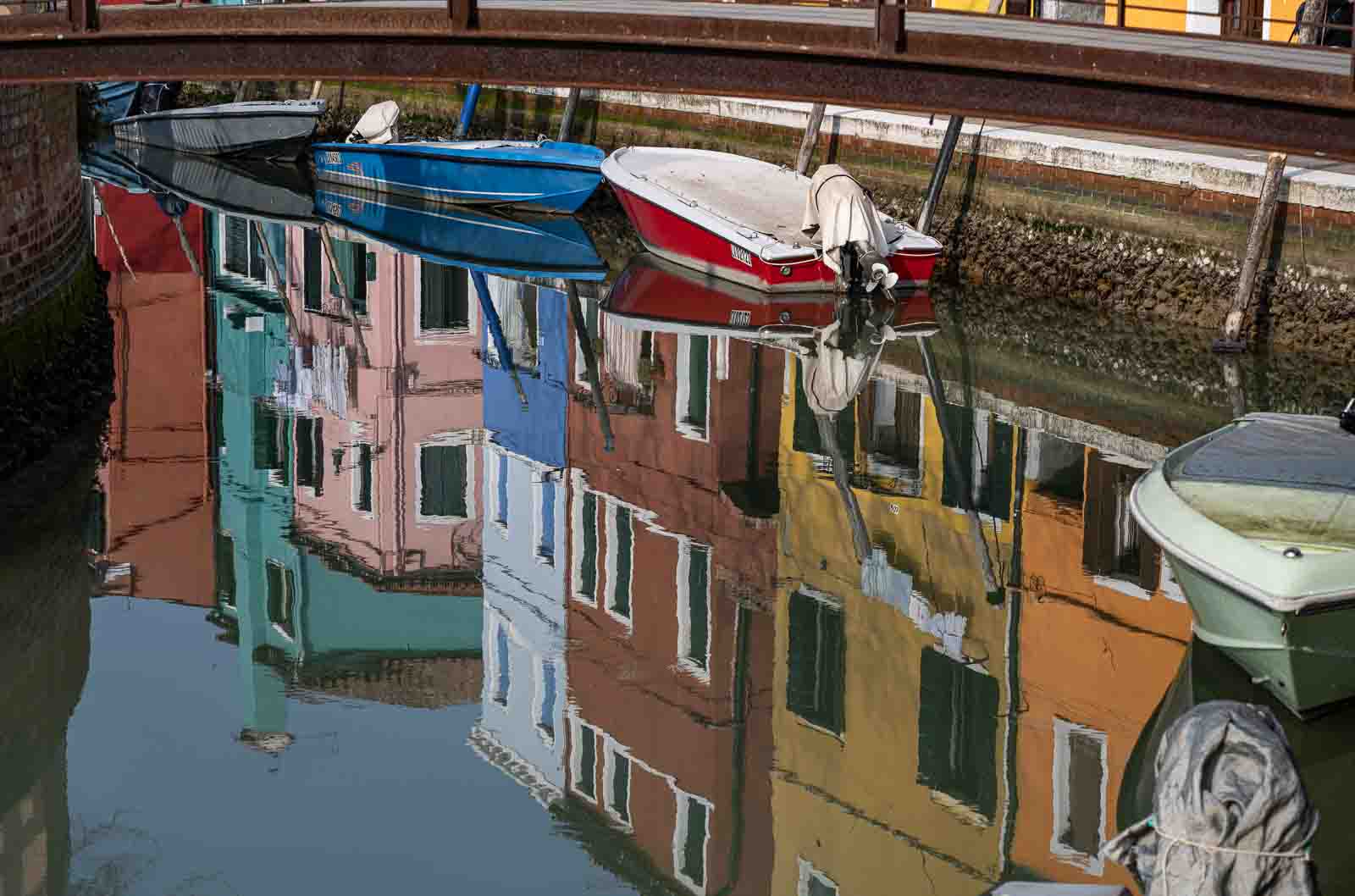
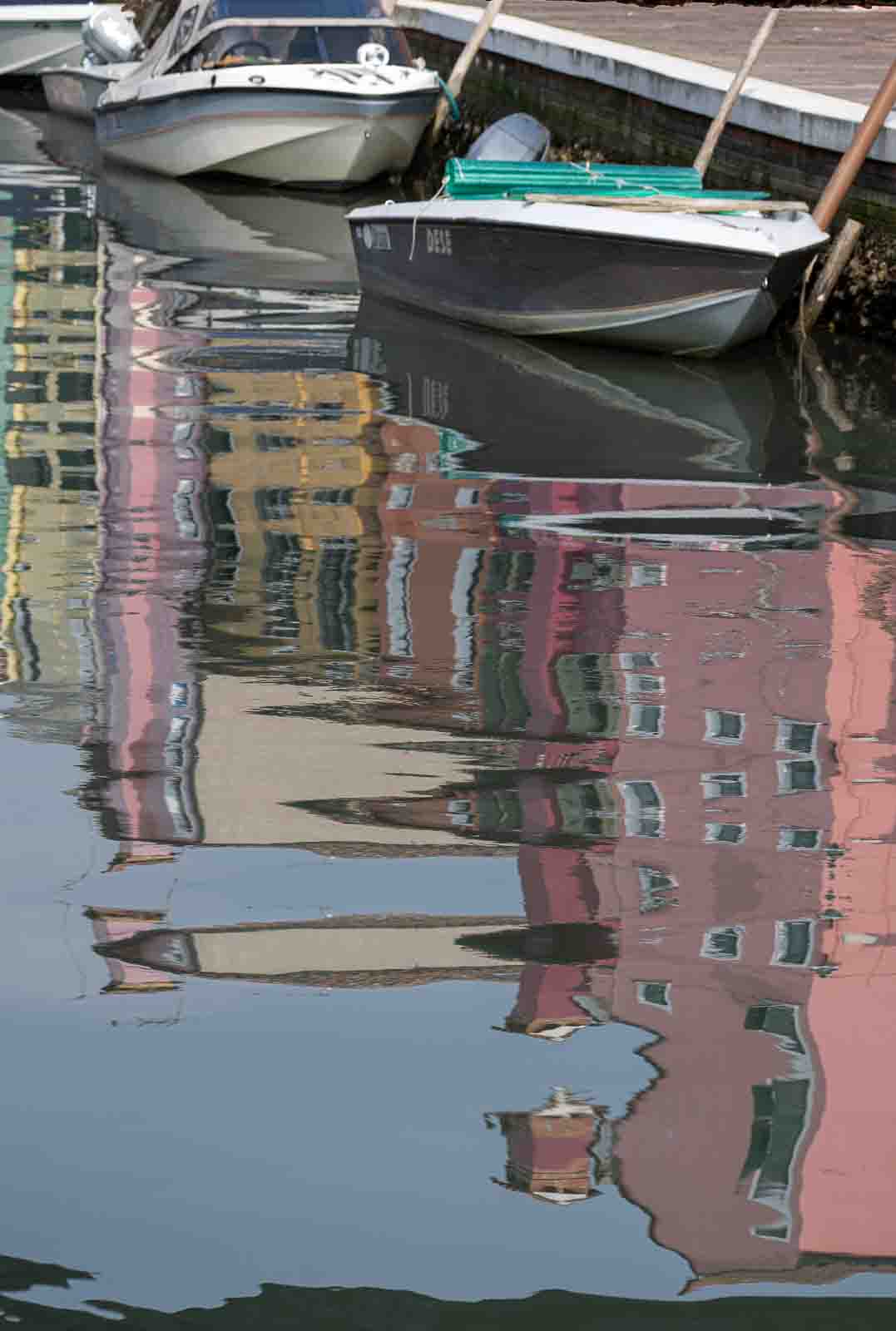
As the years pass, as remembrance begins to overshadow aspiration, Venice’s voids and silences have acquired a reality of their own: the ‘invisibilità’ of a presence—of both self and city—flowing back through time in a perpetual state of flux. They seem now to speak a language one learns slowly to decode: the language of the interplay of light and water, of shifting reflections, of the mercurial contours of hidden desires shimmering on the surface of the canals and dispersed among the infinite focal points that mark our passage through time.
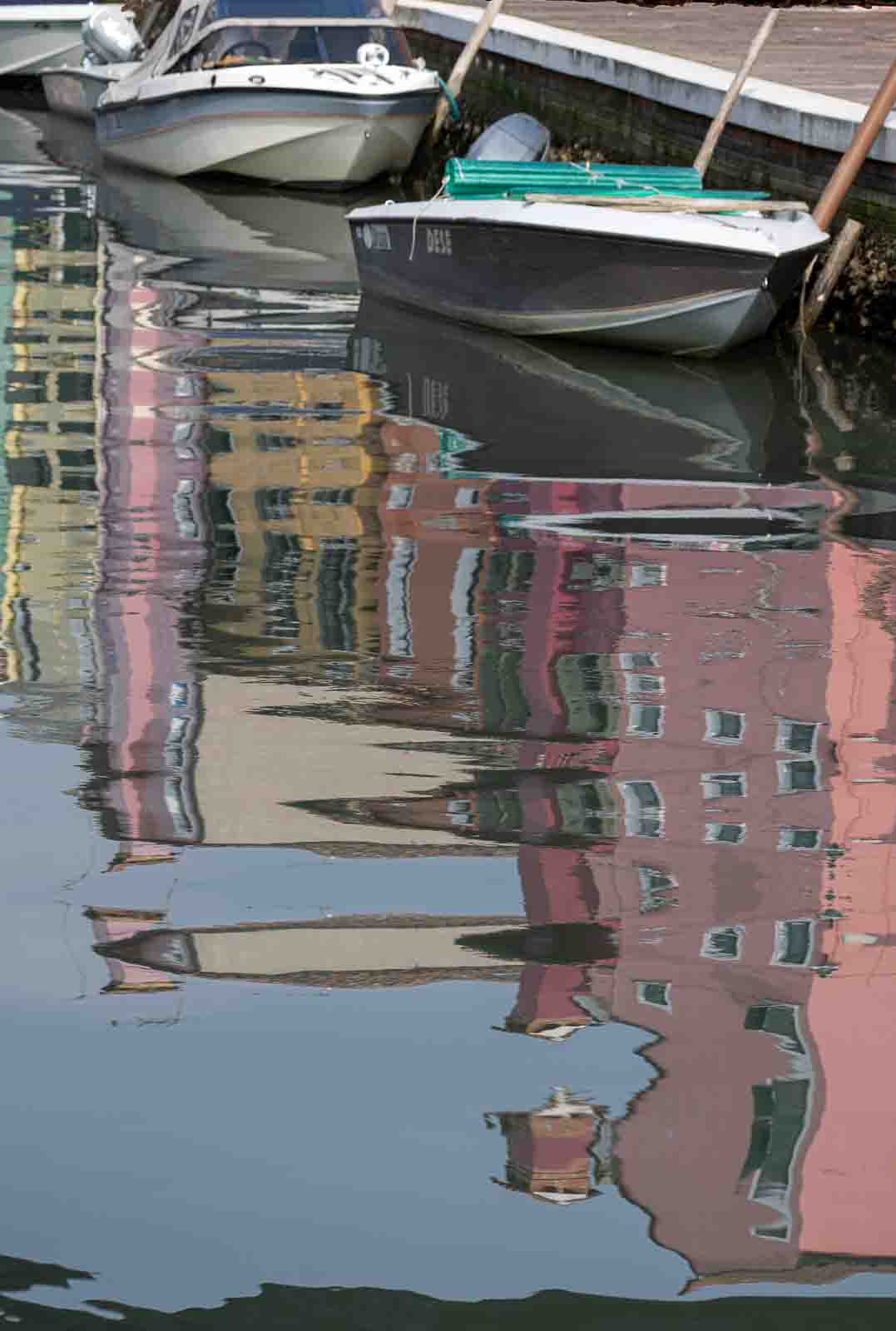
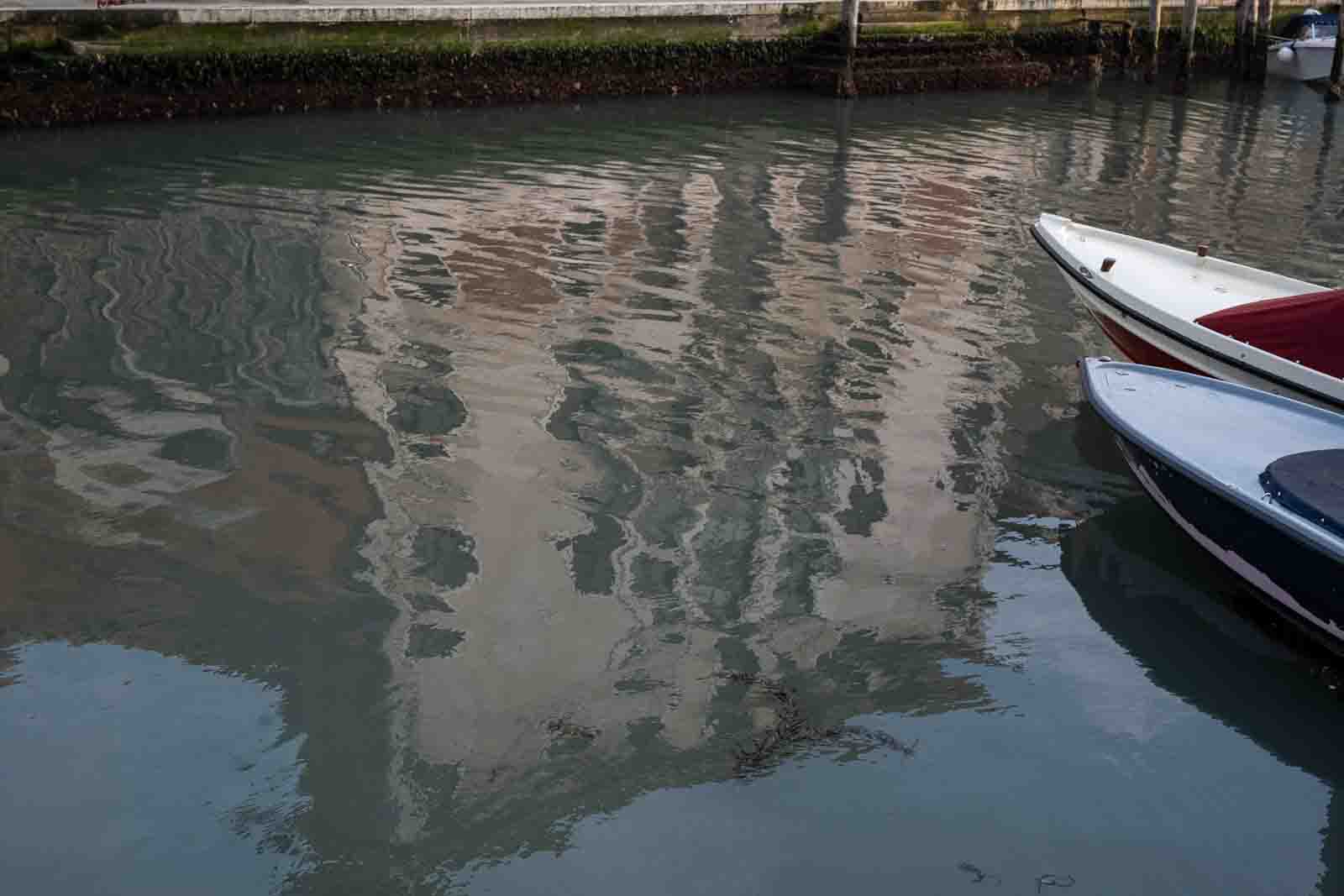
Postscipt
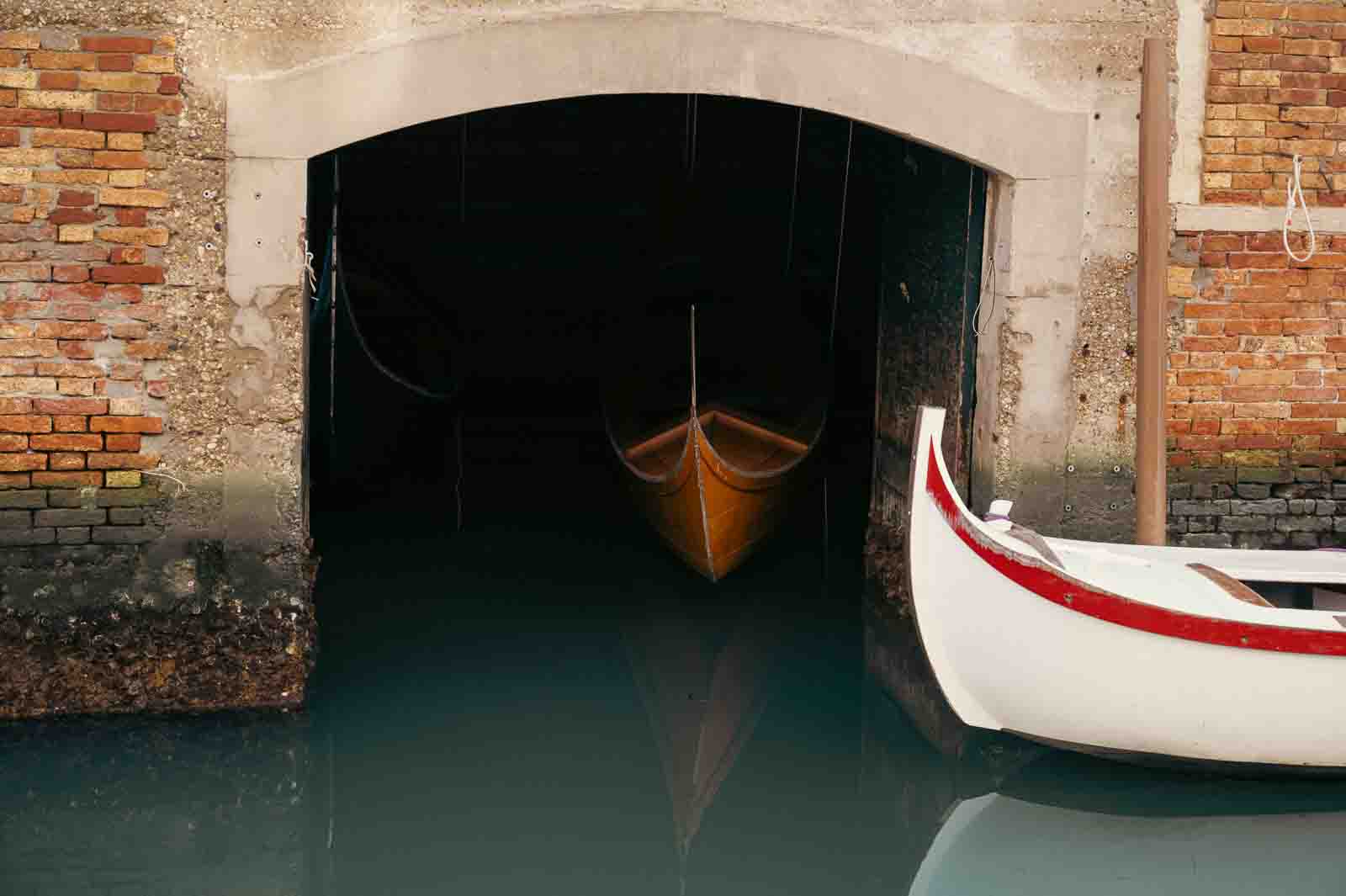
In the final passage of Italo Calvino’s Le città invisibili, il Gran Kan challenges his Venetian ambassador by questioning the value of travel since, as he claims, all roads seem to lead to the city of Dis (Hell). Polo responds by asserting that, rather than a destination, hell is in fact a reality we confront in our daily lives. According to the traveller, we either accept and adapt to our circumstances, or else we can “cercare e saper riconoscere chi e cosa, in mezzo all’inferno, non è inferno, e farlo durare, e dargli spazio” (“Seek to identify what is not infernal in our world and help to make it endure”). The latter is a “riskier” approach according to Polo, one that requires constant attention and training. What follows represents my own studied effort to preserve a space for Venice’s enduring beauty amid the corrosions of contemporary life.
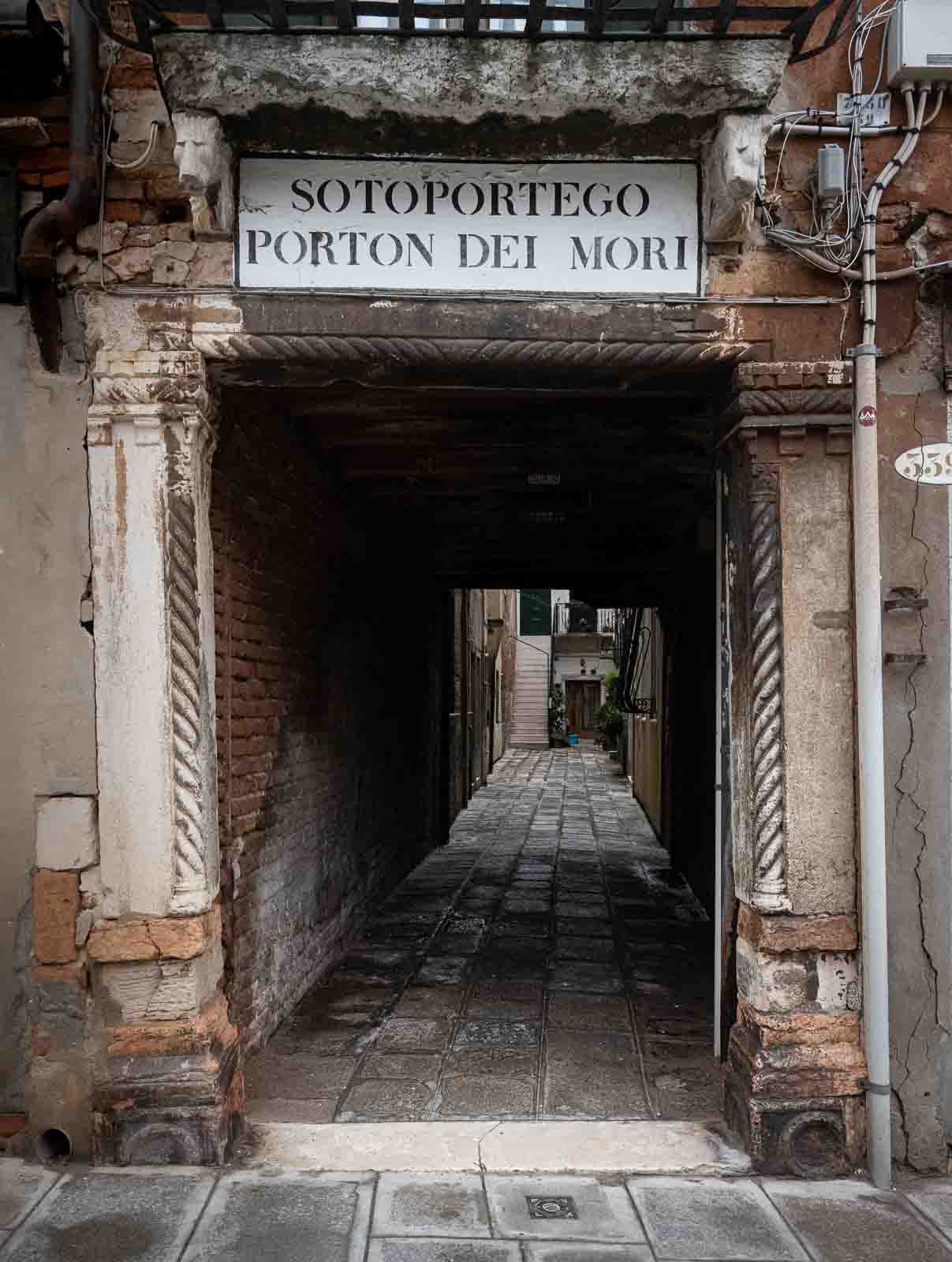
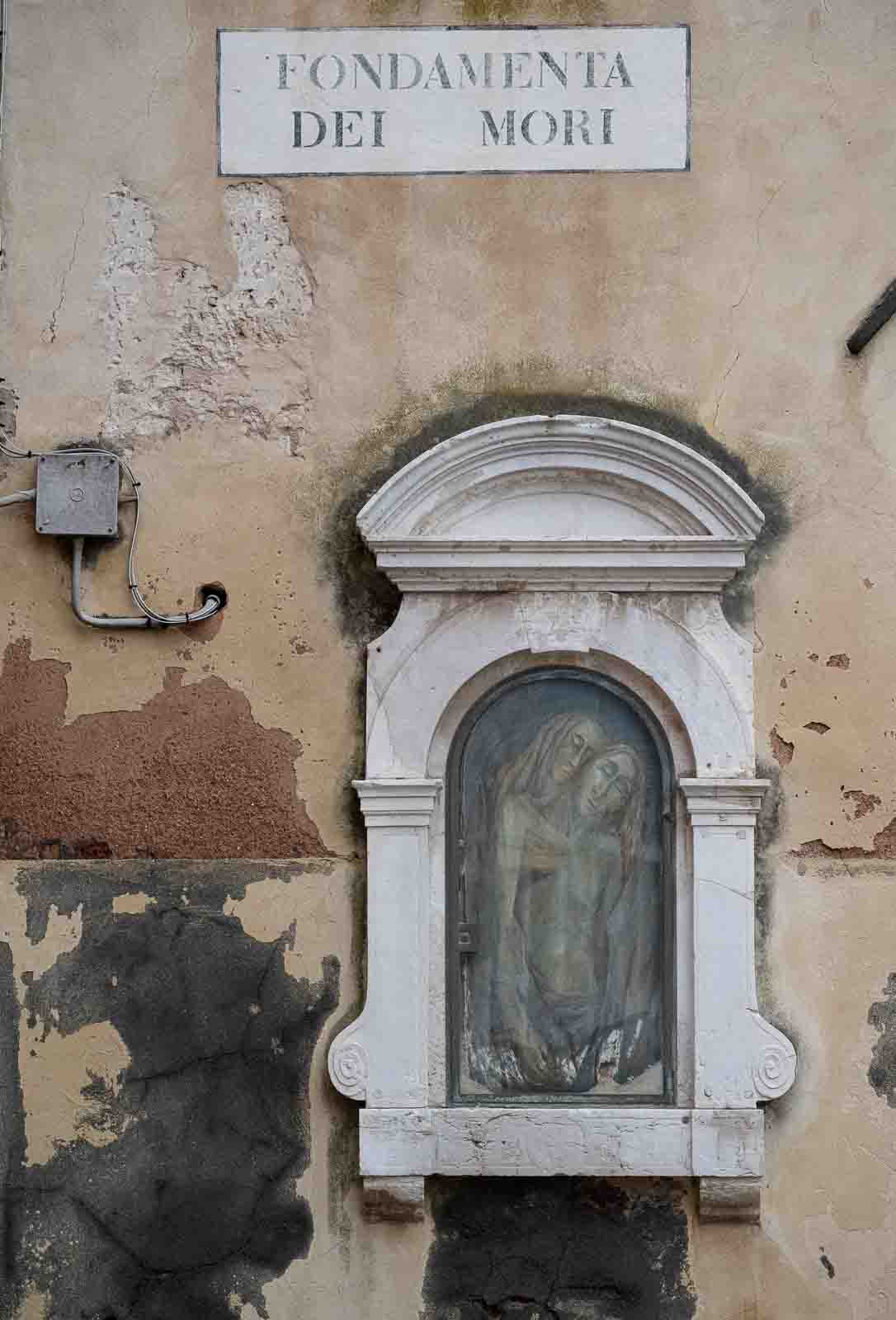
Cannaregio
Campi
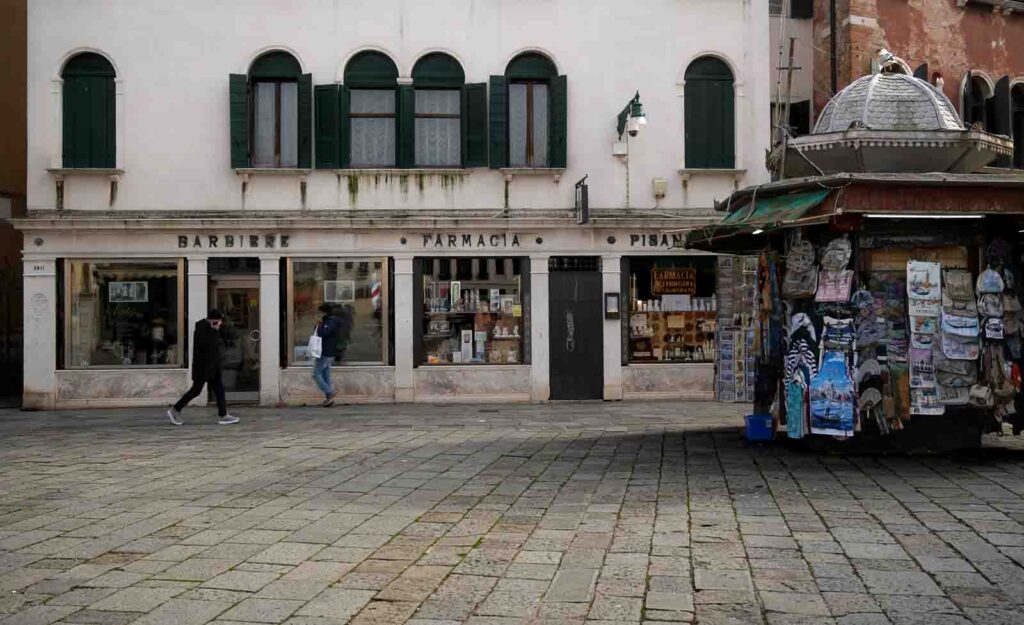

Canali
Calli
Canal Grande
Ponti
Monuments
Art

Symbols & Myths
Venetian charm
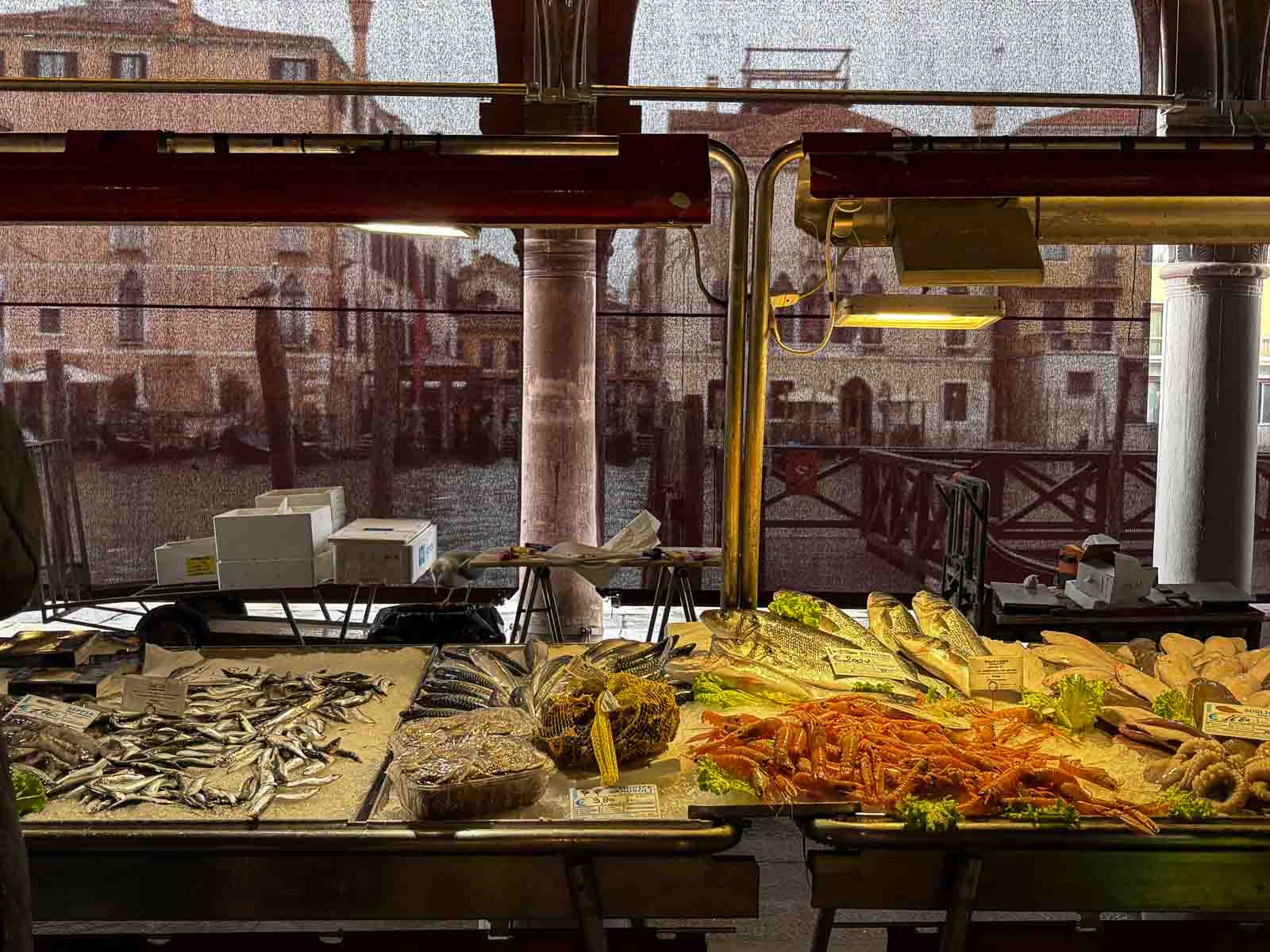
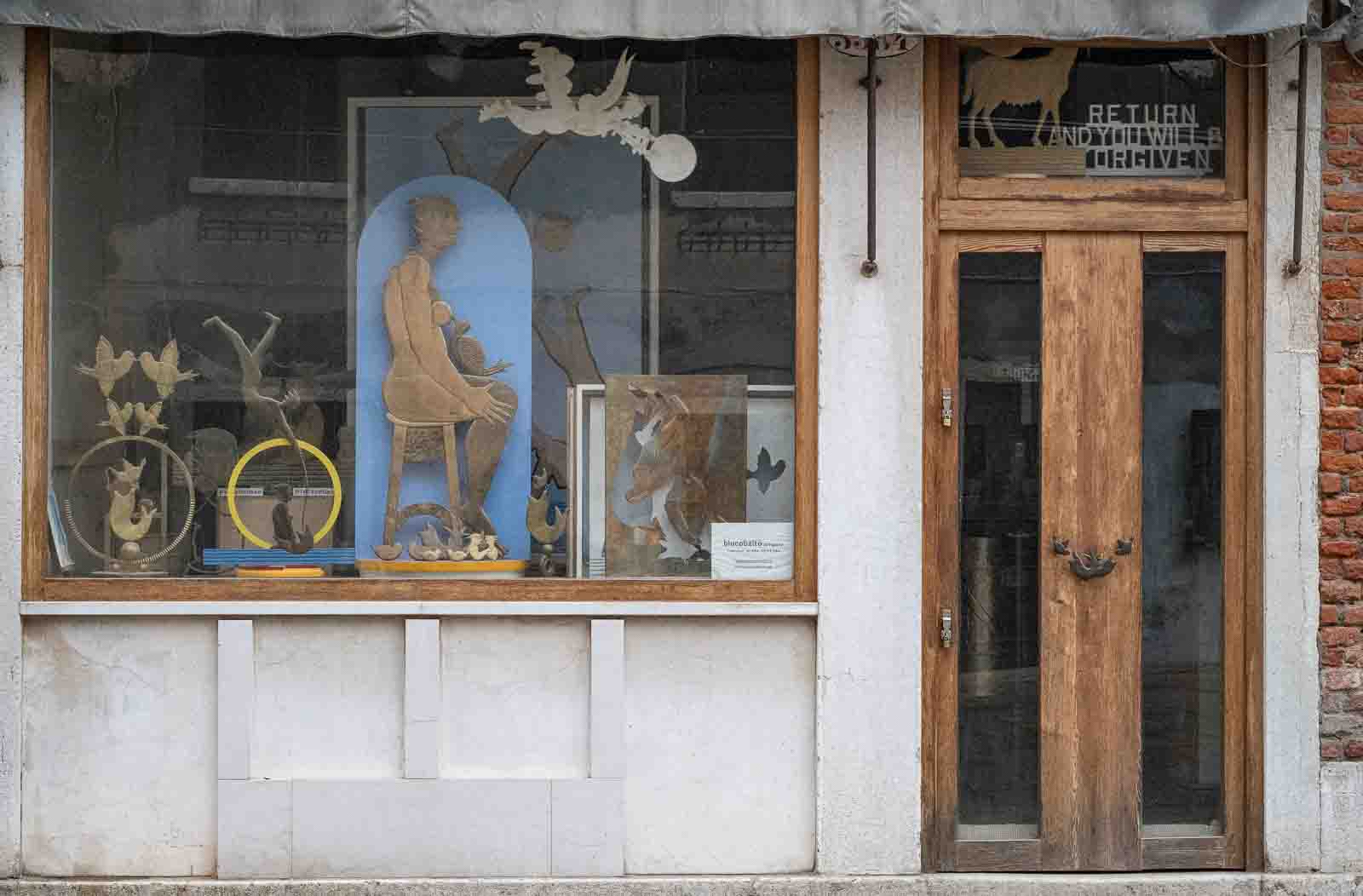
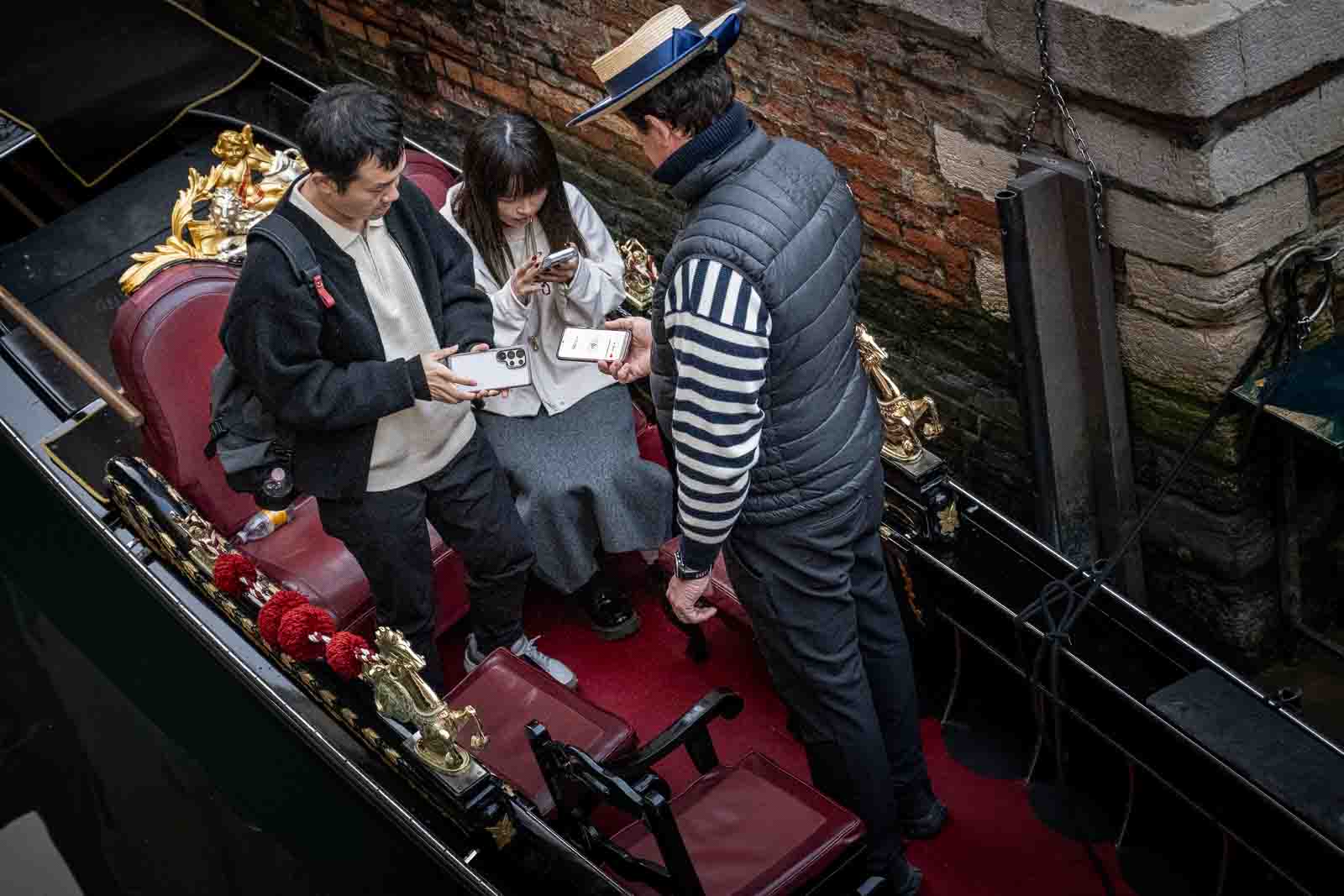
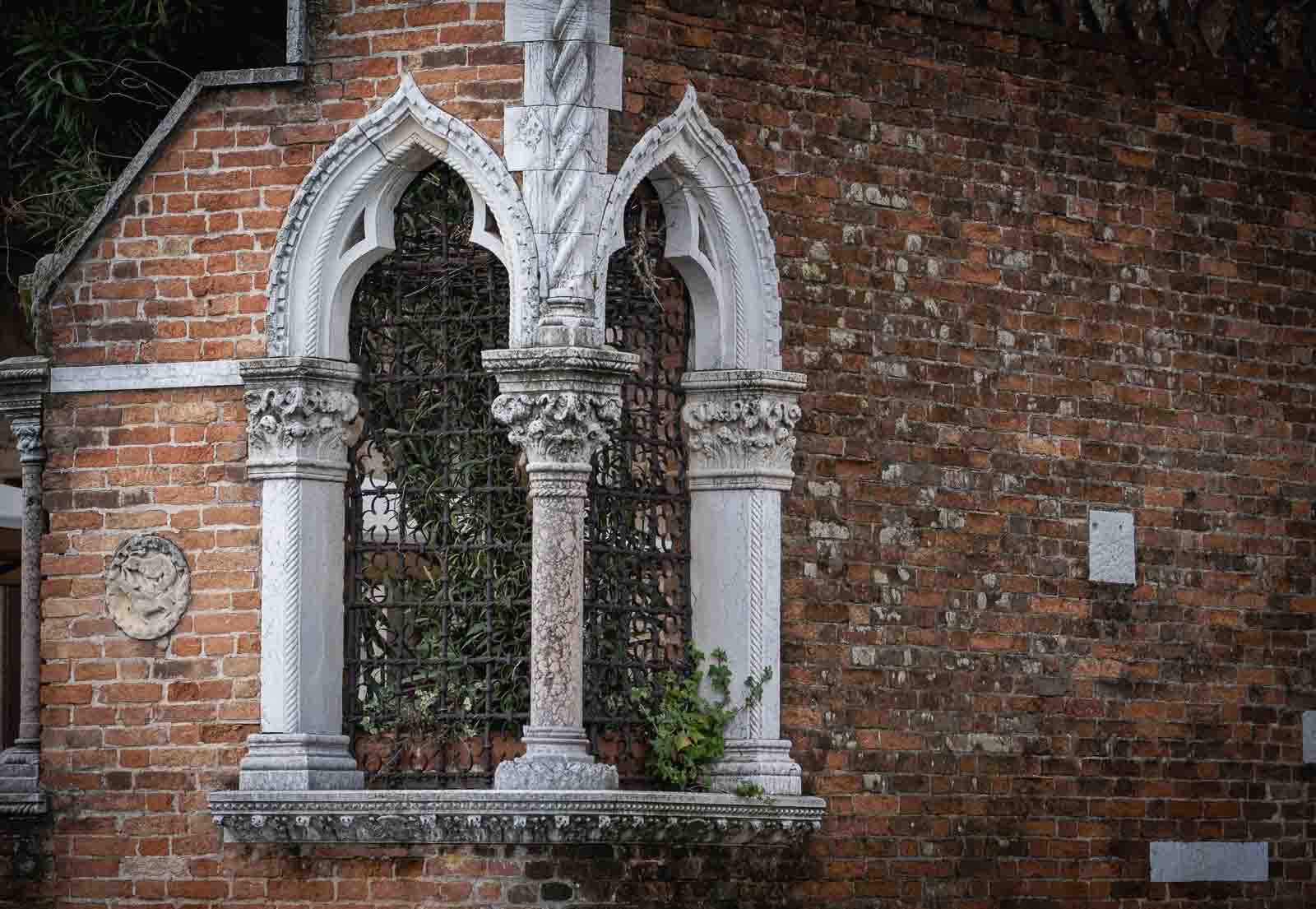
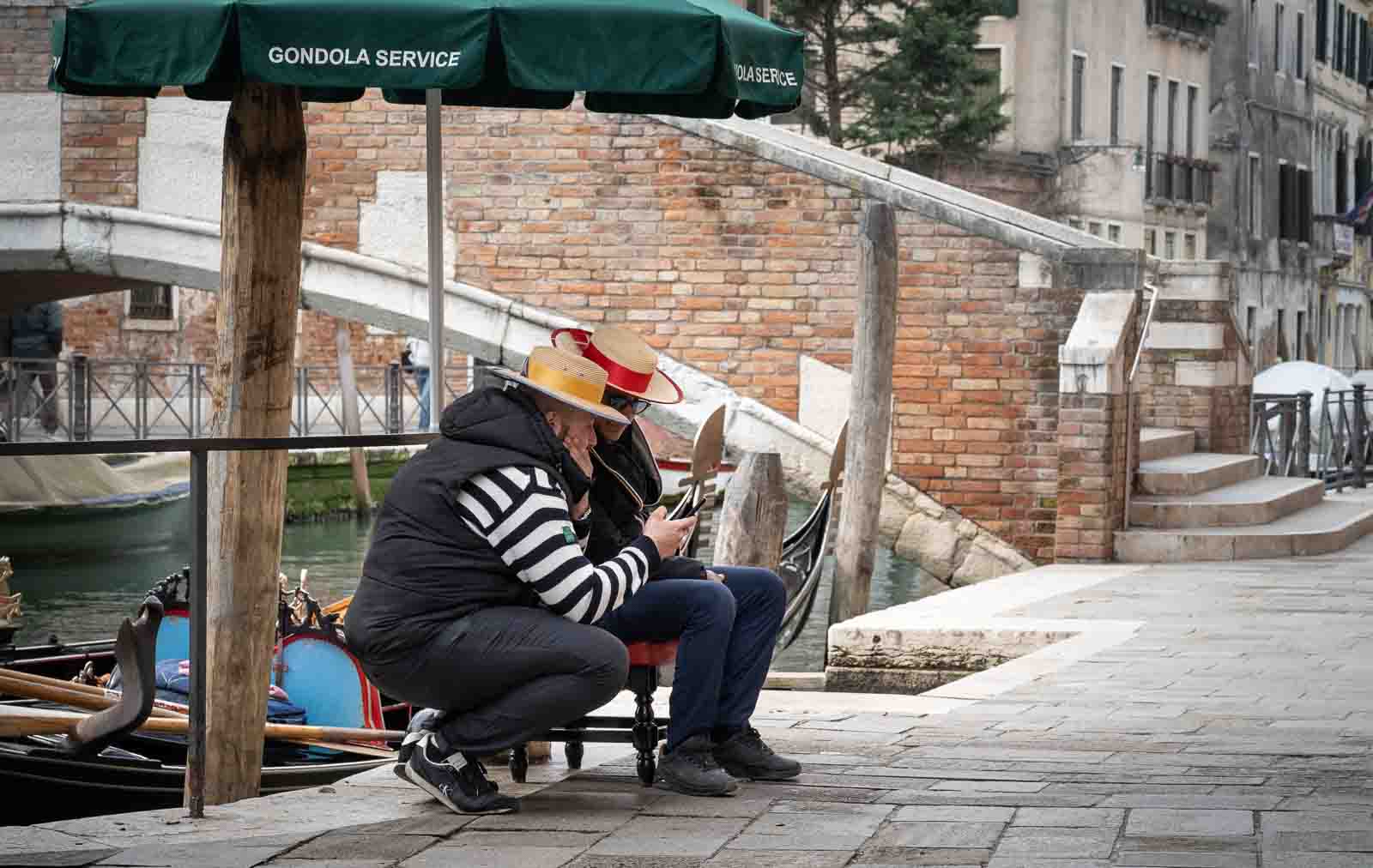
Venetians
Le isole
City scape




Antonio, inmensa alegría leer sobre Venecia. Gracias mil.