In pursuit of Neruda’s Chile
Antes que la peluca y la casaca
fueron los ríos, ríos arteriales:
fueron las cordilleras, en cuya onda raída
el cóndor o la nieve parecían inmóviles:
fue la humedad y la espesura, el trueno
sin nombre todavía, las pampas planetarias.
(Before the wig and the dress coat
there were rivers, arterial rivers:
there were cordilleras, in whose worn wave
the condor or the snow seemed motionless:
there was dampness and dense growth, the thunder
as yet unnamed, the planetary pampas.)
Pablo Neruda, Canto General
There is something providential, something profoundly sacred about the America that Pablo Neruda narrates in his Canto general: in the beginning there were the mountains and the rivers, whose crevices formed the arteries and whose waters the lifeblood of a pristine mother earth. And there were the condors and the snow: still and silent, waiting to be named. Neruda paints a spiritually reassuring portrait as he surveys America’s horizons from inception to present with the panoramic of a condor that his lofty verse enables. Long before my graduate-school encounter with this poem I had somehow vaguely imagined the Chilean landscape that prevails in Neruda’s poetry: lush, ancient forests, rugged, saw-tooth mountains and unhewn, storm-swept coast. Echoes of this world drift north naturally along the migratory byways followed by the birds and whales, by individuals like the ill-fated Joaquín Murrieta, in the 1800s, in his feverish search for gold. The (for me) mystifying thought of hemispheric symmetries, of California’s sequoias mirrored in Chile’s alerces and of a correspondence of seascapes and deserts lining the cornice of the western Pacific basin predates my adolescent Chileno friendships and graduate school love affair with Canto general. All that feels today –as it did when I first read Neruda in 1972– like the kernel of a pre-conscious understanding, the seed of a mystifying passion shrouded in some uncertain past.
Bolstered by its pulsating rhythms and oracular imagery, Canto general, on the other hand, resides very much in the spheres of my conscious awareness, serving as it did, oddly, to help congeal prior vague impressions. I say oddly since Neruda relies on allusion far more than precision, yet my experience is living proof of what authority the figurative can wield over the literal, how poetry can determine our paths. This authority derives in Neruda’s case from the epic sweep of his Whitmanesque tribute to untrammeled landscapes, America’s bounty, and to the corresponding wisdom and nobility of people whose lives are and have been inextricably embedded in this landscape. They are the poet’s timeless brethren, pueblo he implores (in section II) to resurrect –“[subir] a nacer conmigo” (“rise up to be born with me”)– in his ascent to Macchu Picchu’s alturas, a climb that seems as real as it is metaphoric. Neruda relies heavily on allusion to convey a sense of his people and their natural habitat in the broadest sense. His geography extends from Zapotecan Mexico (“anduve entre llores zapotecas”) to “espumas acumuladas de la luz antártica.” The blending of ancient and modern render a sense of an all-encompassing timelessness. Yet the poem is grounded explicitly in the presence of the roving I, in the voice and vision of the bard whose immediacy is felt throughout, who sets forth to recount history as he sees it here and now: “Yo estoy aquí para contar la historia.” It is grounded in the aquatic sensitivities of he who came to know the rain, rivers and seas of his native southern Chile intimately, who developed early on the consciousness of what one critic calls the “viajero inmóvil” (Rodríguez Monegal) “navegando [endlessly] en un agua de origen y ceniza” (“Walking around,” Residencia en la tierra). The abstract “maraña” (tangled web) of “raíces” and “sombras” (roots and shadows) Bolstered by its pulsating rhythms and oracular imagery, Canto general, on the other hand, resides very much in the spheres of my conscious awareness, serving as it did, oddly, to help congeal prior vague impressions. I say oddly since Neruda relies on allusion far more than precision, yet my experience is living proof of what authority the figurative can wield over the literal, how poetry can determine our paths. This authority derives in Neruda’s case from the epic sweep of his Whitmanesque tribute to untrammeled landscapes, America’s bounty, and to the corresponding wisdom and nobility of people whose lives are and have been inextricably embedded in this landscape. They are the poet’s timeless brethren, pueblo he implores (in section II) to resurrect –“[subir] a nacer conmigo” (“rise up to be born with me”)– in his ascent to Macchu Picchu’s alturas, a climb that seems as real as it is metaphoric. Neruda relies heavily on allusion to convey a sense of his people and their natural habitat in the broadest sense. His geography extends from Zapotecan Mexico (“anduve entre llores zapotecas”) to “espumas acumuladas de la luz antártica.” The blending of ancient and modern render a sense of an all-encompassing timelessness. Yet the poem is grounded explicitly in the presence of the roving I, in the voice and vision of the bard whose immediacy is felt throughout, who sets forth to recount history as he sees it here and now: “Yo estoy aquí para contar la historia.” It is grounded in the aquatic sensitivities of he who came to know the rain, rivers and seas of his native southern Chile intimately, who developed early on the consciousness of what one critic calls the “viajero inmóvil” (Rodríguez Monegal) “navegando [endlessly] en un agua de origen y ceniza” (“Walking around,” Residencia en la tierra). The abstract “maraña” (tangled web) of “raíces” and “sombras” (roots and shadows) derive from the elemental reality –Aysén’s primaeval rain-drenched Valdivian forests— that were, for Neruda, as existential as they were Edenic.
The conjunction of my early curiosity and subsequent encounter with this poetry inspired this trip as much –perhaps more—than anything else. Our journey to Patagonia was, in a sense, a quest for Neruda.

Chile’s wilderness: El Aysén (Dec 29 – Jan)
Planning this trip I was reminded of how the experience of discovery can shape travel undertaken in these terms, even –or especially—prior to departure. We were blessed by the insights of a friend, María Luz Rodríguez, who had traveled Patagonia very much in the rough and who pointed out, after reviewing the first draft of an itinerary, that in my zeal for visiting the high-profile glaciers (Torres del Paine, the Perito Moreno) I was skirting the most beautiful areas. We researched our options further and, based on what we learned, opted to start with a deep dive into Chile’s most remote and pristine wilderness.
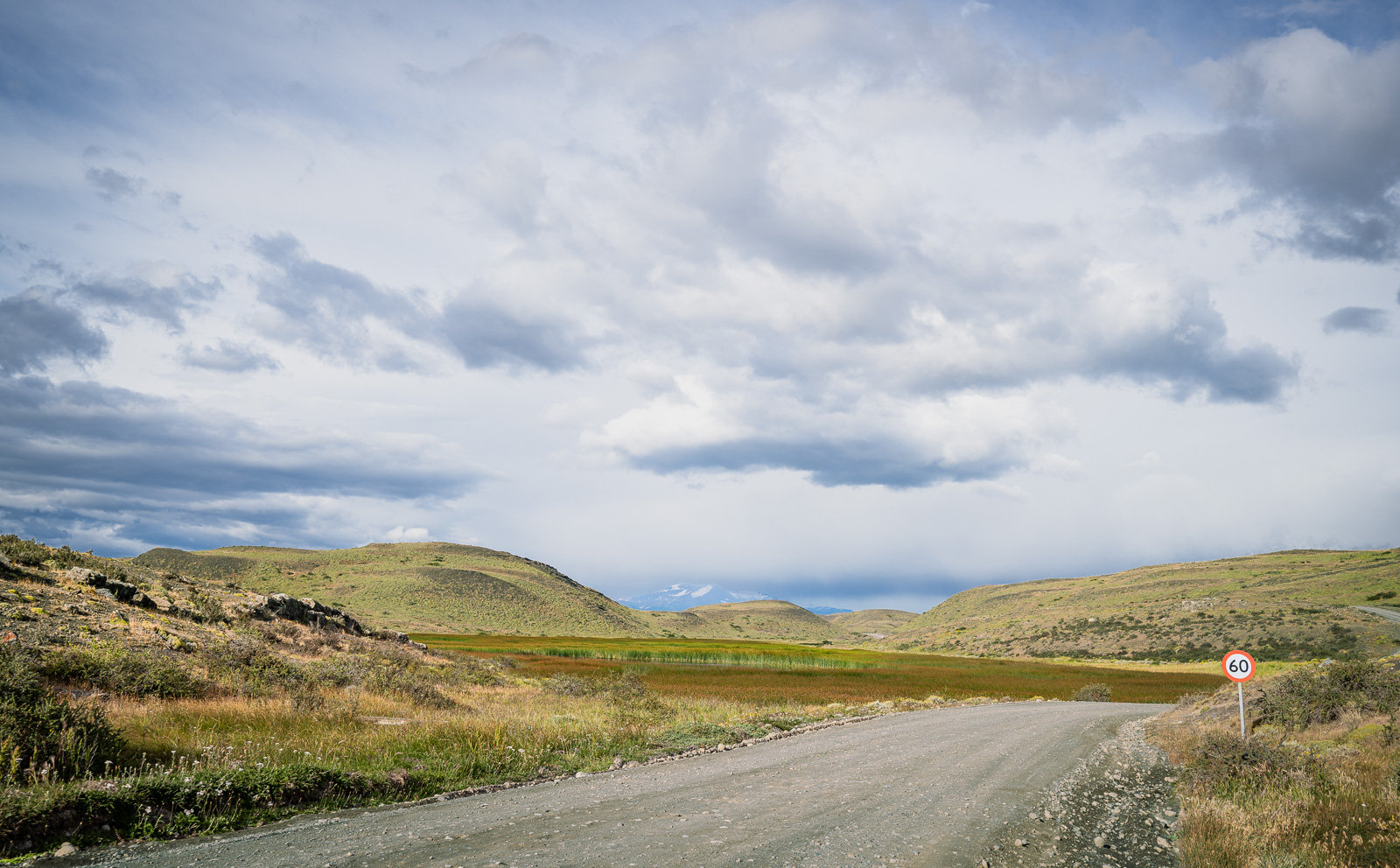
It is hard to imagine a region better attuned to the aims of this journey than Aysén. This sparsely populated territory, home to 10 of Chile’s 42 national parks, was traversed by a highway only as recently as the 1980s, and the still largely unpaved surface of the Carretera austral (the southern leg of the Panamerican Highway) makes access challenging. Shadows of the pre-carretera gaucho life (huasos in Chilean Patagonia) survive in the remote ranching communities scattered throughout: in the corrals, rodeo arenas, grazing herds of cattle and sheep and in ranch style workwear commonly worn by the locals. The region’s only airport, located in the unremarkable aldea (settlement) of Balmaceda (pop. circa 500), retains the feel of a remote air strip, with a swarm of car rental representatives crammed into one corner and a (recently installed) ATM gathering dust in the other.
One lands in Balmaceda only to pass through, most often 30 minutes away to Coyhaique, a ranching center turned regional capital in 1974 where cowboy boots now collide with cappuccinos, cowhands with German speaking backpackers.
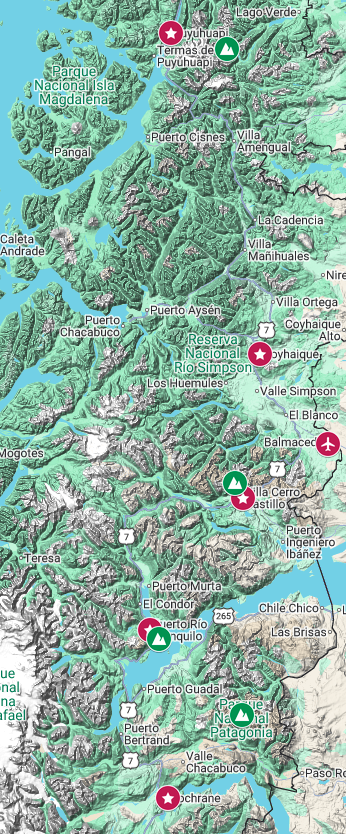
Chile’s Aysén,
from Puyuhuapi to Cochrane
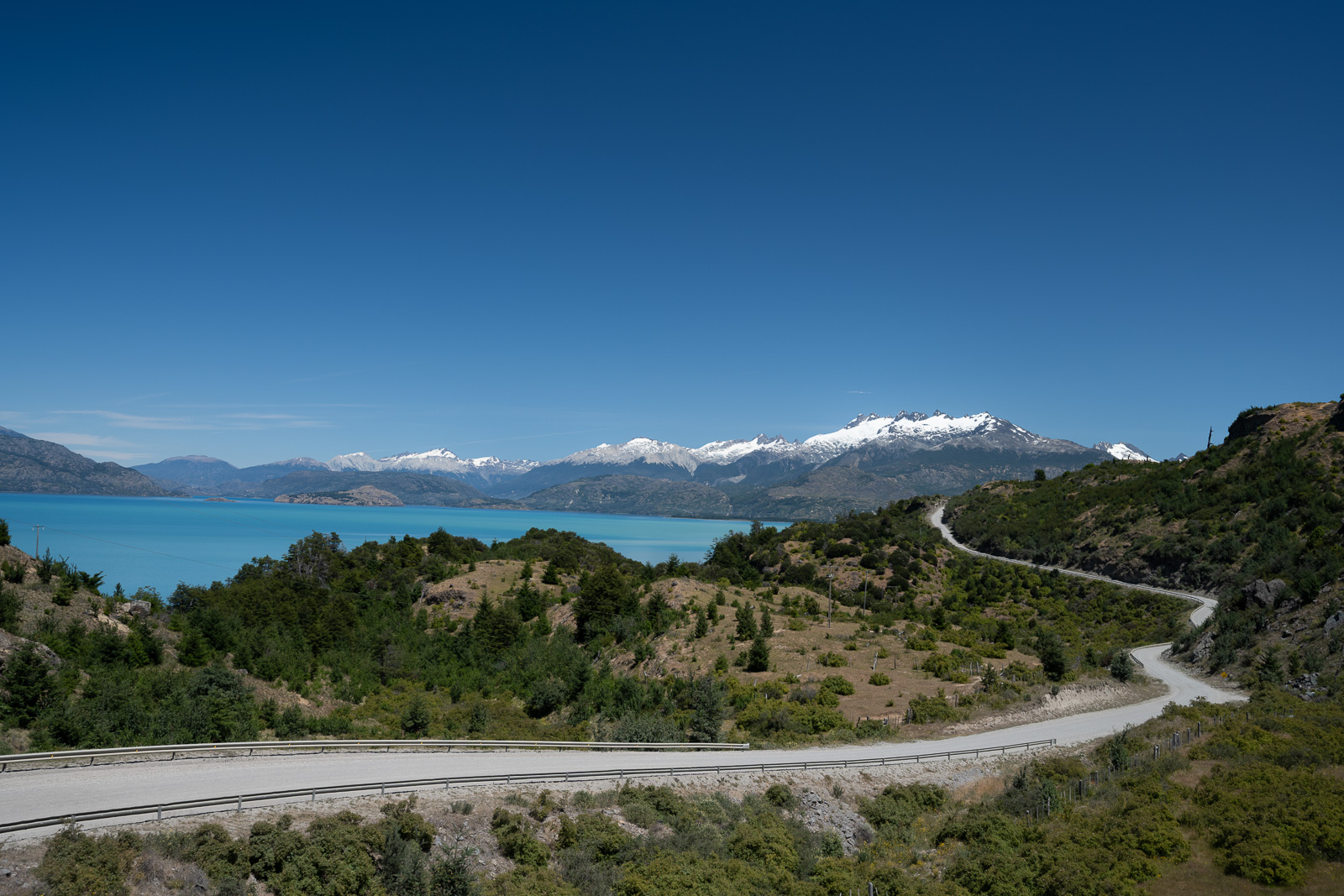
If an underdeveloped communications system has served to preserve Aysén’s wild beauty, advances in paving the carretera austral and plans for an expanded passenger terminal at Balmaceda announce what the future holds. Coyhaique was for us the first of various windows onto the transitions that far-reaching exposure promises for Chile’s wild south.
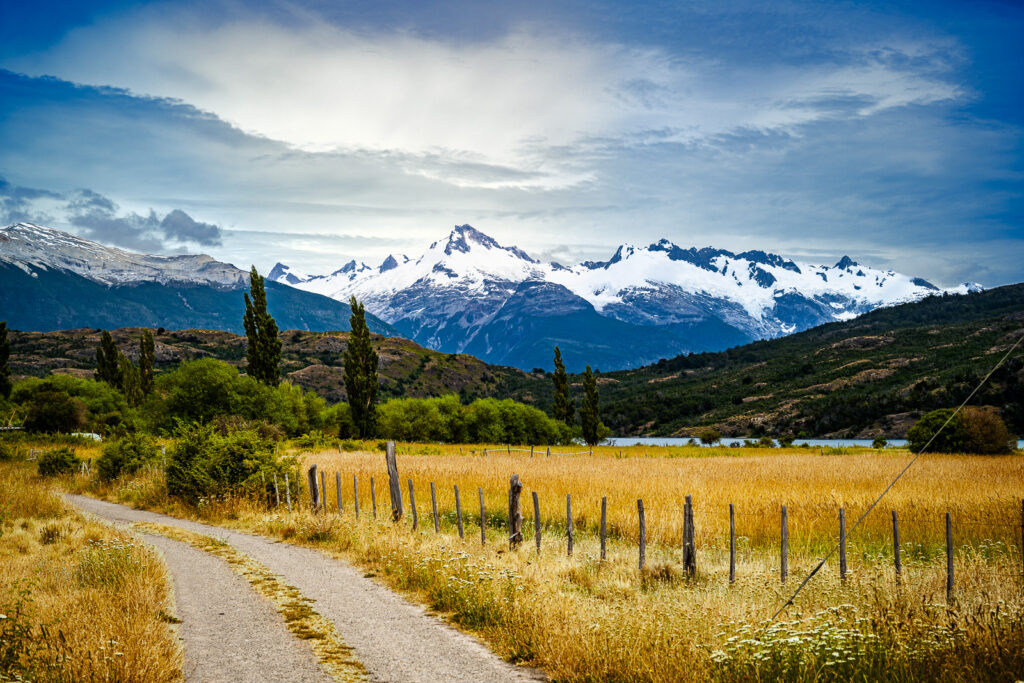
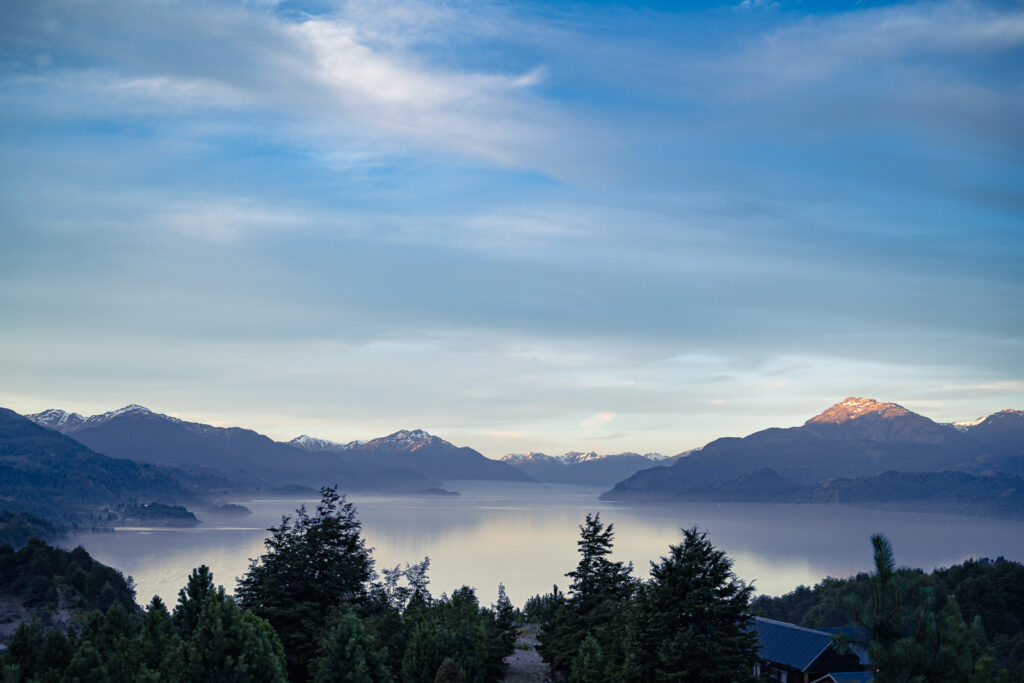
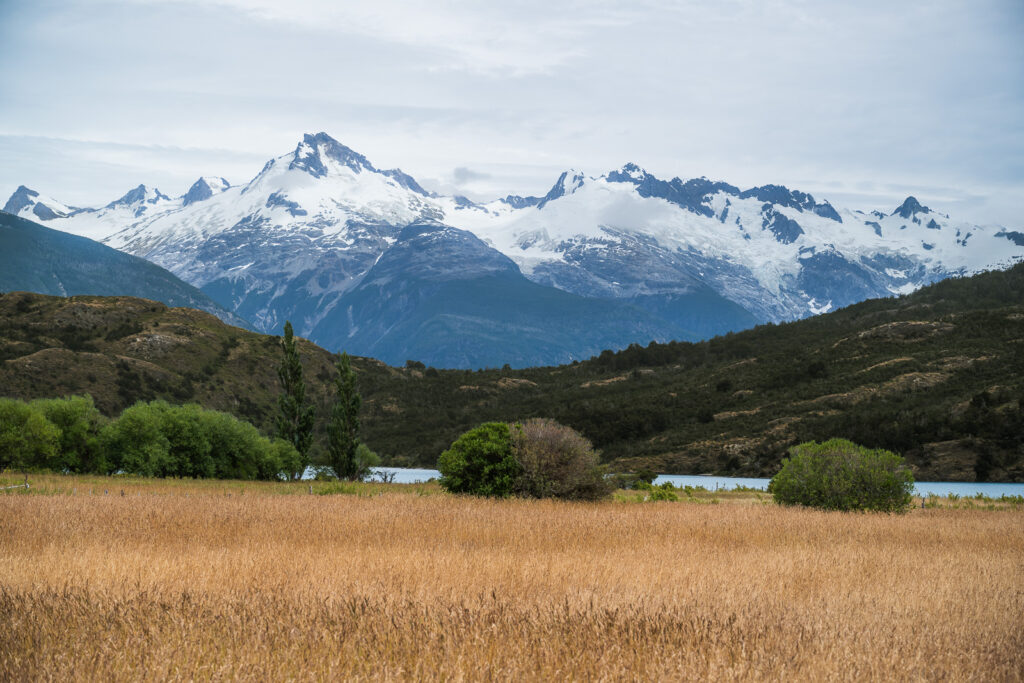
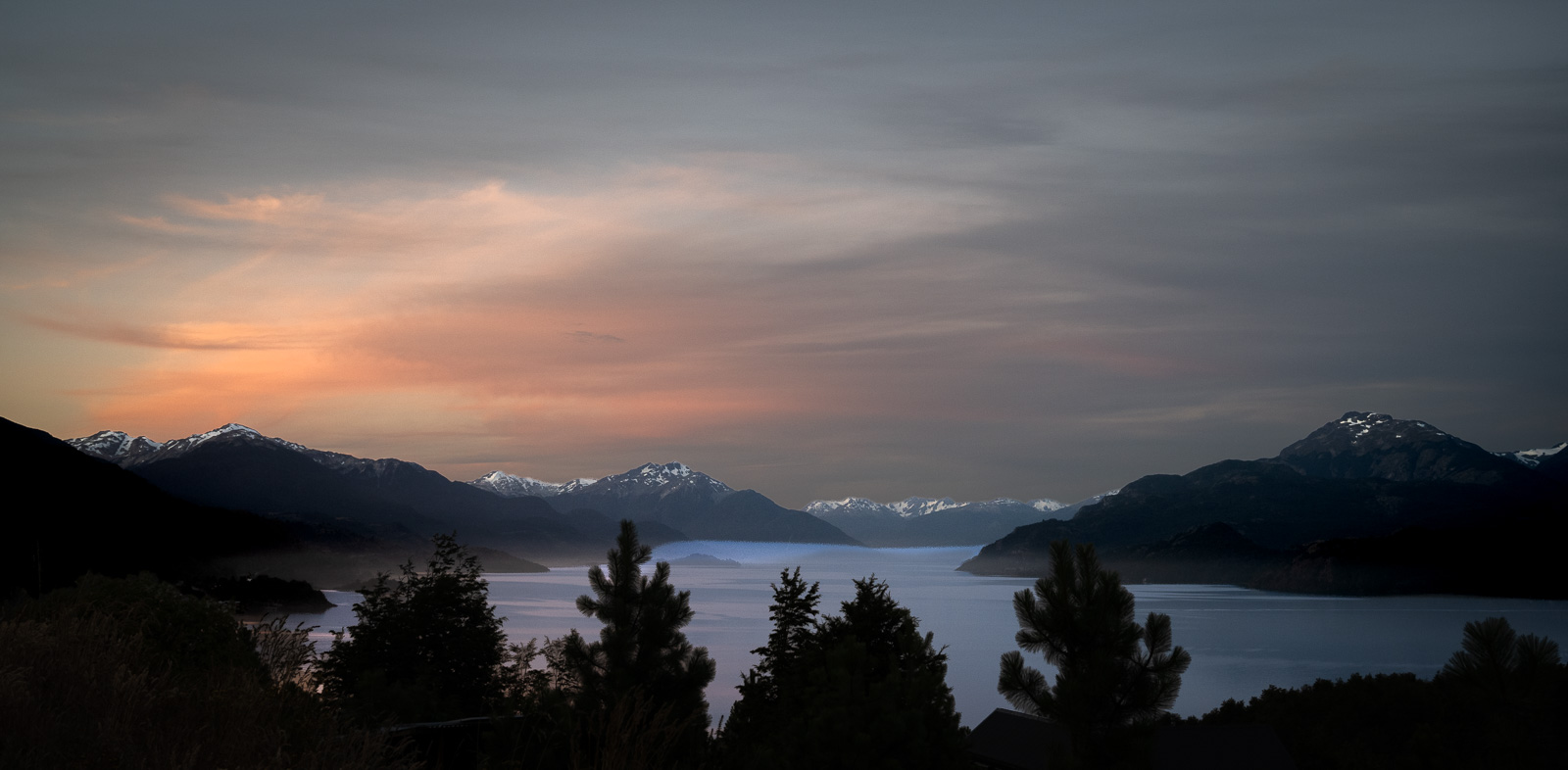
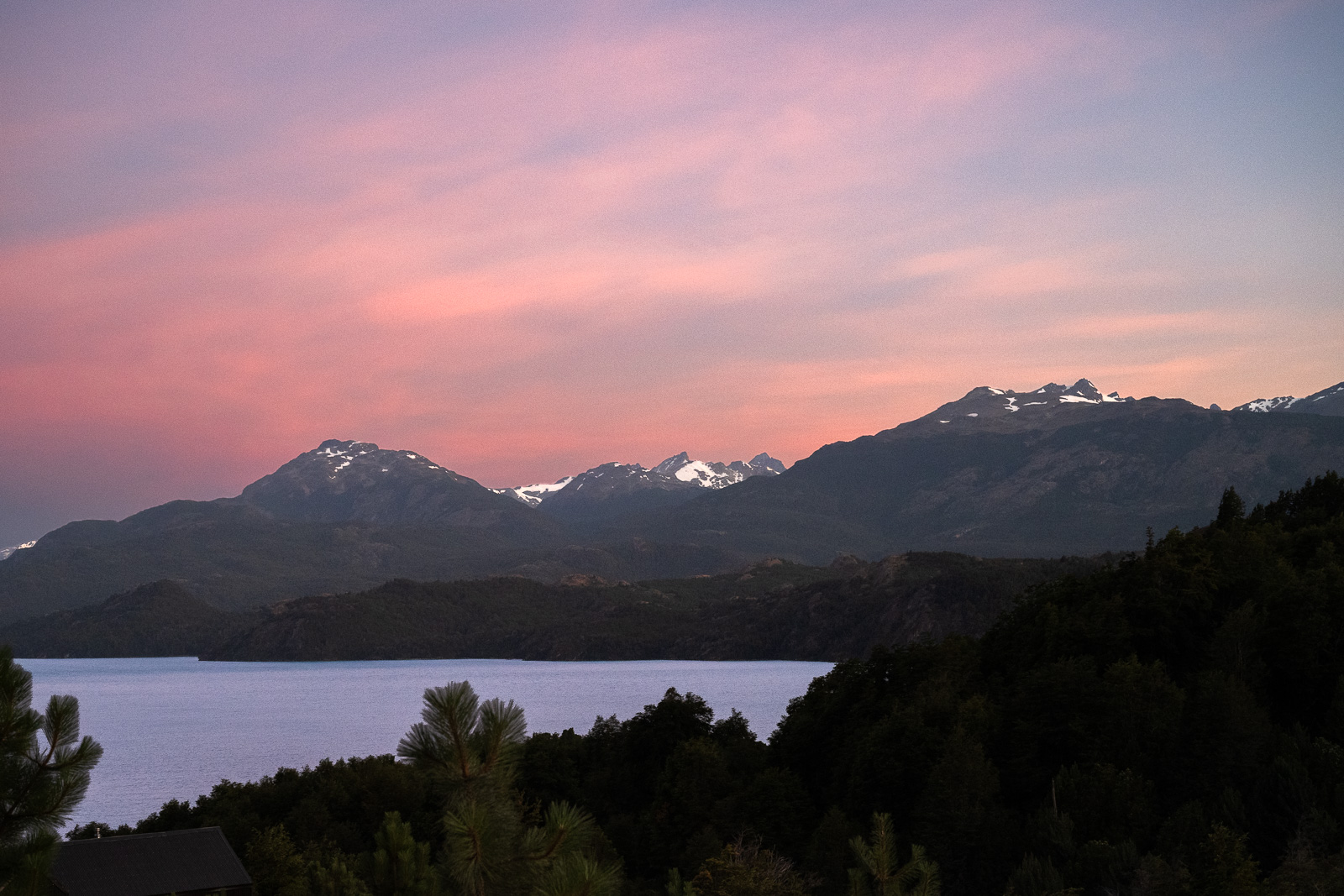
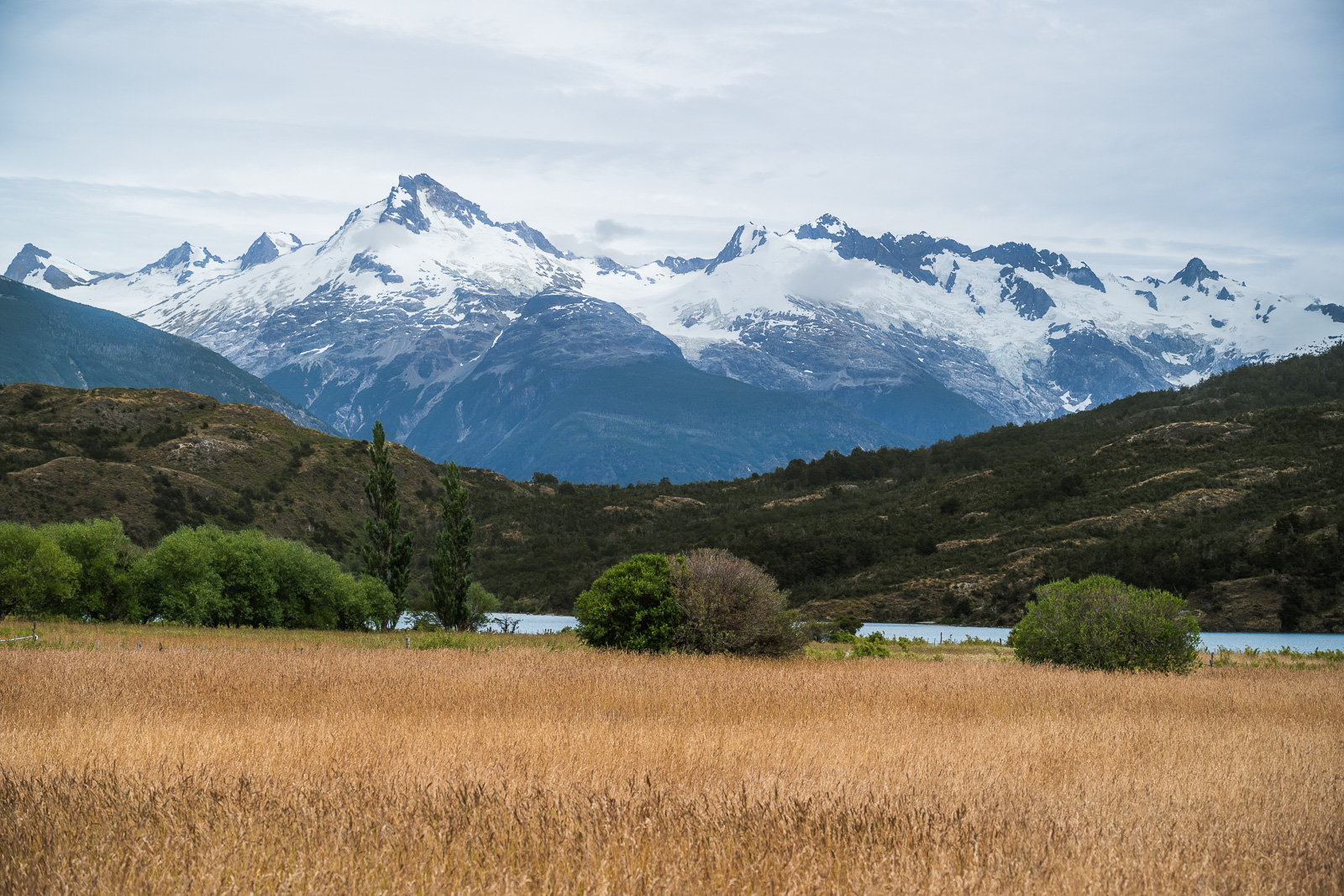
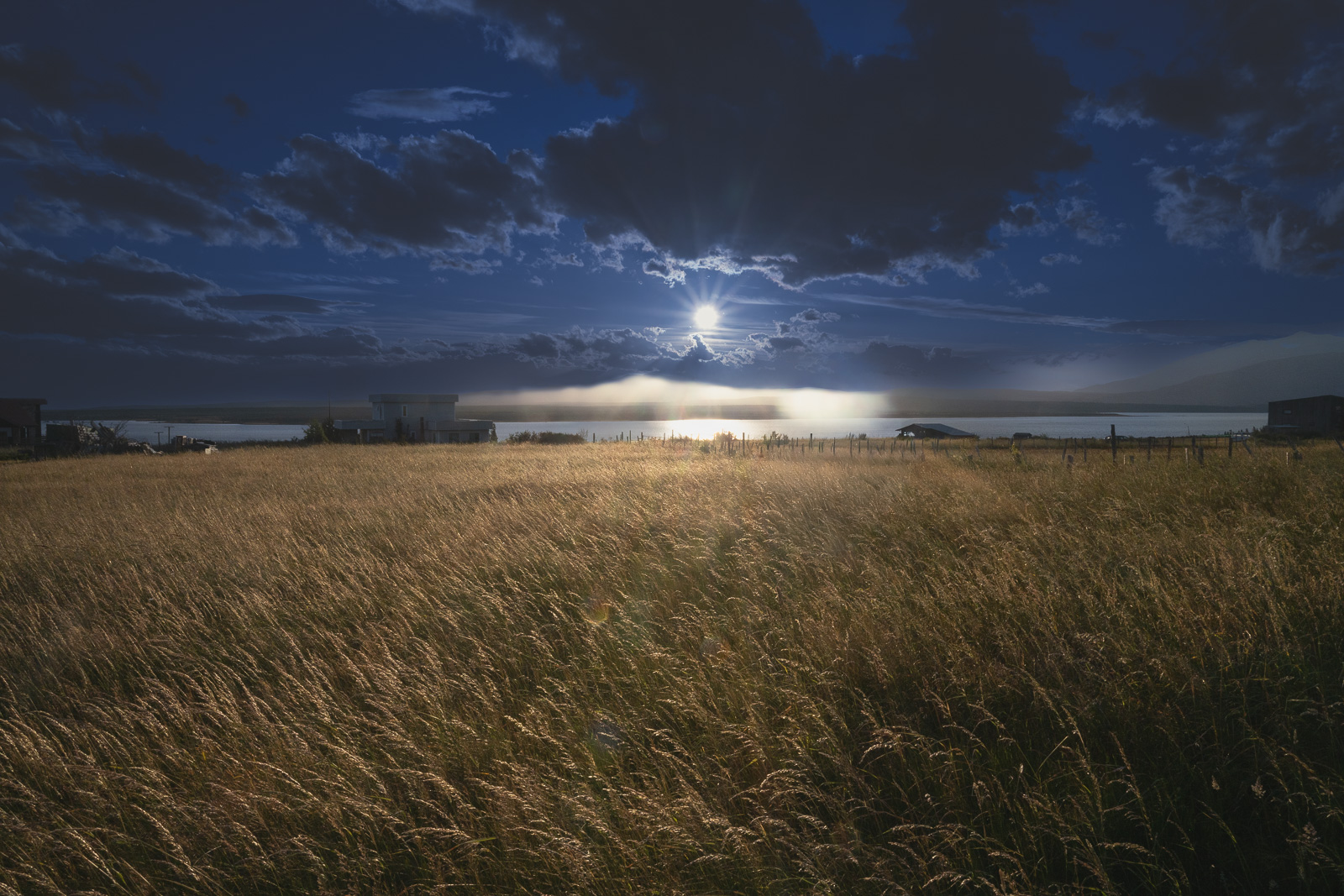
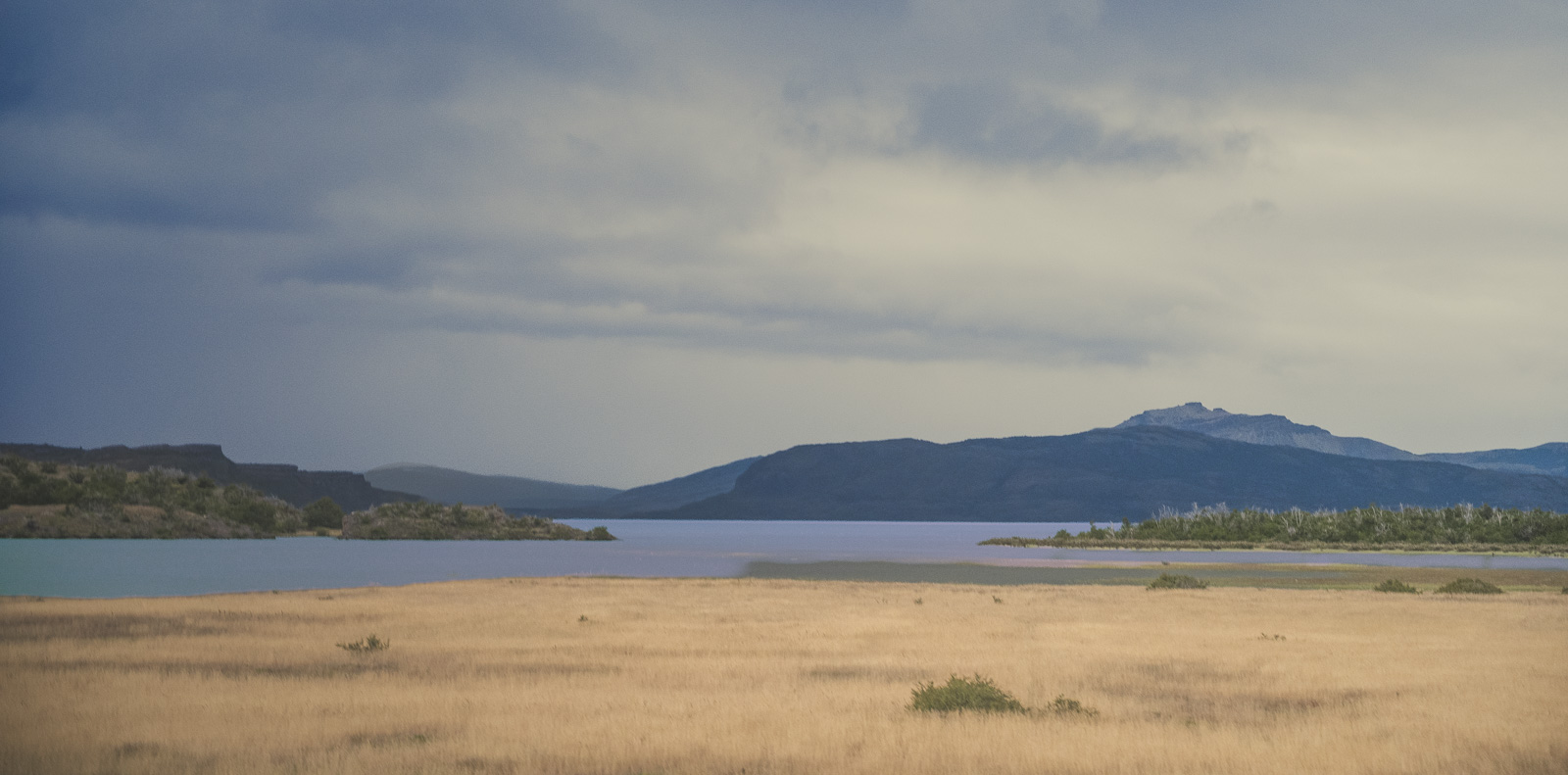
For now, Aysén still stands apart for the sheer magnitude and beauty of its unspoiled terrain. Driving north from Coyhaique to Puyuhuapi we moved through a chain of valleys teeming with color: flowing pastures of yellow Patagonian buttercups (Ranunculus peduncularis) offset by lupines in shades of purple, blue, pink, and white. To the south, from Coyhaique to Cochrane, we passed fields of tawny grass gone to seed, bending in the wind, their muted gold stretching toward a line of green shrubs and the still water beyond.
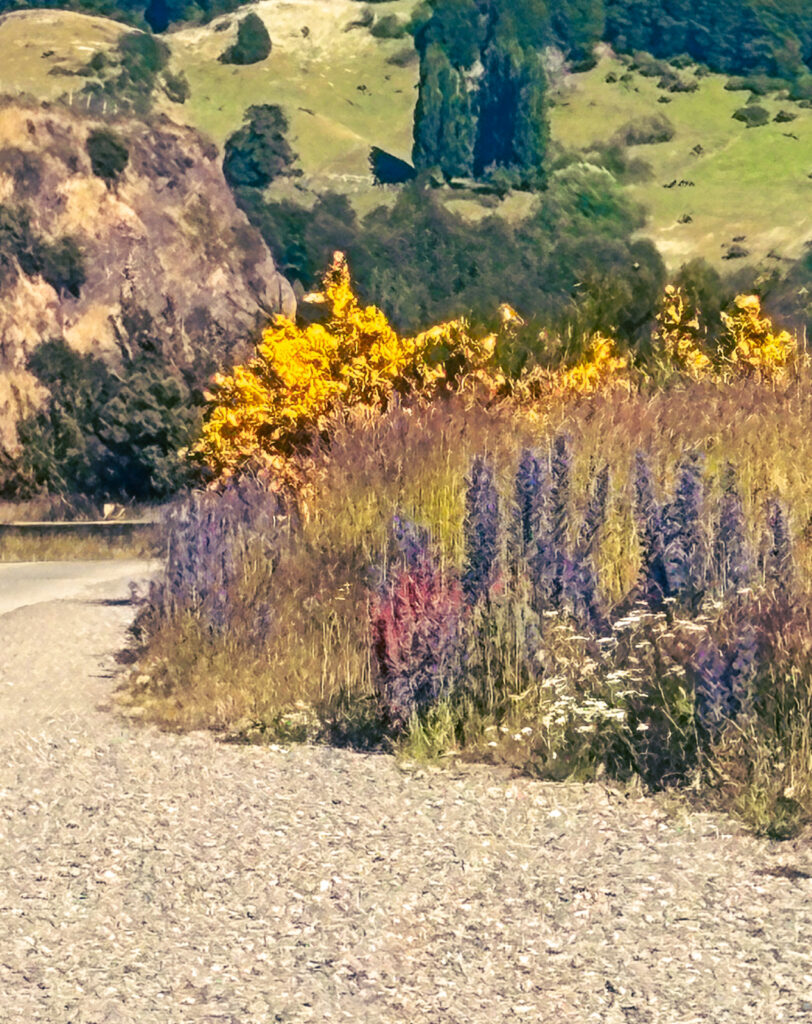
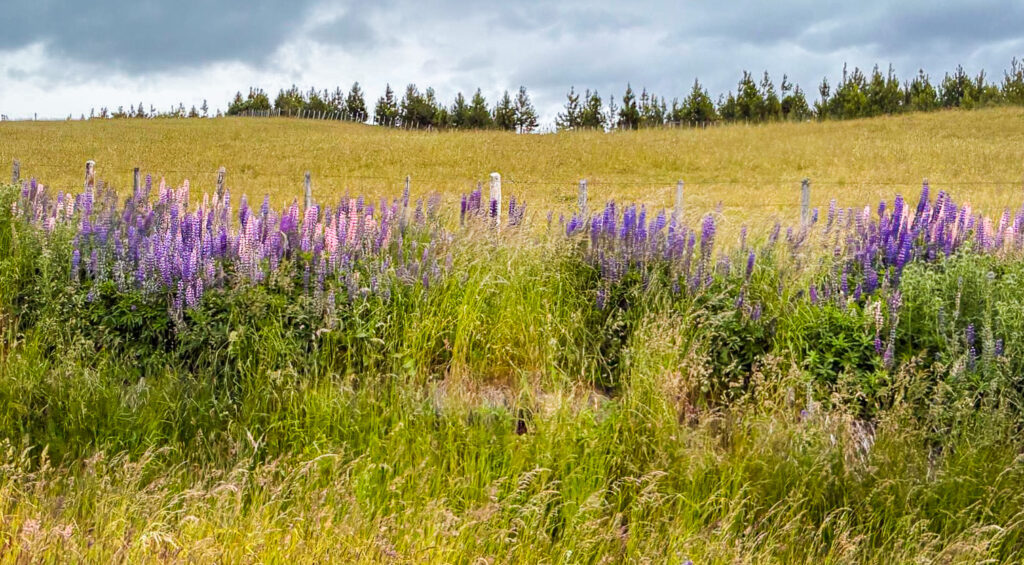
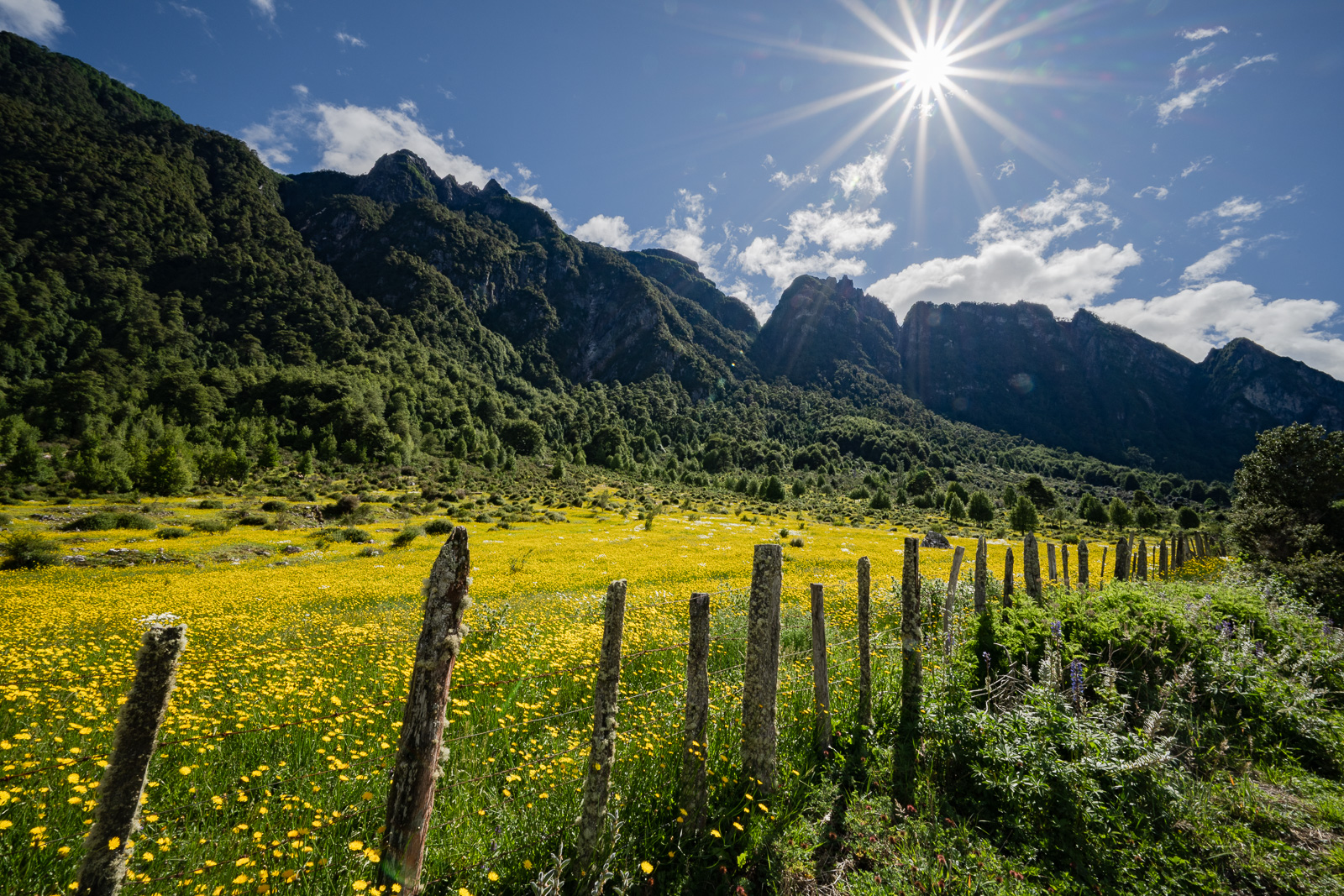
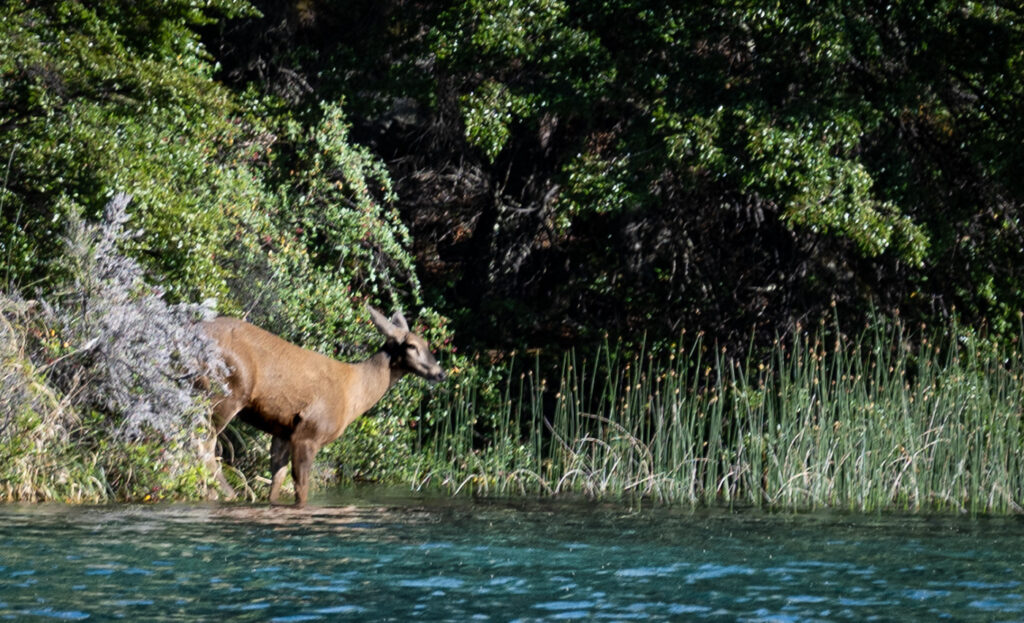
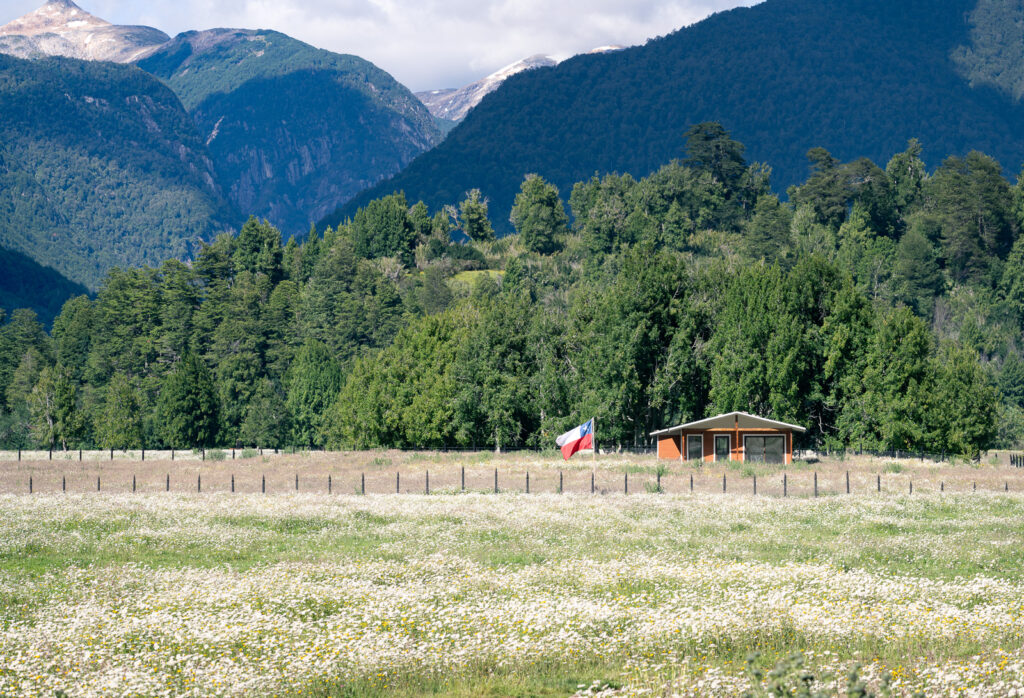
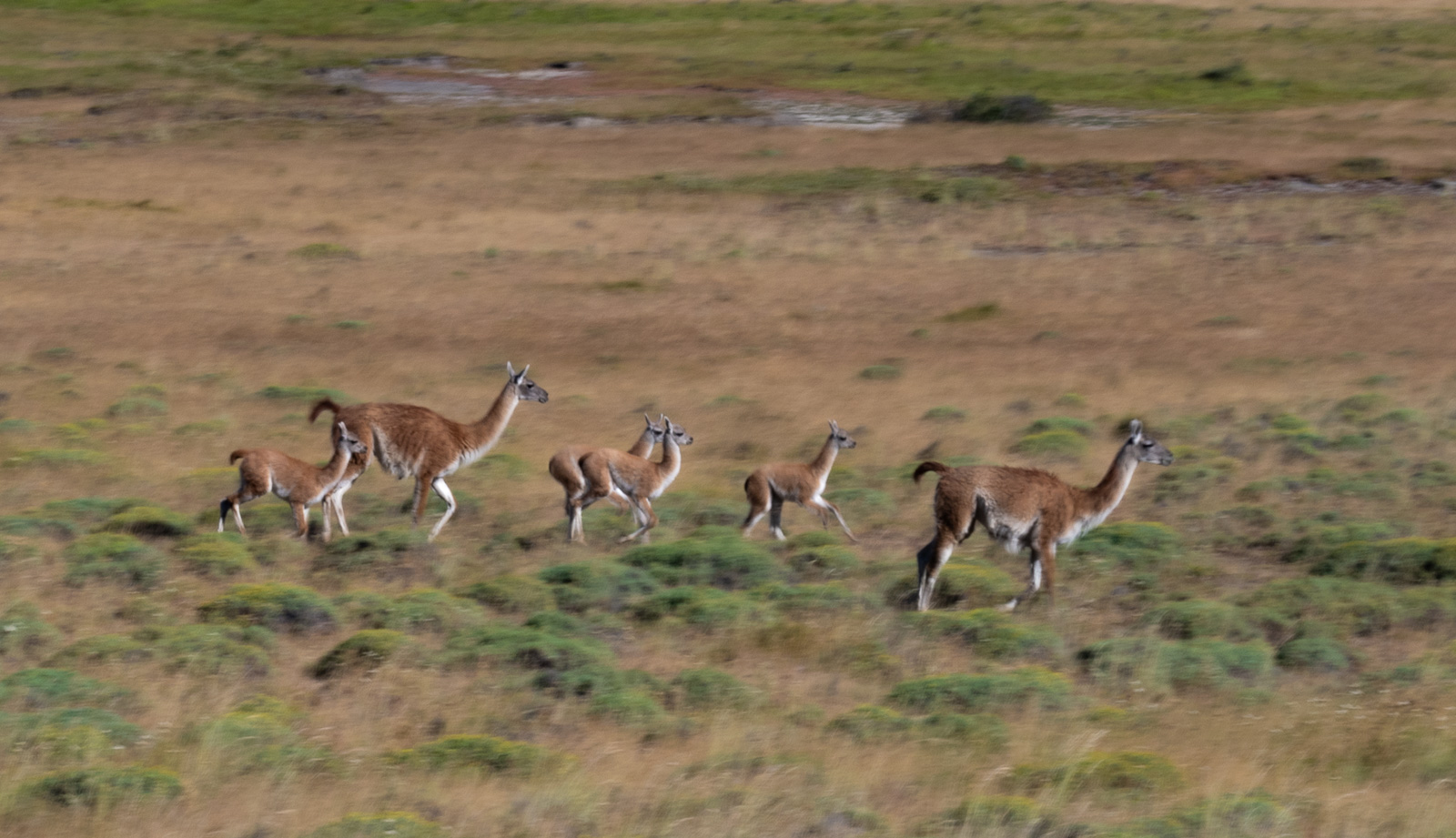
Life moves through this terrain in distinct registers, strikingly so during the period –early summer– of our visit. Here and there, flocks of raucous queltehues (Southern Lapwings) and graceful bandurrias (Ibis) intermingled in marshy grasslands or lifted into flight. We were fortunate, too, to glimpse herds of guanacos caravaning gracefully with their chulengos (babies) across the pampas, as well as Chile’s much beloved huemul (South Andean deer), first near the roadside (its sighting brought traffic to a halt!), and later along the banks of the Río Cochrane in Patagonia National Park. The quiet domesticity suggested by pastures, fences, and solitary farmhouses—together with the fields of wild flora and free-roaming fauna—forms the essence of a drama that unfolds according to nature’s cycles within the habitats framed by the mountains.
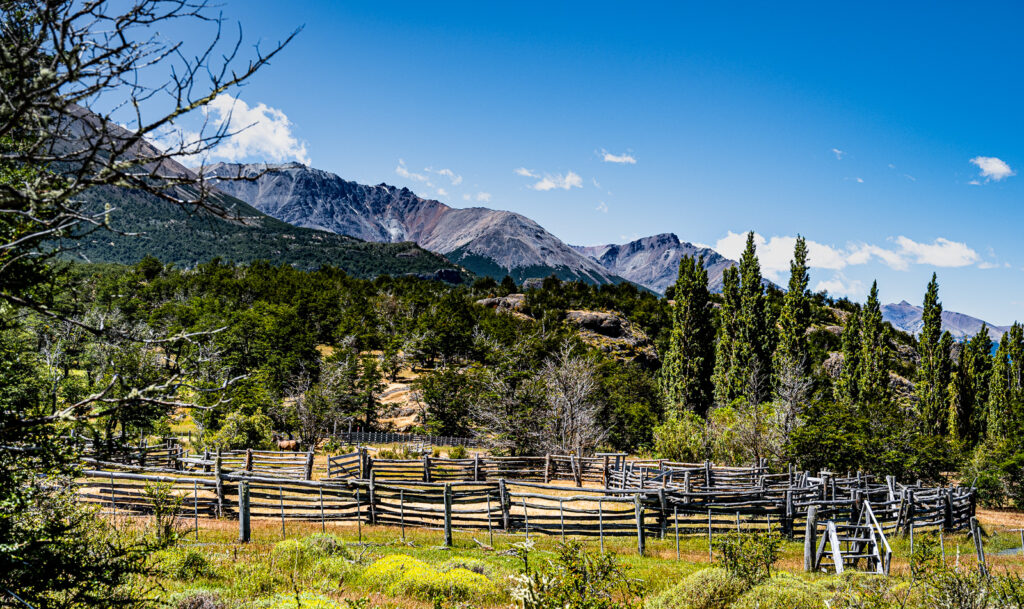

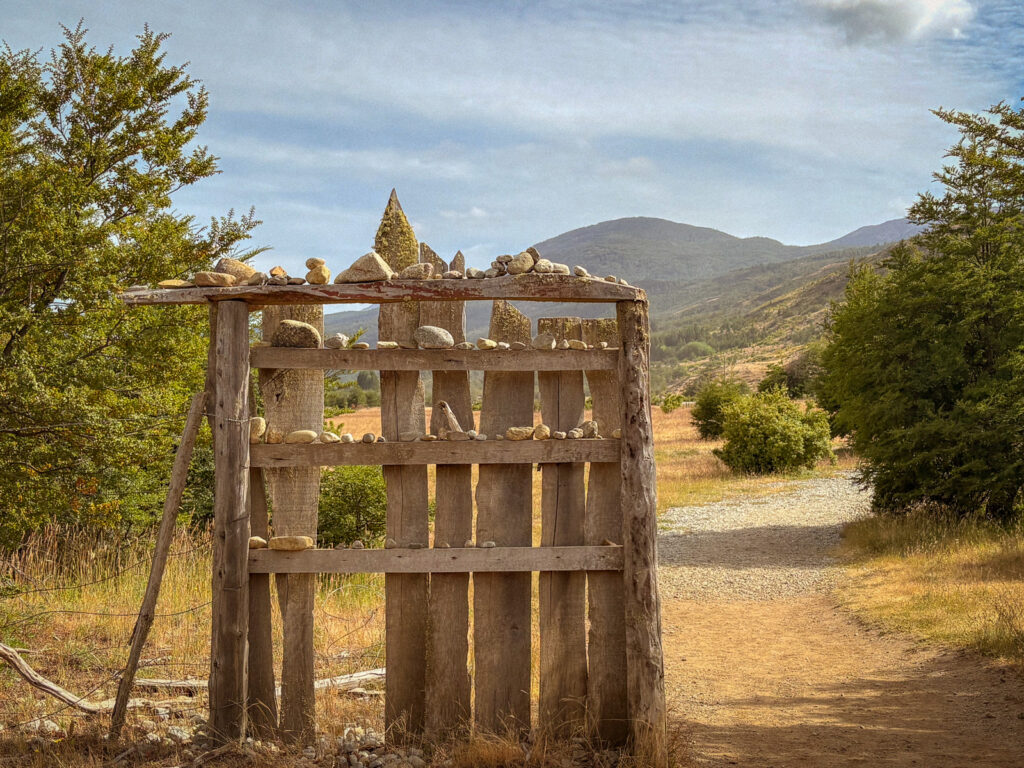
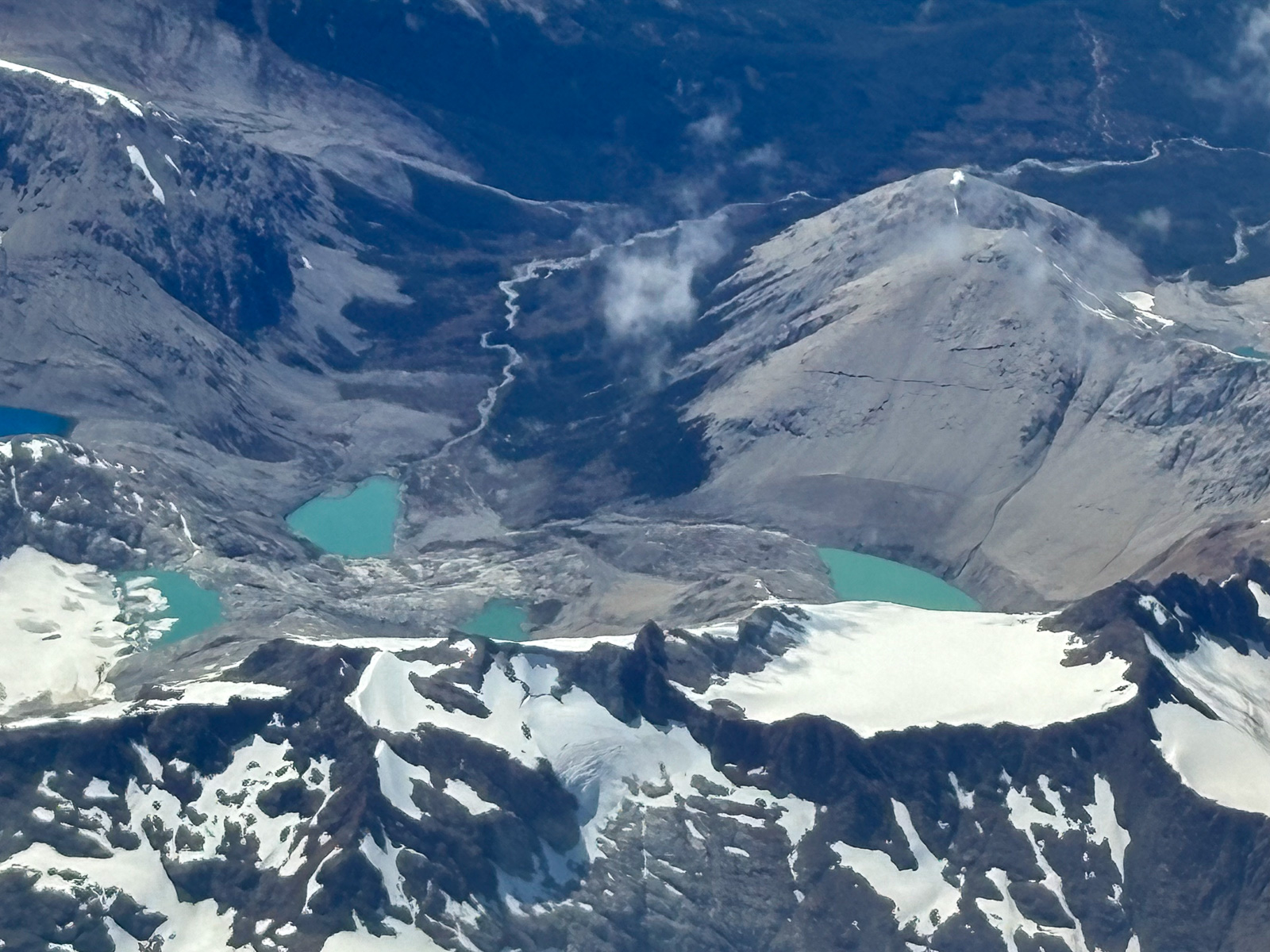
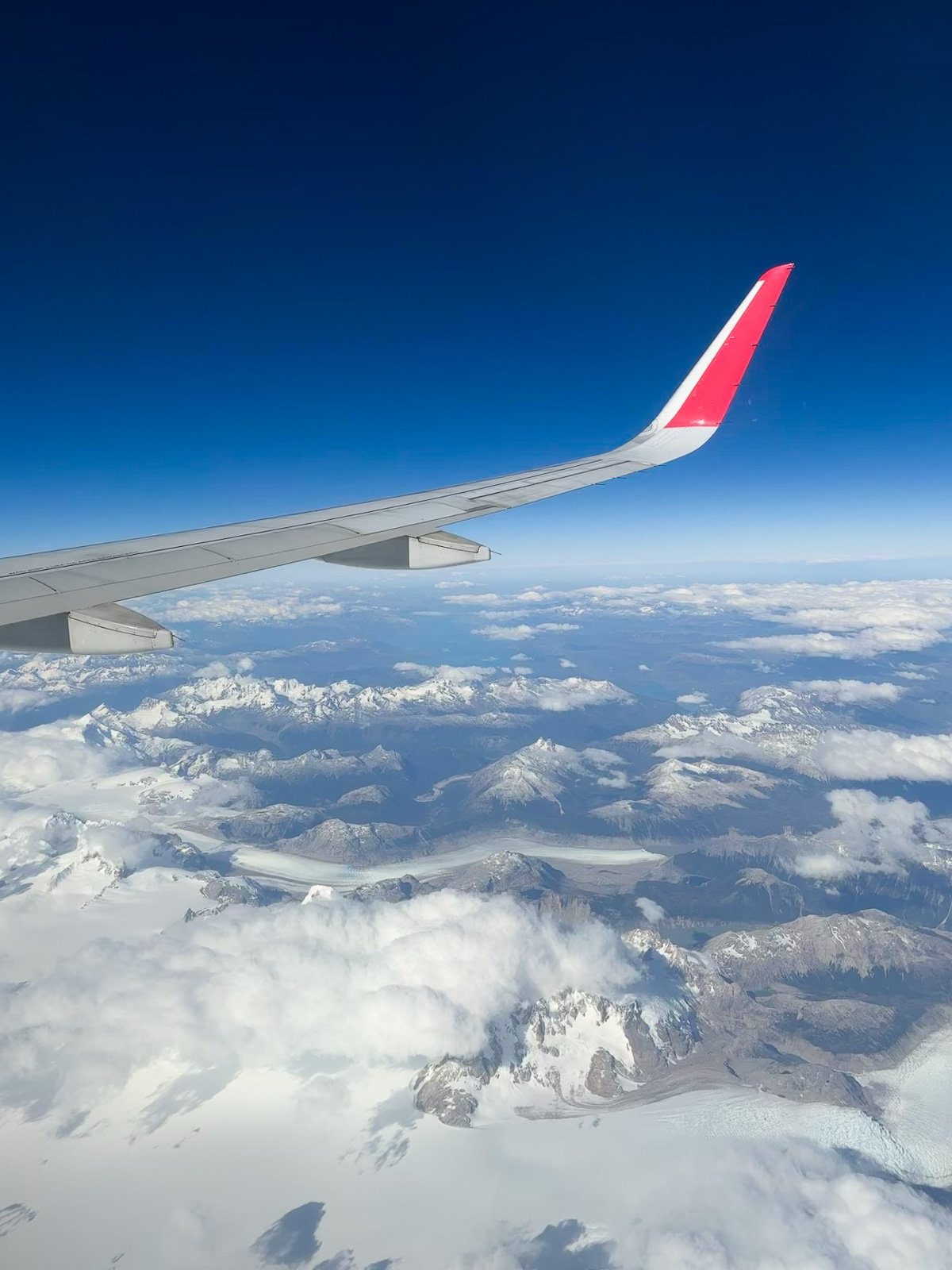
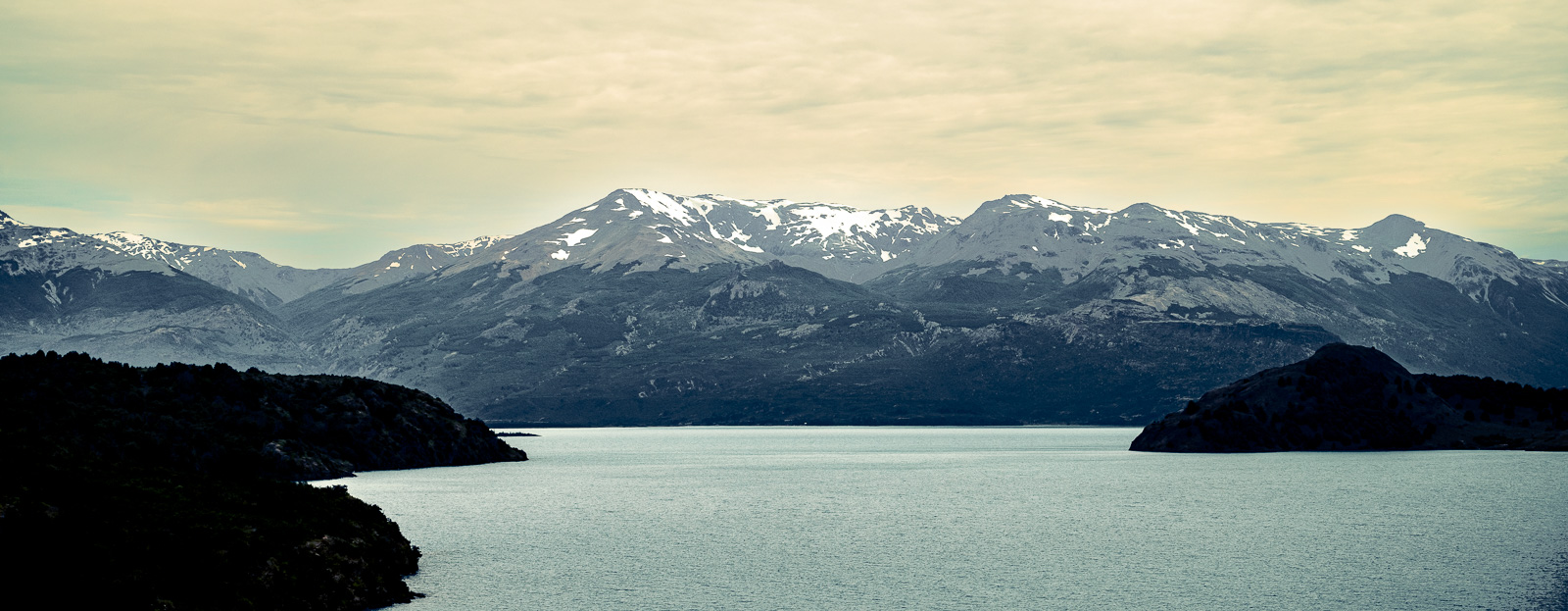
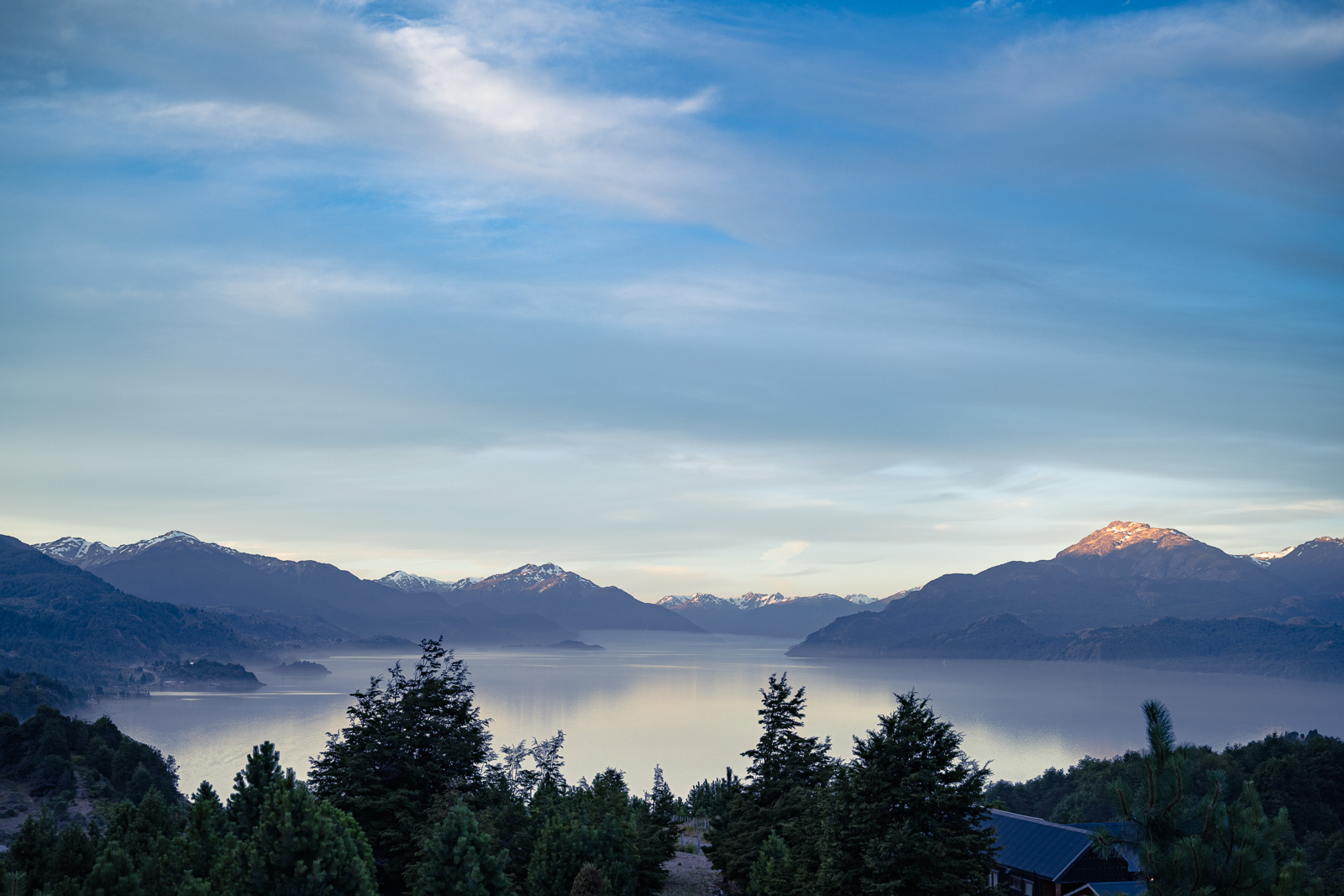
Distant and austere, not only do these ranges delineate nature’s habitats but they serve as the conduit for Patagonia’s most spectacular element: water. Glacial ice fields, etched against a luminous sky, dissolve into mist-veiled cascades that nourish a network of ríos arteriales (“arterial rivers”)—at times thunderous, at others placid—as well as lakes, lagoons, and fjords. In all these forms, water assumes surreal hues of turquoise and teal, evoking a landscape of almost otherworldly beauty.
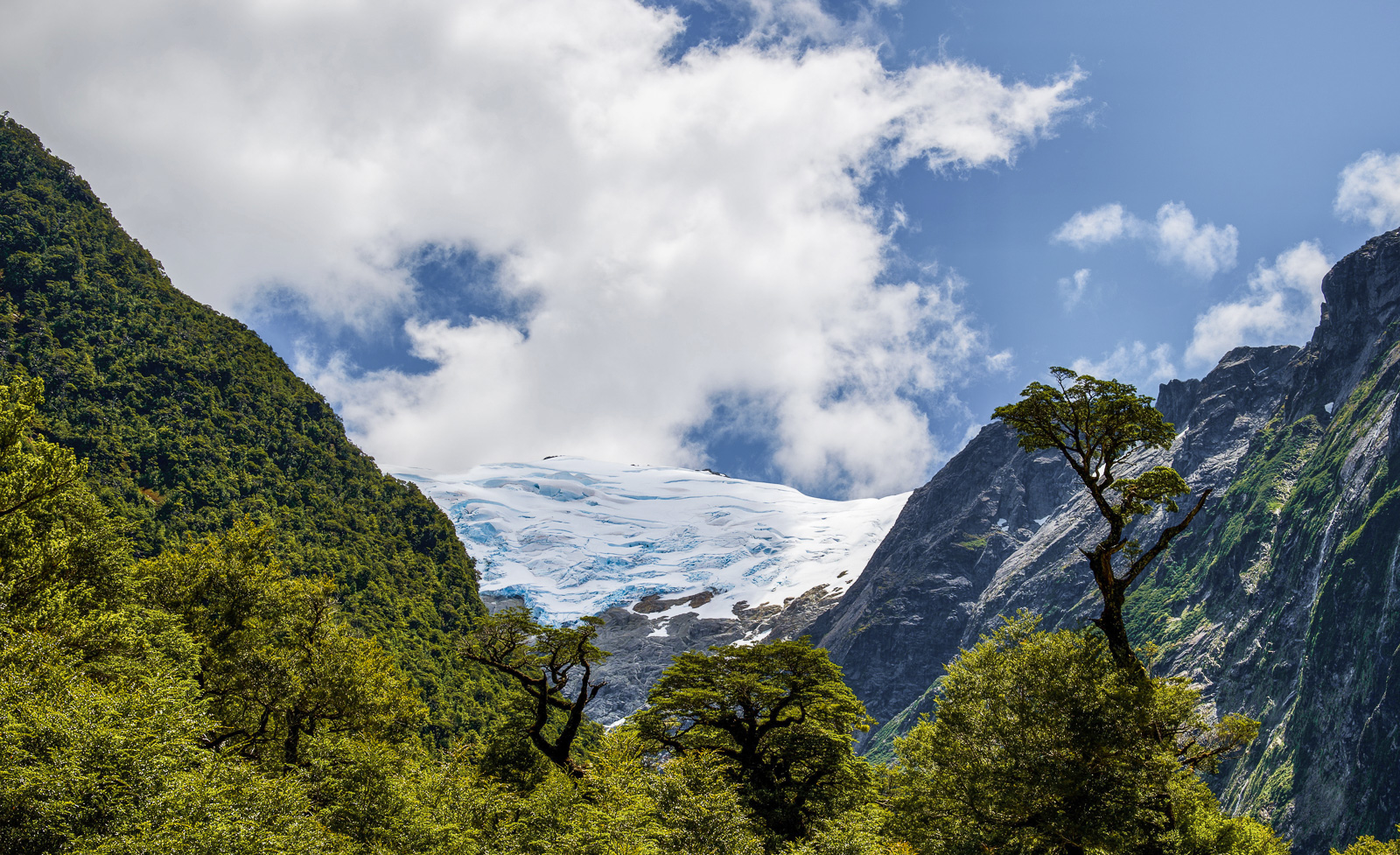
Antes que la peluca y la casaca
fueron los ríos, ríos arteriales…
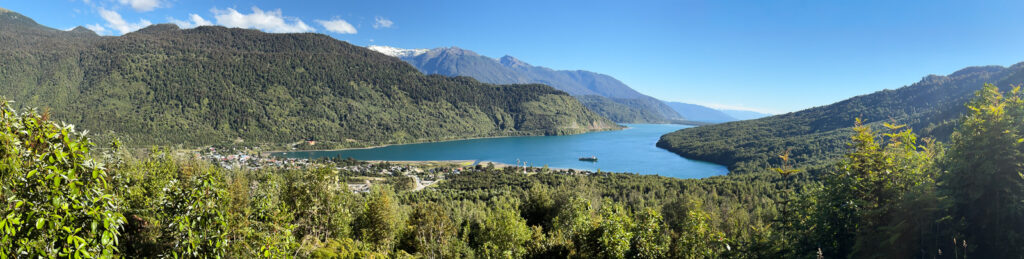

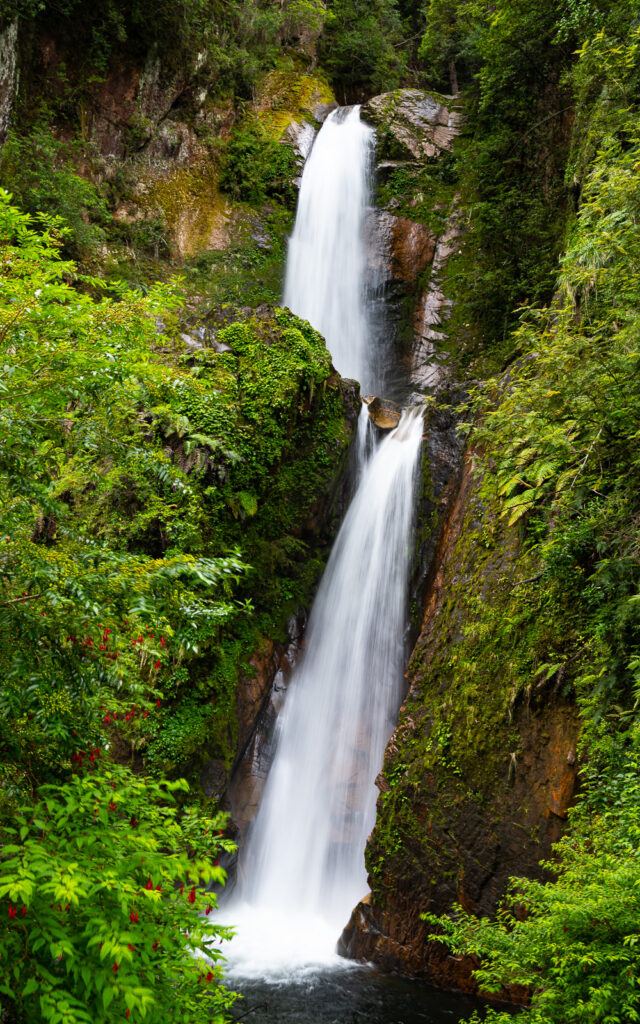
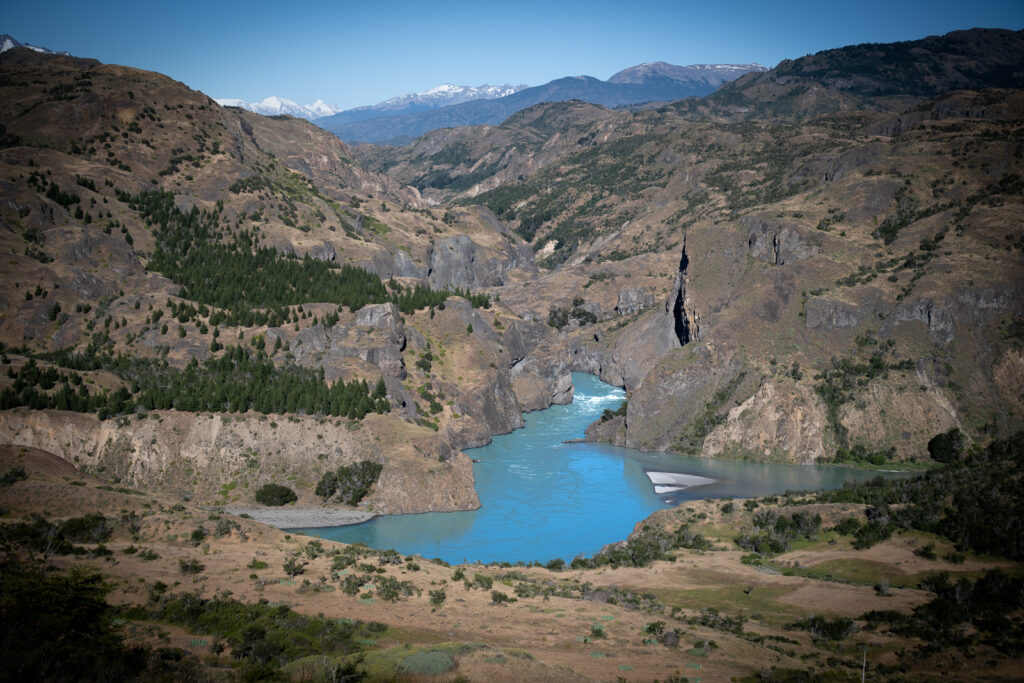
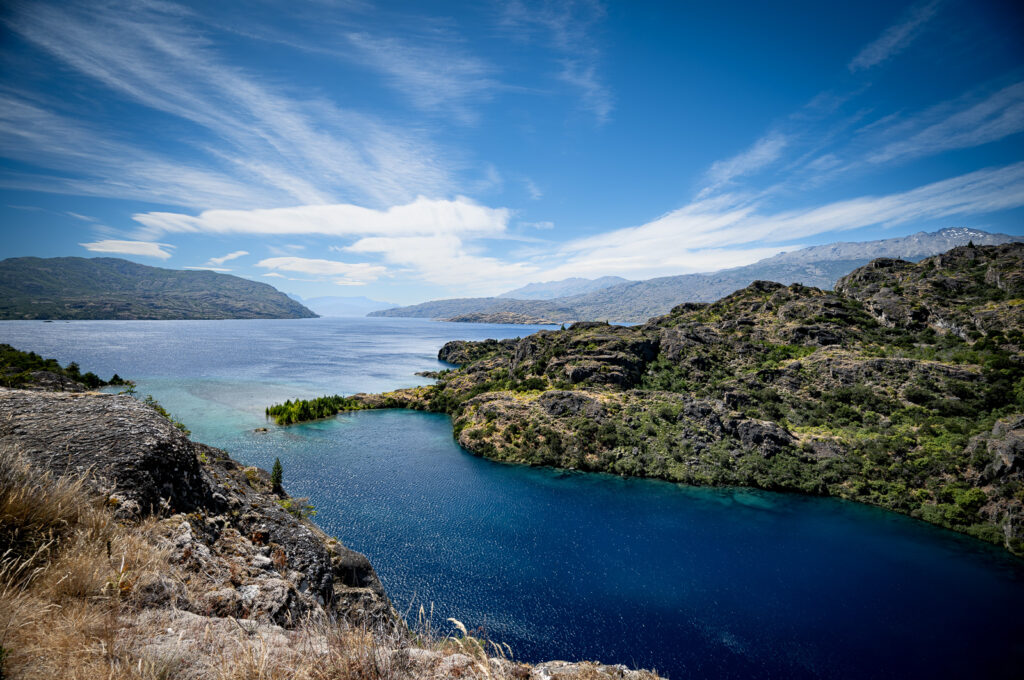
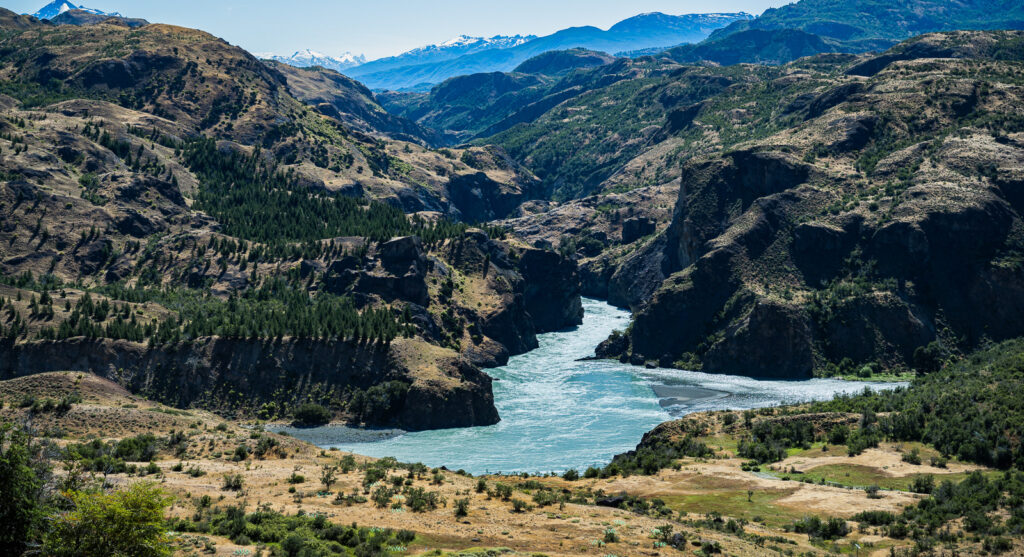

Traveling roughly 1,300 kms along the rugged and uncertain southern highway, daring not to exceed 30 to 40 kms an hour, we were rewarded with ample time to stop, meditate and marvel.



Between penguins and sequoias: Los Lagos (Jan 9 – 12)
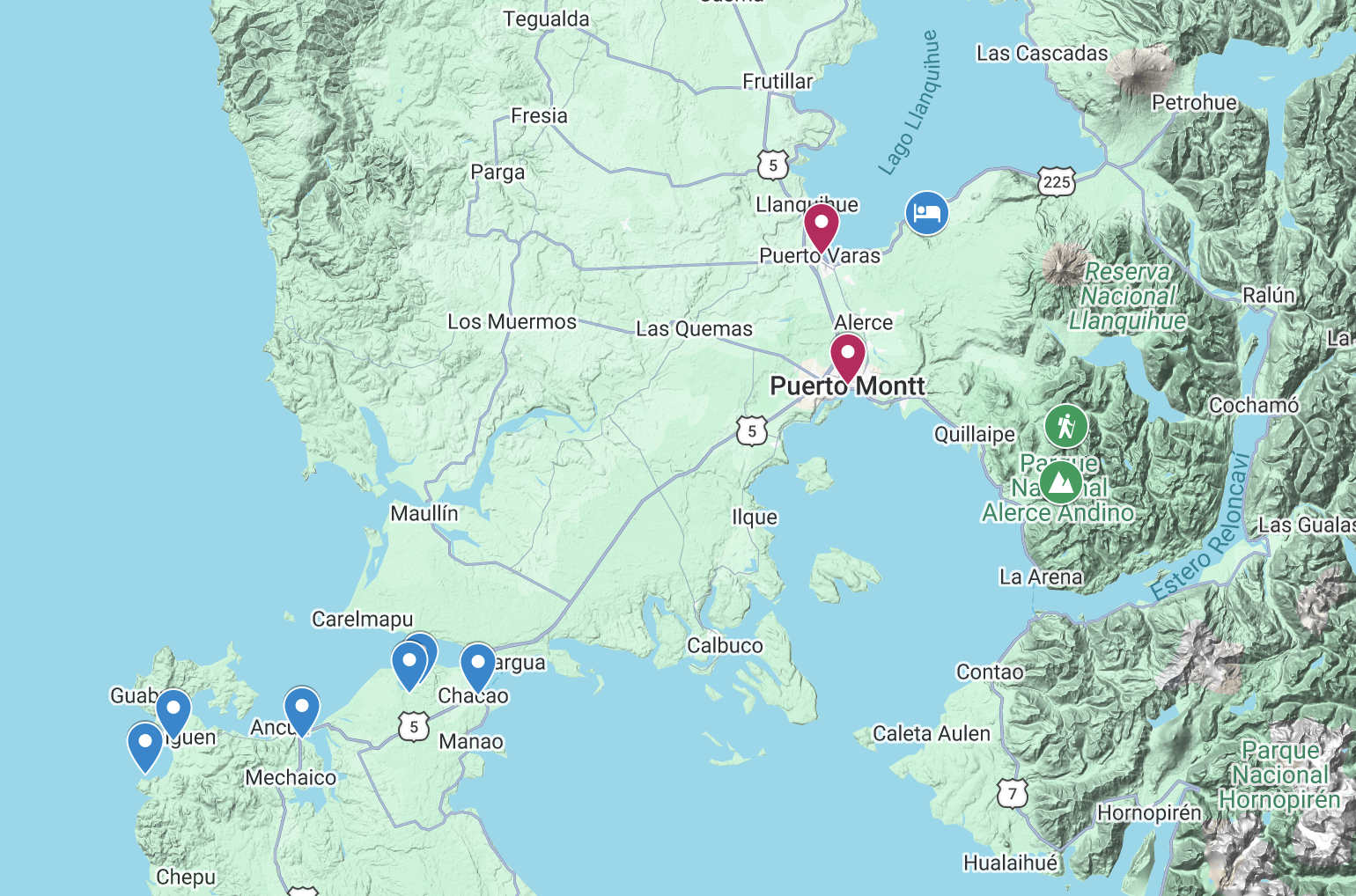
After two weeks in Aysén, arriving in Los Lagos carried a certain déjà vu. Puerto Montt’s sleek airport and spreading urban fringe—traffic-clogged highways, large-scale farms and factories, roadside markets, and upscale shopping centers—and, above all, the opulence of Puerto Varas, a Bellagio-esque resort skirting the shores of Lago Llanquihue, brought us abruptly back to life on this side of the asphalt.
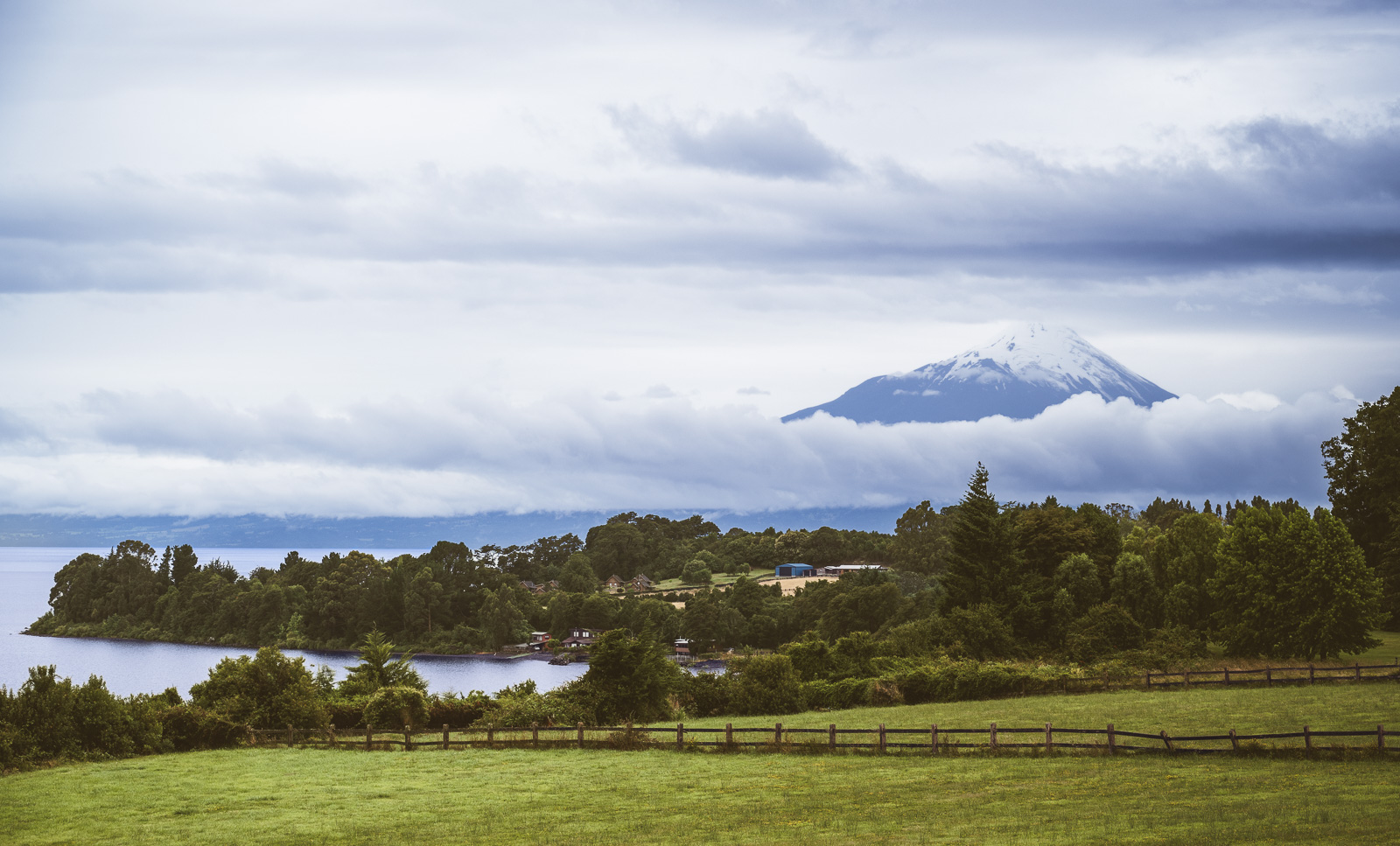
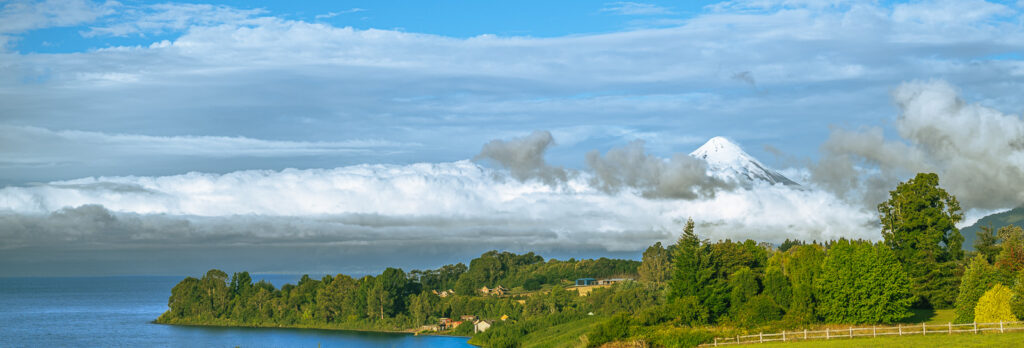
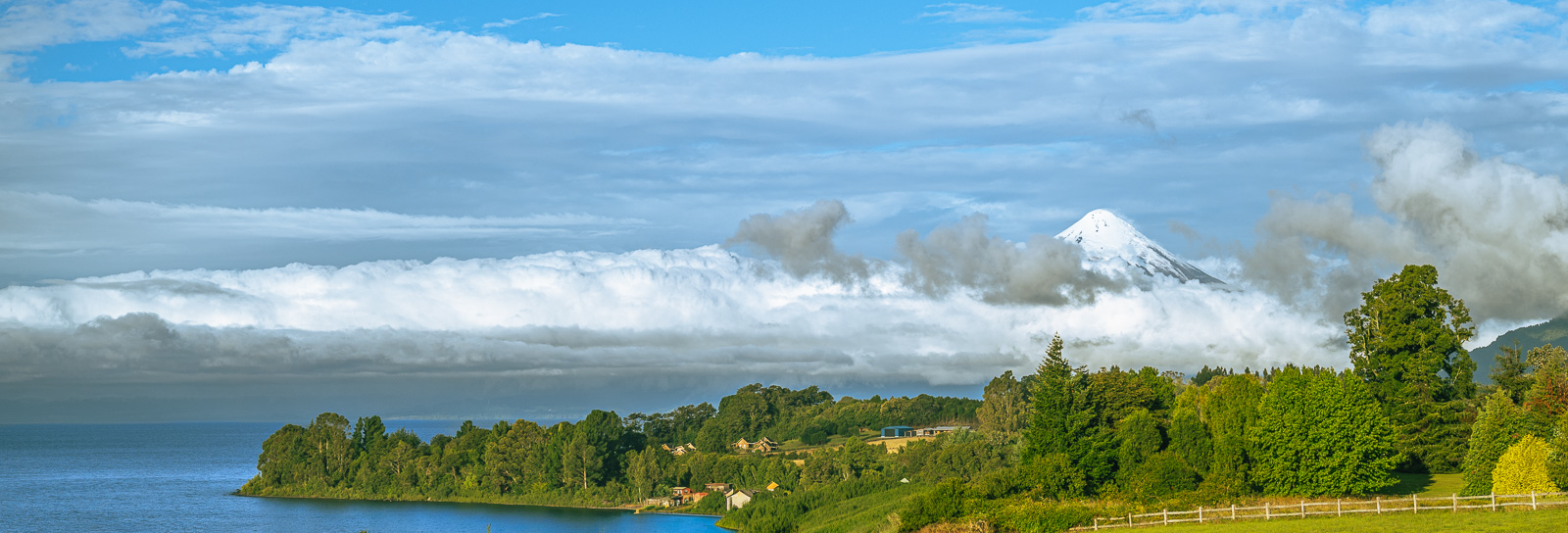
The snow-capped Osorno Volcano, a striking reminder of the marvels we had left behind in Aysén, presided over tourists sipping mojitos by the lake or dining on ceviche and fettuccine Alfredo in the region’s many polished restaurants. What we saw in Los Lagos,
together with our conversations with Chileans offered enticing glimpses into contemporary Chilean society, economy, and politics.
For our part, however, we continued to hew to wildlife and nature. On January 10, we explored Chiloé in the company of an expert guide from BirdsChile; the following day, we hiked alone through the ancient Valdivian forests of Alerce Andino National Park.
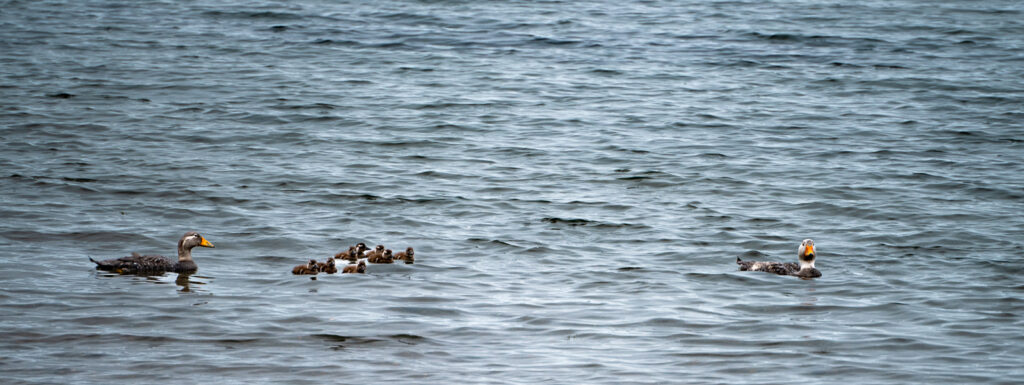
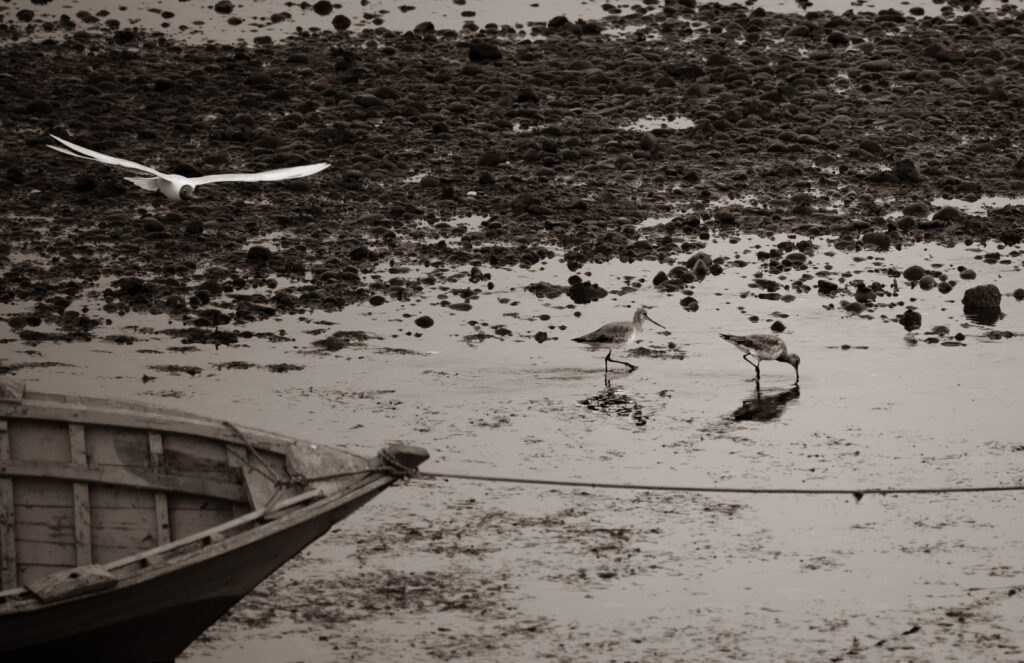
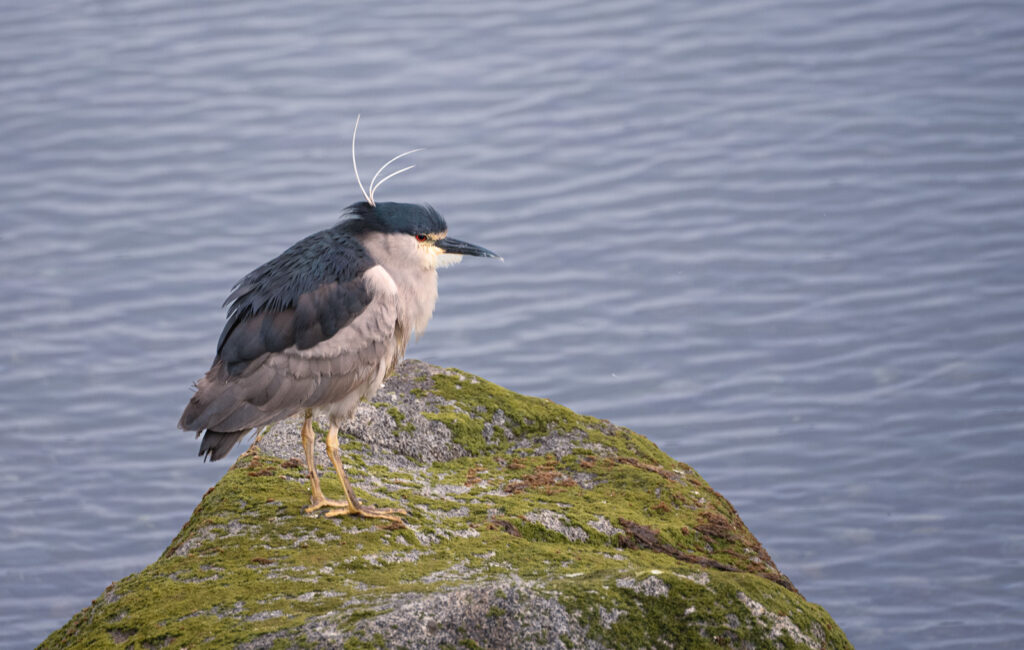
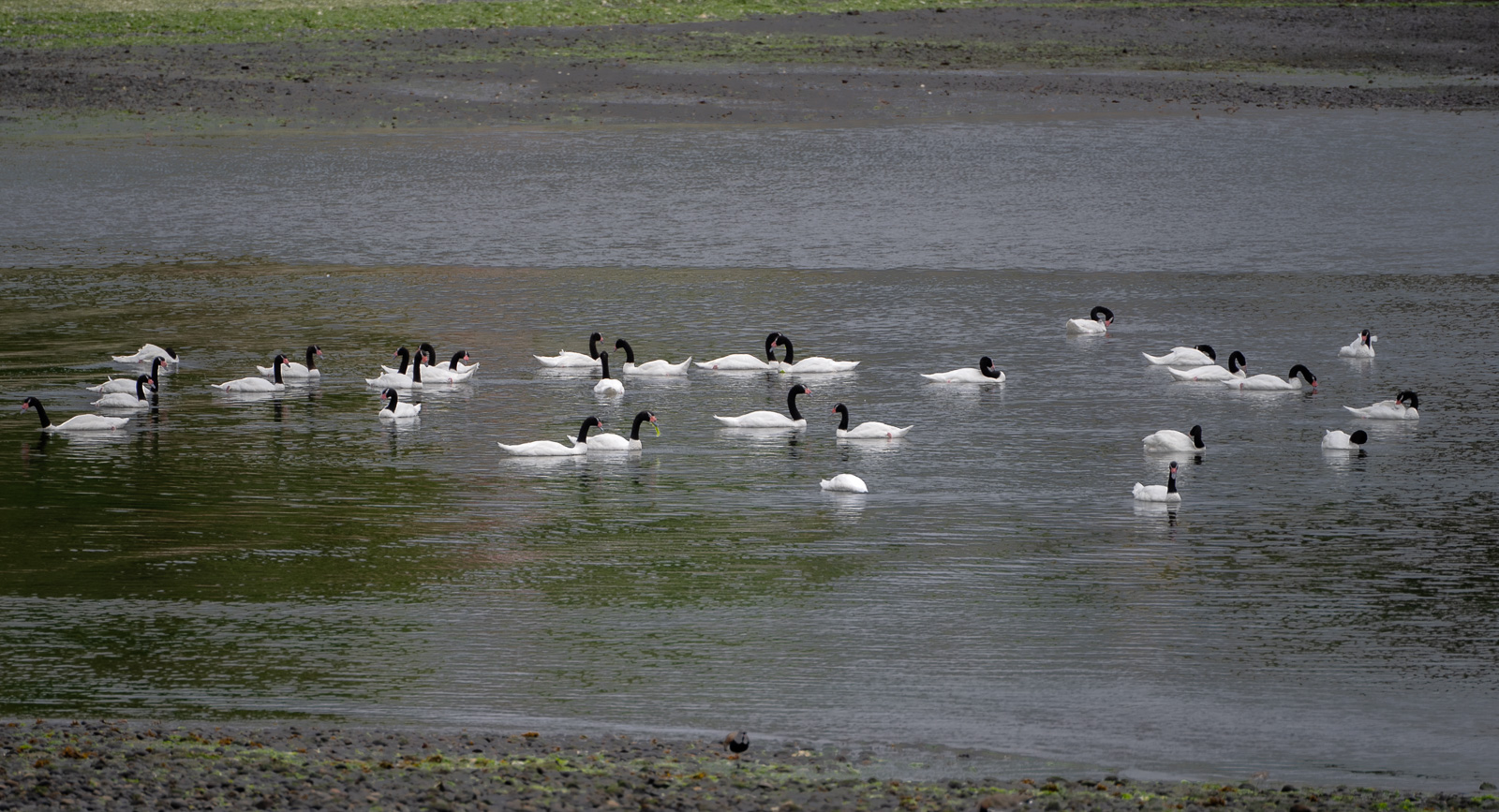
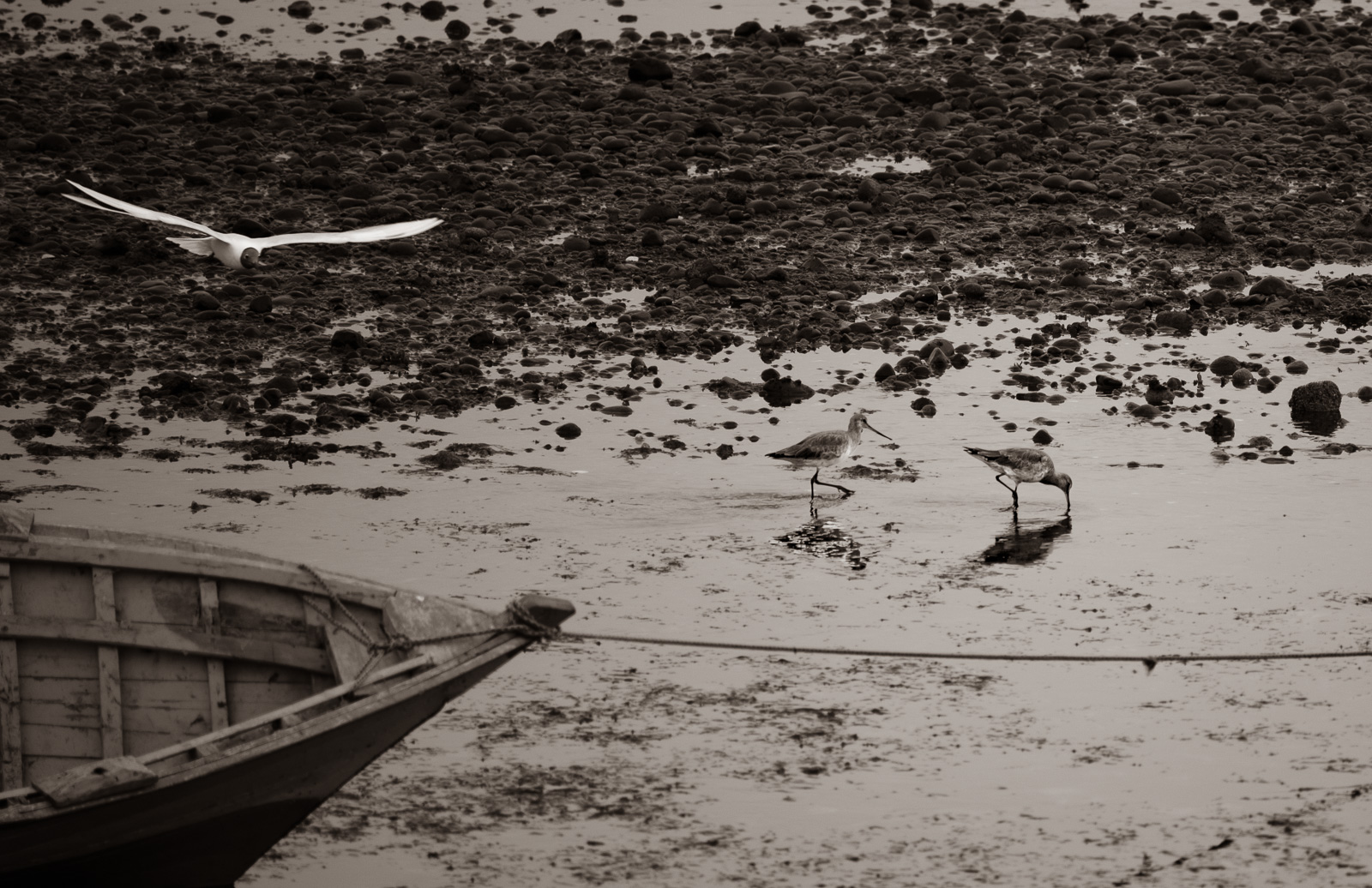
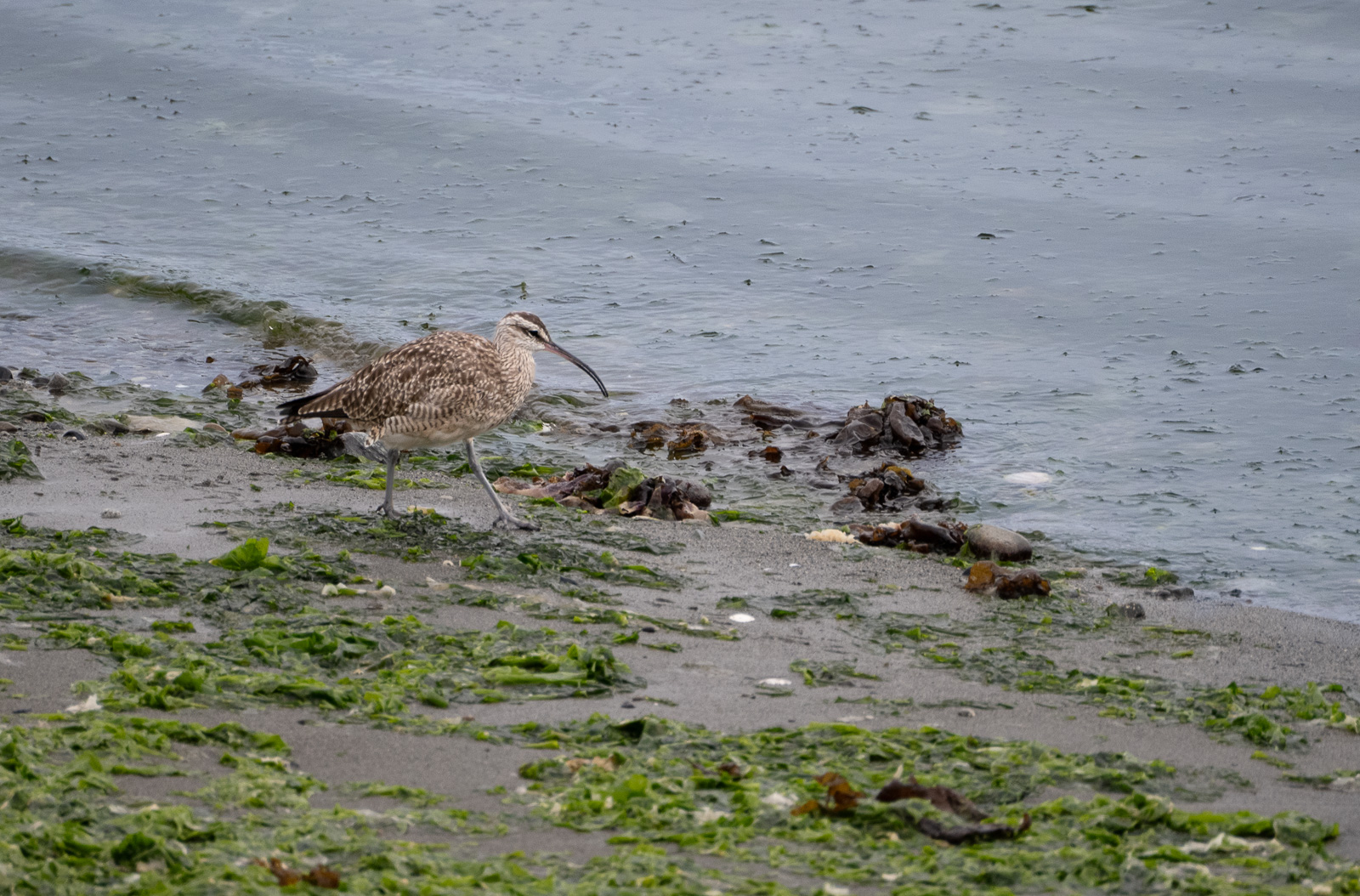
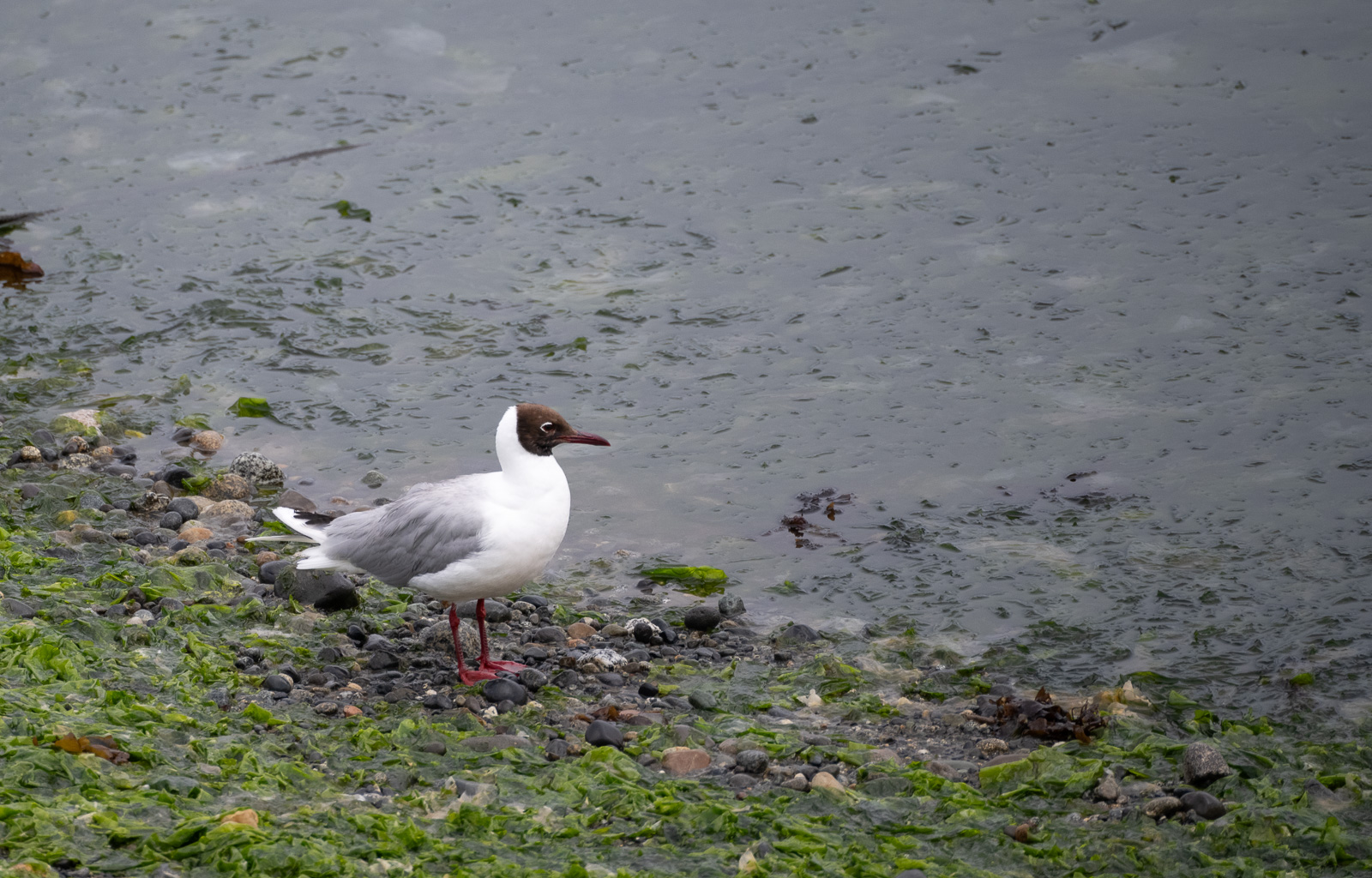
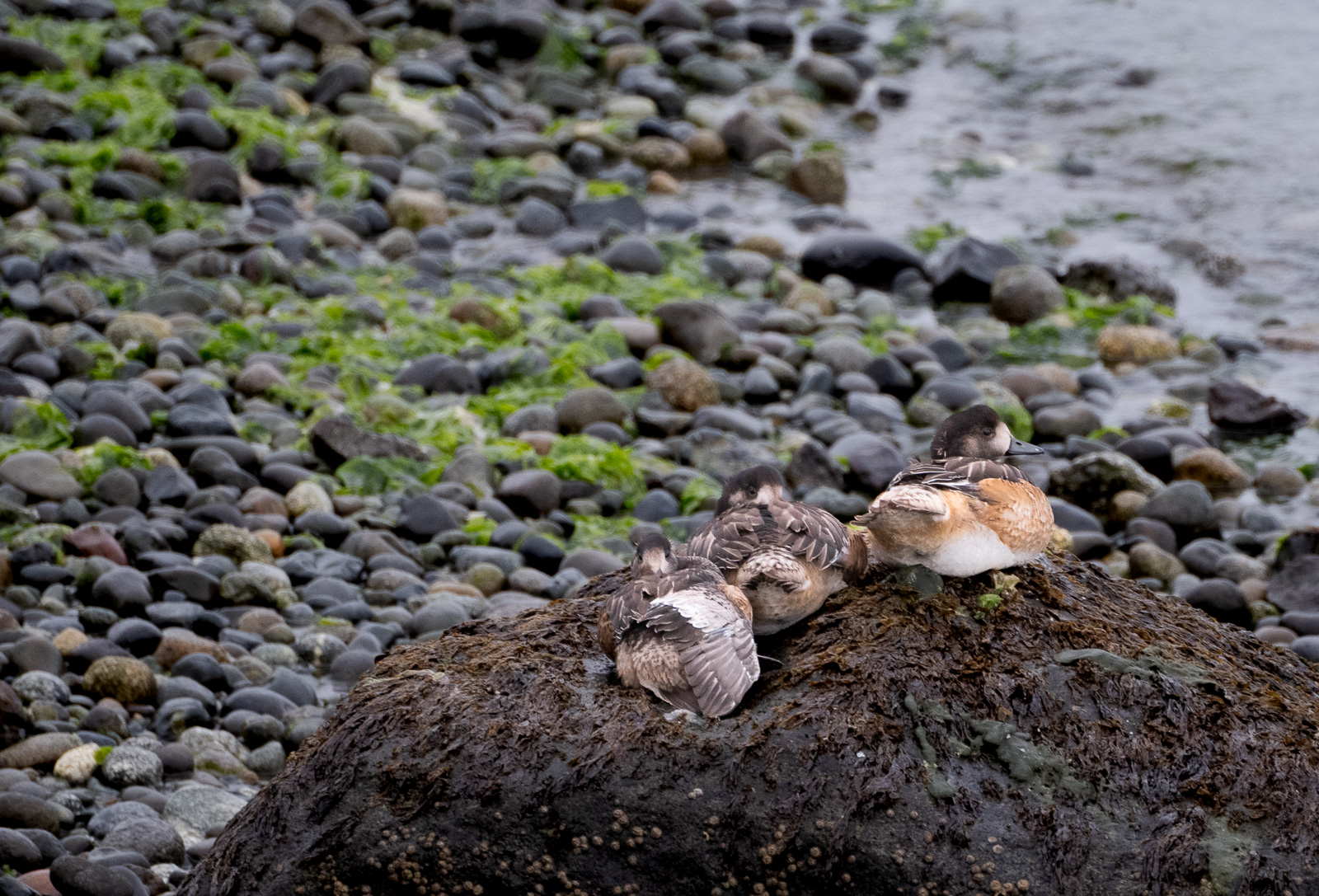
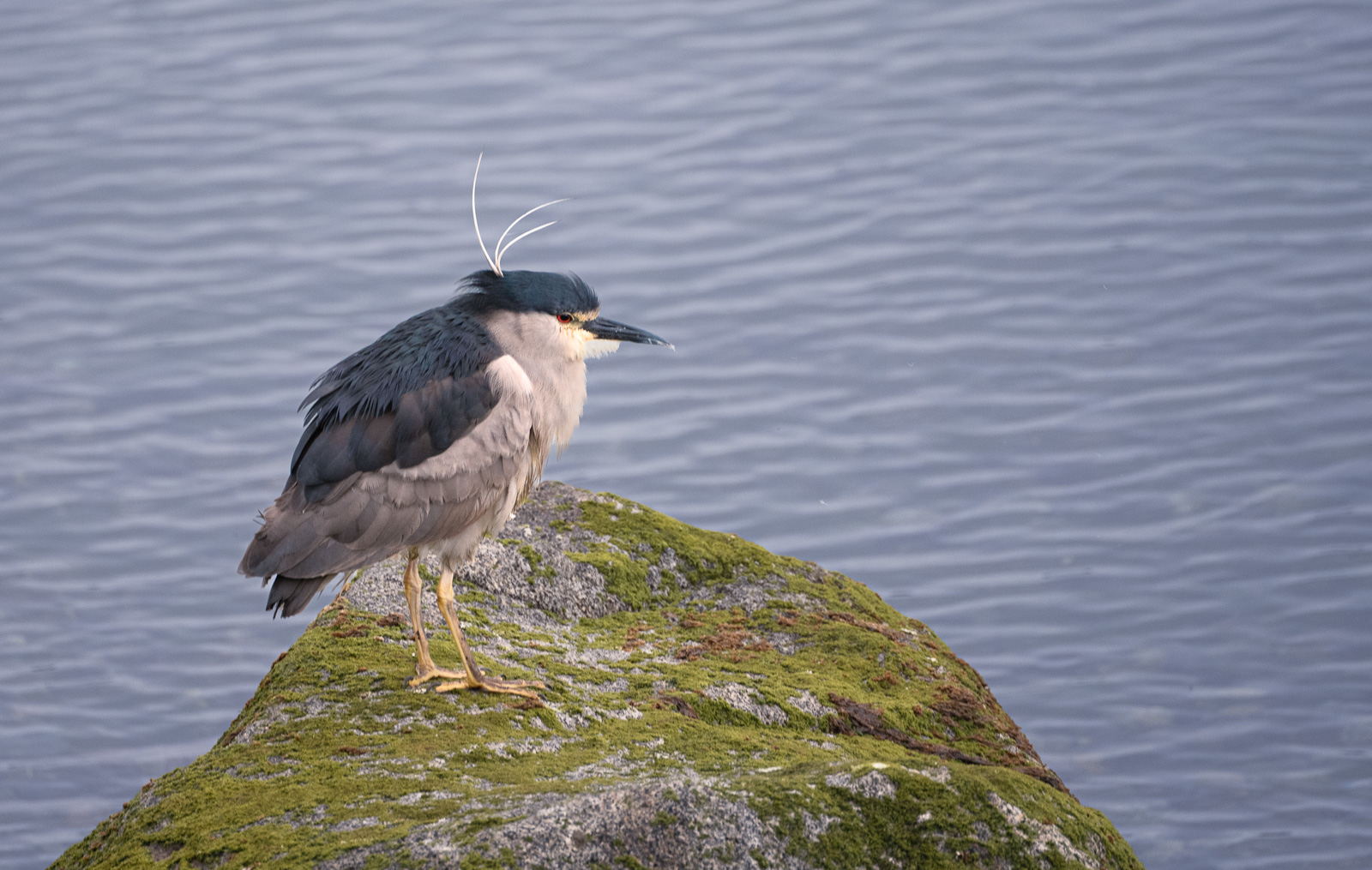
Chiloé offered us our first encounter with maritime Chile and with the bird life that thrives in this environment. Crossing the Chacao Strait by ferry, we observed nine species, including some 120 South American terns (gaviotines sudamericanos). At our first shoreline stop in Caulín, we recorded nineteen species: Hudsonian Whimbrels and godwits (zarapitos comunes y de pico recto) intermingled with gulls and terns of various kinds (gaviotas and gaviotines), while a solitary Black-crowned Night Heron (huairavo común) looked on from its perch on a rock, and a flock of Black-necked Swans dotted the surface of the estuary.
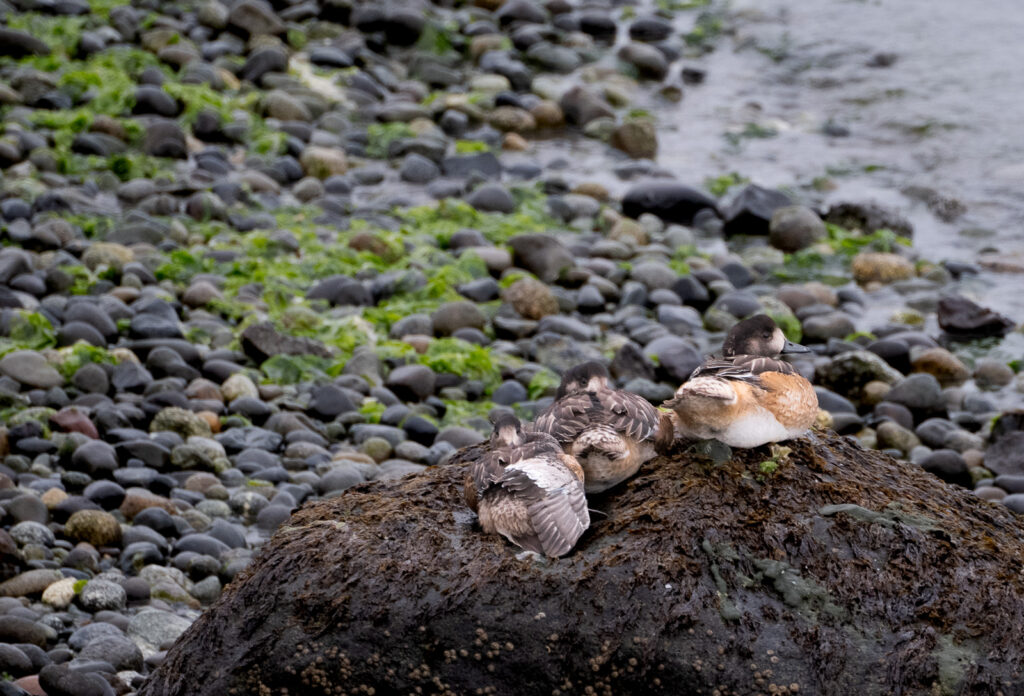
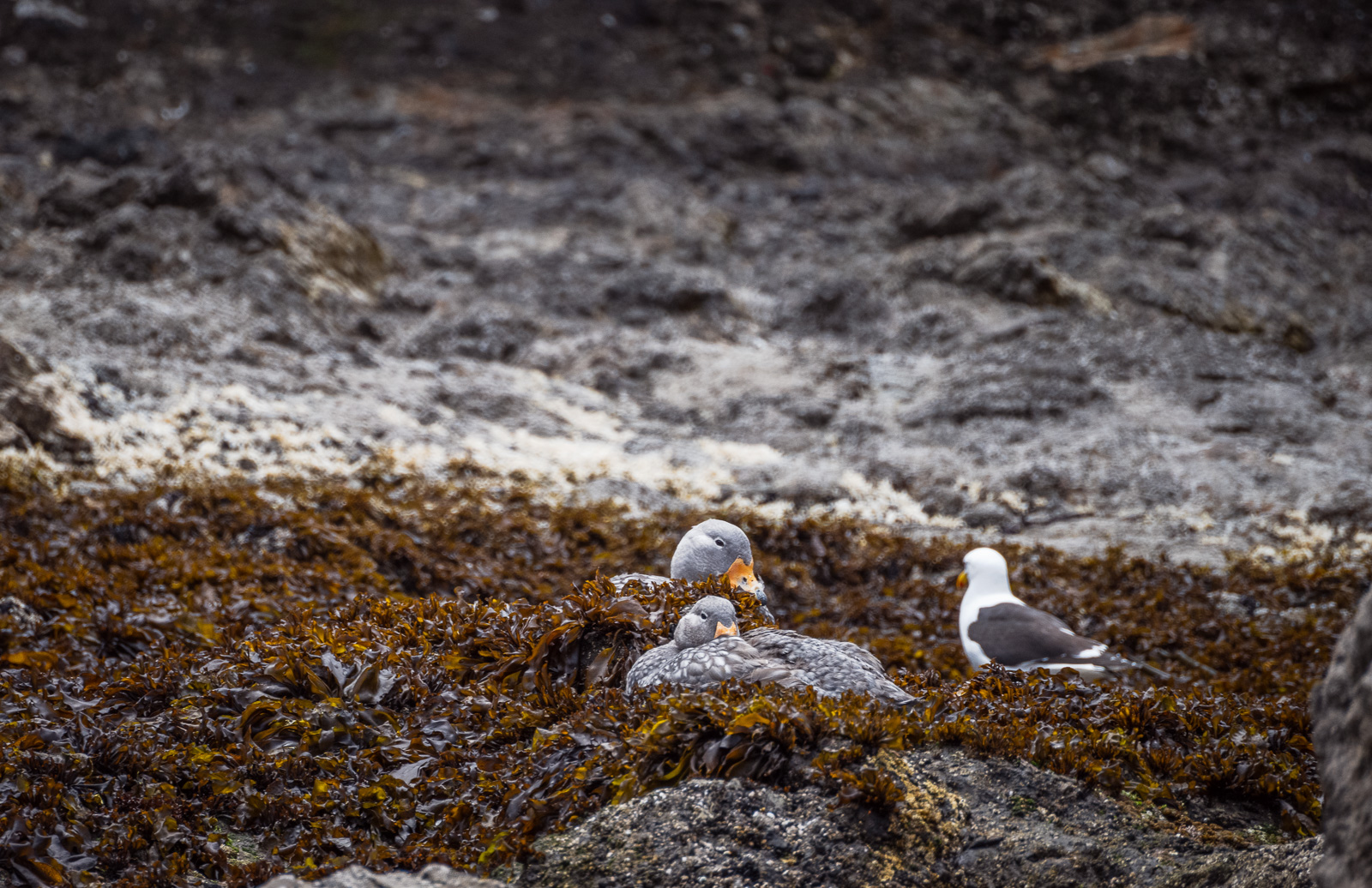
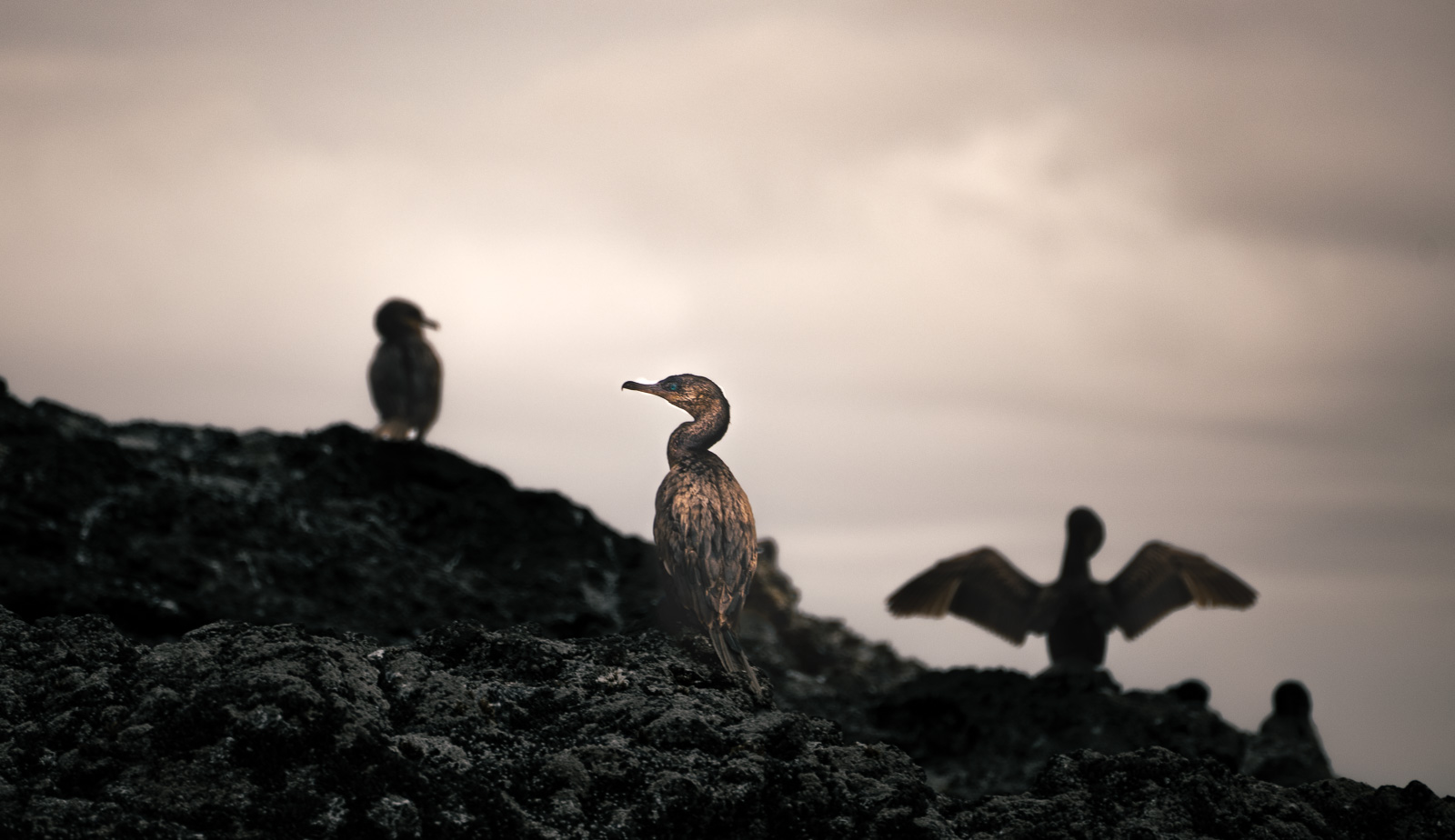
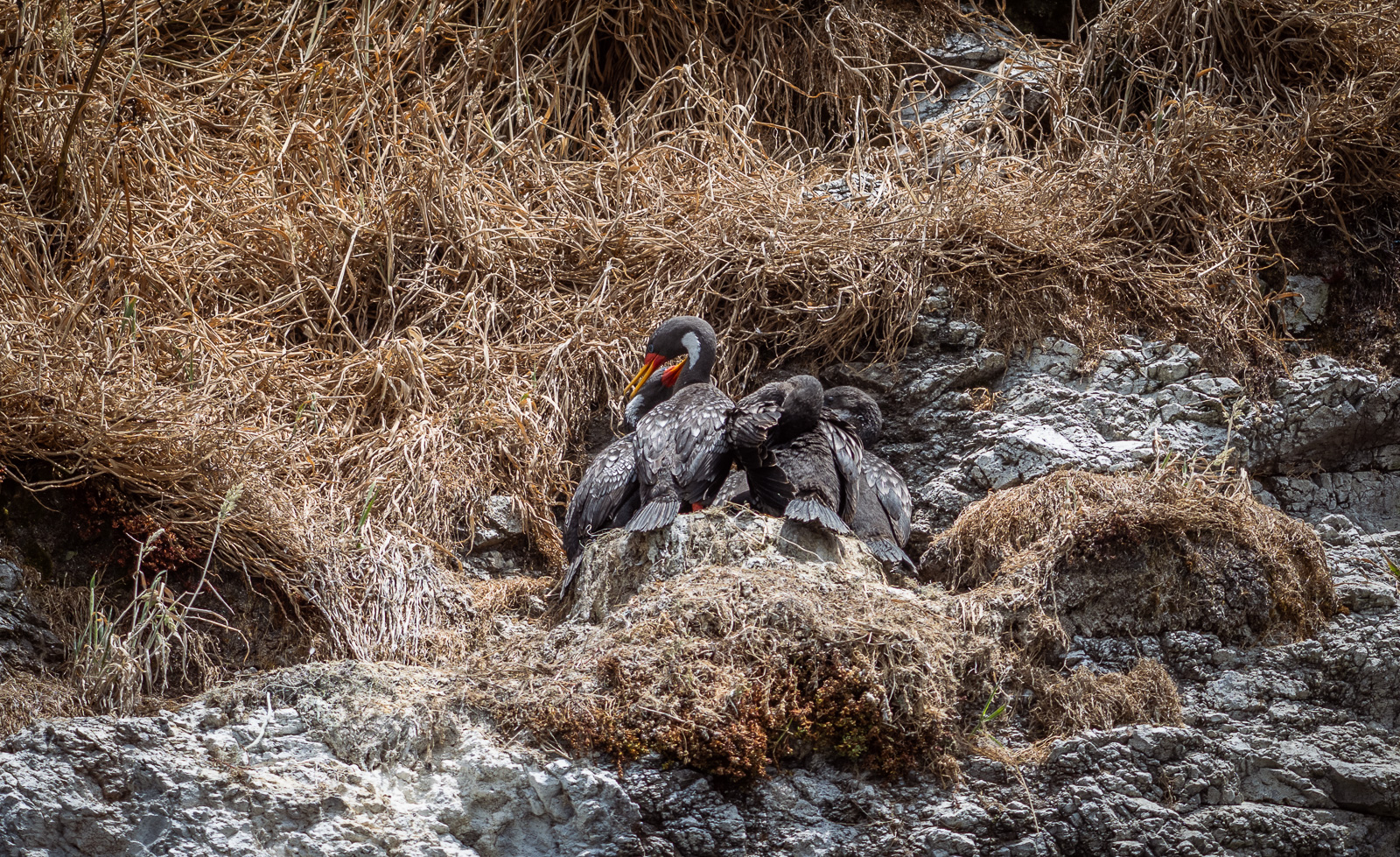
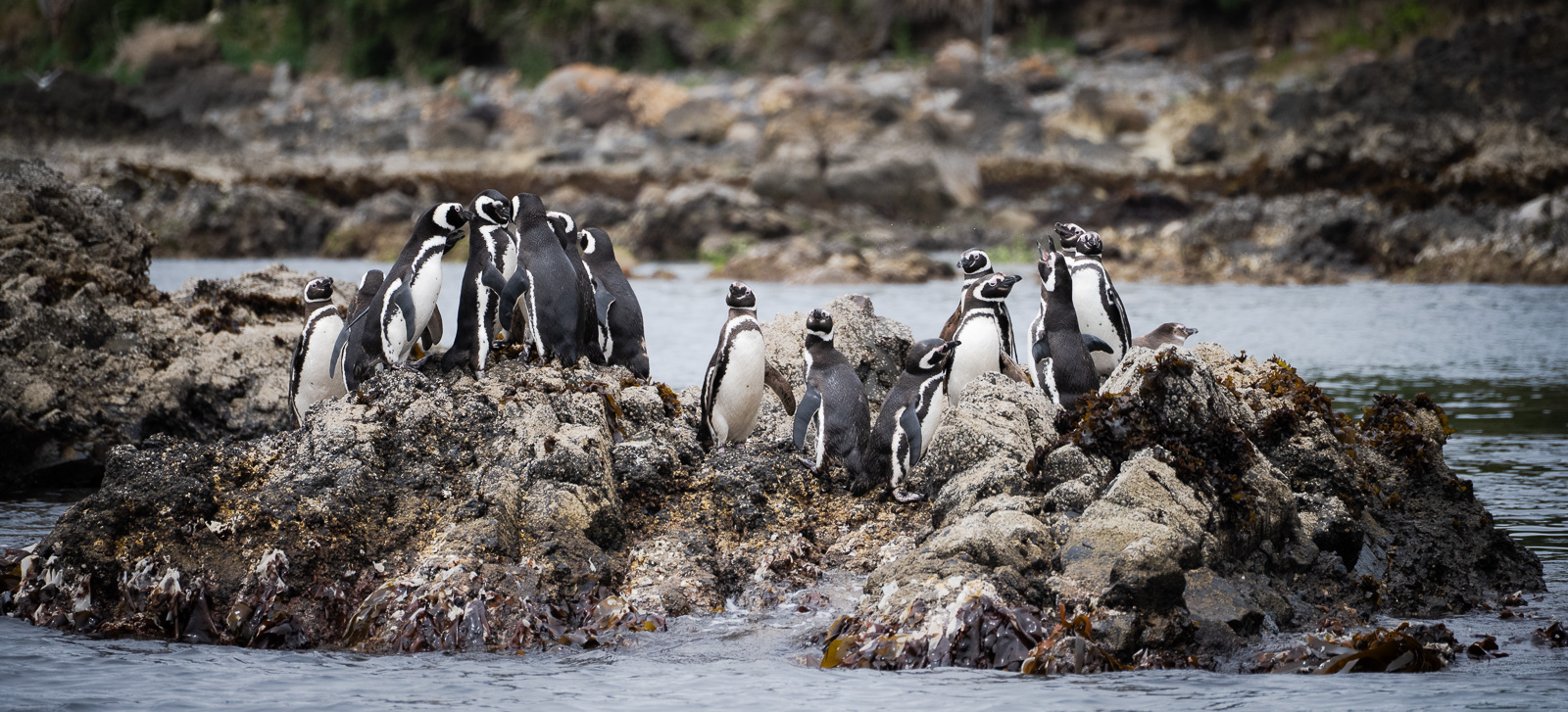
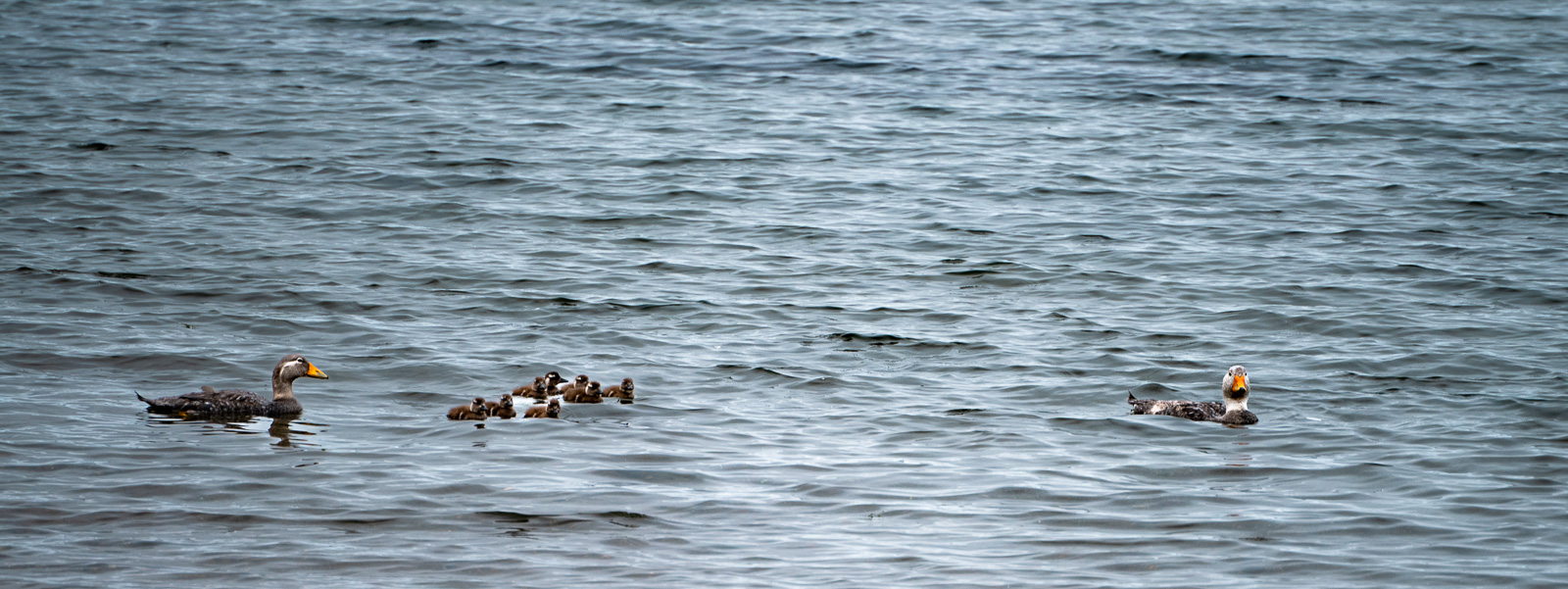
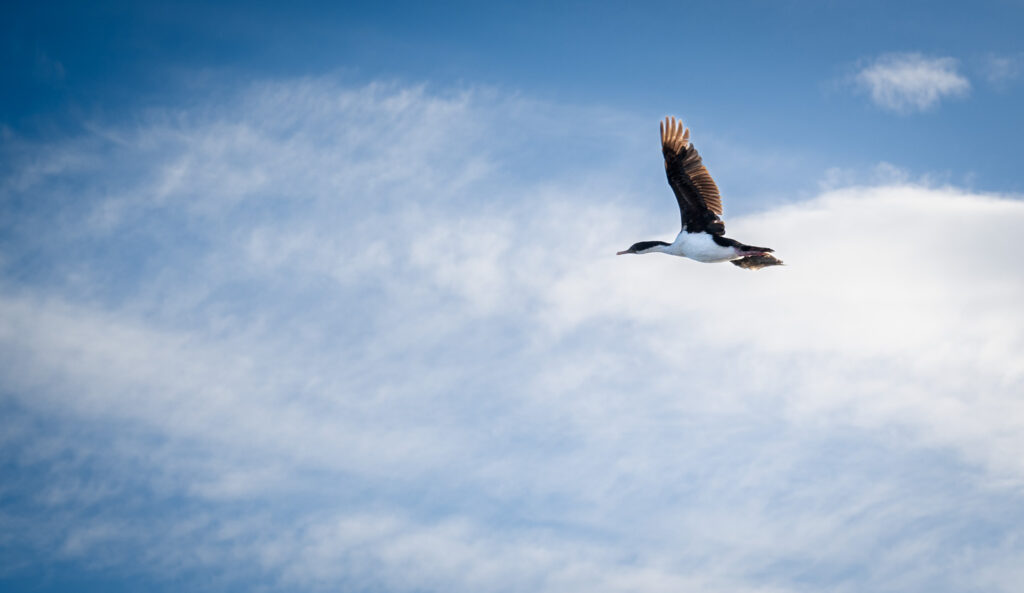
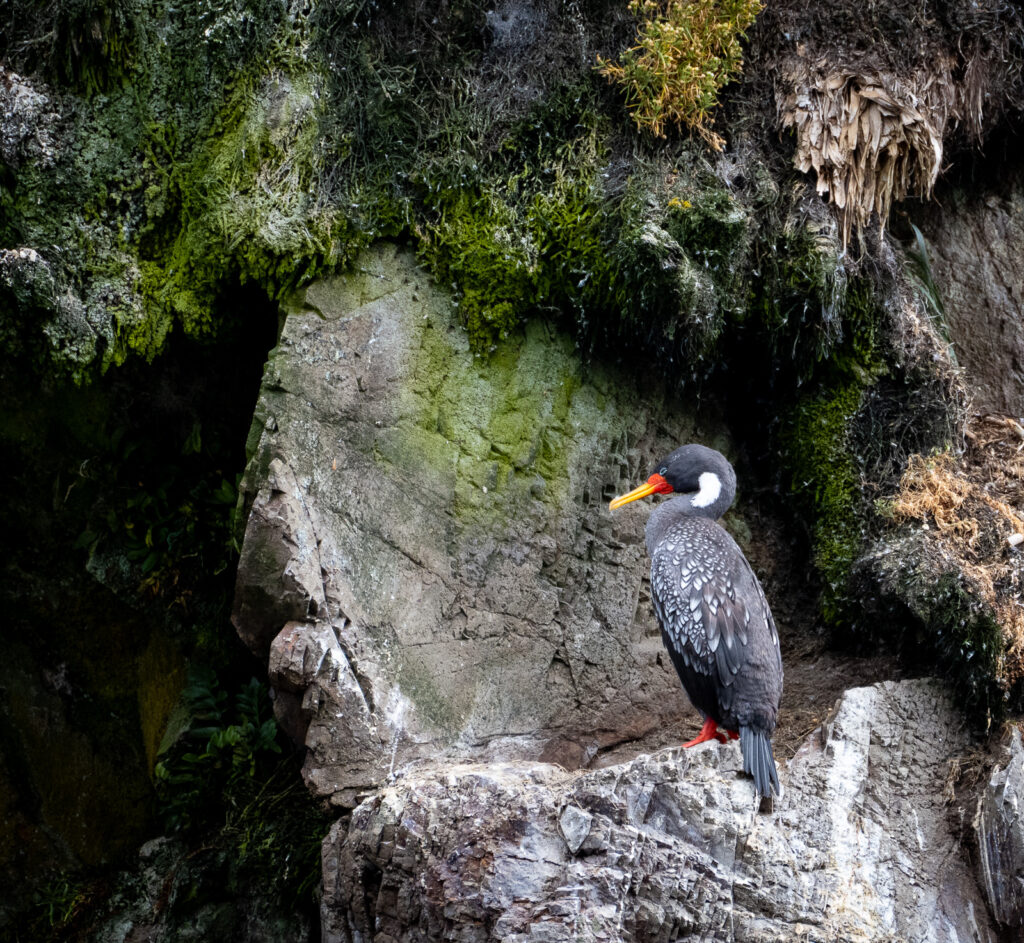
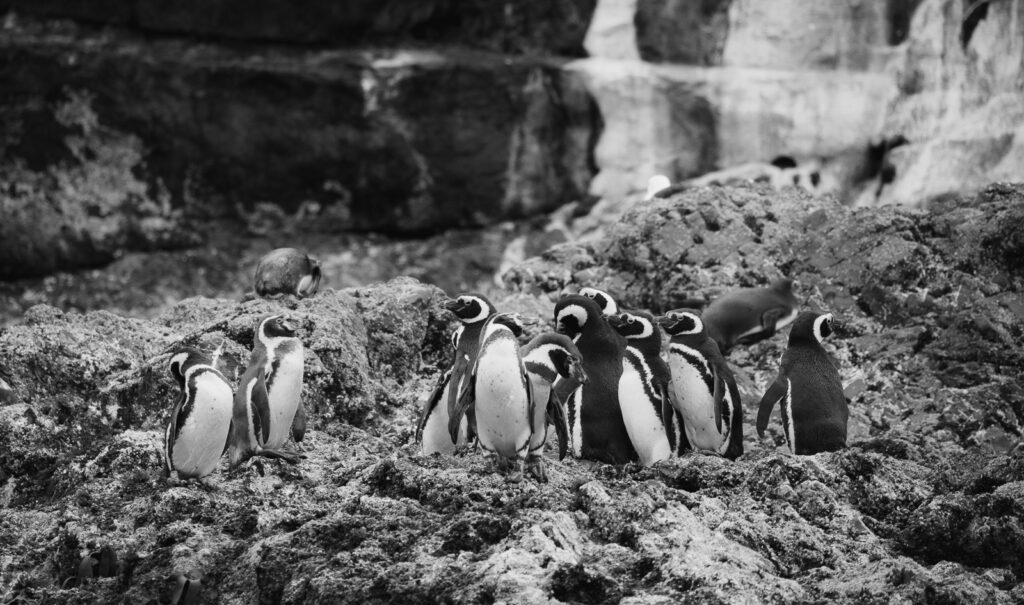
Our gifted guide and driver, Danae and Ercilia, were adept at locating the hidden lagoons, marshlands, and estuaries surrounding Ancud—habitats for thrushes, elaenias, gulls, Greater Yellowlegs, wigeons, and teals (zorzales, fío-fíos, gaviotas, pitotoys y patos de jergón chicos y grandes), along with many other species we were fortunate to observe. The boat trip to the Puñihuil Reserve was the high point of this trip. As we circumnavigated the islands that form this natural sanctuary, we encountered geese and ducks, oystercatchers and gulls, terns, cormorants, and vultures (quetrus, pilpilenes, gaviotas, gaviotines, cormoranes y jotes), as well as countless Magellanic and Humboldt penguins (pingüinos magallánicos y de Humboldt). The nesting Red-legged Cormorants (liles), native to the coasts of Chile and Peru, and the extraordinary presence of an Western Rockhopper Penguin (pingüino de penacho amarillo) were among the day’s highlights.
The excursion ended with an evocative late-afternoon walk along the remote, rugged Playa Brava, followed by the return ferry crossing over the Chacao Strait—both offering further encounters with the region’s abundant wildlife.
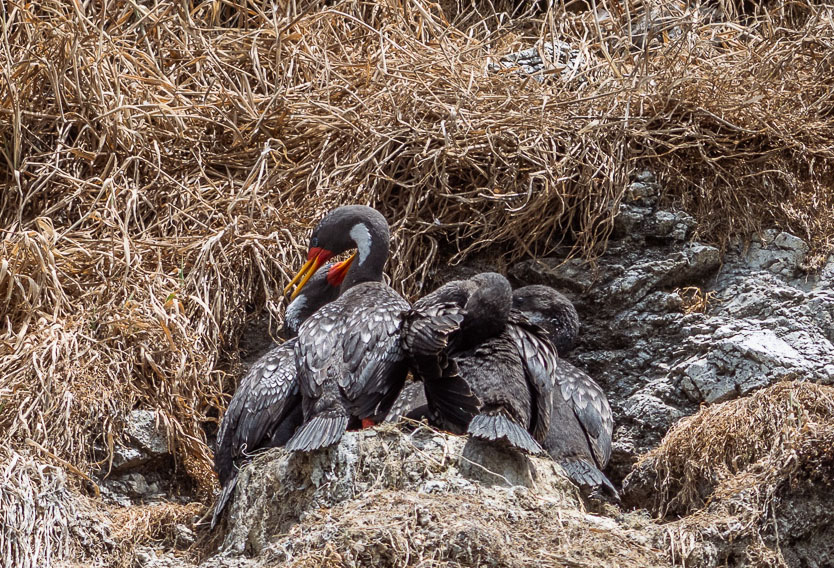
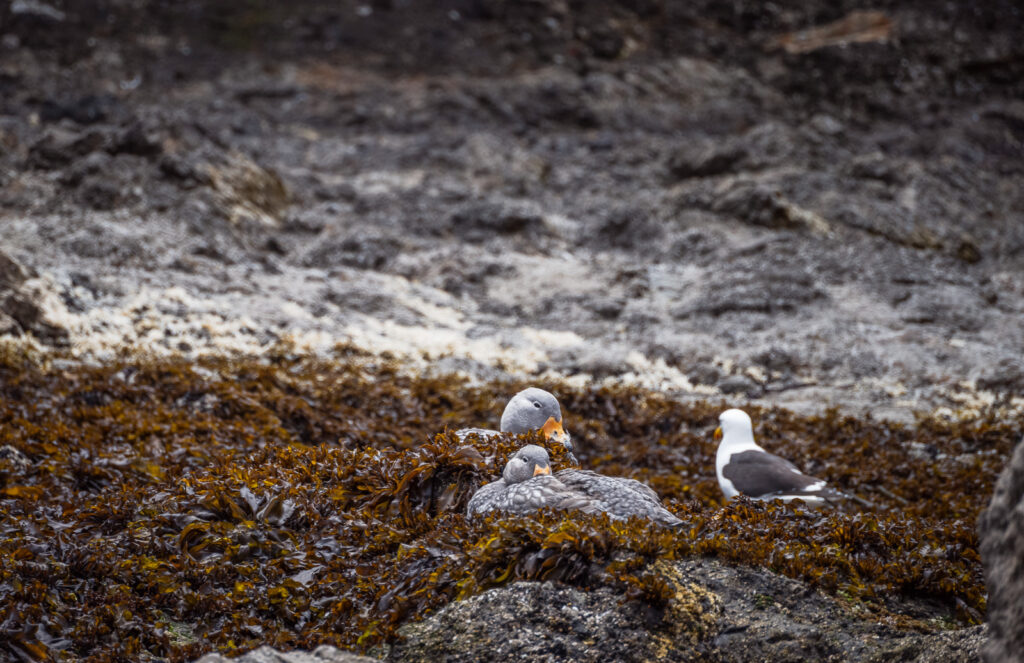
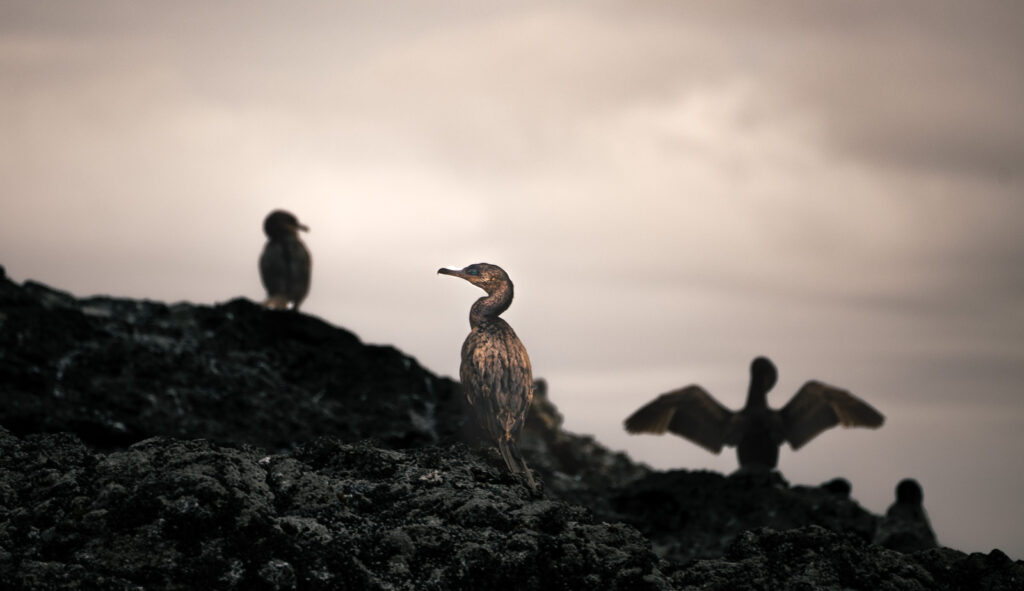





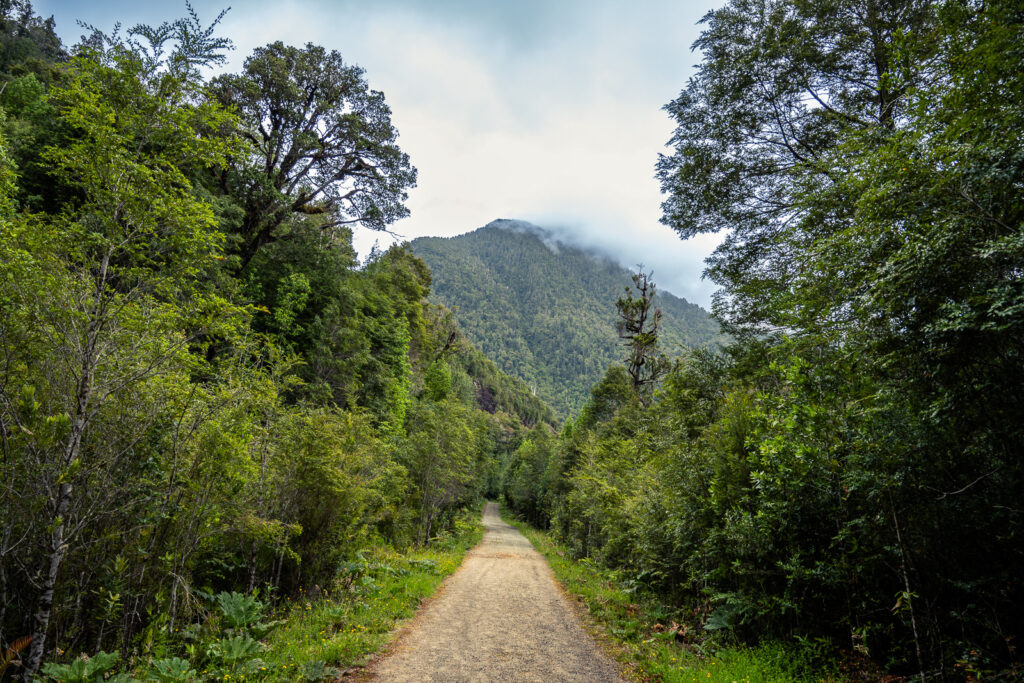
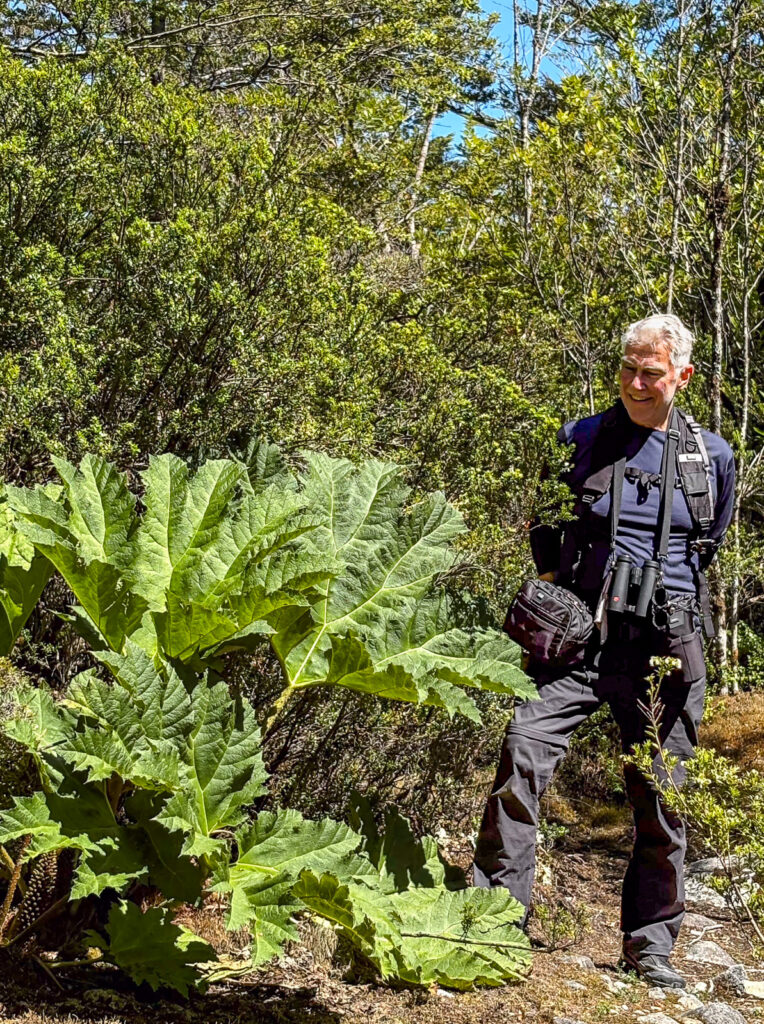
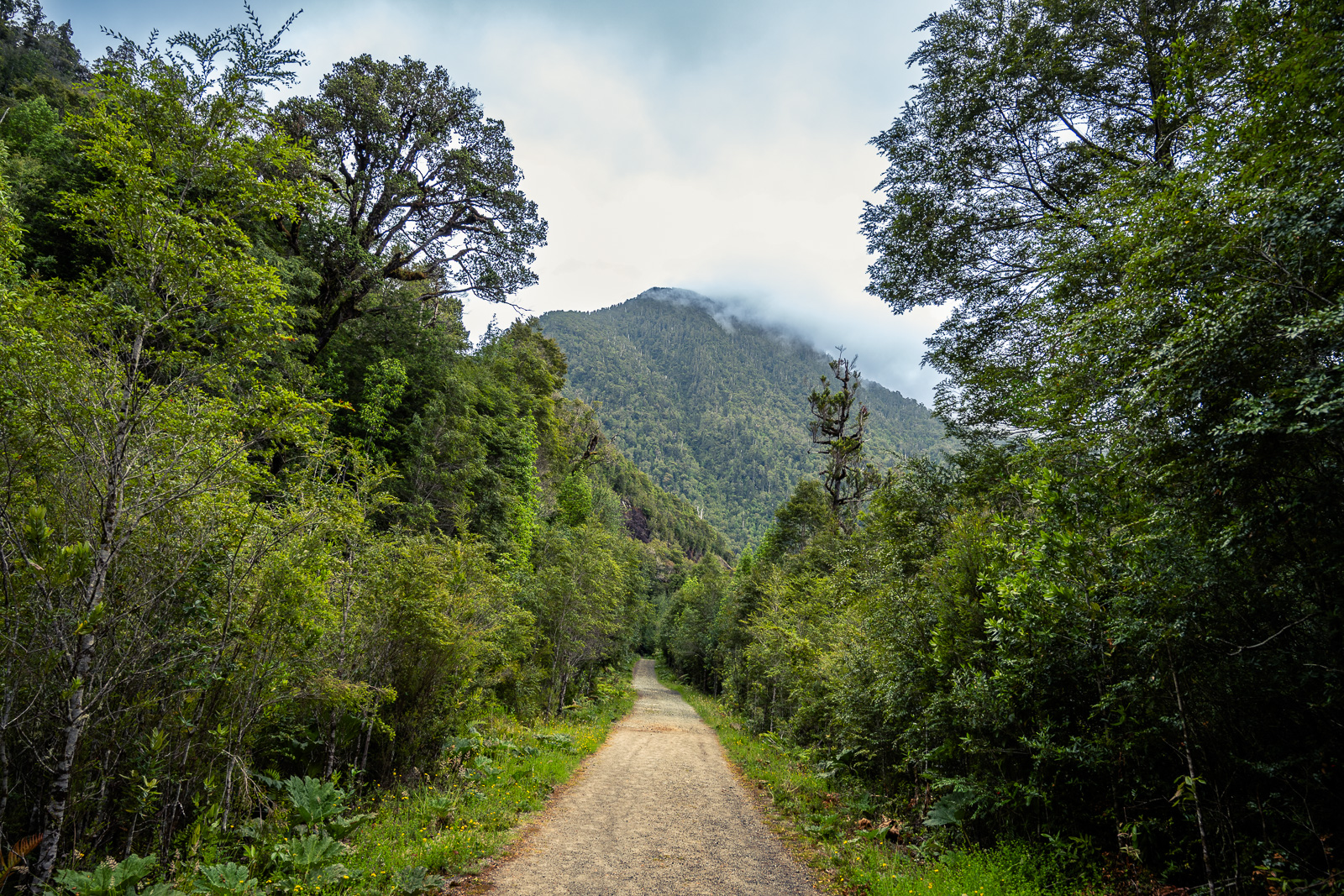
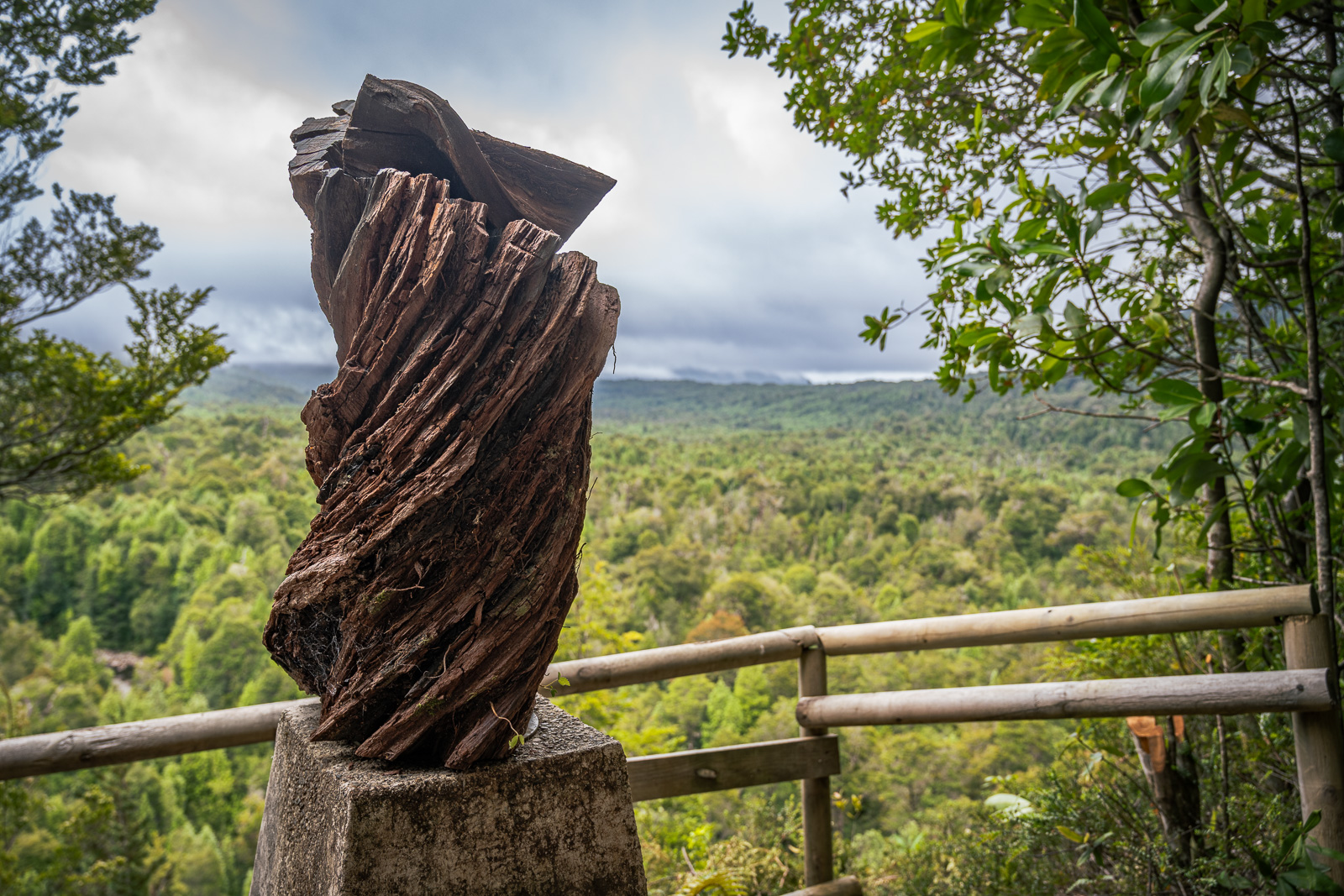
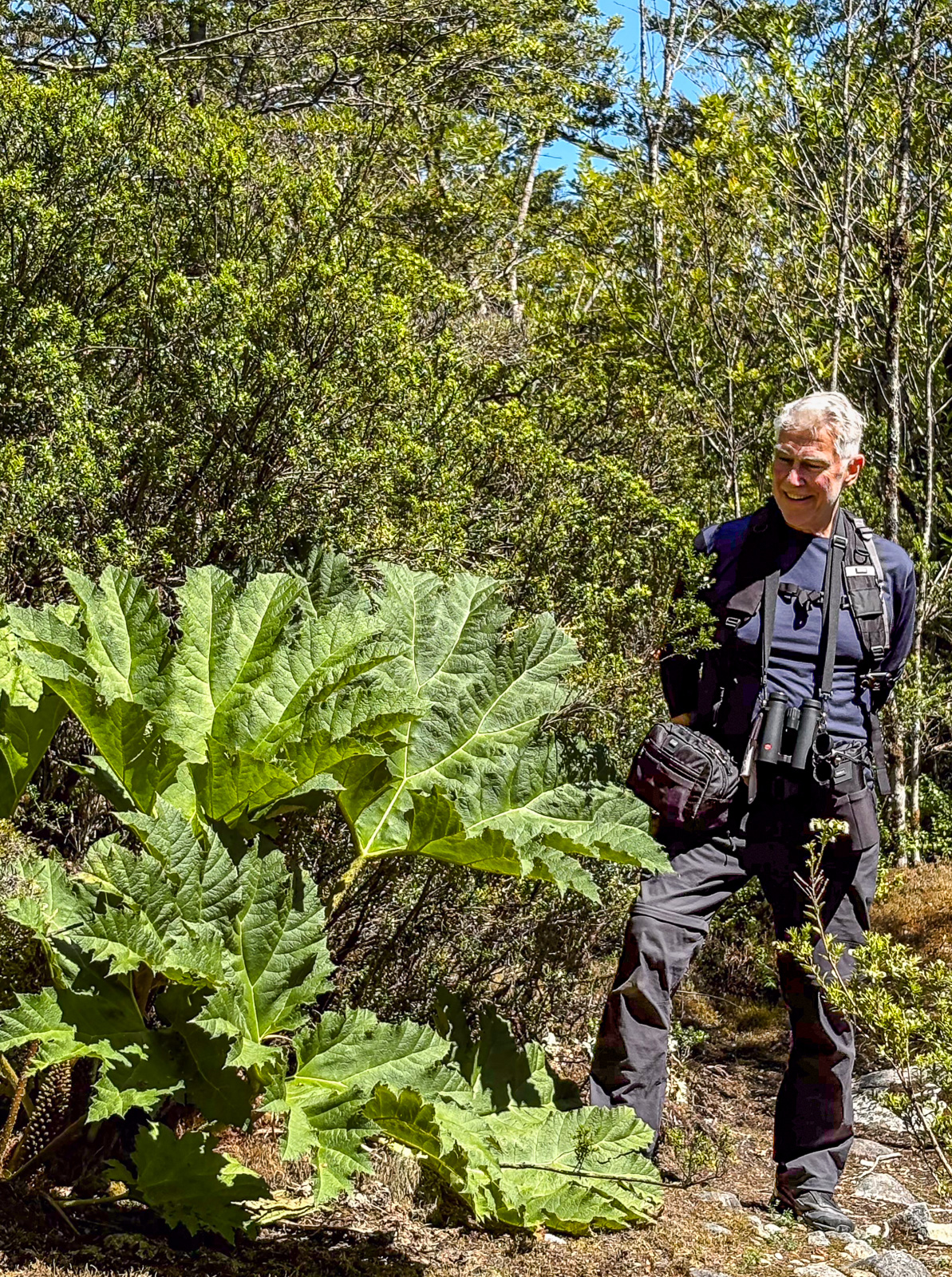
Our trek the following morning in the dense Valdivian rainforest of Alerce Andino National Park allowed us to experience, at close range, a very different dimension of Chile’s natural diversity. Just hours from the wave-battered shores of Puñihuil, ancient alerce trees rise above a lush, multi-tiered forest: moss, bamboo, and nalca (a large native rhubarb) at ground level, a mid-canopy formed by deciduous and evergreen species. With a quiet elegance, these giants seem to justify their renown.
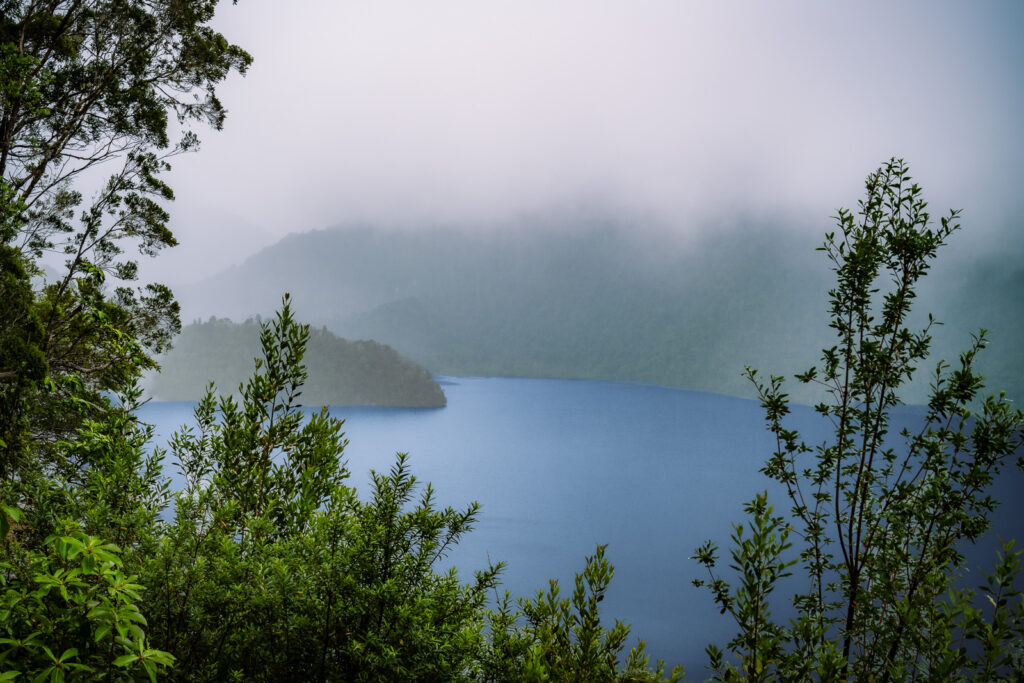
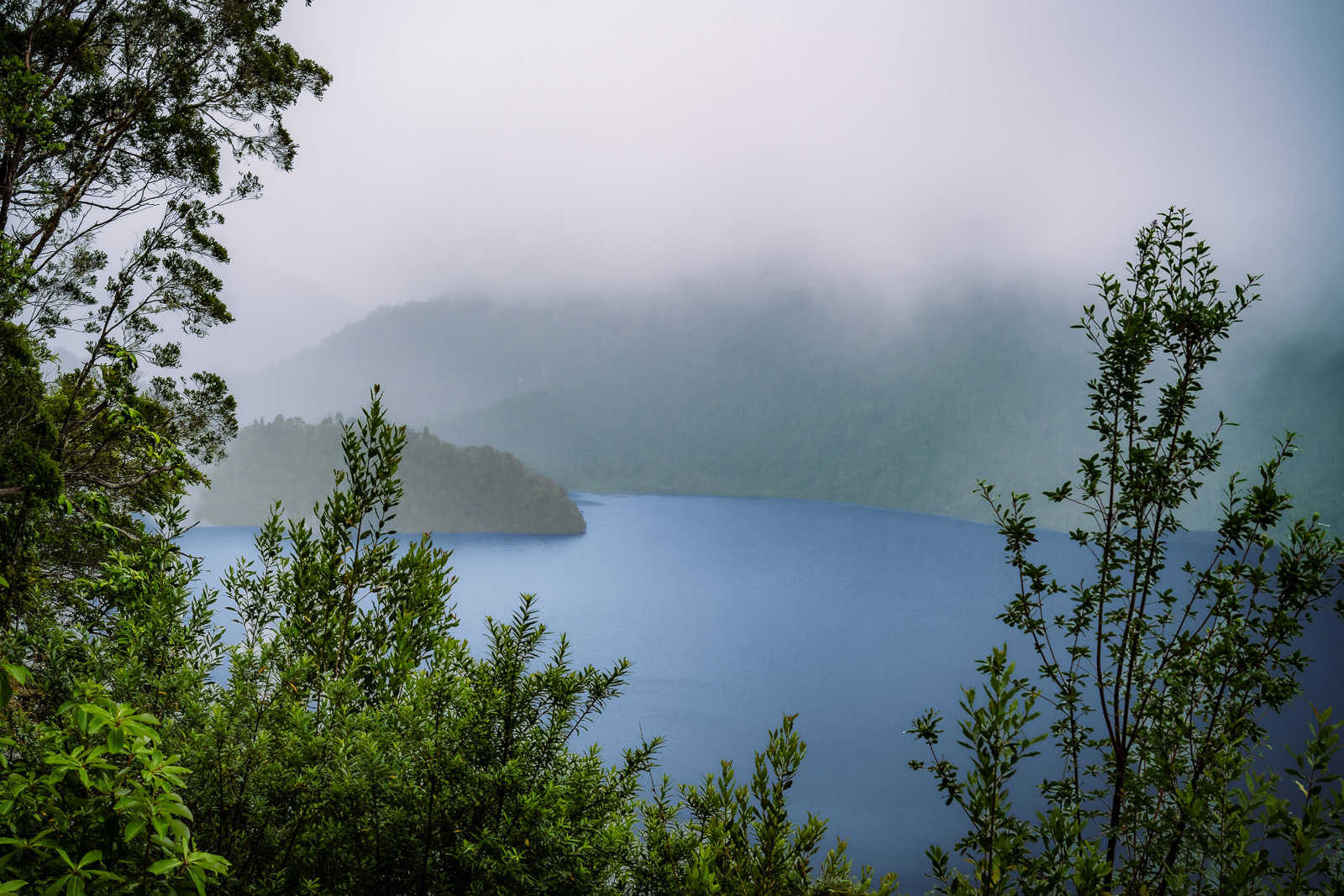
Like the California redwoods, alerces can reach heights of 50–60 meters (160–200 feet) and live for more than three millennia. In their erect stature and in the deep, furrowed mahogany of their trunks, they offer awe-inspiring testimony—like their northern counterparts—to the resilience of the natural world. At the same time, they seem to gesture toward an order of time that lies far beyond the human scale, a sensation that was deepened by the rainy mist that shrouded the park on the day of our visit and that we experienced repeatedly throughout southern Chile.
Antes que la peluca y la casaca . . .
fue la humedad y la espesura
The deep south: Magallanes (Jan 12 – 17)
During the last leg of our trip, Puerto Natales and Punta Arenas served as our home bases for exploring two distinct parts of Chile’s Magallanes region: Torres del Paine National Park (Jan 13–14) and the wildlife sanctuaries in the Magellan Straits: Isla Marta Sea Lion Colony and Isla Magdalena Penguin Colony (Jan 16). These cities each has a distinct character, despite their shared status as important gateways to Southern Hemisphere ecotourism and their roots in Patagonia’s once-flourishing sheep economy.
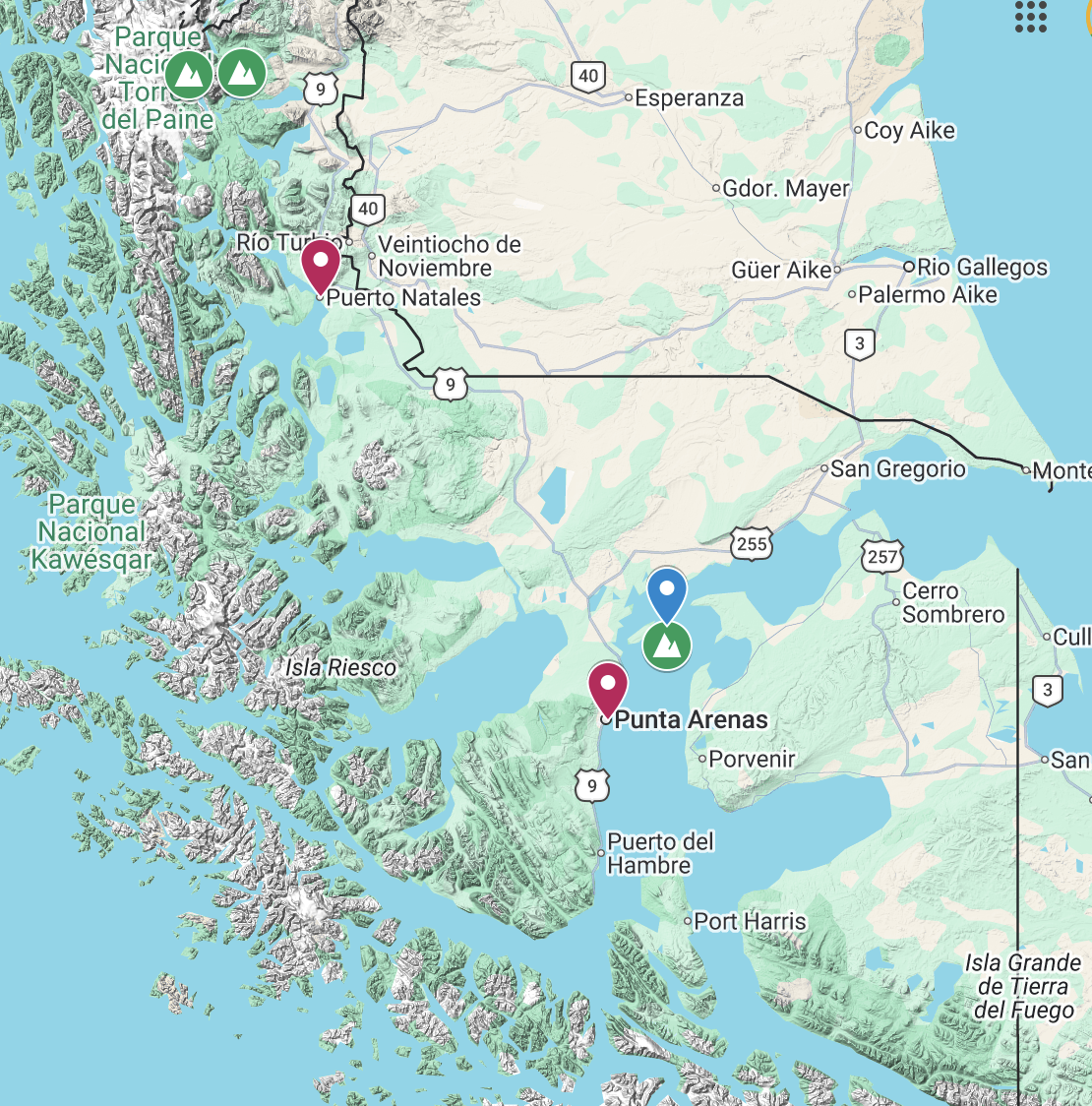
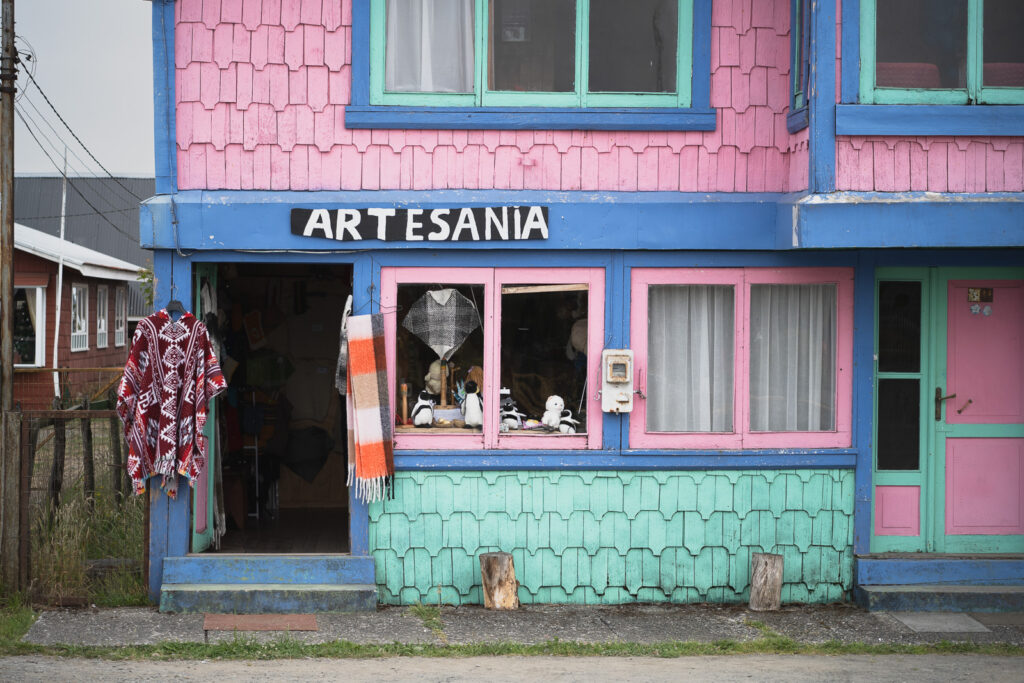
Surrounded by windswept Patagonian steppe and the scattered remains of estancias, Puerto Natales is at the heart of sheep-grazing terrain. The city has undergone a major shift from its prior reliance on wool and meat exports to a tourism economy that now feeds off the nearby national park. Its highly acclaimed churrasquerías specializing in open-pit barbecue, bars teeming with beer-guzzling hikers, markets where the local and the global overlap, souvenir shops where artisans sell their crafts, and hotels of various categories all signal a transition similar to what we witnessed throughout Aysén—Coyhaique, Puyuhuapi, Puerto Tranquilo, and Cochrane—only here on a much grander scale. The imprint of North Face–style travel is deeply etched into the fabric of this community, as it is on the heavily trafficked mountain trails nearby.
Antes que la peluca y la casaca
fue . . . el trueno
sin nombre todavía, las pampas planetarias.


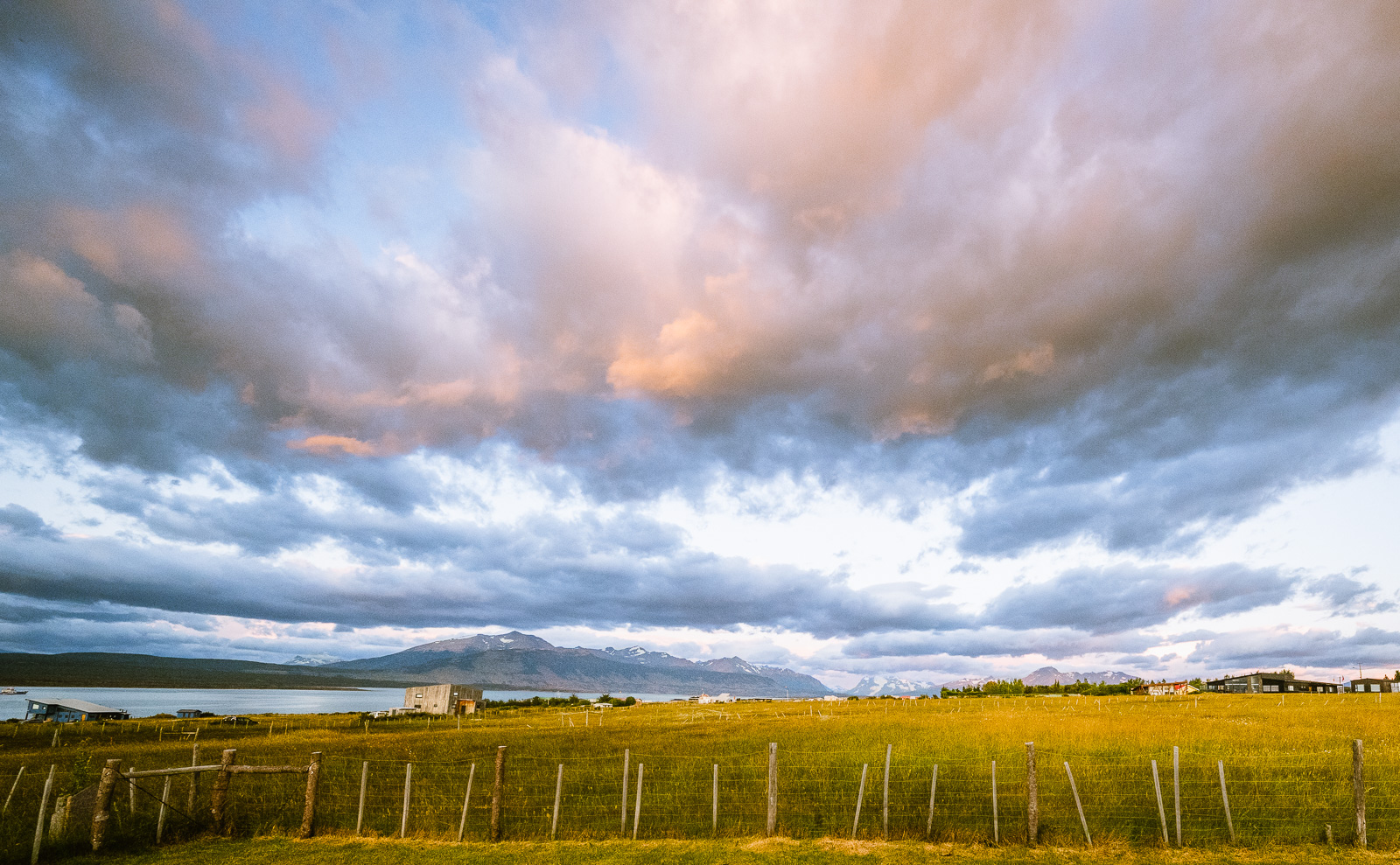
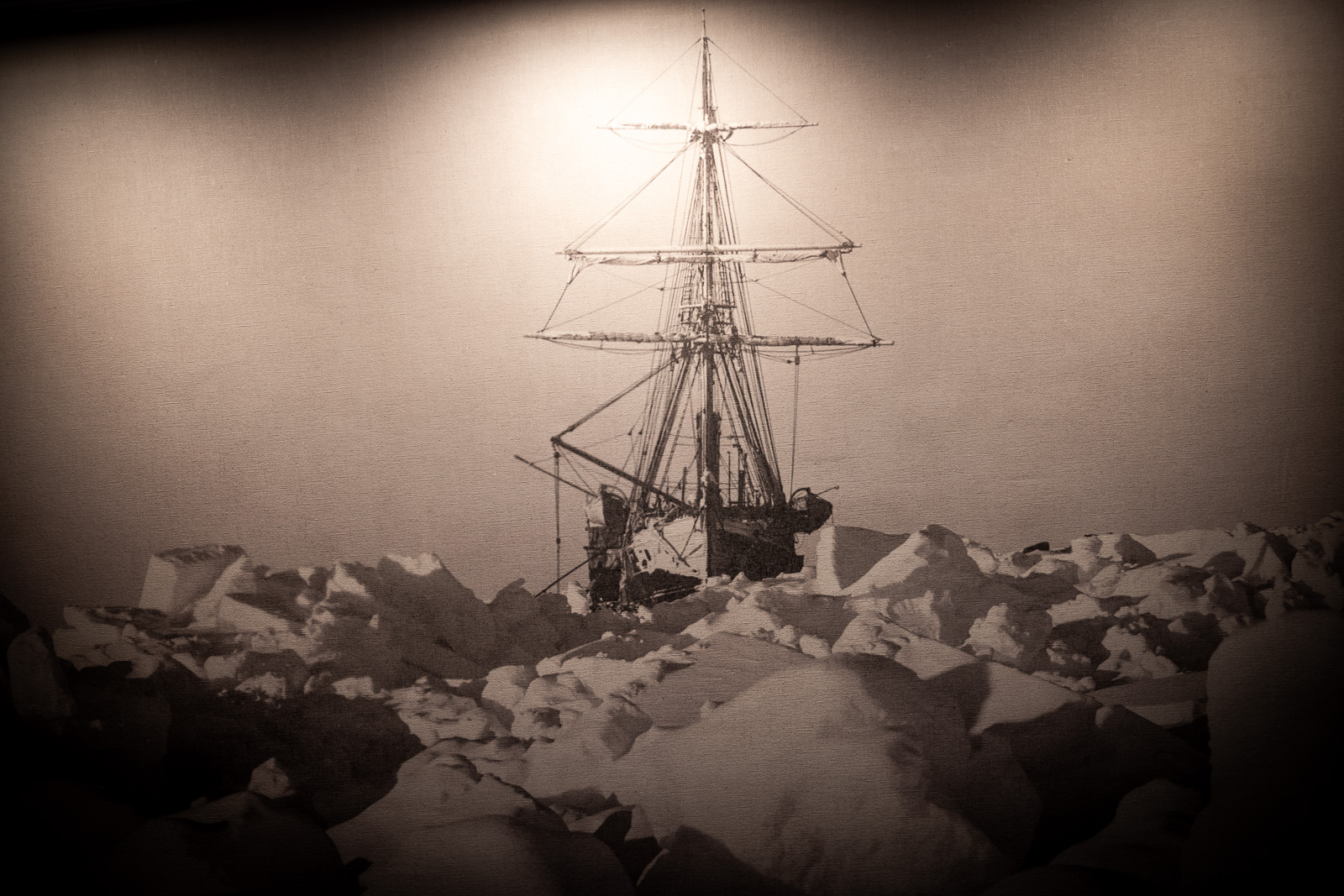
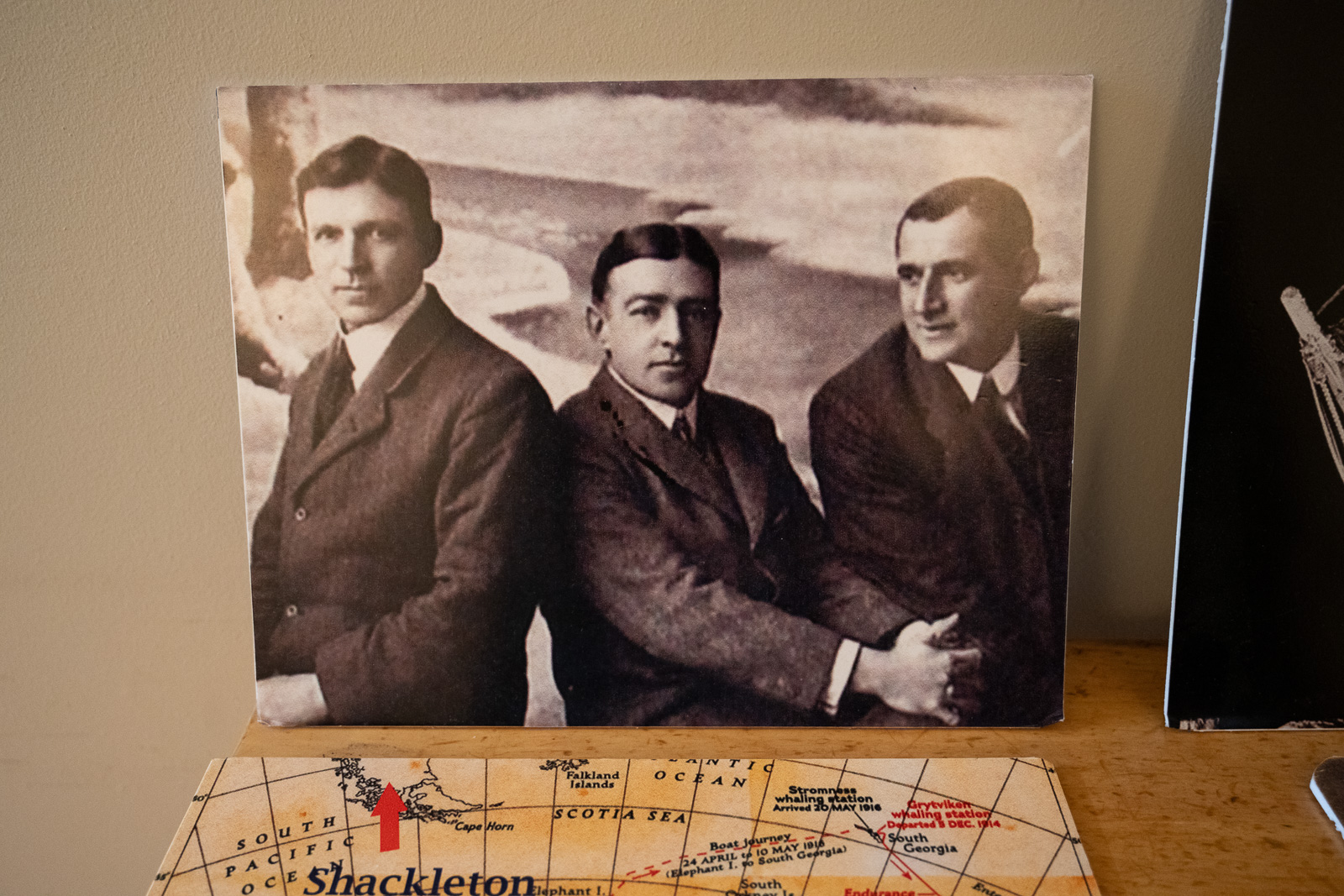
As a tourist hub, Punta Arenas is defined, by contrast, by its maritime setting: seafaring European and North American travelers following in the wake of Charles Darwin or Ernest Shackleton in their search for dolphins, orcas, whales, and penguins—or even the distant, sunlit ice fields of Antarctica: adventure at the end of the earth, in short. Less North Face and more Helly Hansen, with an occasional turn toward Smithsonian travel.
From Chiloé to Alerce Andino, from Torres del Paine to Punta Arenas: from sea to mountain and back again to the turbulent, shining sea.
As noted, Punta Arenas and Puerto Natales were both shaped by the surrounding network of sheep ranches. Located prominently on the Strait of Magellan, Punta Arenas emerged as the city through which grazing-based wealth was channeled—through its businesses, banks, clubs and associations—and where the region’s elite settled.
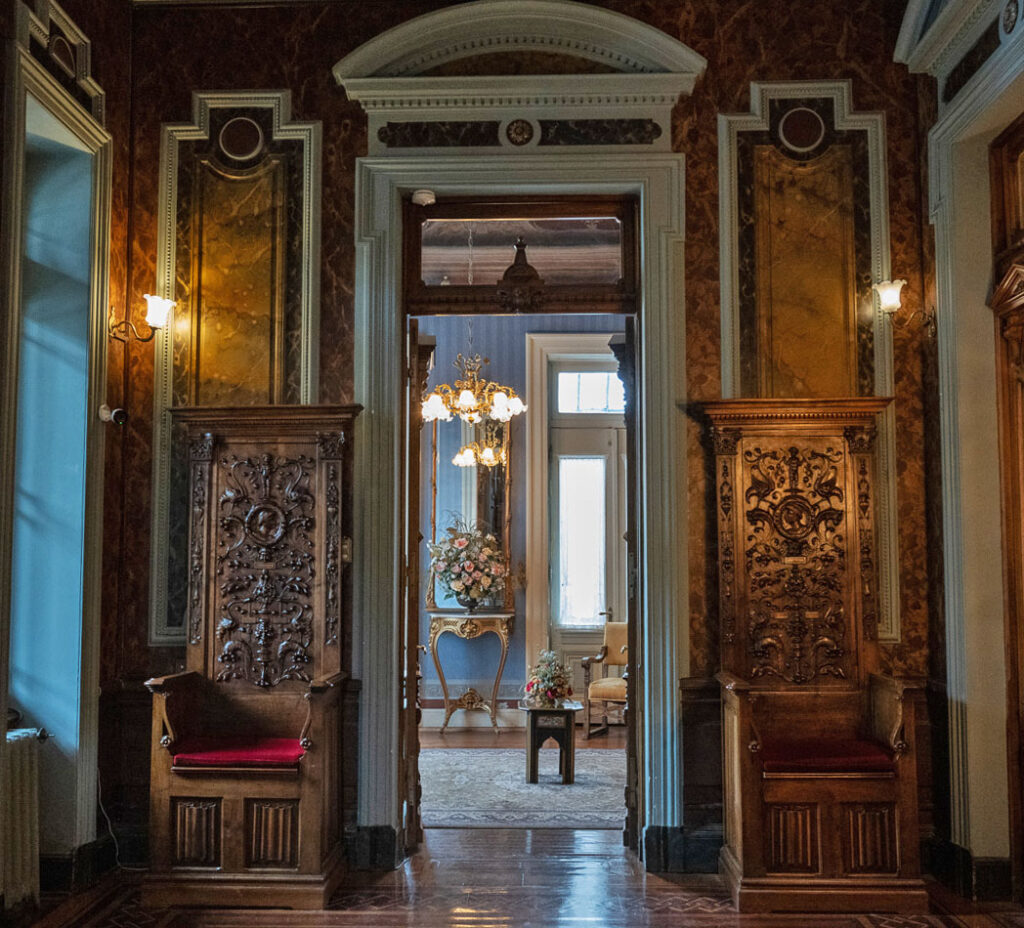
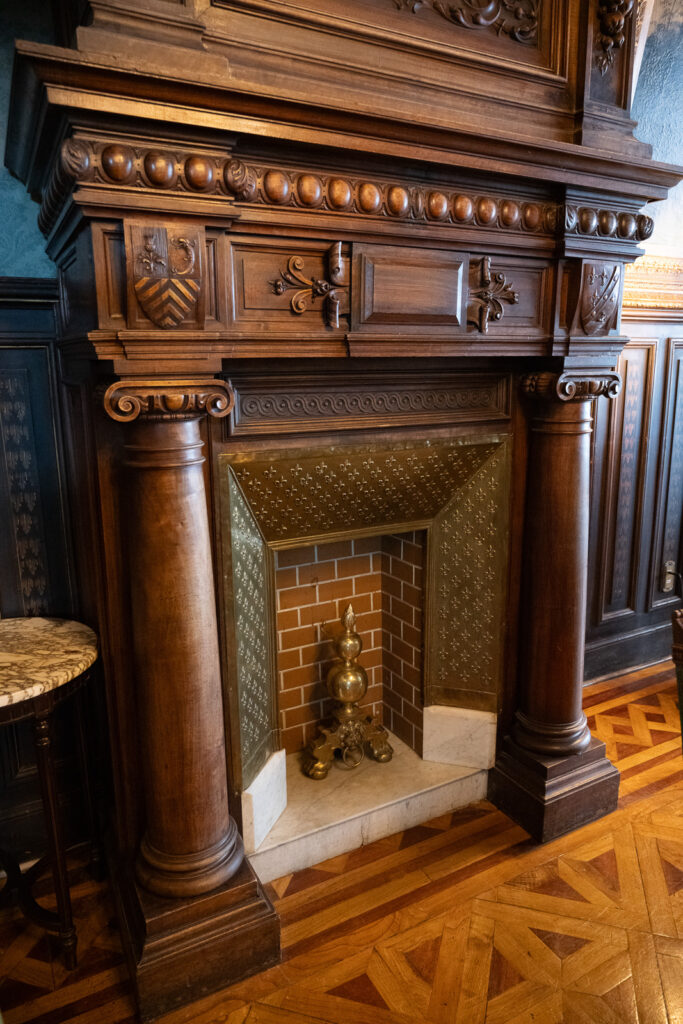
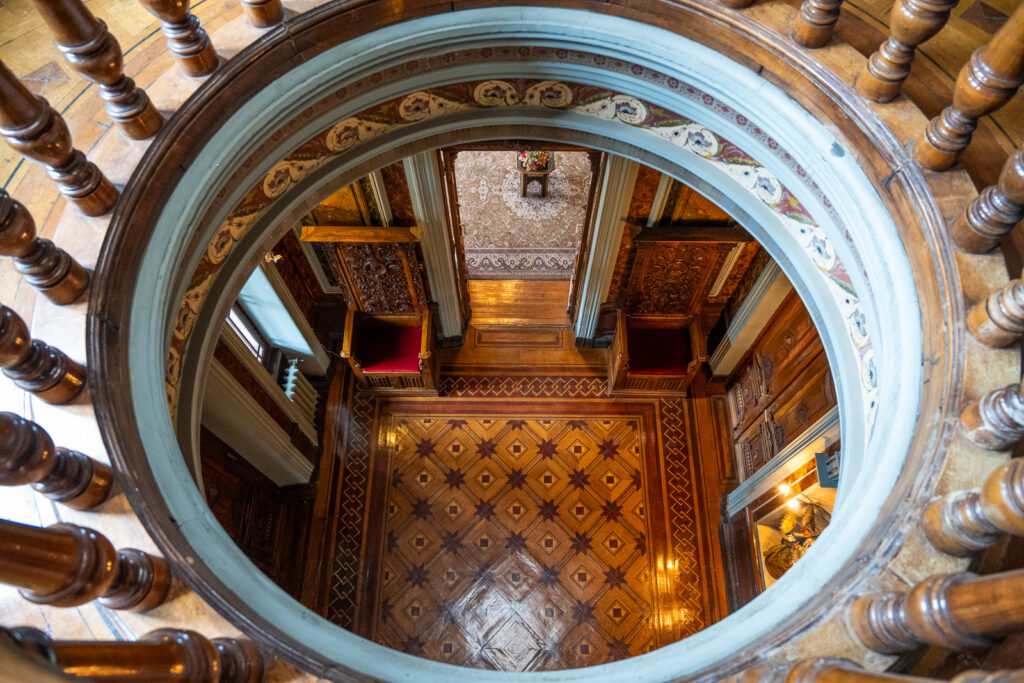
The Belle Époque Palacio Braun-Menéndez, now restored as a museum, offers vivid testimony to the opulence of Punta Arenas’s gilded-age bourgeoisie. Like others, the Braun-Menéndez family derived its wealth from vast estates and from the opportunities for international trade afforded by the Strait of Magellan, a maritime passage rich in history and legend.
That legacy is mirrored in the French-inspired mansion itself: in its ornate salons, polished wood, stained glass, and gilded detail—and, perhaps most strikingly, in the veranda with its convex oriel window overlooking the tree-lined main square below, once the stage where wealthy criollos gathered during the evening paseo to see and be seen. Like the Carnegies and Vanderbilts in North America, the Braun-Menéndez family built their fortunes by channeling America’s resources into global markets.
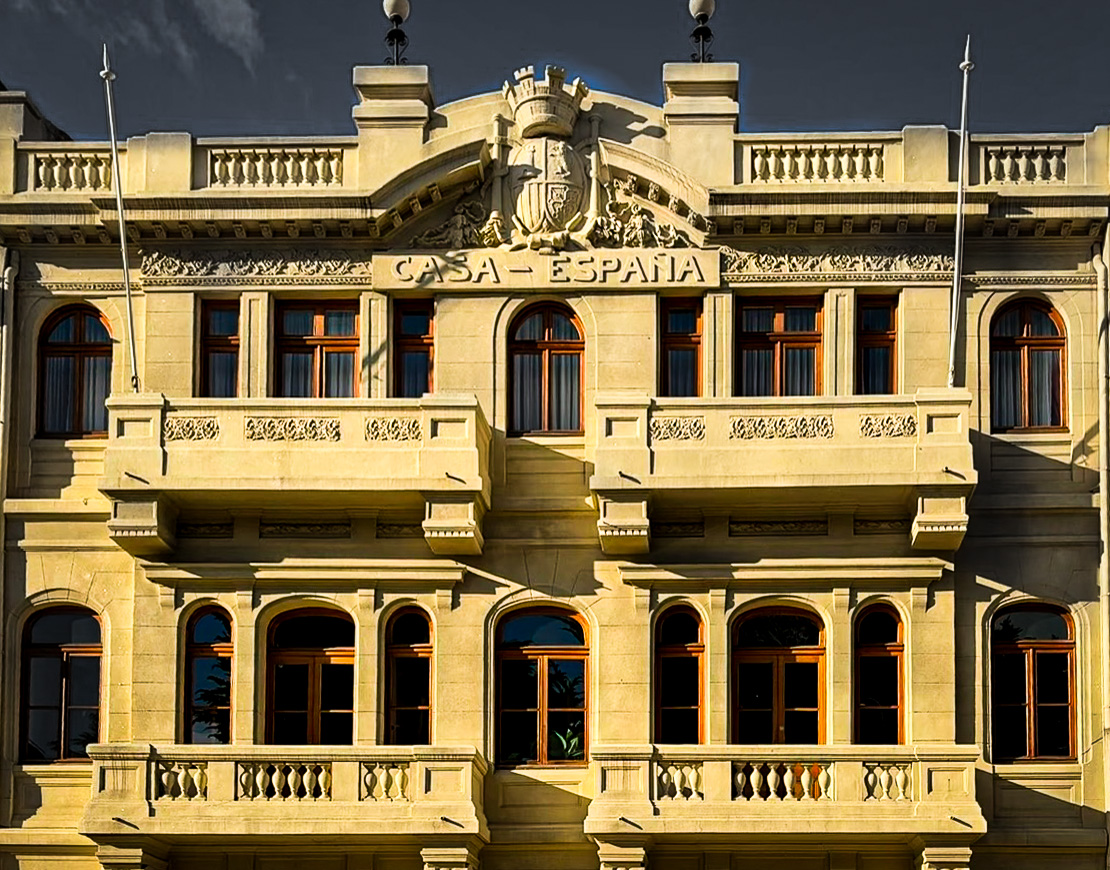
The modernist and Art Deco buildings throughout the city, the gazebo in the main square, and even the Casa de España prominently featuring on its façade the Spanish coat-of-arms all reflect how the aesthetic and social world embodied in the palace permeates Punta Arenas’s urban fabric. They reveal, in short, the particular ways in which Chile and the wider world intersect on the southern fringe of America.



For these and many other reasons, Puerto Natales and Punta Arenas seemed special to us among the cities we visited, both for their distinctive urban character and cultural significance. The lodgings we chose, in fact, reflect how we ultimately experienced these cities. The Cabañas Las Lengas (named for the Patagonian beech) recalled in many ways the other wood cabins we had stayed in throughout Aysén, with the added luxury of a hot tub—a privileged vantage point from which to gaze out over the surrounding steppe toward distant snow-capped mountains. The centrally located Hostal Karol in Punta Arenas, with its charmingly attentive proprietor, evoked the old-world hostals that welcomed us so warmly years past in provincial cities throughout Europe.
Both cities, shaped as they are by trade, ambition, and history, served above all as points of departure for our turning back toward the natural world that formed them and that, in turn, reflects Patagonia’s deeper, more timeless rhythms: hiking in Torres del Paine National Park and navigating the sea lion and penguin colonies of the Straits of Magellan.
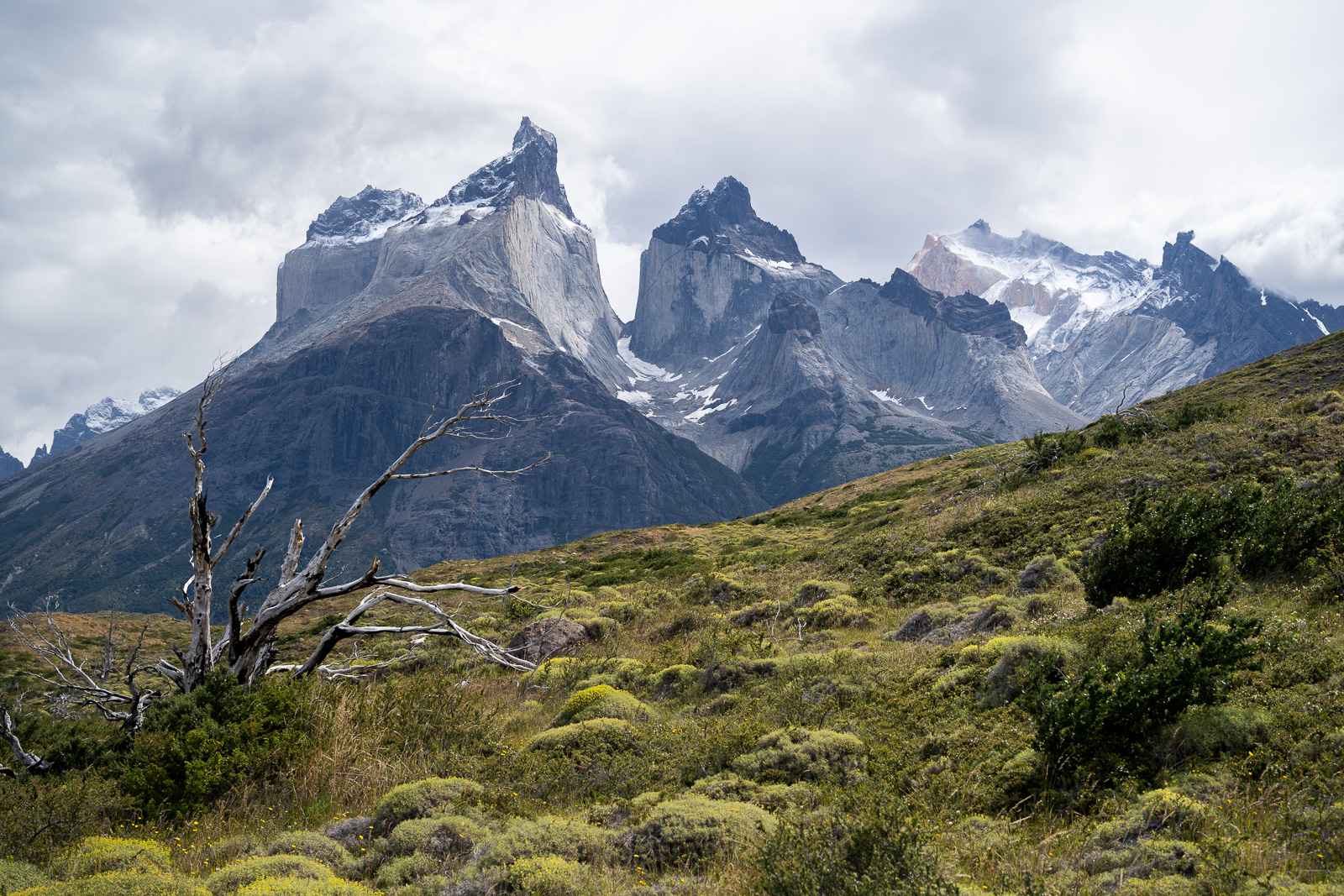
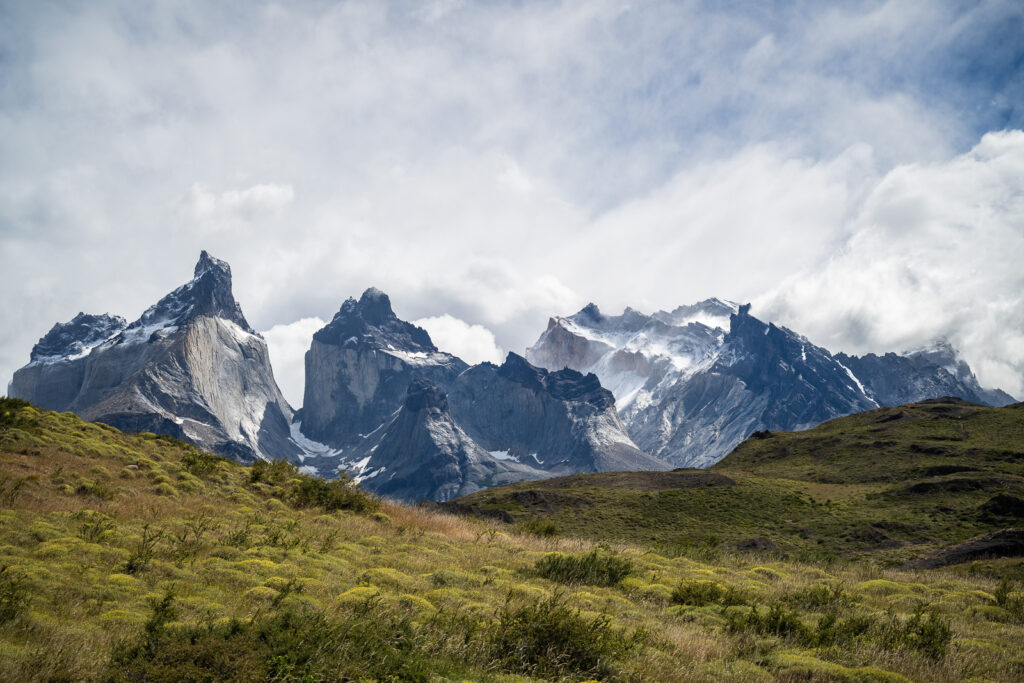
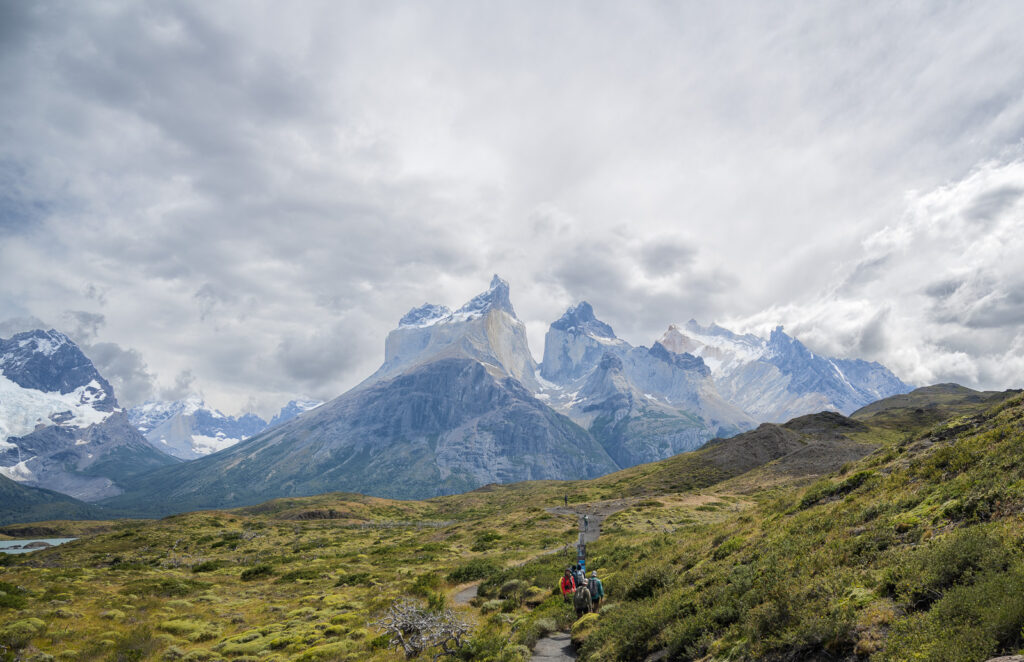
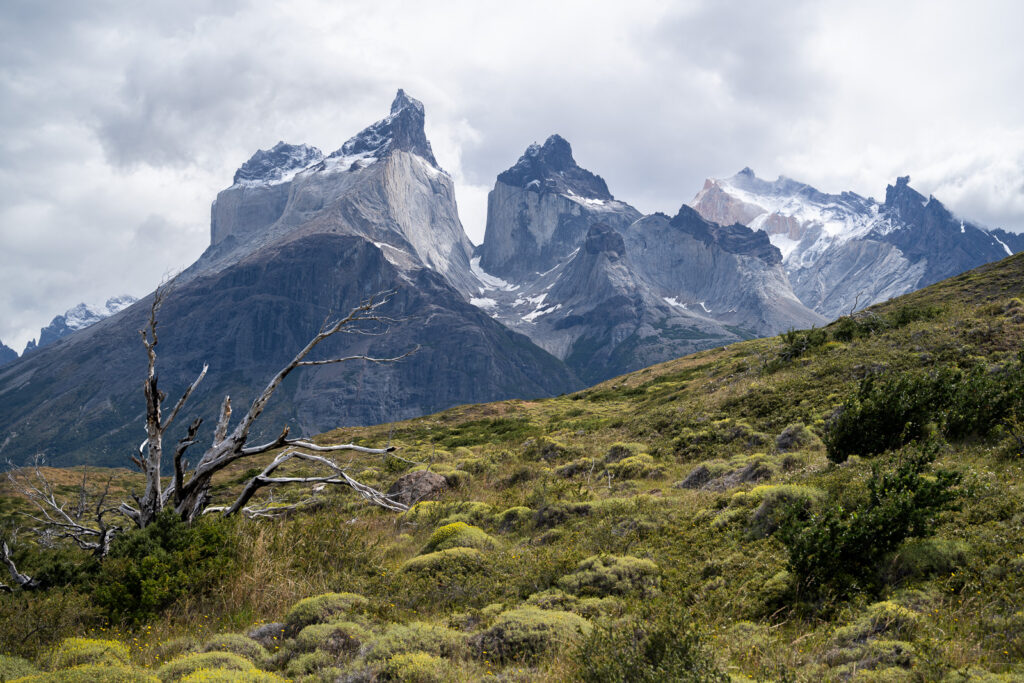
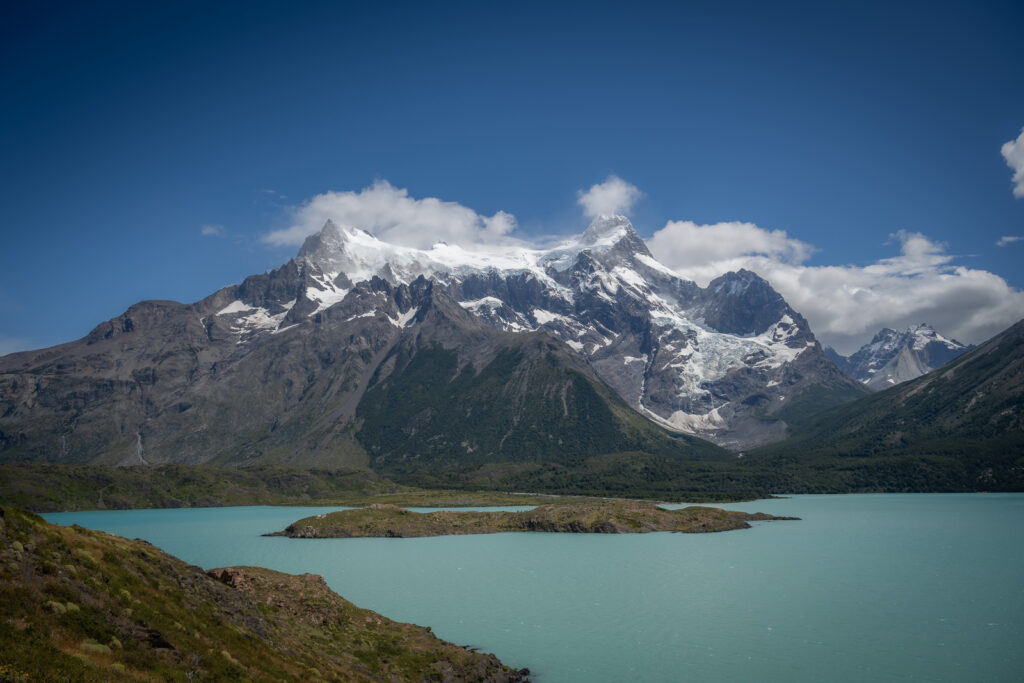
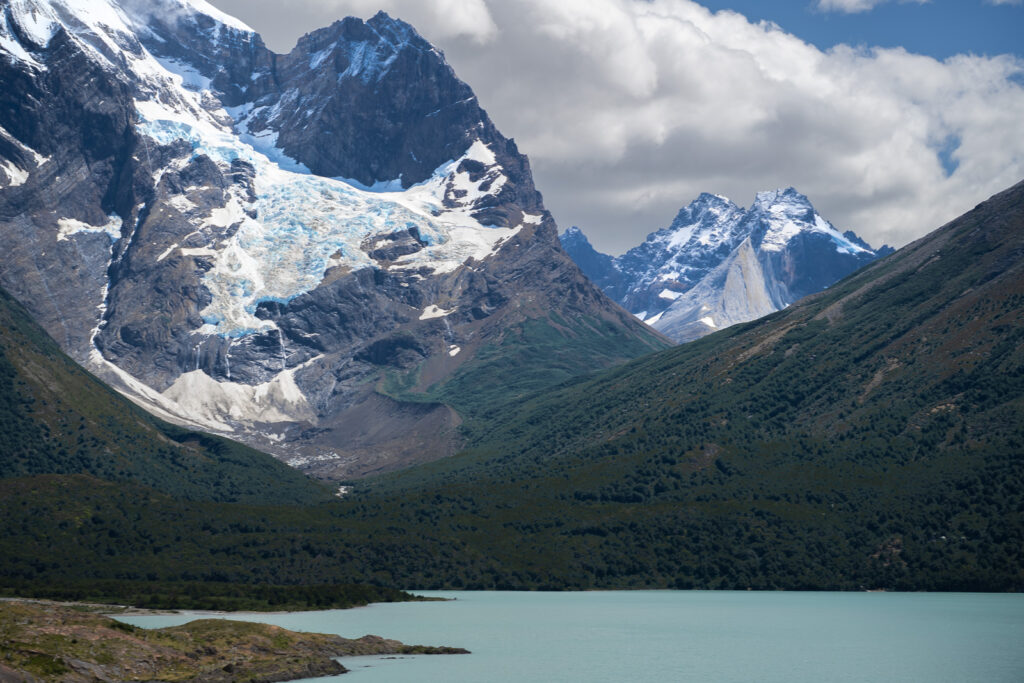
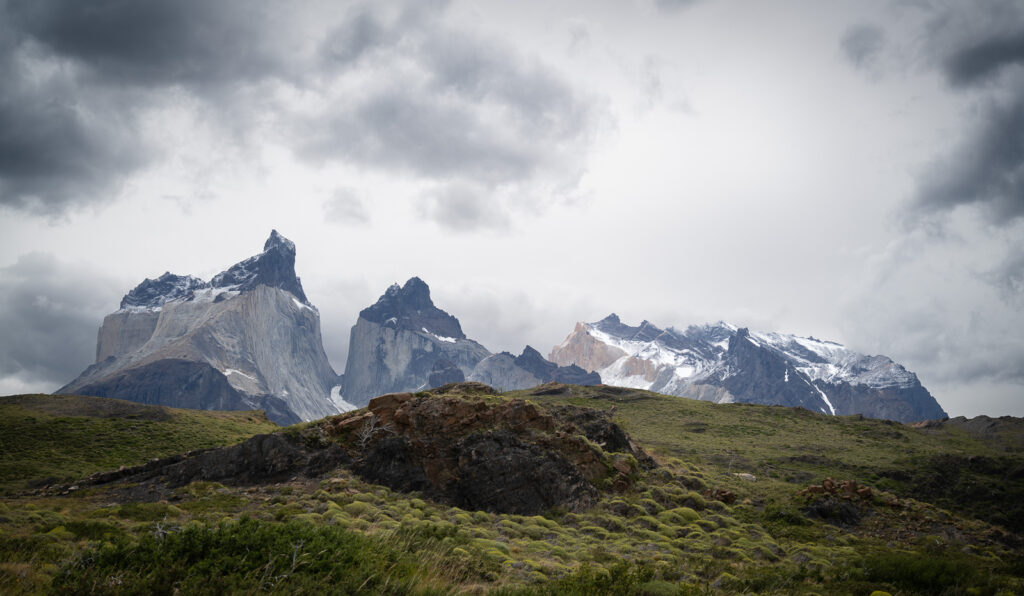
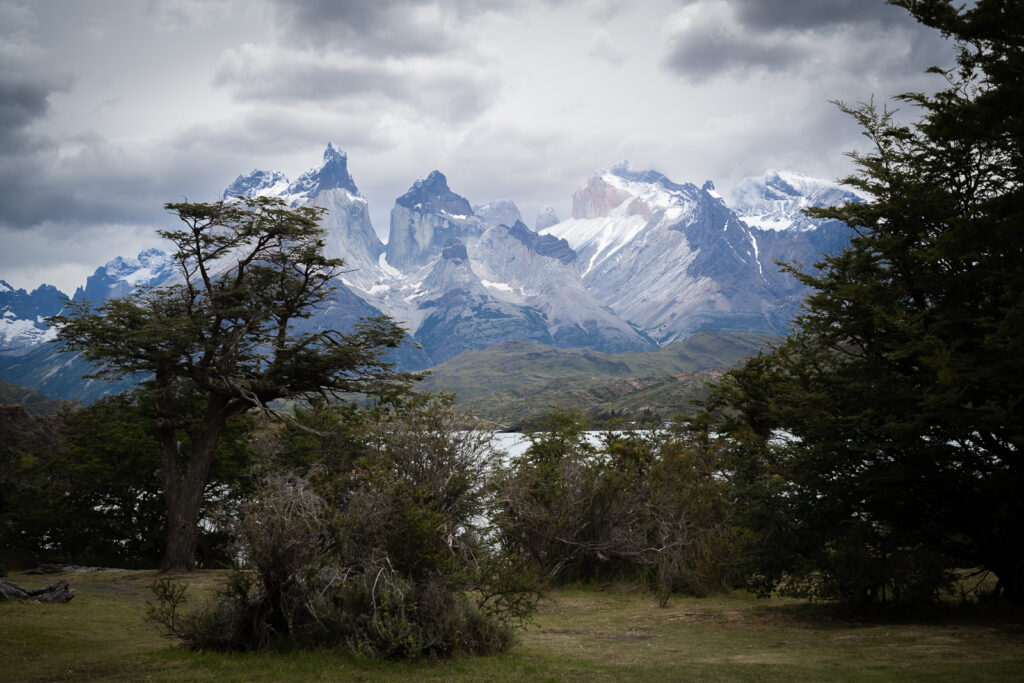
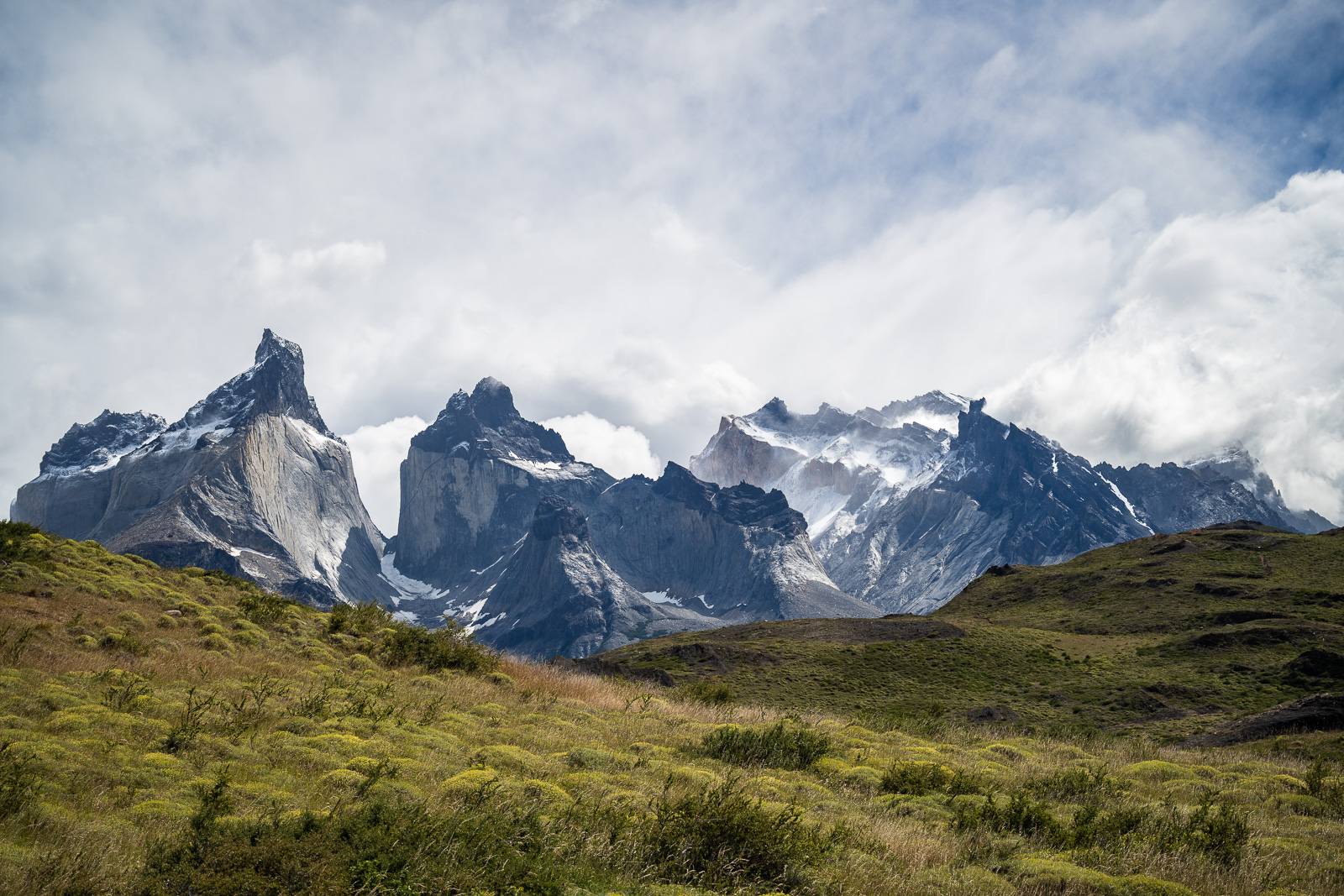
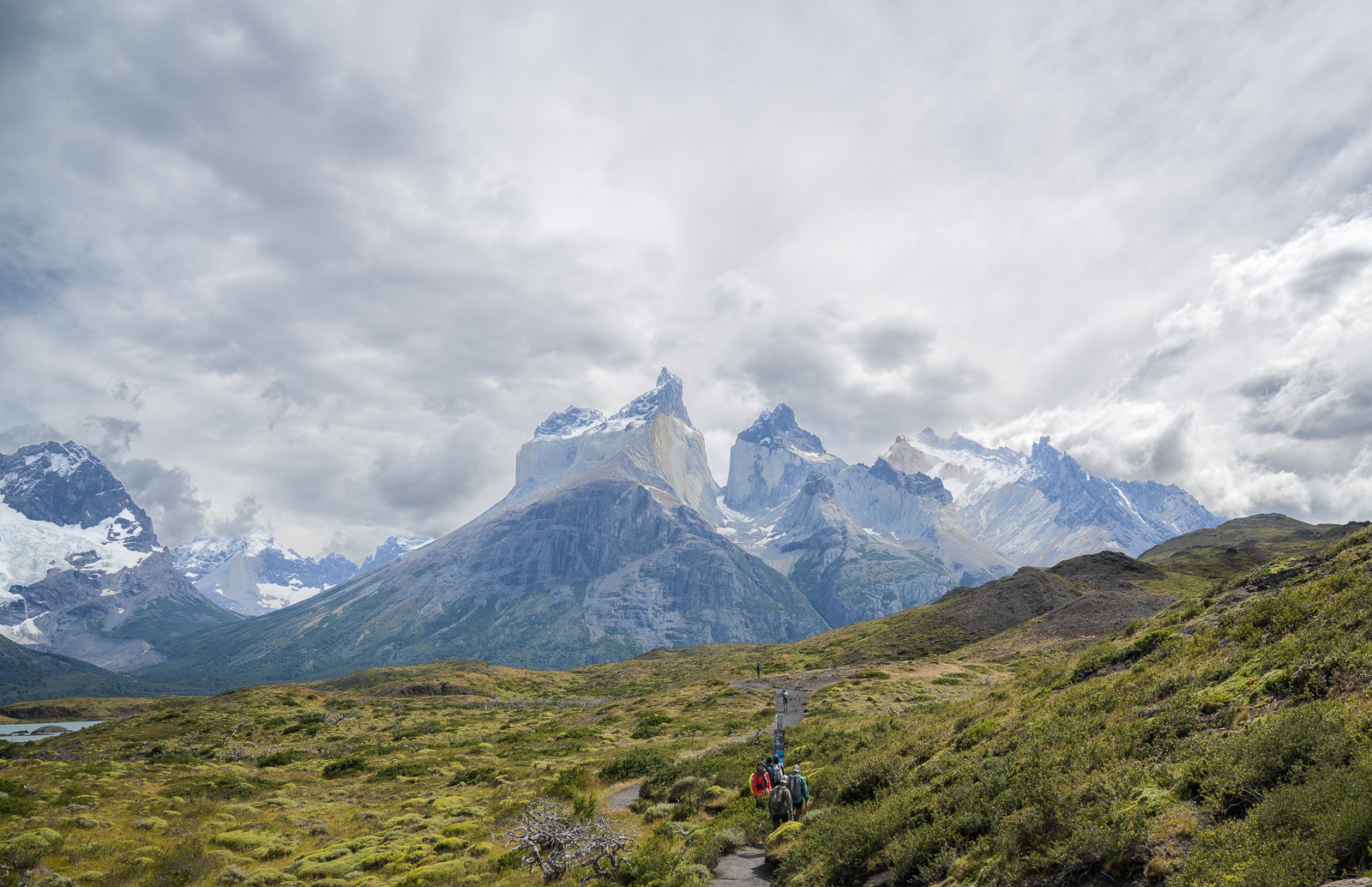
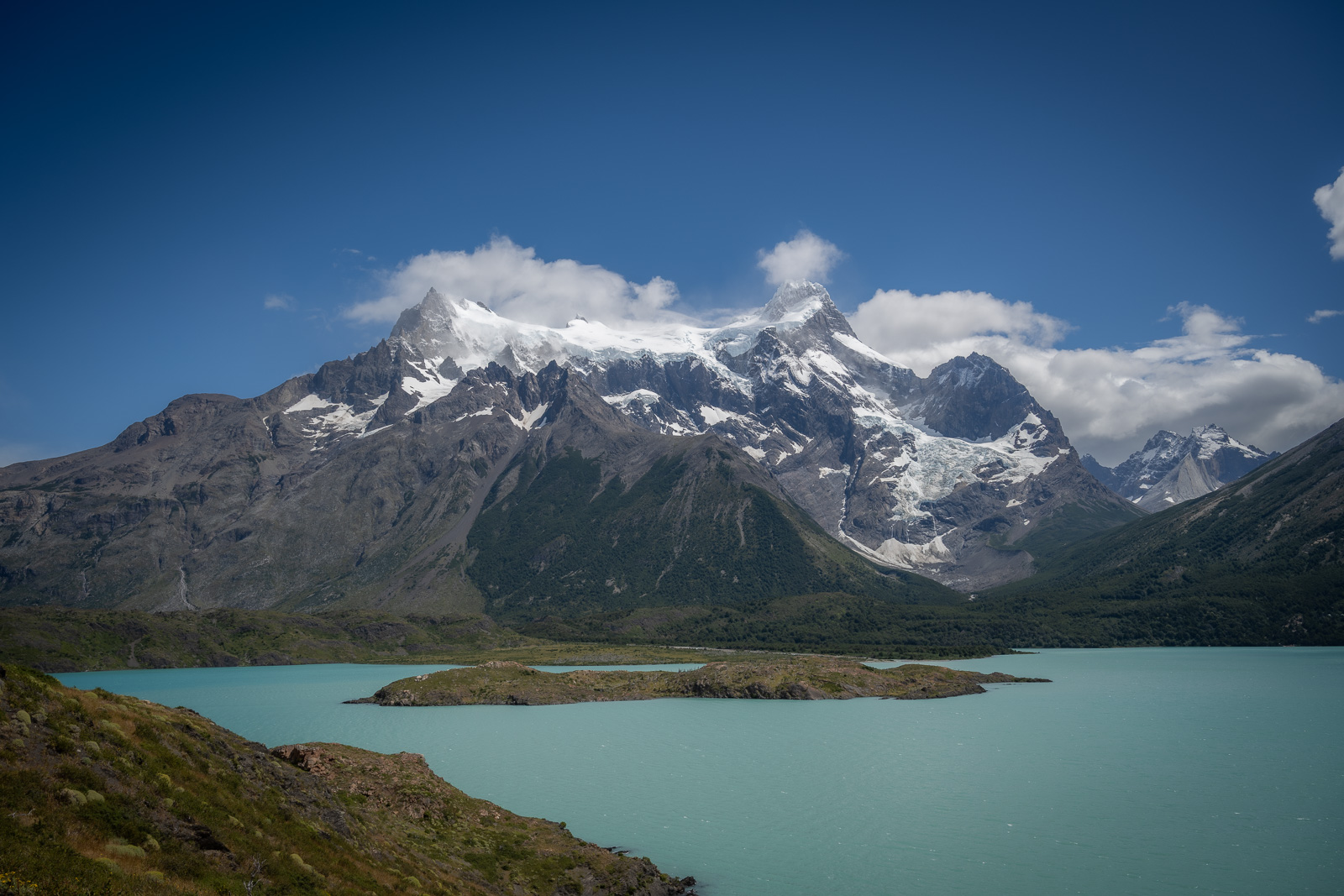
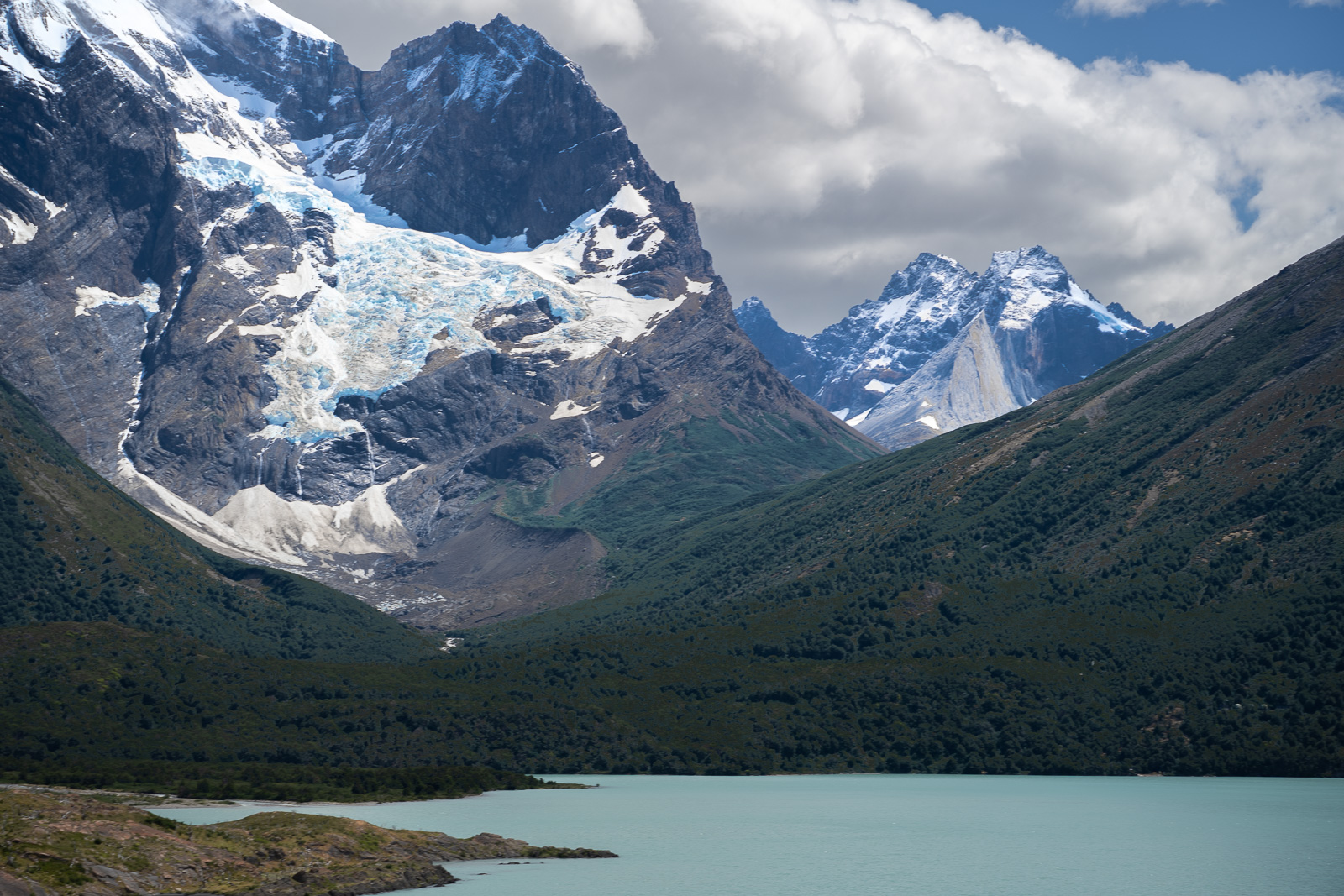
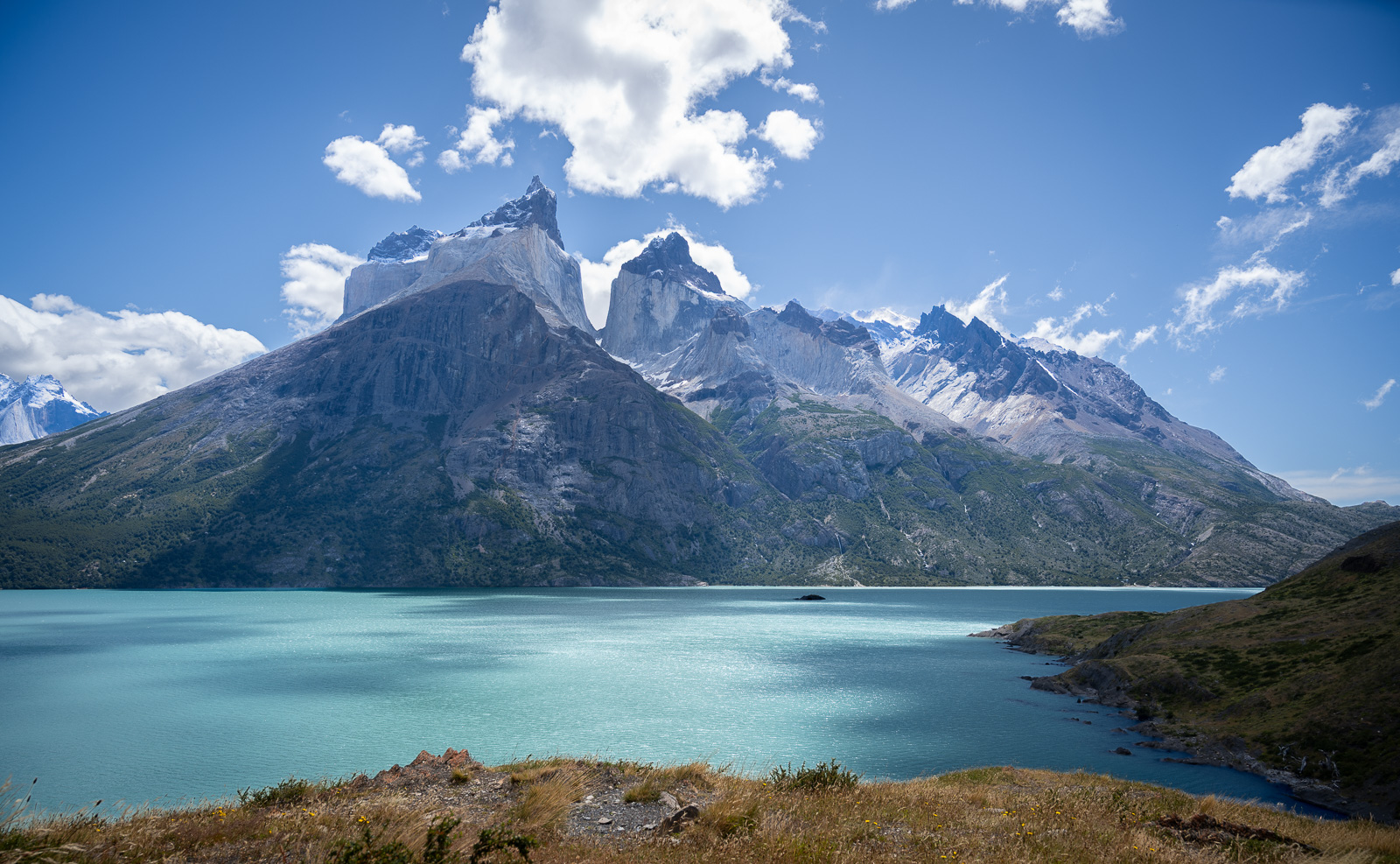
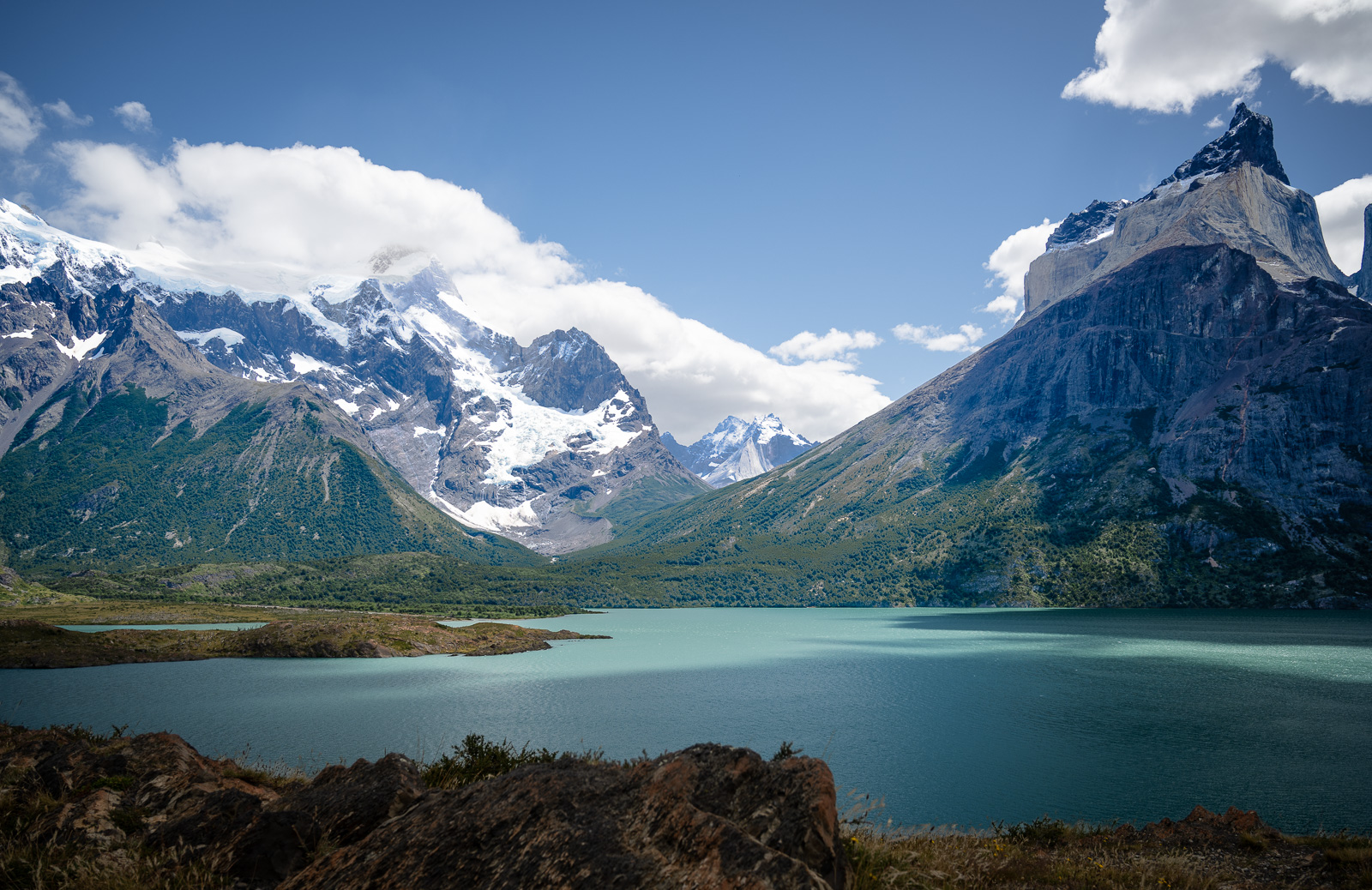
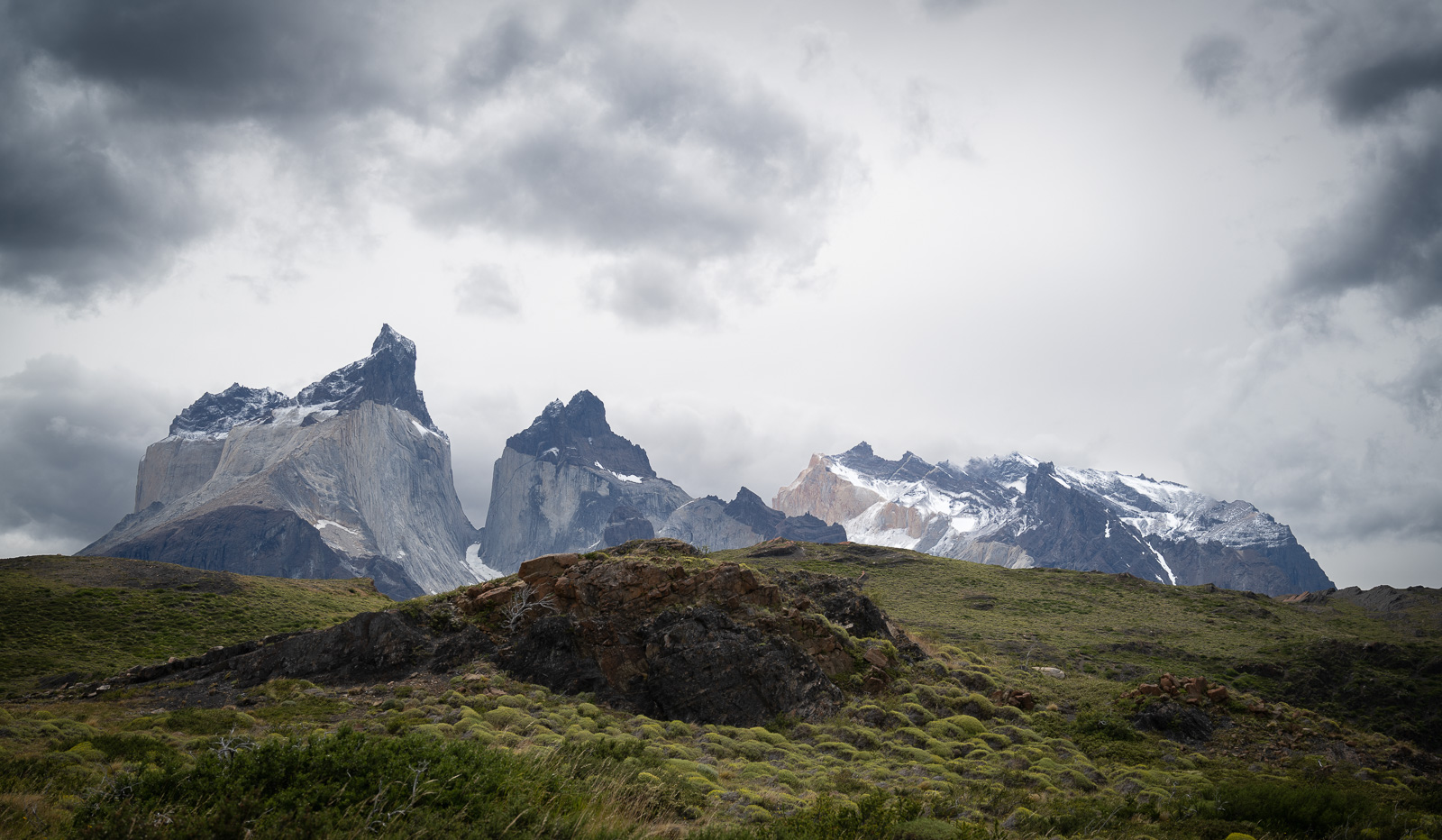
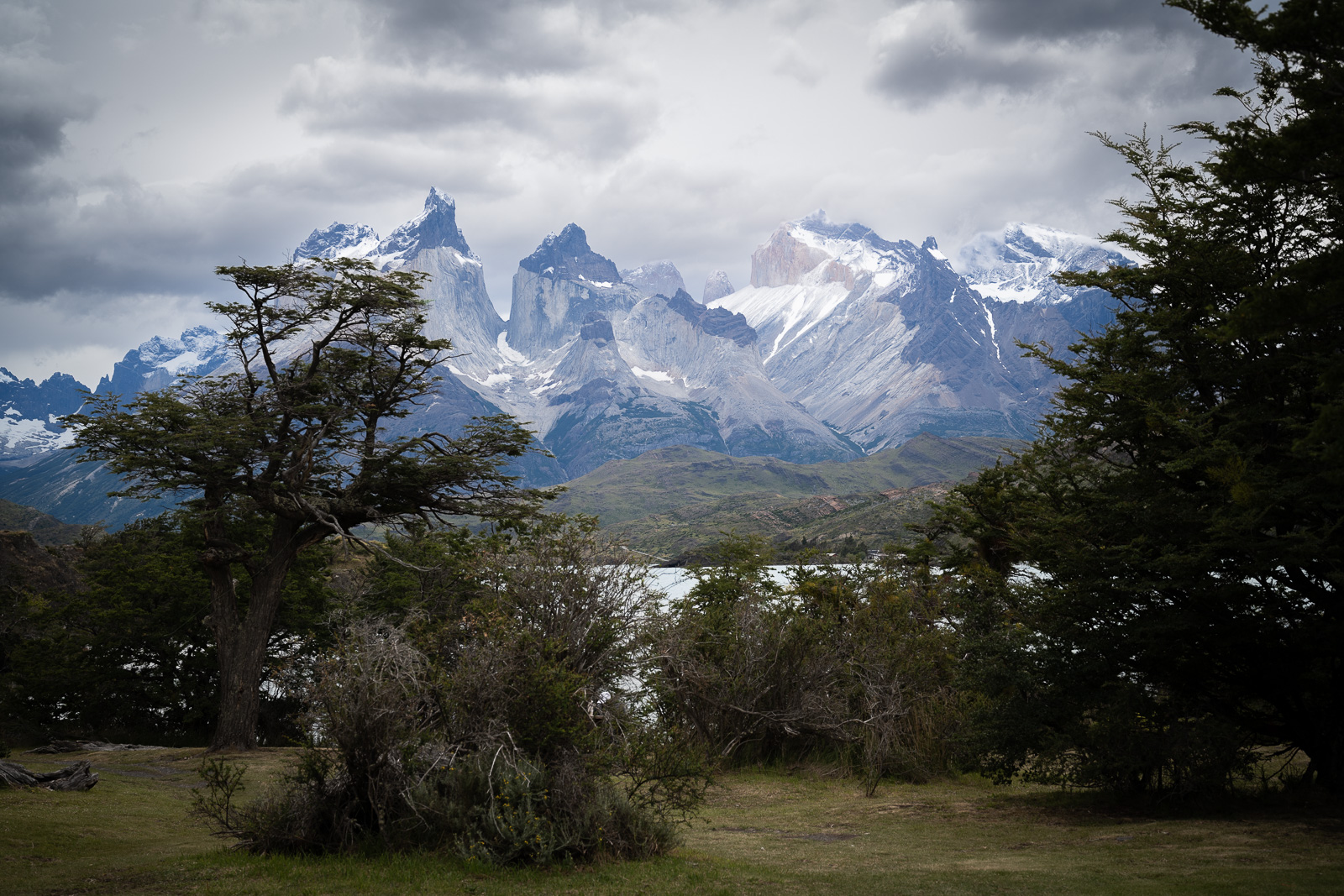
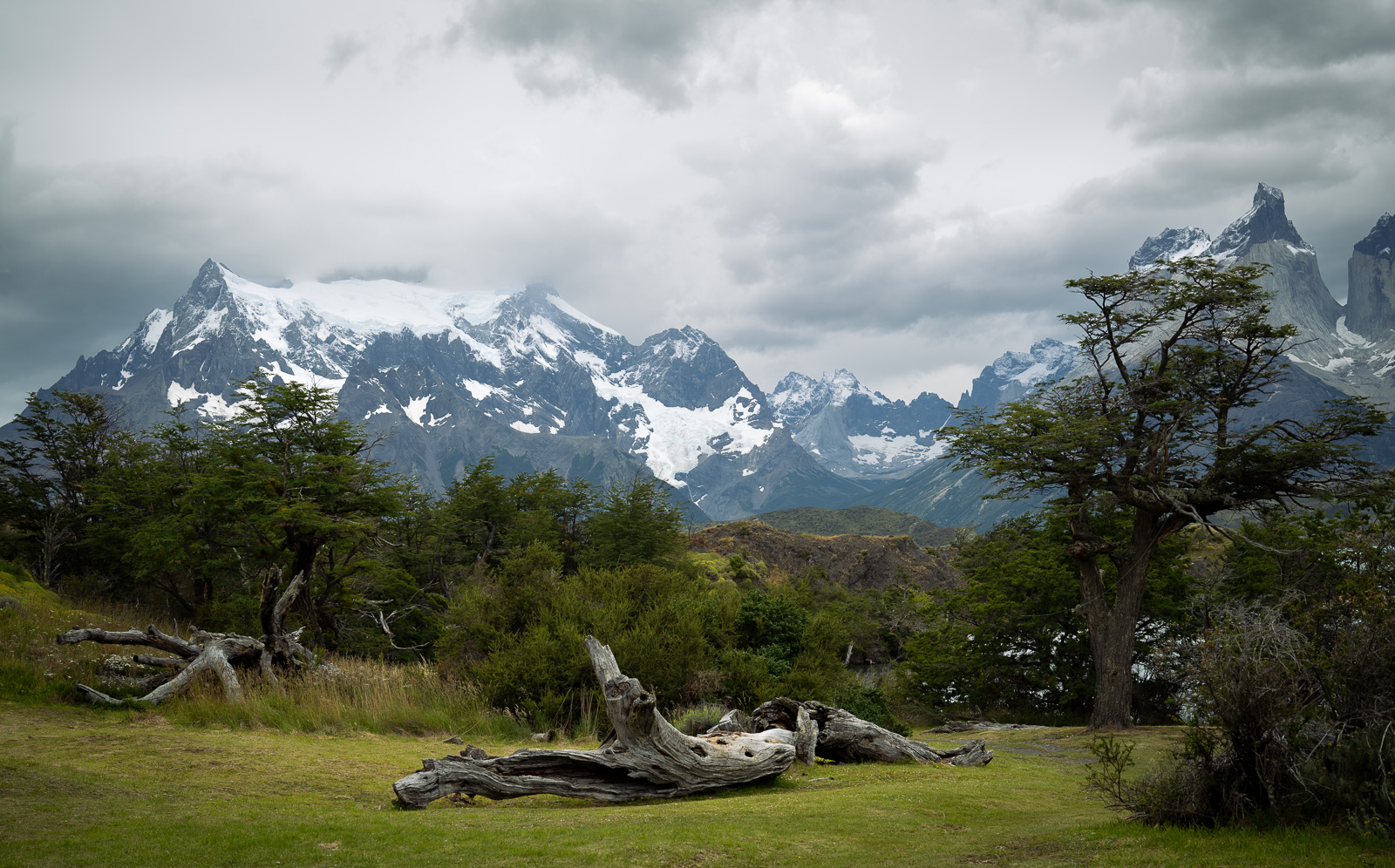
The immensely mystifying stillness of the mountains—intensified by their sharply defined crevices and contours; by their variegated palette of grays, beiges, and browns, shading at times into mauve; by the stark white of their snow-capped peaks set against painterly clouds; and, above all, by the iridescent glaciers, their surfaces alive with veins of spectral blue—together with the luminous turquoise rivers, lakes, and lagoons below, made our trekking in Torres del Paine feel almost unreal.
Only the words of the Poet can truly attempt to capture it. Photographs, for many, seem almost to lie. One is left with a profound sense of awe.
Antes que la peluca y la casaca . . .
fueron las cordilleras, en cuya onda raída
el cóndor o la nieve parecían inmóviles:



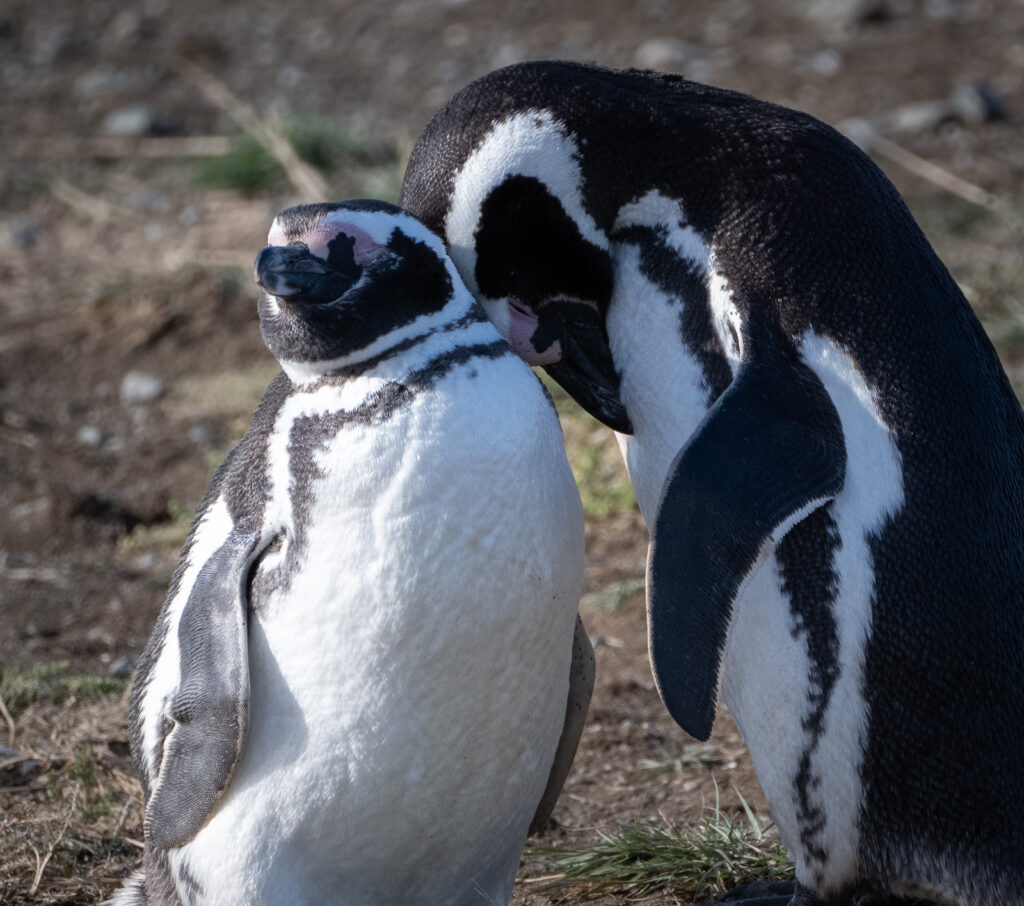
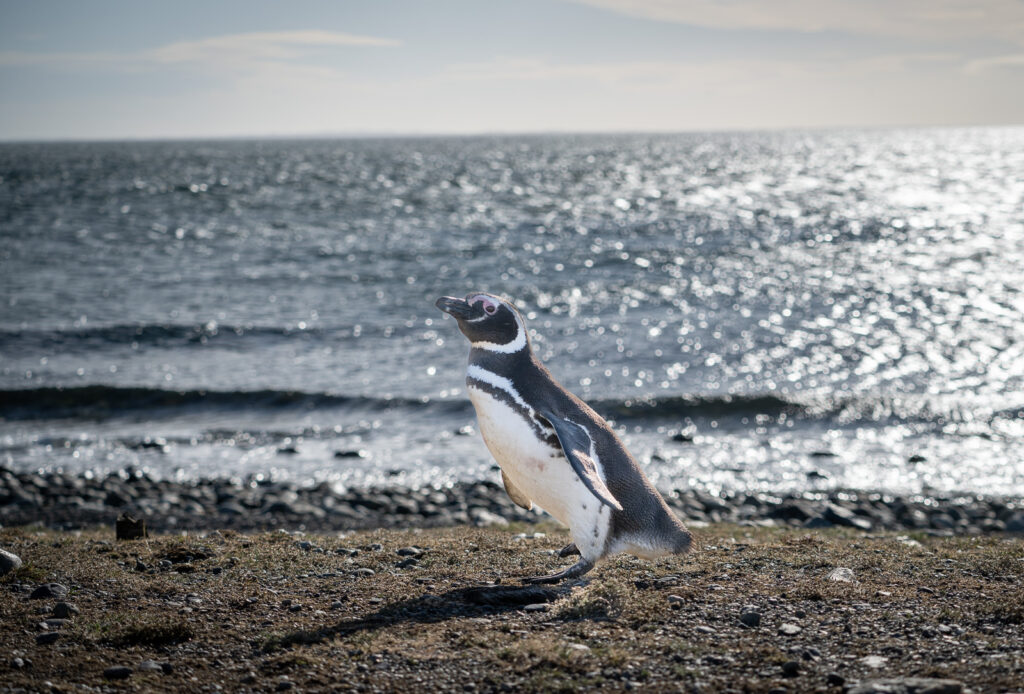
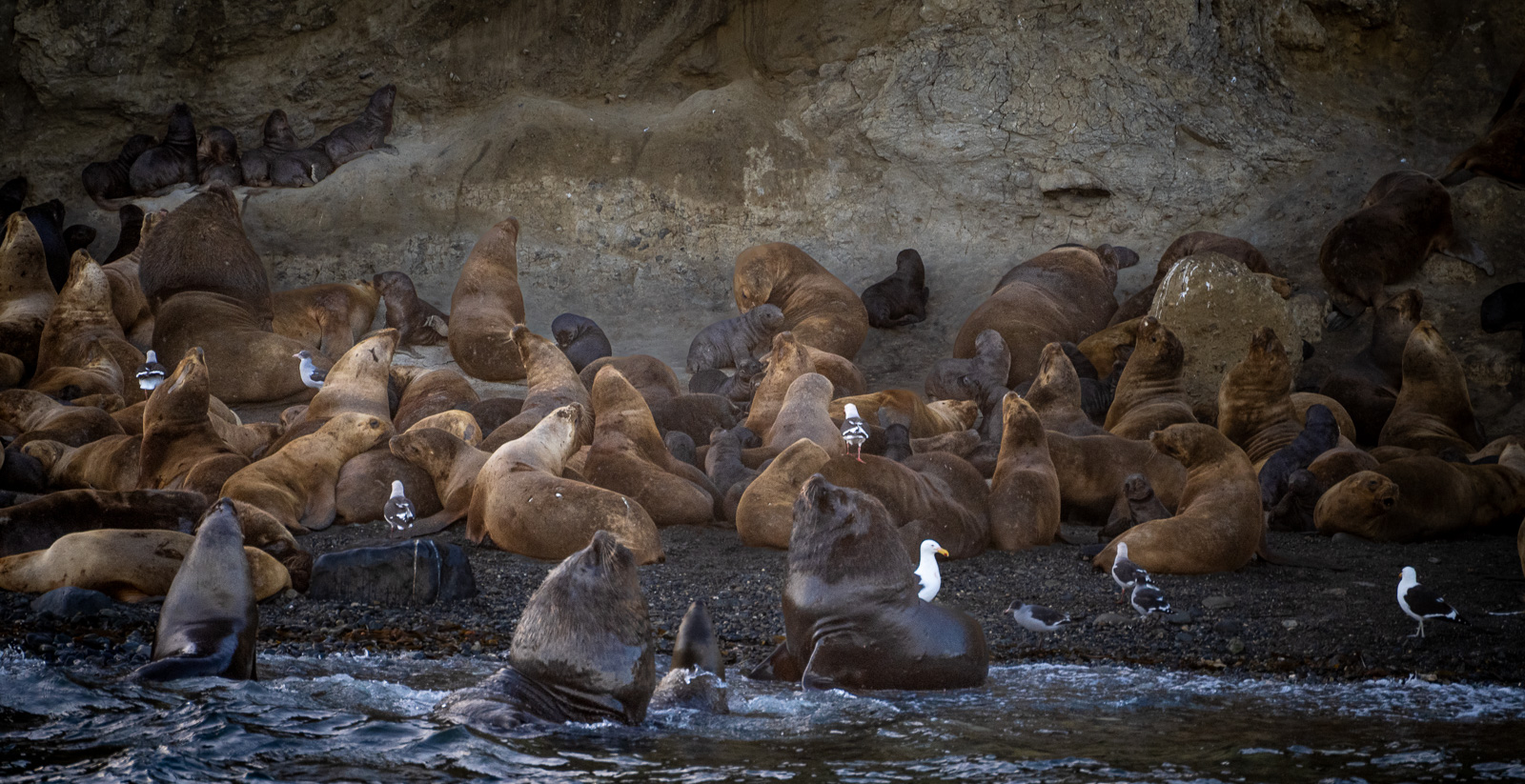
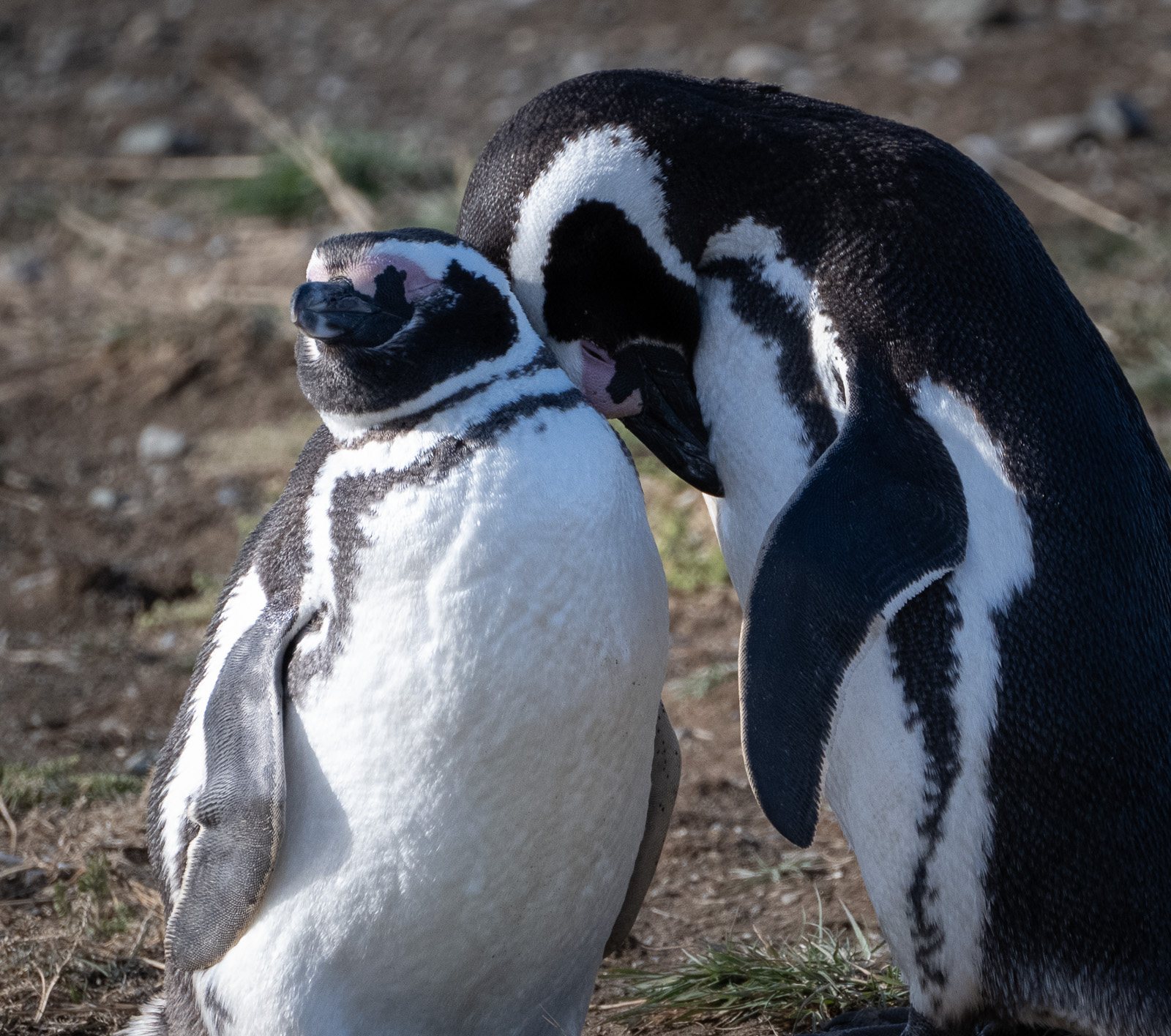
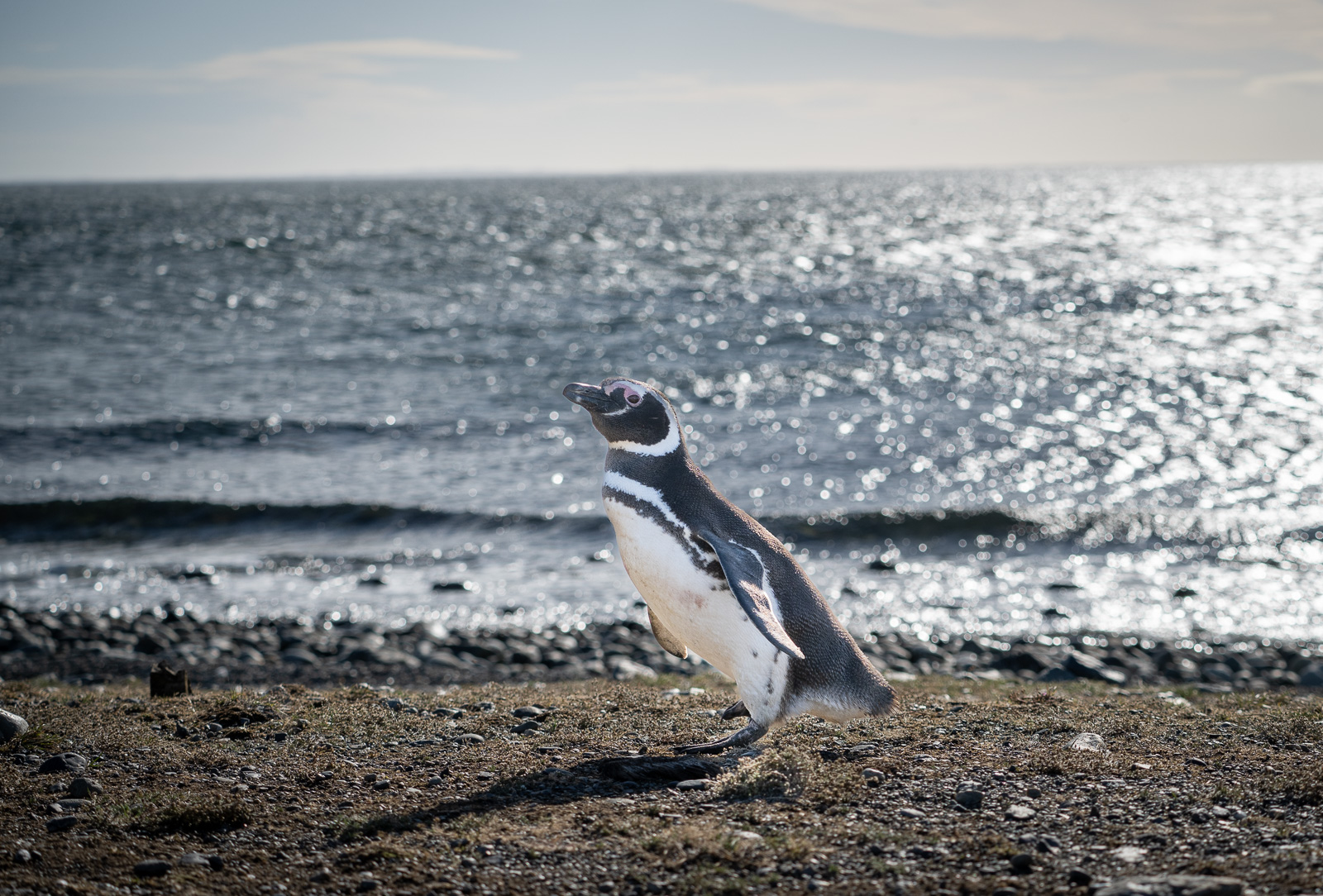
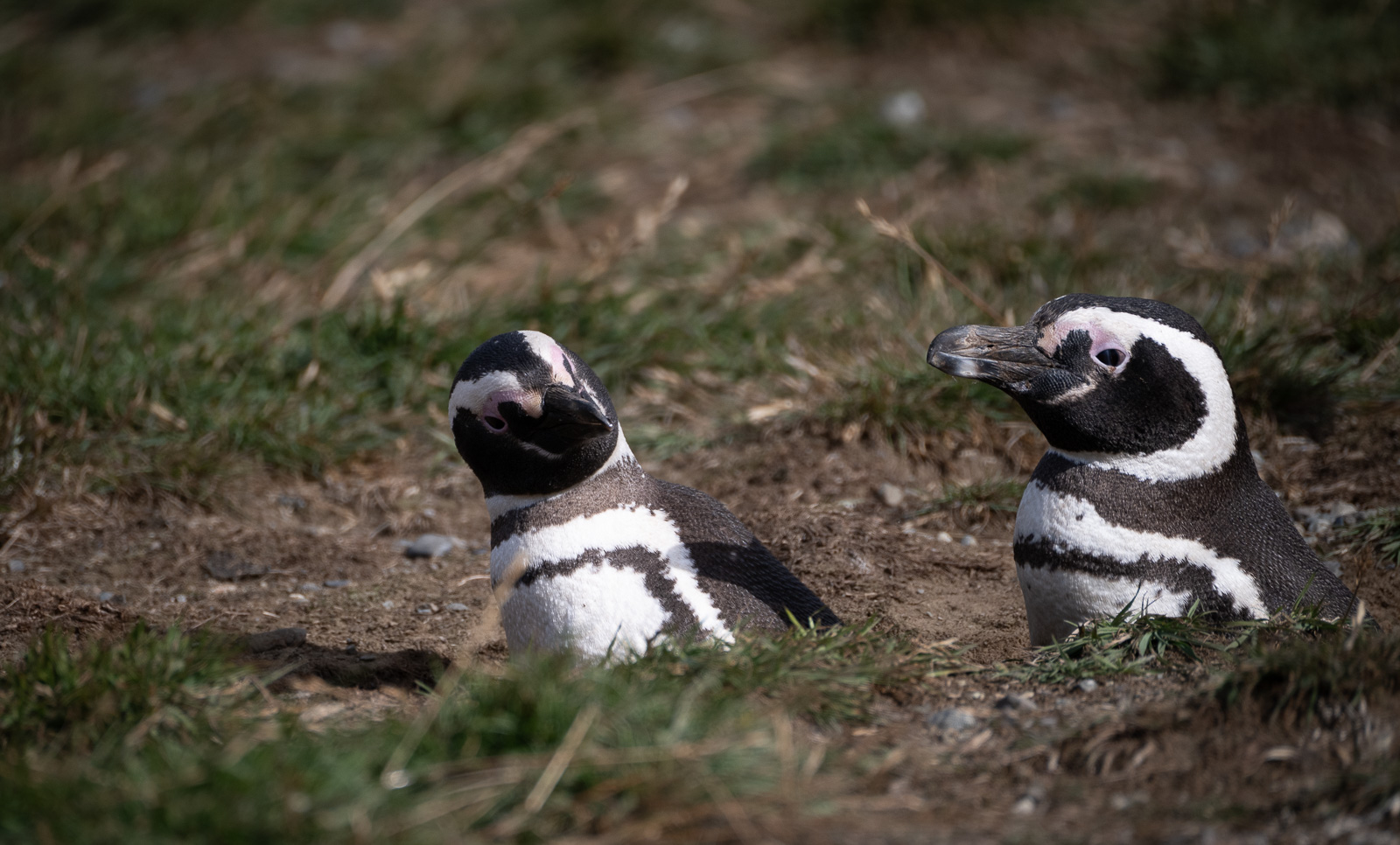
Navigating the waterways of Chile’s far south—home to dolphins and whales—to reach the sea lion colonies of Isla Marta and to walk among the penguins of Isla Magdalena may seem more immediate, more tangible, and perhaps less awe-inspiring; yet it is, if anything, more exhilarating. What words fail to convey is the joy of watching these creatures move freely in their own element, interacting in ways that seem to communicate far more than we can grasp. Equally difficult to render is the sensation of the ocean spray against one’s face—the sudden awareness that we have intruded in a world that belongs, unmistakably, to them.



Postscript
This blog would be incomplete without paying homage to the Chilenos and Chilenas who guided on our various hikes and boat trips in our search for the hidden hues and rhythms of the natural world. They taught us so much by their example—through their wisdom, their generosity, and their understated resilience in the face of the many challenges they confront in defending our planet. In their company, we learned not just to see but to attend. To them, our heartfelt thanks.
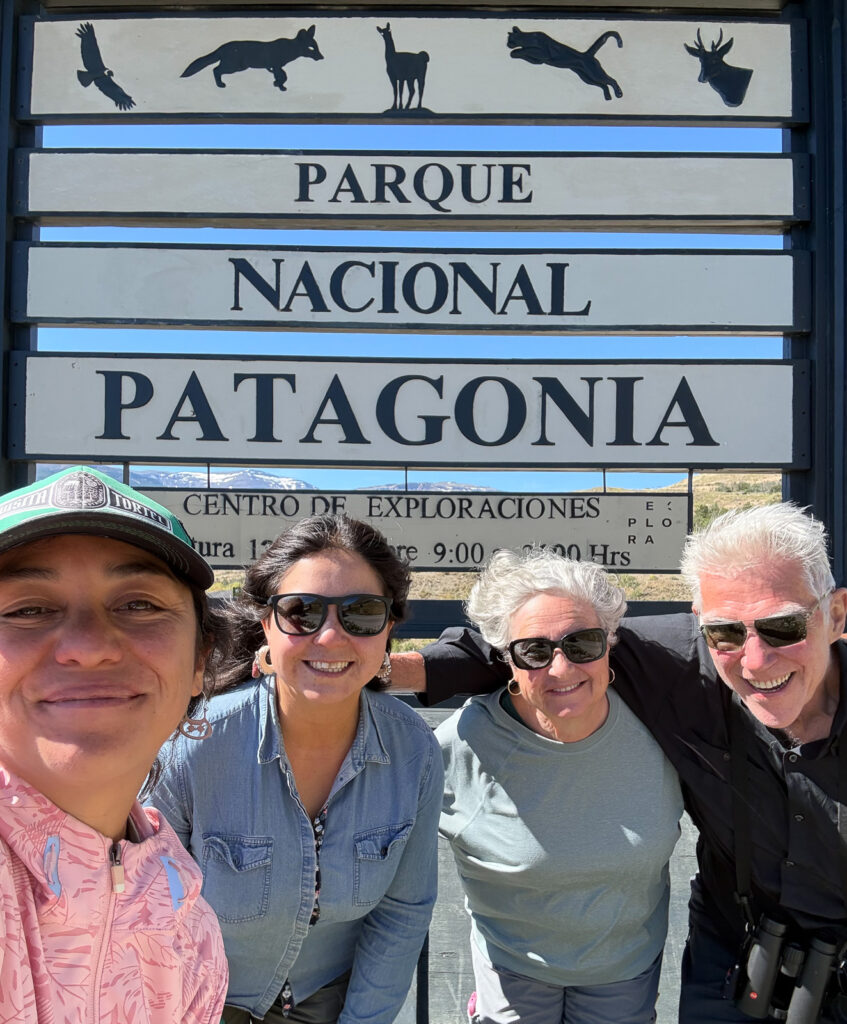
Parque Nacional Patagonia
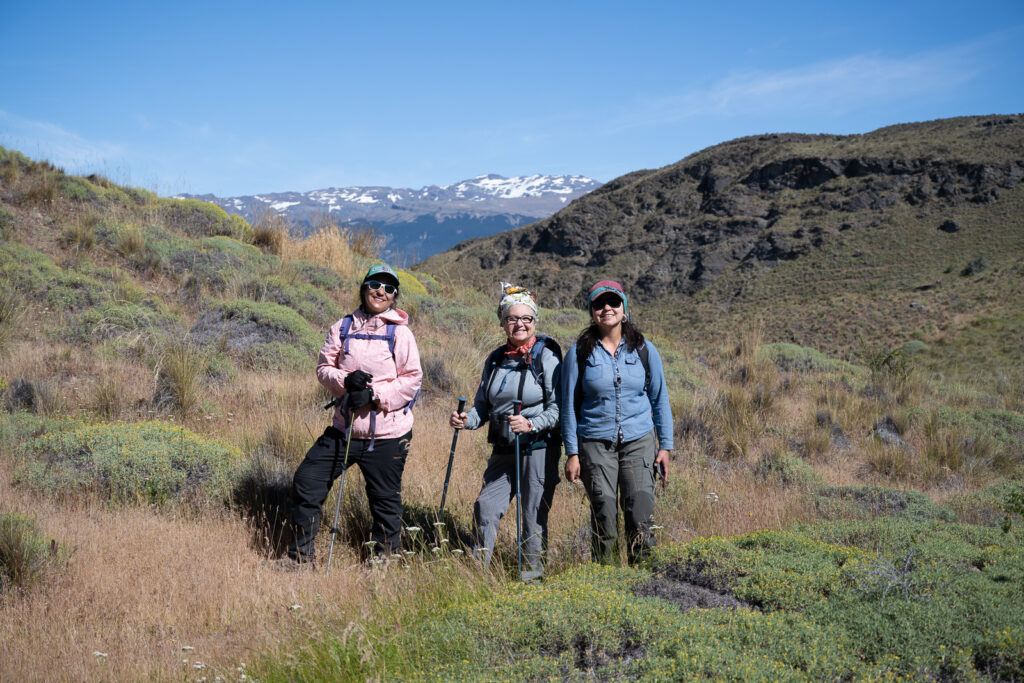
We spent two days with Vicky Gallardo (Viajes Huella Chucao) and Francisca Zúñiga (Sernatur) in Cochrane, navigating the Río Cochrane, hiking trails to Laguna Cisne, and sharing stories, food, and inspiration. On the second day, we picnicked on organic products purchased from local farmers at the Picaflor & Águila campgrounds, where Douglas Tompkins and Kris McDivitt Tompkins imagined the “Rewilding Chile” project that the Tompkins Conservation has promoted energetically since its foundation. This project along with the 42 national parks stretching the length of Chile are a legacy that Vicky and Fran spoke proudly of during our time with them. They were the first of many young Chileans we met who have drawn inspiration from the conservationist movement and are now struggling to carry it forward.

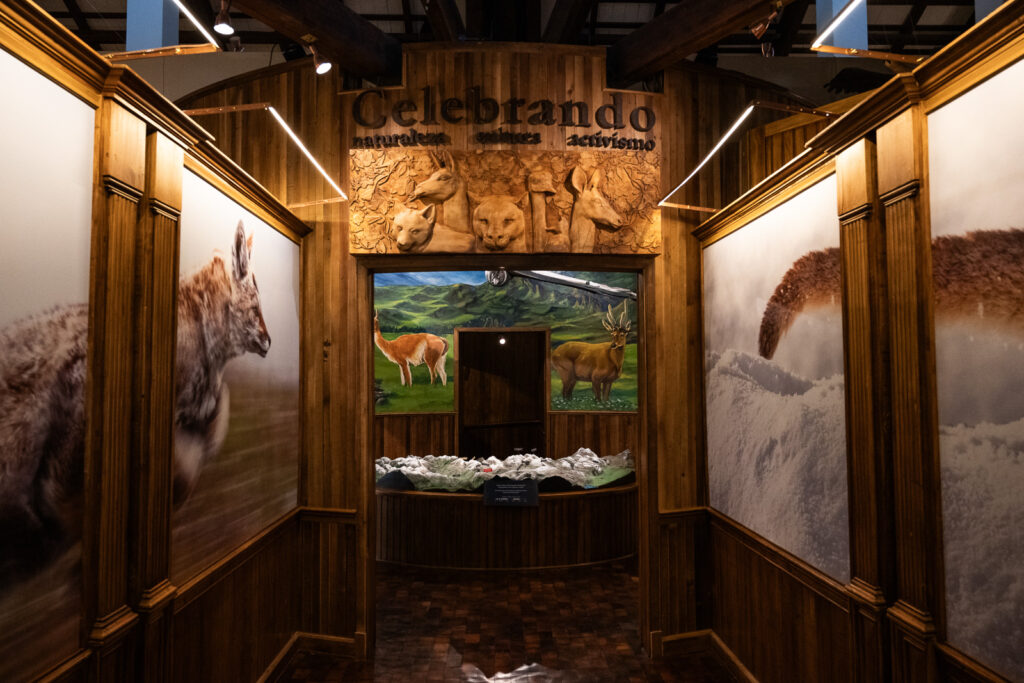
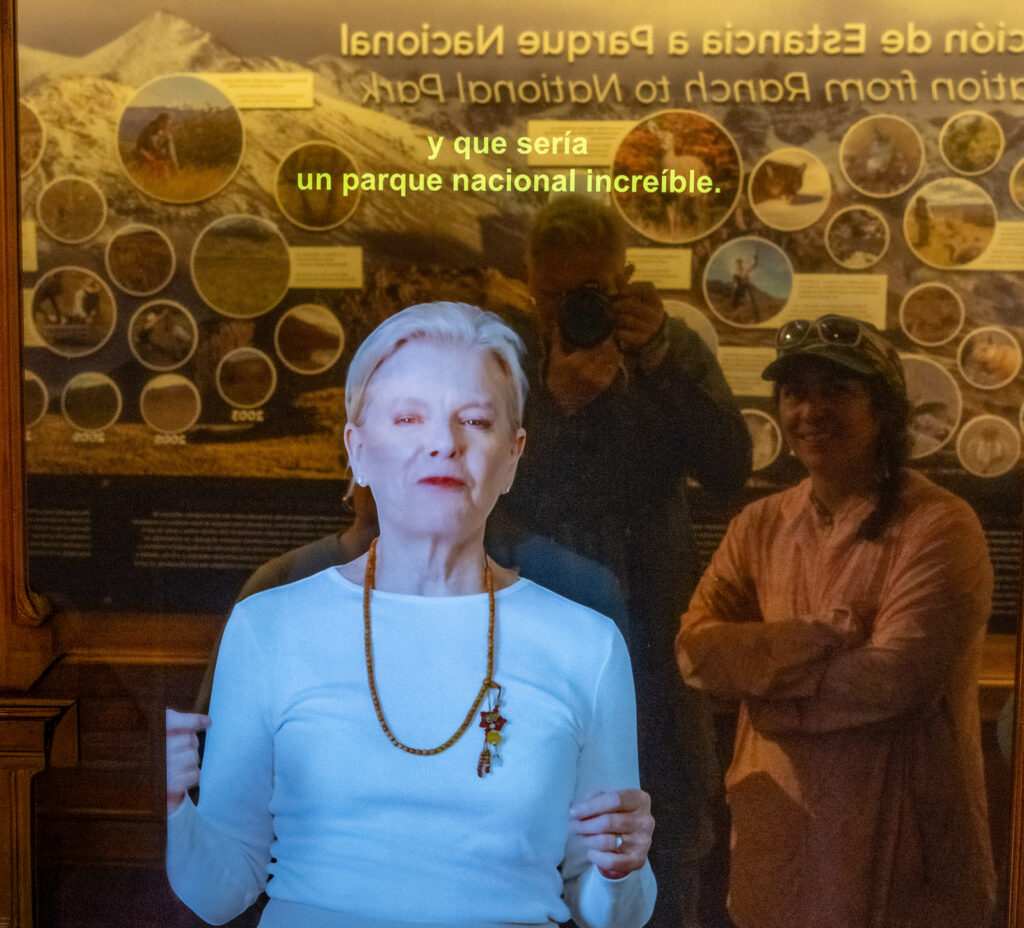
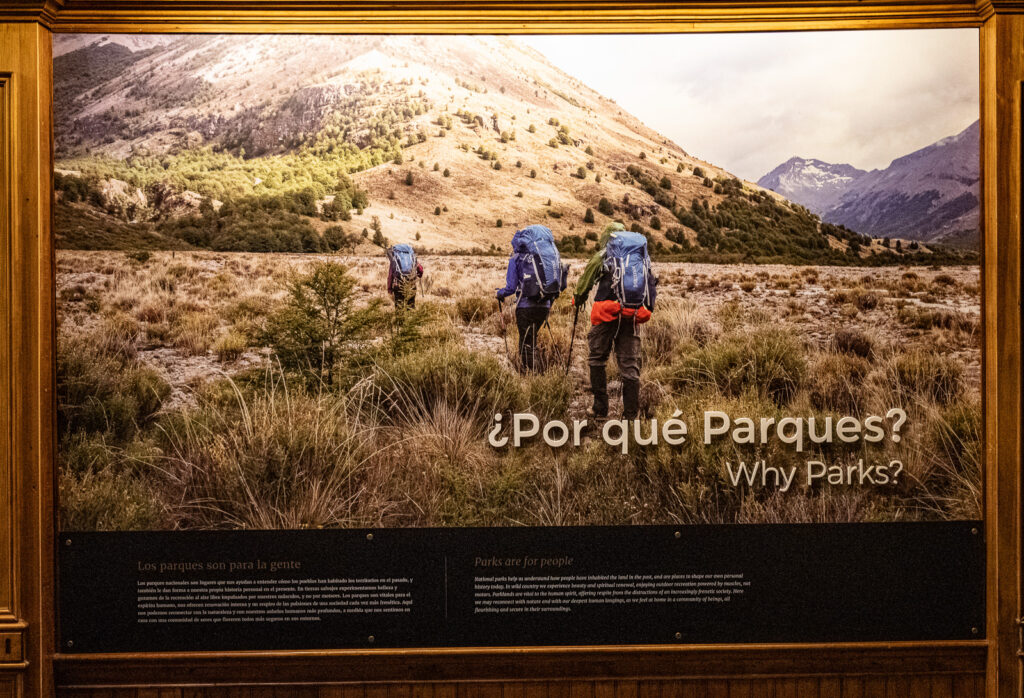
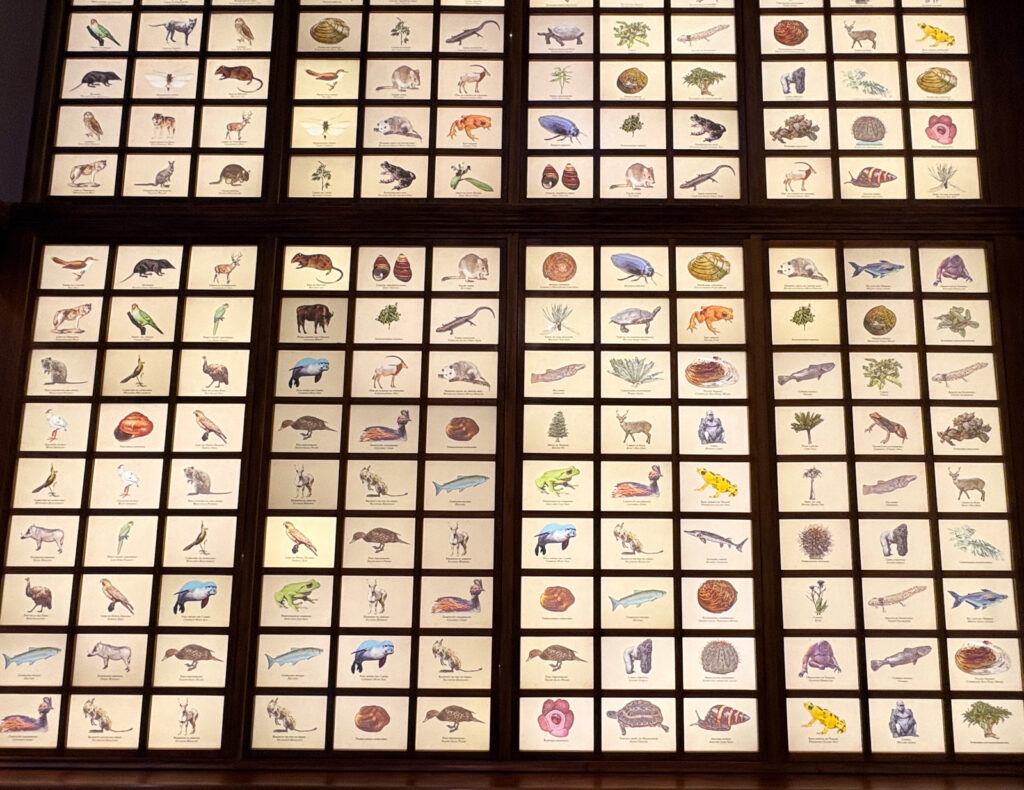
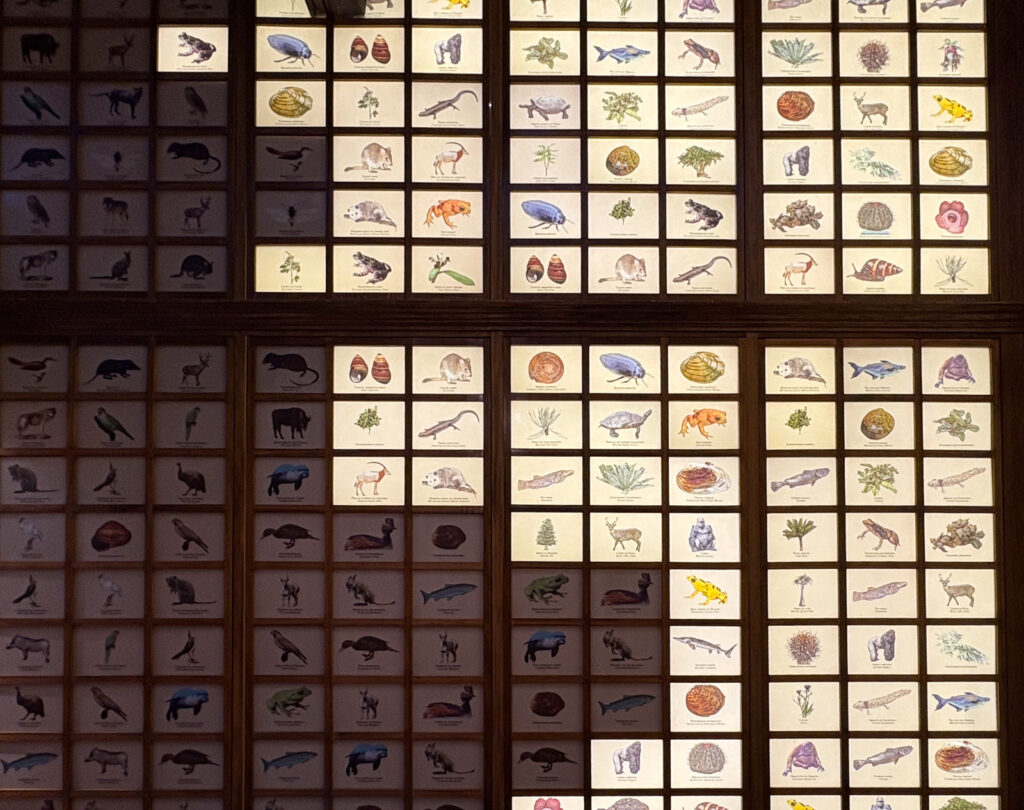
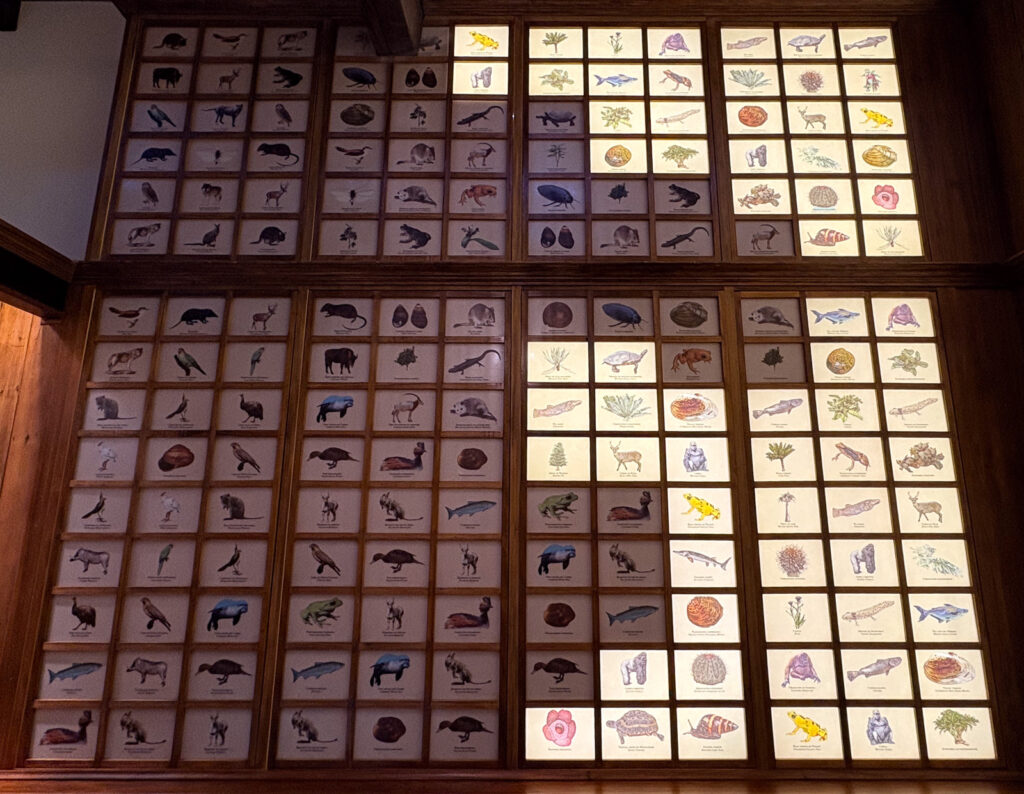
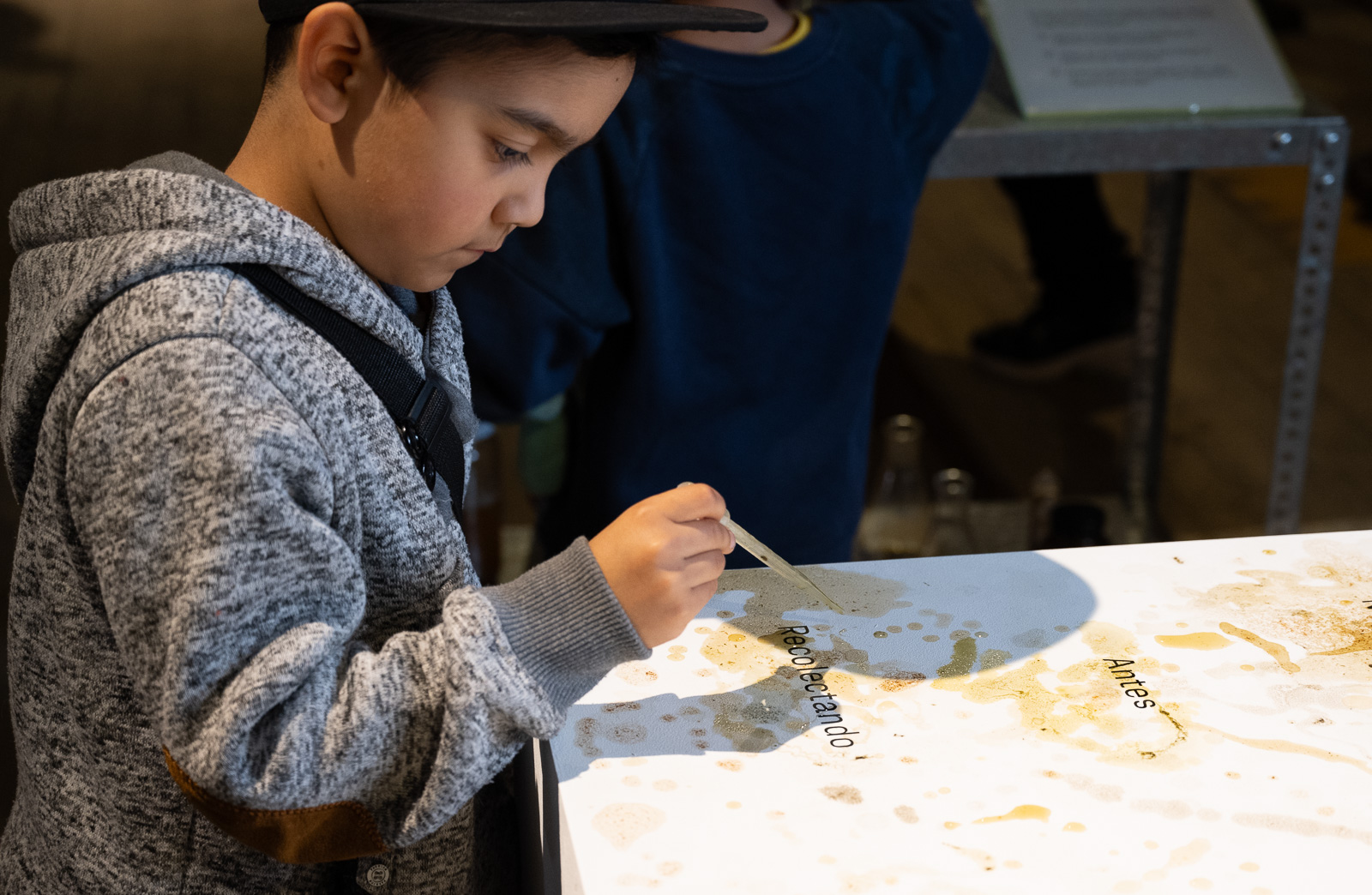
The Patagonia Park Visitor Center & Museum, designed by Tompkins Conservation, highlights local natural history, the eco-social crisis, and the park’s extensive rewilding efforts, combining 19th-century aesthetics with modern, interactive displays. The displays captured here advance the Tompkins foundation’s educational mission by showing extinctions of plant and animal species that have occurred or others that will follow without wide-scale intervention in defense of our natural habitats.
Bird watching in Chiloé
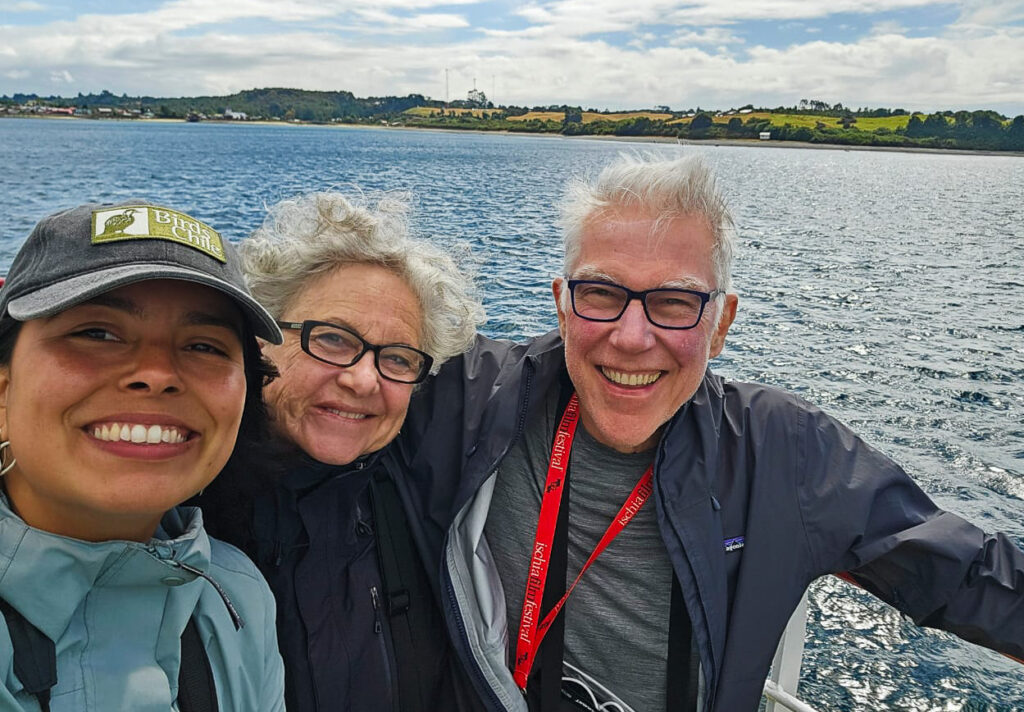
We acknowledge as well the extraordinary contributions of BirdsChile, whose commitment to research, education, and habitat preservation is helping to safeguard Chile’s remarkable avian diversity. We are especially grateful to our guide, Danae Garrido, whose knowledge, keen eye, and generosity transformed our experience in the field. Through her, we not only encountered birds we might otherwise have missed, but also gained a deeper understanding of the fragile ecosystems they inhabit and the care required to protect them.
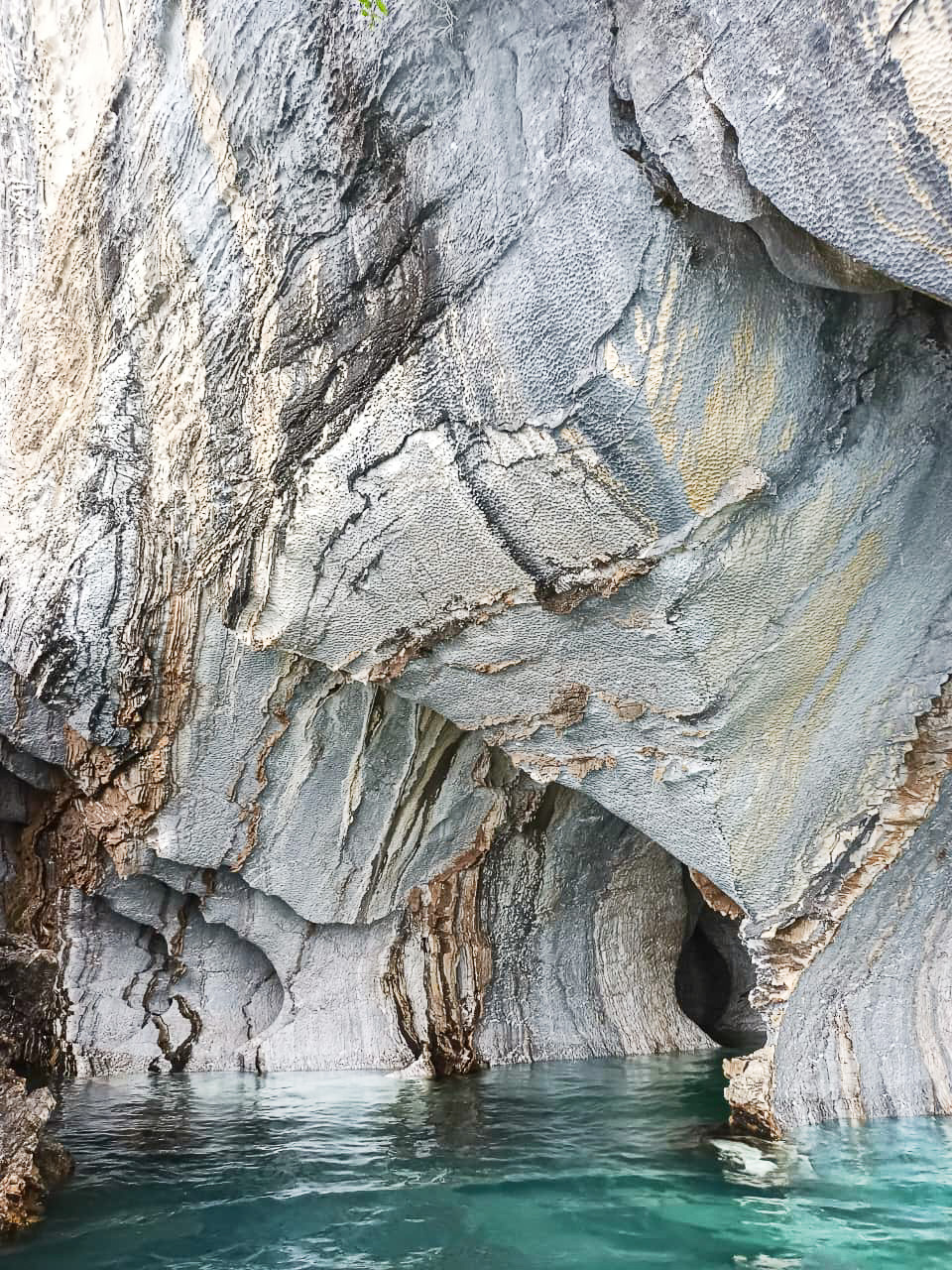
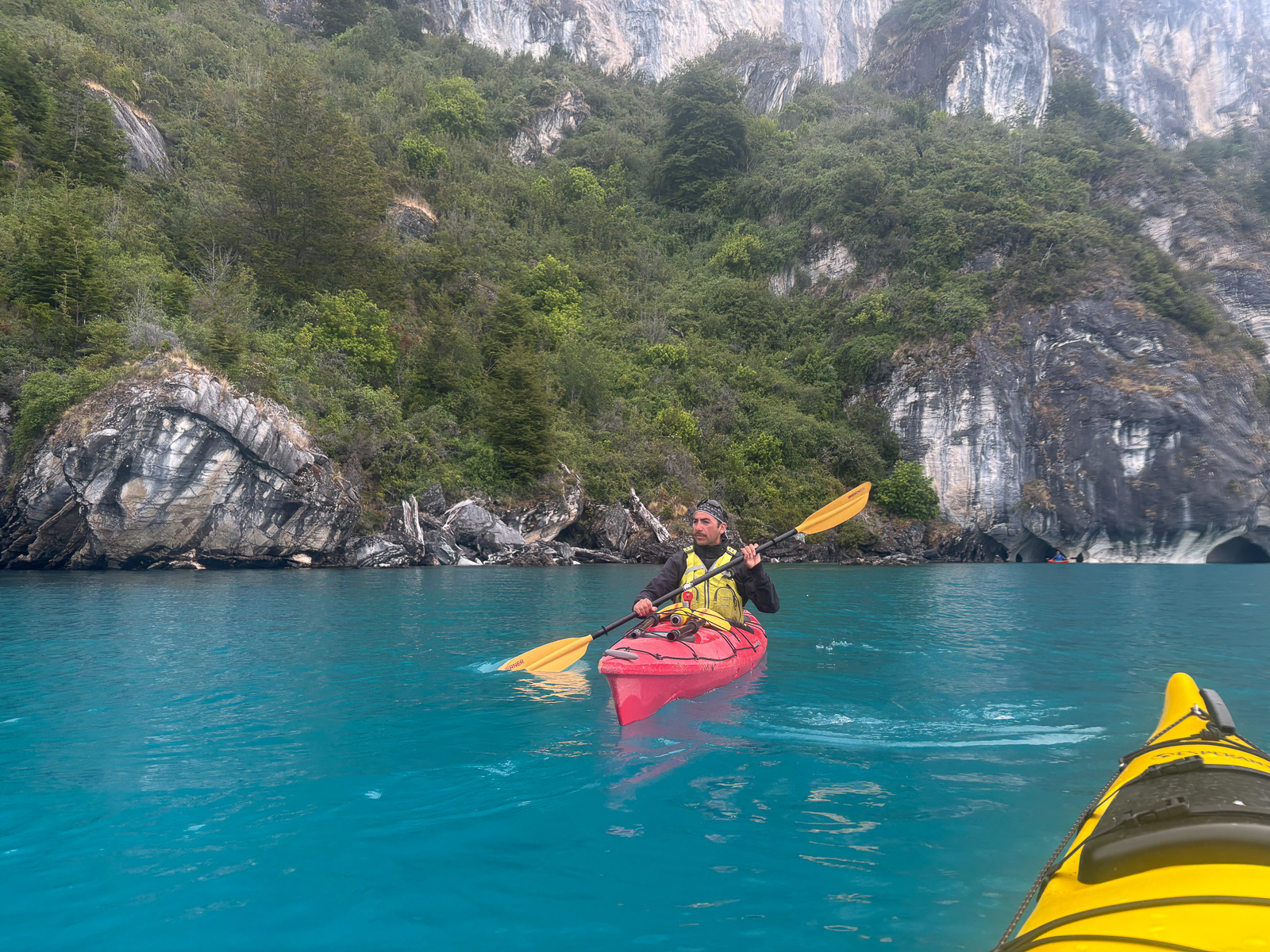
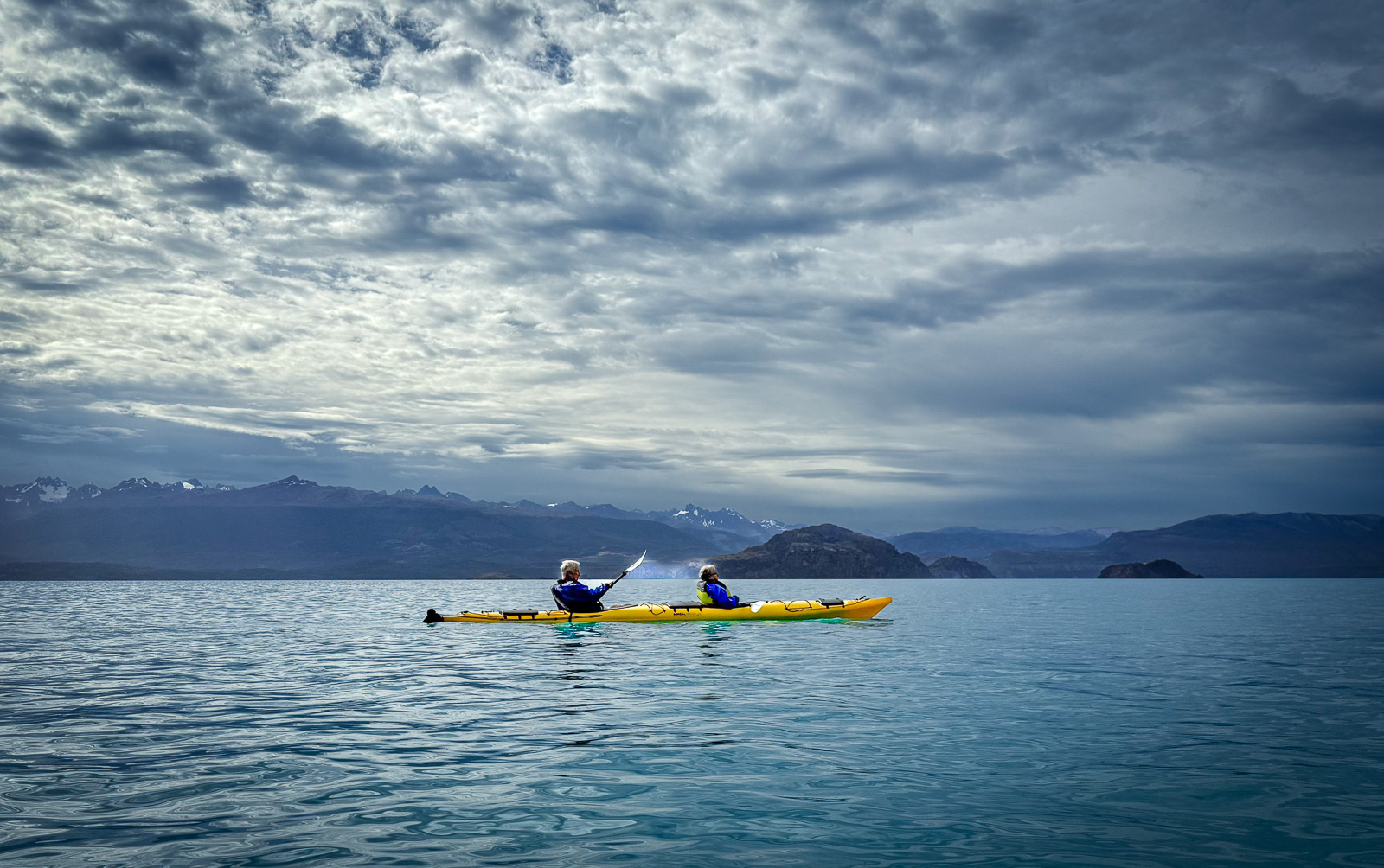
Kayaking the Lago General Carrera: La catedral de Mármol
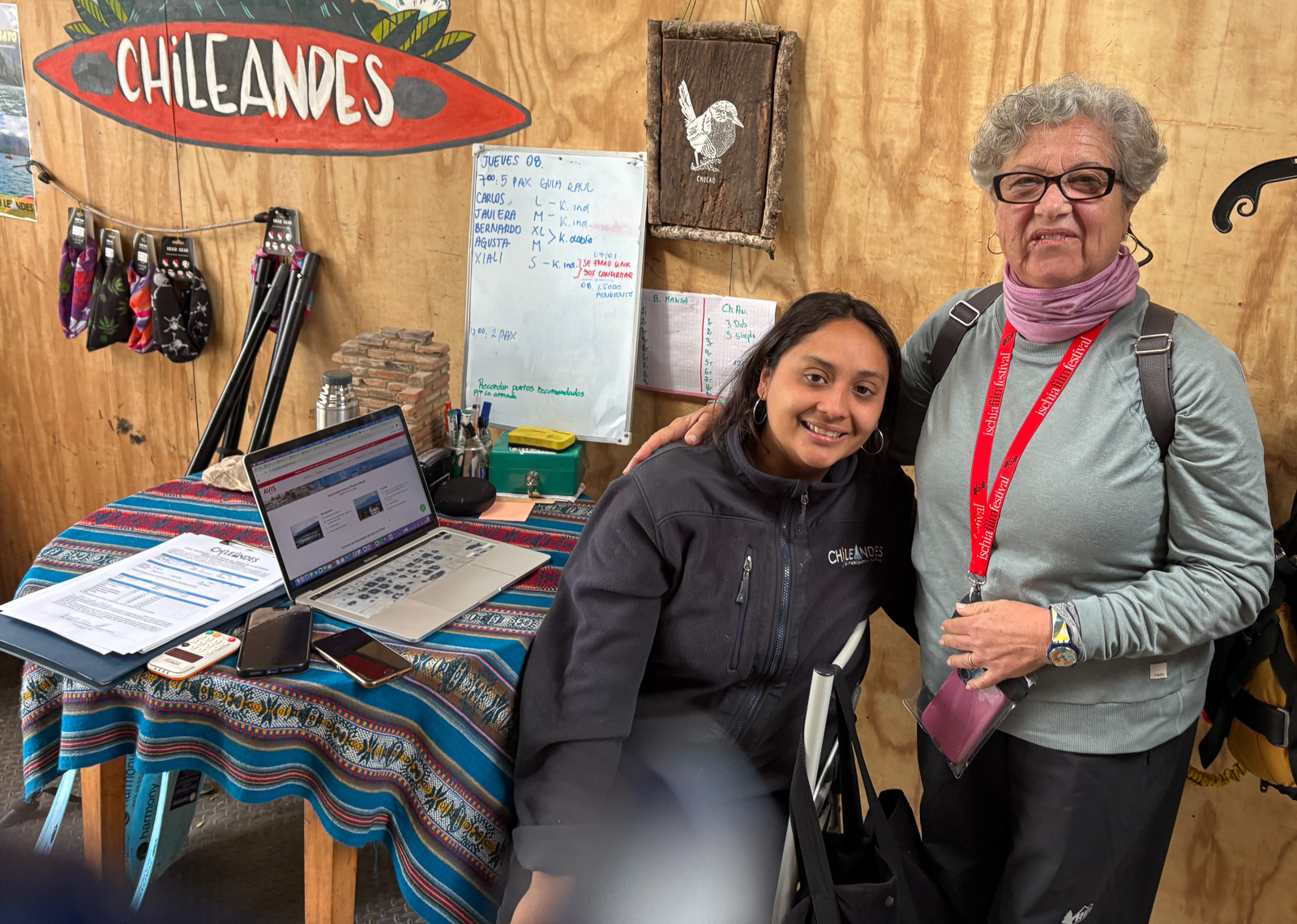
Carmen and Raúl from ChileAndes (Puerto Río Tranquilo) made our kayaking adventure into and around the Capilla de mármol and the Catedral de mármol an exhilarating experience.
El Parque Nacional Torres del Paine
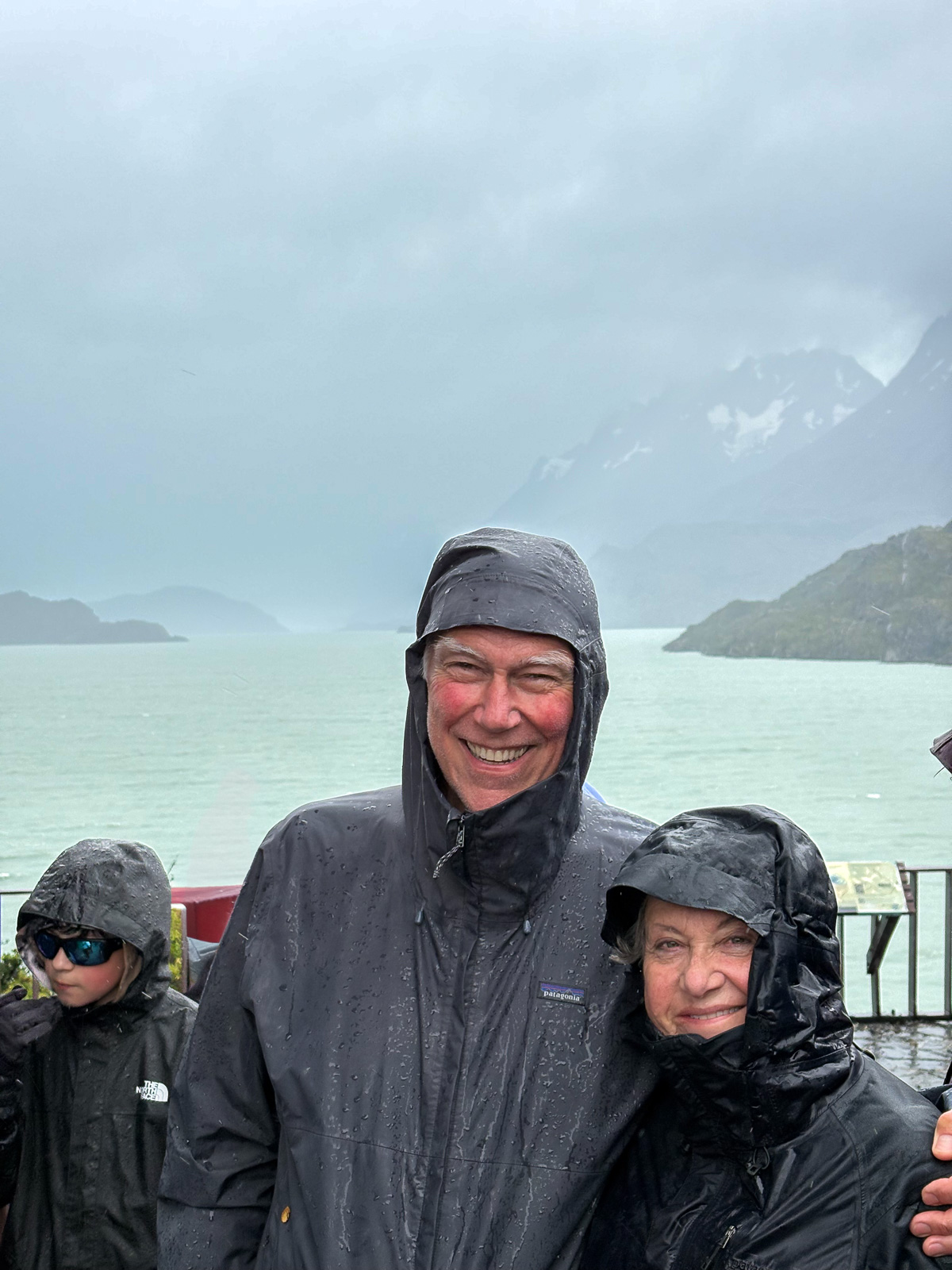
On the first day of our visit to this park, our boat trip on Lago Glaciar Grey was cancelled due to inclement weather. We made the most of it, hiking instead to an evocative overlook above the lake, where shifting light and wind lent the landscape a certain mystery.
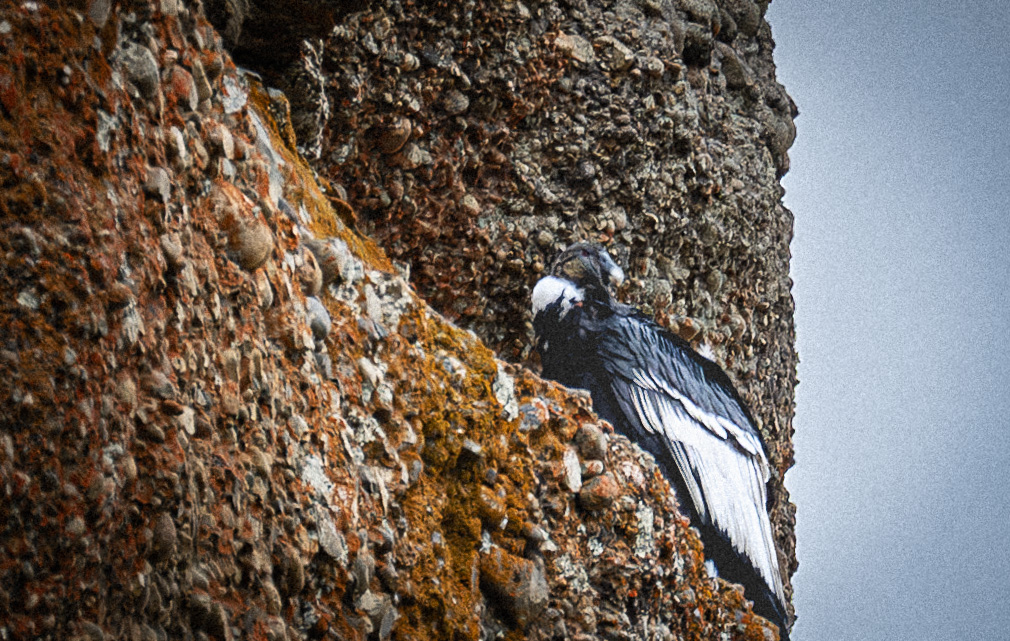
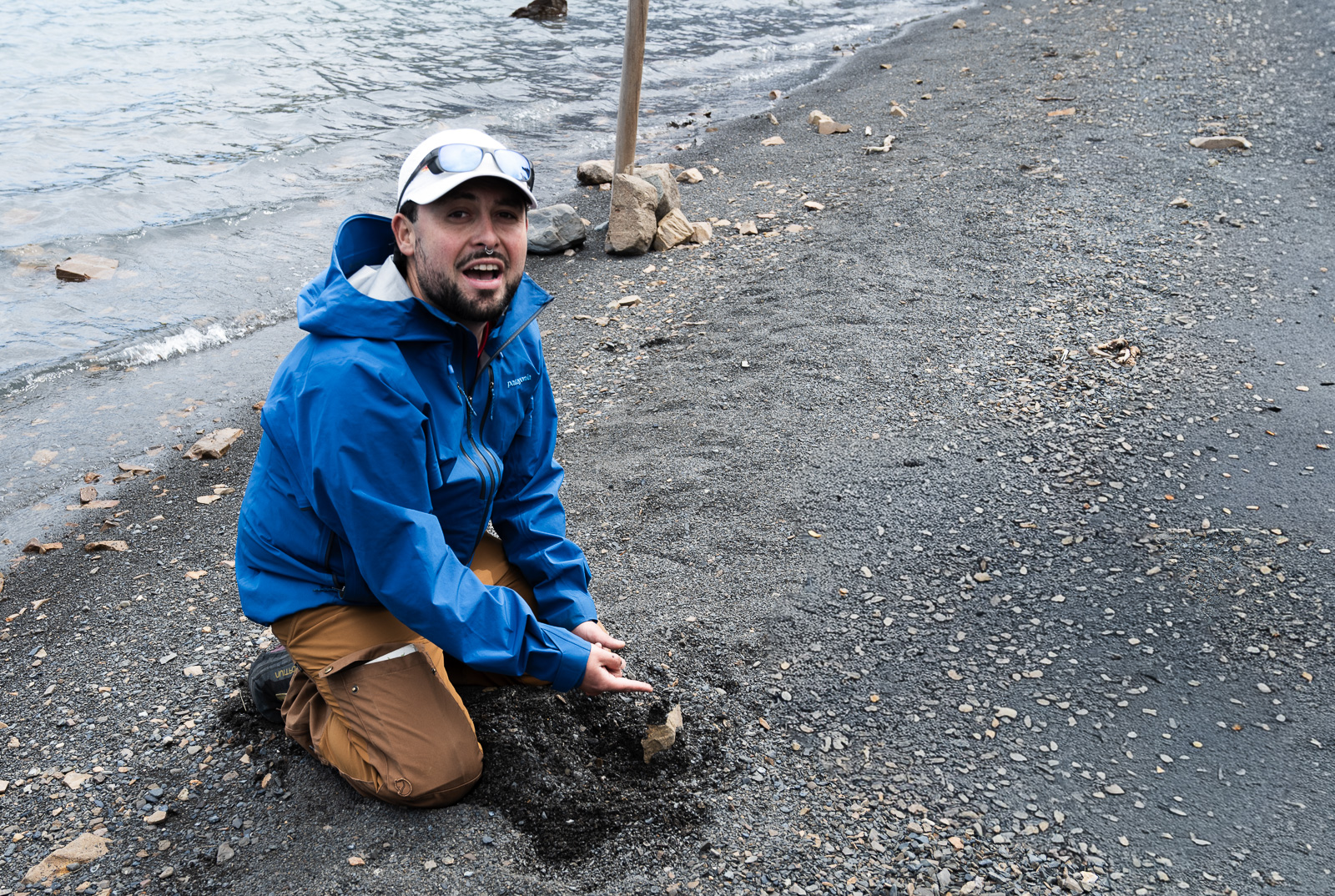
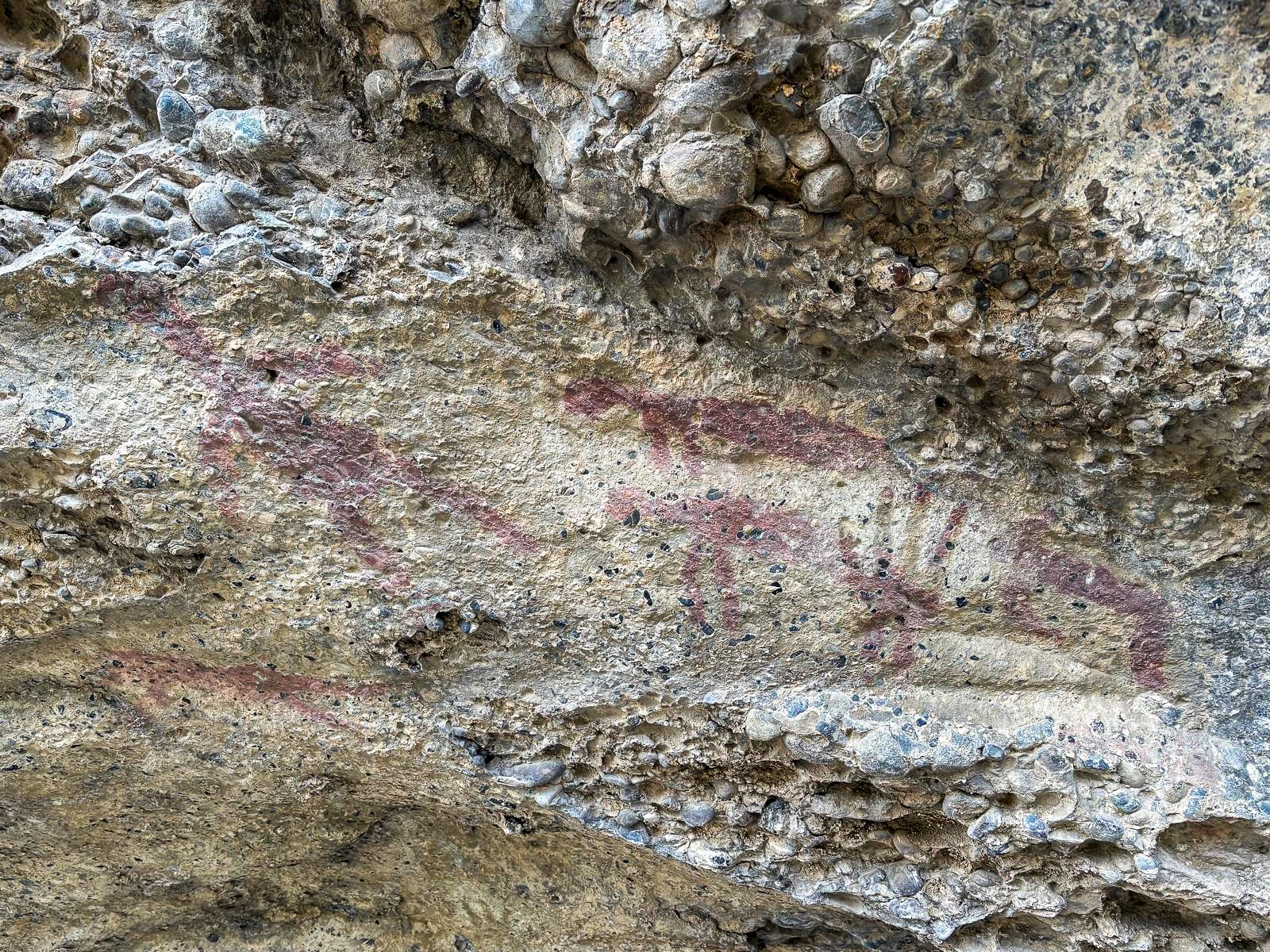
On the second day, Santiago guided us with care along paths leading to some of the most remarkable vistas we have ever experienced. Along the way, we paused to visit prehistoric cave paintings and partake of a condor perched some 20 feet away on the edge of a precipice. Later we gathered for an impromptu geological lesson on the formation of the Cuernos del Paine peaks, delivered in Santiago’s makeshift classroom, the sandy shore of a lagoon.
Magallanes: Artists, Artisans and Conservationists at the finis terrae
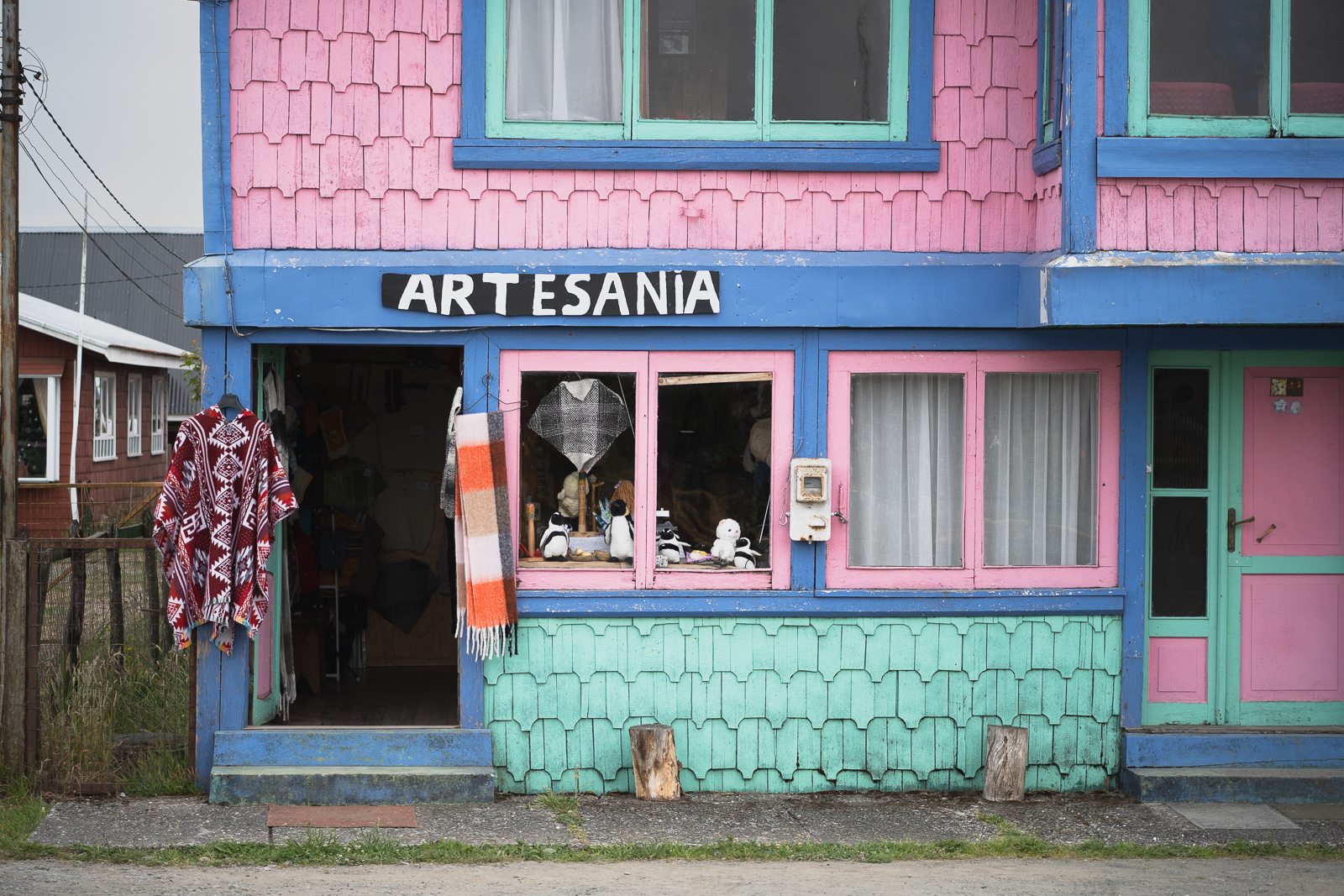
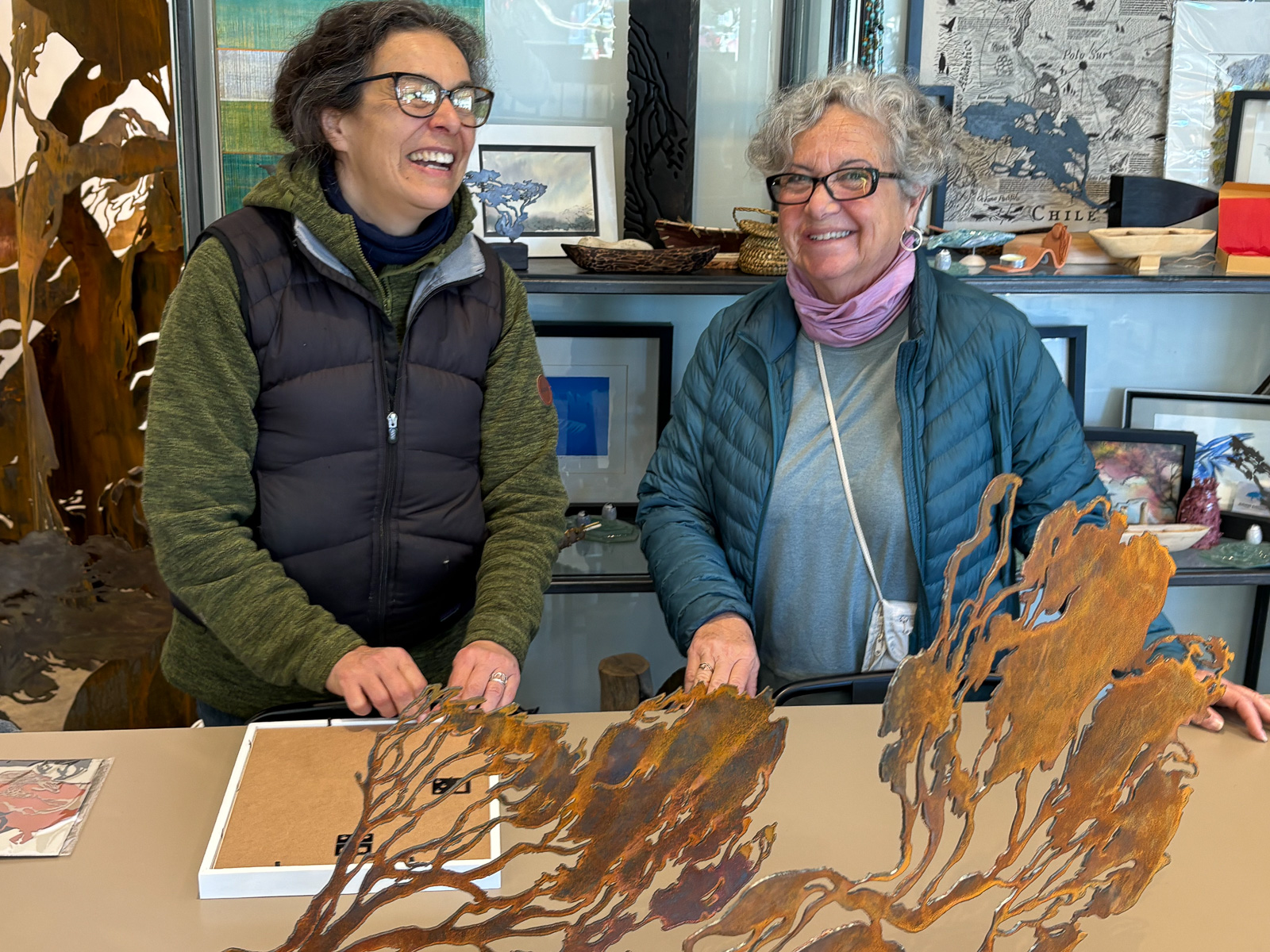
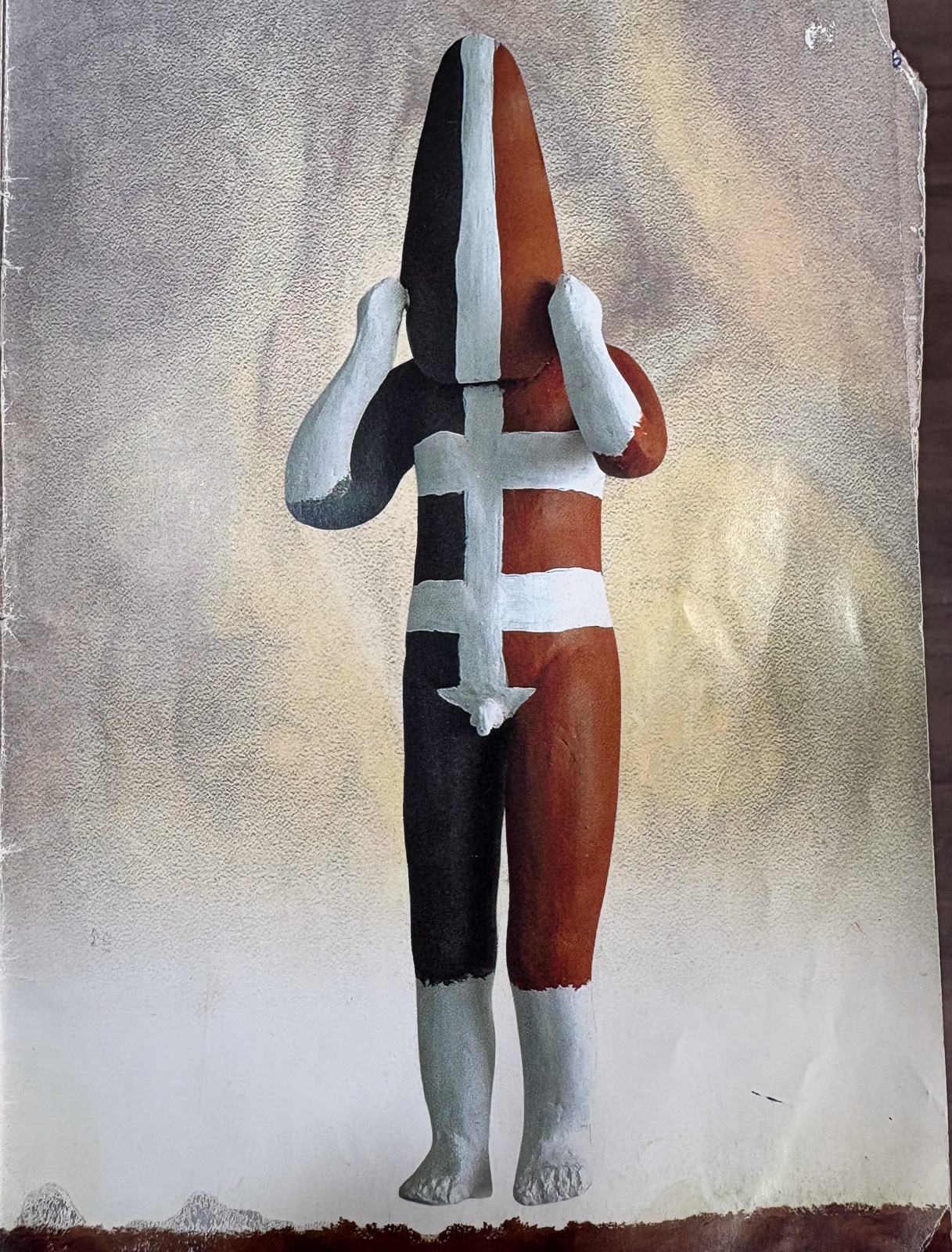
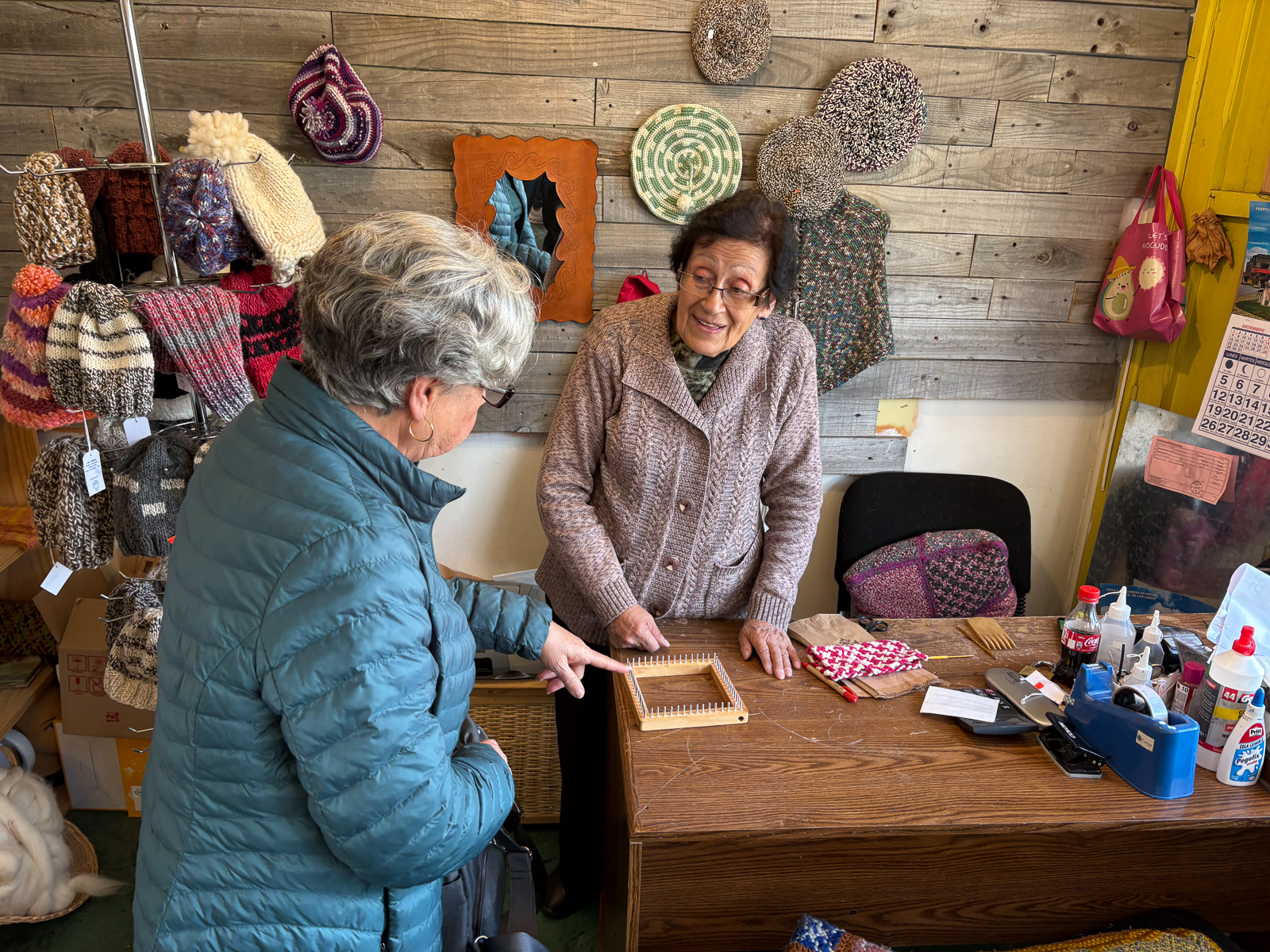
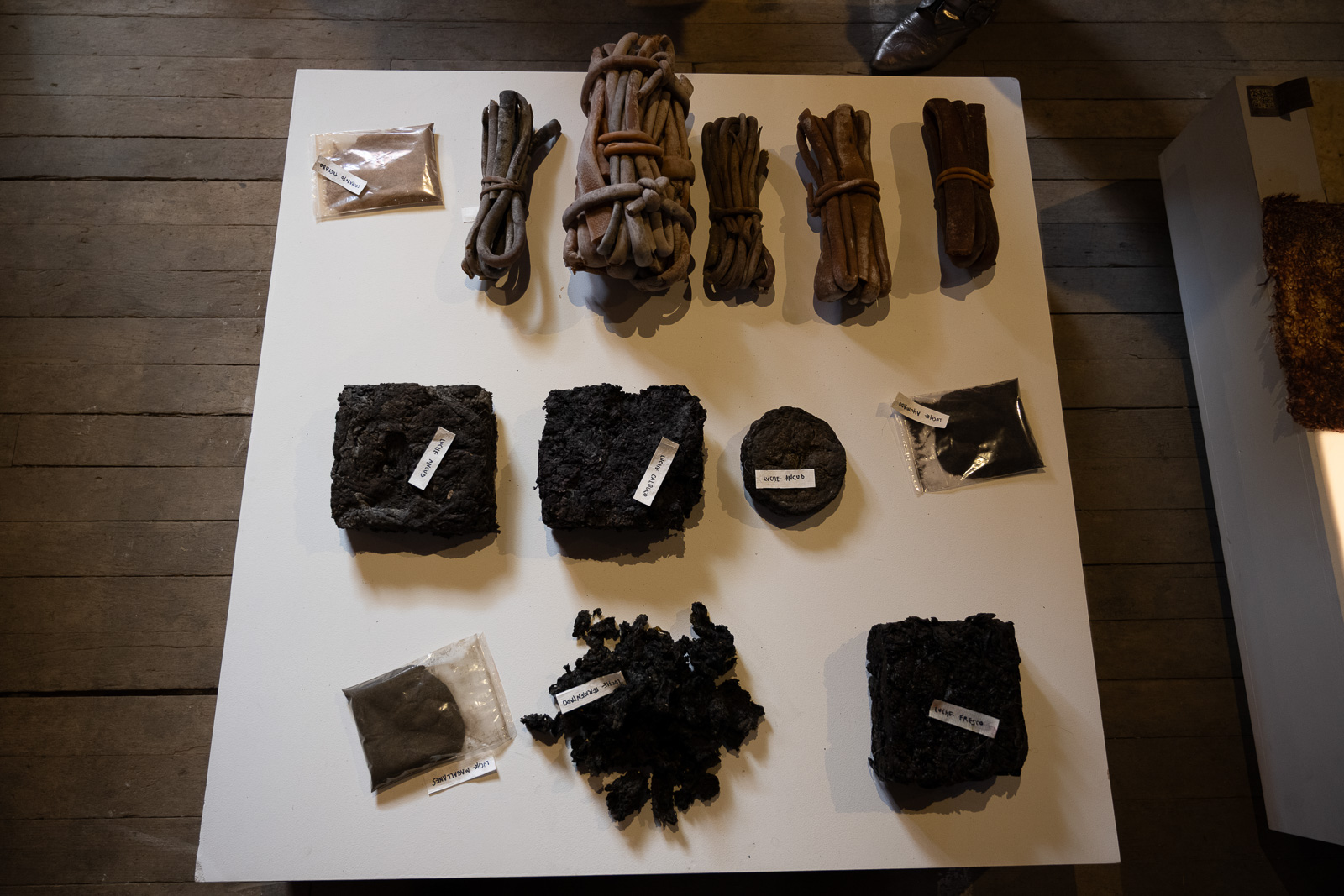
A distinct creative energy seems to pervade the atmosphere in Puerto Natales and Punta Arenas. Local artisans can be seen working in their shops, keeping alive crafts that form an essential part of the cultural heritage of the region: using bark from the lenga tree (Patagonian beech) to reproduce ceremonial masks of the Selk’nam (Ona) people; weaving or knitting a wide range of items—both modern and traditional—with the wool of Patagonian sheep. Artists such as Paola Vezzani derive spiritual inspiration from Magallanes’s unique environment creating original works with local materials that reflect thoughtfully on the region’s ecology.
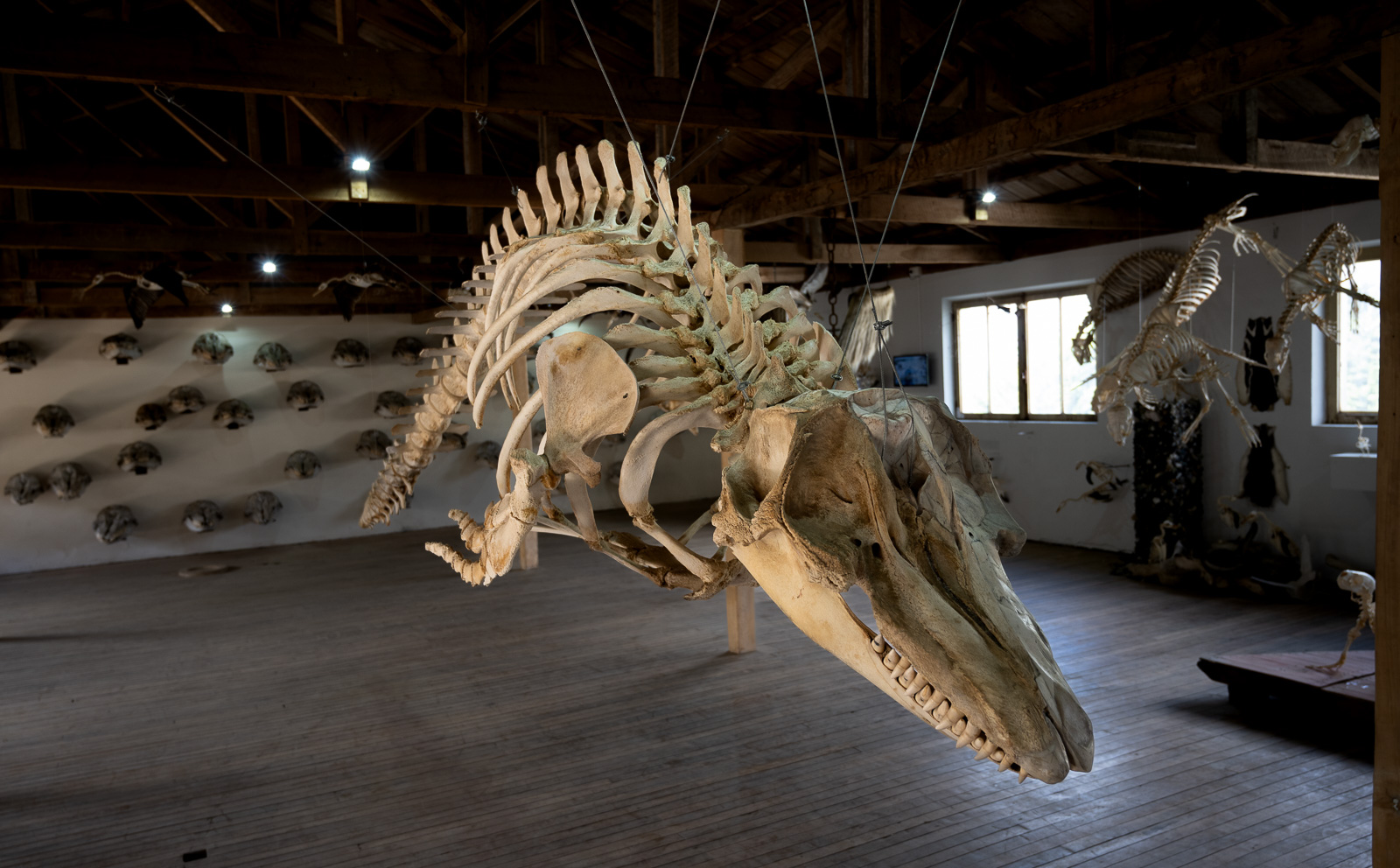
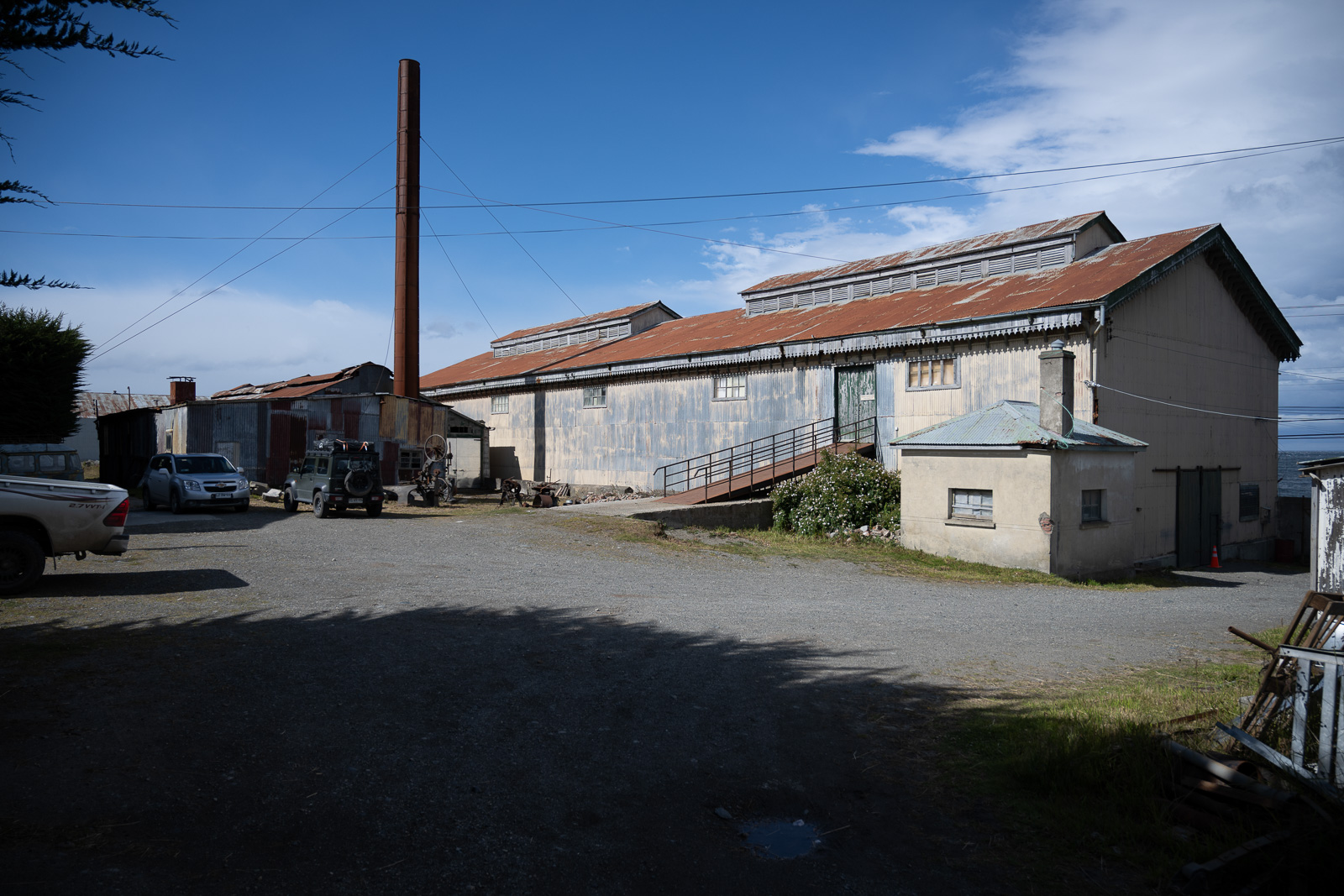
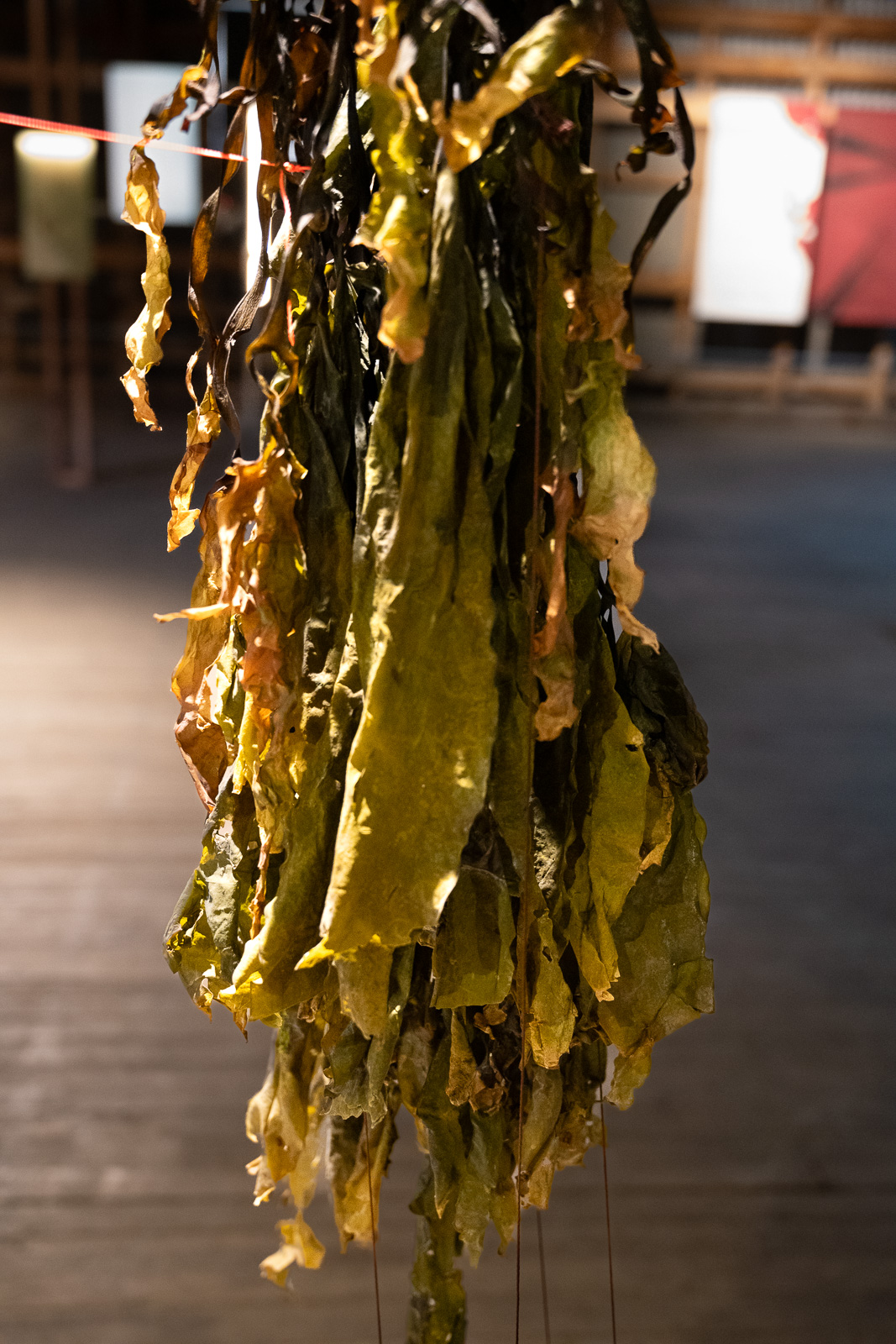
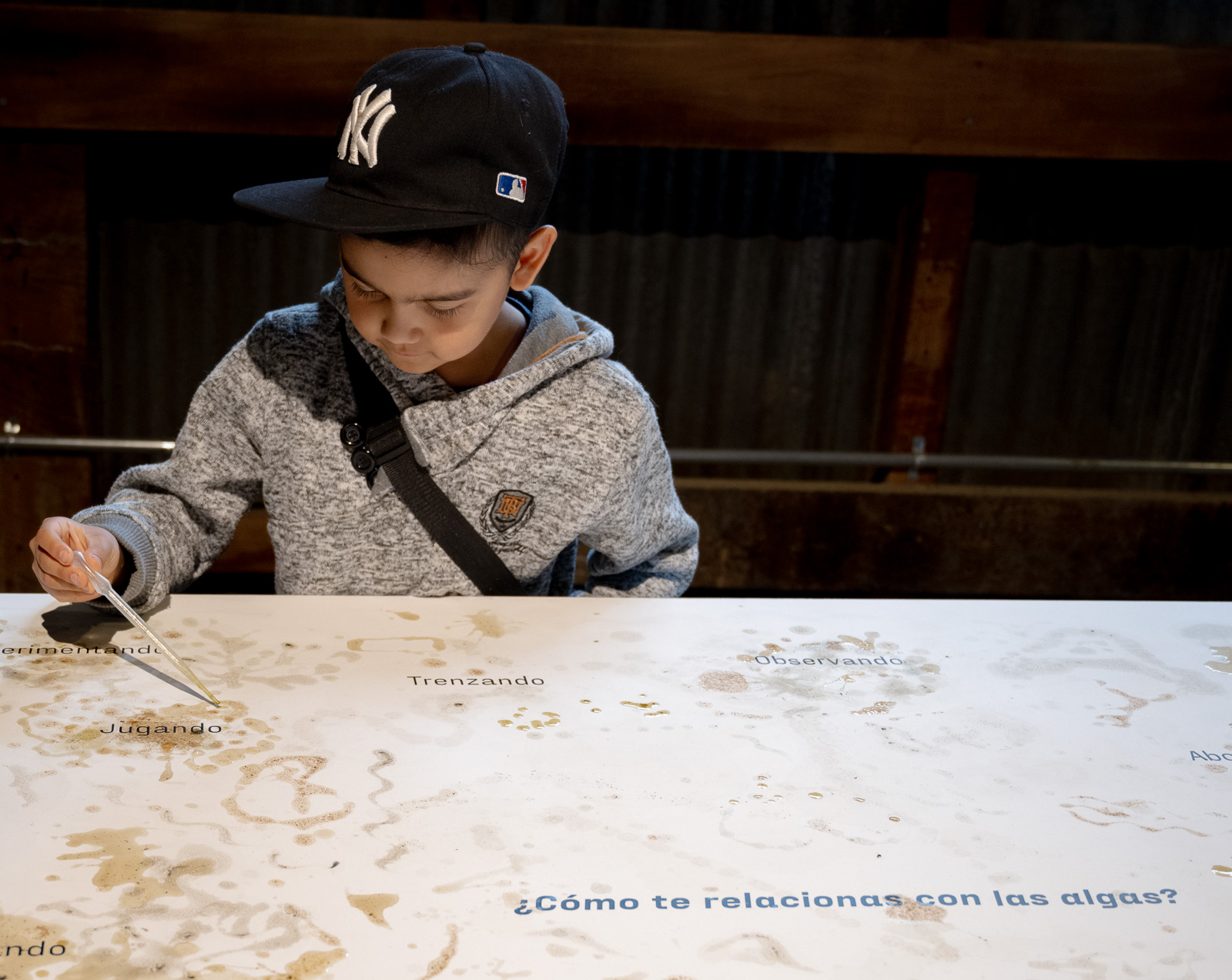
The Museo de Historia Natural on the outskirts of Punta Arenas merits special mention. Founded in 2013 by biologist Benjamín Cáceres and artist Miguel Cáceres, the museum has transformed the decaying sheds of what was the Río Seco Freezer works, an English company that processed sheep for export to Europe throughout the 20th century, into a “living laboratory” where the skeletons of regional fauna—whales, dolphins, and birds—are reconstructed and the holistic benefits of seaweed are studied. Far from a conventional museum, it feels like a living cabinet of curiosities, where art, science, and storytelling converge in unexpected ways. The museum’s eclectic displays—at once playful and profound—invite visitors to see Patagonia not only as a landscape of raw natural beauty, but as a place of inquiry, teaching and inventive expression. In its intimate, handcrafted atmosphere, the museum reflects a deeply personal vision, reminding us that knowledge and creativity often flourish most vividly at the margins. It stands today as a uniquely beautiful monument to all who have sought to move Chile from and extraction-based economy to one that finds what profit is to be derived from the regeneration of our natural resources.

Y el fotógrafo se despide…