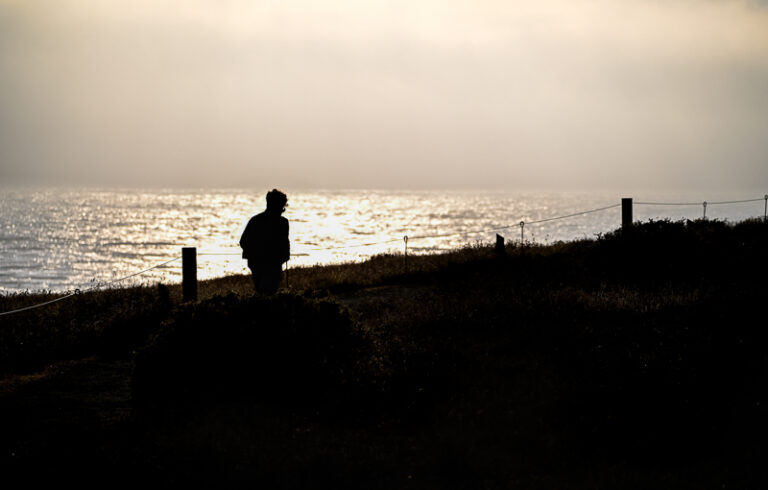
October reveries: Tracking the edge of the sea in Phippsburg, Maine
The golden hour of the year has returned once again to New England. The renewed impact of this spectacle is as stunning as it is ephemeral: stunning because it is ephemeral, no doubt.
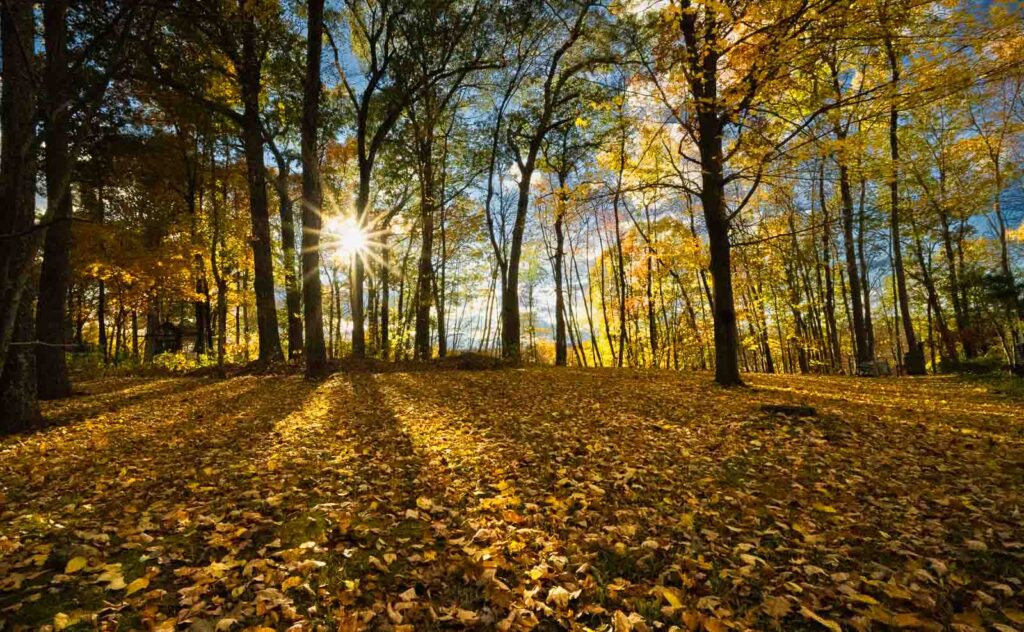
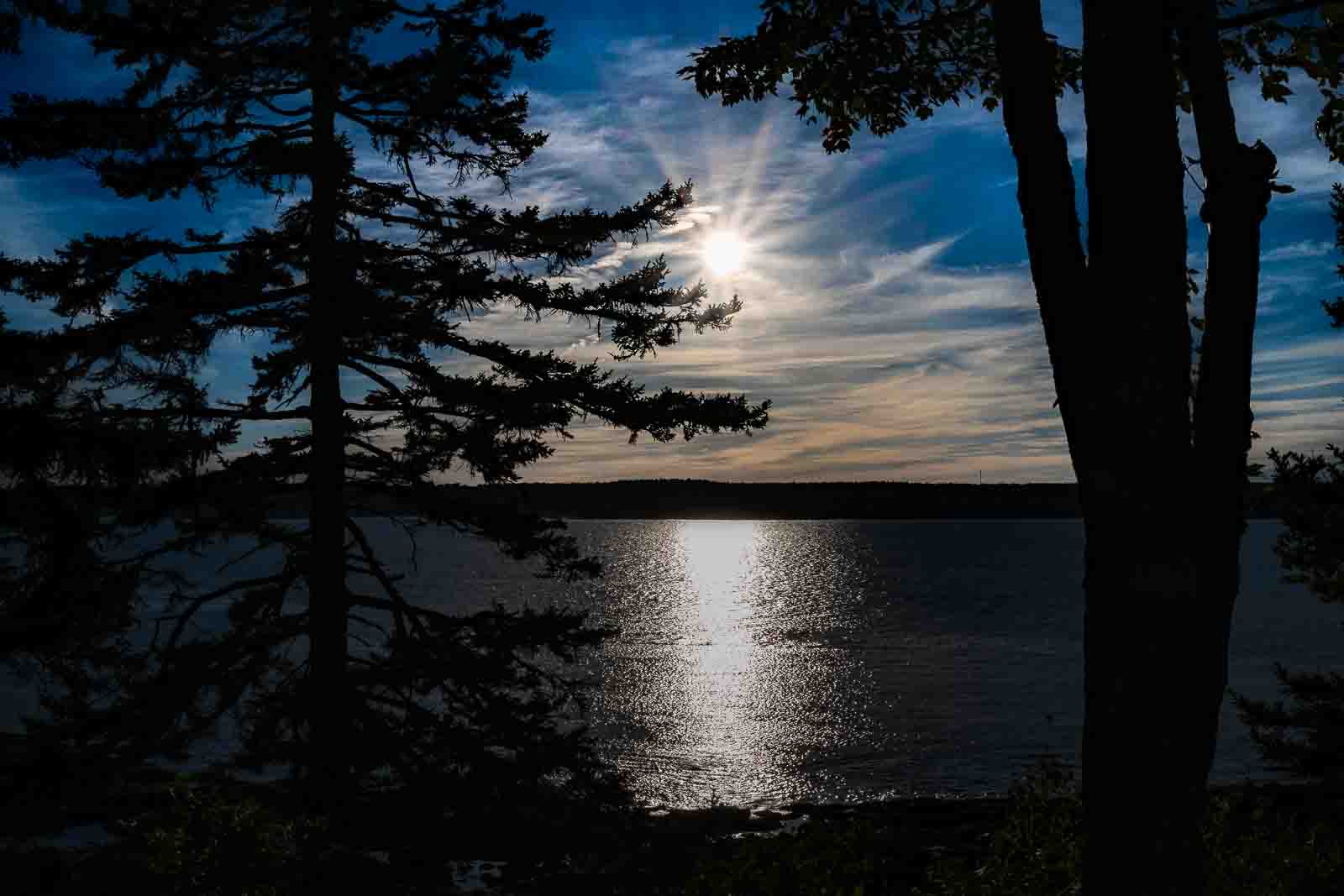
For these fleeting moments of the day, of the year, the rays of a setting sun filtered through brilliant yellow woods infuse our world with their honey-toned warmth while they cast long shadows on the carpet of dry leaves covering the ground. Such scenes, fodder for the melancholic at heart, spark seasonal reveries…
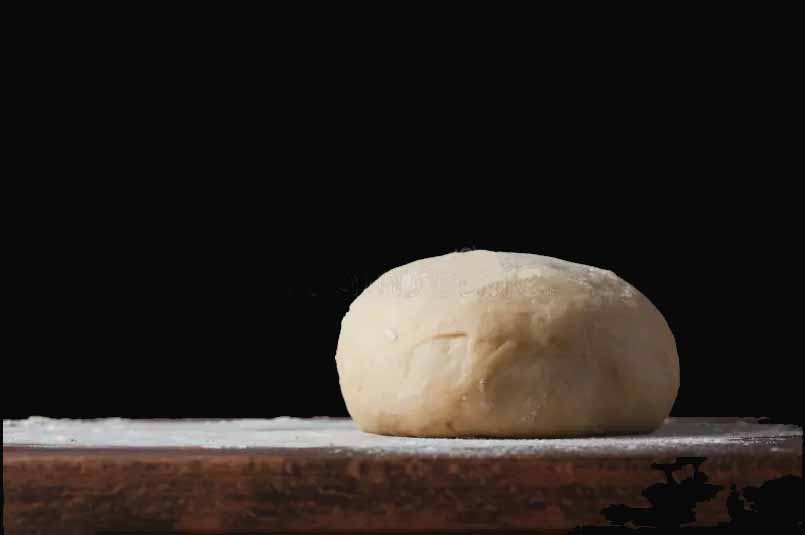
visions of my mother in this case, as she prepares homemade ravioli for our holiday feasts. As I skim this page from my childhood I am humored by the sense of wonder that I recall feeling as I watched her transform flour into dough, then pound, flatten, stretch and extend the dough into sheets that grew thinner and thinner, until they were ready to be cut and shaped into pockets for the filling. The fast-paced trek from flour to dumpling was interrupted when she would leave a perfectly round ball to rest on the kneading board, something of a pinewood altar my father made expressly for this ritual. The image of this boule in placid repose captivated me as much as did the transformative process, a marvel for me then that today would hardly seem noteworthy. Who knows what prompts a child to fixate in such a way, finding magic in the mundane! I suspect that the sensuous dimension of that planetary sphere, having emerged before my very eyes from its powdery origins, had something to do with it. Now spongy and fragrant, as luminescent as a full moon, it recoiled like a sea anemone from my invasive fingers only to spring quickly back into shape, erasing from its surface what blemishes I plotted to imprint. I’m sure I was testing for this very resilience. Memento homo, quia pulvis es…
These reflections, together with October’s golden sunset, invite me to consider more broadly the sensory foundations of remembrance and knowledge — the ways in which smell, touch, sight, sound and taste shape our understanding of the world and of our own resilience within it. It seems to me that memories of the things of our childhood, when recalled involuntarily, seize upon us like images emerging in the dark.
I envision these images as framed in the quiet solitude of a still life, with the reverence that artists have expressed time and again for the power of the senses to trigger memory and sustain imagination.
Such are ways in which art and experience have encouraged me over the course of my time to look beyond the surface of material objects and ordinary events in search of their hidden meanings. Until now I have rarely stopped to think about just how reverential my mother’s labors were. For me it was only about the pleasure of the plate, the product and certainly not the process, the magnitude of that process quietly shelved all the while in the archives of my subconscious. Age and the honey-toned hues of today prompt me to excavate from those archives a sense of the homage to hearth and home implicit in her labors. On some deeply symbolic level, my mother toiled over the dough of our Yuletide repast so as to define the contours of our identity as a family, to prop us up with a semblance of something enduring, with a sense of what she must have derived similarly as a child in a world that was, is, and will continue to be intrinsically mercurial. This was, in short, her ritual. It is what rituals are about and what mothers do.
Watching the skies darken and the shadows grow, I am struck by the connections between these reflections and my recent travels. As I lurch from one coast to the other –from California to Maine– in anticipation of our next coastal adventure –Patagonia in 2 months– I wonder if the passage of time doesn’t bring one to knead more purposefully the doughy mass of one’s own self, extending the continental margins of our consciousness with our putative rolling pins. It’s all about our own elasticity, after all, the sponginess of our being.
The answer to these queries notwithstanding, it is crystal clear to me that discovery and nature play a pivotal role in my travels in general and in our recent trip in particular. From Sept 18 to the 22nd, we headed toward New England’s northeast shores in search of all things Maine. We aimed as well to find in nature a sense of the enduring that is voiced by the land, birds, and the sea, in tones that communicate something much bigger, much better than us, than our now. The unique on the one hand, the universal on the other. Maine, we thought, promised both.
Our discoveries began in Portland, where we stopped off en route. Descriptions of a storied and much restored old port city with trendy cafés, upscale restaurants and a first-class museum, tantalizing though they may be, fed me with the apprehensions of inflated expectation. I roamed the cobble-stone neighborhood near the port with guarded skepticism, noting the youthful vibe of a city seemingly on the move, with its West Elms and Anthropologies, artisan shops and expresso bars all in tow. Portland has all the markers of a cool place to hang out. And it is beautiful.
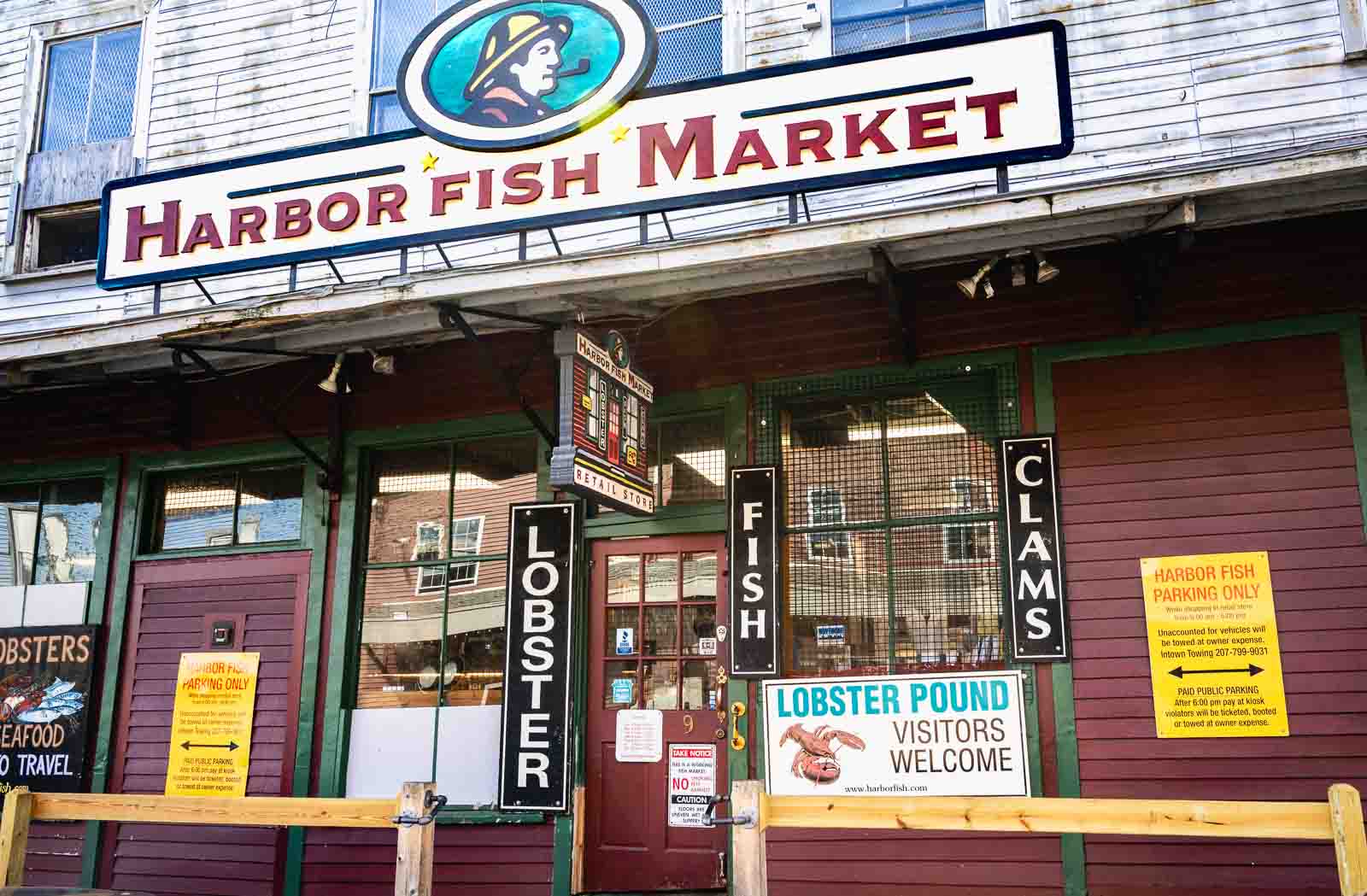
After a ho-hum clam chowder in an oh-so-sleek café we skirted gelato dripping tourists awaiting their Trip Advisor boat tours of a spick-and-span harbor, hoping to find at the far end of Commercial Street, along the Custom House wharf, something, well, not so spick-and-span, something less customary. And this we did: decaying façades, tattered fishing boats, seaport attrezzi –ropes, lobster traps, buoys and buckets– abandoned haphazardly, so it seemed, after a long day at sea, and, to top it off, the welcomed reek of the sea and of all that comprises this unvarnished oasis within an otherwise tidy harbor. Here the city is unabashedly itself, and it filled us with indescribable joy. What could be better, moreover, than a bona fide, traditional fish market, with the freshest sea food imaginable. We were so struck by it all that we returned days later on our way back to Middletown, bringing home the best of all possible souvenirs: quahogs, frozen baby octopus, Atlantic sea bass, freshly made tartar sauce, and the unadulterated smell of the sea.
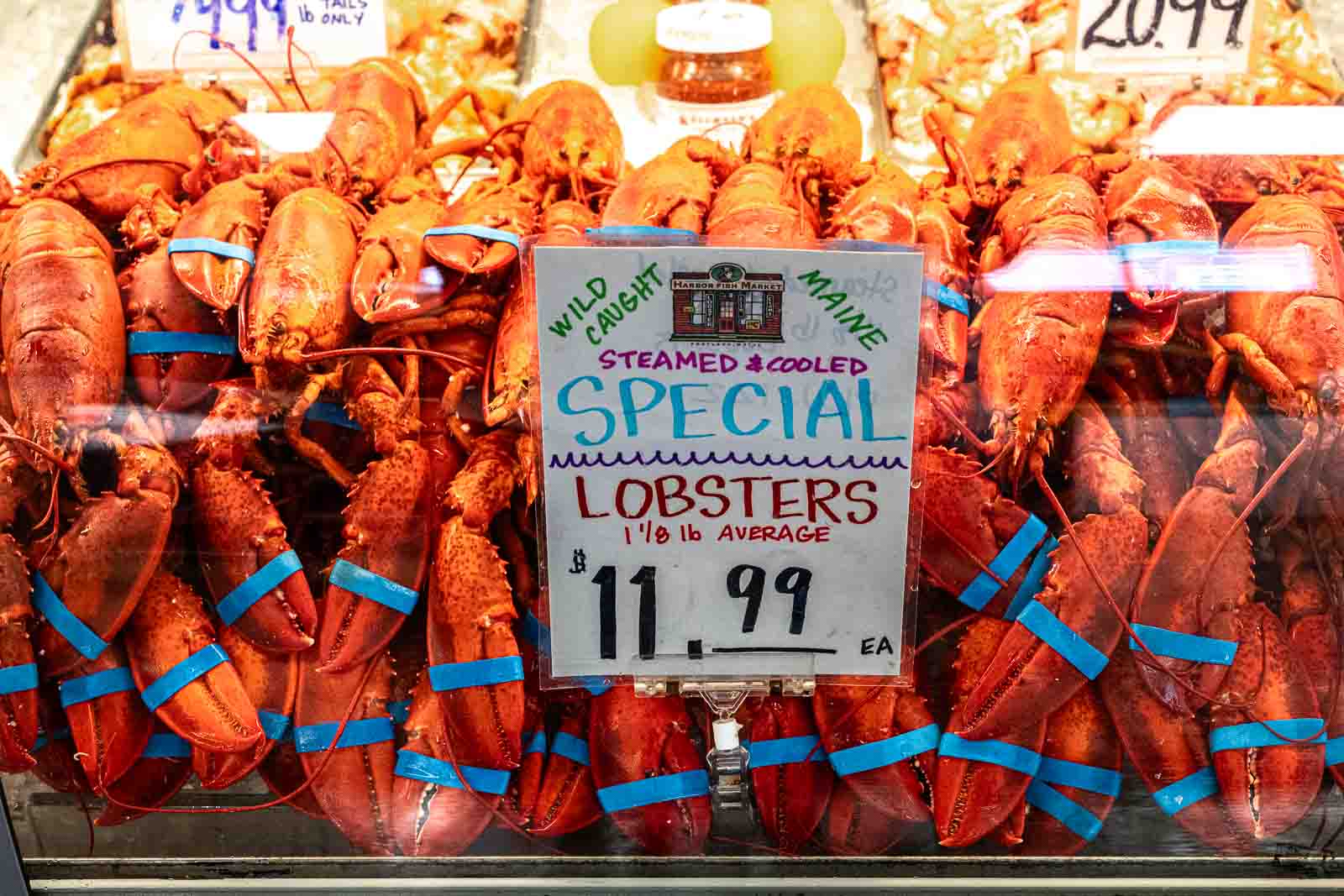
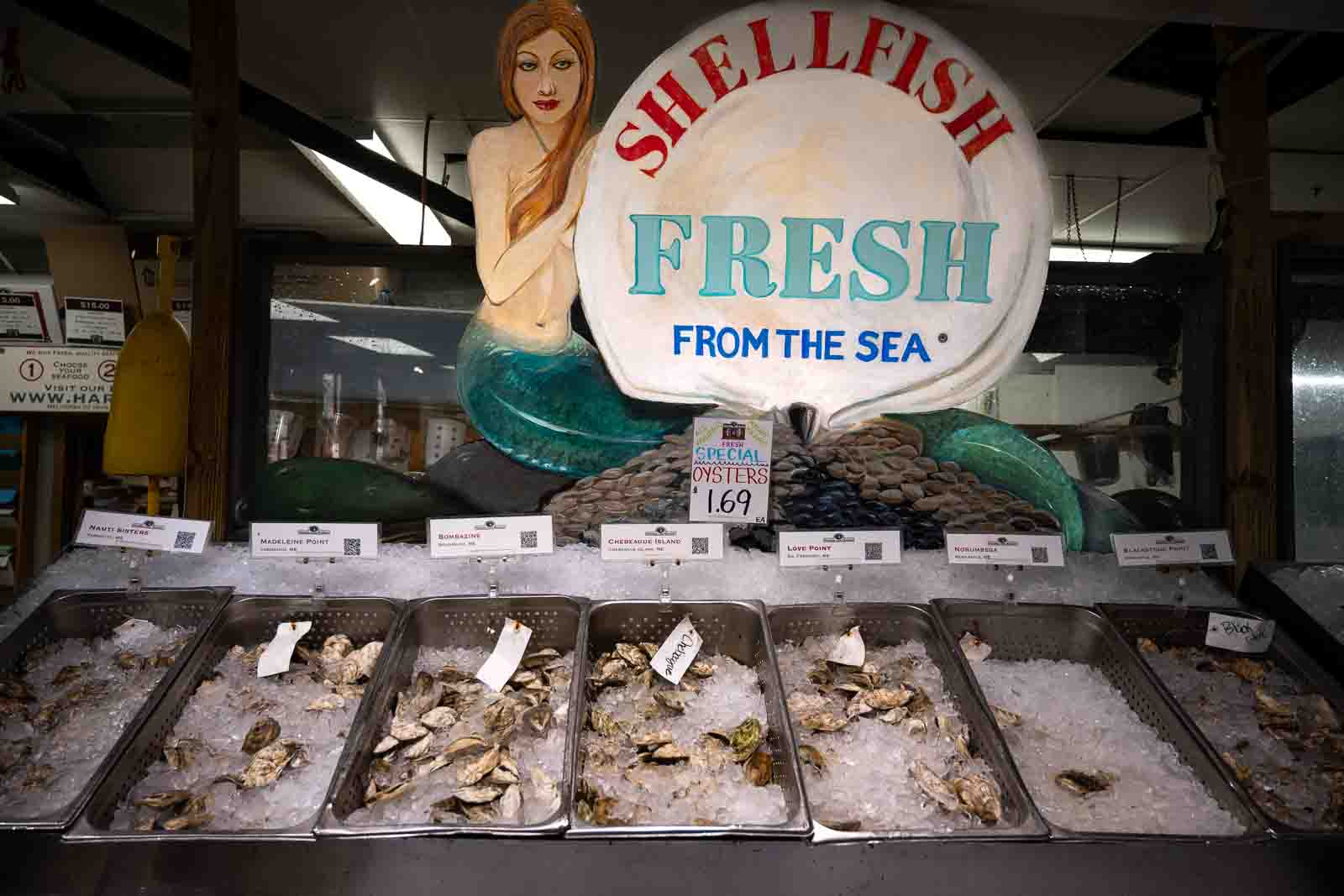
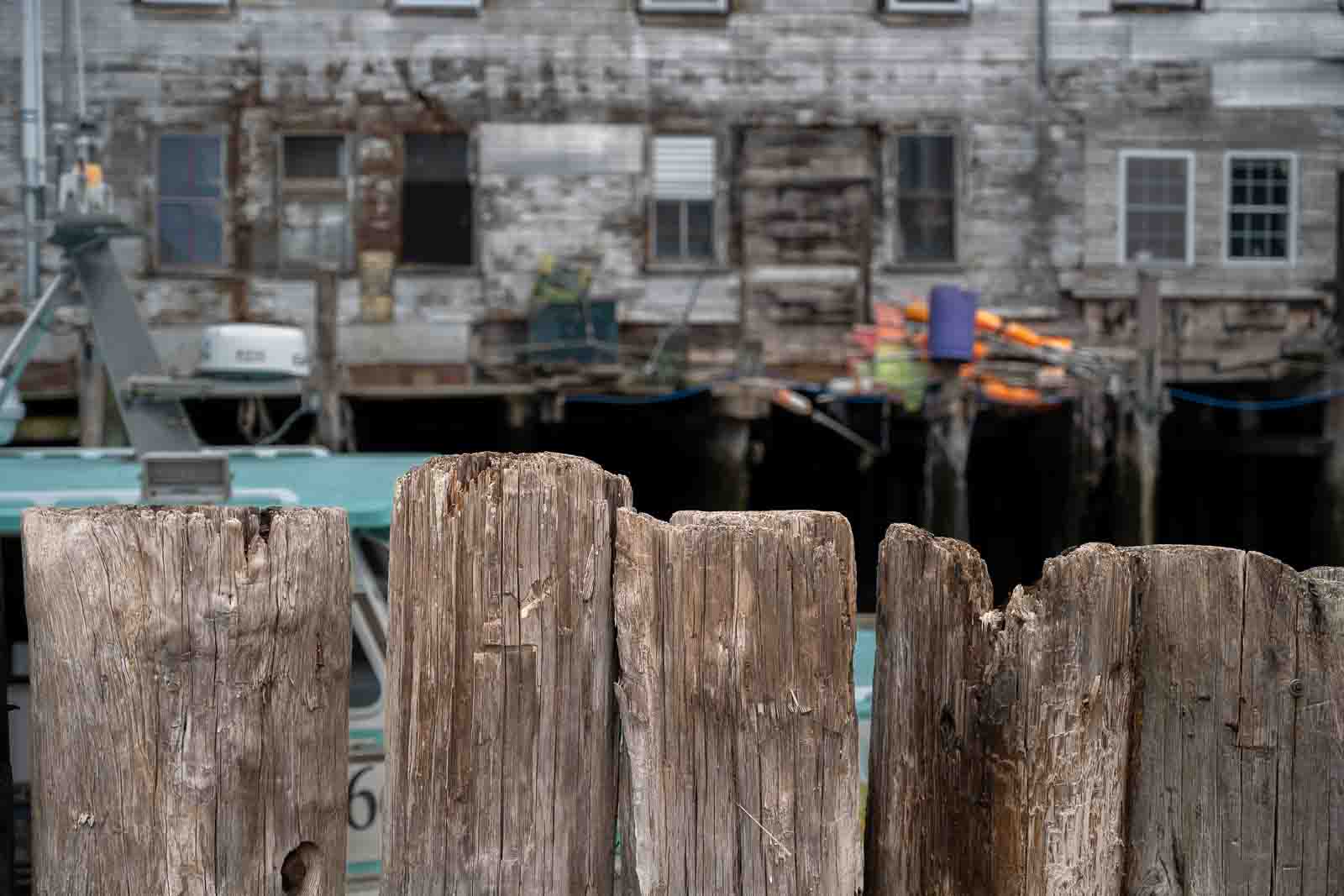
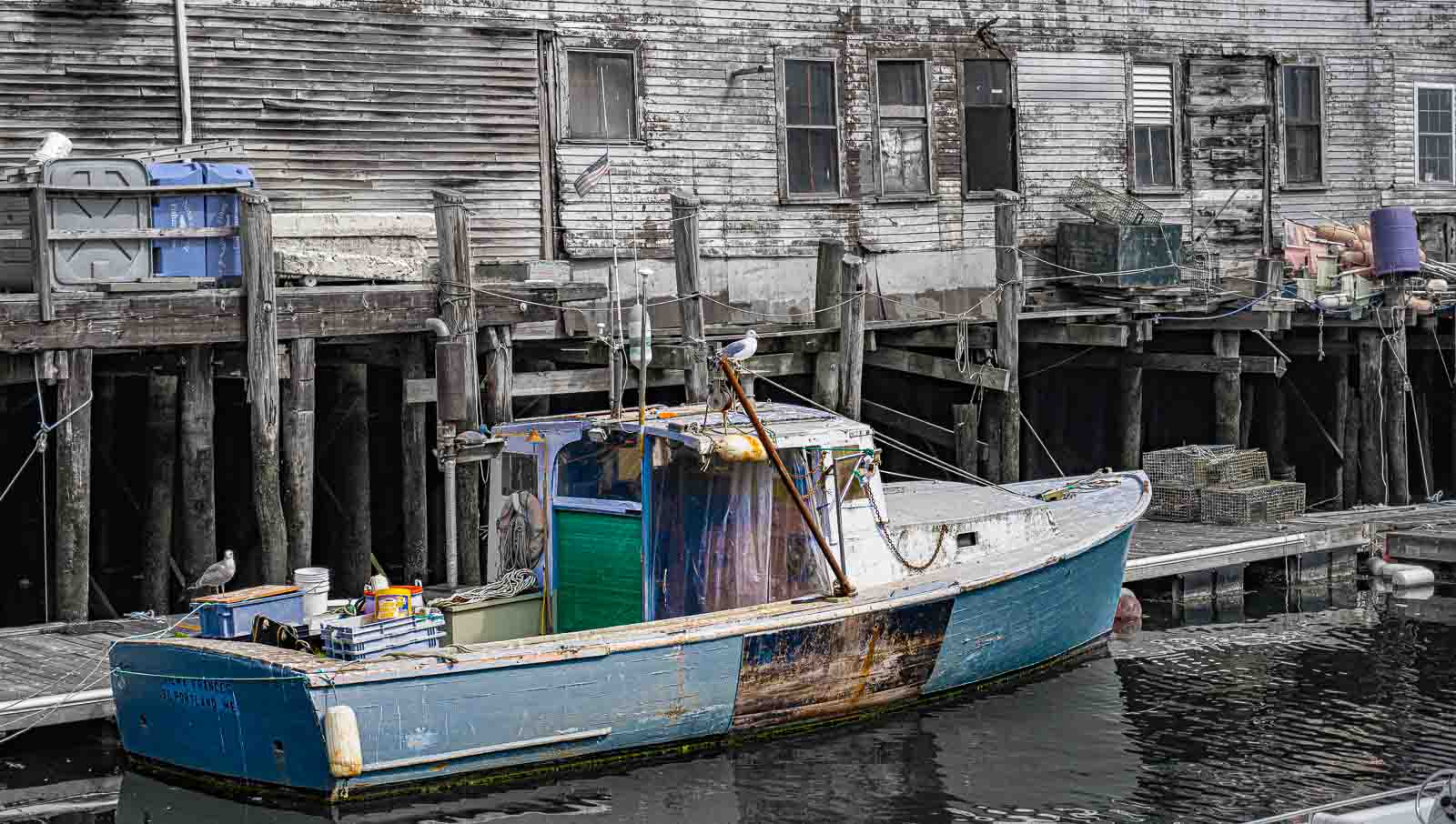
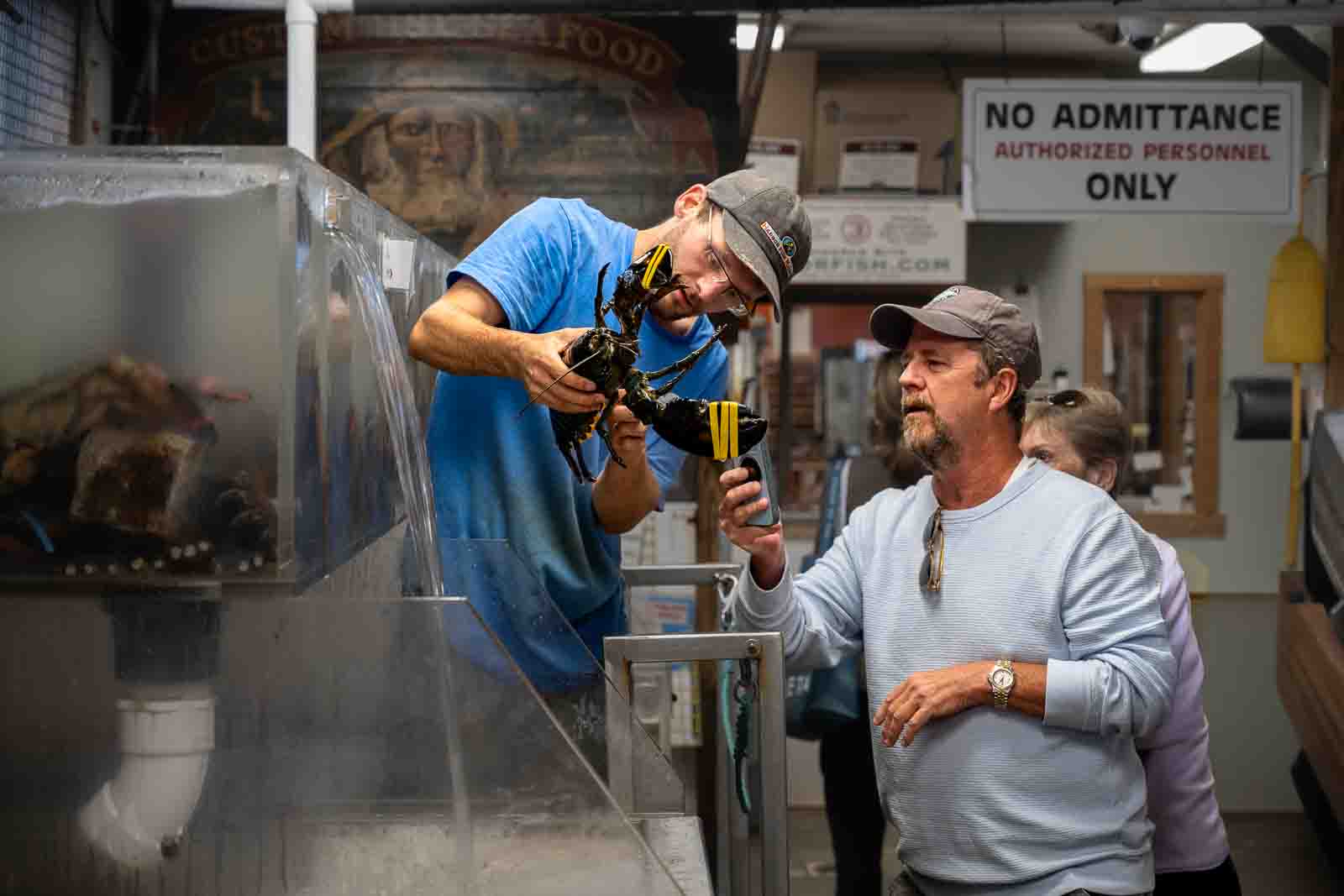
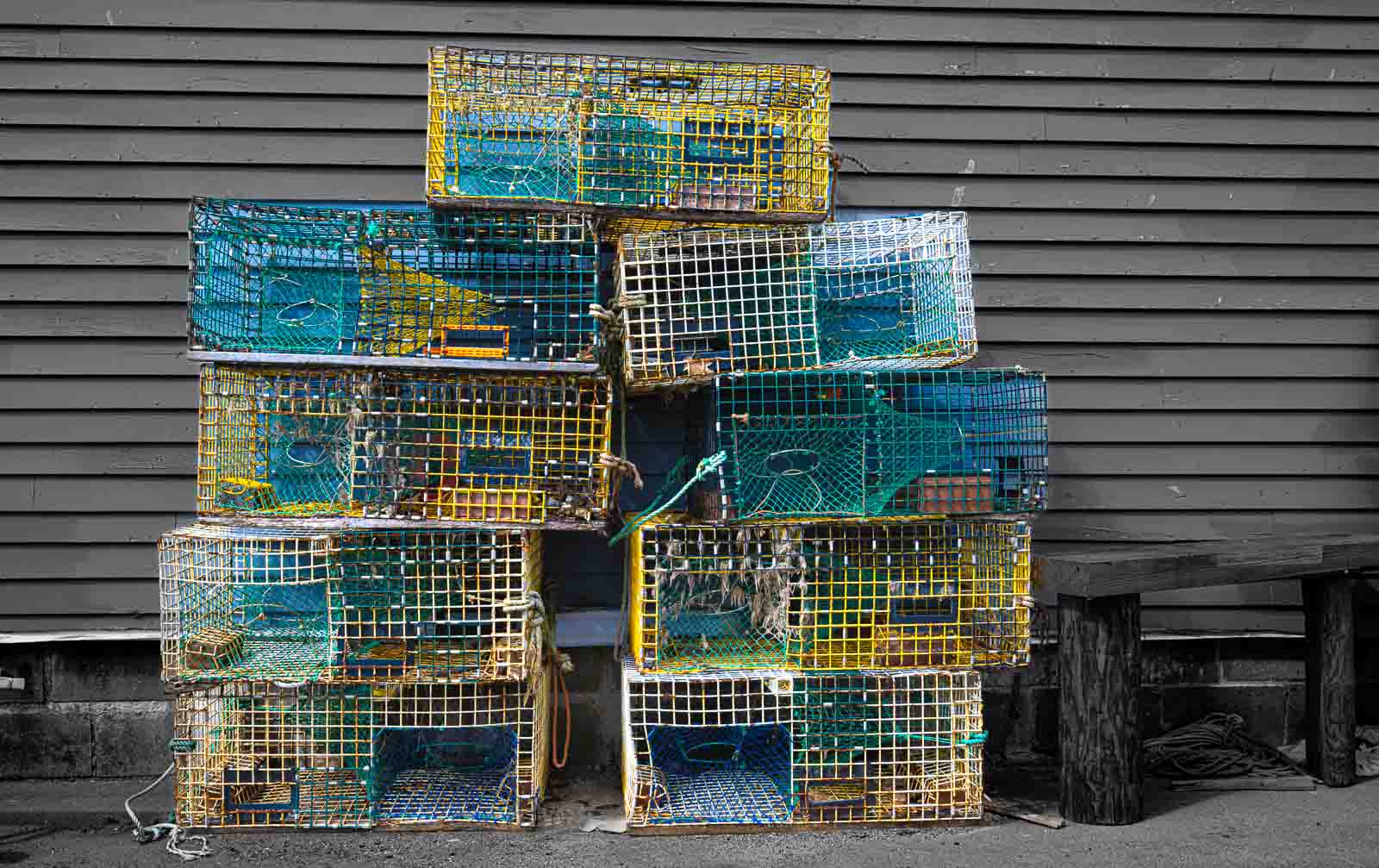
In short, Portland offered us our first window onto the many ways in which the sea influences culture in coastal Maine. Although such an idea may seem trite, abundant examples exist as to why this is not to be taken for granted. Prior to the 1992 dismantling of its harbor warehouses, Barcelona was famously considered to sit with its back to the sea. I personally sense little evidence of the ocean’s proximity walking around most areas of Manhattan, certainly nothing on par with San Francisco or Boston, cities permeated to the core with the sights and smells of things maritime. Paintings exhibited in Portland’s handsomely renovated Museum of Art offer important testimony in this regard. Objects and art works on display there shed artistic and artisanal light on how maritime, proletarian, and native American elements intermingle within local traditions, within the economies and mind set of the people who have populated this region.
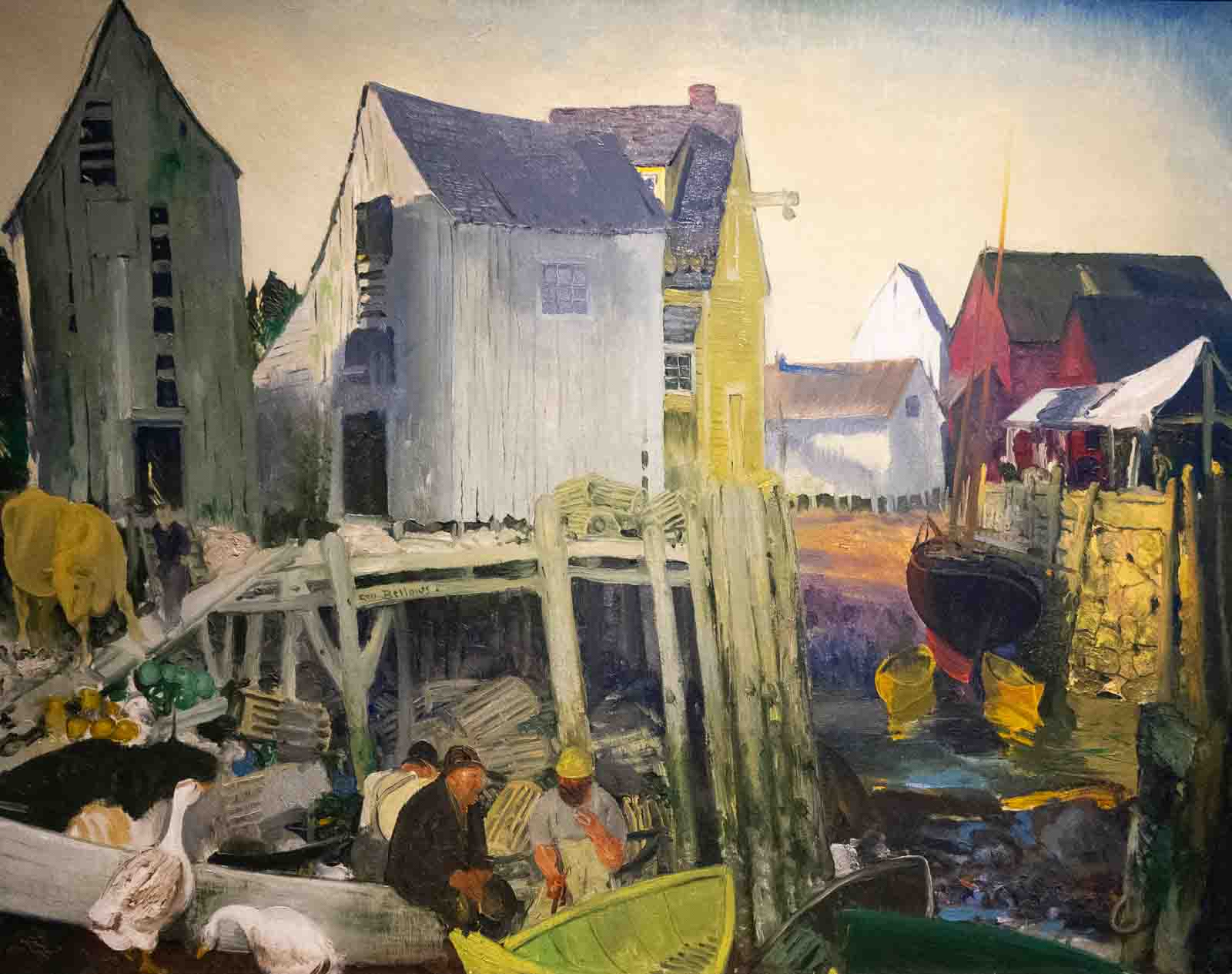
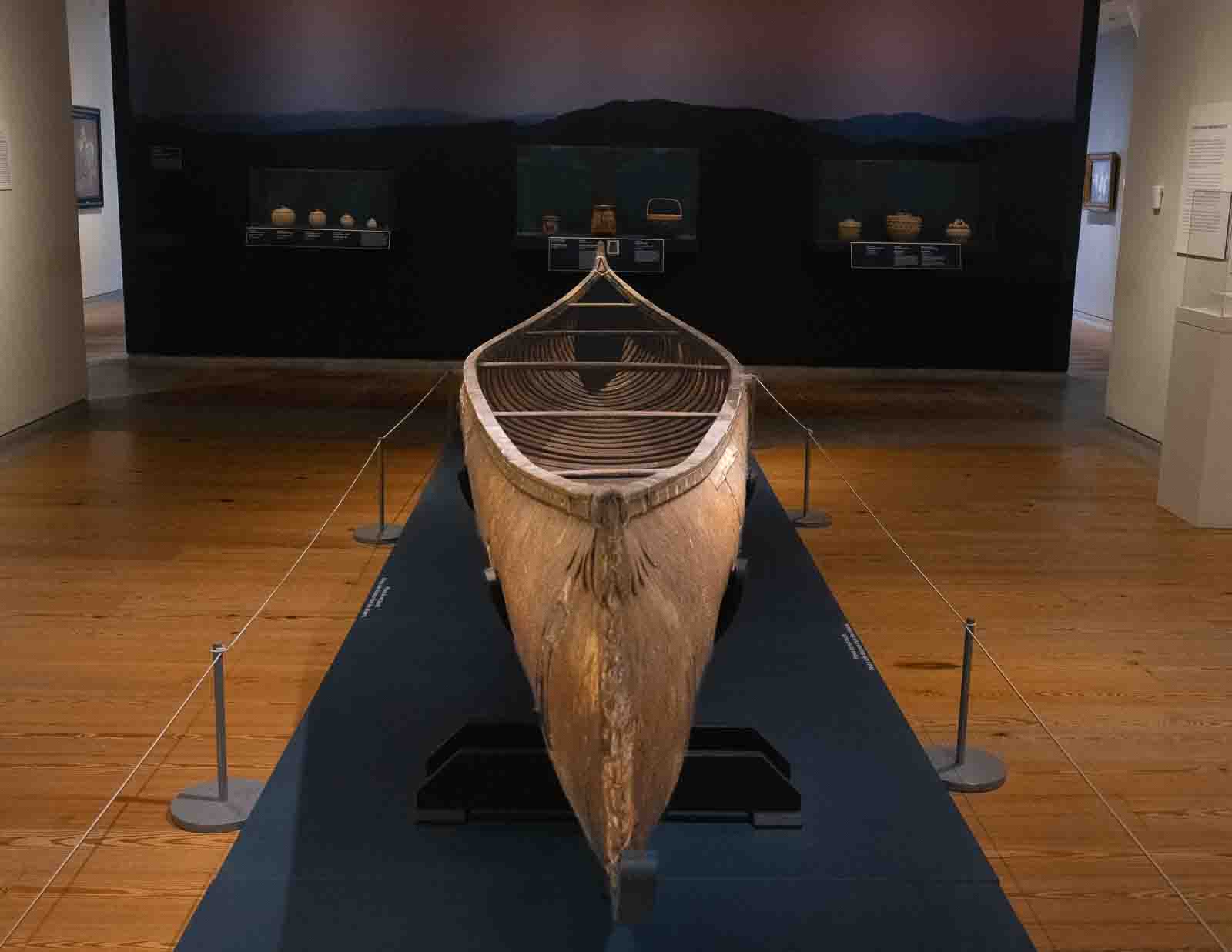
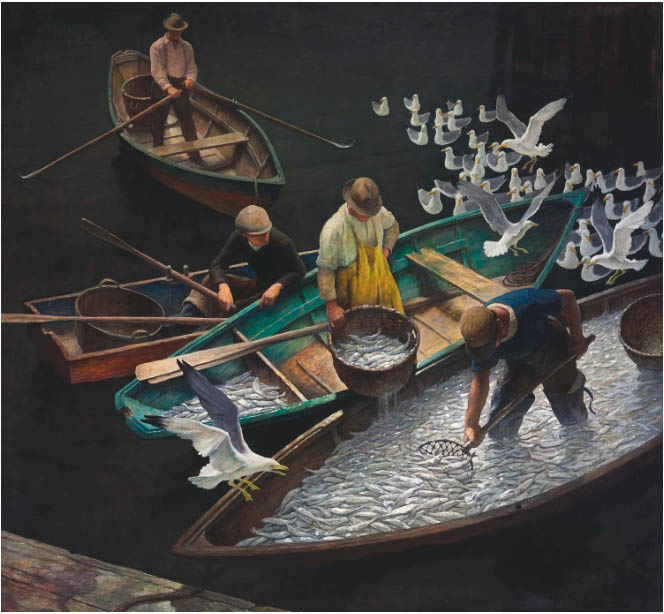
Our experience in the Portland museum conditioned us to identify elsewhere further examples of a blending that seems characteristically Maine. The importance of lobster fishing for the local economy is signaled by the unpretentious waterside lobster shacks that dot the shoreline. Arguments abound among locals as to which shack ranks first. Mainer’s are eager to tell you which one and why.
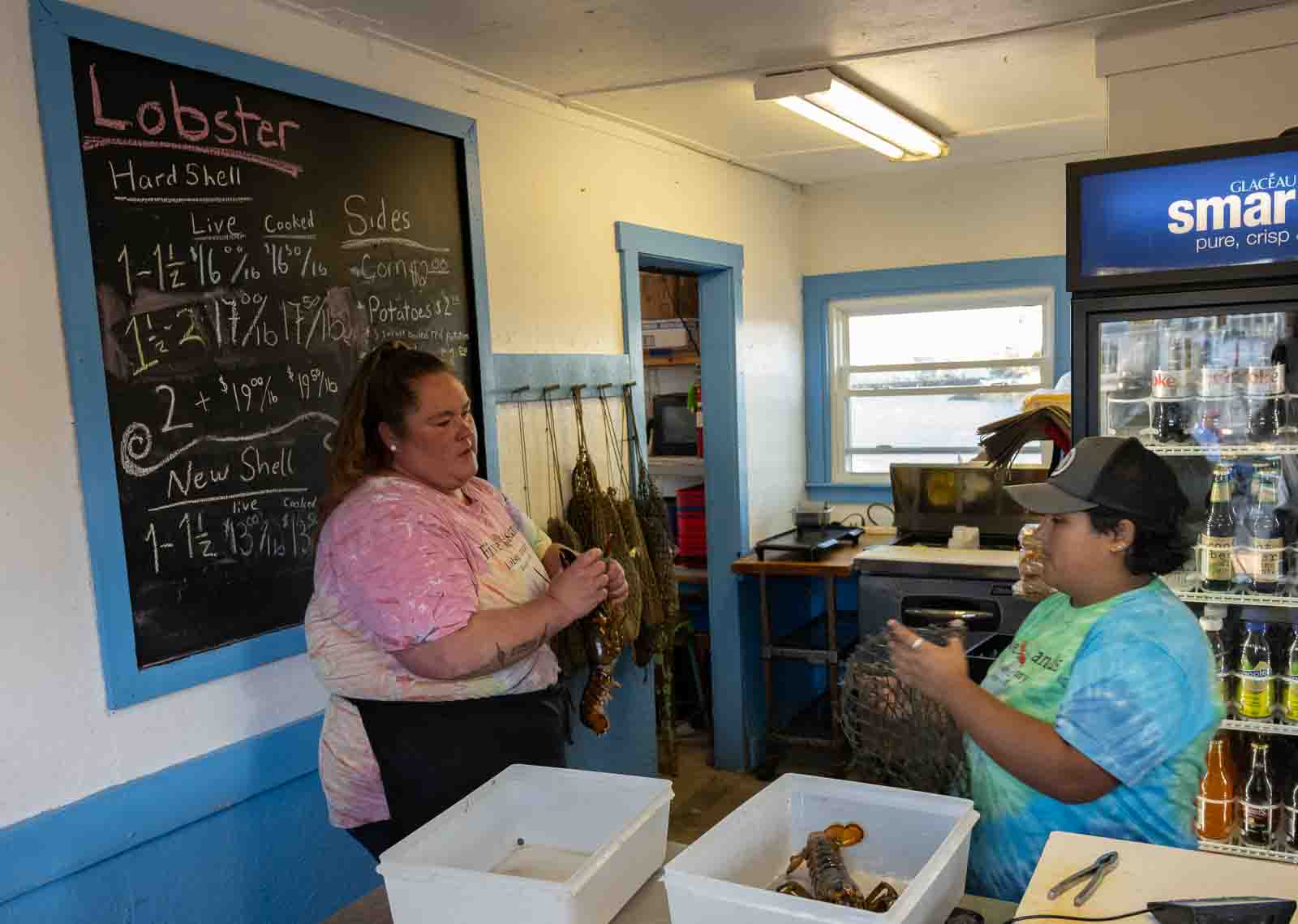
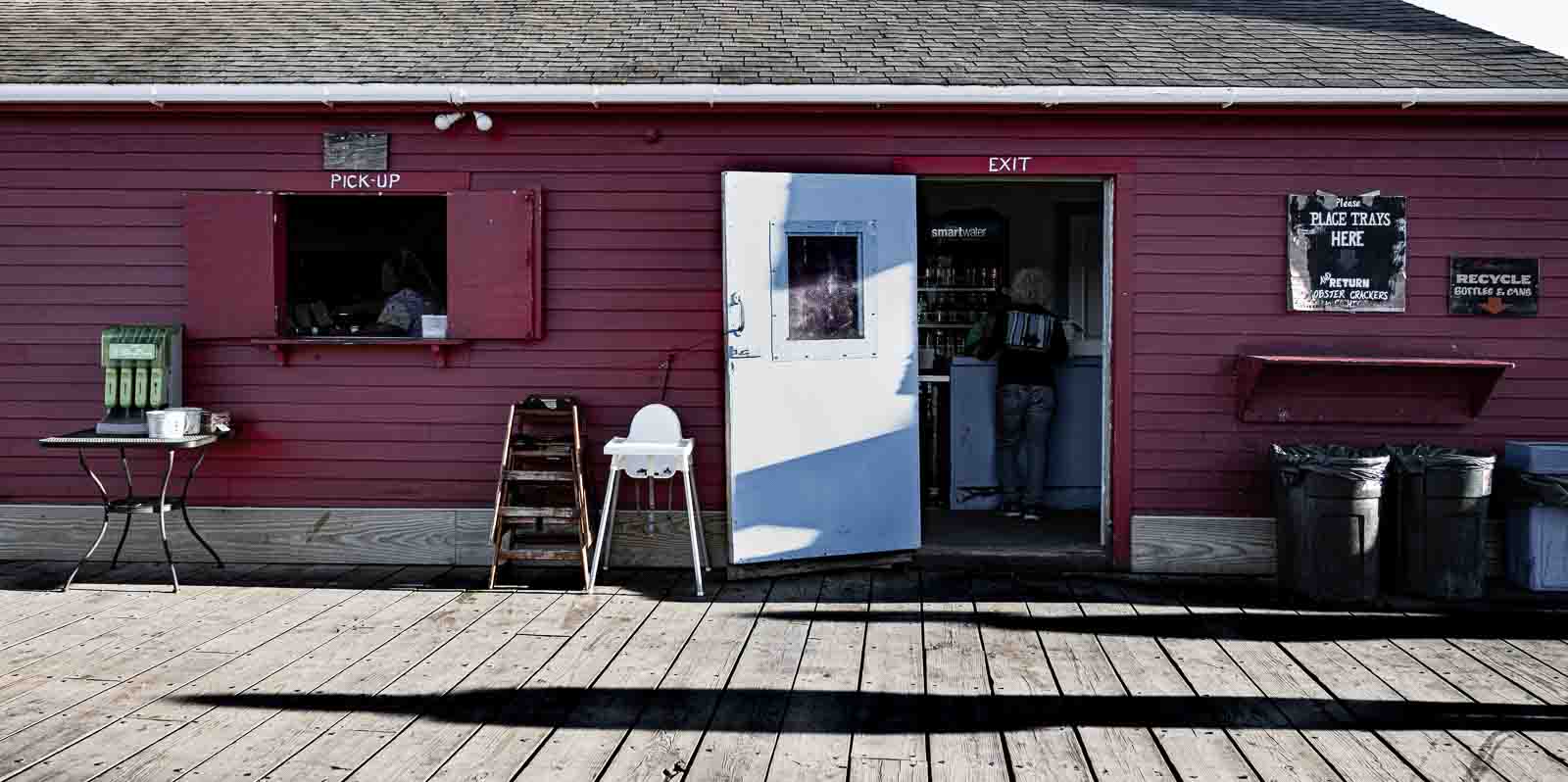
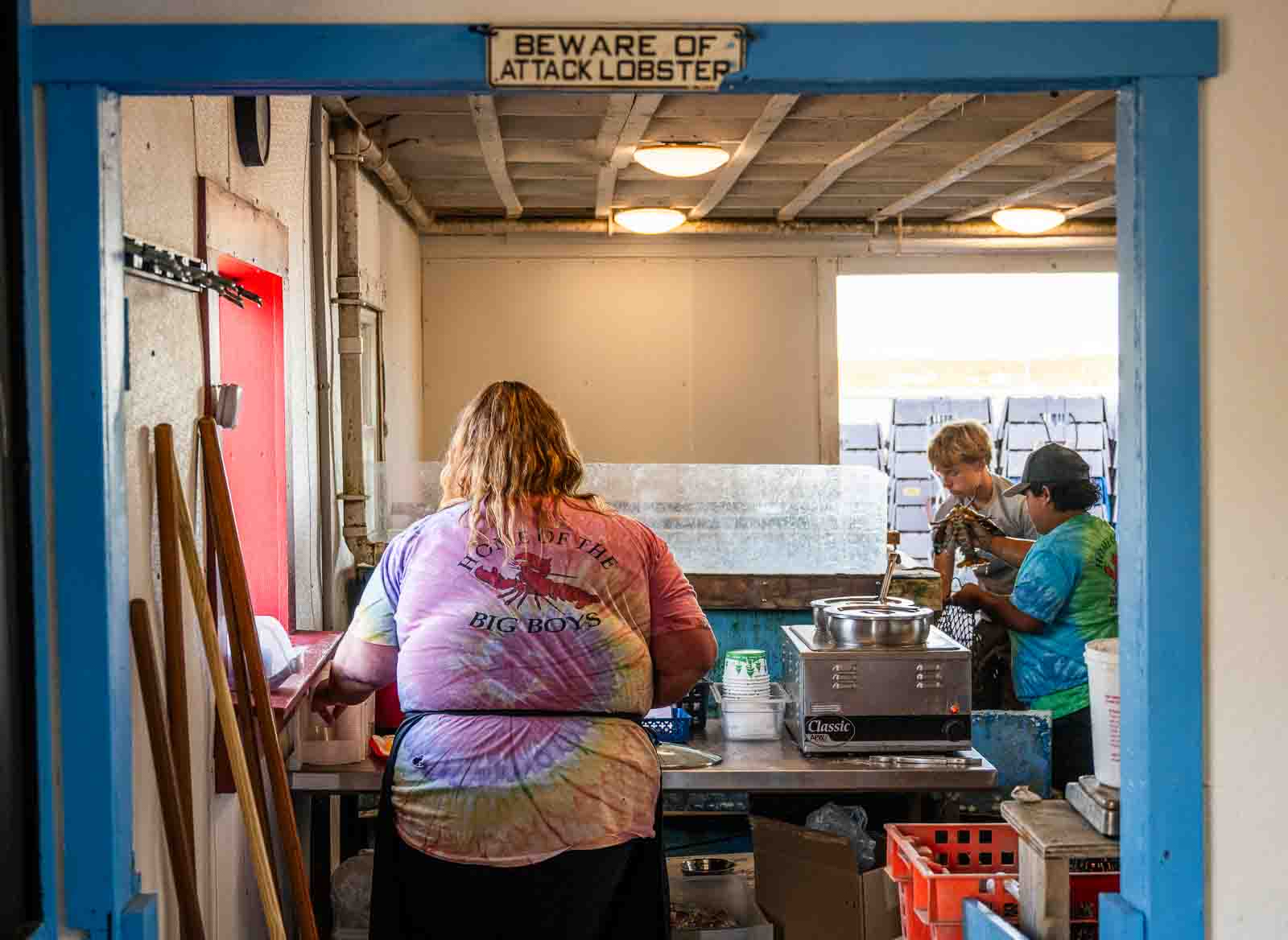
Our “Golden Hour” cruise from the Maine Maritime Museum (Bath) out to the mouth of the Kennebec River reinforced many of these impressions. The cruise offered a window onto the intricate maze of emerald archipelagos and on waterways arranged like the arteries through which the life blood of coastal Maine communities flow. Buildings hug the margins, their eyes gazing out onto distant horizons… or perhaps at their own reflection mirrored on the surface of the sea.
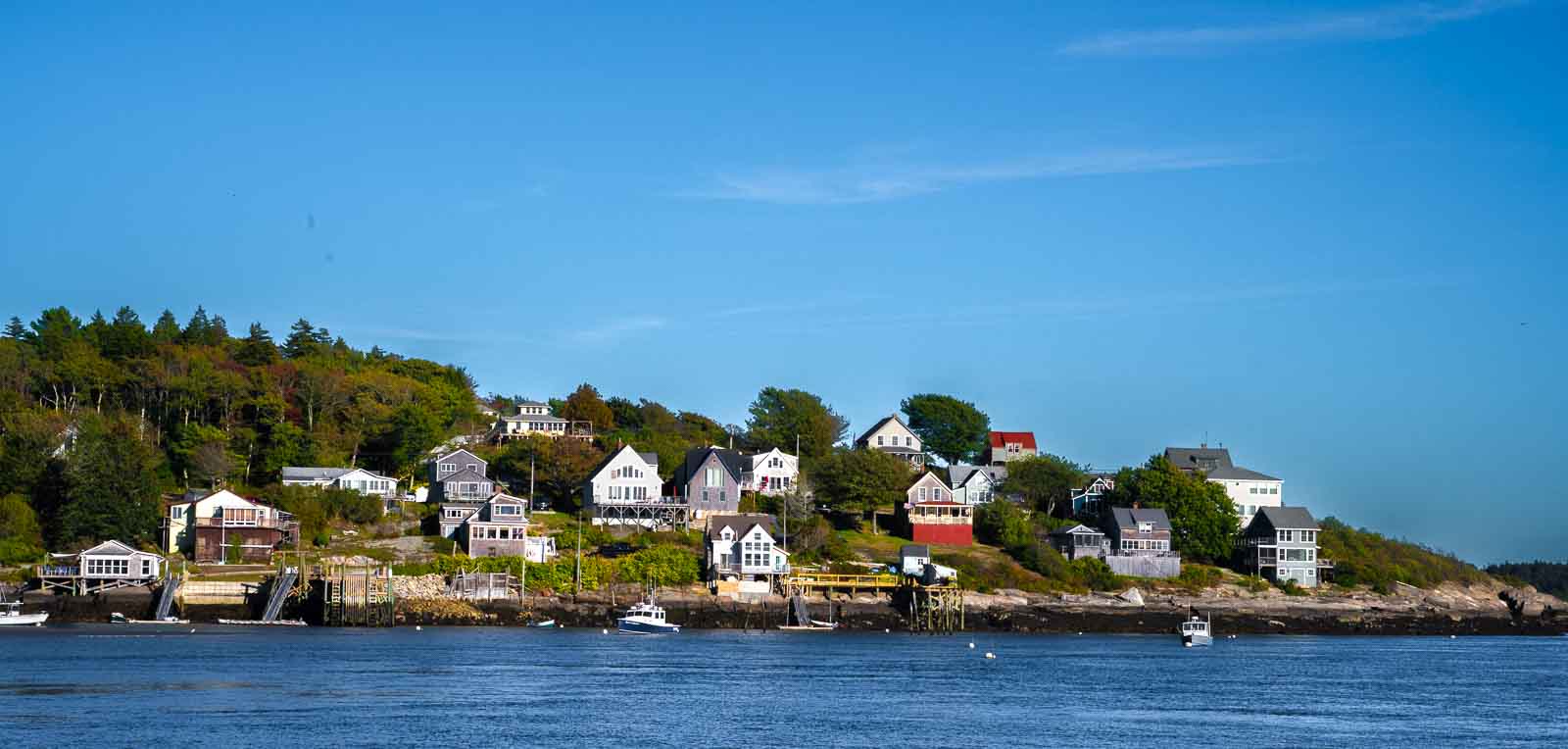
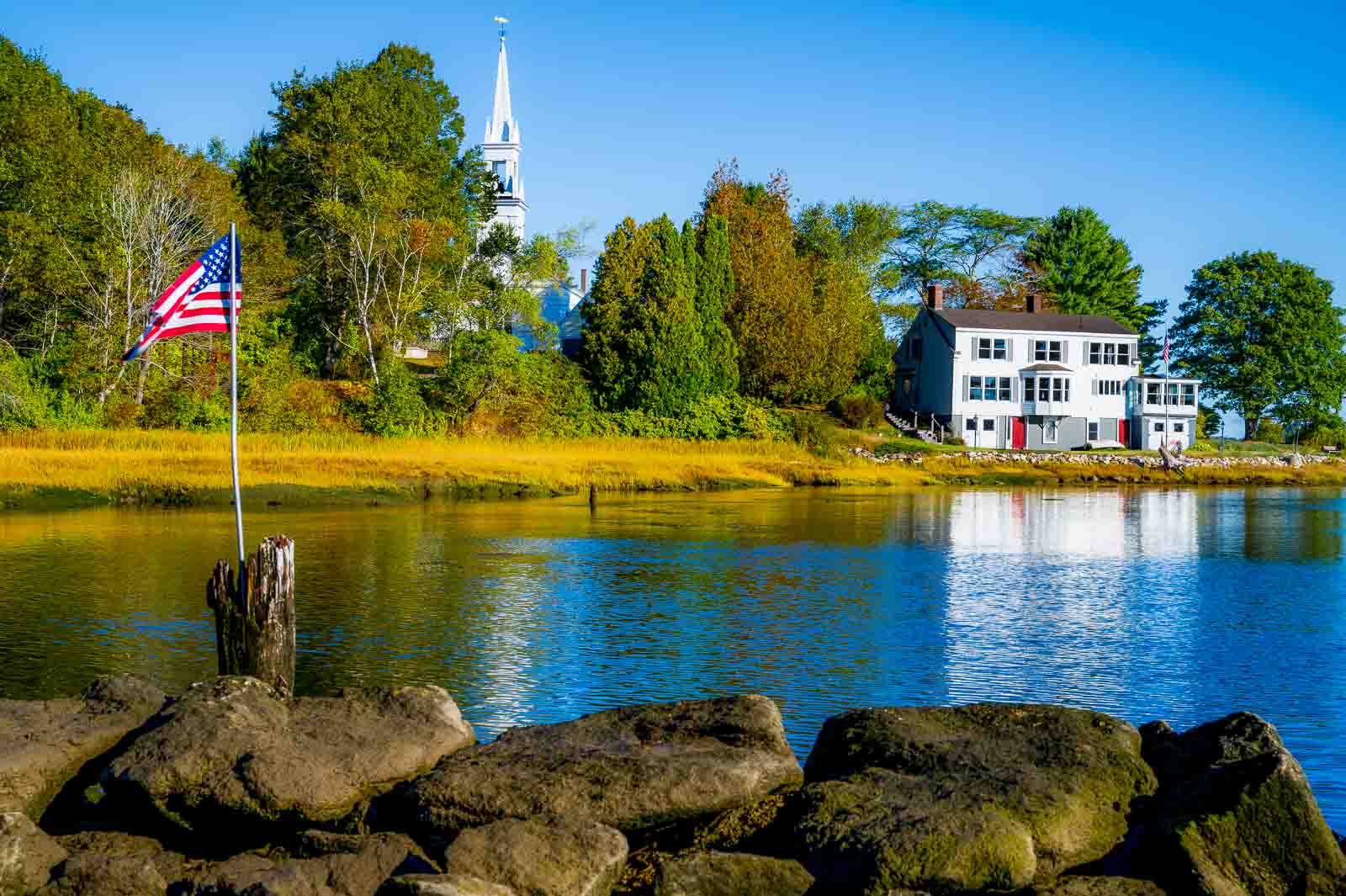
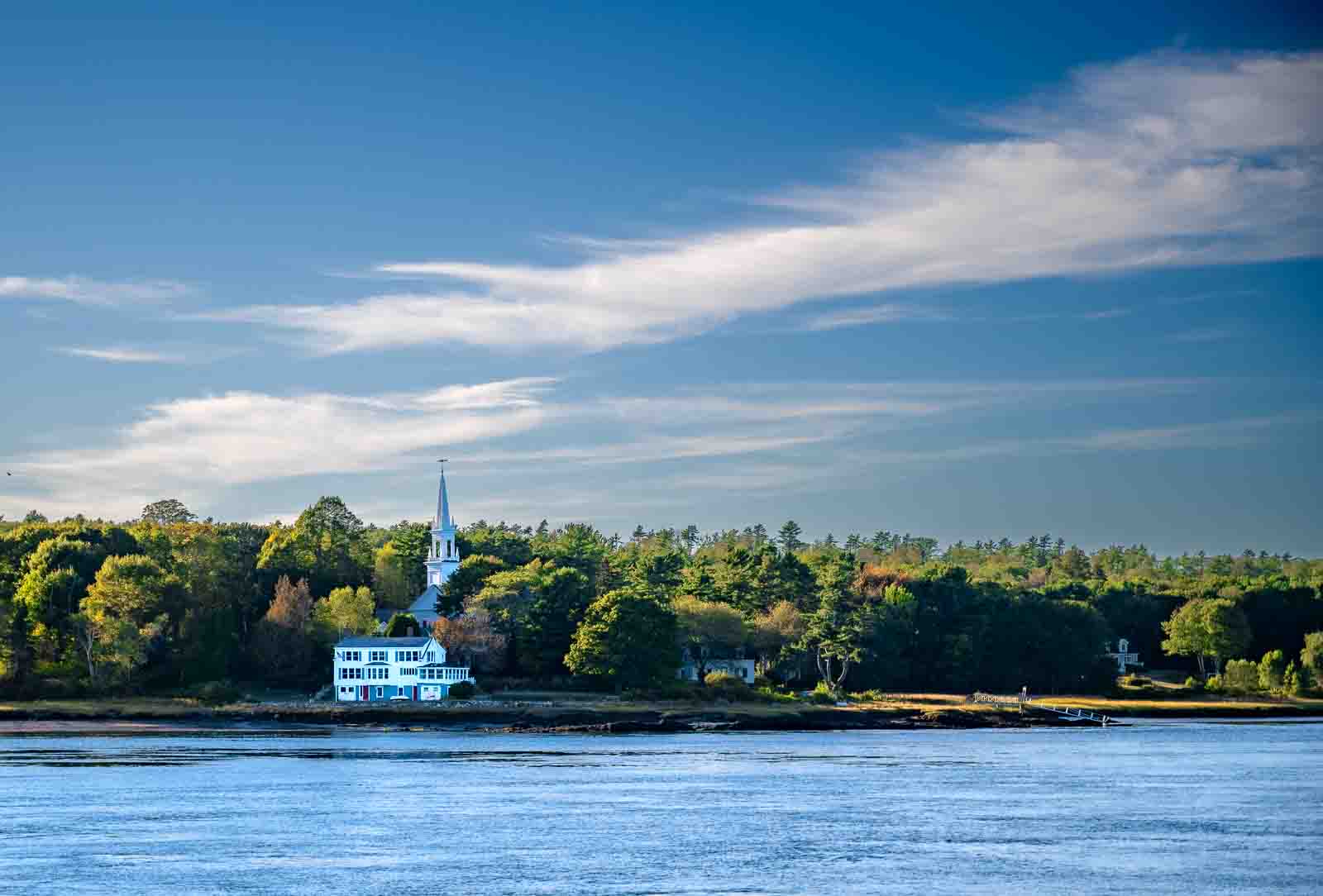
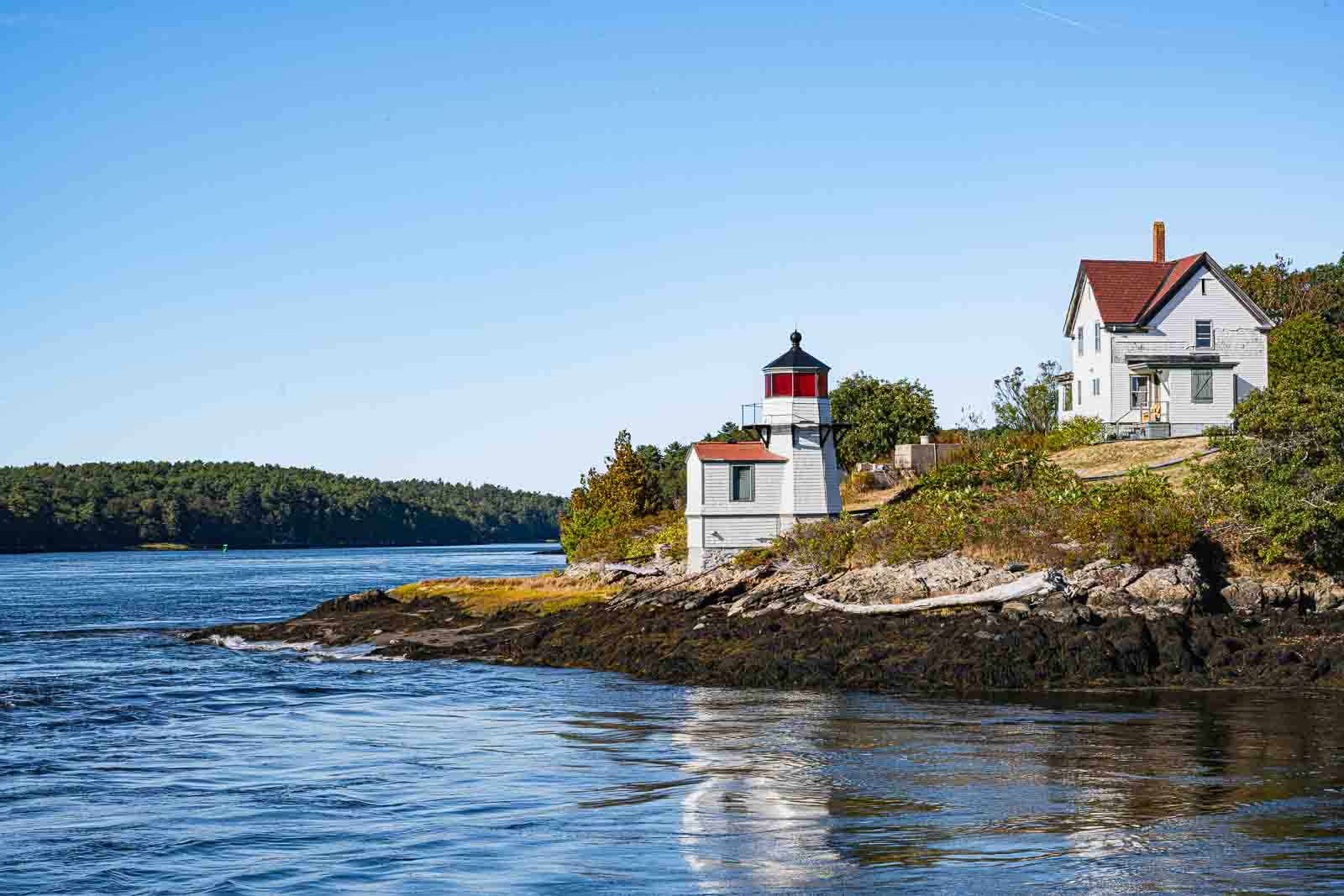
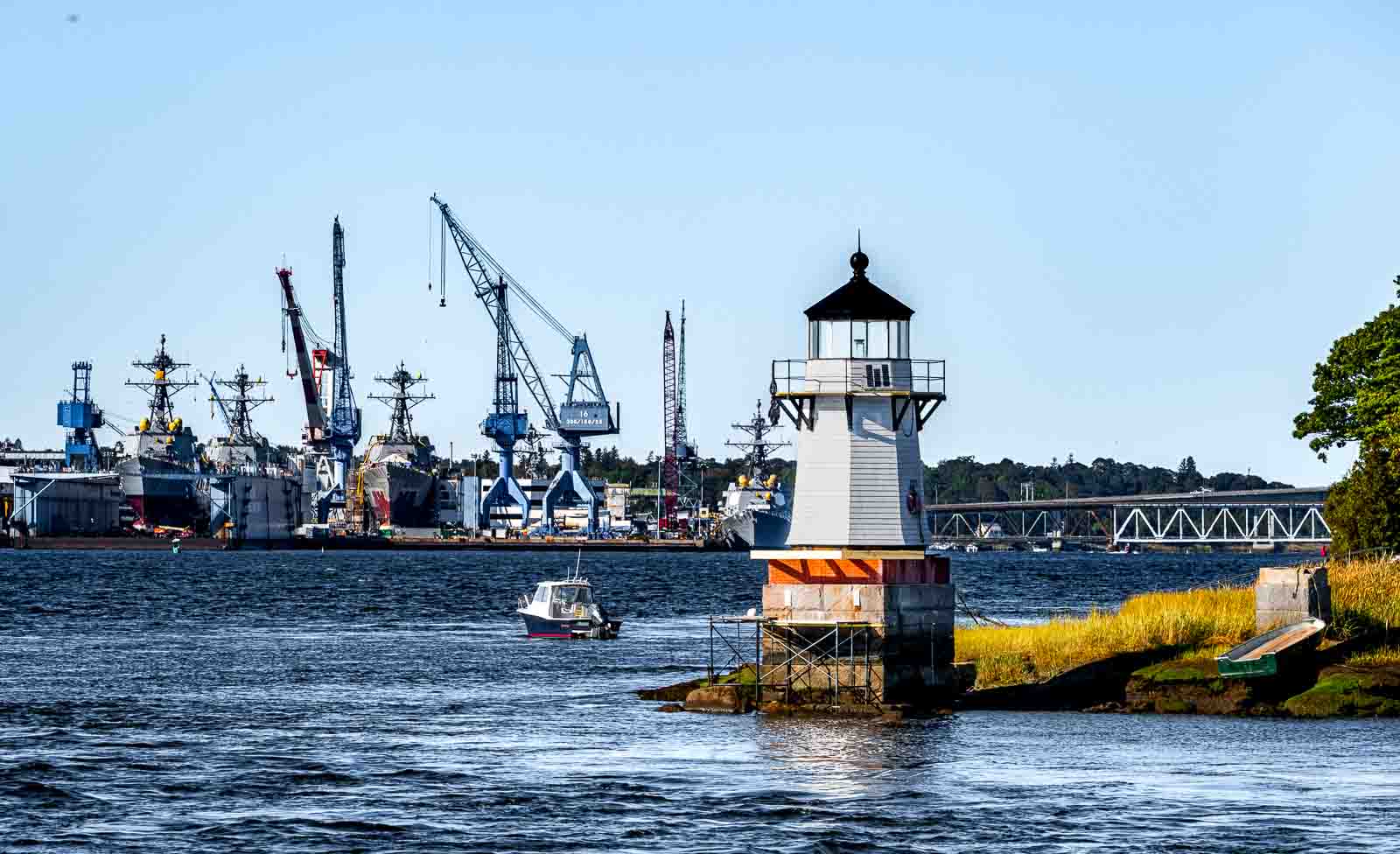
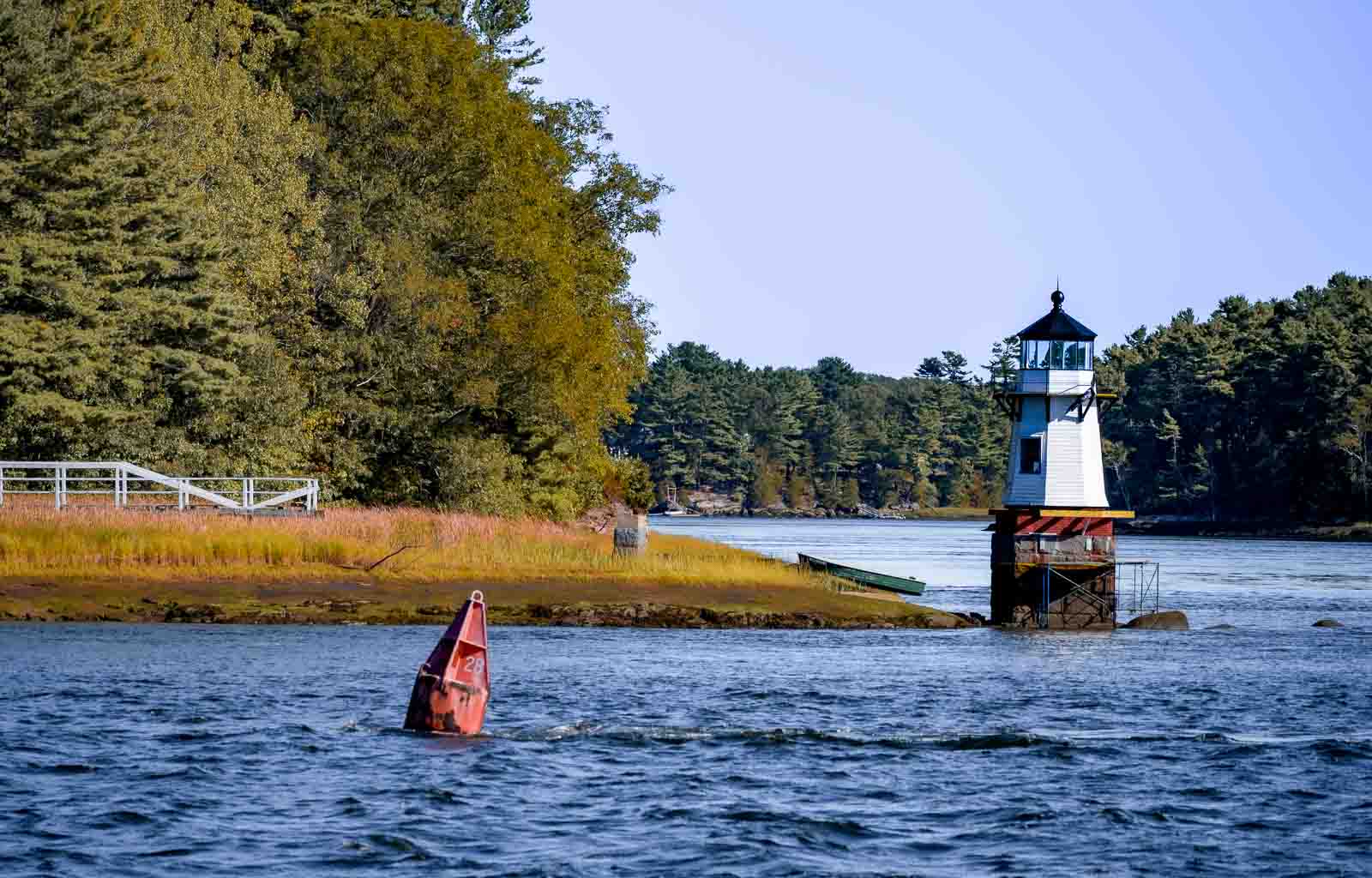
Lighthouses are commonly a source of delight for the tourist and a magnet for photographers, and this is especially so in Maine, where lighthouses abound. Maine’s lighthouses are a subject of great pride, to judge from the detailed and animated accounts provided by the local guide who accompanied us on our cruise. Passing the Doubling Point Lighthouse with the Bath shipyards in the background I began thinking about how something so utilitarian can become, over time, a distinctive icon and, given its inherent beauty and setting, a symbol of so much more. Painters, poets and playwrights have shown over time that lighthouses are as evocative as they are useful; the stuff that legends are made of.
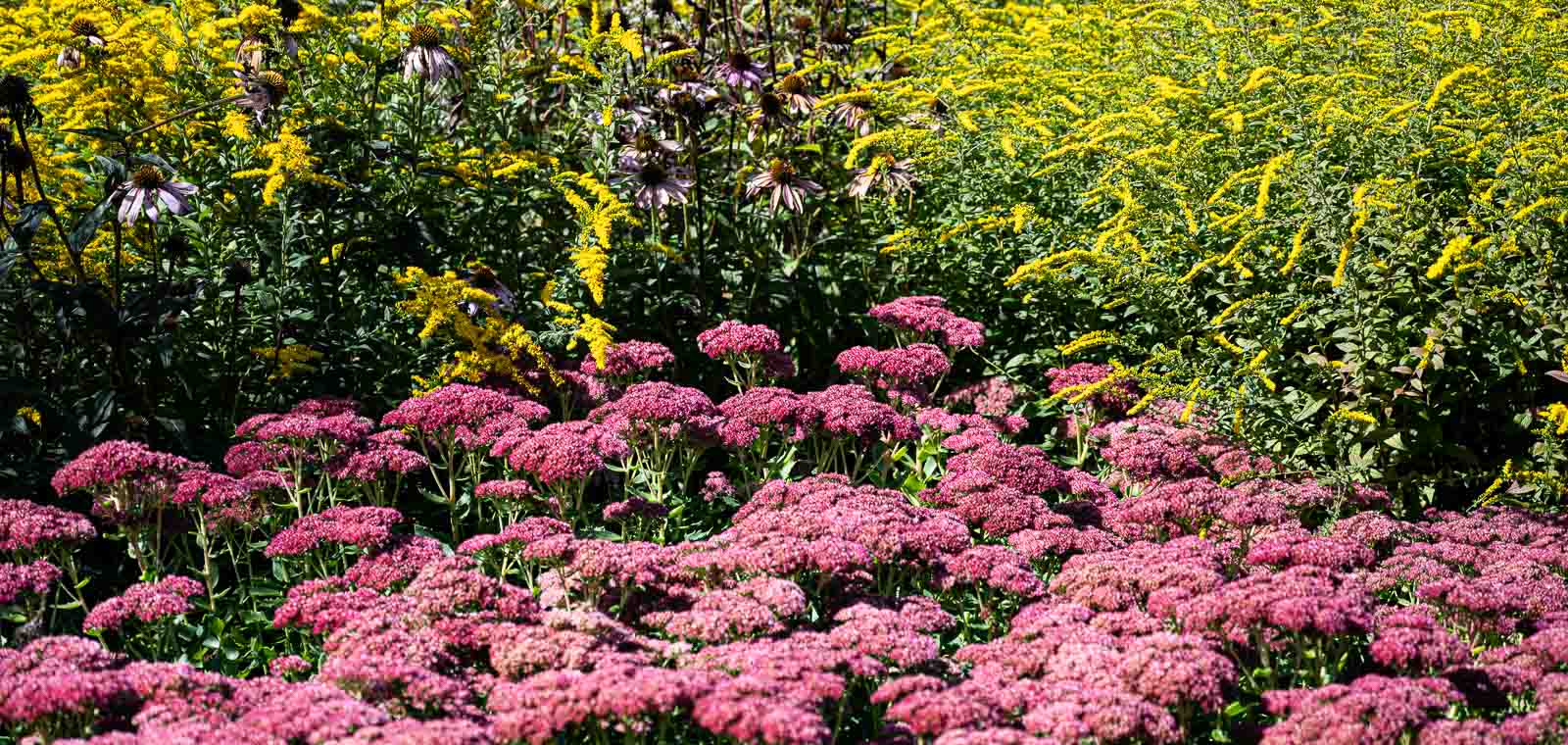
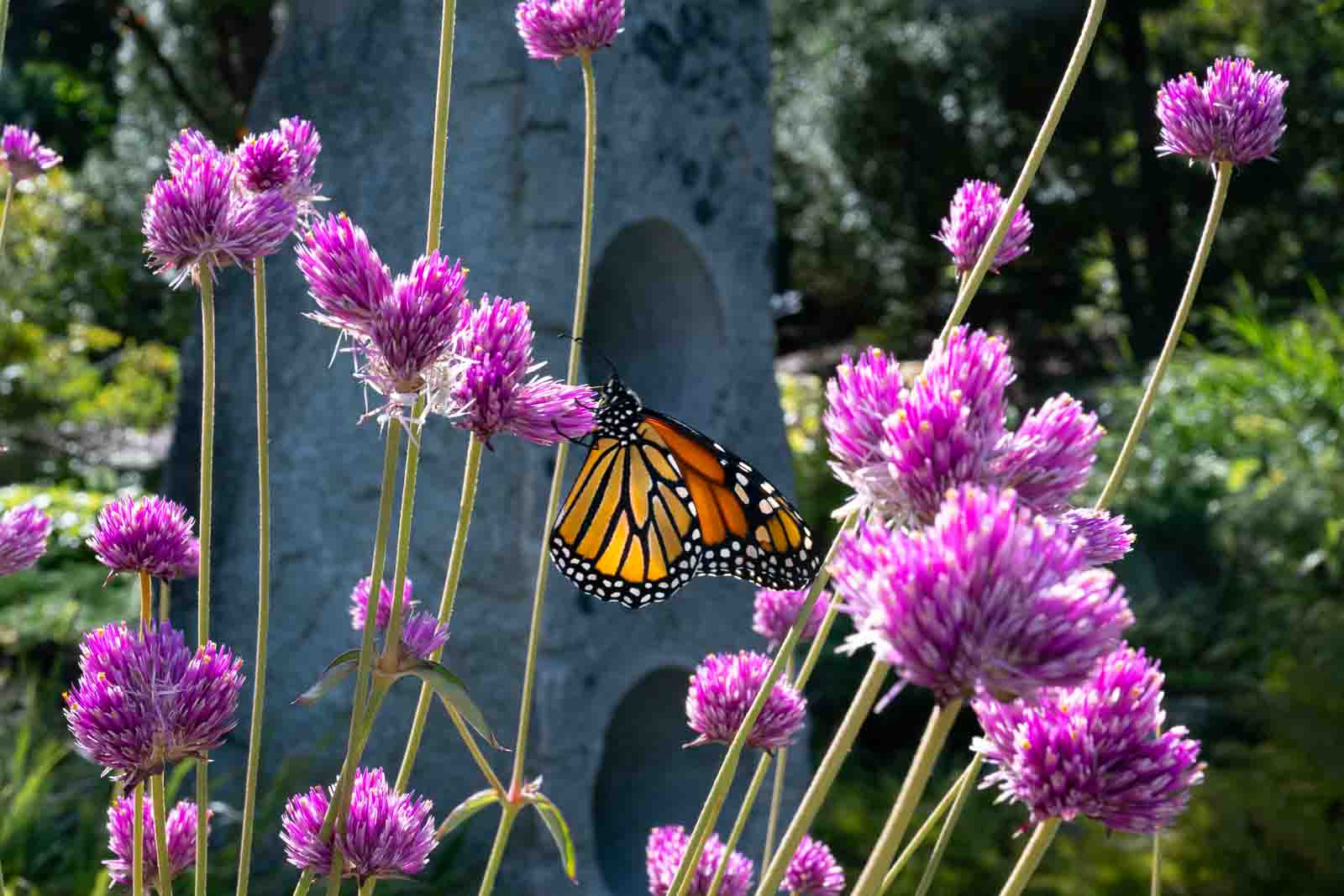
Homes, churches, towns and lighthouses are, of course, signs of human intervention in the local ecology, something that is represented singularly by the Coastal Maine Botanical Gardens in Boothbay Harbor. This site offers remarkable proof moreover of how entrepreneurism and conservationism can support one another. The gardens, whose microclimate approximates exceptionally that of southern New England, began in the early 1990s as the private initiative of a small group of local residents with limited resources but big dreams. Owing to their initiative and energetic fundraising, the gardens have expanded greatly and continue to grow. They thrive thanks to private donations, a fact that has shielded this site from the recent downturn in federal funding for similar projects.
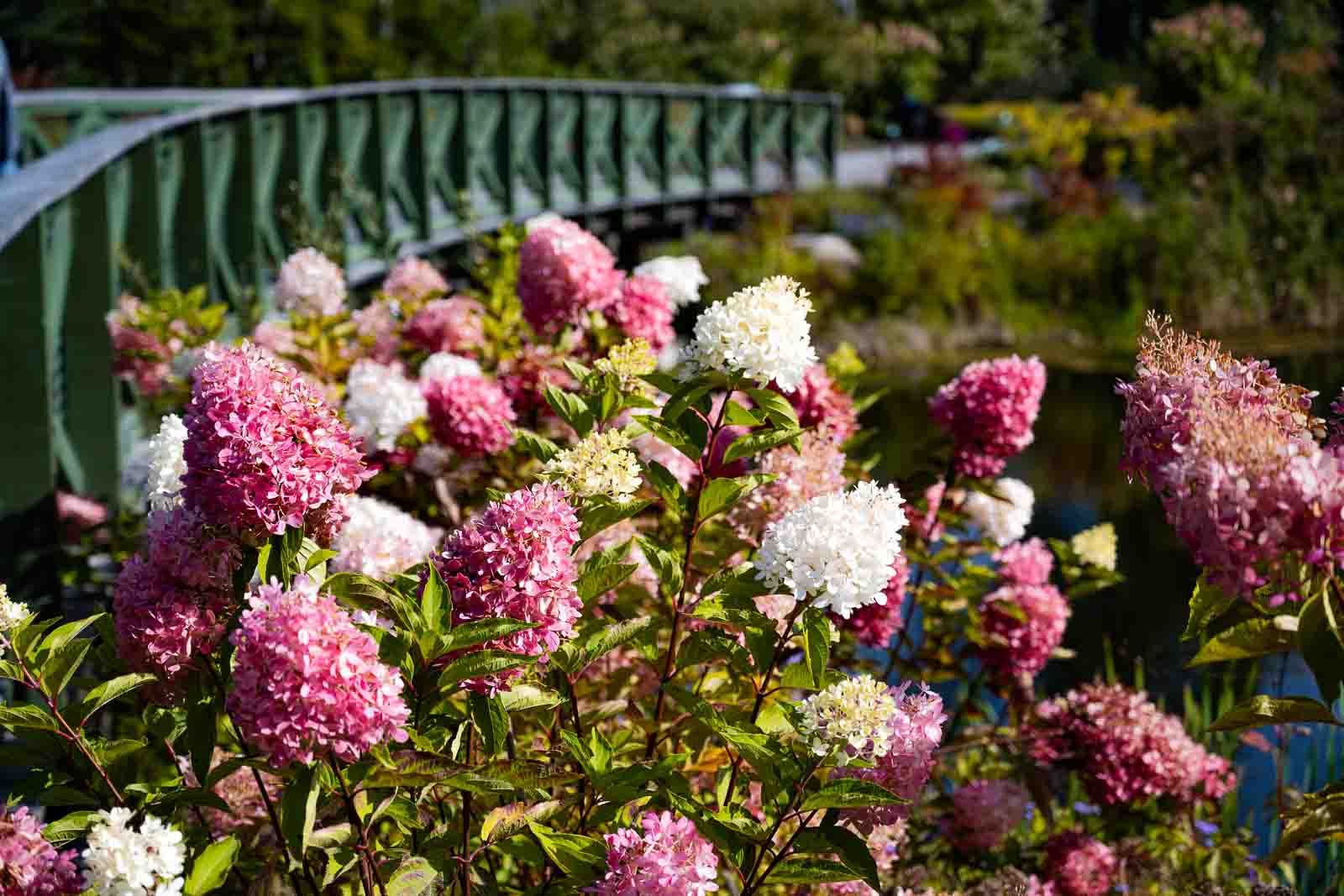
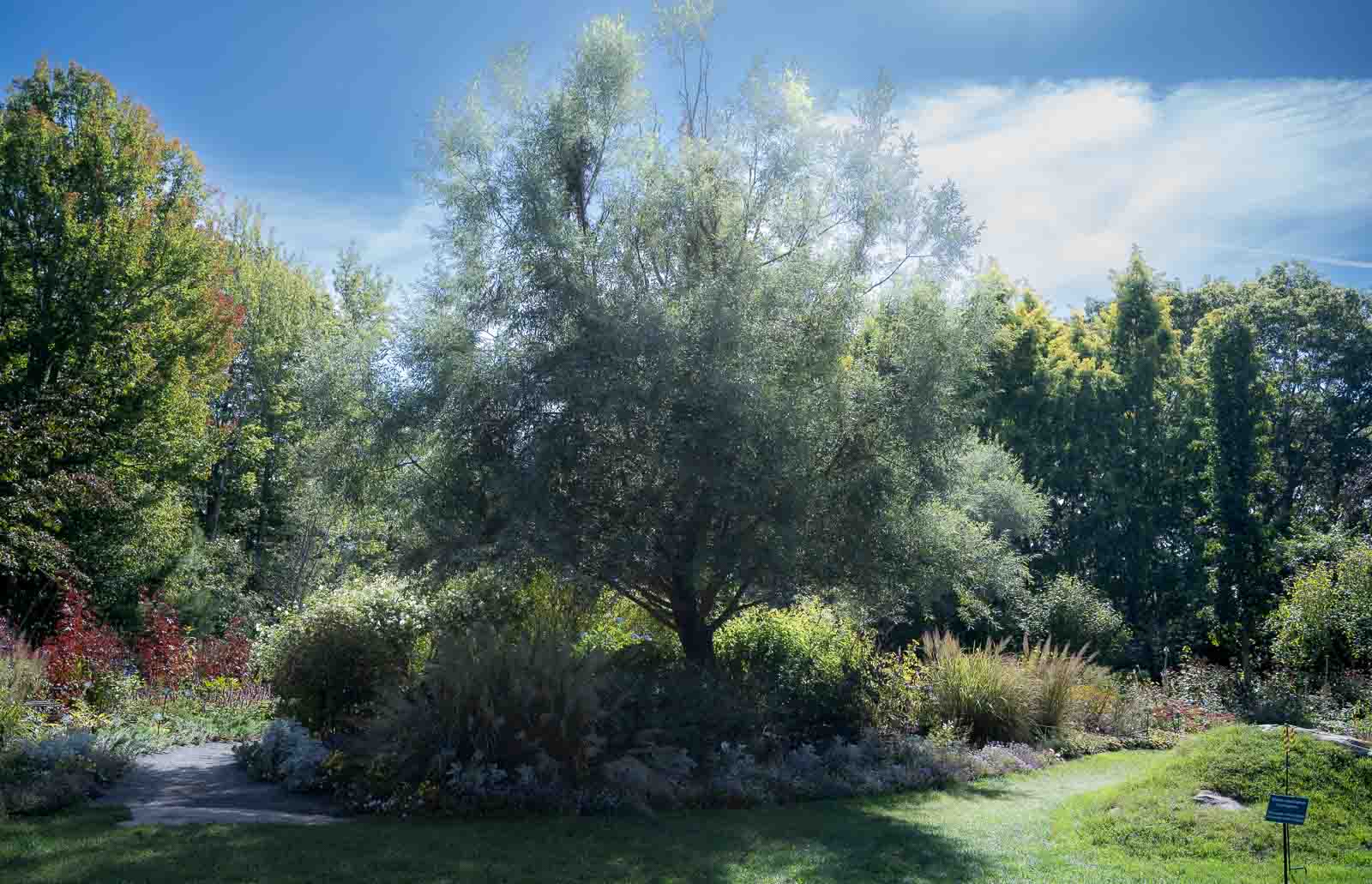
In each of these experiences we encountered locals who express an endearing pride for their bounty: for their lobster shacks and lighthouses, for their Botanical Gardens and museums, and for the natural beauty of their environment. We were struck by the apparent unpretentiousness of a seemingly rugged people, unassuming in their struggles to adapt to the challenges of a rough climate and global warming. The PBS documentary Sea Change documents how Mainers whose livelihood depends on the sea have adjusted to the invasion of green crabs, for instance, and to the reduction certain local species and the loss of marine vegetation. No where have we witnessed so many people attuned in their daily lives to the hours of the tides. We sensed, generally speaking, that the relationship between Mainers and their environment is organic.
These are, of course, the superficial impressions derived from a short visit to a small corner of the state. There is a massive hinterland in Maine, one that we have yet to explore. Yet we had no need to wander far afield from our lodging in Phippsburg to appreciate how shore and hinterland interact where they meet. The wealth of local hiking options available on our peninsula allowed us to witness the interface of beach and forest, blue and green, mountain, river, marshland, pond, lake and ocean and all that all this implies in terms of the flora and fauna that thrive on this diversity. Wandering in and out of these habitats I was struck, again, by the sense of an all-embracing collage, once that seems, well, if not unique, certainly impressive.
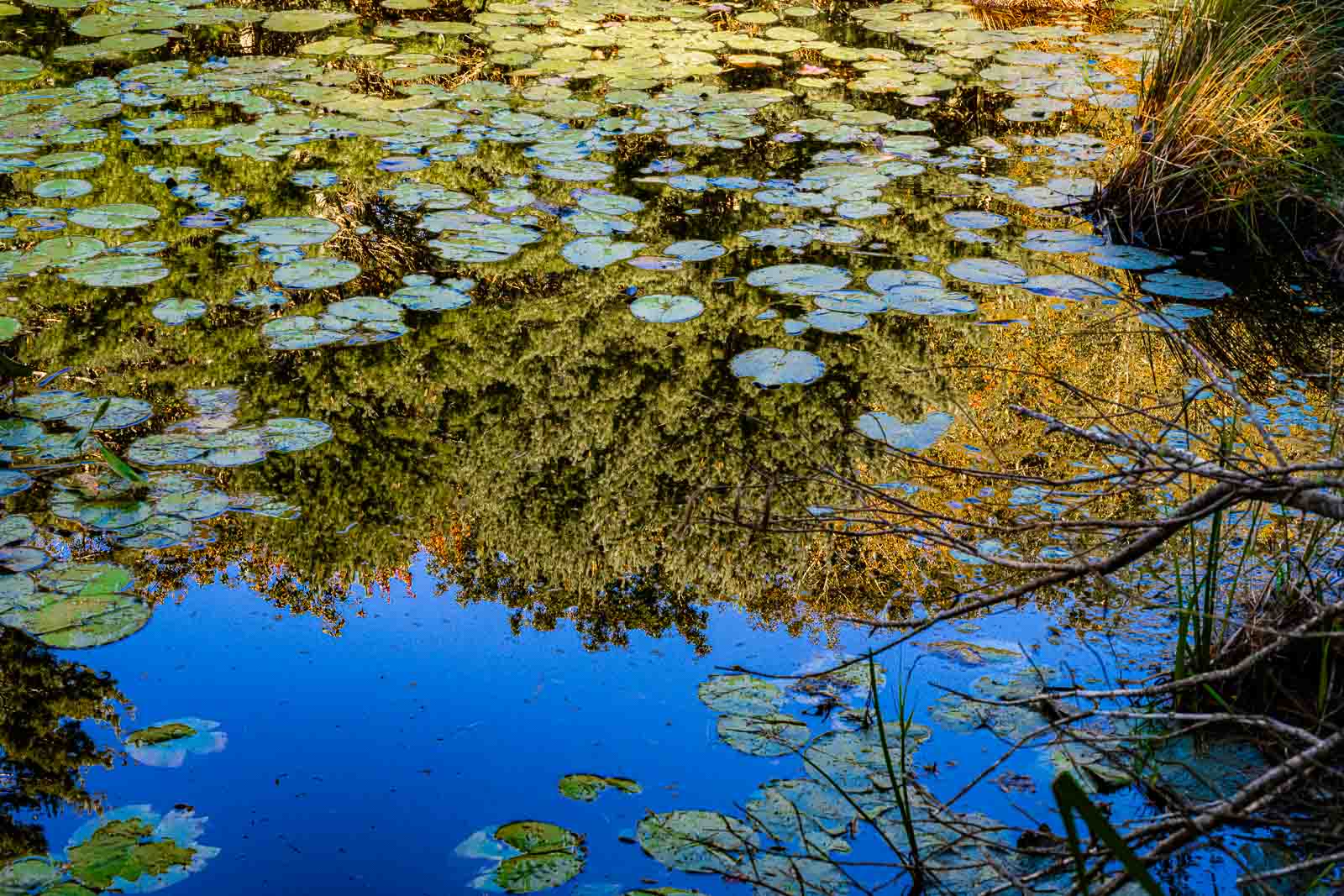
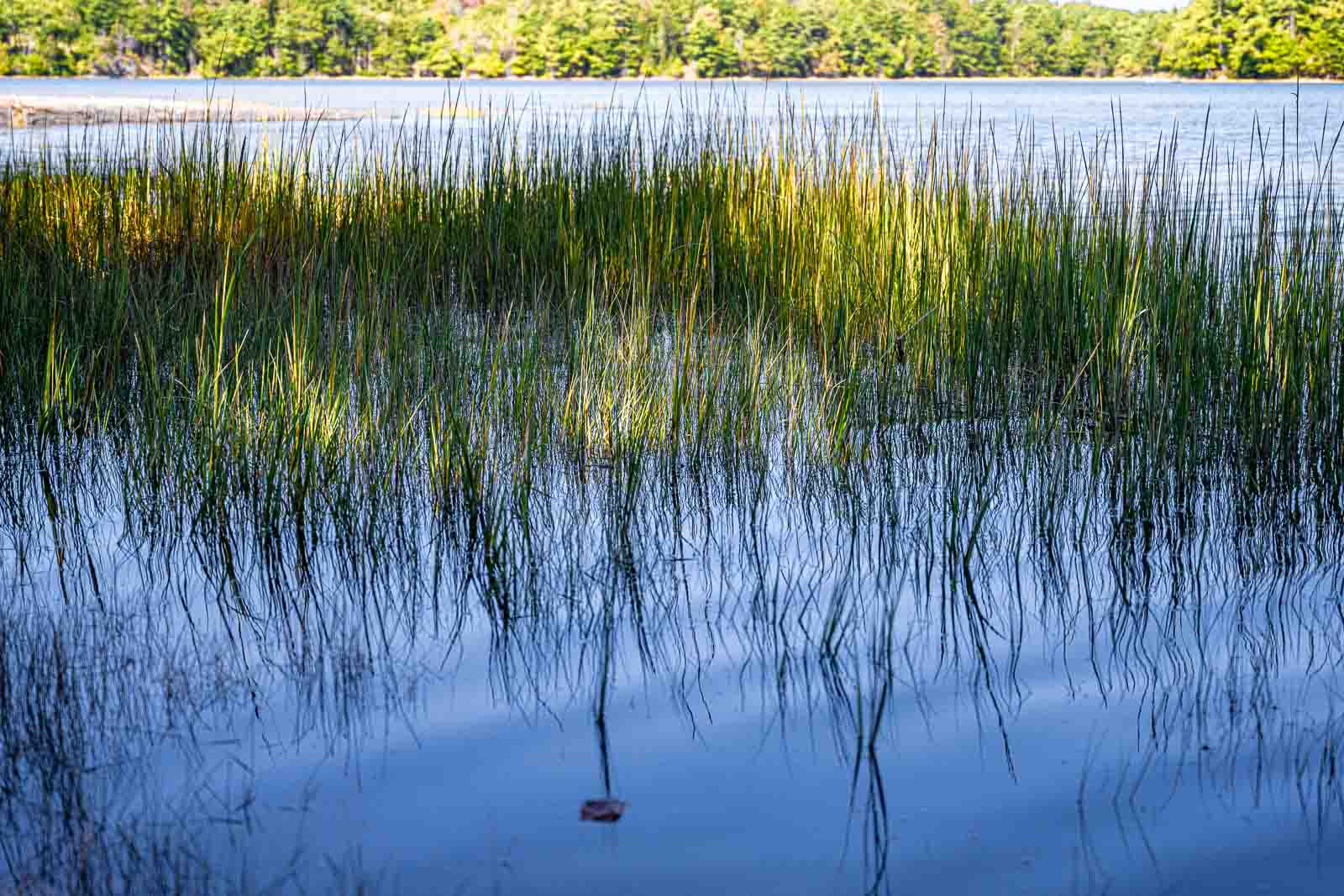
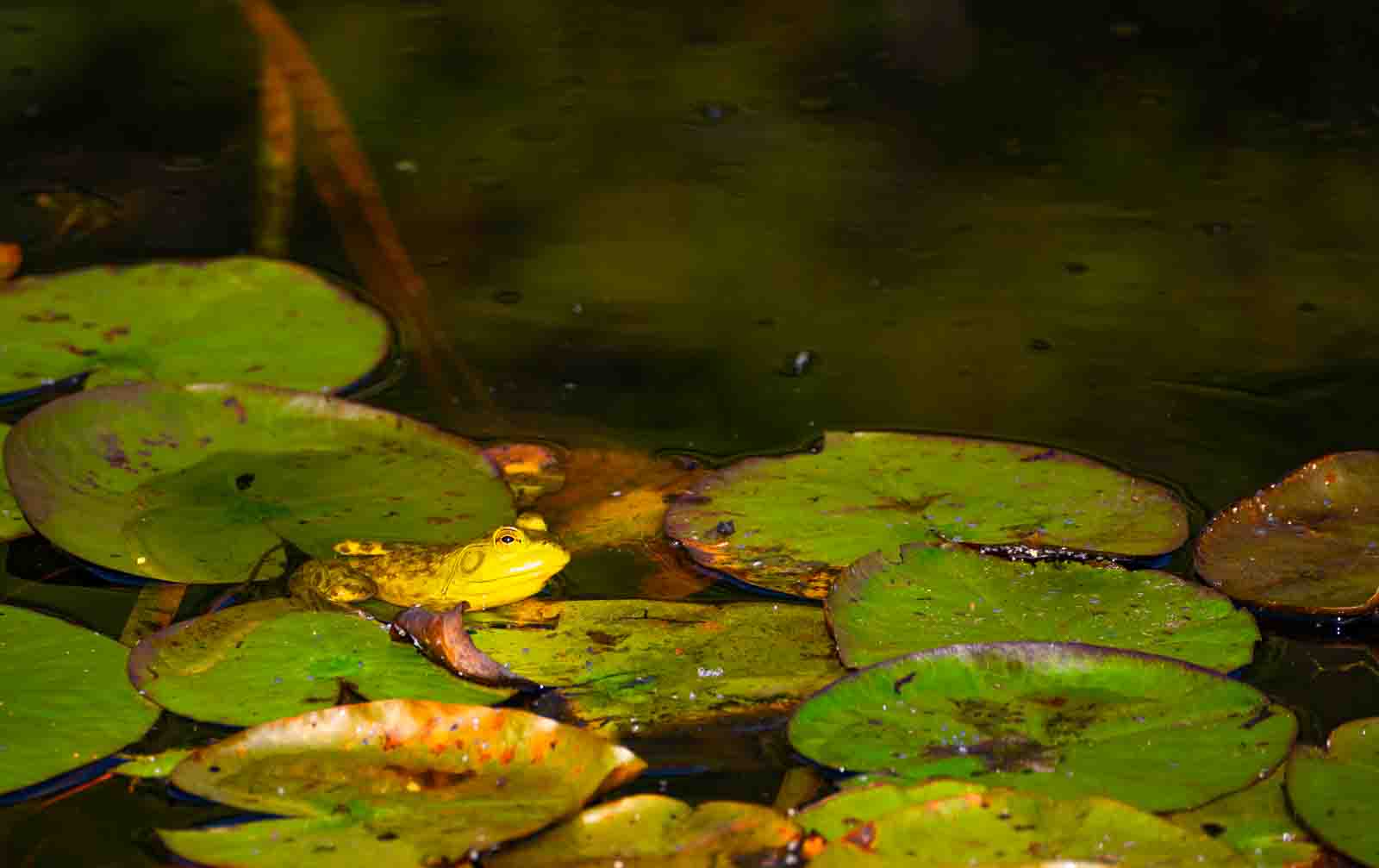
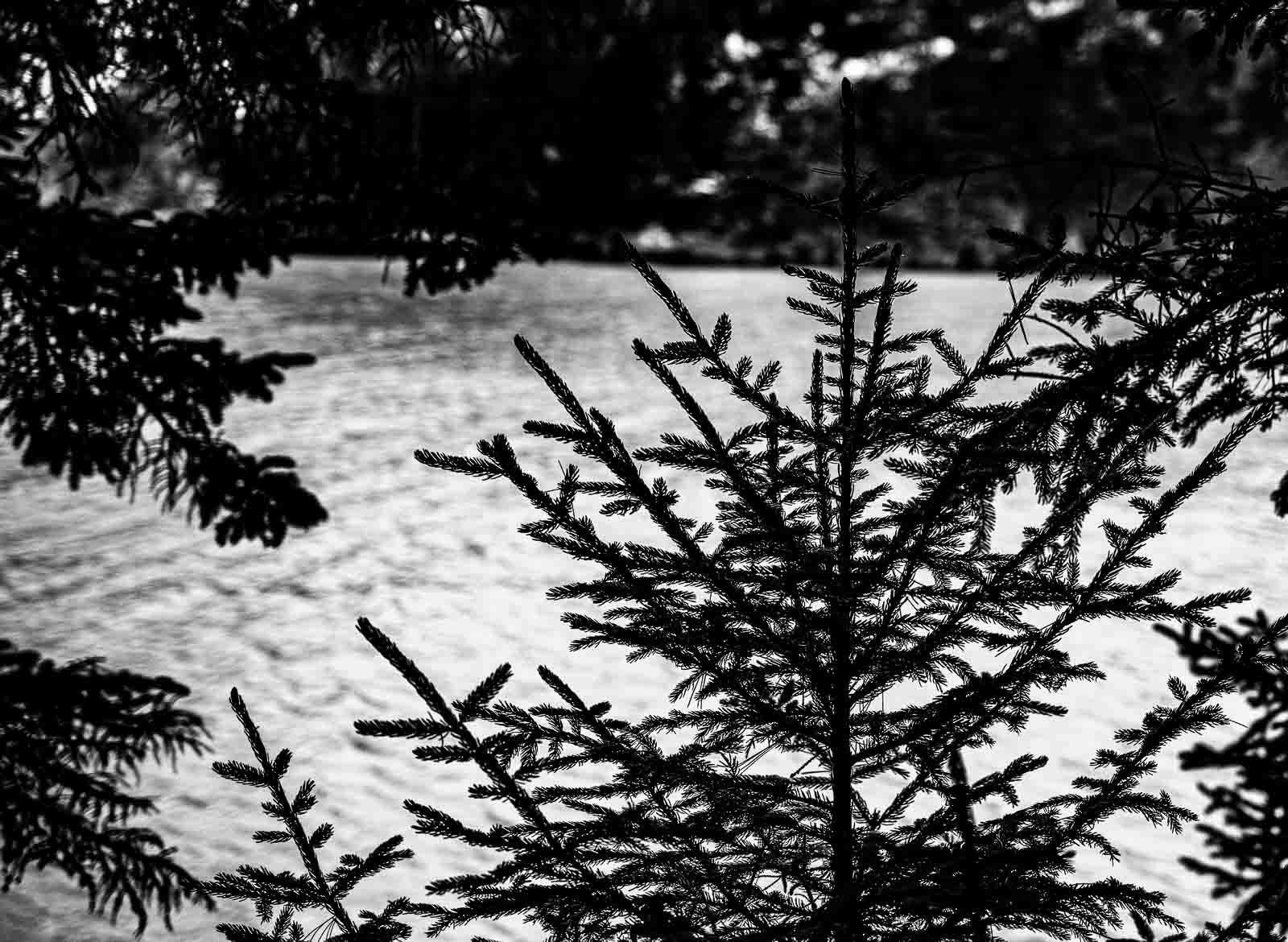
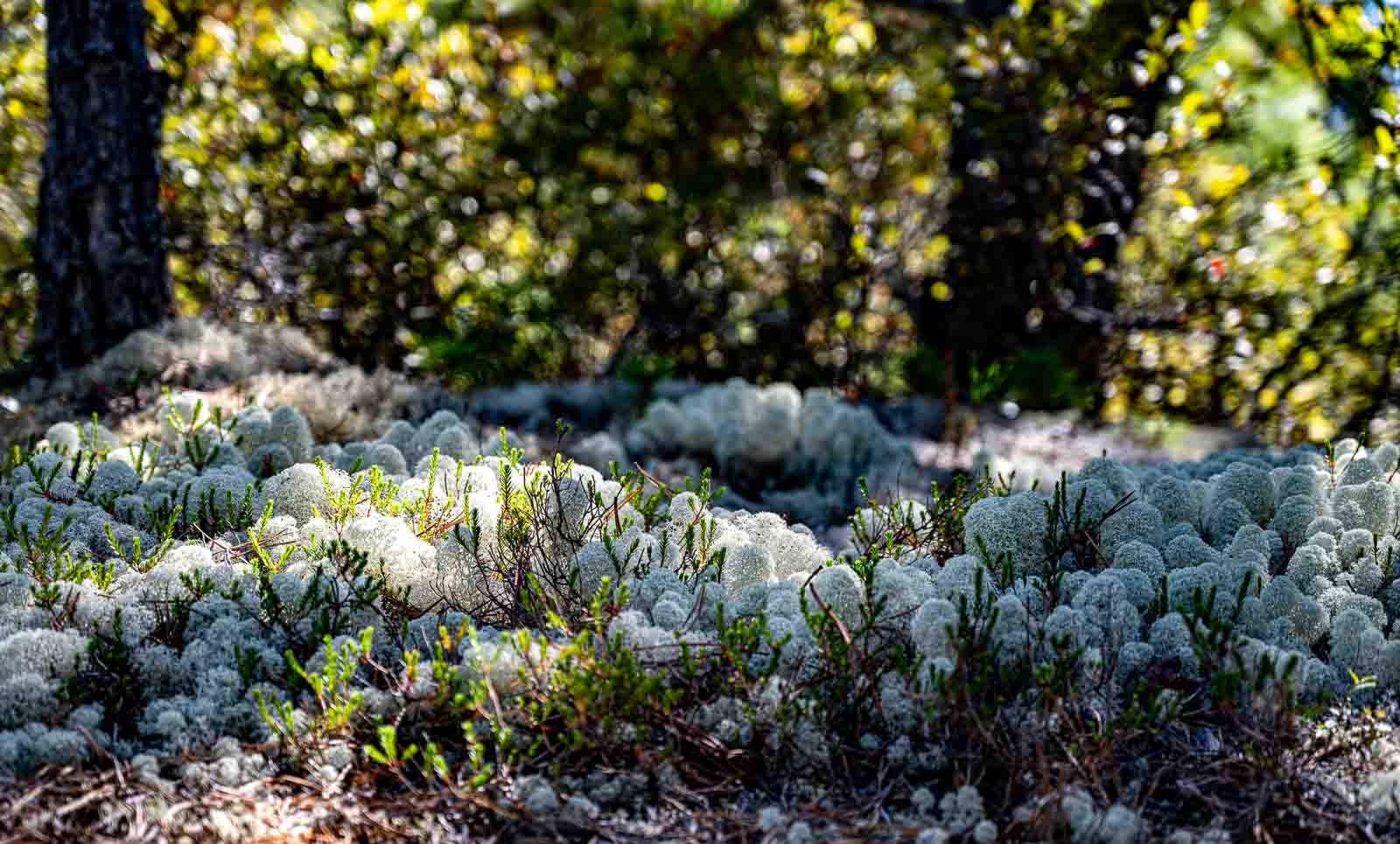
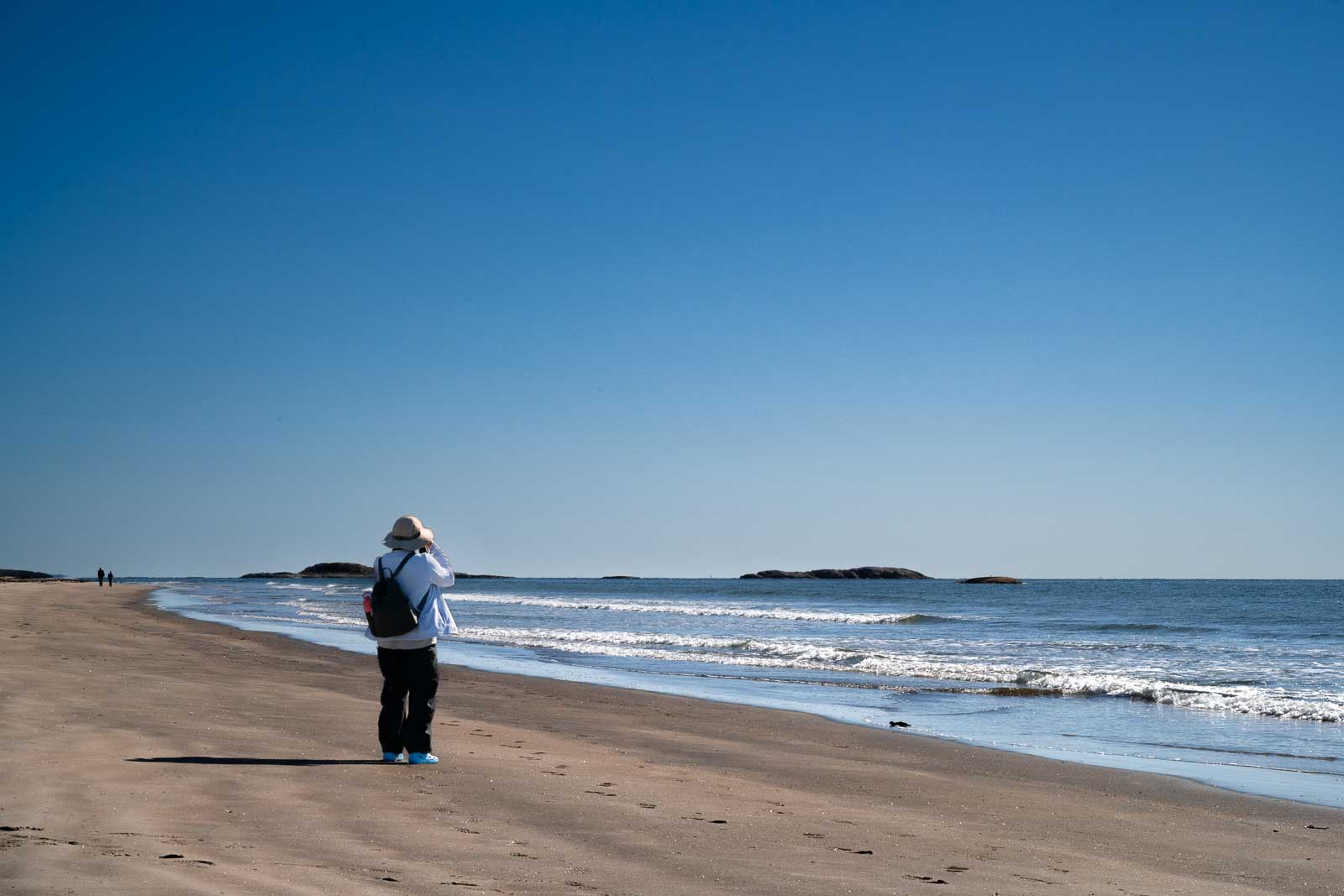
Recommendations offered by friends regarding things to see and read before our trip were indeed a blessing. We watched A Sea Change: The Gulf of Maine and Rachel Carson (The American Experience), both on PBS, and we read Carson’s The Edge of the Sea, the third installment of her early, ground-breaking trilogy. Among Carson’s many virtues (not the least of which is her elegant, lucid prose!), her power of observation reigns supreme. Carson offers a powerful lesson concerning how to look, watch and see. In The Edge of the Sea she studies a liminal world that is intrinsically mercurial, defined as it is by the ebb and flow of the tides and the corresponding phases of the moon, a world that holds within golden secrets concerning life on earth. These secrets concern the laws of interdependence that govern a dynamic ecosystem, one that, lest we forget, we too inhabit, a system upon which we rely and in which we are key actors. As I gazed out over the wondrous setting behind our lodging, the spectacle of the tide gradually filling the furrows the mud flats in the distance made me realize that it was not the rippled bluish surface of water that I had been viewing but rather the brackish surface of the earth. Even the rippled patches of greenery dispersed throughout seemed to mimic, in places, the textured surface of the water, playing tricks on my imagination. The illusory effect of it all was crowned by the reflection of the sky and trees on the stream flowing in, a twisting, dynamic mirage that, albeit illusory, became my crutch for identifying empirical reality.
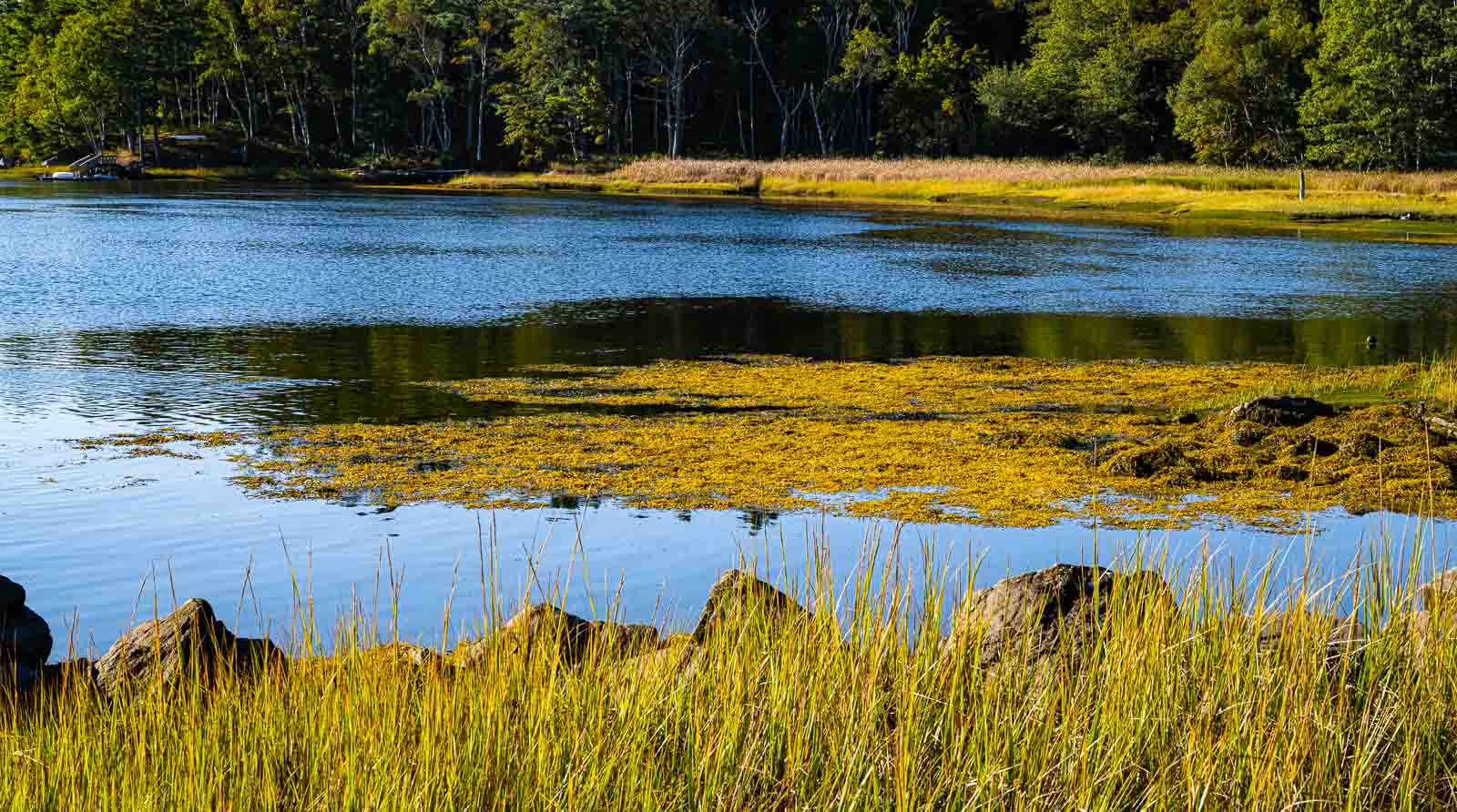
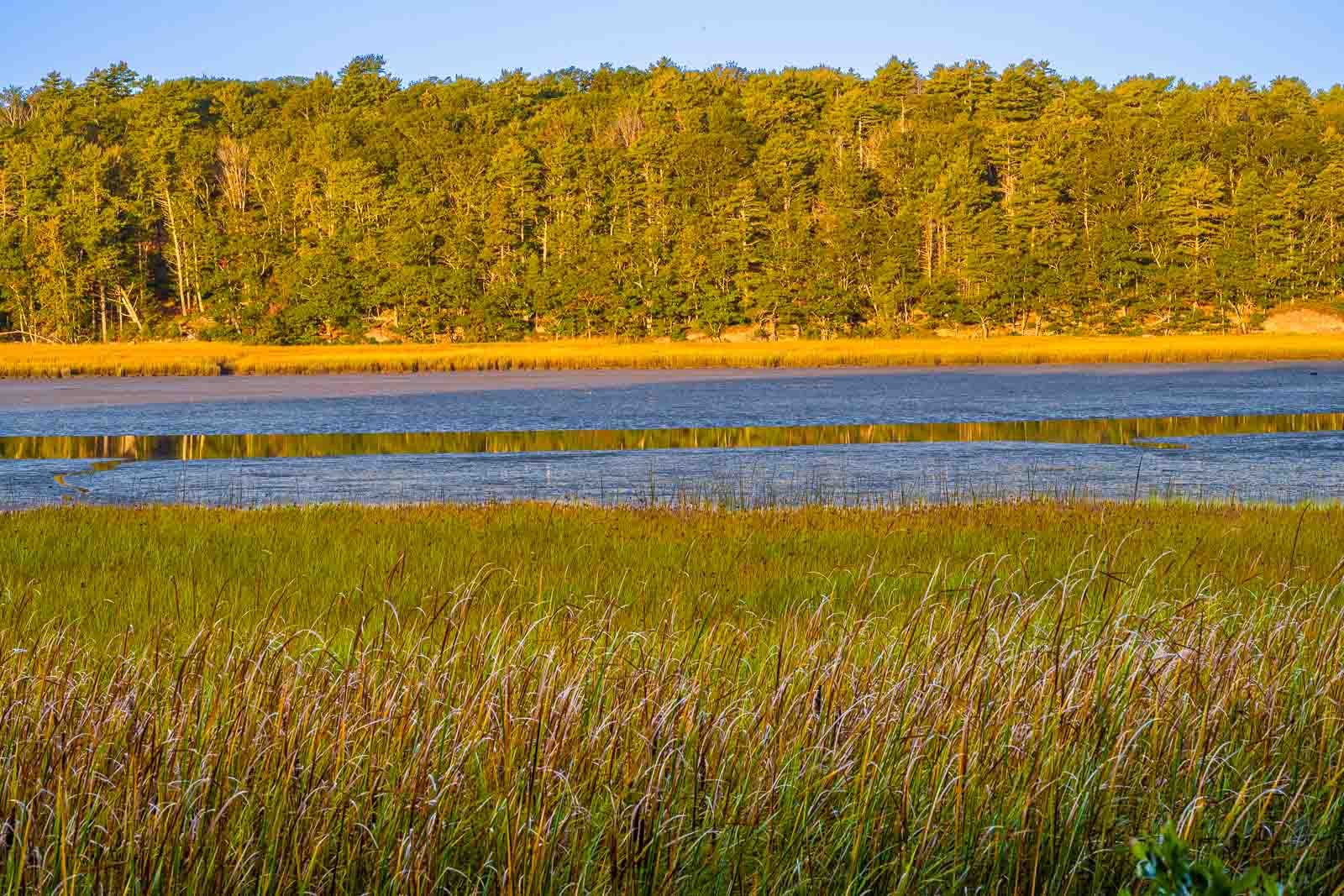
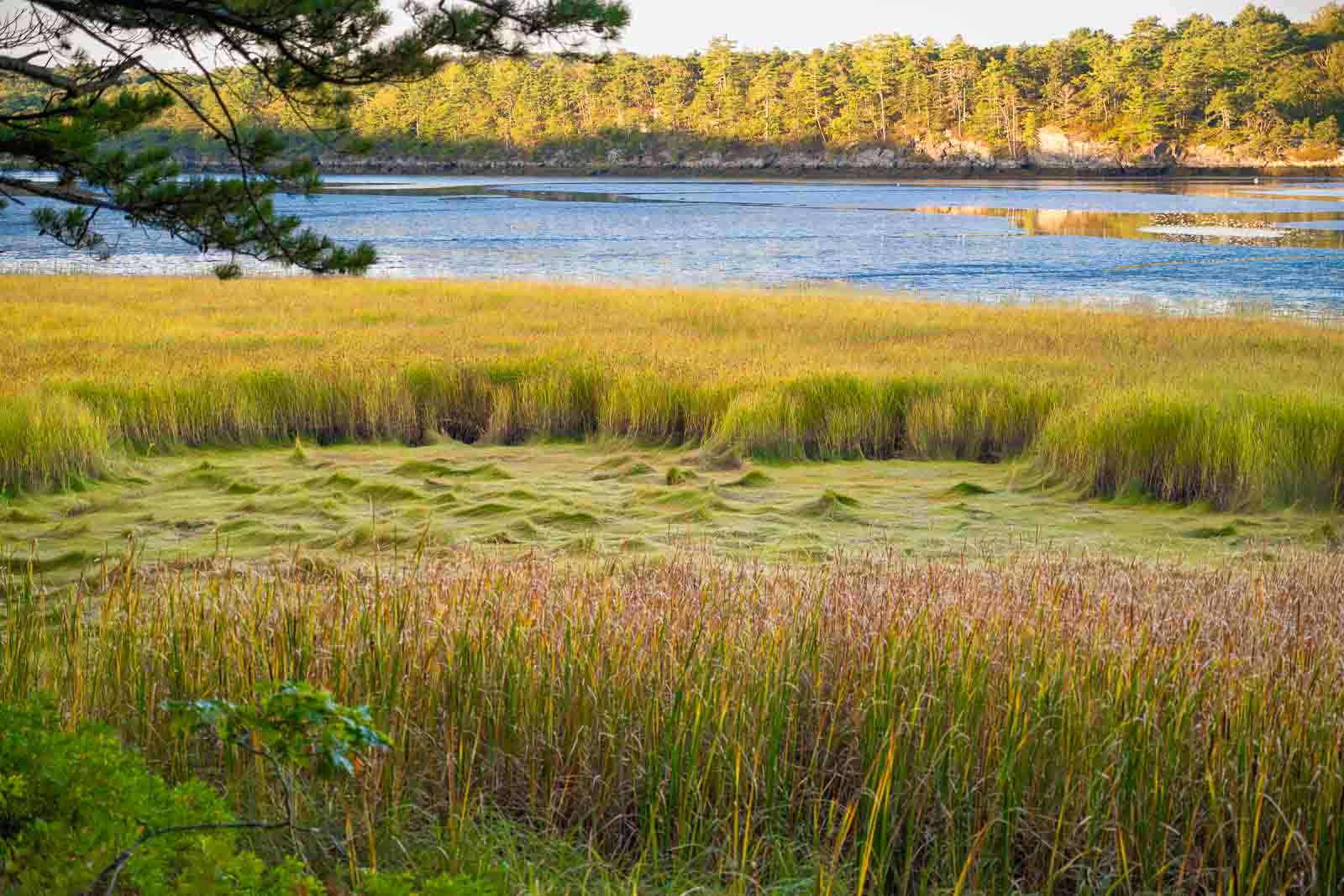
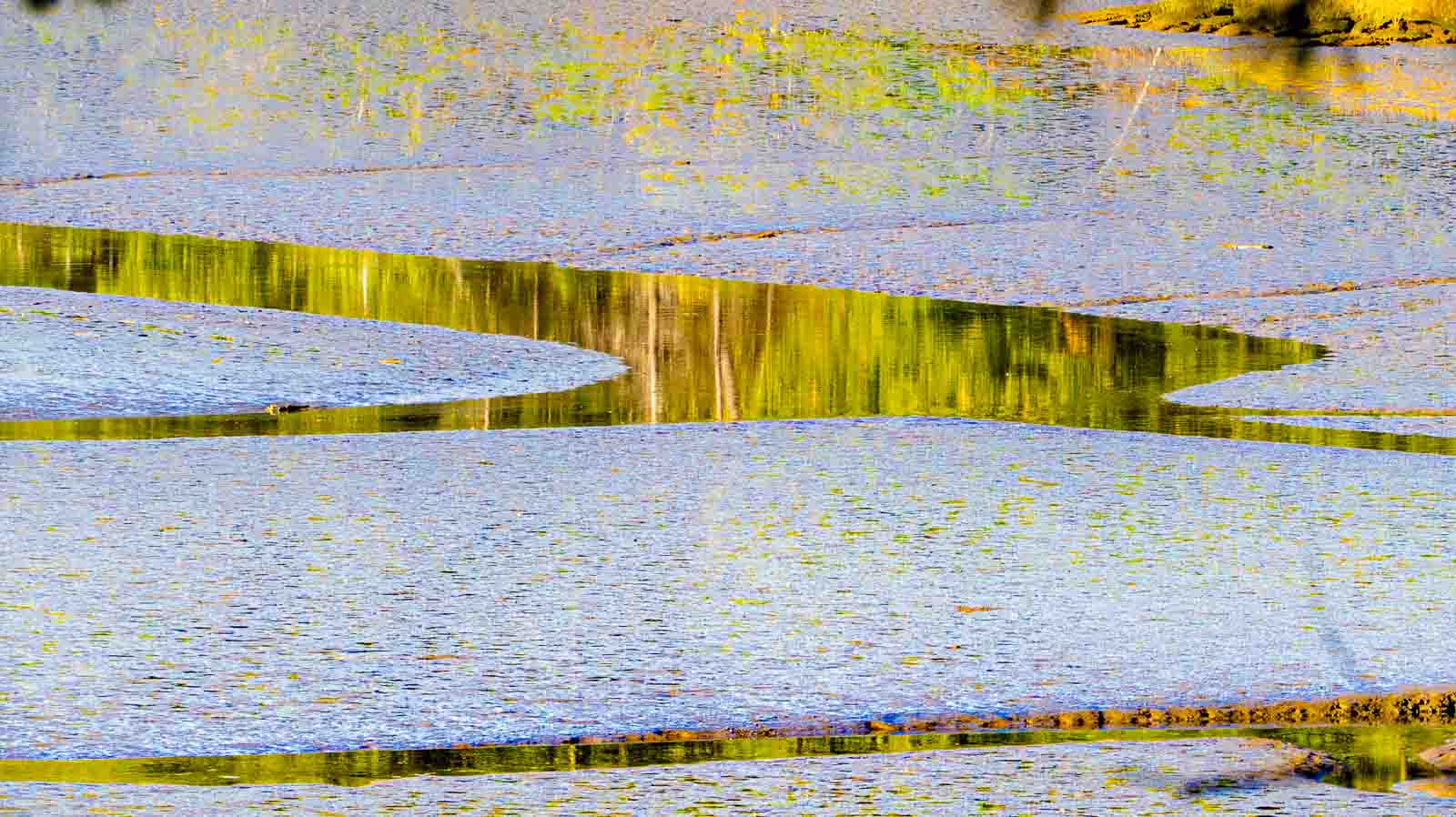
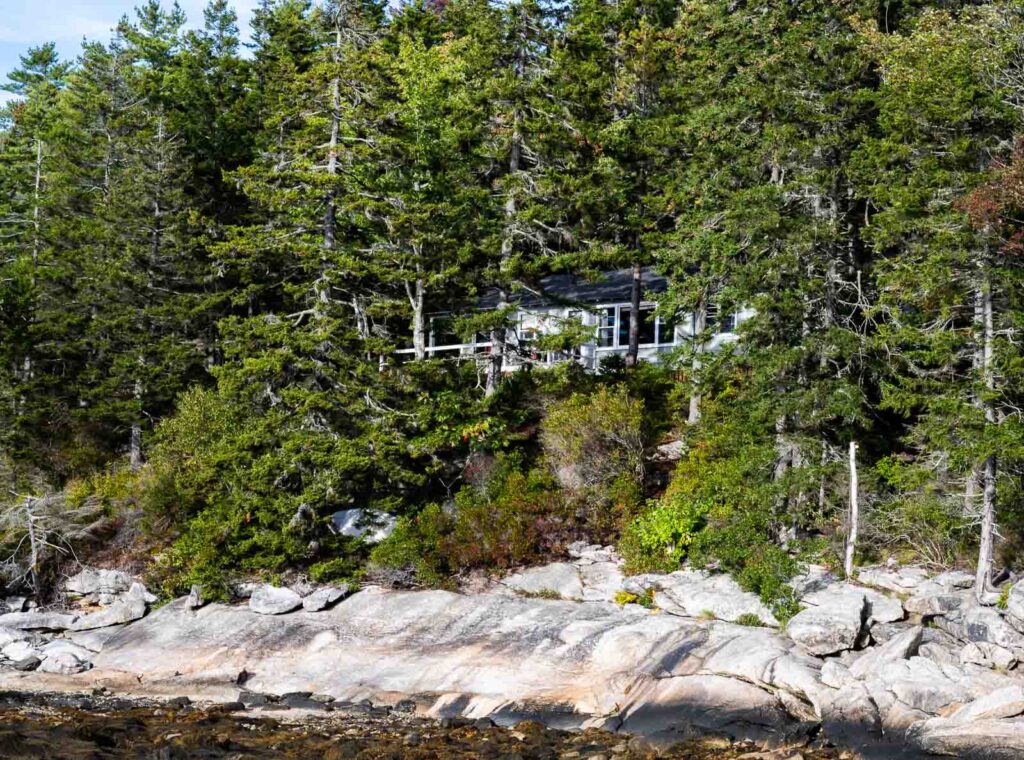
We were blessed during our stay in Maine by our friends’ invitation to spend an evening with them in the cabin along the shores where Rachel Carson wrote Silent Spring. We are profoundly grateful for the opportunity to walk through the tide pools that Carson loved, to gaze at the algae that she studied, to marvel at the sunsets that inspired her as she kneaded, pounded, and expanded the edges of her own horizons.
Walking in her footsteps gave me the sense that I was retracing the path of her prose, that I was reliving her sense of flux. Beyond my attempt to capture the beauty of that prose, I post here, along with my photos, some of the more moving passages penned by this luminary human being.
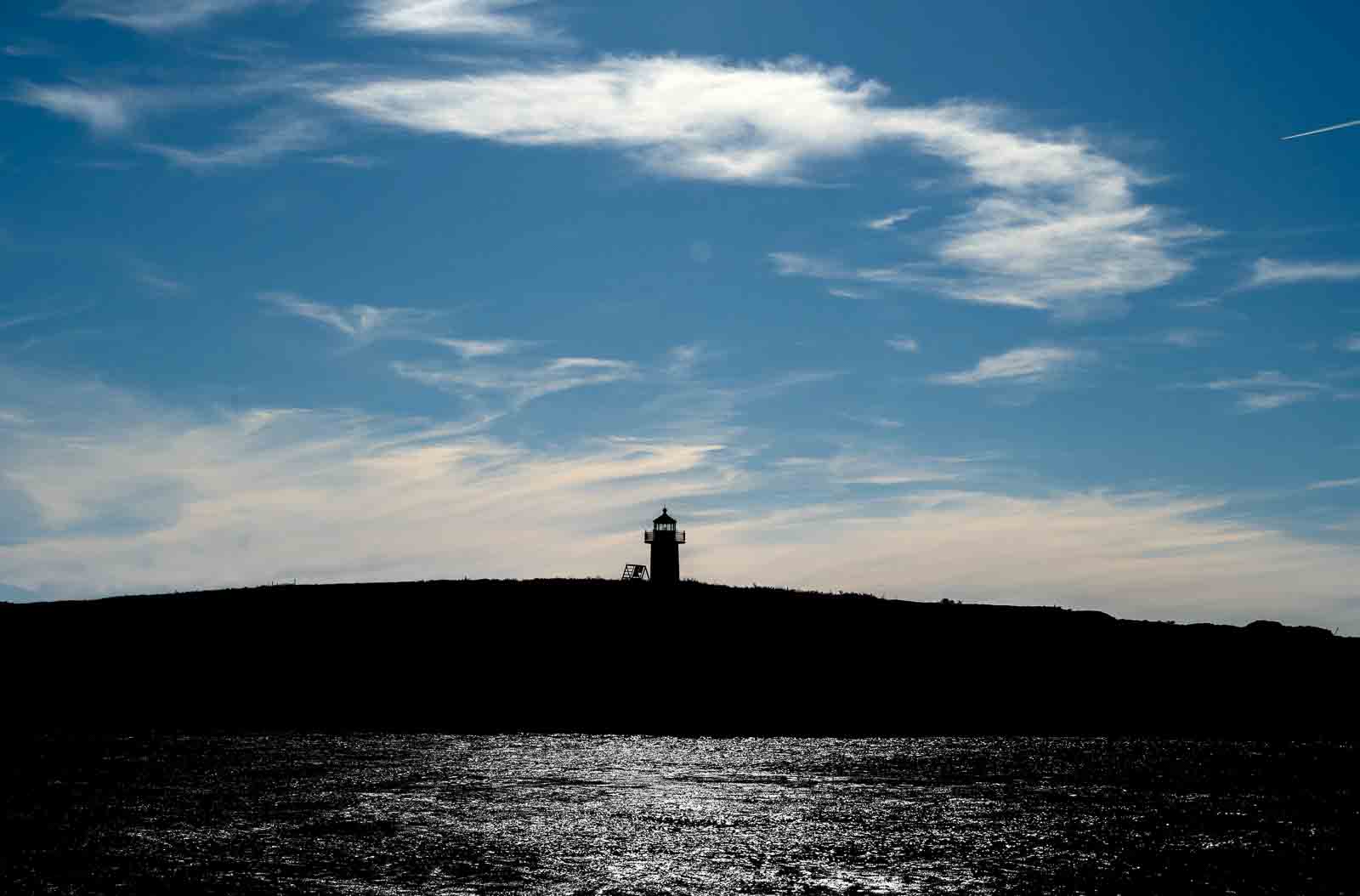
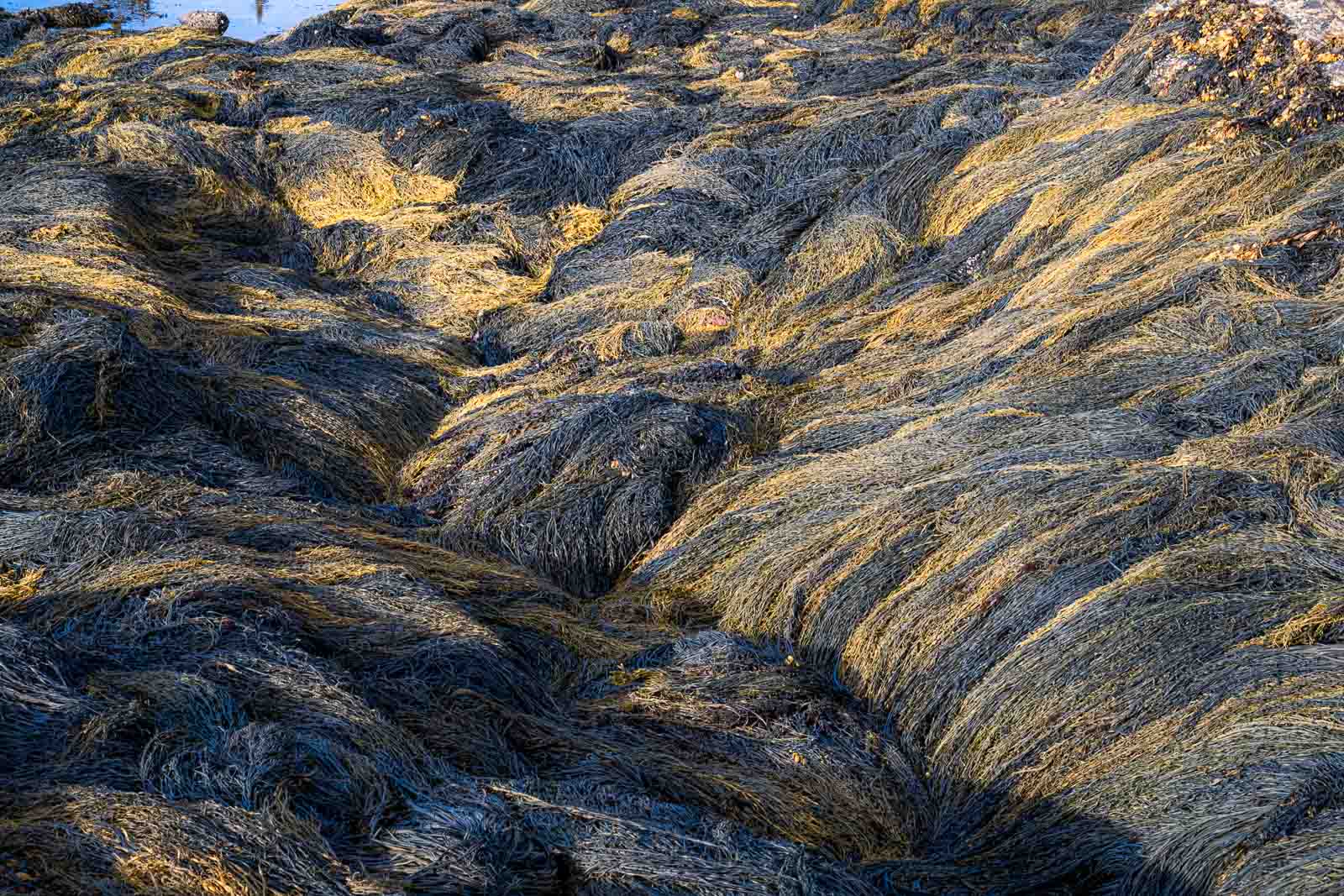
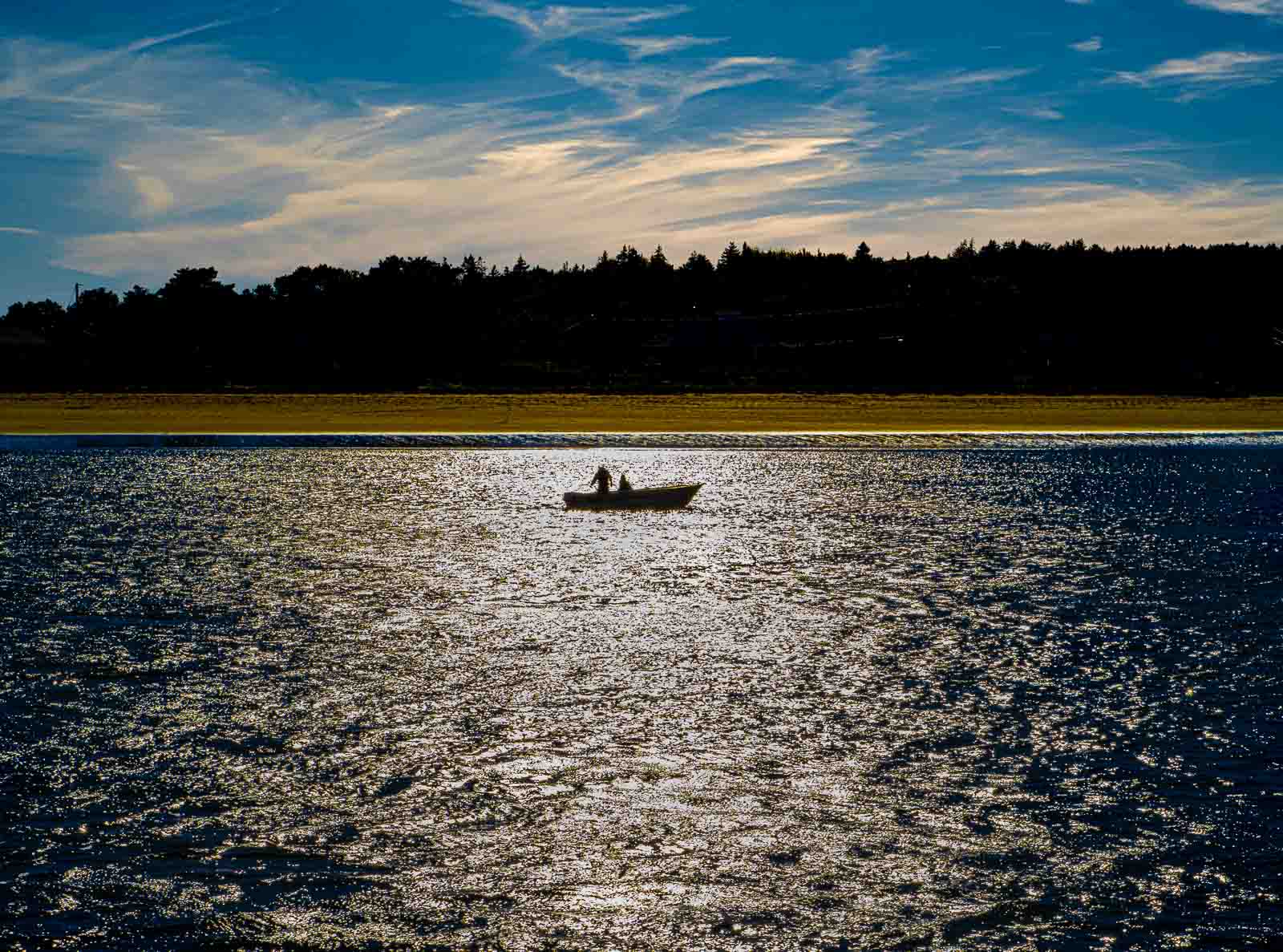
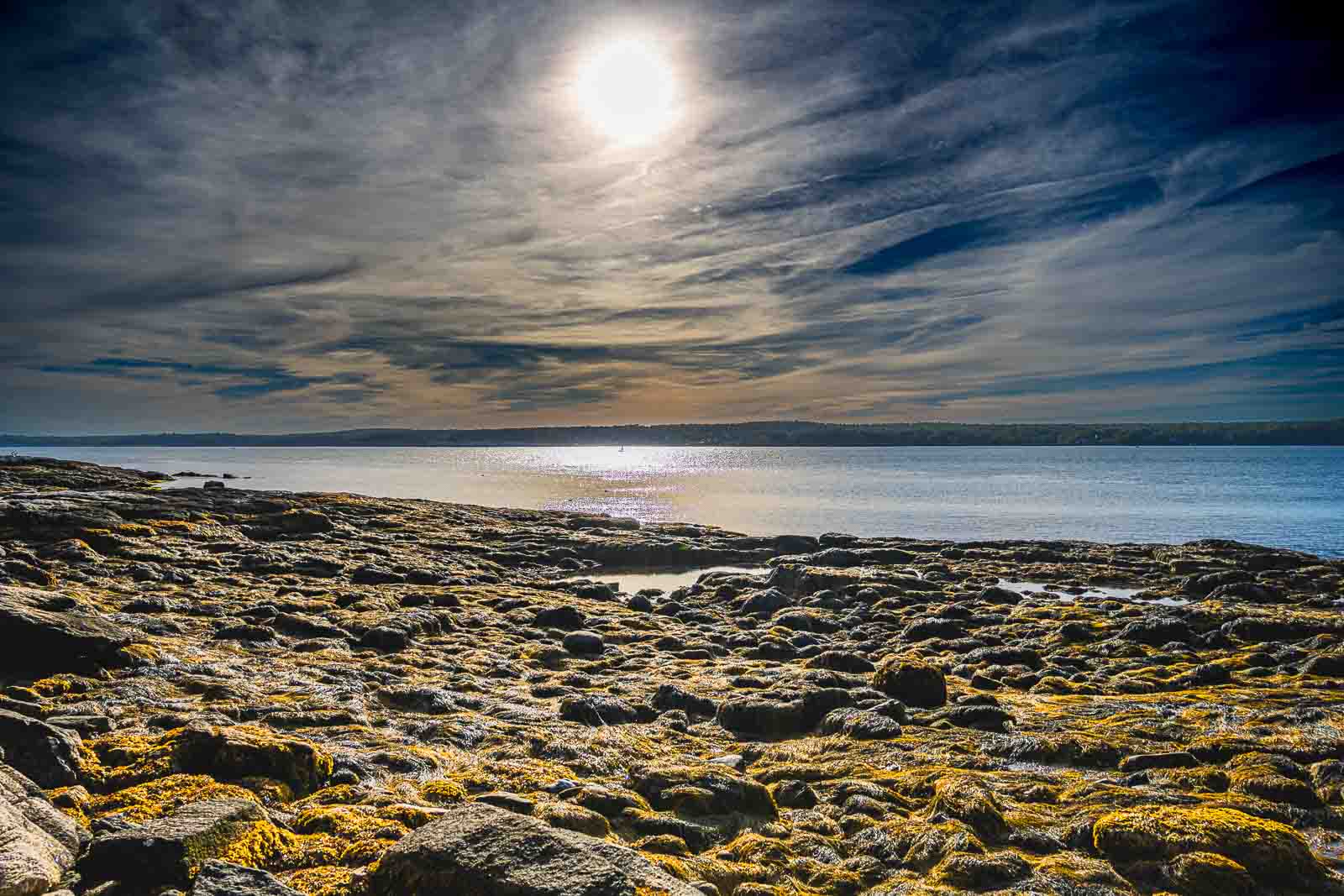
“The sea was once our home—back when our ancestors were nothing but a small collection of cells. . . . The sea connects us with our origins. As a transition zone, the shore is a mixture of land and water, an exceptionally dynamic place.”
“The shore is an ancient world, for as long as there has been an earth and sea there has been this place of the meeting of land and water. Yet it is a world that keeps alive the sense of continuing creation and of the relentless drive of life. Each time that I enter it, I gain some new awareness of its beauty and its deeper meanings, sensing that intricate fabric of life by which one creature is linked with another, and each with its surroundings.”
“Looking out over the cove I felt a strong sense of the interchangeability of land and sea in this marginal world of the shore, and of the links between the life of the two. There was also an awareness of the past and of the continuing flow of time, obliterating much that had gone before, as the sea had that morning washed away the tracks of the bird.”
“The shore, with its difficult and changing conditions, has been a testing ground in which the precise and perfect adaptation to environment is an indispensable condition of survival.”
“NOW I HEAR THE SEA sounds about me; the night high tide is rising, swirling with a confused rush of waters against the rocks below my study window. Fog has come into the bay from the open sea, and it lies over water and over the land’s edge, seeping back into the spruces and stealing softly among the juniper and the bayberry. The restive waters, the cold wet breath of the fog, are of a world in which man is an uneasy trespasser; he punctuates the night with the complaining groan and grunt of a foghorn, sensing the power and menace of the sea. . . . Hearing the rising tide, I think how it is pressing also against other shores I know—rising on a southern beach where there is no fog, but a moon edging all the waves with silver and touching the wet sands with lambent sheen, and on a still more distant shore sending its streaming currents against the moonlit pinnacles and the dark caves of the coral rock. Then in my thoughts these shores, so different in their nature and in the inhabitants they support, are made one by the unifying touch of the sea. For the differences I sense in this particular instant of time that is mine are but the differences of a moment, determined by our place in the stream of time and in the long rhythms of the sea.”